

Patagonian Desert, Patagonia Travel Guide
Discover the untamed beauty of the Patagonian Desert: a cold desert with unique wildlife, stunning landscapes, and rich history.
Spanning over 673,000 square kilometers, the Patagonian Desert is Argentina's largest and the world's eighth-largest desert. Characterized by its arid climate, strong winds, and unique wildlife, it offers a captivating experience for adventurers and nature enthusiasts.
A brief summary to Patagonian Desert
- Río Negro Province, AR

Know before you go
Hi, I'm Eve. Here are a few practical things to know before exploring Patagonian Desert.
- Bring plenty of water and sunscreen, as the desert can be extremely hot and dry during the day.
- Pack layered clothing to prepare for the temperature drop in the evenings.
- Consider visiting during the early morning or late afternoon for the best light for photography.
- Respect the local wildlife and maintain a safe distance when observing animals.
- Check for any local regulations or requirements before hiking or exploring remote areas.
Do you manage this location?
Take control to get all the benefits, like improved information, better appearance, and stronger visibility across AI-powered discovery. Learn more about listing your business on Evendo
Activate your presenceOther nearby places you may find interesting
The closest places of the same kind, if this one is not quite what you had in mind.
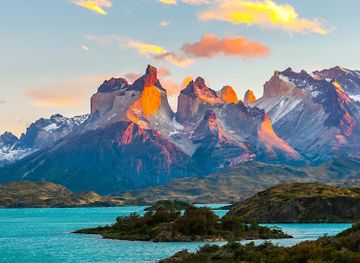
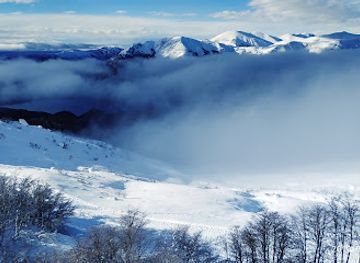
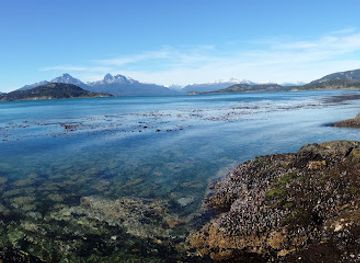
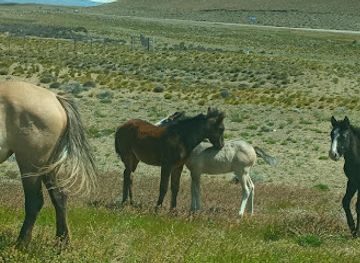
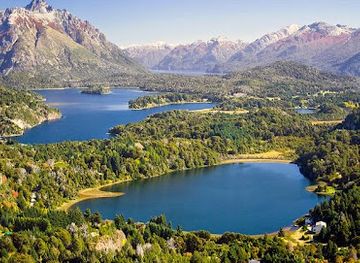
Explore Patagonian Desert on the Map
A handpicked selection of must-see spots near Patagonian Desert, mapped for you.
Getting There
-
Car
To reach the Patagonian Desert by car, a good starting point is the town of Perito Moreno in Central Patagonia. From there, take Route 43 south towards Los Antiguos. After approximately 120 km, you'll reach the junction with Route 40. Turn left onto Route 40 and continue south for about 200 km. As you approach the Río Negro Province, watch for signs directing you to the Patagonian Desert. Keep in mind that the desert area spans a large region, so explore various access points depending on your interests.
-
Public Transport
To reach the Patagonian Desert by public transport, you can take a bus from the nearby town of Perito Moreno. Bus services are available that head south on Route 40 towards Esquel. Confirm schedules and routes with local bus companies such as 'Via Bariloche' or 'Andesmar'. Book your ticket in advance, especially during peak tourist seasons. The journey may take several hours, and upon arriving at the nearest bus stop, arrange for a taxi or local transport to take you into the desert area, as public transportation directly into the desert is limited. A bus ticket from Perito Moreno to Esquel typically costs around AR$2,000-AR$4,000.
-
Taxi/Rideshare
Once you are in a nearby town such as Los Antiguos or Perito Moreno, you might consider hiring a taxi or using a rideshare service to reach specific areas within the Patagonian Desert. Ensure that you agree on a fare beforehand, as some drivers might not use a meter. This option provides flexibility and allows you to access more remote locations within the desert. A taxi or rideshare from Los Antiguos to a specific point in the desert might cost around AR$1,500-AR$3,000, depending on the distance.
Discover more about Patagonian Desert













Your all‑in‑one travel companion app
Explore expert travel guides, compare and book tours, experiences, hotels, and more—all from the palm of your hand. Download now for seamless trip planning wherever your wanderlust takes you.


Explore More of Patagonia
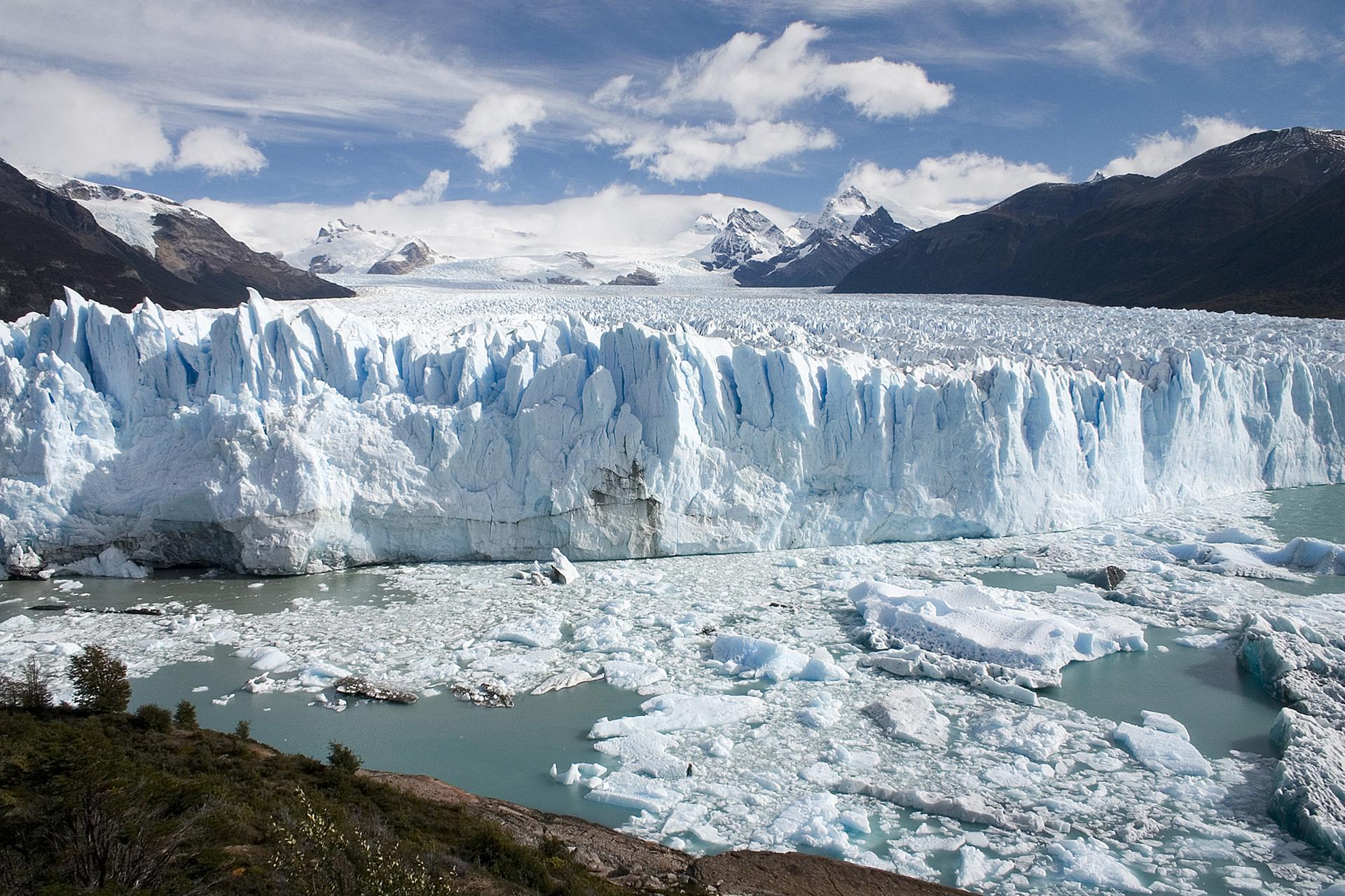
Looking beyond Patagonian Desert? Discover Patagonia for broader travel guides, local hot-spots, and regional highlights.
Explore Patagonia