

Free Patagonia Travel Guide & Mobile App
Explore Patagonia with free travel guides. Discover regional history, expert tips, proposed trips, and audio guides on web or mobile app.


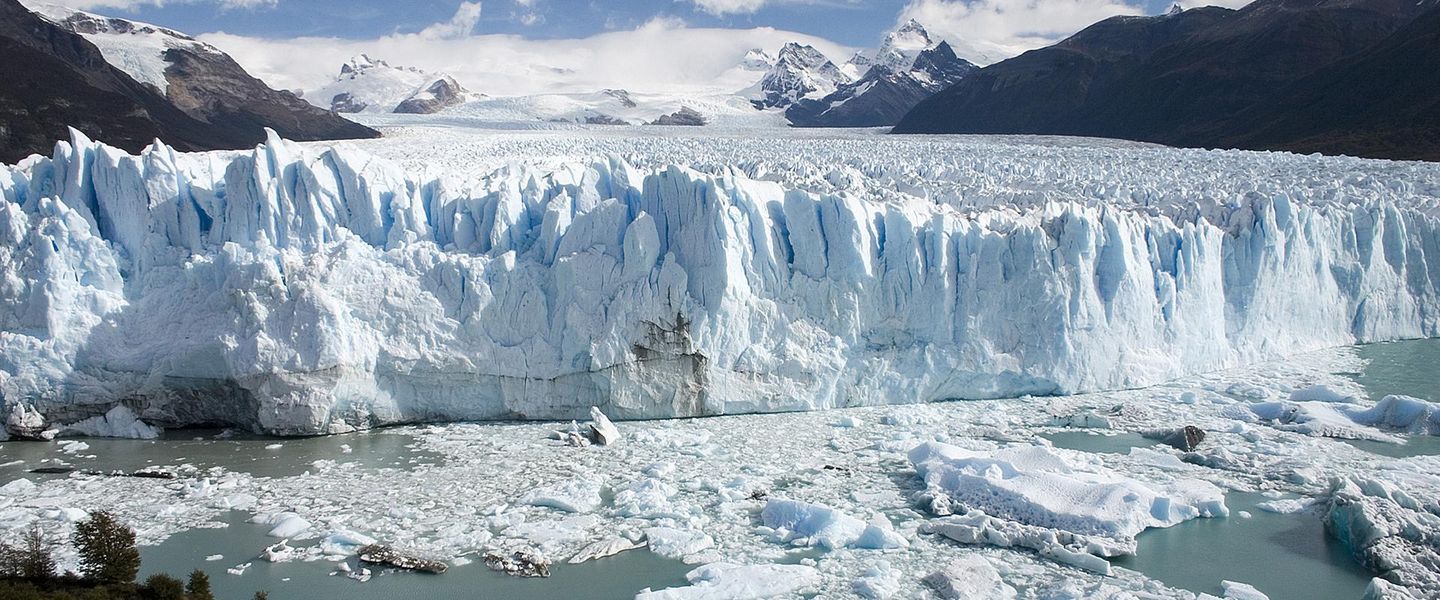


Explore Argentine Patagonia’s glaciers, Andean lakes, wildlife-rich coast, trekking routes and remote southern landscapes across a vast frontier.
Read more about Patagonia
When is the best time to visit Patagonia?
Best: December–February · 19–21°C| Month | High (°C) | Rainfall (mm) |
|---|---|---|
| January (best) | 21 | 25 |
| February (best) | 20 | 22 |
| March | 16 | 20 |
| April | 12 | 18 |
| May | 8 | 16 |
| June | 6 | 15 |
| July | 5 | 15 |
| August | 7 | 16 |
| September | 11 | 18 |
| October | 15 | 20 |
| November | 17 | 22 |
| December (best) | 19 | 25 |
Getting to and around Patagonia
How to get there
Transportation
Top city travel guides in Patagonia
The cities of Patagonia, and the easiest places to base yourself.
-

-

-
-


Swipe for more cities
Destinations in Patagonia
Resorts, valleys and scenic spots worth a trip of their own.
-

-

-
-

-

-


Swipe for more destinations
Best attractions in Patagonia
Argentine Patagonia’s attractions are distributed across enormous distances and range from protected wilderness to working landscapes. In the north, Nahuel Huapi and Lanín national parks combine glacial lakes, volcanoes and Andean forest, with walking, kayaking, skiing and scenic roads around Bariloche and San Martín de los Andes. Chubut offers the wildlife-rich Valdés Peninsula, the Welsh-influenced settlements of the Chubut Valley and the archaeological significance of the Cueva de las Manos area. Santa Cruz is the principal glacier country: Los Glaciares National Park provides access to Perito Moreno Glacier and the trekking landscapes around El Chaltén. The far south brings Tierra del Fuego National Park, maritime scenery and opportunities for hiking, canoeing and wildlife observation near Ushuaia. Alongside natural attractions are estancias, rural museums, geological formations, fossil sites and small communities that reveal how people have adapted to wind, distance and seasonal extremes. Activities are highly seasonal, and many remote sites are best visited with a guide or through an organised excursion.
-
National park
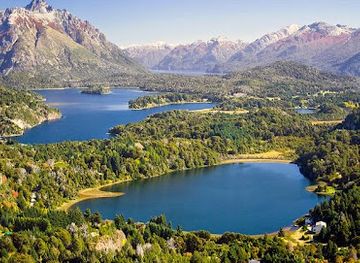
Parque Nacional Nahuel Huapi
Explore the breathtaking landscapes and rich biodiversity of Parque Nacional Nahuel Huapi, a top destination for nature enthusiasts in Argentina.
-
Marina
Puerto Pañuelo
Discover the beauty of Nahuel Huapi Lake from Puerto Pañuelo, your gateway to unforgettable Patagonian adventures and stunning landscapes.
-
Tourist attraction
Parque Nacional Los Arrayanes
Experience the breathtaking beauty of Parque Nacional Los Arrayanes, home to unique arrayán trees and stunning Patagonian landscapes.
-
Observation deck
Punto Panorámico - Circuito Chico
Experience breathtaking panoramic views of Lake Moreno and the Andes Mountains from this must-see stop along Bariloche's scenic Circuito Chico.


Best landmarks in Patagonia
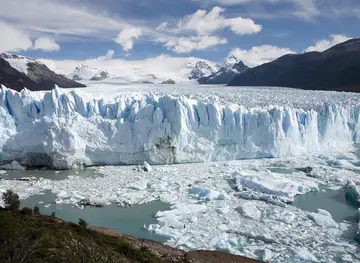
Patagonia’s most recognisable landmarks are often natural formations on a monumental scale. Perito Moreno Glacier in Los Glaciares National Park is notable for its immense ice front and relatively accessible viewing circuits, while the granite spires of Fitz Roy and Cerro Torre define the skyline around El Chaltén. Nahuel Huapi Lake and the volcanic cone of Lanín give the northern Andes a different visual character, framed by protected forests and deep-blue water. On the Atlantic coast, the cliffs and bays of Valdés Peninsula are inseparable from the region’s marine wildlife and conservation history. Cueva de las Manos in Santa Cruz is a landmark of global archaeological importance, preserving prehistoric rock art in a canyon setting. At the southern end, the Beagle Channel and the forested mountains around Ushuaia express Tierra del Fuego’s maritime and subantarctic identity. These sites are geographically dispersed and should be treated as separate destination areas rather than as day trips from one another.
-
National park
Parque Nacional Nahuel Huapi
Discover Patagonia's natural beauty in Argentina's oldest national park, offering stunning landscapes and outdoor adventures year-round.
-
Tourist attraction
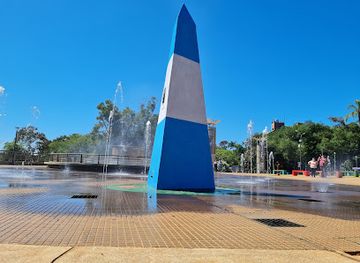
Hito Tres Fronteras (Argentina)
Experience the convergence of Argentina, Brazil, and Paraguay at this tri-border landmark in Puerto Iguazú. A unique spot for culture and scenery.
-
Park
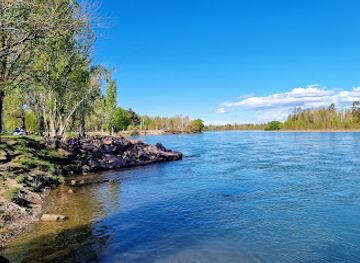
Paseo de la Costa
Discover Neuquén's scenic riverside park with walking paths, gardens, cultural events, and stunning views of the Limay River and Patagonian landscape.
-
Historical landmark
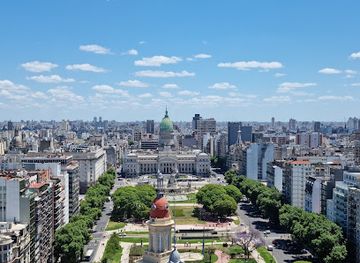
Palacio Barolo
Explore Buenos Aires' Palacio Barolo: a masterpiece inspired by Dante's Divine Comedy, offering history, architecture, and panoramic city views.
Explore Patagonia on the map
Plan your trip on one map. See where the top cities, national parks and sights are, and book hotels and experiences in a few clicks.
Best hotels in Patagonia
Best restaurants in Patagonia
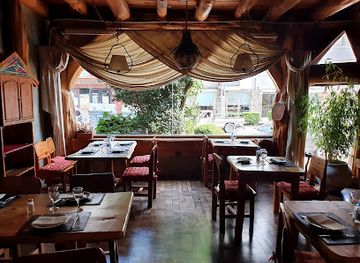
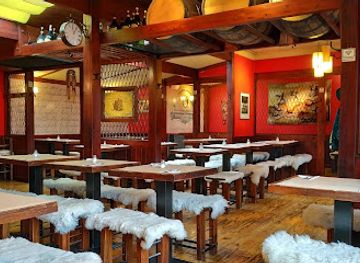
Dining in Argentine Patagonia reflects both its geography and its settlement history. Lamb cooked over an open fire is strongly associated with the southern steppe, while trout is common around the Andean lakes and king crab and other seafood feature in Tierra del Fuego. Chubut combines Argentine cooking with Welsh-influenced tea traditions, particularly around the Chubut Valley, while berries, preserves and locally produced chocolates are familiar in the northern lake districts. Bariloche and other larger centres offer cafés, breweries, pizzerias and contemporary restaurants alongside traditional parrillas; smaller towns may have a more limited but often locally focused choice. Estancias and rural inns can provide regional meals, although access and booking arrangements vary. Argentine staples such as empanadas, beef and mate are found throughout the region, but Patagonia’s broad culinary identity comes from combining them with lamb, game where legally and responsibly sourced, mountain produce, shellfish and wines from northern Patagonian vineyards.
-
Restaurant
Familia Weiss
Experience exquisite Argentine cuisine at Familia Weiss in San Carlos de Bariloche - a must-visit for food lovers.
-
Argentinian
Bodegón Fueguino
Experience authentic Argentinian cuisine at Bodegón Fueguino in Ushuaia - a culinary delight in Tierra del Fuego.
-
Beer hall
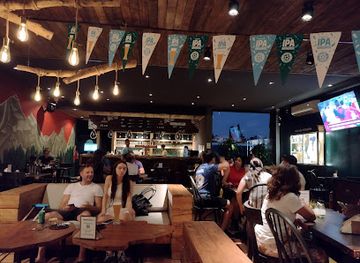
Cerveza Patagonia - Refugio Bahía Blanca
Discover Cerveza Patagonia - Refugio Bahía Blanca: A premier destination for craft beer lovers in Argentina's vibrant coastal city.
-
Argentinian
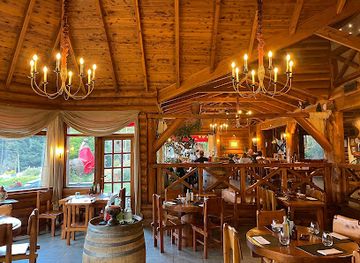
El Patacón
Experience authentic Argentinian cuisine with breathtaking views at El Patacón in San Carlos de Bariloche.
Best bars in Patagonia
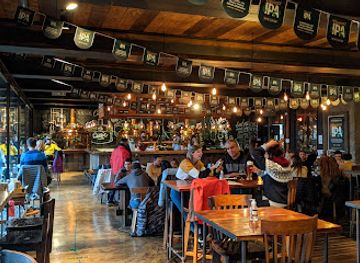
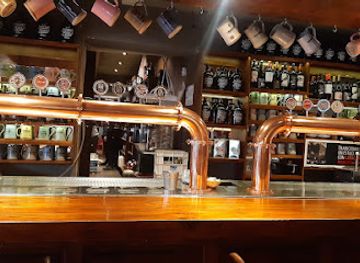
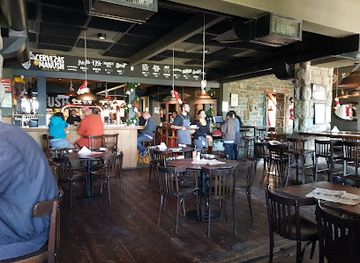
Patagonian evening life is concentrated in larger towns and varies considerably by season. Bariloche has the region’s most established late-night scene, with breweries, pubs, live music and clubs serving visitors and local residents, particularly during holiday and ski periods. Neuquén and Río Gallegos provide broader urban choices, while El Calafate, Puerto Madryn, Ushuaia and San Martín de los Andes tend towards restaurants, wine bars, craft breweries, hotel lounges and smaller live-music venues rather than a continuous club culture. In trekking and wildlife centres, evenings often begin early because of excursions and changing daylight, and in rural areas the social focus is more likely to be a local pub, estancia or restaurant. Nightlife is seasonal and commercial venues can change, so current local advice is more reliable than assuming year-round opening patterns.
-
Brewpub
Cerveza Patagonia - Cerveceria Bariloche
Experience the best of Patagonia at Cerveza Patagonia, where artisanal brews and local cuisine await in Bariloche's picturesque landscapes.
-
Brewpub
Manush Centro
Discover the best local craft beers and gourmet cuisine at Manush Centro, a vibrant brewpub in the heart of Bariloche.
-
Brewpub
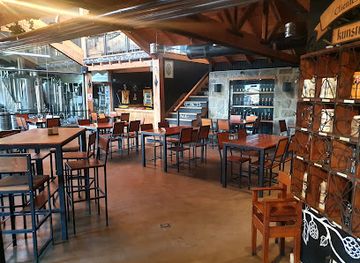
Kunstmann
Discover the rich flavors of Patagonia at Kunstmann Brewpub in San Carlos de Bariloche, offering artisanal beers and delicious cuisine in a stunning setting.
-
Brewpub
Manush km 4
Discover the vibrant atmosphere and craft beers at Manush km 4 in San Carlos de Bariloche, where local flavors meet exceptional brews.
Best nightclubs in Patagonia
Patagonian evening life is concentrated in larger towns and varies considerably by season. Bariloche has the region’s most established late-night scene, with breweries, pubs, live music and clubs serving visitors and local residents, particularly during holiday and ski periods. Neuquén and Río Gallegos provide broader urban choices, while El Calafate, Puerto Madryn, Ushuaia and San Martín de los Andes tend towards restaurants, wine bars, craft breweries, hotel lounges and smaller live-music venues rather than a continuous club culture. In trekking and wildlife centres, evenings often begin early because of excursions and changing daylight, and in rural areas the social focus is more likely to be a local pub, estancia or restaurant. Nightlife is seasonal and commercial venues can change, so current local advice is more reliable than assuming year-round opening patterns.
-
Disco club
Genux
Experience the vibrant nightlife of Bariloche at Genux, a top disco club and bar known for its energetic atmosphere and exceptional drinks.
-
Night club
Club Bahrein
Discover the pulse of Buenos Aires nightlife at Club Bahrein, a vibrant dance club known for its unforgettable parties and lively atmosphere.
-
Disco club
Glam Disco
Discover the electrifying nightlife of Buenos Aires at Glam Disco, where the music never stops and the dance floor awaits your moves!
-
Night club
By Pass
Discover the vibrant nightlife at By Pass, the premier nightclub in San Carlos de Bariloche, offering an exhilarating atmosphere and unforgettable experiences.




Best shops in Patagonia
Shopping in Patagonia is centred on practical town high streets, independent producers and regional foods rather than large retail districts. Bariloche is known for chocolate, outdoor equipment and craft beer, while towns in the lake district offer woollens, woodwork and locally made goods. Around Chubut, visitors may find Welsh-inspired food products, preserves and handicrafts, alongside farm and artisan produce. El Calafate and El Chaltén have shops selling trekking equipment, cold-weather clothing, locally themed crafts and packaged regional foods, although prices and choice reflect their remote location. Ushuaia combines outdoor gear with maritime and Tierra del Fuego-themed souvenirs. Look for wool, leather, ceramics, textiles, books and regional delicacies, but buy wildlife products, fossils and archaeological material only from legitimate sources and never remove natural or cultural objects from protected areas.
-
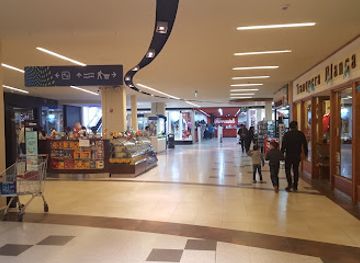
Shopping mall
Paseo de la Patagonia Shopping Center
Explore the vibrant Paseo de la Patagonia Shopping Center in Neuquén, a perfect blend of shopping, dining, and entertainment for all visitors.
-
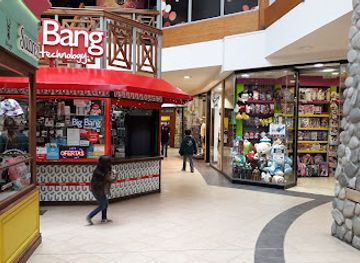
Shopping mall
Shopping Patagonia
Experience the best of shopping in Patagonia at Shopping Patagonia, a vibrant mall in San Carlos de Bariloche with local boutiques, dining, and entertainment.
-
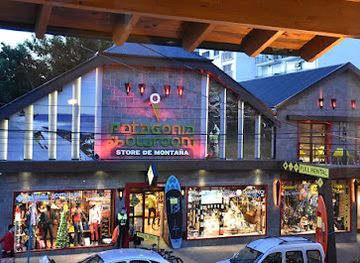
Outdoor sports store
Patagonia Showroom
Discover the best outdoor gear and rentals at Patagonia Showroom in San Carlos de Bariloche for an unforgettable adventure in nature.
-
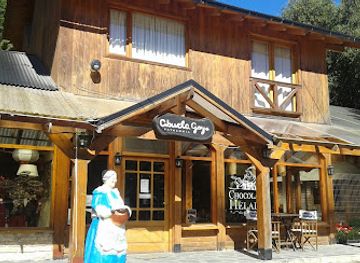
Craft store
Handicrafts The Coihue
Explore Handicrafts The Coihue in San Carlos de Bariloche for unique local crafts and cake decorating supplies that embody the spirit of Argentine artistry.
Get your free copy of our complete guide to Patagonia, delivered straight to you.
Everything on this page, from attractions and restaurants to essentials and local phrases, in one PDF you can read offline, print or share.
Already have an account? Sign in
Your Patagonia guide is ready.
We'll send it to · Not you? Sign out

Getting your guide ready…
We are putting together a fresh copy of the Patagonia guide. This can take up to a minute.
This can take a few moments. If your browser asks, choose Allow so the download can start. You'll find the guide in your Downloads folder.
Nothing happened? Download it again
Sorry, the guide is taking longer than usual. Please try again in a minute, or get it by email instead.
Patagonia essentials
Currency and Payment
Safety
Emergency Situations
Do's and Don'ts
Local Tips
From Eve
Local phrases worth knowing
You don't need to get them perfect. A few words go a long way, and locals appreciate the effort.
Basics
| English | Local | Say it |
|---|---|---|
| Hello | Hola | [Ola] |
| Goodbye | Adiós | [Adeeos] |
| Yes | Sí | [See] |
| No | No | [No] |
| Please/You're welcome | Por favor/Soy bienvenido | [Por favor/Soy byenbenido] |
| Thank you | Gracias | [Grasias] |
| Excuse me/Sorry | Perdón | [Perdon] |
| How are you? | ¿Cómo estás? | [Como estas] |
| Fine. And you? | Bien. ¿Y tú? | [Bien. E tu?] |
| Do you speak English? | ¿Hablas inglés? | [Ablas ingles] |
| I don't understand | No entiendo | [No entiendo] |
Eating & Drinking
| English | Local | Say it |
|---|---|---|
| I'd like to see the menu, please | Me gustaría ver el menú, por favor | [Me gustaria ver el menu, por favor] |
| I don't eat meat | No como carne | [No como carne] |
| Cheers! | ¡Salud! | [Salud] |
| I would like to pay, please | Me gustaría pagar, por favor | [Me gustaria pagar, por favor] |
Emergencies
| English | Local | Say it |
|---|---|---|
| Help! | ¡Ayuda! | [Ayuda] |
| Go away! | ¡Lárgate! | [Largate] |
| Call the Police! | ¡Llama a la policía! | [Llama a la policia] |
| Call a doctor! | ¡Llama a un doctor! | [Llama a un doktor] |
| I'm lost | Estoy perdido | [Estoy perdido] |
| I'm ill | Estoy enfermo | [Estoy enfermo] |
Shopping
| English | Local | Say it |
|---|---|---|
| I'd like to buy... | Me gustaría comprar... | [Me gustaria comprar] |
| I'm just looking | Solo estoy mirando | [Solo estoy mirando] |
| How much is it? | ¿Cuánto cuesta? | [Cuanto cuesta] |
| That's too expensive | Eso es muy caro | [Eso es muy caro] |
| Can you lower the price? | ¿Puedes bajar el precio? | [Puedes bajar el precio] |
Time & Numbers
| English | Local | Say it |
|---|---|---|
| What time is it? | ¿Qué hora es? | [Que ora es] |
| It's one o'clock | Es la una | [Es la una] |
| Half past (10) | Y media (10) | [Y media 10] |
| Morning | Mañana | [Mañana] |
| Afternoon | Tarde | [Tarde] |
| Evening | Noche | [Noche] |
| Yesterday | Ayer | [Ayer] |
| Today | Hoy | [Hoy] |
| Tomorrow | Mañana | [Mañana] |
| 1 | Uno | [Uno] |
| 2 | Dos | [Dos] |
| 3 | Tres | [Tres] |
| 4 | Cuatro | [Cuatro] |
| 5 | Cinco | [Cinco] |
| 6 | Seis | [Seis] |
| 7 | Siete | [Siete] |
| 8 | Ocho | [Ocho] |
| 9 | Nueve | [Nueve] |
| 10 | Diez | [Diez] |
Transport & Directions
| English | Local | Say it |
|---|---|---|
| Where's a/the...? | ¿Dónde hay un/una...? | [Donde hay un/una] |
| What's the address? | ¿Cuál es la dirección? | [Cual es la direccion] |
| Can you show me (on the map)? | ¿Puedes mostrarme (en el mapa)? | [Puedes mostrarme en el mapa] |
| When's the next (bus)? | ¿Cuándo sale el próximo (bus)? | [Cuando sale el proximo bus] |
| A ticket (to ....) | Un boleto (a....) | [Un boleto a] |
History of Patagonia
Early Peoples and Archaeological Patagonia
Patagonia has been inhabited for thousands of years by Indigenous peoples including the Tehuelche and Mapuche, while the Selk’nam, Yaghan and other peoples lived in Tierra del Fuego and the southern channels. Archaeological sites record hunting, coastal adaptation and movement across the steppe and forests. The hand stencils and animal paintings of Cueva de las Manos in Santa Cruz are among the region’s most important surviving traces of early human life. These histories long predate European exploration and remain central to understanding Patagonia as a lived homeland rather than an empty frontier.
European Exploration and the Name Patagonia
European voyages along the southern Atlantic coast began in the early sixteenth century, most famously with Ferdinand Magellan’s expedition, which entered the strait now bearing his name in 1520. European cartography gradually incorporated the coast, islands and interior, although knowledge remained limited for centuries. The name Patagonia entered European usage during this period and was shaped by travel narratives as much as by direct observation. Maritime exploration established strategic interest in the southern passages, but did not represent the beginning of Patagonia’s history or settlement.
Indigenous Campaigns and Argentine State Expansion
During the nineteenth century, the Argentine state extended military and administrative control over Patagonia through campaigns commonly known as the Conquest of the Desert. These campaigns caused severe disruption, dispossession and loss of life among Indigenous communities, followed by land redistribution and new forms of state settlement. The consequences remain visible in landholding patterns, community histories and continuing debates about rights and recognition. The incorporation of Patagonia into the national state also enabled surveying, new administrative divisions and more intensive settlement.
Welsh Settlement and Agricultural Colonisation
Welsh immigrants established settlements in the Chubut Valley from 1865, creating a distinctive cultural presence around Trelew, Gaiman, Dolavon and nearby communities. Irrigation transformed parts of the otherwise dry valley into productive farmland, while Welsh chapels, bilingual heritage and tea-house traditions developed alongside Argentine life. Other parts of Patagonia attracted European migrants, ranchers and entrepreneurs, and sheep farming became especially important across the steppe. These communities helped create the region’s dispersed settlement pattern and its layered cultural identity.
Sheep Ranching, Labour and Frontier Economies
From the late nineteenth century, large sheep estancias reshaped the economy and landscape of southern Patagonia, supported by ports, wool exports and transport links. The industry brought wealth to some landowners but also produced harsh working conditions and deep social inequality. In Santa Cruz, labour conflicts culminated in the Patagonian Rebelde strikes of 1920–1921, followed by violent repression. Estancia buildings, rural museums and surviving ranch landscapes provide reminders of this economic history, alongside contemporary debates about land, labour and environmental change.
Conservation, Tourism and the National Parks
Patagonia’s national park system developed during the twentieth century, protecting major areas of Andean forest, steppe, coast and ice. Nahuel Huapi was Argentina’s first national park, while later protected areas included Los Glaciares, Tierra del Fuego, Lanín and the marine environments around Valdés Peninsula. Conservation helped establish Patagonia as an international destination for trekking, wildlife observation and landscape tourism, although protected-area management must also address Indigenous rights, wildfire, invasive species, visitor pressure and climate change. Glaciers and changing ecosystems now give environmental research an especially visible role.
Patagonia in Photos
Browse through our photo collection highlighting the charm and character of the destination.
Neighbouring regions of Patagonia
The closest regions to Patagonia, if you have time for more than one.
-

-

-

-
-


Swipe for more regions
Explore more

Explore more of Argentina
Discover Argentina: From the lively streets of Buenos Aires to the breathtaking landscapes of Patagonia, experience the vibrant culture and diverse natural wonders of this South American gem.
Explore Argentina