
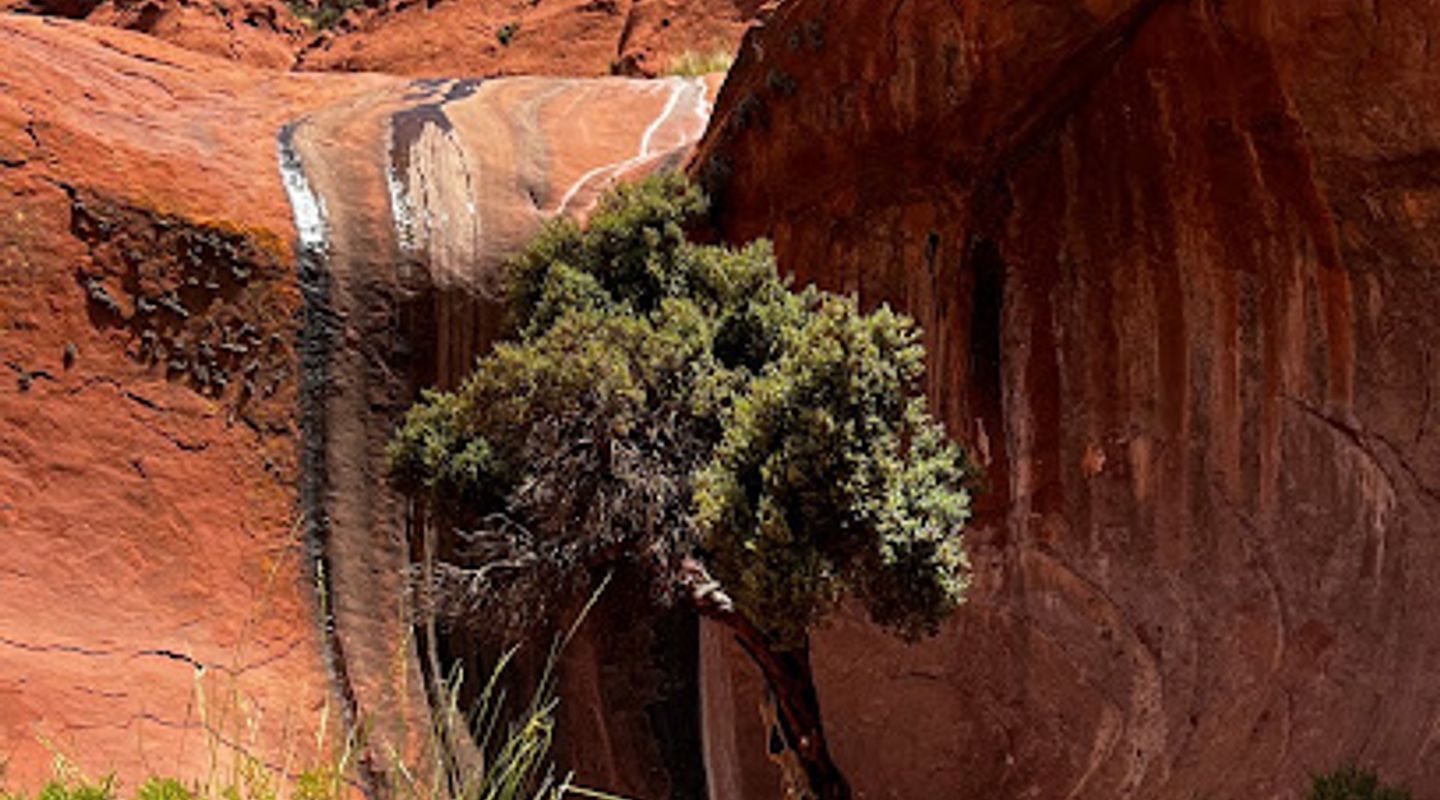
Inca Cueva, Quebrada De Humahuaca Travel Guide
Discover ancient rock art and stunning landscapes at Inca Cueva in Jujuy, a journey through millennia of history and natural beauty.
Inca Cueva, located in Jujuy Province, is not actually a cave, but a remarkable red sandstone rock formation adorned with ancient cave paintings. This archaeological site offers a glimpse into the lives of early inhabitants, with the oldest traces of fire pits dating back 9,200 years.
A brief summary to Inca Cueva
- Azul Pampa, Jujuy Province, AR
- Click to display
- Monday 8 am-6 pm
- Tuesday 8 am-6 pm
- Wednesday 8 am-6 pm
- Thursday 8 am-6 pm
- Friday 8 am-6 pm
- Saturday 8 am-6 pm
- Sunday 8 am-6 pm

Know before you go
Hi, I'm Eve. Here are a few practical things to know before exploring Inca Cueva.
- Wear comfortable shoes suitable for walking on uneven terrain.
- Bring water and snacks, as the altitude can make the hike more strenuous.
- Consider visiting with a guided tour to gain deeper insights into the site's history and significance.
- Check the weather forecast before your visit, as conditions in the area can change rapidly.
Do you manage this location?
Take control to get all the benefits, like improved information, better appearance, and stronger visibility across AI-powered discovery. Learn more about listing your business on Evendo
Activate your presenceOther nearby places you may find interesting
The closest places of the same kind, if this one is not quite what you had in mind.
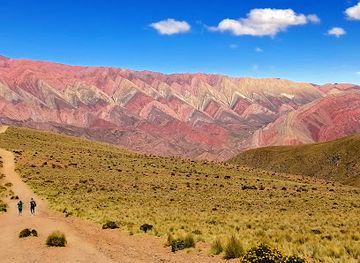

Explore Inca Cueva on the Map
A handpicked selection of must-see spots near Inca Cueva, mapped for you.
Getting There
-
Public Transport
From Humahuaca, take a local bus towards Uquía. Buses depart frequently from the main terminal. Inform the driver you wish to stop at Inca Cueva. The bus ride is approximately 30 minutes. From the bus stop, walk about 2 km along a dirt road to reach the entrance. Be prepared for some elevation changes. Bus fare is estimated between ARS 2,700 - ARS 3,600.
-
Car
From Humahuaca, drive south on Route 9 (Ruta 9) for about 5 km. Look for the Inca Cueva sign and turn onto the dirt road leading towards the mountains. Continue for approximately 3 km to the parking area near the entrance. The road can be uneven, so a vehicle with good clearance is advisable. Parking is available near the entrance. There are no toll fees.
-
Walking
If staying in Humahuaca, you can hike to Inca Cueva. Start at the main plaza and head south towards Ruta 9. Follow the dirt road towards Inca Cueva. This is about an 8 km hike and can take 2-3 hours. Ensure you bring enough water and wear comfortable shoes. There are no fees involved.
Discover more about Inca Cueva













Your all‑in‑one travel companion app
Explore expert travel guides, compare and book tours, experiences, hotels, and more—all from the palm of your hand. Download now for seamless trip planning wherever your wanderlust takes you.


Explore More of Quebrada De Humahuaca
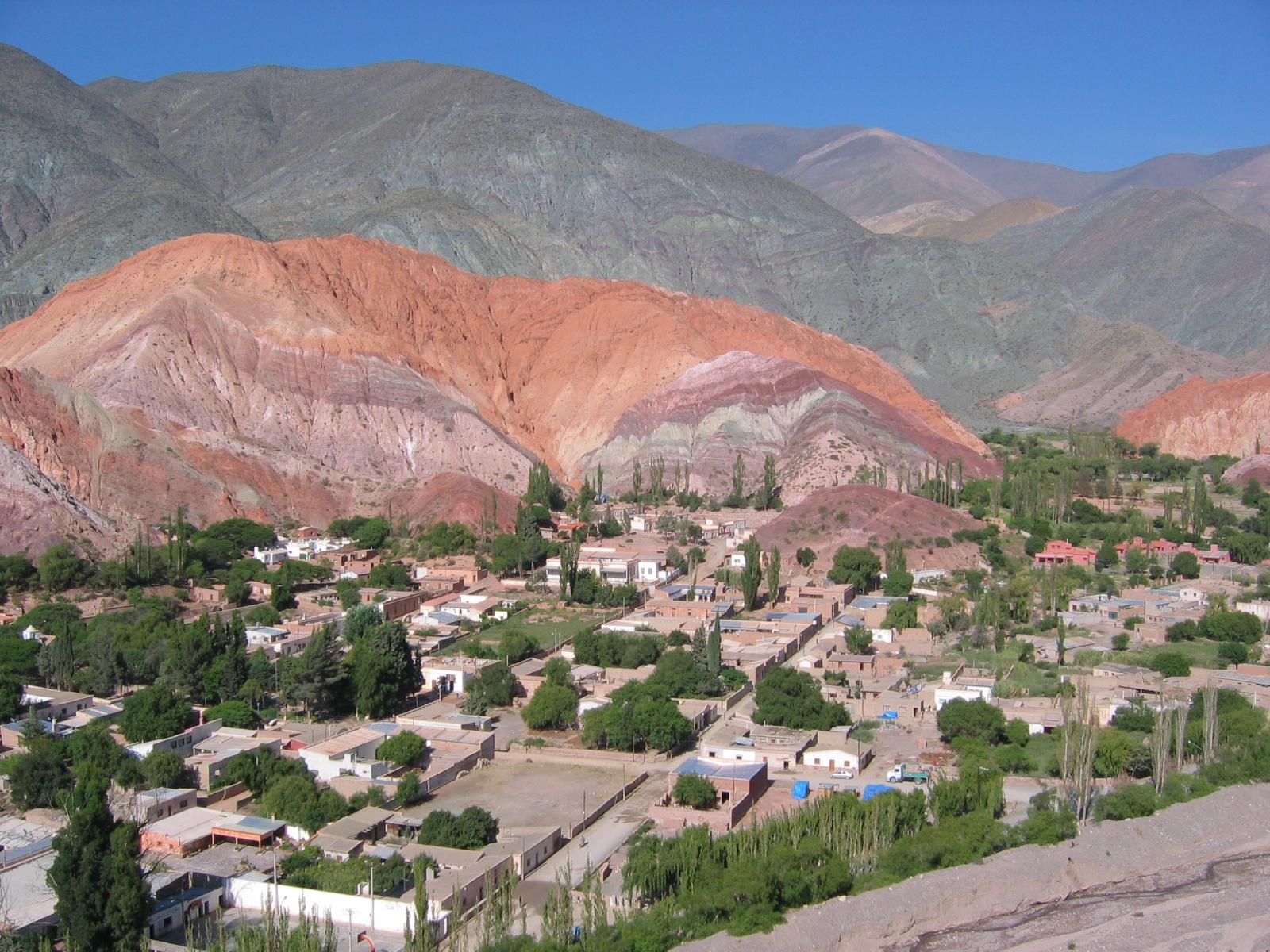
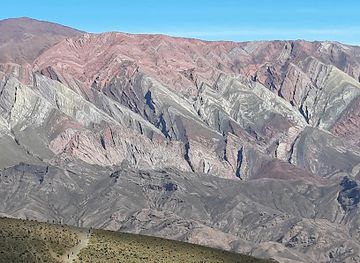
Looking beyond Inca Cueva? Discover Quebrada De Humahuaca for broader travel guides, local hot-spots, and regional highlights.
Explore Quebrada De Humahuaca
Experience the vibrant culture and breathtaking landscapes of Jujuy Province at this must-visit landmark in Tilcara, Argentina.
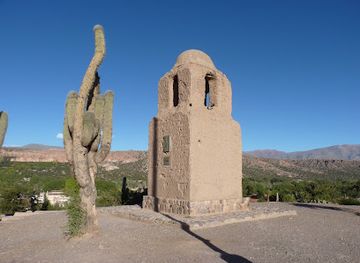
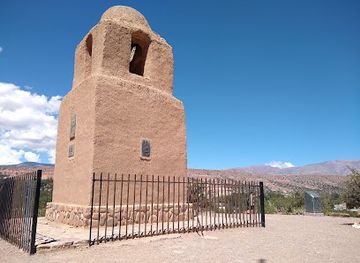
A towering monument in Humahuaca honoring the heroes of Argentina's independence, symbolizing the nation's fight for freedom.
