

Barrio Ludueña (Rosario) Travel Guide - Free
Explore Barrio Ludueña in Rosario with Evendo's free guide. Find the best shops, historic streets, restaurants, and gems on web or mobile.


Barrio Ludueña in Rosario, Argentina, reveals railway heritage, community life, Padre Montaldo’s legacy and the everyday character of the city’s northwest.
A Neighbourhood Shaped by Work and Movement
Barrio Ludueña occupies a largely residential area of north-western Rosario, where broad avenues, modest houses, railway infrastructure and the channelled Arroyo Ludueña reflect the practical geography of the city’s outer districts. It is not a conventional sightseeing quarter, but an important part of Rosario’s social and cultural map. The neighbourhood grew alongside railway connections and expanding urban settlement, and its identity remains closely tied to working families, local clubs, schools, parishes and community organisations.Read more about Barrio Ludueña
Community Memory
Everyday Rosario
Best landmarks in Barrio Ludueña
The most meaningful landmarks in Barrio Ludueña are connected to community history and infrastructure. San Francisco Solano is associated with the long pastoral and social work of Padre Edgardo Montaldo, whose presence made the parish a significant reference point for generations of residents. The Arroyo Ludueña is another defining physical feature: its channel and drainage works illustrate the environmental problems that accompanied Rosario’s growth into low-lying peripheral land. Railway corridors and related structures preserve the memory of the transport networks that helped settle and organise the north-western edge of the city, even where facilities are no longer active in their original role. Local football clubs, schools and social institutions also function as landmarks in the everyday sense, anchoring neighbourhood identity. Their importance is primarily local and should not be confused with the monumental heritage of central Rosario.
-
 Park
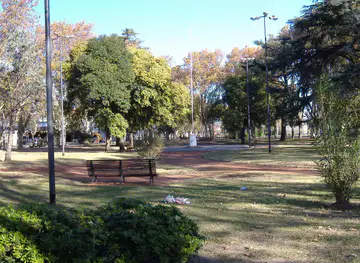
Plaza De Las Luces
Escape to Plaza De Las Luces in Rosario: a green retreat for relaxation, picnics, and community events in the heart of the city.
6 min drive · 2.2 km from neighbourhood centre
Explore Barrio Ludueña on the map
A handpicked selection of must-see spots in Barrio Ludueña, mapped for you.
Best hotels in Barrio Ludueña
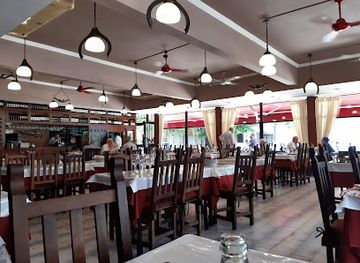
Best restaurants in Barrio Ludueña
Ludueña has a largely local dining culture rather than a concentrated restaurant district aimed at visitors. Food is found through neighbourhood shops, bakeries, cafés, takeaway counters and modest family-run establishments serving familiar Argentine fare, including grilled meats, empanadas, pizzas, sandwiches and sweet pastries. The commercial streets are more useful for observing everyday purchasing habits than for seeking a curated culinary circuit, and opening hours and individual businesses can change. Visitors should distinguish local food shopping from the more extensive restaurant scenes of central Rosario and Pichincha, which lie elsewhere in the city. Small purchases are a good way to engage with the area without turning residential streets into a spectacle; ask before photographing shop interiors or people. Those seeking a broad choice of sit-down restaurants may find it more practical to dine in central districts and visit Ludueña for its social history and streetscape.
-
American
Rock&Feller's Alto Rosario
Experience the best of American cuisine at Rock&Feller's Alto Rosario - where flavor meets atmosphere in Argentina.
7 min drive · 2.3 km from neighbourhood centre
-
Restaurant
Nuevo Cid Restaurante y Parrilla
Experience authentic Argentine cuisine at Nuevo Cid Restaurante y Parrilla in Rosario - home to mouthwatering grilled meats and local wines.
5 min drive · 1.6 km from neighbourhood centre
-
Restaurant
La Cambicha
Discover La Cambicha in Rosario: Savor authentic Argentine flavors at this vibrant restaurant and bar & grill.
12 min walk · 0.9 km from neighbourhood centre
-
Restaurant
A la deriva - Bodegón del Mundo
Experience authentic Argentine cuisine at A la Deriva - Bodegón del Mundo in Rosario, where every dish tells a story.
7 min drive · 2.2 km from neighbourhood centre



Best bars in Barrio Ludueña
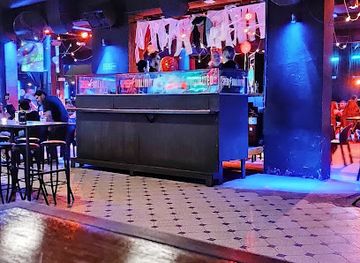
Ludueña is not one of Rosario’s principal nightlife quarters, and its evening life is better understood through neighbourhood cafés, informal bars, football-club activity and local social gatherings than through a concentration of nightclubs. Some small establishments may serve drinks and simple food, but their character and operating hours are local and changeable rather than part of a dependable visitor circuit. The district’s community institutions, parish life and clubs remain more significant to its after-dark identity than late-night entertainment. Visitors staying elsewhere should avoid assuming that a quiet residential street offers the same options as Rosario’s central bars or the nightlife around Pichincha. If attending a local event, confirm the venue, time and access arrangements in advance, travel with a clear plan and keep noise low when leaving, particularly near homes, schools and community facilities.
-
Bar
Banus Bar
Experience the vibrant nightlife of Rosario at Banus Bar, where delicious food meets an extensive drink menu in a lively atmosphere.
5 min drive · 1.6 km from neighbourhood centre
-
Bar
Pacific
Experience the lively atmosphere at Pacific Bar in Rosario, where refreshing drinks and diverse magazines await you in a cozy setting.
6 min drive · 2.2 km from neighbourhood centre
-
Bar
Rugantino
Discover the vibrant atmosphere of Rugantino, a must-visit bar in Rosario, offering delicious drinks and a taste of local culture.
5 min drive · 1.5 km from neighbourhood centre
-
Bar
Coffee and Beer
Experience the perfect blend of fresh coffee and artisanal beer at Rosario's beloved Coffee and Beer bar, a local favorite for relaxation.
11 min walk · 0.9 km from neighbourhood centre


Best nightclubs in Barrio Ludueña
Ludueña is not one of Rosario’s principal nightlife quarters, and its evening life is better understood through neighbourhood cafés, informal bars, football-club activity and local social gatherings than through a concentration of nightclubs. Some small establishments may serve drinks and simple food, but their character and operating hours are local and changeable rather than part of a dependable visitor circuit. The district’s community institutions, parish life and clubs remain more significant to its after-dark identity than late-night entertainment. Visitors staying elsewhere should avoid assuming that a quiet residential street offers the same options as Rosario’s central bars or the nightlife around Pichincha. If attending a local event, confirm the venue, time and access arrangements in advance, travel with a clear plan and keep noise low when leaving, particularly near homes, schools and community facilities.
-
Disco club
Decada Disco
Experience the vibrant nightlife of Rosario at Decada Disco, where music, dancing, and unforgettable moments come alive.
7 min drive · 2.2 km from neighbourhood centre
-
Night club
Lotus Night Club
Discover the pulsating nightlife of Rosario at Lotus Night Club, a vibrant venue offering exciting music and unforgettable experiences.
6 min drive · 2.0 km from neighbourhood centre
-
Night club
bochin Club
Experience the vibrant nightlife at bochin Club, a premier night club in Rosario, offering electrifying music and a lively atmosphere.
4 min walk · 0.3 km from neighbourhood centre
-
Night club
Top Golden Club
Discover the pulsating nightlife of Rosario at Top Golden Club, where music, dance, and excitement converge for an unforgettable night out.
6 min drive · 2.1 km from neighbourhood centre


Best shops in Barrio Ludueña
Shopping in Ludueña is centred on everyday neighbourhood commerce rather than destination retail. Along the main streets, small grocery shops, bakeries, kiosks, greengrocers, pharmacies and service businesses meet residents’ daily needs, while informal stalls or market activity may appear according to local schedules and circumstances. The commercial landscape is useful for seeing how a residential district functions, but it does not offer the specialist boutiques, design shops or large markets associated with other parts of Rosario. Visitors should check current local information before seeking a particular shop, since independent businesses and stock change frequently. Purchases should be made respectfully and payment options confirmed before ordering. For craft goods, antiques, books or a larger selection of fashion and food retailers, central Rosario provides more dependable choice; Ludueña’s value lies in its ordinary retail life and the way it reflects the neighbourhood’s community economy.
-
Store
Supermercado
Discover the local flavors and vibrant atmosphere of Rosario at the Supermercado, a must-visit shopping destination for tourists.
5 min walk · 0.4 km from neighbourhood centre
-
Gift shop
Artesanías Vos y Yo
Discover unique handcrafted gifts at Artesanías Vos y Yo, a charming shop in Rosario celebrating local artistry and culture.
9 min walk · 0.8 km from neighbourhood centre
-
Gift shop
Ibiza multiespacios
Explore Ibiza Multiespacios in Rosario for unique gifts and electronics that capture the essence of Santa Fe's vibrant culture.
9 min walk · 0.7 km from neighbourhood centre
-
Gift shop
El Arte
Discover El Arte in Rosario, a must-visit gift shop offering unique local crafts and souvenirs that embody the essence of Argentine culture.
14 min walk · 1.2 km from neighbourhood centre


Barrio Ludueña essentials
Getting There
Getting Around
Safety
Emergency Situations
Do's and Don'ts
Local Tips
History of Barrio Ludueña
From Rural Edge to Urban District
Before Rosario expanded continuously towards the north-west, the Ludueña area formed part of the city’s less densely settled outskirts, with open land, drainage channels and routes linking rural properties to the growing port city. The name is associated with the Arroyo Ludueña, the watercourse that became a defining geographical feature of this part of Rosario. As the city grew in the late nineteenth and early twentieth centuries, railways, roads and new housing gradually transformed the area from peripheral land into an established working-class neighbourhood.
Railways, Industry and Settlement
Railway infrastructure played an important role in the development of Ludueña and neighbouring north-western districts, connecting Rosario with the wider hinterland and encouraging workshops, commerce and residential settlement. The neighbourhood’s built environment reflects this layered growth: simple houses, small commercial frontages and transport corridors sit alongside traces of older railway planning. Industrialisation and the expansion of Rosario’s population brought families into the area, while the Arroyo Ludueña remained both a practical drainage route and a recurring concern during periods of heavy rain.
Padre Montaldo and Community Work
From the 1960s, the Salesian priest Edgardo Montaldo became closely identified with Ludueña through his work with children, young people and families connected to the parish of San Francisco Solano. His approach combined religious commitment with education, sport, practical assistance and advocacy for residents facing poverty. The institutions and memories associated with him gave the neighbourhood a civic and cultural reference point extending beyond worship. After his death in 2016, his legacy continued to be discussed as part of Rosario’s history of community-based social action.
A Contemporary Residential Identity
In recent decades Ludueña has remained a predominantly residential district whose identity is sustained by schools, parishes, clubs, local commerce and neighbourhood organisations rather than by large-scale tourism. Public discussion has often focused on unequal access to services, flooding and the relationship between peripheral districts and Rosario’s central areas. At the same time, local cultural memory has gained wider recognition through figures such as Padre Montaldo and musician Fito Páez, who is linked to the neighbourhood through his childhood. These associations add cultural visibility without erasing Ludueña’s everyday character.
Barrio Ludueña in Photos
Browse through our photo collection highlighting the charm and character of the destination.
Neighbourhoods near Barrio Ludueña
The closest neighbourhoods to Barrio Ludueña, if you have time for more than one stop.
-
-

-

-

-


Swipe for more neighbourhoods
Explore more

Explore more of Rosario
Rosario, Argentina, blends Paraná River scenery, flag history, elegant boulevards, museums, parks, local cuisine and lively cultural experiences.
Explore Rosario