

Barrio Echesortu (Rosario) Travel Guide - Free
Explore Barrio Echesortu in Rosario with Evendo's free guide. Find the best shops, historic streets, restaurants, and gems on web or mobile.


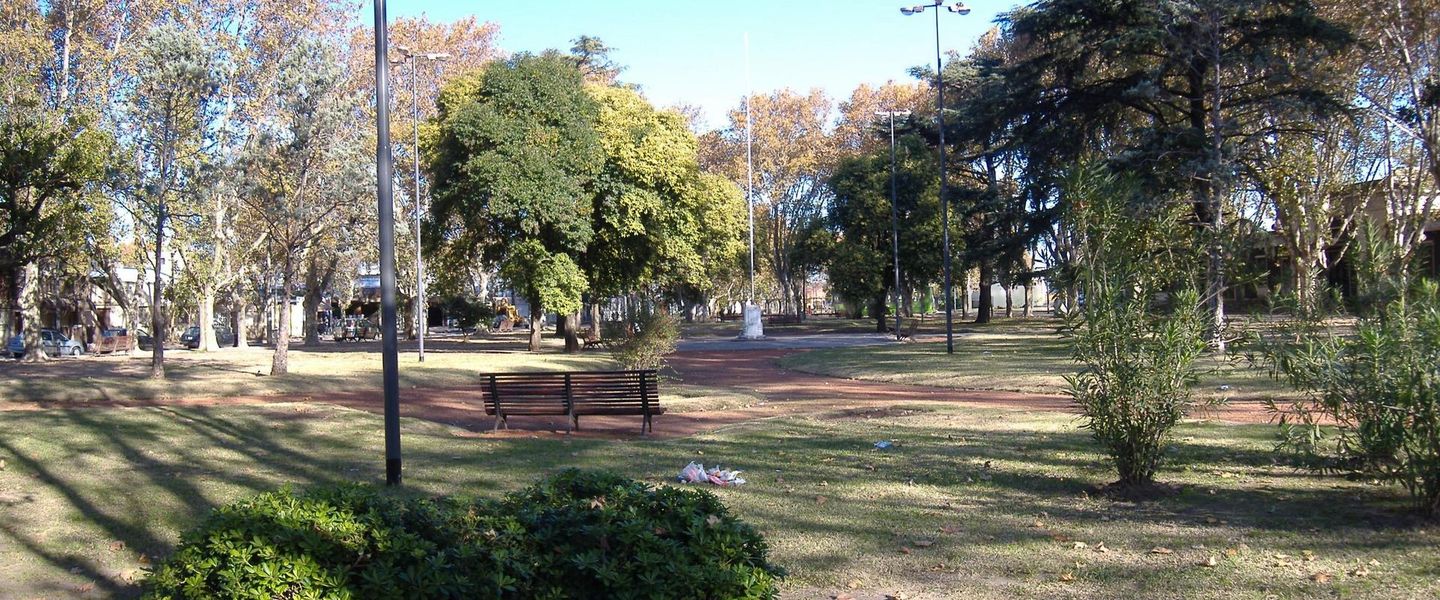


Barrio Echesortu, Rosario: explore historic market streets, neighbourhood cafés, local shops, plazas and the everyday culture of Argentina’s second city.
A Residential District with a Commercial Pulse
Barrio Echesortu occupies a broad stretch of west-central Rosario, beyond the most visited riverfront and monument districts. It is a predominantly residential area whose identity is found less in a single landmark than in its everyday streets: older low-rise homes, apartment buildings, busy bus corridors, local cafés, small businesses and the steady movement of residents shopping, working and meeting friends. Its commonly understood boundaries are informal and overlap with neighbouring sectors, so the character changes gradually towards Bella Vista, Azcuénaga and the central city.Read more about Barrio Echesortu
Market Streets and Local Architecture
Everyday Rosario
Best landmarks in Barrio Echesortu
Mercado Echesortu is the neighbourhood’s most recognisable civic and commercial landmark, representing the role of municipal and local markets in organising everyday urban life. Its importance is less monumental than functional: it anchors shopping, movement and social contact within a district built around local services. Plaza Buratovich provides another point of orientation, offering public open space amid the surrounding residential blocks. The strongest architectural landmarks are distributed rather than concentrated, including surviving early twentieth-century houses, decorative façades, balconies and the later apartment buildings that record successive phases of Rosario’s westward growth. Mendoza’s continuous commercial frontage is itself a significant urban feature, showing how shops and services have shaped the district’s identity. These places should be read as parts of a living neighbourhood, not as an isolated heritage precinct.
-
Park
Plaza Buratovich
A historic park in Rosario's Echesortu, Plaza Buratovich offers recreation, relaxation, and a touch of local culture.
10 min walk · 0.8 km from neighbourhood centre
-
History museum
Dr. Julio Marc Provincial Historical Museum
Explore Argentina's rich history at the Dr. Julio Marc Provincial Historical Museum in Rosario, featuring diverse exhibits in a beautiful park setting.
15 min walk · 1.2 km from neighbourhood centre
-
Bar
Mosto Echesortu
Experience Rosario's vibrant bar scene at Mosto Echesortu, offering a wide selection of beers and a welcoming neighborhood atmosphere.
10 min walk · 0.8 km from neighbourhood centre


Explore Barrio Echesortu on the map
A handpicked selection of must-see spots in Barrio Echesortu, mapped for you.
Best hotels in Barrio Echesortu
Best restaurants in Barrio Echesortu
Eating in Echesortu is closely tied to local routines rather than a formal restaurant quarter. Mendoza and the streets around the market offer cafés, bakeries, takeaway counters and independent eateries serving the familiar mixture of Argentine staples, sandwiches, pastries, pizza and pasta found across Rosario, alongside contemporary options that reflect the city’s changing tastes. Mercado Echesortu is useful for understanding the neighbourhood’s relationship with fresh provisions and practical food shopping, while smaller businesses provide places for coffee, a quick lunch or an unhurried evening meal. The area’s Italian and immigrant influences are most visible in the persistence of bakery, pasta and pizzeria traditions, although individual menus change and should be checked locally. Dining here is generally casual and neighbourhood-oriented, with more concentrated destination dining available in central Rosario or other nearby districts rather than within a single Echesortu strip.
-
Restaurant
Ajoarriero
Experience the best of Argentine cuisine at Ajoarriero in Rosario - where tradition meets modern culinary artistry.
15 min walk · 1.2 km from neighbourhood centre

Best bars in Barrio Echesortu
Echesortu is not one of Rosario’s principal nightclub districts, and its evenings are generally quieter and more residential than those around the city’s central entertainment areas. After work, local life gathers in cafés, pizzerias, casual bars and restaurants along commercial streets such as Mendoza, where conversation and food matter more than large-scale club programming. Some venues may offer a late evening atmosphere, but opening hours, events and music programmes change frequently, so visitors should check directly rather than rely on outdated listings. The neighbourhood can suit travellers who prefer to stay close to local dining and observe ordinary Rosario after dark. For major live-music nights, clubs or a more concentrated bar circuit, nearby central areas are usually more relevant, with the journey treated as leaving Echesortu rather than as part of its own nightlife scene.
-
Bar
Génesis cervecería artesanal y pool
Experience local craft beer and a lively atmosphere at Génesis Cervecería Artesanal y Pool in Rosario, the perfect spot for relaxation and fun.
8 min walk · 0.7 km from neighbourhood centre
-
Bar
ANABAR
Discover the cozy charm of Anabar, a family-friendly bar in Rosario, where local flavors and warm hospitality await.
14 min walk · 1.1 km from neighbourhood centre
-
Bar
Istanbul Bar
Discover Istanbul Bar: A vibrant oasis in Rosario, offering an eclectic mix of drinks and a lively atmosphere perfect for socializing.
12 min walk · 1.0 km from neighbourhood centre
-
Bar
Ankara bar Echesortu
Experience the vibrant nightlife of Rosario at Echesortu bar, where locals and tourists gather for great drinks and a lively atmosphere.
10 min walk · 0.8 km from neighbourhood centre


Best nightclubs in Barrio Echesortu
Echesortu is not one of Rosario’s principal nightclub districts, and its evenings are generally quieter and more residential than those around the city’s central entertainment areas. After work, local life gathers in cafés, pizzerias, casual bars and restaurants along commercial streets such as Mendoza, where conversation and food matter more than large-scale club programming. Some venues may offer a late evening atmosphere, but opening hours, events and music programmes change frequently, so visitors should check directly rather than rely on outdated listings. The neighbourhood can suit travellers who prefer to stay close to local dining and observe ordinary Rosario after dark. For major live-music nights, clubs or a more concentrated bar circuit, nearby central areas are usually more relevant, with the journey treated as leaving Echesortu rather than as part of its own nightlife scene.
-
Club
Club Echesortu
Dive into the heart of Rosario's nightlife at Club Echesortu, a vibrant club offering live music, delicious food, and a welcoming atmosphere.
11 min walk · 0.9 km from neighbourhood centre

Best shops in Barrio Echesortu
Shopping in Echesortu is practical, local and concentrated around Mendoza and adjoining commercial streets. Independent food shops, bakeries, clothing businesses, household retailers, small services and cafés create the kind of mixed high-street environment used by residents throughout the week. Mercado Echesortu remains the key reference for market-style provisions and offers a more grounded experience than a conventional visitor shopping centre. The area is not primarily known for luxury boutiques, souvenir stores or a large cluster of specialist design shops; its value lies in seeing how Rosario’s neighbourhood commerce operates. Visitors can look for everyday Argentine products, local bakery items and market goods, while allowing for changing stock and business hours. Larger retail concentrations and more specialised shopping districts are found elsewhere in Rosario, so Echesortu is best approached as a place for local commerce and street observation.
-
Shopping mall
Galería Echesortu
Explore Galería Echesortu in Rosario for a unique blend of shopping, dining, and local culture in a vibrant atmosphere.
11 min walk · 0.9 km from neighbourhood centre
-
Clothing store
Agnes Rosario
Explore local fashion and unique styles at Agnes Rosario, the go-to clothing store in Santa Fe, perfect for stylish souvenirs.
10 min walk · 0.8 km from neighbourhood centre
-
Women's clothing store
Palo Santo Boutique
Discover unique women's fashion at Palo Santo Boutique in Rosario - where local craftsmanship meets modern style.
13 min walk · 1.1 km from neighbourhood centre
-
 Store
Paseo Echesortu (Zona Comercial)
Discover the lively atmosphere of Paseo Echesortu, a vibrant commercial hub filled with unique shops, delicious local cuisine, and cultural experiences.
15 min walk · 1.2 km from neighbourhood centre


Barrio Echesortu essentials
Getting There
Getting Around
Safety
Emergency Situations
Do's and Don'ts
Local Tips

From Eve
Local phrases worth knowing
You don't need to get them perfect. A few words go a long way, and locals appreciate the effort.
Basics
| English | Local | Say it |
|---|---|---|
| Hello | Hola | [oh-lah] |
| Goodbye | Chau | [chow] |
| Yes | Sí | [see] |
| No | No | [noh] |
| Please/You're welcome | Por favor/De nada | [por fah-vor/deh nah-dah] |
| Thank you | Gracias | [grah-see-as] |
| Excuse me/Sorry | Disculpe/Perdón | [dee-skool-peh/pehr-dohn] |
| How are you? | ¿Cómo estás? | [koh-moh ehs-tahs] |
| Fine. And you? | Bien. ¿Y tú? | [byen. ee too] |
| Do you speak English? | ¿Hablas inglés? | [ah-blahs een-glehs] |
| I don't understand | No entiendo | [noh ehn-tyen-doh] |
Eating & Drinking
| English | Local | Say it |
|---|---|---|
| I'd like to see the menu, please | Me gustaría ver el menú, por favor | [meh goos-tah-ree-ah sehr ehl meh-noo, por fah-vor] |
| I don't eat meat | No como carne | [noh koh-moh kahr-neh] |
| Cheers! | ¡Salud! | [sah-loohd] |
| I would like to pay, please | Me gustaría pagar, por favor | [meh goos-tah-ree-ah pah-gahr, por fah-vor] |
Emergencies
| English | Local | Say it |
|---|---|---|
| Help! | ¡Ayuda! | [ah-yoo-dah] |
| Go away! | ¡Andate! | [ahn-dah-teh] |
| Call the Police! | ¡Llama a la policía! | [yah-mah ah lah poh-lee-see-ah] |
| Call a doctor! | ¡Llama a un médico! | [yah-mah ah oon meh-dee-koh] |
| I'm lost | Estoy perdido | [ehs-toy pehr-dee-doh] |
| I'm ill | Estoy enfermo | [ehs-toy ehn-fehr-moh] |
Shopping
| English | Local | Say it |
|---|---|---|
| I'd like to buy... | Me gustaría comprar... | [meh goos-tah-ree-ah kohm-prahr...] |
| I'm just looking | Sólo estoy mirando | [soh-loh ehs-toy mee-rahn-doh] |
| How much is it? | ¿Cuánto cuesta? | [kwan-toh kwehs-tah] |
| That's too expensive | Esto es muy caro | [ehs-toh ehs mooee kah-roh] |
| Can you lower the price? | ¿Puedes bajar el precio? | [pweh-dehs bah-har ehl pree-syoh] |
Time & Numbers
| English | Local | Say it |
|---|---|---|
| What time is it? | ¿Qué hora es? | [keh oh-rah ehs] |
| It's one o'clock | Es la una | [ehs lah oo-nah] |
| Half past (10) | Y media (10) | [ee meh-dee-ah (diez)] |
| Morning | Mañana | [mah-nyah-nah] |
| Afternoon | Tarde | [tahr-deh] |
| Evening | Noche | [noh-cheh] |
| Yesterday | Ayer | [ah-yehr] |
| Today | Hoy | [oy] |
| Tomorrow | Mañana | [mah-nyah-nah] |
| 1 | Uno | [oo-noh] |
| 2 | Dos | [dohs] |
| 3 | Tres | [trehs] |
| 4 | Cuatro | [kwah-troh] |
| 5 | Cinco | [seen-koh] |
| 6 | Seis | [says] |
| 7 | Siete | [see-eh-teh] |
| 8 | Ocho | [oh-choh] |
| 9 | Nueve | [nweh-veh] |
| 10 | Diez | [dyehs] |
Transport & Directions
| English | Local | Say it |
|---|---|---|
| Where's a/the...? | ¿Dónde está...? | [dohn-deh ehs-tah] |
| What's the address? | ¿Cuál es la dirección? | [kwal ehs lah dee-rek-syon] |
| Can you show me (on the map)? | ¿Puedes mostrarme (en el mapa)? | [pweh-dehs mohs-trahr-meh (ehn ehl mah-pah)] |
| When's the next (bus)? | ¿Cuándo pasa el próximo (colectivo)? | [kwan-doh pah-sah ehl proh-see-moh (koh-lehk-tee-voh)] |
| A ticket (to ....) | Un boleto (para ...) | [oon boh-leh-toh (pah-rah)] |
History of Barrio Echesortu
From Peripheral Land to Urban Neighbourhood
Echesortu developed as Rosario expanded westwards beyond its older central core during the late nineteenth and early twentieth centuries. The area was initially associated with subdivided land, low-density settlement and routes linking the city centre with the western edge. Its name is generally connected with the Echesortu family, whose landholding formed part of the local story of urban growth. As streets were laid out and plots were sold, houses, small workshops and neighbourhood services replaced the semi-rural landscape. This was not a single planned foundation but a gradual incorporation into Rosario’s expanding urban fabric.
Railways, Streets and Suburban Growth
Transport infrastructure helped turn Echesortu from an outer zone into a connected residential district. Railway activity in western Rosario and improved road links encouraged building and made it easier for workers and traders to move between the neighbourhood and the central city. The resulting street pattern combined modest homes with shops serving nearby residents. Like other Rosario districts formed during the city’s industrial and commercial expansion, Echesortu absorbed the influence of European immigration, particularly in domestic architecture, trades and local associations, without losing its strongly practical, working-neighbourhood character.
Markets and Local Institutions
During the twentieth century, Echesortu acquired the institutions and commercial facilities that gave it a recognisable neighbourhood identity. Mercado Echesortu became an important setting for everyday provisions and social contact, while Mendoza and adjoining streets developed a dense range of small retailers, cafés and services. Public spaces such as Plaza Buratovich added a civic dimension to an area otherwise defined by closely built residential blocks. These places mattered because they allowed shopping, sociability and local administration to happen within walking distance, reducing dependence on Rosario’s historic centre.
A Changing Inner-City District
In recent decades, Echesortu has retained its established residential and commercial role while adapting to Rosario’s wider changes. Older single-storey properties coexist with apartment construction, renovated premises and businesses aimed at newer urban consumers. This has altered parts of the streetscape without removing the market, service and family-business traditions that anchor the district. The neighbourhood is therefore best understood as a continuing urban environment rather than a preserved historic quarter: its significance lies in the layering of early expansion, twentieth-century commerce and contemporary residential life.
Barrio Echesortu in Photos
Browse through our photo collection highlighting the charm and character of the destination.
Neighbourhoods near Barrio Echesortu
The closest neighbourhoods to Barrio Echesortu, if you have time for more than one stop.
-

-

-

-

-


Swipe for more neighbourhoods
Explore more

Explore more of Rosario
Rosario, Argentina, blends Paraná River scenery, flag history, elegant boulevards, museums, parks, local cuisine and lively cultural experiences.
Explore Rosario