Plaza de Mayo: Heart of Buenos Aires
Discover Plaza de Mayo, Buenos Aires: a historic square surrounded by iconic buildings, monuments, and the spirit of Argentina's past.
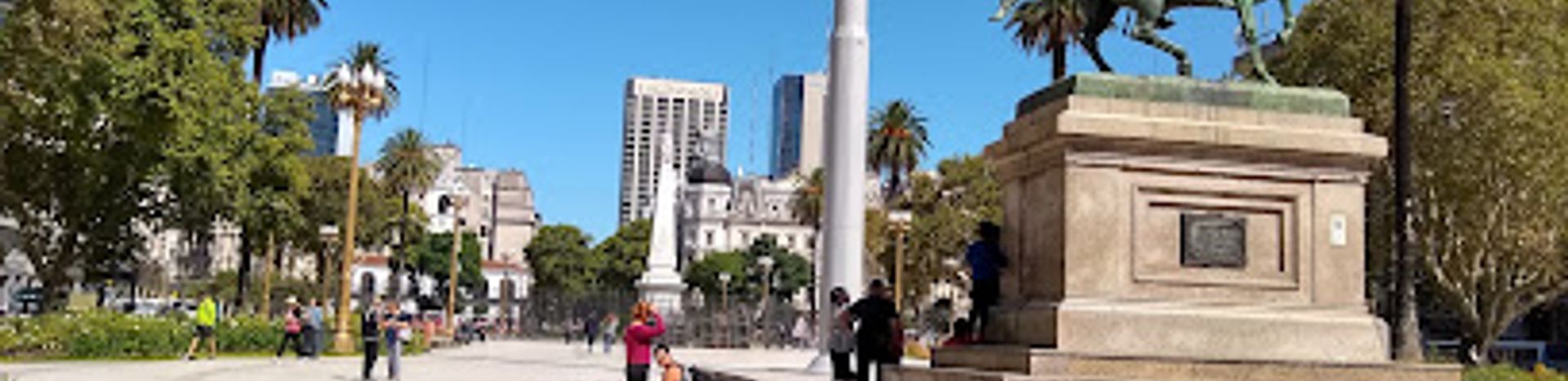
Plaza de Mayo, the oldest public square in Buenos Aires, has been the stage for Argentina's most pivotal historical events since the city's founding in 1580. Named after the May Revolution of 1810, it's surrounded by iconic buildings and monuments.
A brief summary to Plaza de Mayo
- Av. Hipólito Yrigoyen s/n, Buenos Aires, Monserrat, Comuna 1, Buenos Aires, C1087, AR
- Visit website
Local tips
- Visit on a Thursday at 3:30 pm to witness the Madres de la Plaza de Mayo march around the May Pyramid.
- Take a guided tour to fully appreciate the historical significance of the surrounding buildings.
- Be aware of your surroundings, especially during demonstrations or large gatherings.
- Explore the underground stations beneath the Plaza, which connect to various parts of the city.

Getting There
-
Public Transport
Plaza de Mayo is easily accessible via the Buenos AiresSubte (subway). Take Line A to Plaza de Mayo station, Line D to Catedral station, or Line E to Bolívar station, all of which have entrances directly on the Plaza. A SUBE card is required for travel on the Subte. As of October 2024, a registered SUBE card costs AR$757 per trip. You can also pay your subway ride with your credit card.
-
Walking
From the Microcentro financial district, Plaza de Mayo is a short walk. Head east towards the Casa Rosada; the Plaza will be in front of you. From Avenida de Mayo, simply walk east towards the Casa Rosada. The Plaza is located between Bolívar, Hipólito Yrigoyen, Balcarce and Avenida Rivadavia streets.
-
Taxi/Ride-sharing
Taxis and ride-sharing services like Uber are readily available in Buenos Aires. Simply set your destination to 'Plaza de Mayo'. A short trip from nearby areas like San Telmo or Retiro will likely cost between ARS 1,500 and ARS 3,000, depending on traffic and time of day.
-
Driving
If driving, be aware that parking around Plaza de Mayo is limited. Several parking garages are available on Avenida de Mayo, such as 'Estacionamiento Plaza de Mayo' or 'Estacionamiento 24 horas'. Expect to pay hourly or daily rates. It's advisable to use a parking garage to avoid traffic tickets or having your car towed. Those coming from the south can take Avenida Paseo Colon that goes right behind the Casa Rosada.
Discover more about Plaza de Mayo
Iconic landmarks you can’t miss

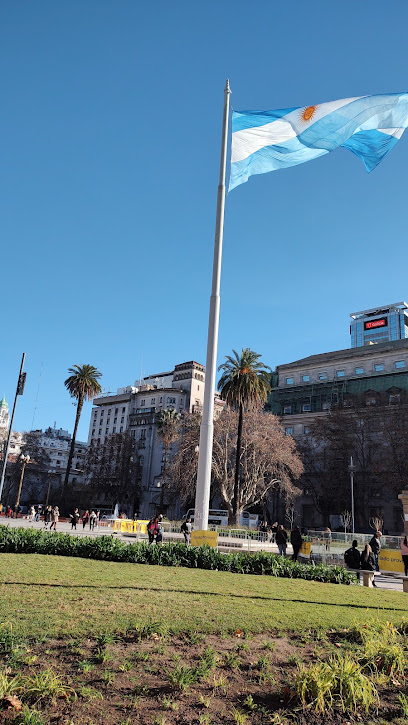
Bandera de la República Argentina
0.1 km
Experience the pride of Argentina at the Bandera de la República Argentina, a historical landmark showcasing the nation's rich heritage in Buenos Aires.
Monument of General Manuel Belgrano
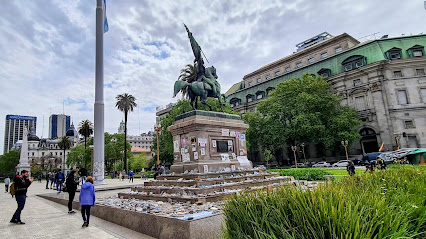
0.1 km
Discover the Monument of General Manuel Belgrano, a historical tribute in Buenos Aires celebrating the legacy of a national hero amidst the city's vibrant landscape.
Patio de Las Palmeras
0.2 km
Explore the beautiful Patio de Las Palmeras in Buenos Aires, a tranquil courtyard within the historic Casa Rosada that showcases Argentina's rich heritage.
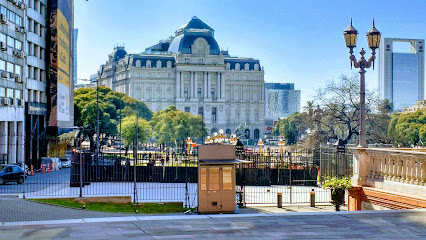
Monumento a Julio Argentino Roca
0.3 km
Explore the Monumento a Julio Argentino Roca, a significant historical site in Buenos Aires, showcasing Argentina's rich heritage and artistic grandeur.
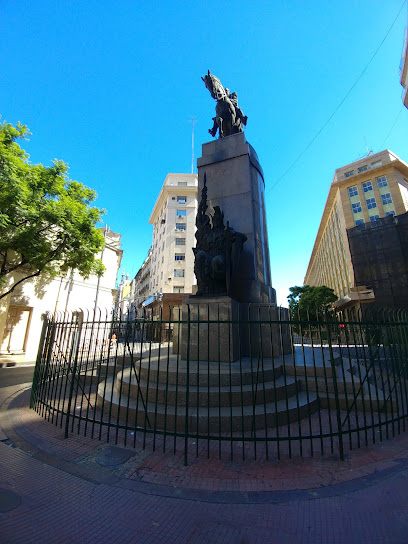
Casa de Rivadavia, primer presidente constitucional de Argentina
0.4 km
Explore the rich history of Argentina at Casa de Rivadavia, the residence of the first constitutional president in the heart of Buenos Aires.
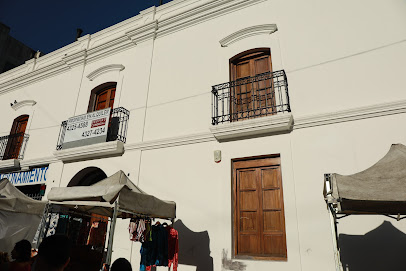
Feria De Antigüedades San Telmo Calle
0.7 km
Explore the enchanting Feria De Antigüedades San Telmo in Buenos Aires for a unique blend of antiques, culture, and street performances every Sunday.
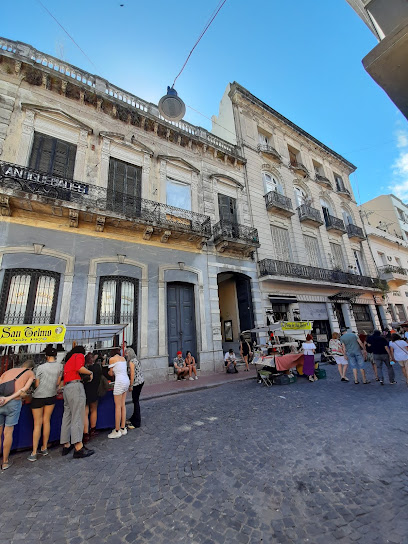
Puente de la Mujer
0.7 km
Discover the beauty of the Puente de la Mujer in Buenos Aires, a breathtaking architectural marvel reflecting the city's cultural essence.
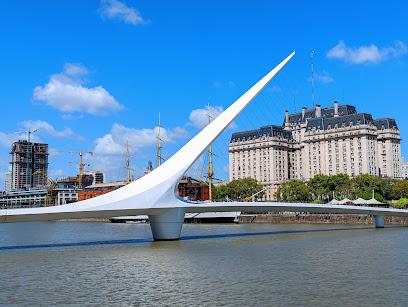
Woman's Bridge
0.7 km
Discover the iconic Woman's Bridge in Buenos Aires, an architectural gem offering breathtaking views and a vibrant atmosphere in the heart of Puerto Madero.
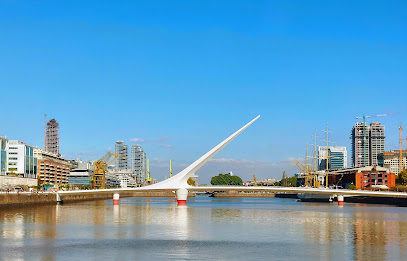
Plaza Reina de Holanda
0.8 km
Explore the tranquil beauty of Plaza Reina de Holanda, a serene park in the heart of Buenos Aires' Puerto Madero, perfect for relaxation and scenic views.
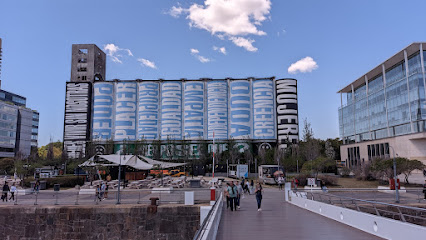
Tren Patagónico Sa.
0.8 km
Discover the stunning landscapes of Patagonia aboard Tren Patagónico, a scenic railway journey through Argentina's breathtaking natural beauty.
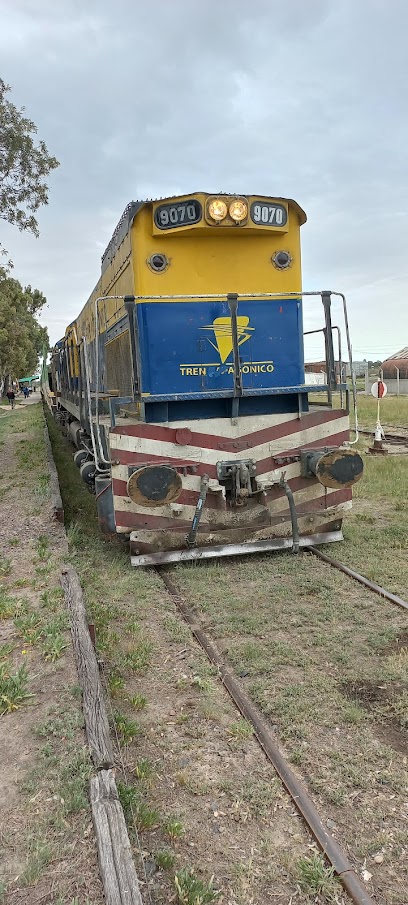
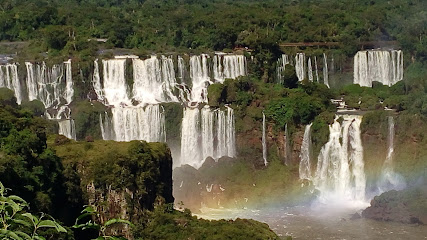
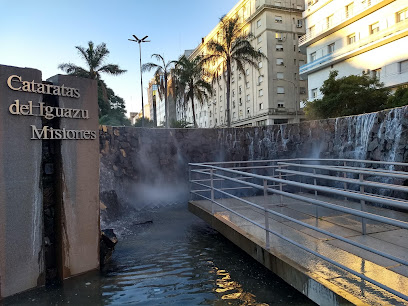
Monumento a las Cataratas del Iguazú
0.8 km
Explore the enchanting Monument to the Iguazú Falls, a tribute to nature's beauty amidst the bustling heart of Buenos Aires.
Feria San Telmo artesanal
0.8 km
Discover the vibrant Feria San Telmo in Buenos Aires, a historical market brimming with artisan crafts, delicious food, and rich Argentine culture.
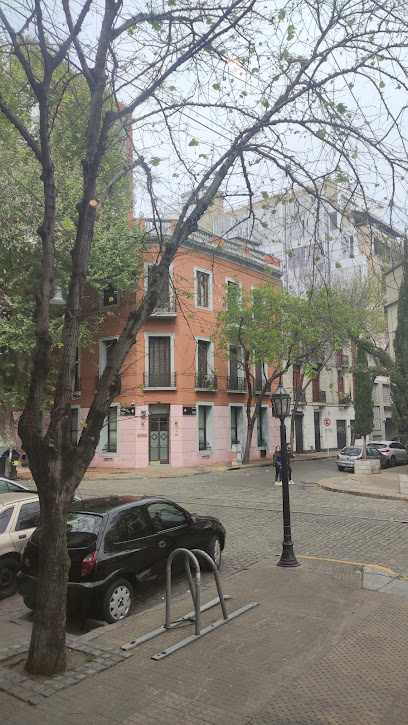
Plaza La Pampa Province
0.8 km
Escape the city bustle in this national park, where tranquility meets urban charm amidst greenery and local culture in Buenos Aires.
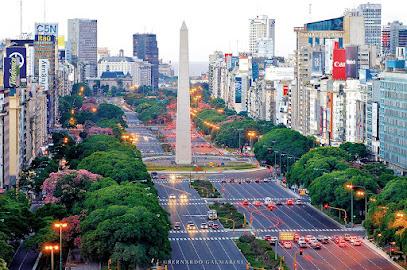
Av. 9 de Julio
0.9 km
Discover the vibrant pulse of Buenos Aires at Avenida 9 de Julio, home to iconic landmarks and cultural experiences.
El Zanjón de Granados
0.9 km
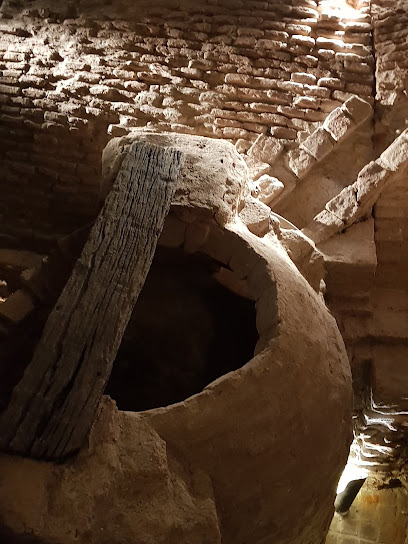
Explore the captivating underground history of Buenos Aires at El Zanjón de Granados, a unique museum showcasing the city's hidden heritage.
Unmissable attractions to see

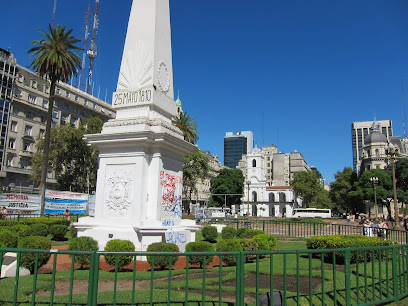
Pirámide de Mayo
0.0 km
Discover the Pirámide de Mayo, a historic monument in Buenos Aires that symbolizes Argentina's fight for independence and cultural identity.
Mausoleo del General José de San Martín
0.1 km
Explore the Mausoleo del General José de San Martín, a historic site in Buenos Aires honoring Argentina's liberator with stunning architecture and rich cultural heritage.
Palacio de la Reconquista
0.1 km
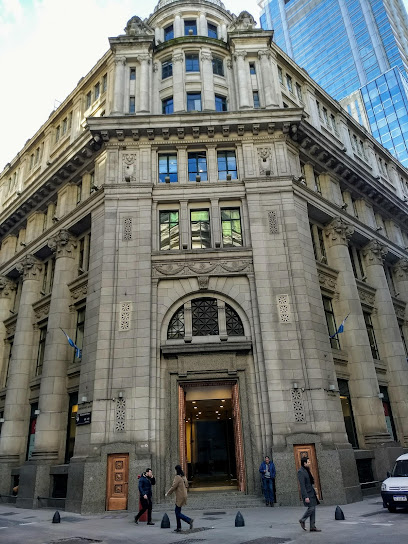
Explore the captivating military history of Argentina at Palacio de la Reconquista, a must-visit war museum in Buenos Aires.
Buenos Aires Metropolitan Cathedral
0.1 km
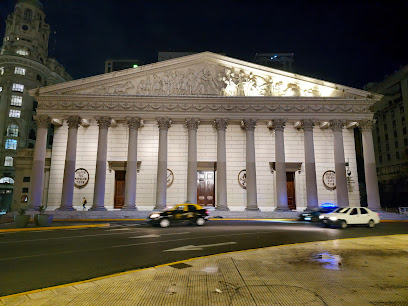
Explore the stunning Buenos Aires Metropolitan Cathedral, a historical and architectural marvel in the heart of Argentina's capital city.
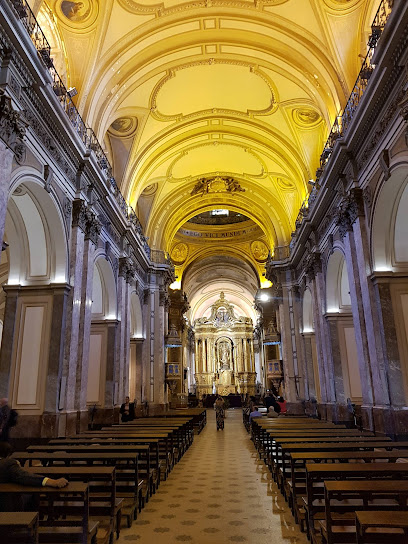
Museo Nacional del Cabildo de Buenos Aires y de la Revolución de Mayo
0.1 km
Discover Argentina's rich history at Museo Nacional del Cabildo, where the Revolution of May comes to life in a captivating historical setting.
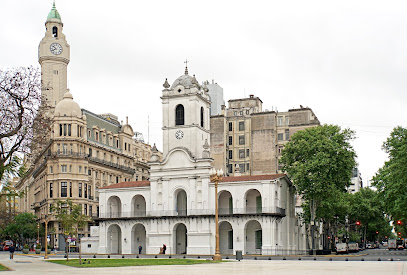
Casa Rosada
0.2 km
Explore Casa Rosada, the iconic pink presidential palace of Argentina, and delve into the rich history of Buenos Aires at this captivating tourist attraction.
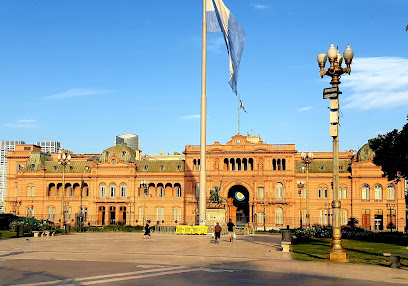
Altos de Elorriaga
0.2 km
Step back in time at Altos de Elorriaga, one of Buenos Aires' oldest homes, offering a glimpse into 19th-century aristocratic life and architecture.
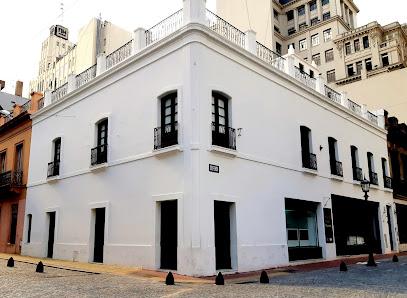
RoofTop Plaza de Mayo
0.2 km
Discover unparalleled views of Buenos Aires at RoofTop Plaza de Mayo, an observation deck that offers a unique dining experience and cultural insights.
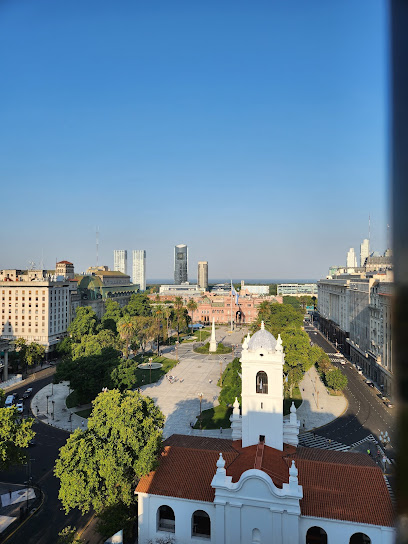
La Casa de la Cultura o Edificio La Prensa
0.2 km
Explore the rich cultural heritage of Buenos Aires at La Casa de la Cultura, a vibrant hub of art, history, and community events.
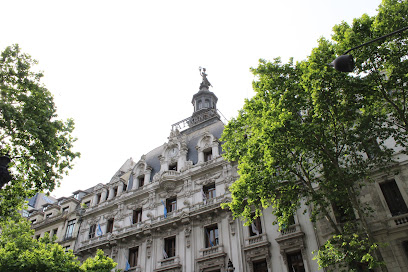
Museo Templo del Otro Partido
0.2 km
Explore the Museo Templo del Otro Partido in Buenos Aires, a cultural haven that showcases the rich history and vibrant narratives of Argentina.

Feria San Telmo Defensa al 300
0.2 km
Explore Feria San Telmo in Buenos Aires, an open-air market brimming with local crafts, delicious food, and vibrant cultural experiences every Sunday.
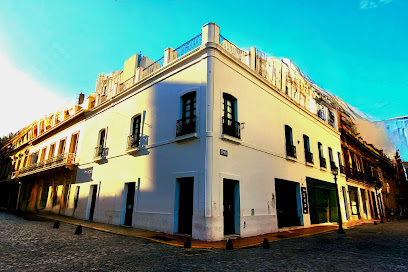
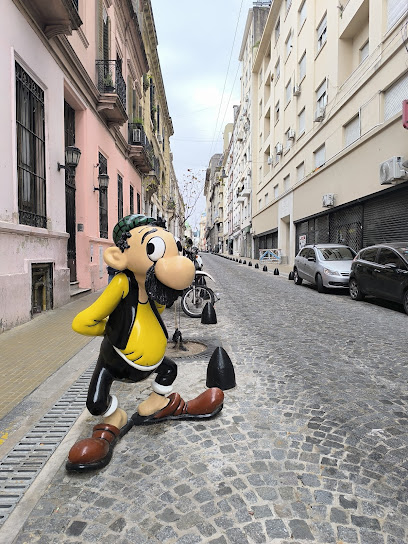
Patoruzu. Paseo de la Historieta
0.2 km
Explore Patoruzu in Buenos Aires, a colorful homage to Argentine comic heritage featuring stunning murals and sculptures that celebrate this iconic character.
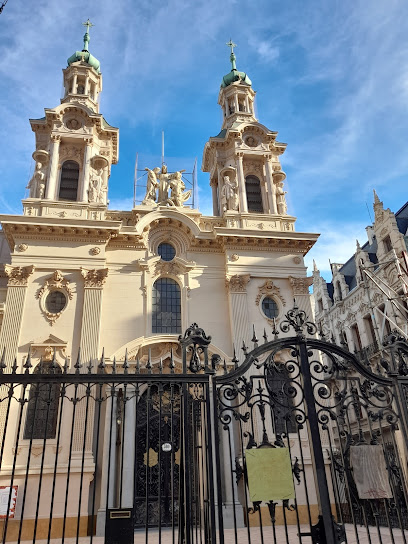
Iglesia y Convento de San Francisco - Capilla San Roque
0.2 km
Experience the stunning beauty and rich history of Iglesia y Convento de San Francisco - Capilla San Roque in Buenos Aires, a true cultural gem.
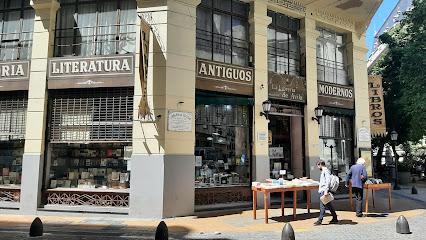
La Librería de Ávila
0.2 km
Discover literary treasures at La Librería de Ávila, Buenos Aires' historic bookstore since 1785. A haven for book lovers and cultural enthusiasts.
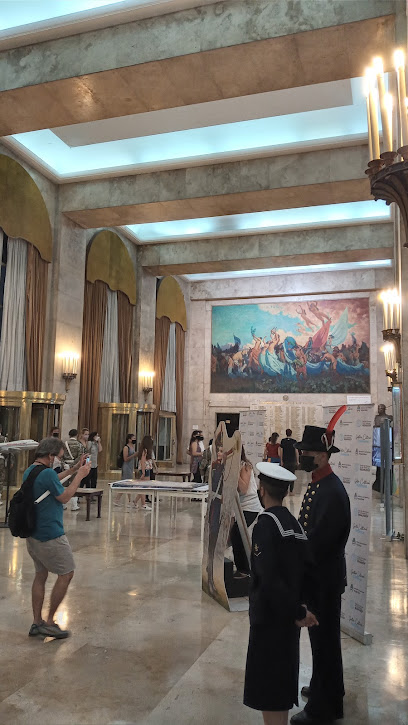
Edificio La Defensa
0.3 km
Discover Edificio La Defensa, a stunning architectural gem in Buenos Aires, embodying the rich cultural heritage and vibrant history of the city.
Essential places to dine

Puerto Cristal
0.6 km
Experience exquisite seafood dining at Puerto Cristal, where culinary artistry meets stunning waterfront views in Buenos Aires.
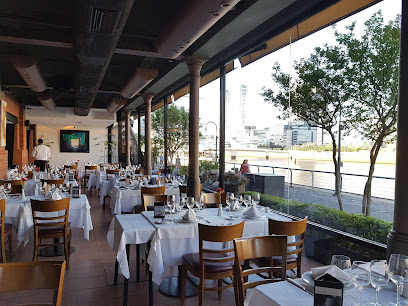
Club Alemán Restaurant
0.6 km
Discover the vibrant flavors of Argentina at Club Alemán Restaurant—an unforgettable dining experience in the heart of Buenos Aires.
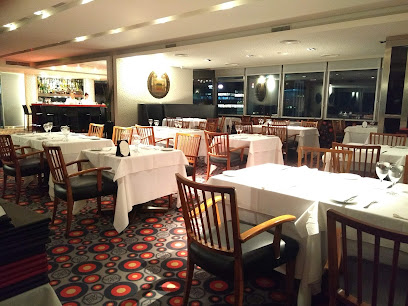
Chila
0.6 km
Experience exquisite fine dining at Chila in Puerto Madero, Buenos Aires—where innovative cuisine meets stunning waterfront views.
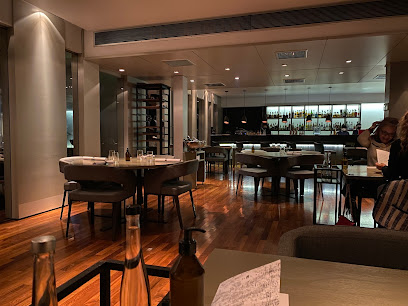
La Cabaña Restaurant
0.7 km
Savor authentic Argentinian cuisine at La Cabaña Restaurant in Puerto Madero—where tradition meets exquisite flavors.
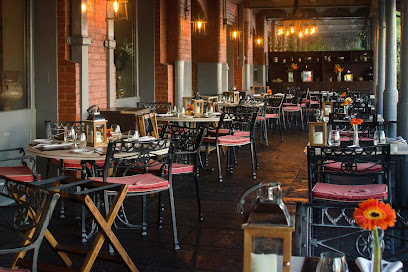
Buenos Aires Restaurant
0.8 km
Experience authentic Argentine cuisine in San Nicolás at this vibrant Buenos Aires restaurant offering delightful dishes and inviting ambiance.
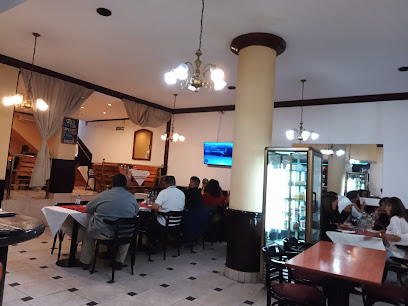
La Posada de 1820
0.8 km
Savor authentic Argentinian flavors at La Posada de 1820 - where tradition meets culinary excellence in Buenos Aires.
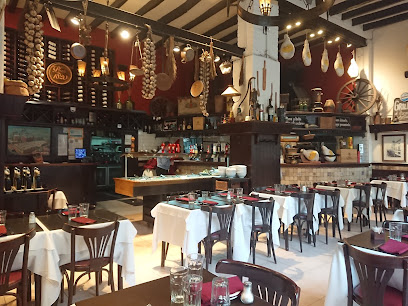
Café San Juan
0.9 km
Experience authentic Argentine cuisine at Café San Juan in Buenos Aires' historic San Telmo district - where every dish tells a flavorful story.
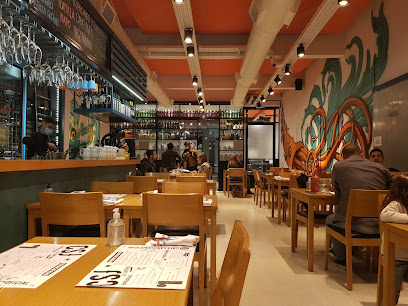
Almacén & Restaurant Suipacha
0.9 km
Experience authentic Argentine cuisine at Almacén & Restaurant Suipacha in Buenos Aires - A delightful blend of tradition and flavor awaits you.
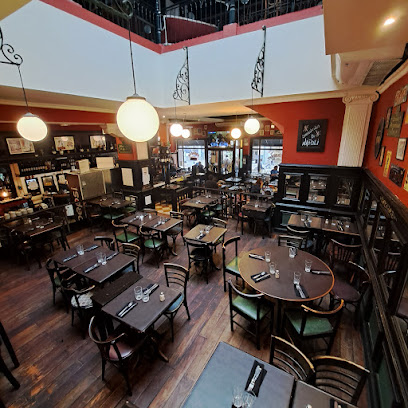
Il Gatto - Obelisco
0.9 km
Experience authentic Italian flavors at Il Gatto - Obelisco in Buenos Aires; where every meal is a celebration of culinary art.
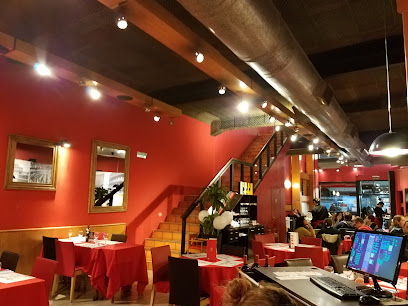
Tierra Restaurante BA
0.9 km
Discover the essence of Argentine cuisine at Tierra Restaurante BA in Buenos Aires - where tradition meets flavor in every dish.
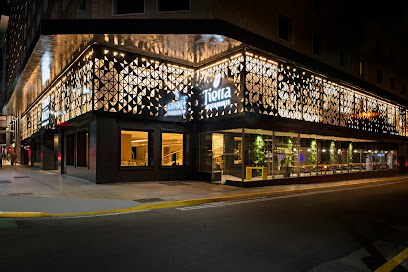
La Estancia Asador Criollo
1.0 km
Experience authentic Argentinian grilling at La Estancia Asador Criollo – where every bite tells a story.
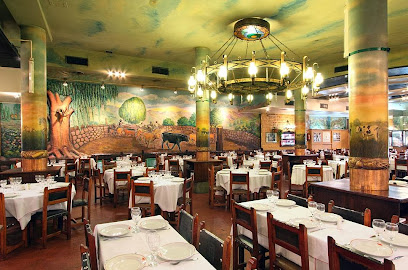
PARADOS URBAN FOOD
1.0 km
Discover authentic Venezuelan cuisine at Parados Urban Food in Buenos Aires - where every bite tells a story.
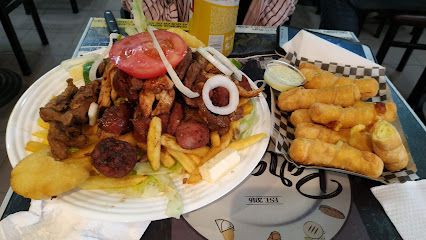
El Globo
1.0 km
Experience authentic Argentine cuisine at El Globo in Buenos Aires – where tradition meets flavor in every bite.
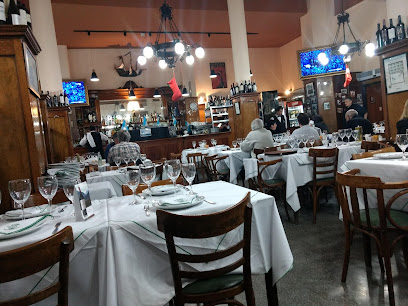
Tomo 1
1.1 km
Experience exquisite Argentinian cuisine at Tomo 1 - where fine dining meets tradition in Buenos Aires.
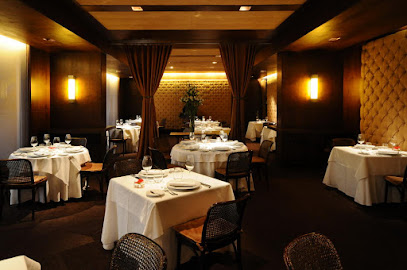
Desnivel
1.1 km
Discover Desnivel in San Telmo for an unforgettable Argentinian dining experience with mouthwatering grilled meats and vibrant local culture.
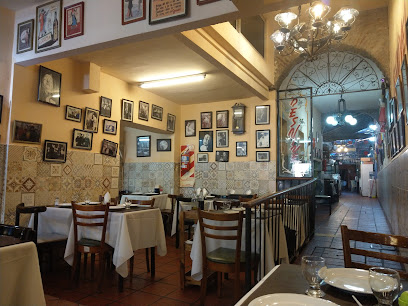
Markets, malls and hidden boutiques

HOLA FRANCIA
0.5 km
Explore Hola Francia in Buenos Aires for unique and artisanal souvenirs that embody the rich culture and artistry of Argentina.
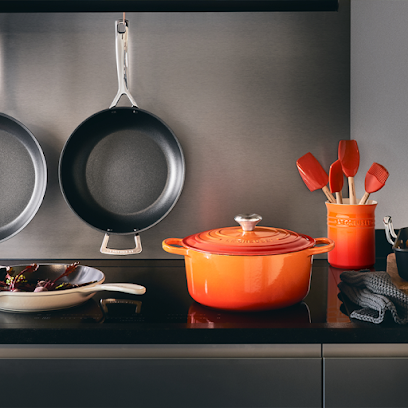
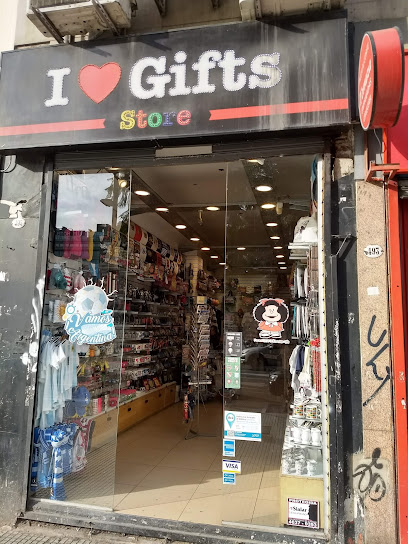
I LOVE GIFTS
0.6 km
Explore the vibrant I LOVE GIFTS store in Puerto Madero, Buenos Aires, for unique souvenirs and local treasures that embody the spirit of Argentina.
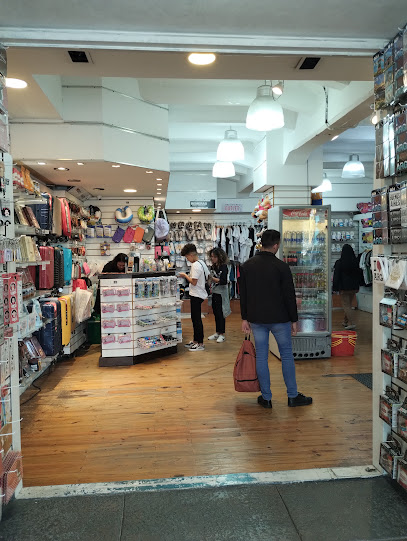
Take it
0.6 km
Explore 'Take It' in Buenos Aires for unique gifts and handcrafted treasures that celebrate Argentine culture and artistry.
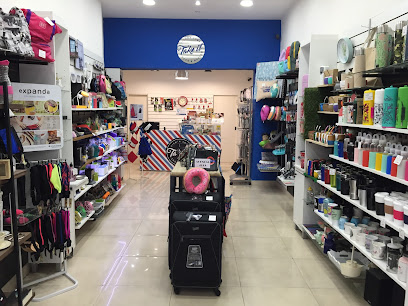
Sonríe Store
0.7 km
Explore the vibrant culture of Argentina through unique gifts and handcrafted treasures at Sonríe Store in Buenos Aires.

Recoleta Gift Shop
0.7 km
Explore the vibrant offerings of Recoleta Gift Shop, where local artisan treasures meet the charm of Buenos Aires.
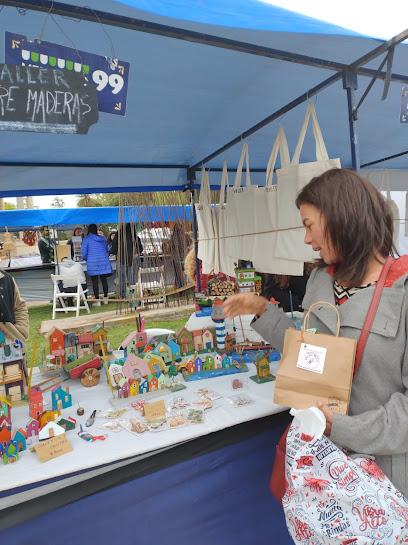
Besidearg.com
0.8 km
Discover unique gifts and vintage treasures at Besidearg.com, the must-visit gift shop in Buenos Aires.
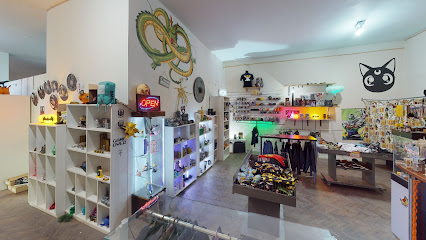
Onda Shop
0.8 km
Discover unique gifts, fashion accessories, and cosmetics at Onda Shop in Buenos Aires, a vibrant destination for stylish souvenirs.
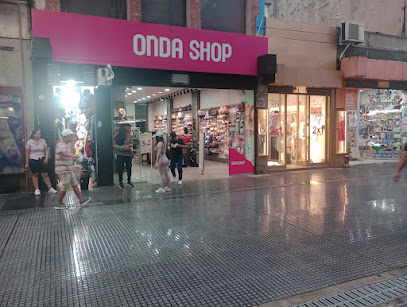
La Juventud
0.8 km
Explore a treasure trove of vintage fashion delights at La Juventud in the heart of Buenos Aires, where nostalgia meets style.
Argentina Gifts
0.8 km
Explore the charm of Argentina through locally crafted gifts and unique souvenirs at Argentina Gifts in Buenos Aires.
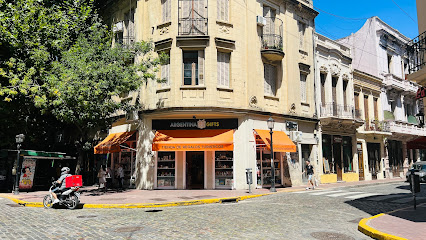
ARGENTINA HAPPY - BUENOS AIRES
0.9 km
Discover the charm of Argentina Happy in Buenos Aires, your go-to convenience store for local snacks, drinks, and everyday essentials.
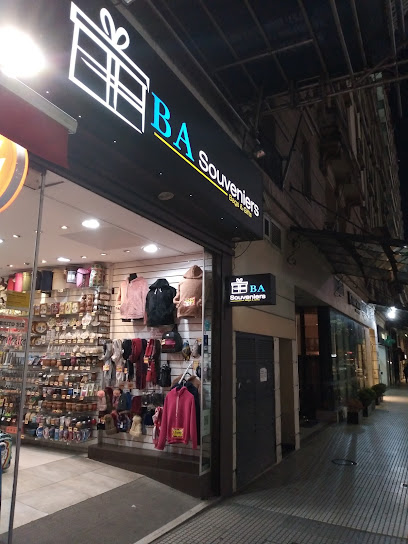
BA Souveniers
1.0 km
Explore BA Souveniers for exquisite leather goods and authentic Argentine handicrafts, perfect for memorable gifts and souvenirs.
Gift Shop
1.0 km
Discover unique souvenirs and local treasures at this charming gift shop in the heart of Buenos Aires, a perfect stop for every tourist.
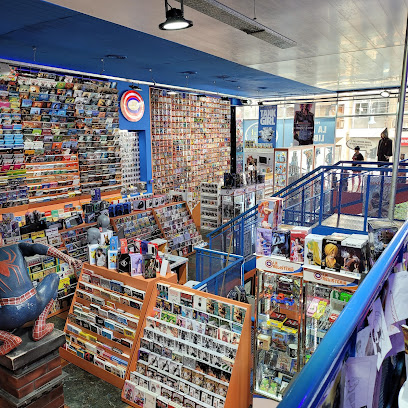
Galerías Pacífico
1.0 km
Discover the charm of Galerías Pacífico, a stunning shopping mall in Buenos Aires, blending culture, shopping, and exquisite architecture.
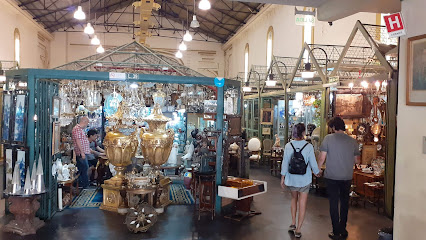
Galería de la Inmaculada Concepción
1.0 km
Explore the Galería de la Inmaculada Concepción in Buenos Aires, a captivating hub of antiques, unique finds, and delightful cafes in the heart of San Telmo.
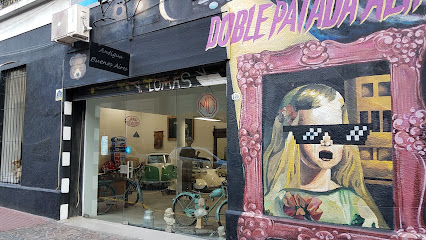
Antigua Buenos Aires
1.1 km
Explore Antigua Buenos Aires, a captivating gift shop in San Telmo, offering unique local crafts and artisan goods for the perfect souvenir.
Essential bars & hidden hideouts

Cerveza Patagonia - Refugio Av. de Mayo
0.4 km
Discover the taste of Argentine craft beers at Cerveza Patagonia - Refugio Av. de Mayo, a vibrant bar in the heart of Buenos Aires.
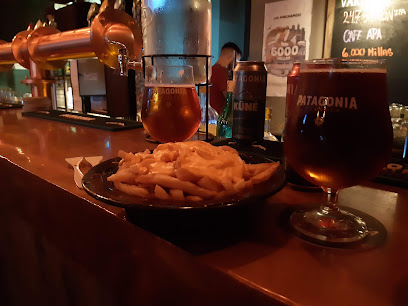
El Boleo – Bar
0.6 km
Discover El Boleo Bar in Puerto Madero, where craft beers meet vibrant nightlife in the heart of Buenos Aires.
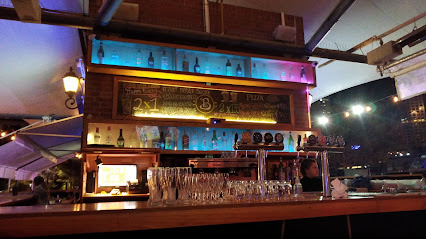
Kraken bar
0.6 km
Kraken Bar: A lively bar in Puerto Madero, Buenos Aires, serving delicious tapas, crafted cocktails, and an unforgettable atmosphere.
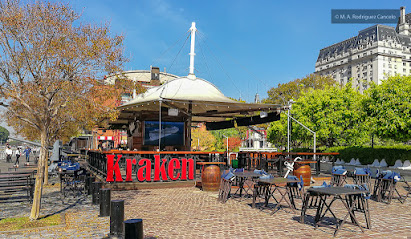
Trade Sky Bar
0.6 km
Experience breathtaking views and exquisite cocktails at Trade Sky Bar, the ultimate rooftop destination in Buenos Aires.
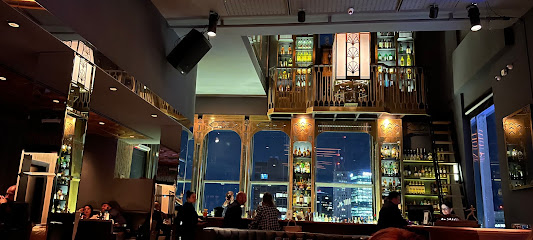
CIC Bar
0.7 km
Discover the vibrant cocktail culture at CIC Bar in Buenos Aires, where innovative mixology meets a chic atmosphere for a truly unforgettable experience.
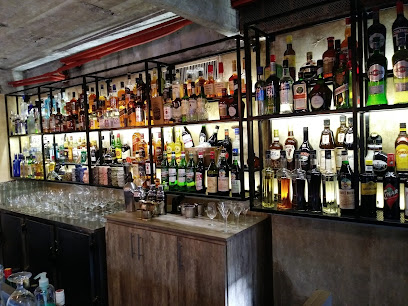
The Malin Head
0.7 km
Discover The Malin Head in Buenos Aires - a lively pub with craft drinks, delicious food, and vibrant nightlife.
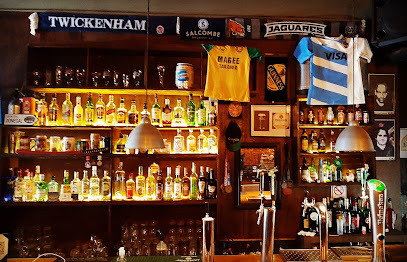
Bar Caso 530
0.8 km
Experience the authentic taste of Venezuela at Bar Caso 530, a lively bar and beer hall in the heart of Buenos Aires.
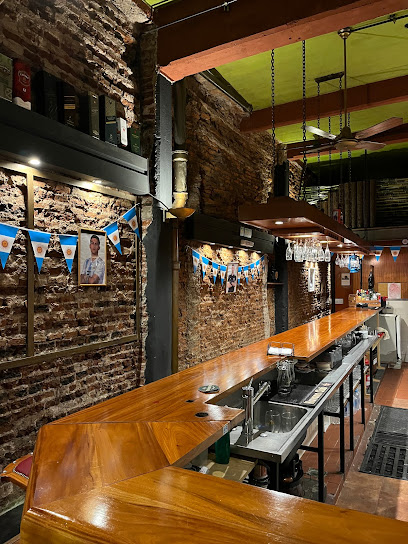
Granados bar & rest
0.9 km
Experience the heart of Buenos Aires nightlife at Granados Bar & Rest, where vibrant atmosphere meets exquisite Argentine flavors.
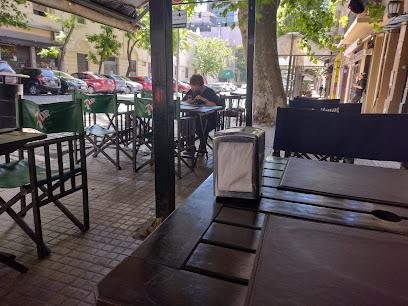
Pier 54 San Telmo
0.9 km
Discover Pier 54 San Telmo: a lively brewpub in Buenos Aires, offering craft beers, cocktails, and a vibrant atmosphere perfect for any occasion.
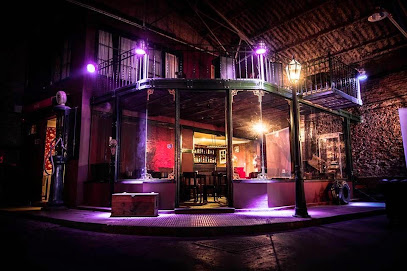
Crystal Bar
1.0 km
Discover the luxurious Crystal Bar in Buenos Aires, where stunning views and exquisite cocktails create an unforgettable nightlife experience.
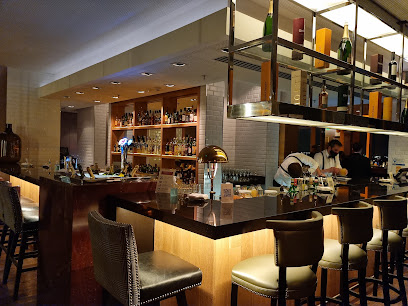
La Puerta Roja
1.0 km
La Puerta Roja: A lively bar in San Telmo, Buenos Aires, offering a unique blend of local flavors, vibrant ambiance, and rich cultural experiences.
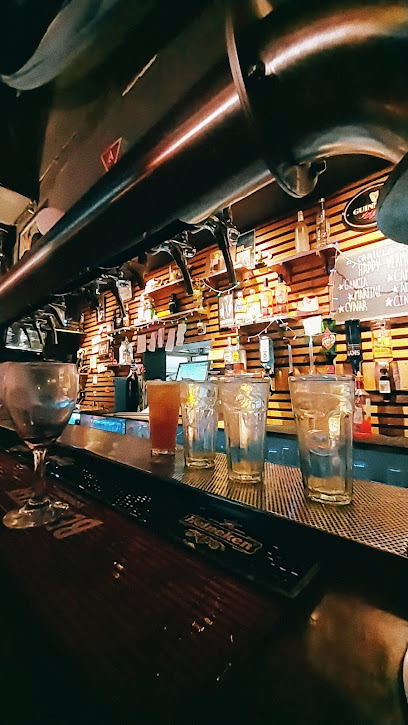
Valhalla
1.0 km
Discover Valhalla in Buenos Aires: A Viking-themed bar and restaurant offering creative cocktails and hearty meals in a lively atmosphere.
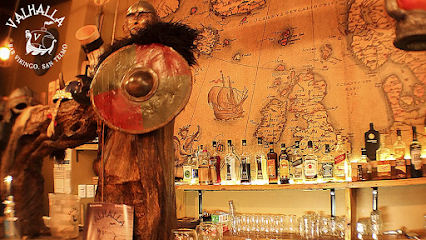
The Gibraltar
1.1 km
Experience the vibrant nightlife and delicious cuisine at The Gibraltar, a premier bar and grill in the heart of Buenos Aires' San Telmo district.
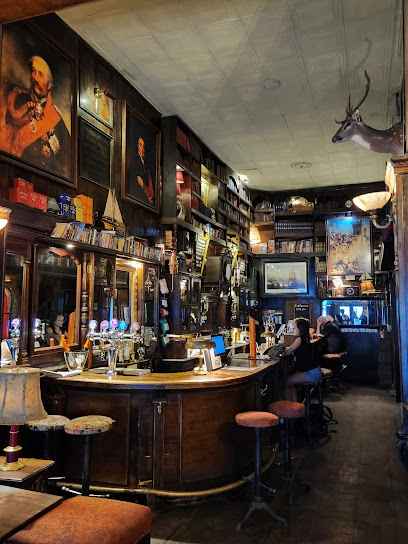
Bar Chin Chin
1.1 km
Experience the vibrant nightlife of Buenos Aires at Bar Chin Chin, San Telmo's beloved bar for locals and tourists alike.
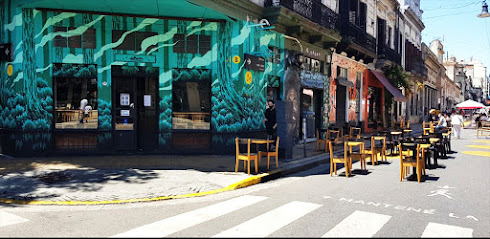
Barbaro Bar
1.2 km
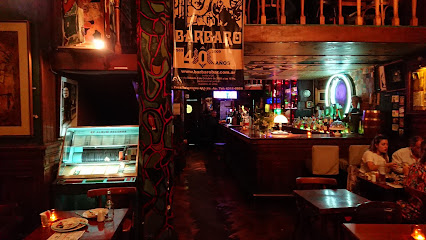
Experience the vibrant fusion of art and culinary excellence at Barbaro Bar in Buenos Aires, where every visit is a feast for the senses.