

Free Western Argentina Travel Guide & Mobile App
Explore Western Argentina with free travel guides. Discover regional history, expert tips, proposed trips, and audio guides on web or mobile app.


Explore Western Argentina’s Andes, high-desert valleys, Andean heritage, Mendoza vineyards and dramatic mountain parks from north to south.
Read more about Western Argentina
When is the best time to visit Western Argentina?
Best: April, September–October · 23–26°C| Month | High (°C) | Rainfall (mm) |
|---|---|---|
| January | 31 | 40 |
| February | 30 | 35 |
| March | 28 | 30 |
| April (best) | 24 | 28 |
| May | 20 | 26 |
| June | 18 | 25 |
| July | 18 | 25 |
| August | 20 | 26 |
| September (best) | 23 | 28 |
| October (best) | 26 | 30 |
| November | 28 | 35 |
| December | 30 | 40 |
Getting to and around Western Argentina
How to get there
Transportation
Best attractions in Western Argentina
Western Argentina offers a sequence of contrasting attractions rather than one concentrated sightseeing circuit. In Jujuy, the Quebrada de Humahuaca combines highland scenery with historic settlements, while the Puna provides salt flats, lagoons and broad volcanic horizons. Salta’s surrounding valleys lead to Cachi and Cafayate, where vineyards, mountain roads and colonial-era villages create a strong cultural and landscape itinerary. Farther south, Mendoza is the principal centre for winery visits, vineyard lunches and excursions towards the Andes and Aconcagua Provincial Park. San Juan adds desert scenery, astronomy-related landscapes and access to Ischigualasto Provincial Park, known for its geological formations and important Triassic fossils. La Rioja offers dramatic ravines and protected desert environments, including Talampaya National Park, while Catamarca is associated with high-altitude routes, volcanoes and remote puna landscapes. In western Neuquén, volcanic scenery and lakes around the Andean foothills provide a cooler contrast. Activities range from gentle vineyard cycling and town walks to trekking, horseback riding, rafting, mountaineering and guided geological excursions; altitude, road conditions and seasonal access should always be assessed before setting out.
-
Cafe
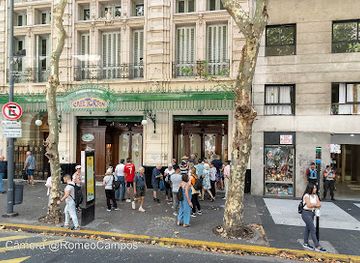
Café Tortoni
Experience the historical allure of Café Tortoni, Buenos Aires' oldest café, where art, culture, and exquisite coffee come together in a timeless setting.
-
Park
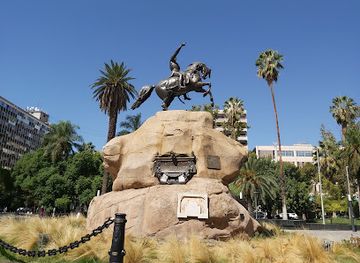
Plaza San Martin
Discover the charm of Plaza San Martin, a vibrant park in Mendoza, Argentina, rich in history and cultural experiences for all visitors.
-
Stadium
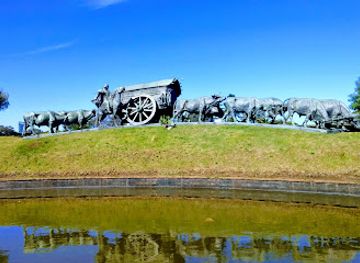
Centenario Stadium
Experience the passion of Uruguayan football at Centenario Stadium, the historic venue that hosted the first FIFA World Cup.
-
Argentinian
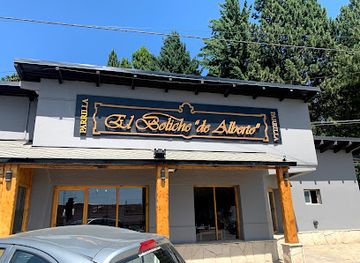
El Boliche de Alberto
Experience authentic Argentine cuisine at El Boliche de Alberto, Bariloche's beloved parrilla, known for its grilled meats and traditional pasta dishes.
Best landmarks in Western Argentina
Aconcagua, within Mendoza Province, is Western Argentina’s most recognisable natural landmark and the highest peak in the Americas; viewpoints and trekking areas reveal the scale of the central Andes even for visitors who do not climb. The Quebrada de Humahuaca in Jujuy is a major geographical and cultural landmark, marked by layered red and ochre mountains and historic settlements along an ancient north-south corridor. Around San Juan, Ischigualasto’s eroded formations create an almost lunar landscape of exceptional geological importance, while Talampaya’s towering rust-coloured cliffs in La Rioja form one of the region’s defining desert scenes. Mendoza’s broad tree-lined streets and irrigation channels express the city’s reconstruction after the 1861 earthquake. In the north-west, adobe churches, colonial plazas and compact historic centres provide a human-scale counterpoint to the mountains. High passes, volcanic cones, salt flats and vineyard landscapes are also landmarks in their own right, showing how water, altitude and geology have shaped settlement across the region.
-
Tourist attraction
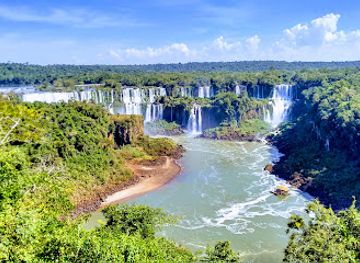
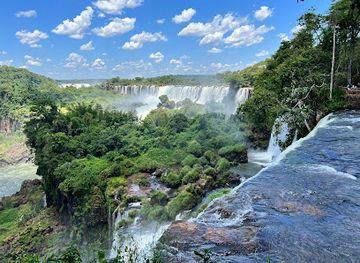
Iguazu Falls
Experience the awe-inspiring power of nature at Iguazu Falls, a symphony of water, jungle, and breathtaking views on the Argentina-Brazil border.
-
Historical landmark
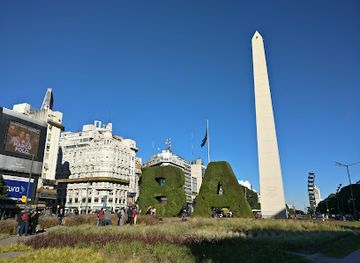
Obelisco
Iconic Buenos Aires landmark commemorating the city's 400th anniversary, located at the heart of the city on Avenida 9 de Julio.
-
National park
Iguazú National Park
Experience the Argentinian side of Iguazú Falls, a symphony of nature's power and beauty in a UNESCO-protected subtropical rainforest.
-
Historical landmark
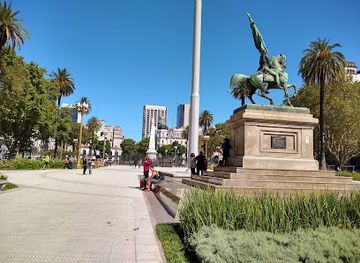
Plaza de Mayo
Discover Plaza de Mayo, Buenos Aires: a historic square surrounded by iconic buildings, monuments, and the spirit of Argentina's past.
Explore Western Argentina on the map
Plan your trip on one map. See where the top cities, national parks and sights are, and book hotels and experiences in a few clicks.
Best hotels in Western Argentina
Best restaurants in Western Argentina
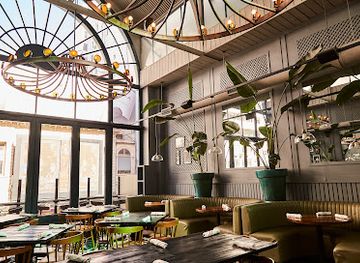
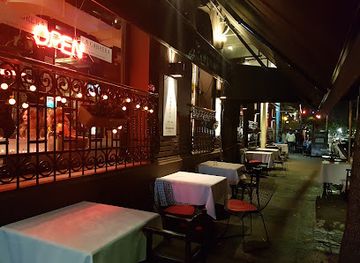
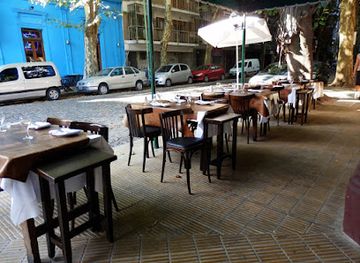
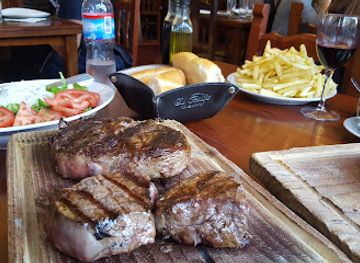
Dining in Western Argentina reflects both Andean traditions and the agricultural produce of irrigated valleys. In the north-west, look for regional empanadas, humitas, tamales, locro, llama where available, goat and dishes based on maize, potatoes and quinoa. The Calchaquí Valleys and Mendoza are particularly associated with wines, while San Juan and La Rioja also produce distinctive bottles alongside olives, olive oil, fruits and nuts. Mendoza’s restaurants range from vineyard dining and contemporary tasting menus to informal parrillas, cafés and neighbourhood eateries, with Malbec a familiar accompaniment but not the only regional style. Rural inns and family-run places may serve grilled meats, empanadas and local cheeses rather than elaborate menus. Markets and bakeries are useful for provisions on long drives, although opening hours in small settlements can be limited. Visitors should distinguish genuinely regional dishes from broadly Argentine staples, while recognising that recipes vary considerably between provinces and communities.
-
Restaurant
Puny - Pasta & Grill
Discover the authentic taste of Italy at Puny - Pasta & Grill in Buenos Aires; where handcrafted pasta meets warm hospitality.
-
Barbecue
La Cabrera
Discover La Cabrera in Buenos Aires – where authentic Argentinian barbecue meets an inviting atmosphere perfect for food lovers.
-
Grill
Don Julio
Discover the authentic taste of Argentina at Don Julio – where every meal is an unforgettable celebration of flavor and culture.
-
Argentinian
El Boliche de Alberto
Experience authentic Argentinian flavors at El Boliche de Alberto, where tradition meets warmth in every dish.
Best bars in Western Argentina
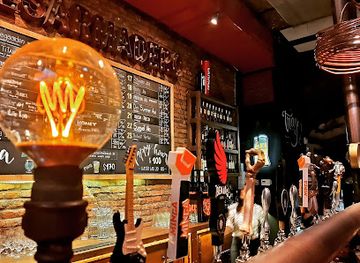
Evening life varies greatly across Western Argentina. Mendoza has the region’s broadest choice, with wine bars, restaurants, craft-beer venues, live-music spaces and late-night clubs concentrated in the city and in nearby urban districts. Salta and San Salvador de Jujuy combine traditional peñas, where folk music and regional food may be presented, with cafés, bars and contemporary venues. In San Juan, La Rioja, Catamarca and smaller Andean towns, nightlife is generally more restrained and centres on restaurants, local bars, plazas and occasional live music rather than a large club scene. Vineyard areas may offer tastings and evening meals, but rural venues can be widely spaced and transport should be arranged in advance. Argentine nightlife often begins late, particularly at weekends, although remote communities may wind down early. Responsible drinking is especially important at altitude and before long mountain drives.
-
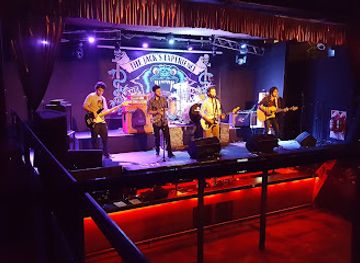
Brewpub
Desarmadero Bar/Session
Discover the vibrant atmosphere of Desarmadero Bar/Session, a premier brewpub in Buenos Aires offering craft beers and delectable dishes.
-
Bar
El Federal Bar
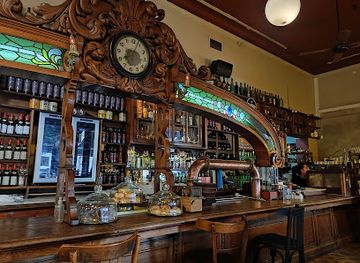
Discover the heart of Argentine gastronomy at El Federal Bar, where tradition meets vibrant nightlife in the heart of Buenos Aires.
-
Restaurant
Los Galgos Bar
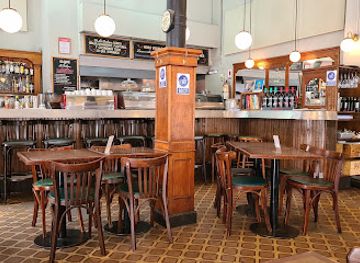
Experience the heart of Buenos Aires at Los Galgos Bar, where Argentinian flavors meet a vibrant cocktail culture.
-
Bar
Uptown
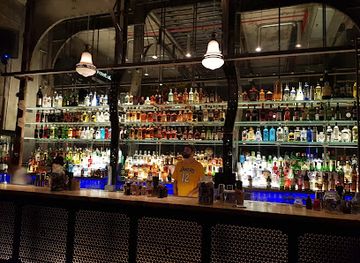
Discover the heart of Buenos Aires nightlife at Uptown, where innovative cocktails and vibrant vibes create unforgettable memories.
Best nightclubs in Western Argentina
Evening life varies greatly across Western Argentina. Mendoza has the region’s broadest choice, with wine bars, restaurants, craft-beer venues, live-music spaces and late-night clubs concentrated in the city and in nearby urban districts. Salta and San Salvador de Jujuy combine traditional peñas, where folk music and regional food may be presented, with cafés, bars and contemporary venues. In San Juan, La Rioja, Catamarca and smaller Andean towns, nightlife is generally more restrained and centres on restaurants, local bars, plazas and occasional live music rather than a large club scene. Vineyard areas may offer tastings and evening meals, but rural venues can be widely spaced and transport should be arranged in advance. Argentine nightlife often begins late, particularly at weekends, although remote communities may wind down early. Responsible drinking is especially important at altitude and before long mountain drives.
-
Night club
Niceto Club
Immerse yourself in the vibrant nightlife of Buenos Aires at Niceto Club, where electrifying music and an energetic atmosphere await.
-
Night club
Makena Cantina Club
Dive into the heart of Buenos Aires' nightlife at Makena Cantina Club, where vibrant music and creative cocktails create unforgettable memories.
-
Disco club
WESTERN Disco
Discover the electrifying nightlife at Western Disco in Buenos Aires, where dance, music, and culinary delights converge to create unforgettable moments.
-
Disco club
Club 69
Discover the electrifying nightlife at Club 69, a premier disco club in Buenos Aires offering pulsating beats, stylish ambiance, and unforgettable experiences.



Best shops in Western Argentina
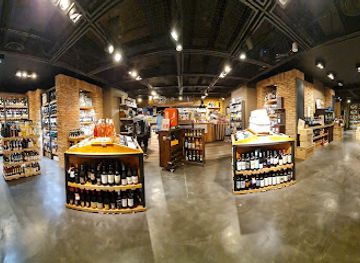
Shopping in Western Argentina is most rewarding when focused on regional materials and produce rather than conventional retail. Salta, Jujuy and the Quebrada de Humahuaca offer woven textiles, blankets, ceramics, carved objects and clothing influenced by Andean traditions; buy from reputable makers and ask about materials and provenance. Mendoza’s urban shops and vineyard estates sell wine, olive oil, preserves, dried fruit, leather goods and food-related gifts, while San Juan and La Rioja are known for related agricultural products and regional wines. Market stalls and artisan fairs are common in tourist towns, though quality and authenticity vary. Cachi, Cafayate, Purmamarca and Tilcara have particularly visible craft-shopping scenes, but these are busy visitor centres rather than isolated rural markets. In larger cities, standard high streets, shopping centres, bookshops and design stores provide more contemporary goods. Pack wine and fragile ceramics carefully, and check customs and airline rules before transporting food, liquids or plant products internationally.
-
Shopping mall
Galerías Pacífico
Explore Galerías Pacífico: A luxurious shopping mall adorned with stunning art and rich Argentine culture in the heart of Buenos Aires.
-
Shopping mall
Unicenter Shopping
Discover a shopper's paradise at Unicenter Shopping in Buenos Aires, featuring diverse stores, delicious dining, and endless entertainment options.
-
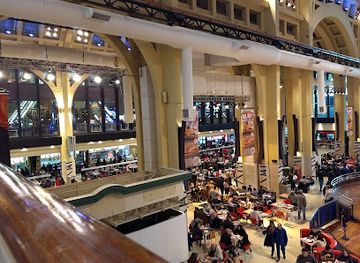
Shopping mall
Abasto de Buenos Aires
Discover the vibrant Abasto de Buenos Aires, a shopping paradise that combines culture, culinary delights, and entertainment in one unforgettable experience.
-
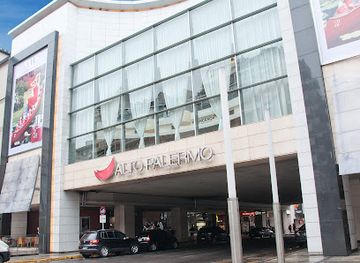
Shopping mall
Alto Palermo
Discover the ultimate shopping experience at Alto Palermo, Buenos Aires' premier shopping destination with fashion, food, and entertainment.

Get your free copy of our complete guide to Western Argentina, delivered straight to you.
Everything on this page, from attractions and restaurants to essentials and local phrases, in one PDF you can read offline, print or share.
Already have an account? Sign in
Your Western Argentina guide is ready.
We'll send it to · Not you? Sign out

Getting your guide ready…
We are putting together a fresh copy of the Western Argentina guide. This can take up to a minute.
This can take a few moments. If your browser asks, choose Allow so the download can start. You'll find the guide in your Downloads folder.
Nothing happened? Download it again
Sorry, the guide is taking longer than usual. Please try again in a minute, or get it by email instead.
Western Argentina essentials
Currency and Payment
Safety
Emergency Situations
Do's and Don'ts
Local Tips
From Eve
Local phrases worth knowing
You don't need to get them perfect. A few words go a long way, and locals appreciate the effort.
Basics
| English | Local | Say it |
|---|---|---|
| Hello | Hola | [Ola] |
| Goodbye | Adiós | [A-dios] |
| Yes | Sí | [Si] |
| No | No | [No] |
| Please/You're welcome | Por favor/De nada | [Por fa-vor/De na-da] |
| Thank you | Gracias | [Gra-thias] |
| Excuse me/Sorry | Disculpe/Lo siento | [Dis-cul-pe/Lo sien-to] |
| How are you? | ¿Cómo estás? | [Ko-mo es-tas] |
| Fine. And you? | Bien. ¿Y tú? | [Bie-n. I tu] |
| Do you speak English? | ¿Hablas inglés? | [A-blas in-gles] |
| I don't understand | No entiendo | [No en-tien-do] |
Eating & Drinking
| English | Local | Say it |
|---|---|---|
| I'd like to see the menu, please | Quisiera ver el menú, por favor | [Ki-sie-ra ver el me-nu, por fa-vor] |
| I don't eat meat | No como carne | [No ko-mo kar-ne] |
| Cheers! | ¡Salud! | [Sa-lud] |
| I would like to pay, please | Quisiera pagar, por favor | [Ki-sie-ra pa-gar, por fa-vor] |
Emergencies
| English | Local | Say it |
|---|---|---|
| Help! | ¡Ayuda! | [A-yu-da] |
| Go away! | ¡Vete! | [Ve-te] |
| Call the Police! | ¡Llama a la policía! | [Ya-ma a la po-li-cia] |
| Call a doctor! | ¡Llama a un doctor! | [Ya-ma a un doc-tor] |
| I'm lost | Estoy perdido | [Es-toy per-di-do] |
| I'm ill | Estoy enfermo | [Es-toy en-fer-mo] |
Shopping
| English | Local | Say it |
|---|---|---|
| I'd like to buy... | Quisiera comprar... | [Ki-sie-ra kom-prar] |
| I'm just looking | Solo estoy mirando | [So-lo es-toy mi-ran-do] |
| How much is it? | ¿Cuánto cuesta? | [Kwan-to kwes-ta] |
| That's too expensive | Es muy caro | [Es muy ka-ro] |
| Can you lower the price? | ¿Puedes bajar el precio? | [Pwe-des ba-har el pre-cio] |
Time & Numbers
| English | Local | Say it |
|---|---|---|
| What time is it? | ¿Qué hora es? | [Ke o-ra es] |
| It's one o'clock | Es la una | [Es la u-na] |
| Half past (10) | Y media (10) | [I me-dia] |
| Morning | Mañana | [Ma-nya-na] |
| Afternoon | Tarde | [Tar-de] |
| Evening | Noche | [No-che] |
| Yesterday | Ayer | [A-yer] |
| Today | Hoy | [Oi] |
| Tomorrow | Mañana | [Ma-nya-na] |
| 1 | Uno | [U-no] |
| 2 | Dos | [Dos] |
| 3 | Tres | [Tres] |
| 4 | Cuatro | [Kua-tro] |
| 5 | Cinco | [Sin-co] |
| 6 | Seis | [Seis] |
| 7 | Siete | [Sye-te] |
| 8 | Ocho | [O-cho] |
| 9 | Nueve | [Nwe-ve] |
| 10 | Diez | [Dyez] |
Transport & Directions
| English | Local | Say it |
|---|---|---|
| Where's a/the...? | ¿Dónde hay un/una...? | [Don-de ai un/u-na] |
| What's the address? | ¿Cuál es la dirección? | [Kwal es la di-rec-cion] |
| Can you show me (on the map)? | ¿Puedes mostrarme (en el mapa)? | [Pwe-des mos-trar-me (en el ma-pa)] |
| When's the next (bus)? | ¿Cuándo sale el próximo (bus)? | [Kwan-do sa-le el pro-xi-mo] |
| A ticket (to ....) | Un boleto (a ...) | [Un bo-le-to (a ...)] |
History of Western Argentina
Pre-Hispanic Andean societies
Long before European settlement, western Argentina was inhabited by diverse communities adapted to deserts, valleys and high plateaux. In the north-west, agricultural villages cultivated maize and other crops, managed llamas and traded across the Andes. The Quebrada de Humahuaca preserves evidence of long-established settlement and exchange routes, while sites in the Calchaquí Valleys reflect complex local societies with distinctive ceramics and farming systems. These cultures were connected to wider Andean networks but were not culturally uniform. Their agricultural terraces, settlement patterns, textiles and food traditions continue to influence the region’s identity.
Inca expansion in the north-west
During the late fifteenth century, the Inca state extended its influence into parts of the north-west, incorporating existing communities into an imperial network centred on roads, storage facilities and administrative settlements. The Inca presence was strongest along strategic valleys and routes linking the highlands with the wider Andes. Although Spanish conquest soon disrupted this political order, sections of the Qhapaq Ñan, or Andean road system, and archaeological remains preserve evidence of these connections. The period also helps explain the enduring cultural links between western Argentina, Bolivia, Chile and Peru.
Spanish colonial routes and settlements
Spanish colonial power developed through a chain of towns and routes connecting the north-west with the mining centres of Upper Peru and the wider Río de la Plata world. Santiago del Estero, Salta, San Salvador de Jujuy, La Rioja and Mendoza became important points in systems of administration, trade and religious evangelisation, although their fortunes varied. Churches, adobe buildings, urban plans and estate landscapes remain visible in several historic settlements. Colonial society also brought profound dispossession and demographic change for Indigenous communities, alongside new crops, animals, institutions and forms of architecture.
The Andes in independence and nation-building
Western Argentina played a central role in the struggle for South American independence. Mendoza became the headquarters for José de San Martín’s Army of the Andes, which crossed the mountain range in 1817 to support the liberation of Chile. The campaign required extensive organisation, mule transport and local knowledge of high passes. After independence, the Andean provinces remained strategically important but were often distant from the political and commercial centres of the Atlantic coast. Roads, provincial administrations and later railways gradually tied their economies more closely to the national state.
Irrigation, railways and the growth of Cuyo
In Mendoza and San Juan, modern regional development depended heavily on irrigation channels drawing water from Andean rivers. These systems transformed arid plains into productive oases for vineyards, olives, fruit and vegetables. Railway construction in the late nineteenth and early twentieth centuries strengthened links with Buenos Aires and enabled wine and agricultural products to reach wider markets. The same period brought new migration, urban growth and architectural change. The region’s wine economy, although rooted in earlier Spanish plantings, became an important modern industry through technical investment and the expansion of commercial viticulture.
Earthquakes and reconstruction
Earthquakes have repeatedly shaped the history and appearance of western Argentina. The 1861 Mendoza earthquake destroyed much of the city and led to a new urban plan with broad streets, public squares and features intended to improve resilience. San Juan was devastated by a major earthquake in 1944, prompting extensive reconstruction and a largely modern architectural character. These disasters changed civic design, building practice and public memory. They also explain why some western Argentine cities look markedly different from older colonial centres elsewhere in the country.
Modern wine, conservation and mountain tourism
From the late twentieth century onwards, western Argentina’s identity increasingly combined wine production, outdoor tourism and landscape conservation. Mendoza developed an international reputation for Malbec and other varieties, while San Juan, La Rioja, Salta and Catamarca expanded distinctive high-altitude and desert wine regions. National and provincial parks protect major geological and mountain environments, including Aconcagua and Ischigualasto. Tourism has brought investment and new employment, but remote communities and fragile high-altitude ecosystems remain important considerations as the region balances access, conservation and local livelihoods.
Western Argentina in Photos
Browse through our photo collection highlighting the charm and character of the destination.
Neighbouring regions of Western Argentina
The closest regions to Western Argentina, if you have time for more than one.
-

-

-

-

-


Swipe for more regions
Explore more

Explore more of Argentina
Discover Argentina: From the lively streets of Buenos Aires to the breathtaking landscapes of Patagonia, experience the vibrant culture and diverse natural wonders of this South American gem.
Explore Argentina