From Eve
Know before you go
Hi, I'm Eve. Here are a few practical things to know before exploring Lavender Pit.
Local know-how to help you travel smarter and make the most of every moment.


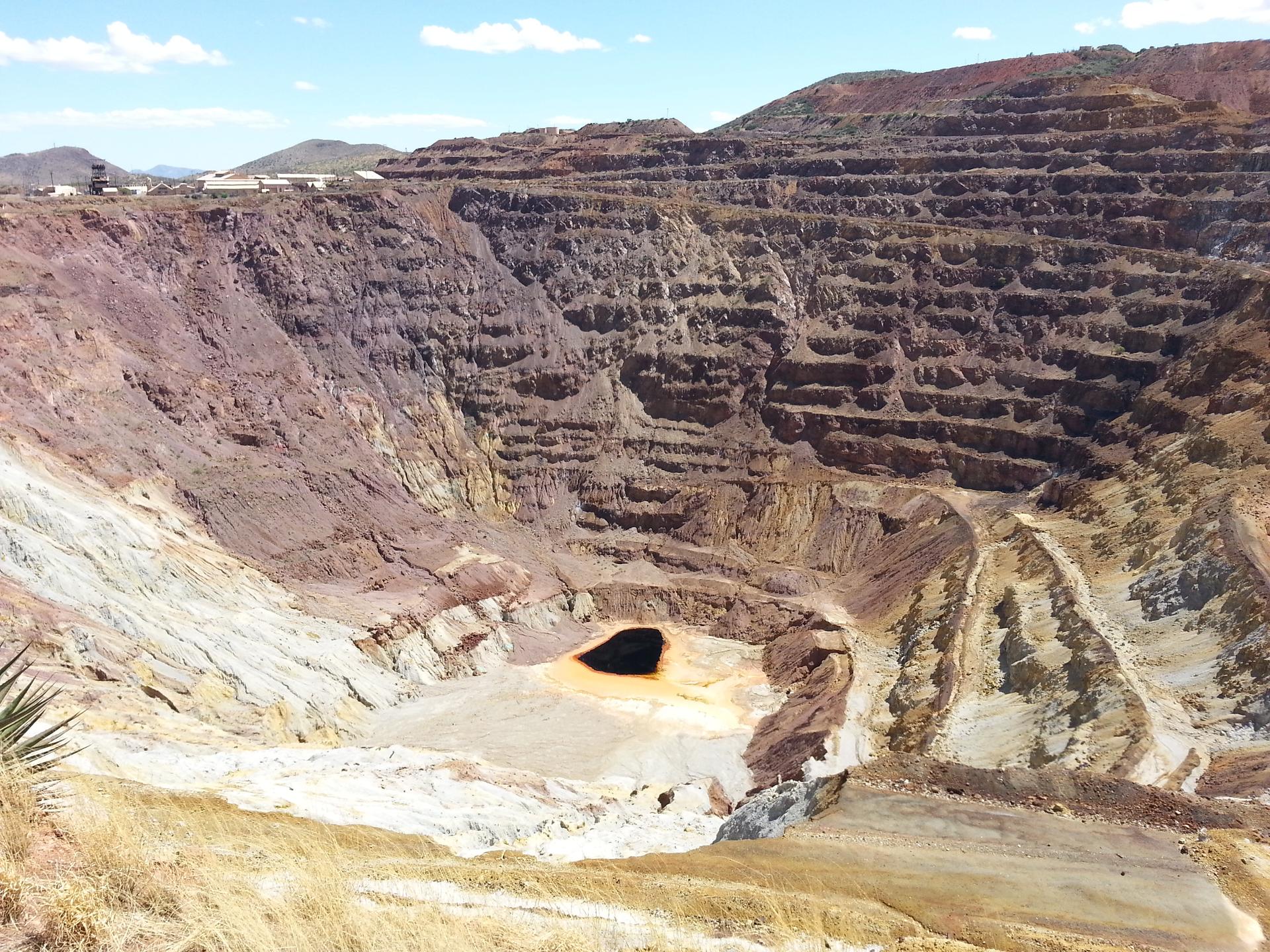
Witness the vastness of the Lavender Pit, a historic open-pit copper mine and a testament to Bisbee's mining legacy.
The Lavender Pit is a former open-pit copper mine that stands as a visible reminder of Bisbee's rich mining history. Named after Harrison M. Lavender, who revolutionized copper extraction in the area, the pit offers a unique, if somewhat stark, landscape for visitors to explore from the rim.
Opening times, essentials, and a few local tips gathered into one calmer, easier-to-scan planning section.
Hi, I'm Eve. Here are a few practical things to know before exploring Lavender Pit.
Local know-how to help you travel smarter and make the most of every moment.
Driving
The Lavender Pit overlook is located on AZ-80 between Old Bisbee and the neighborhood of Lowell. From downtown Bisbee, follow AZ-80 South. The overlook will be on your left, with ample parking available. There are no tolls on this route. Parking is free.
Public Transport
The Bisbee Bus provides transportation around Bisbee. Check the Bisbee Bus schedule for the most up-to-date route information to reach the Lavender Pit area. From there, it's a short walk to the viewing area. A single ride on the Bisbee Bus costs $1.
Walking
While possible, walking from downtown Bisbee to the Lavender Pit overlook involves a significant distance along AZ-80. Exercise caution as it is a highway. Consider utilizing other transport options.
Use Lavender Pit as your starting point for nearby food, family ideas, nightlife, and more local discoveries.

Explore expert travel guides, compare and book tours, experiences, hotels, and more—all from the palm of your hand. Download now for seamless trip planning wherever your wanderlust takes you.
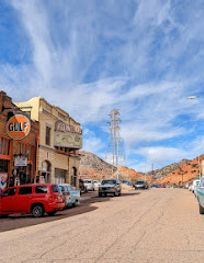
Discover Bisbee, Arizona - a picturesque town rich in history, vibrant art, and stunning landscapes, offering a unique and memorable experience for every visitor.
Tell me more about Bisbee