Vermilion Cliffs National Monument: A Geologic Masterpiece
Explore towering cliffs, colorful canyons, and ancient history in this remote and stunning national monument in northern Arizona.
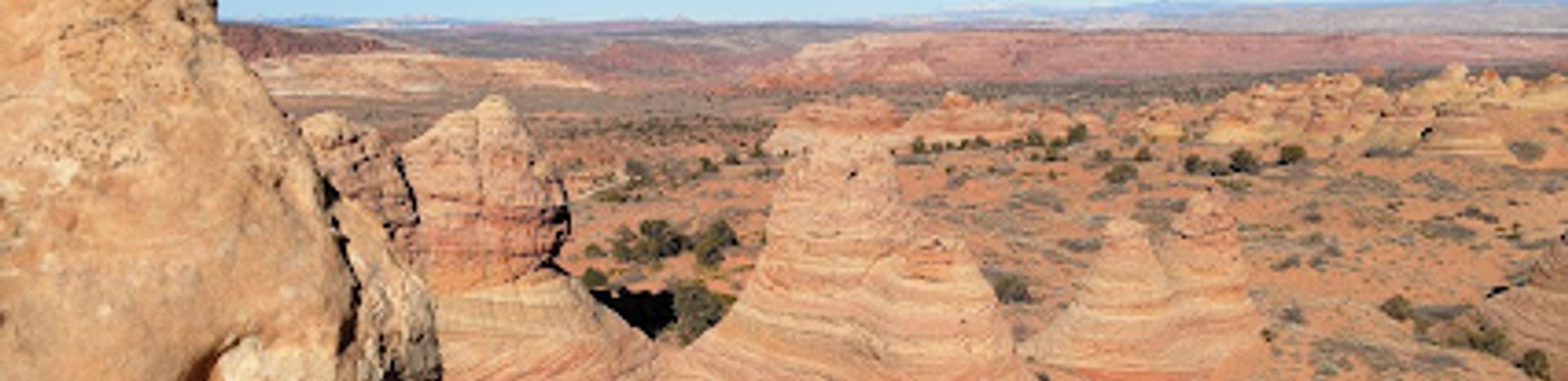
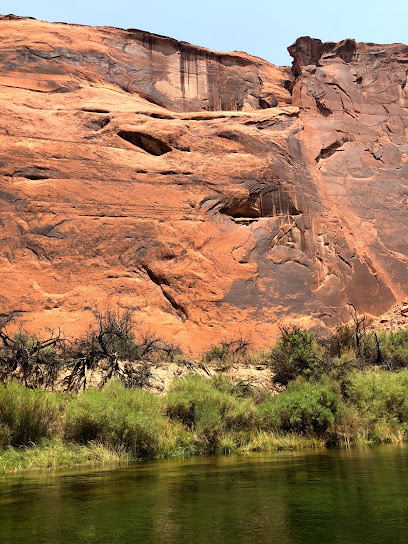
Vermilion Cliffs National Monument in northern Arizona protects a stunning landscape of towering cliffs, deep canyons, and unique rock formations. The monument is a remote and unspoiled area, offering visitors a chance to experience the beauty and solitude of the American Southwest.
A brief summary to Vermilion Cliffs National Monument
- Marble Canyon, Arizona, 86036, US
- Visit website
Local tips
- A high-clearance, four-wheel-drive vehicle is recommended for navigating the monument's unpaved roads.
- Permits are required for hiking in Coyote Buttes North (The Wave), Coyote Buttes South, and for overnight trips in Paria Canyon.
- Bring plenty of water, food, and a spare tire, as services are limited within the monument.
- Check weather conditions before you go, as flash floods can occur in the canyons.
- Visit the Navajo Bridge Interpretive Center near Marble Canyon for information and views of the Colorado River.

Getting There
-
Driving
From Flagstaff, Arizona, travel north on U.S. Highway 89 to U.S. Highway 89A at the Bitter Springs turnoff. From Kanab, Utah, take U.S. Highway 89 east or 89A south. There are no paved roads within the monument. House Rock Valley Road (BLM 1065) is a maintained dirt road but may be impassable when wet. Other roads require a high-clearance, four-wheel-drive vehicle due to deep sand. There are no entrance fees for Vermilion Cliffs National Monument.
Discover more about Vermilion Cliffs National Monument
Iconic landmarks you can’t miss

Balanced Rock
17.5 km
Witness the gravity-defying Balanced Rock in Marble Canyon, Arizona, a stunning testament to nature's artistry and geological processes.

Paria Canyon-Vermilion Cliffs Wilderness Area
17.7 km
Explore the Paria Canyon-Vermilion Cliffs Wilderness: a stunning landscape of slot canyons, towering cliffs, and ancient history in the heart of the Colorado Plateau.
Lonely Dell Ranch
20.6 km
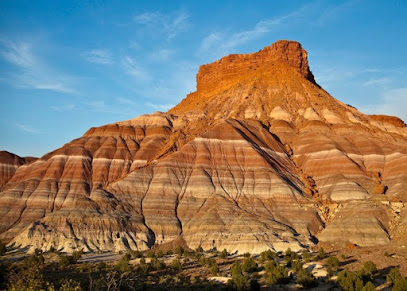
Discover pioneer life at Lonely Dell Ranch in Marble Canyon, Arizona. Explore historic cabins, orchards, and a peaceful cemetery.
Glen Canyon
21.3 km
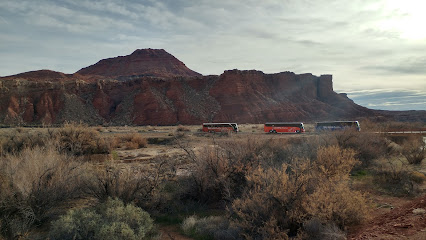
Explore Glen Canyon: A stunning landscape of history, recreation, and geological wonders in the heart of the American Southwest.
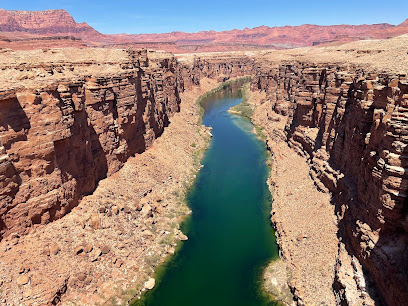
Twin Buttes
23.0 km
Discover Twin Buttes in Kanab, Utah – a breathtaking historical landmark showcasing stunning geology and rich cultural heritage.
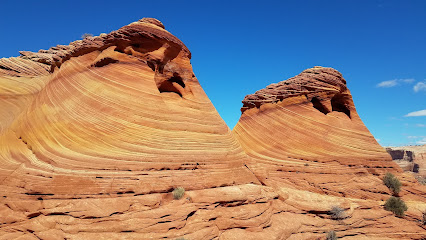
Waterhole Canyon Experience LLC
28.4 km
Discover Waterhole Canyon: A stunning, less-crowded alternative to Antelope Canyon with Navajo-guided tours near Page, Arizona. Book your serene adventure today!
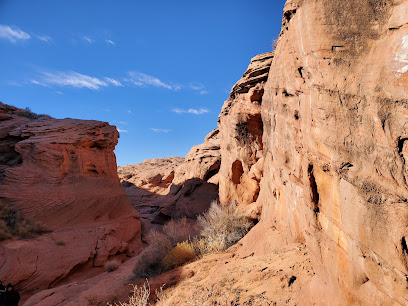
Glen Canyon National Recreation Area, Utah, USA
28.6 km
Explore the stunning landscapes and endless adventures of Glen Canyon National Recreation Area, from the waters of Lake Powell to the desert canyons.
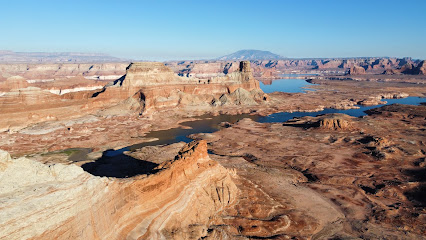
Wahweap Creek
29.9 km
Discover Utah's hidden gem: hike through red rock canyons and explore the otherworldly Wahweap Hoodoos along the serene Wahweap Creek.

The New Wave
30.0 km
Discover the surreal beauty of The Wave, a world-famous sandstone formation in the Vermilion Cliffs National Monument. Permits required.
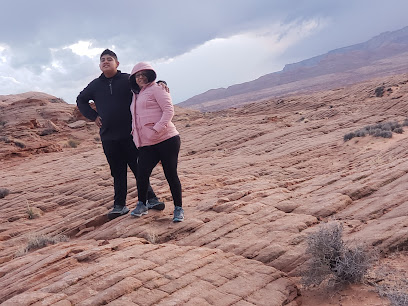
Gunfighter Canyon Indoor Shooting Experience and Gun Store
31.1 km
Experience the thrill of indoor shooting in Page, Arizona, with a wide selection of firearms and expert instruction for all skill levels.

Surf's Up Lake Powell
31.2 km
Experience Lake Powell with guided boat tours, wake surfing, and all-inclusive water sport adventures. Explore canyons and create lasting memories.
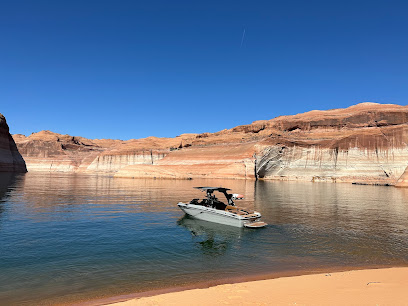
Glen Canyon National Recreation Area Visitor Center
31.4 km
Your adventure starts here! Discover Lake Powell and the Glen Canyon National Recreation Area at this informative visitor center.
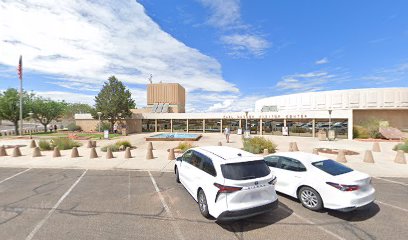
Carl Hayden Visitor Center
31.4 km
Explore Glen Canyon Dam and Lake Powell at this informative visitor center with stunning panoramic views.
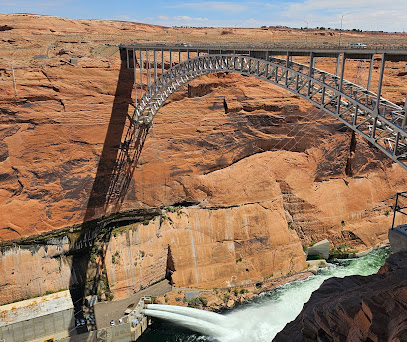
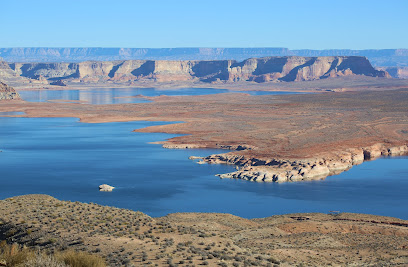
Wahweap Overlook
31.5 km
Experience breathtaking panoramic views of Lake Powell and Glen Canyon from this easily accessible and stunning vista point.
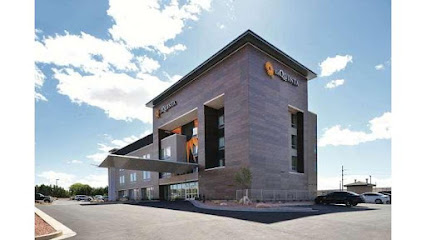
La Quinta Inn & Suites by Wyndham Page at Lake Powell
31.6 km
Comfortable hotel in Page, Arizona, offering easy access to Lake Powell, Antelope Canyon, and Horseshoe Bend.
Unmissable attractions to see

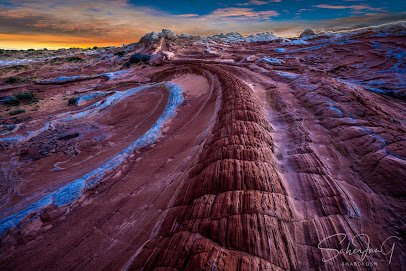
White Pocket
11.9 km
Explore White Pocket: A remote Arizona marvel with swirling sandstone, vibrant colors, and otherworldly beauty in Vermilion Cliffs National Monument.
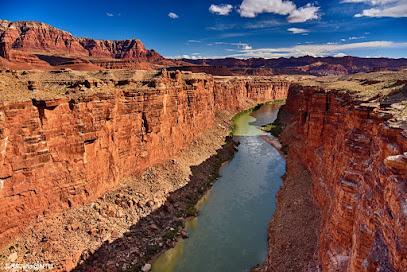
Marble Canyon
17.6 km
Explore the breathtaking beauty of Marble Canyon in Arizona, an outdoor paradise with stunning landscapes and adventure-filled activities.
Cathedral Wash Trl
17.8 km
Discover the breathtaking beauty of Cathedral Wash Trail in Arizona, where stunning rock formations and serene landscapes await your exploration.
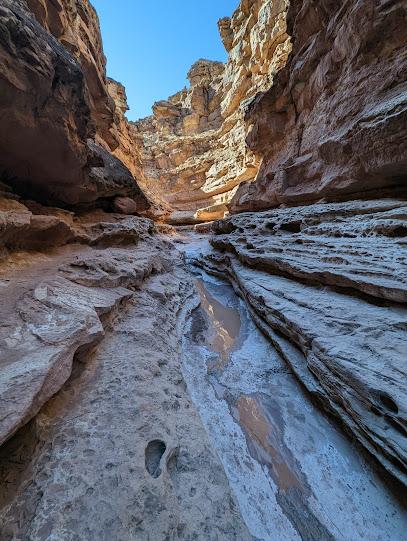
Historic Navajo Bridge
18.1 km
Explore the Historic Navajo Bridge in Marble Canyon, Arizona, where history meets breathtaking natural beauty along the Colorado River.
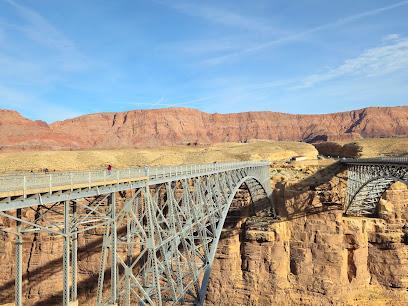
Lees Ferry
21.4 km
Explore the breathtaking landscapes and rich history of Lees Ferry, a scenic spot in Marble Canyon, Arizona, perfect for outdoor adventures.
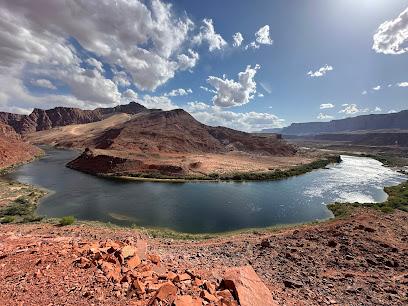
Melody Arch
21.4 km
Discover the breathtaking beauty of Melody Arch in Marble Canyon, Arizona - a hiker's paradise filled with stunning landscapes and serene trails.
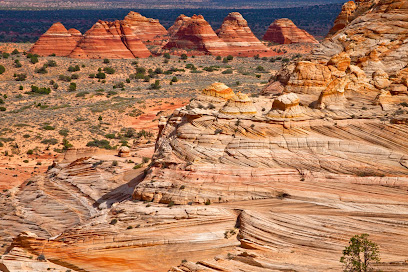
The Wave
21.8 km
Discover the mesmerizing beauty of The Wave in Kanab, Arizona, a must-visit hiking area known for its stunning rock formations and picturesque landscapes.
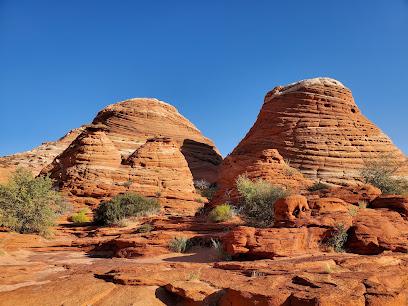
Condor Viewing Site
22.8 km
Experience the breathtaking beauty and conservation efforts at the Condor Viewing Site in Marble Canyon, Arizona, a unique wildlife adventure.
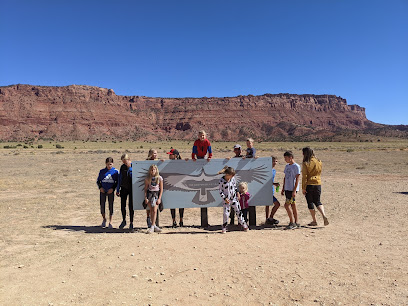
Buckskin Gulch Petroglyphs
23.5 km
Discover the ancient petroglyphs of Buckskin Gulch in Kanab, Utah, where history meets breathtaking natural beauty in a serene hiking paradise.
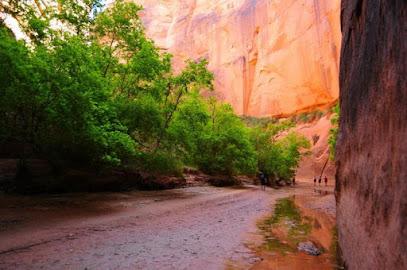
Vermilion Cliffs National Monument Bulletin Board
24.0 km
Essential information for exploring the rugged beauty of Vermilion Cliffs National Monument in Marble Canyon, Arizona.
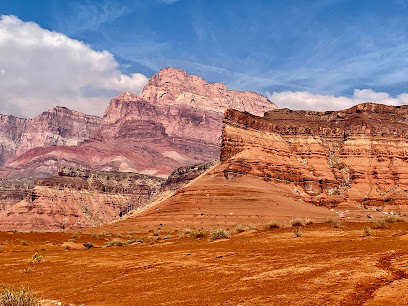
Stud Horse Point
24.5 km
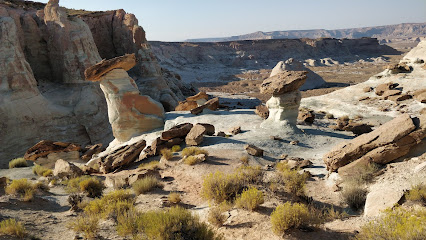
Experience the breathtaking vistas of Stud Horse Point, a stunning natural wonder near Page, Arizona, perfect for photography and exploration.
Wire Pass Trailhead
24.8 km
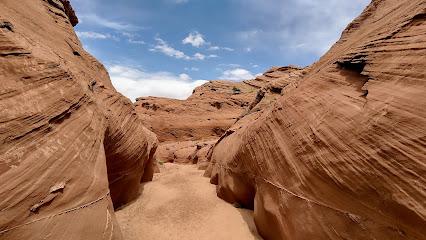
Discover the breathtaking landscapes of Wire Pass Trailhead in Kanab, Utah, where stunning canyons and unique geological formations await outdoor enthusiasts.
Waterholes Canyon Trailhead
25.3 km
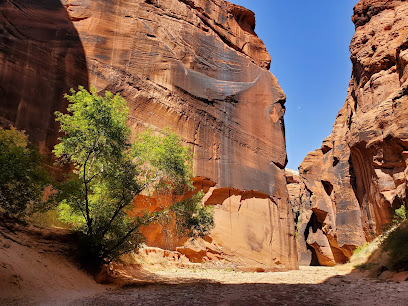
Explore the natural wonders of Waterhole Canyon in Page, Arizona, where stunning rock formations and serene hiking trails await you.
House Rock Valley Overlook
25.9 km
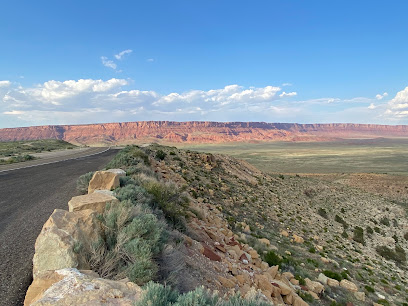
Discover the stunning vistas and vibrant landscapes of House Rock Valley Overlook, a breathtaking natural gem on the North Rim of the Grand Canyon.
Petroglyphs
26.9 km
Discover the ancient artistry of Petroglyphs in Page, Arizona, where history and nature come together in a stunning desert landscape.
Essential places to dine

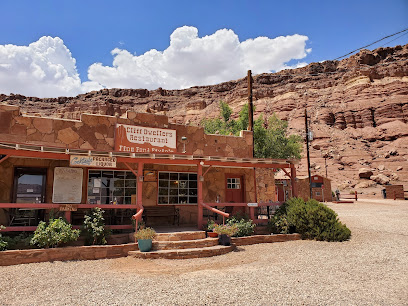
Cliff Dwellers Restaurant
14.7 km
Experience exquisite American cuisine with breathtaking canyon views at Cliff Dwellers Restaurant in Marble Canyon.
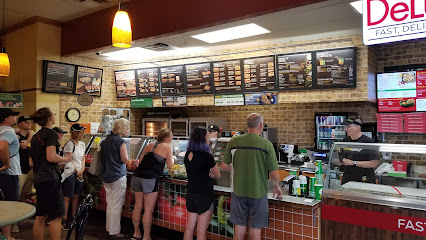
Subway
30.6 km
Experience fresh and customizable sandwiches at Subway in Page, AZ—perfect for refueling during your adventures.
Taco Bell
30.8 km
Savor delicious Mexican-inspired fast food at Taco Bell in Page, Arizona - perfect for travelers seeking flavor on the go!
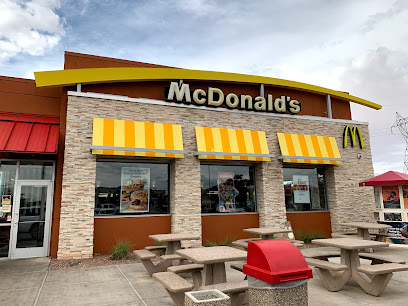
McDonald's
30.8 km
Experience quick bites and familiar flavors at McDonald's in Page, AZ – perfect for travelers exploring the natural wonders nearby.
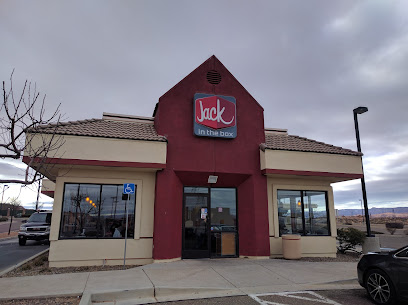
Jack in the Box
30.9 km
Experience diverse fast food delights at Jack in the Box in Page AZ - from classic burgers to tasty breakfast items.
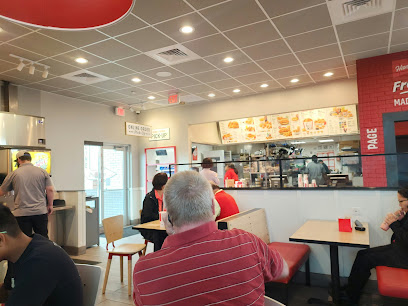
KFC
30.9 km
Savor delicious fried chicken at KFC in Page, AZ - the perfect fast-food stop near stunning natural attractions.
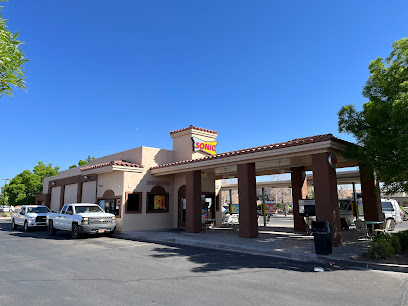
Sonic Drive-In
30.9 km
Experience classic American fast food at Sonic Drive-In in Page, AZ—delicious burgers and shakes await!
Burger King
31.1 km
Savor delicious flame-grilled burgers and quick bites at Burger King in Page - your go-to spot for fast food on your Arizona adventure.
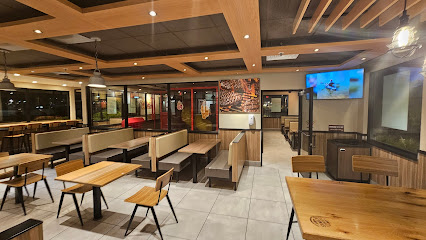
Mandarin Gourmet
31.2 km
Experience delightful Chinese cuisine at Mandarin Gourmet, where flavorful dishes meet family-friendly dining in Page, Arizona.
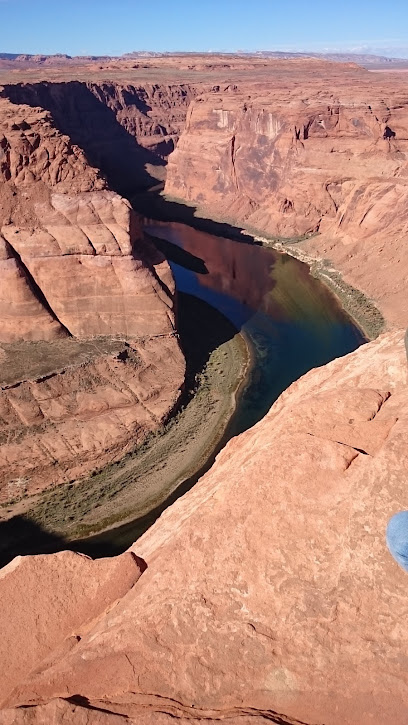
Gone West Family Restaurant
31.3 km
Experience family-friendly dining at Gone West Family Restaurant in Page, AZ – savor delicious Southwestern cuisine with live music and unique gifts.
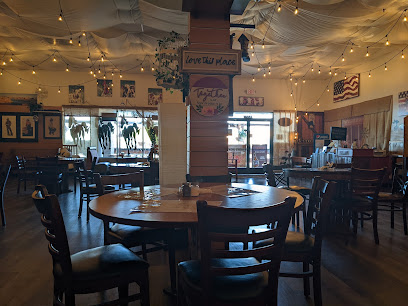
New York Teriyaki
31.3 km
Savor authentic Japanese flavors at New York Teriyaki - a culinary gem in Page, Arizona offering delicious teriyaki dishes.
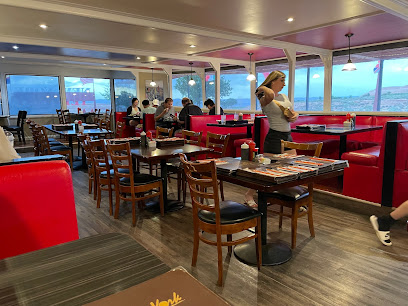
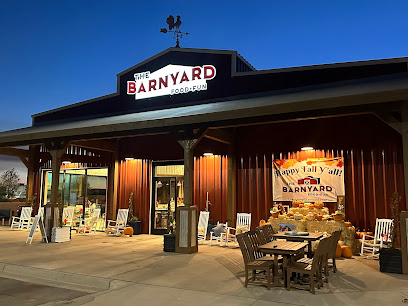
The Barnyard
31.4 km
Experience delightful local cuisine at The Barnyard in Page, Arizona - where every meal tells a story of flavor and community.
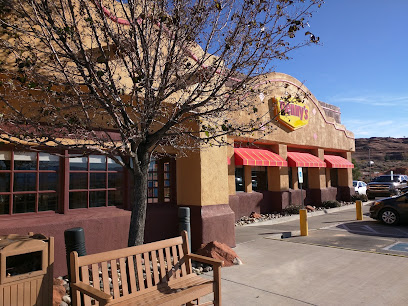
Denny's
32.2 km
Experience classic American breakfast favorites at Denny's in Page, Arizona – perfect for fueling your adventures!
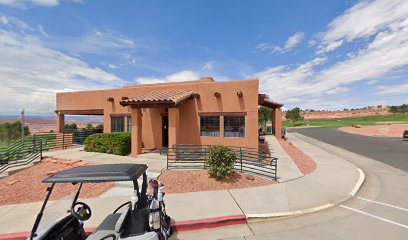
Mulligan's Pub & Patio
32.5 km
Discover Mulligan's Pub & Patio: where delectable American dishes meet stunning views in Page, Arizona.
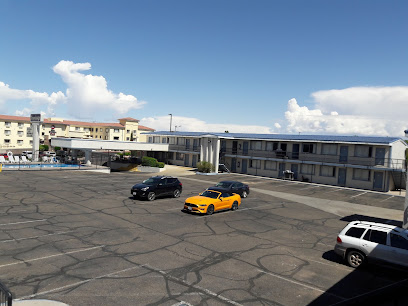
Pepper's
32.6 km
Experience delightful dining at Pepper's in Page, Arizona – where local flavors meet cozy ambiance.
Markets, malls and hidden boutiques

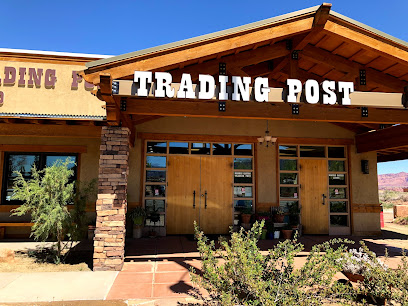
Marble Canyon Trading Post
17.5 km
Discover authentic Native American crafts and outdoor gear at Marble Canyon Trading Post, a charming stop in Arizona's breathtaking landscape.
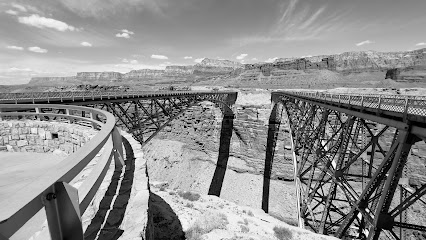
Antelope Trails Interpretive Market
18.2 km
Explore the Antelope Trails Interpretive Market for unique Navajo jewelry and crafts amidst the stunning landscapes of Marble Canyon.
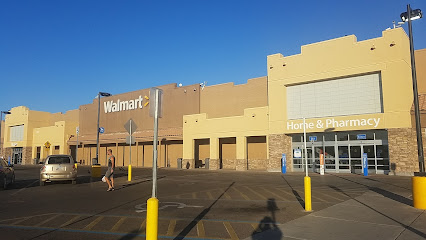
Walmart Supercenter
30.6 km
Discover the ultimate shopping experience at Walmart Supercenter in Page, AZ, with groceries, clothing, electronics, and more all in one place.
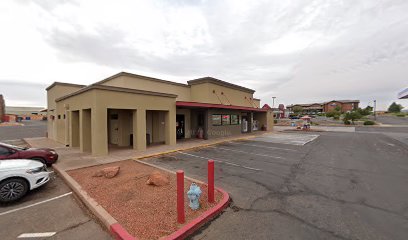
Lake Powell Convenience Center
30.9 km
Conveniently located in Page, Arizona, the Lake Powell Convenience Center is your go-to spot for snacks and supplies as you explore stunning Lake Powell.
The Wake Shop
31.2 km
Explore the waters of Page, Arizona, with top-notch gear from The Wake Shop, your ultimate destination for water sports equipment.
Desert Viking Woodworking
32.5 km
Explore the art of craftsmanship at Desert Viking Woodworking, where handmade elegance meets traditional woodworking techniques.
Slippers One
32.6 km
Discover the perfect blend of style and comfort at Slippers One, your premier shoe store in the stunning landscapes of Page, Arizona.
Page Lake Powell Furniture
33.1 km
Discover a wide selection of quality furniture and home goods at Page Lake Powell Furniture, perfect for transforming your space in Arizona.
Lake Powell Espresso
33.1 km
Discover Lake Powell Espresso: Your go-to coffee shop in Page, Arizona, offering quality brews and a cozy atmosphere amidst stunning natural beauty.
OFFPRICE
33.2 km
Uncover extraordinary savings and unique finds at OFFPRICE, your go-to discount store in Page, Arizona.

Redd's Ace
33.2 km
Explore Redd's Ace in Page, AZ - the ultimate destination for all your home improvement and hardware needs.
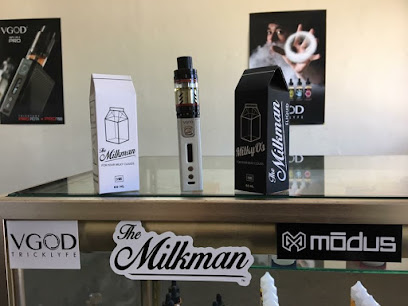
Lost Clouds
33.2 km
Explore Lost Clouds in Page, Arizona - your premier vaporizer store with exceptional products and friendly service.
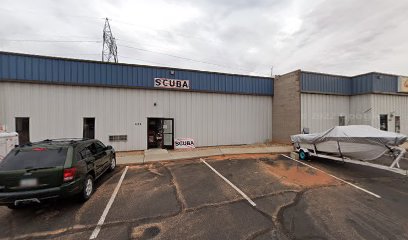
Scuba
33.2 km
Discover exceptional diving experiences at Scuba in Page, Arizona, where adventure meets the stunning underwater world.
House of Remmus
33.2 km
House of Remmus – Your ultimate skateboard shop in Page, Arizona, where passion meets community and adventure awaits.

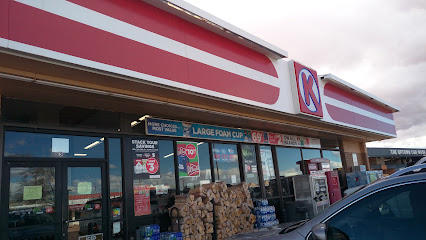
Circle K
33.2 km
Explore Page, AZ with ease at Circle K – your one-stop convenience store for snacks, fuel, and essentials.
Essential bars & hidden hideouts

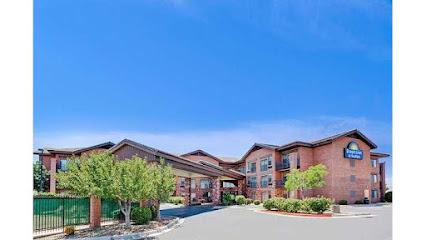
Days Inn & Suites by Wyndham Page Lake Powell
30.8 km
Experience the stunning landscapes of Lake Powell from the comfortable Days Inn & Suites, your gateway to nature's wonders in Page, Arizona.
Blue Bar & Wine
33.2 km
Experience the vibrant atmosphere and exquisite wine selection at Blue Bar & Wine, the perfect retreat for travelers in Page, Arizona.
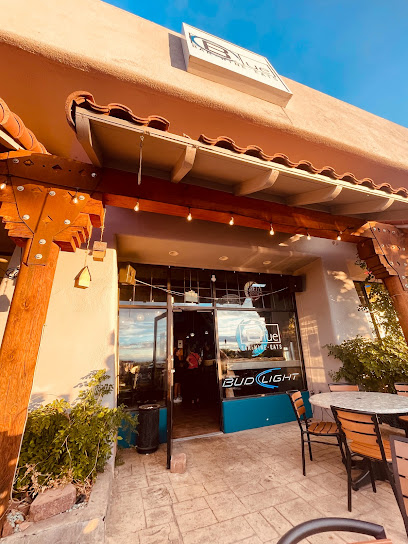
Bonkers Restaurant
33.4 km
Savor Italian and American flavors at Bonkers Restaurant in Page, Arizona, where every meal is a celebration of culinary delight.
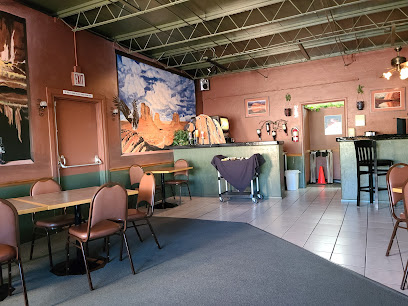
Prickly Pear Kitchen
33.4 km
Experience the taste of the Southwest at Prickly Pear Kitchen, where every dish tells a story of local heritage and flavor.
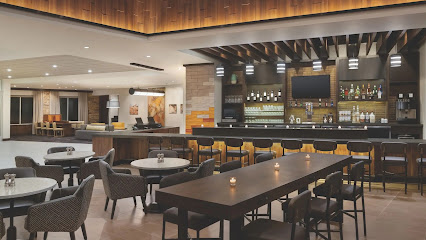
Rodeway Inn at Lake Powell
33.4 km
Experience comfort and convenience at Rodeway Inn at Lake Powell, your gateway to stunning outdoor adventures in Arizona's breathtaking landscapes.
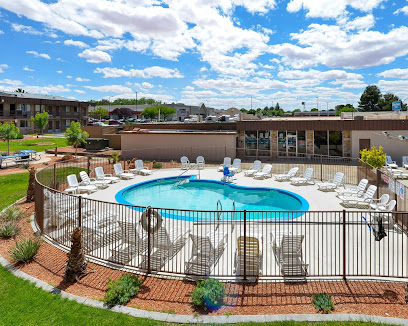
Mongolian BBQ Grill
33.4 km
Experience the unique flavors of Mongolia at Mongolian BBQ Grill in Page, Arizona, where you create your own stir-fry masterpiece!
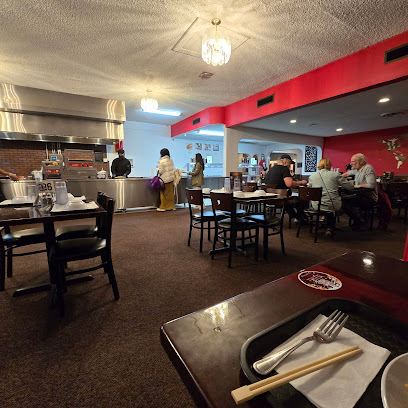
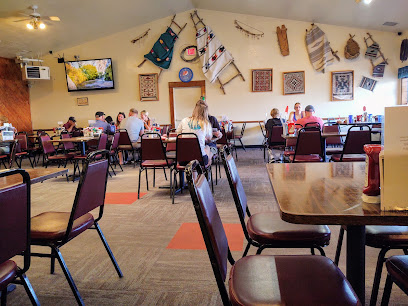
Ranch House Grille
33.5 km
Experience the authentic taste of Southwestern cuisine at Ranch House Grille in Page, AZ, where hearty meals and friendly service await.
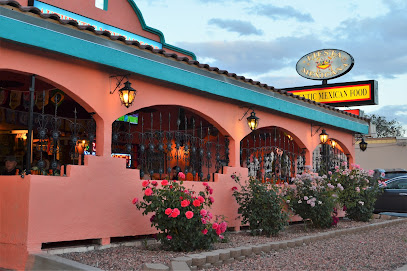
Fiesta Mexicana Restaurant
33.5 km
Experience the vibrant flavors of authentic Mexican cuisine at Fiesta Mexicana Restaurant in Page, Arizona.
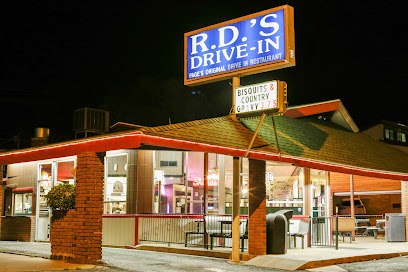
R D's Drive-In
33.5 km
Experience the flavors of America at R D's Drive-In, a fast food haven in Page, AZ, perfect for families and adventure seekers alike.
Big John's Texas BBQ
33.5 km
Experience the rich flavors of Texas-style barbecue at Big John's Texas BBQ, the perfect dining spot for meat lovers in Page, Arizona.
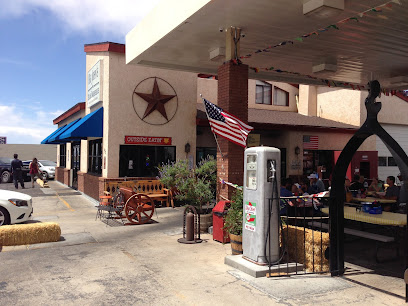
Drink It
33.5 km
Experience the vibrant flavors of Drink It, a top-rated restaurant in Page, Arizona, serving delightful drinks and delicious meals in a cozy atmosphere.

Nightclubs & after hour spots

DJ Cody Inc
32.5 km
DJ Cody Inc: Elevate your event with top-notch DJ services for unforgettable celebrations filled with music and joy.
Driftwood Lounge
33.7 km
Experience the flavors of American cuisine at Driftwood Lounge, where stunning Lake Powell views meet a cozy dining atmosphere.
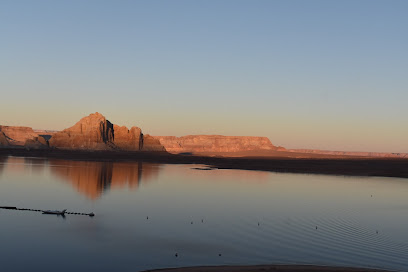
Page Shores Amphitheater
34.2 km
Discover the enchanting Page Shores Amphitheater in Arizona, a perfect blend of nature and entertainment for an unforgettable outdoor experience.
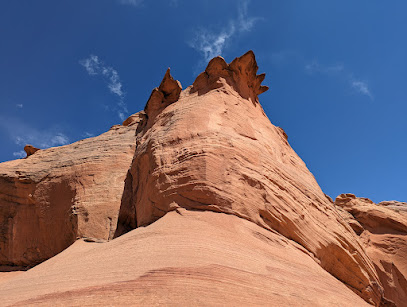
Buckskin Tavern
64.1 km
Discover Buckskin Tavern in Fredonia, Arizona - a vibrant bar and coffee stand offering a unique blend of local flavors and lively atmosphere.
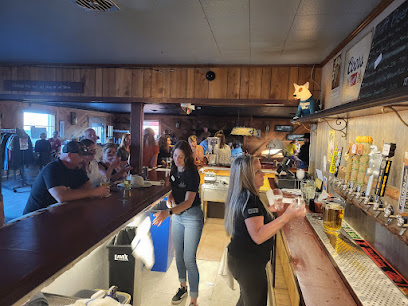
Escobar's Mexican Restaurant
64.8 km
Indulge in authentic Mexican cuisine at Escobar's Mexican Restaurant in Kanab, where vibrant flavors and a warm atmosphere await.
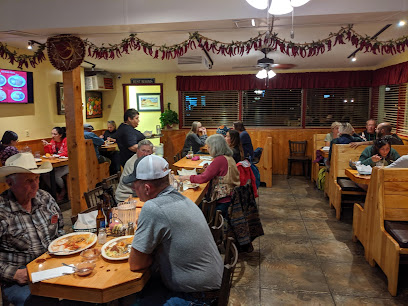
Havana Cabana the Taste of Cuba
65.3 km
Discover the vibrant taste of Cuba at Havana Cabana in Kanab, Utah - a culinary fusion of flavors that will transport you to the Caribbean.
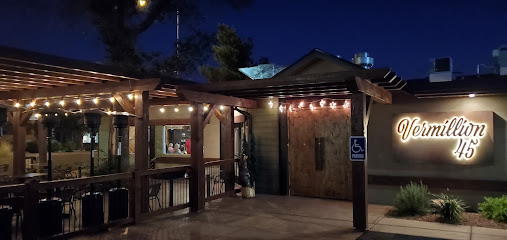
Vermillion 45
65.4 km
Experience the flavors of Kanab at Vermillion 45, where a warm atmosphere meets a diverse menu crafted from local ingredients.
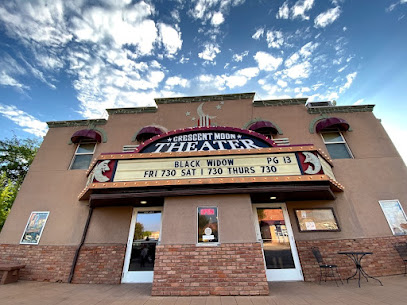
Crescent Moon Theater
65.4 km
Discover Crescent Moon Theater in Kanab, Utah, a charming movie theater offering a cozy atmosphere and a variety of films for a delightful cinematic experience.
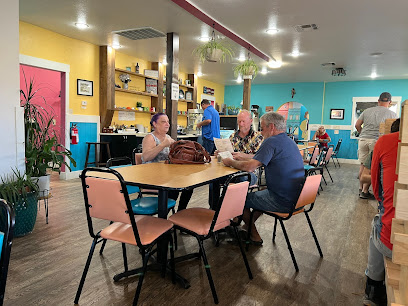
Iron Horse Restaurant
65.6 km
Discover the taste of America at Iron Horse Restaurant in Kanab, offering exquisite barbecue, seafood, and steak in a welcoming atmosphere.
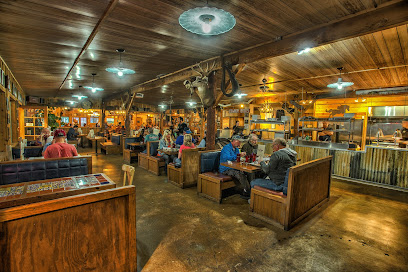
The Black House
65.7 km
Uncover the enchanting allure of The Black House in Kanab, Utah, a unique architectural gem rich in history and culture.
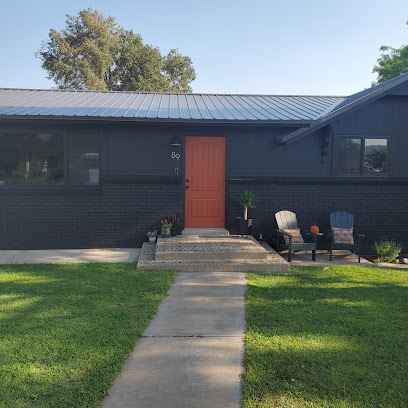
The RedStone Theater
65.7 km
Discover The RedStone Theater in Kanab, UT - Where Movies Meet Live Music in an Enchanting Atmosphere.

Rocking V Cafe
65.8 km
Discover the vibrant flavors of Rocking V Cafe in Kanab, Utah, where fresh ingredients meet warm hospitality for an unforgettable dining experience.
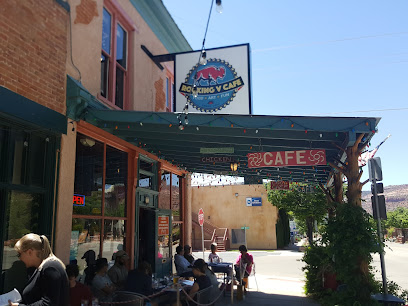
Adria's Restaurant
66.0 km
Savor the flavors of Kanab at Adria's Restaurant, where delightful dishes and a warm atmosphere await every visitor looking for a culinary treat.
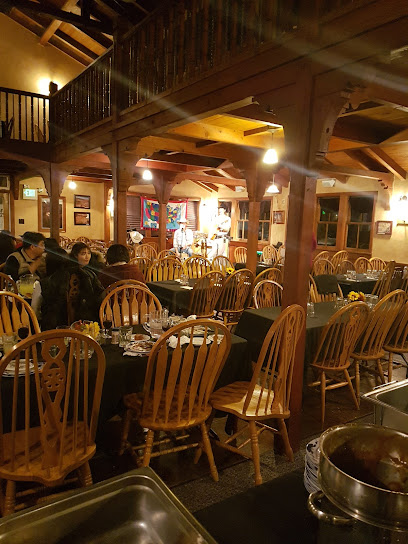
Arrowhead Country Inn and Cabins
85.7 km
Discover the beauty of Mount Carmel at Arrowhead Country Inn and Cabins, your serene escape in the heart of Utah's stunning landscapes.
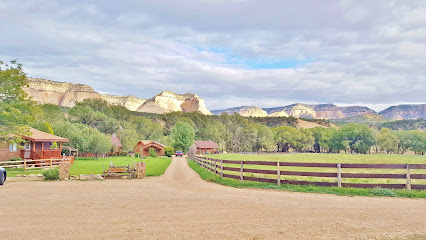
Mt. Carmel, Utah
85.7 km
Explore the natural beauty and tranquility of Mt. Carmel, Utah, your perfect base for adventure in Southern Utah's stunning landscapes.