

Fort Beale Spring, Kingman Travel Guide
Explore the historical Fort Beale Spring in Kingman, AZ: a desert oasis with Native American roots, military history, and natural beauty.
Fort Beale Spring, near Kingman, Arizona, is a historical landmark with a rich history dating back centuries. Originally used by Native Americans, it later became a vital water source for travelers on the Beale Wagon Road and a military outpost during the Hualapai War. Today, visitors can explore the remnants of the past and enjoy the natural beauty of this desert oasis.
A brief summary to Fort Beale Spring
- Kingman, Arizona, 86409, US
- Click to display

Know before you go
Hi, I'm Eve. Here are a few practical things to know before exploring Fort Beale Spring.
- Visit during the cooler months (September to April) for the most comfortable hiking weather.
- Bring water and wear appropriate footwear for walking on uneven terrain.
- Take your time to read the historical markers and learn about the significance of the site.
Do you manage this location?
Take control to get all the benefits, like improved information, better appearance, and stronger visibility across AI-powered discovery. Learn more about listing your business on Evendo
Activate your presenceOther nearby places you may find interesting
The closest places of the same kind, if this one is not quite what you had in mind.
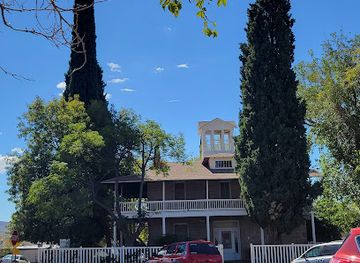

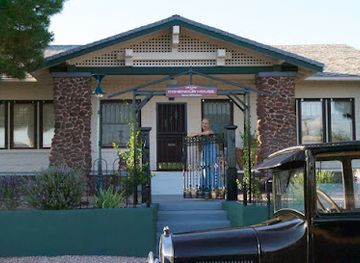
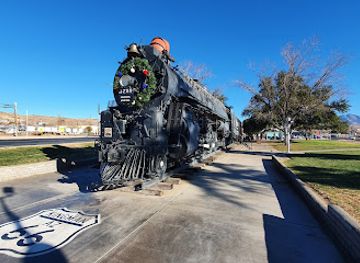

Explore Fort Beale Spring on the Map
A handpicked selection of must-see spots near Fort Beale Spring, mapped for you.
Getting There
-
Driving
From Andy Devine Avenue (Route 66) in Kingman, follow US 93 north. Turn onto Fort Beale Drive and continue approximately 1.5 miles west. Trailhead parking is available on-site. Be aware that construction on a new traffic interchange at I-40 and US 93 may cause delays on Fort Beale Road until mid-2026. Check for updates before you go. Parking is free at the trailhead.
-
Public Transport
From the Kingman Transit Center, catch the Route 1 bus towards Hualapai Mountain Road. Check the local bus schedule for the most up-to-date timings and possible route changes. The bus stop will likely require a walk of under 10 minutes to reach the Fort Beale Spring site. A single fare on Kingman's local bus service is typically around $1.25.
Discover more about Fort Beale Spring













Your all‑in‑one travel companion app
Explore expert travel guides, compare and book tours, experiences, hotels, and more—all from the palm of your hand. Download now for seamless trip planning wherever your wanderlust takes you.


Explore More of Kingman
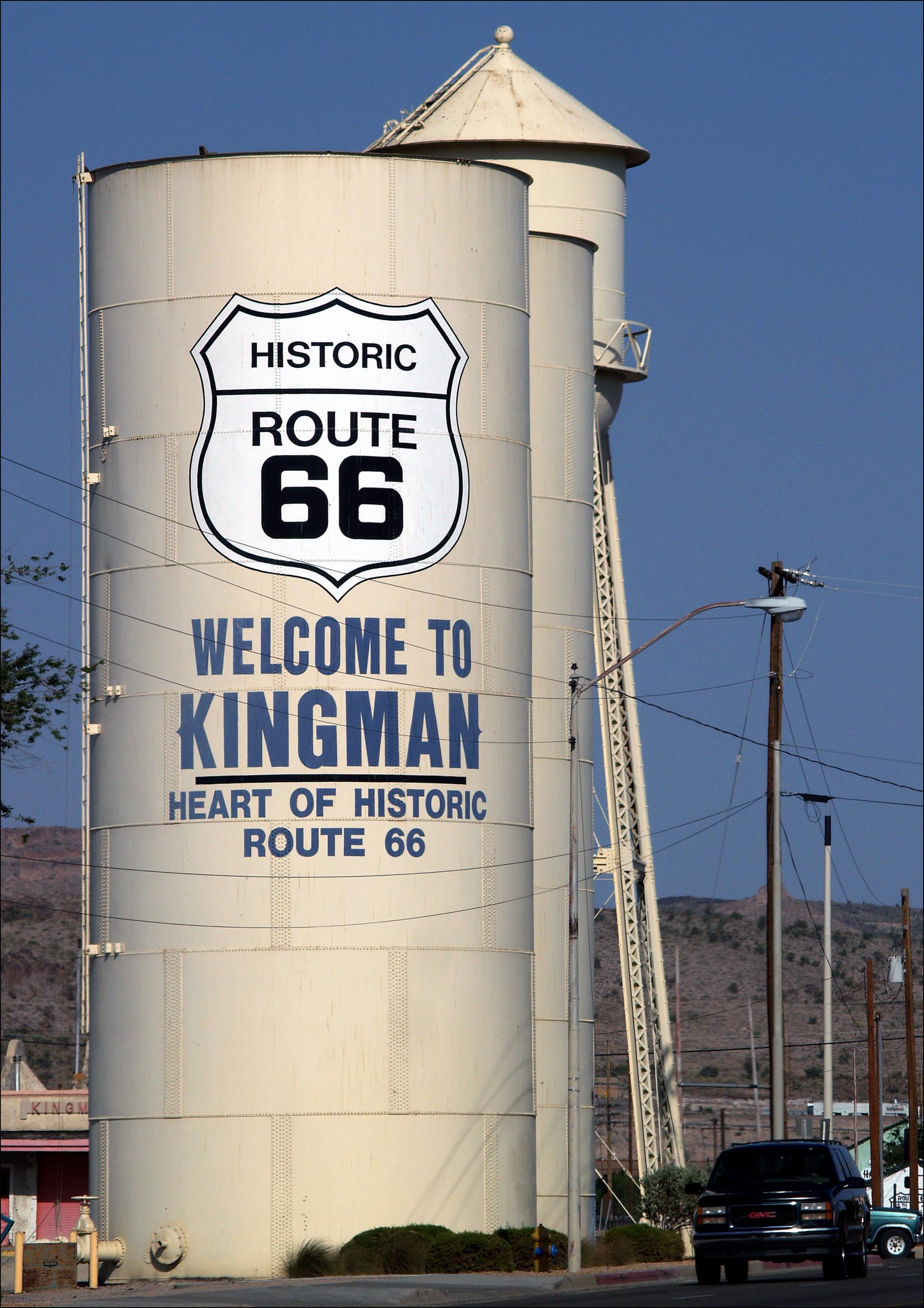
Looking beyond Fort Beale Spring? Discover Kingman for broader travel guides, local hot-spots, and regional highlights.
Explore Kingman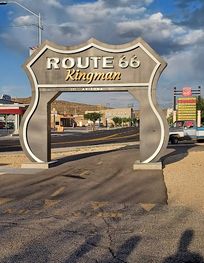
Experience the nostalgia of the Mother Road at the Kingman Route 66 Arch, a vibrant symbol of American history and a must-see landmark in Arizona.
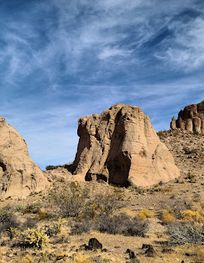
Explore the unique volcanic rock formations and scenic trails of Monolith Garden, a desert oasis near Kingman, Arizona.
