Coronado National Forest, Pima County Travel Guide
Explore southeastern Arizona and southwestern New Mexico's diverse 'sky islands,' offering hiking, camping, and scenic drives in Coronado National Forest.
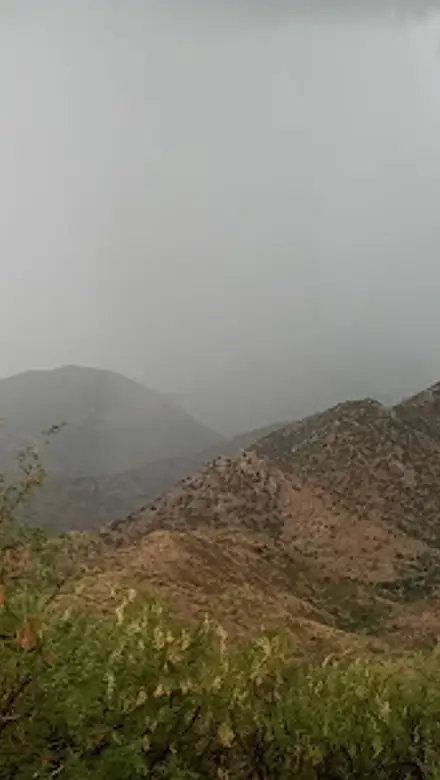
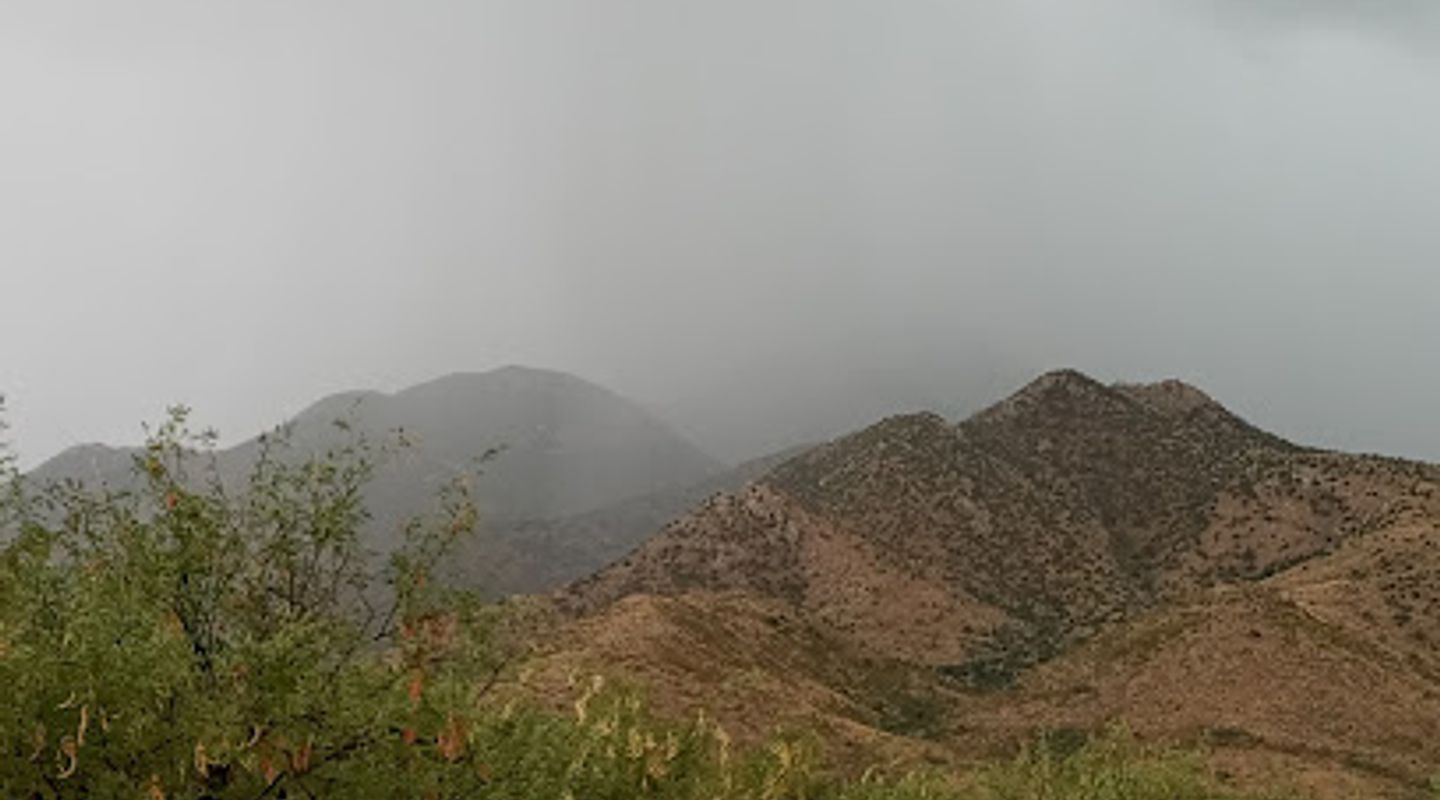
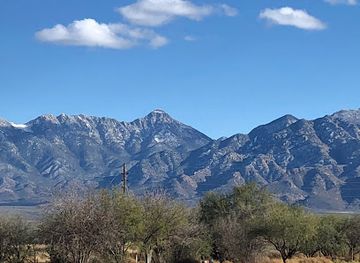
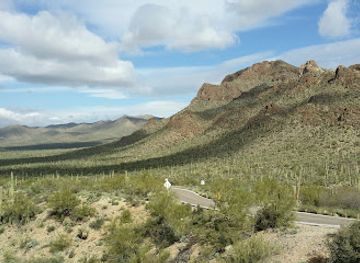
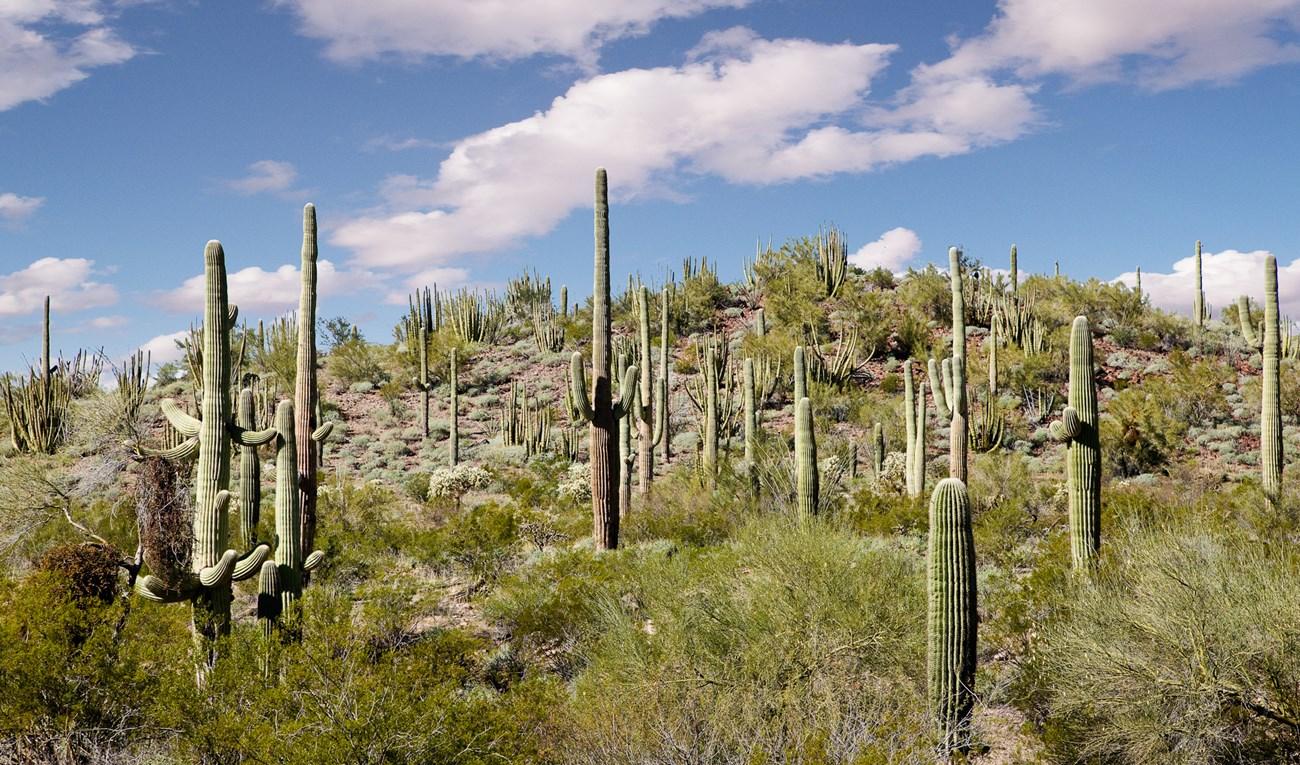
The Coronado National Forest, sprawling across southeastern Arizona and southwestern New Mexico, is a diverse landscape of 'sky islands'—mountain ranges rising dramatically from the desert floor. This unique geography fosters an extraordinary range of plant and animal life, offering visitors a chance to experience diverse ecosystems and recreational activities.
A brief summary to Coronado National Forest
- Tucson, Arizona, 85701, US
- Click to display
- Click to display
- Monday 8 am-4:30 pm
- Tuesday 8 am-4:30 pm
- Wednesday 8 am-4:30 pm
- Thursday 8 am-4:30 pm
- Friday 8 am-4:30 pm

Know before you go
Hi, I'm Eve. Here are a few practical things to know before exploring Coronado National Forest.
- Check fire restrictions before your visit, as they can change depending on the season and conditions.
- Bring plenty of water, especially when hiking, as water sources can be unreliable.
- Be aware of wildlife, including black bears, and take necessary precautions.
- Purchase a Coronado National Forest annual pass if you plan to visit frequently.
- Download maps and information before you go, as cell service can be limited in some areas.
Do you manage this location?
Take control to get all the benefits, like improved information, better appearance, and stronger visibility across AI-powered discovery. Learn more about listing your business on Evendo
Activate your presenceOther nearby places you may find interesting
The closest places of the same kind, if this one is not quite what you had in mind.

Explore Coronado National Forest on the Map
A handpicked selection of must-see spots near Coronado National Forest, mapped for you.
Unlock the Best of Coronado National Forest
Buy tickets
-
No tickets available
Book tours with entry

Book tours without entry

Getting There
-
Driving
From Tucson, access to the Coronado National Forest is available via several routes, including the Catalina Highway (also known as the Mount Lemmon Highway) for the Santa Catalina Mountains. This scenic route begins near the intersection of Tanque Verde Road and Catalina Highway. Expect to pay an $8 day-use fee at popular recreation sites along the highway. Parking is available at trailheads and picnic areas, but can be limited during peak seasons. Be prepared for winding mountain roads and varying weather conditions.
-
Public Transport
While public transportation directly into the Coronado National Forest is limited, shuttle services and tour operators provide access to popular destinations like Sabino Canyon. From downtown Tucson, take a city bus to the Sabino Canyon Transfer Center, where you can connect with the Sabino Canyon Crawler. A roundtrip fare on the Crawler is approximately $8.00. Check the Sun Tran website for the most up-to-date schedules and fares. Note that the Crawler primarily serves Sabino Canyon and doesn't provide access to other areas of the forest.
Discover more about Coronado National Forest
More to explore near Coronado National Forest













Your all‑in‑one travel companion app
Explore expert travel guides, compare and book tours, experiences, hotels, and more—all from the palm of your hand. Download now for seamless trip planning wherever your wanderlust takes you.


Explore More of Pima County
Looking beyond Coronado National Forest? Discover Pima County for broader travel guides, local hot-spots, and regional highlights.
Explore Pima County