

Free Pima County Travel Guide & Mobile App
Explore Pima County with free travel guides. Discover regional history, expert tips, proposed trips, and audio guides on web or mobile app.


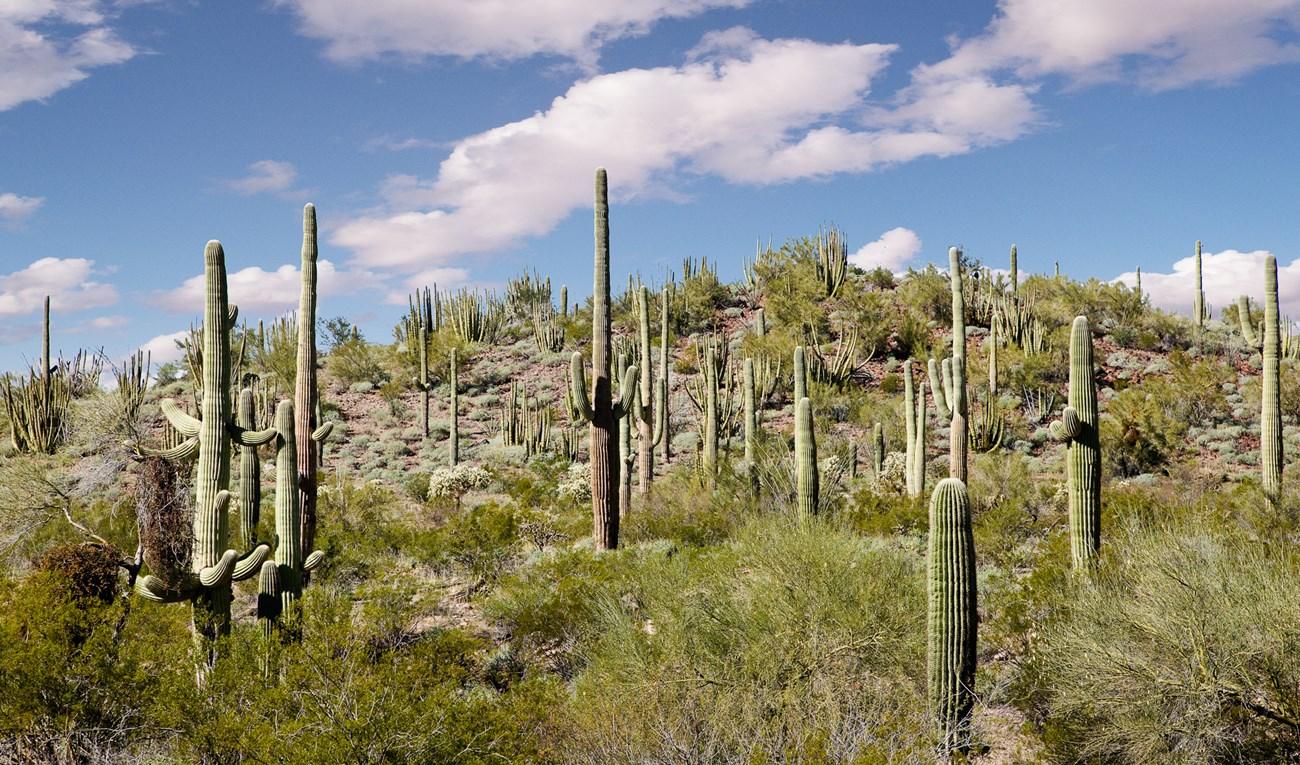


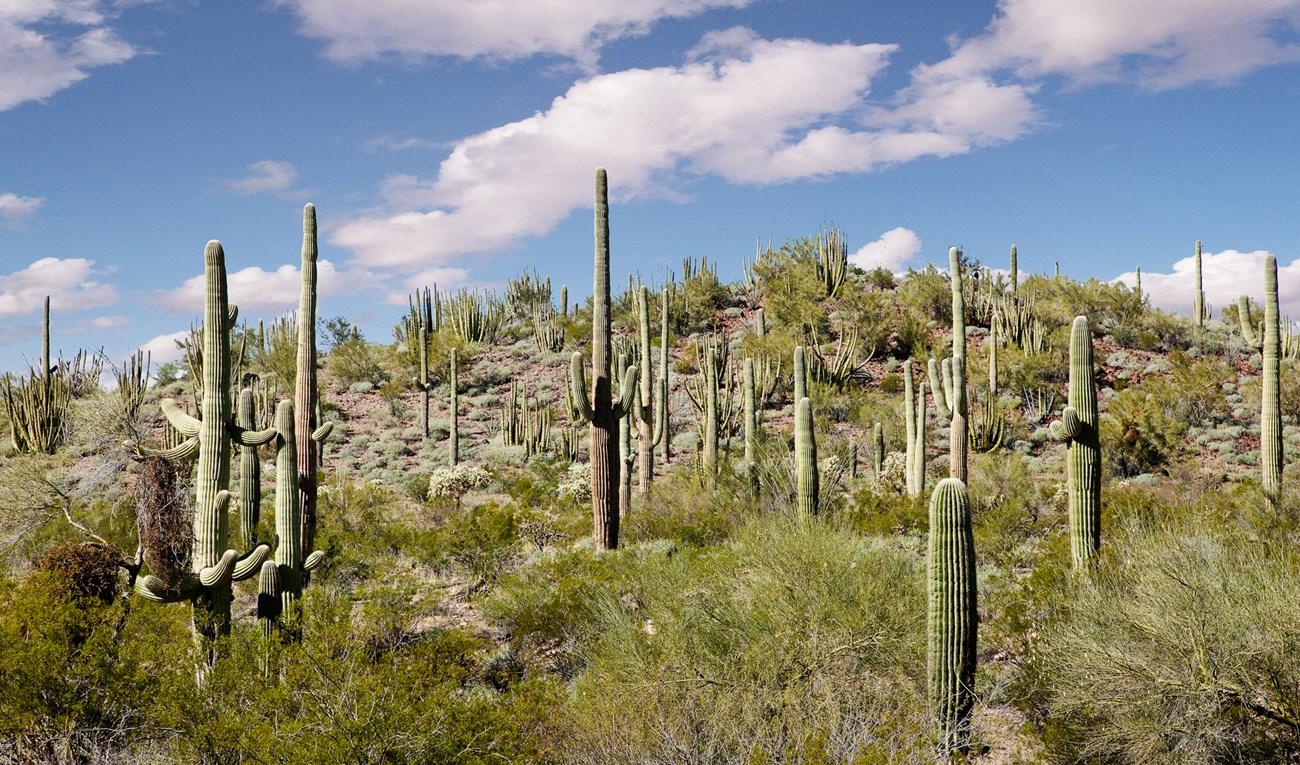
Explore Pima County for Tucson's food and heritage, saguaro-filled parks, mountain trails, Indigenous culture and remote Sonoran Desert landscapes.
Read more about Pima County
Getting to and around Pima County
How to get there
Transportation
Top city travel guides in Pima County
The cities of Pima County, and the easiest places to base yourself.
-

-
 Tucson
Discover Tucson, Arizona: A desert oasis rich in cultural heritage, natural beauty, and culinary delights, perfect for explorers and food enthusiasts alike.
-

-

-

-


Swipe for more cities
Destinations in Pima County
Resorts, valleys and scenic spots worth a trip of their own.
-
-
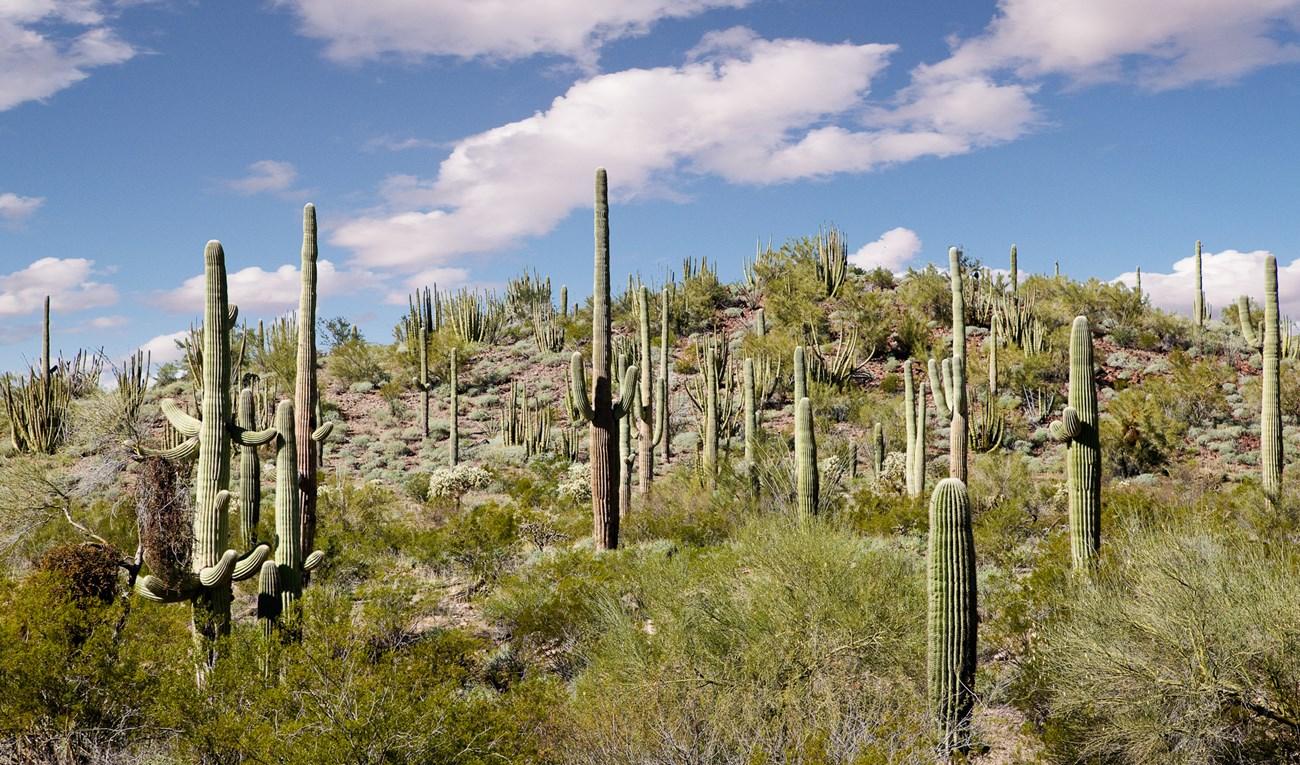 Saguaro National Park
 in Arizona reveals giant cacti, desert trails, Tucson sunsets, wildlife and Sonoran Desert heritage across two distinct districts.
-

-
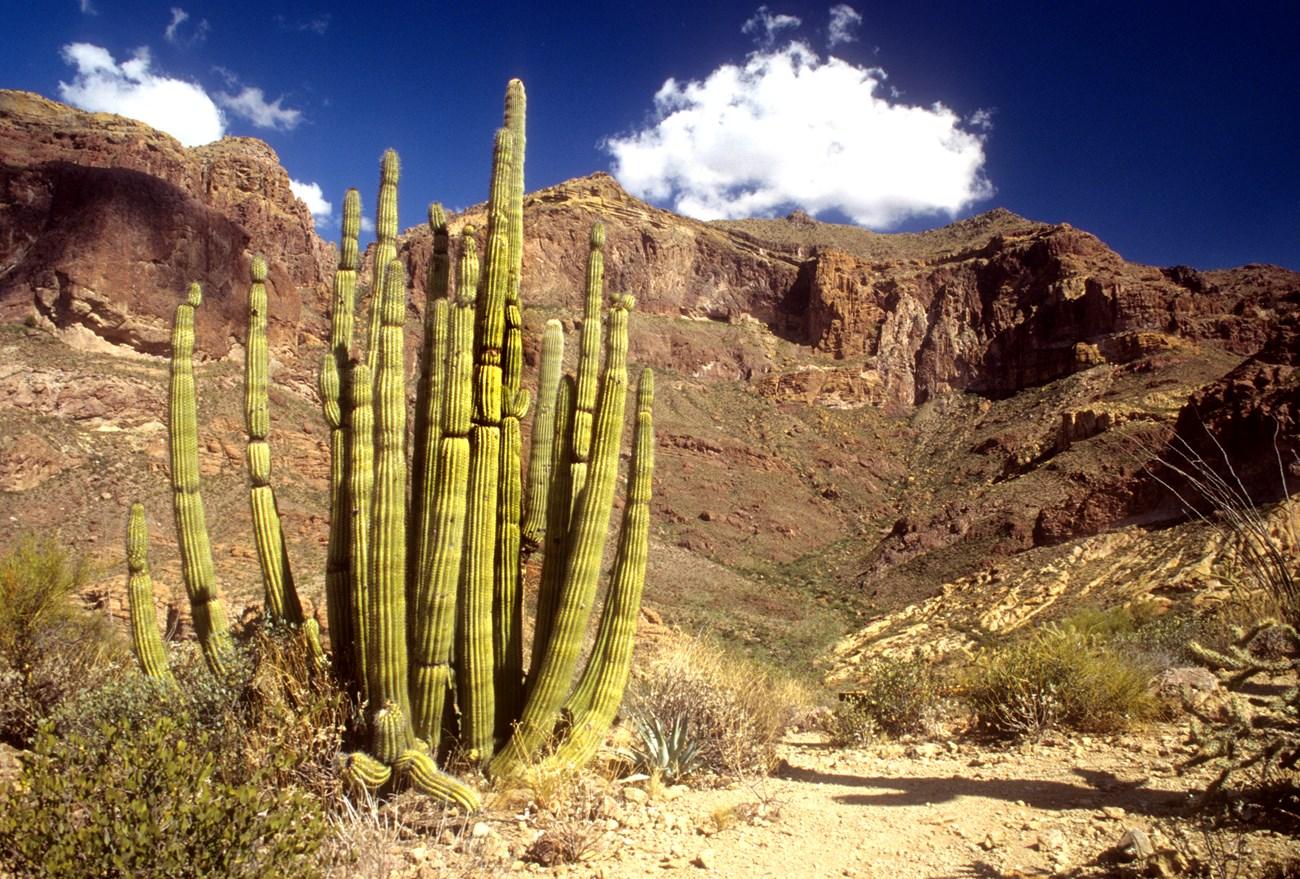 Organ Pipe Cactus National Monument
 in Arizona pairs rare desert plants, scenic drives, hiking, dark skies and Tohono O’odham heritage near Mexico.


Swipe for more destinations
Best attractions in Pima County
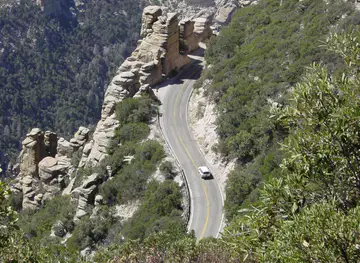
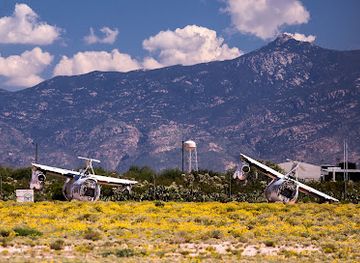
Pima County's attractions range from urban museums and historic neighbourhoods to extensive desert and mountain landscapes. In Tucson, the Arizona-Sonora Desert Museum interprets regional plants, animals and geology, while the Pima Air and Space Museum explores aviation history through a large collection of aircraft. Saguaro National Park offers hiking, scenic drives and wildlife viewing in two distinct districts east and west of the city. The Catalina Highway climbs from Tucson towards Mount Lemmon, passing through changing vegetation zones and cooler mountain terrain. Mission San Xavier del Bac provides an important encounter with eighteenth-century mission architecture and living O'odham and Catholic traditions. South of Tucson, the Titan Missile Museum preserves a Cold War missile complex. Farther west, Organ Pipe Cactus National Monument and the Cabeza Prieta National Wildlife Refuge landscape offer remote Sonoran Desert scenery, although access, services and conditions demand careful preparation.
-
Ghost town
Goldfield Ghost Town and Mine Tours Inc.
Experience the enchanting Goldfield Ghost Town, a historic gem in Arizona where the Old West comes alive with tours, shops, and captivating stories.
-
Natural history museum
Arizona-Sonora Desert Museum
Explore the Arizona-Sonora Desert Museum, an extraordinary fusion of natural history museum, zoo, aquarium, and botanical garden in Tucson's stunning desert landscape.
-
Zoo
Reid Park Zoo
Experience the heart of wildlife at Reid Park Zoo in Tucson, where adventure meets education in a breathtaking natural setting.
-
History museum
Pima Air & Space Museum
Explore the Pima Air & Space Museum, home to over 350 aircraft and spacecraft, and delve into the fascinating history of aviation and space exploration.
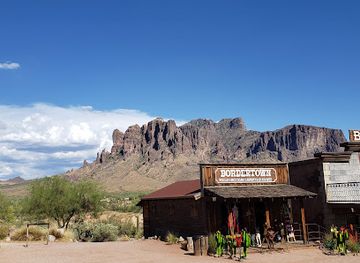


Best landmarks in Pima County
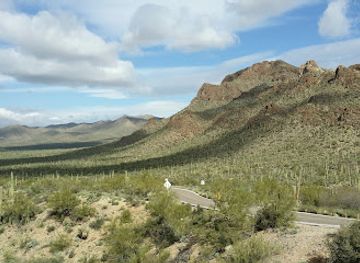
Mission San Xavier del Bac is Pima County's most distinctive historic building, its white exterior and richly decorated interior representing the late Spanish colonial mission tradition and continuing religious life among the O'odham community. In Tucson, the historic presidio area recalls the Spanish military foundation of the settlement, while Barrio Viejo preserves colourful adobe homes and compact streets shaped by nineteenth-century urban development. The Santa Catalina Mountains form a powerful northern backdrop to the city, and Mount Lemmon provides the county's most recognisable high-country landmark, rising dramatically above the desert valley. Saguaro National Park's forests of giant cacti are the region's defining natural image, especially when seen against the Tucson and Rincon mountain ranges. In the west, the organ pipe cactus stands as a distinctive marker of the hotter borderland desert protected by Organ Pipe Cactus National Monument.
-
Ghost town
Goldfield Ghost Town and Mine Tours Inc.
Relive the Wild West era at Goldfield Ghost Town: Explore historic streets, pan for gold, and witness thrilling gunfights in a legendary setting.
-
Natural history museum
Arizona-Sonora Desert Museum
Explore the wonders of the Sonoran Desert at this unique fusion of zoo, botanical garden, and natural history museum.
-
History museum
Pima Air & Space Museum
Explore the history of aviation and space at the Pima Air & Space Museum, one of the world's largest aerospace museums, featuring nearly 400 aircraft.
-
Catholic church
San Xavier del Bac Mission
Discover Arizona's oldest European structure, a masterpiece of Spanish Colonial architecture, and a vibrant testament to faith and cultural heritage.

Explore Pima County on the map
Plan your trip on one map. See where the top cities, national parks and sights are, and book hotels and experiences in a few clicks.
Best hotels in Pima County
Best restaurants in Pima County
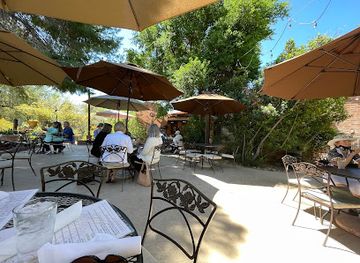
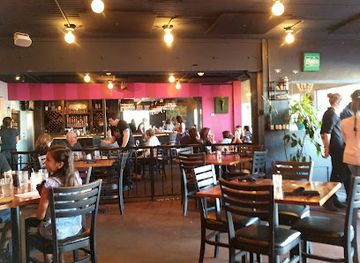
Tucson's food culture is shaped by the ingredients and techniques of the Sonoran Desert and by Indigenous, Mexican, Spanish and wider American traditions. Sonoran-style Mexican food, including flour tortillas, tacos, enchiladas and carne asada, is central to the city's dining identity, while tepary beans, squash, corn, chiltepin and other desert foods connect contemporary cooking with O'odham agricultural knowledge. Restaurants range from long-established Mexican eateries and informal taquerias to bakeries, coffee shops, breweries and modern kitchens using regional produce. Tucson's designation as a UNESCO City of Gastronomy reflects this broad culinary landscape rather than a single signature dish. Farmers' markets and specialist food shops can be useful places to find local produce, mesquite products, tortillas and sauces, while rural communities offer a smaller selection of diners, cafés and roadside stops.
-
American
Culinary Dropout
Discover Culinary Dropout: where American cuisine meets live music in Tucson's vibrant dining scene.
-
Steak
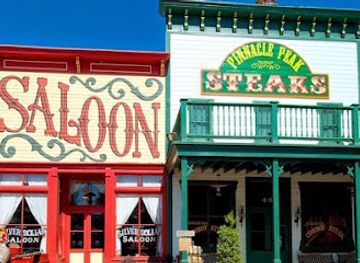
Pinnacle Peak
Experience the best steaks in Tucson at Pinnacle Peak – where flavor meets hospitality in an unforgettable dining setting.
-
Botanical garden
Tohono Chul | Gardens, Galleries, and Bistro
Explore Tohono Chul: A stunning blend of botanical gardens, art galleries, and delicious dining in Tucson's desert landscape.
-
American
The Parish
Discover The Parish in Tucson: A culinary haven blending Cajun delights with American favorites amidst a lively atmosphere.
Best bars in Pima County
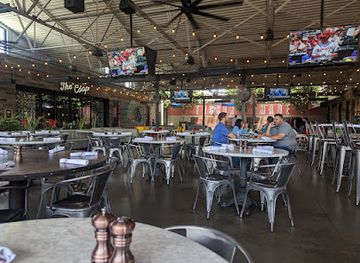
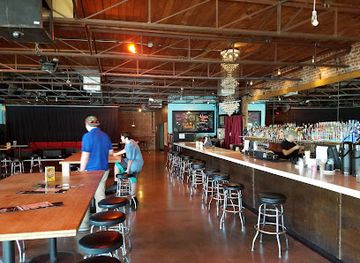
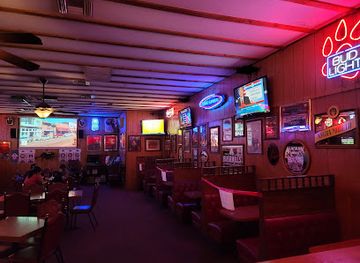
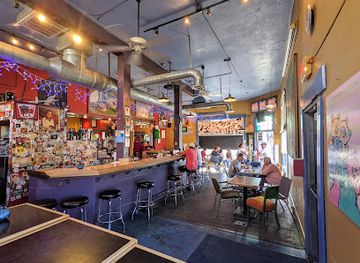
Evening life is concentrated in Tucson, particularly around downtown, Fourth Avenue, the university area and nearby neighbourhoods, where visitors find traditional bars, craft breweries, cocktail rooms, live music and late-night food. The city has a stronger cultural and nightlife scene than the county's rural districts, with performances, galleries and independent venues complementing drinking establishments. Elsewhere, evenings are generally quieter and centre on restaurants, local bars, historic inns or community events rather than large clubs. The university calendar influences some parts of Tucson's nightlife, while the desert setting encourages early starts for outdoor activities. Visitors should check current arrangements for individual venues and use taxis, rideshare services or a designated driver when travelling after drinking.
-
Bar
Sky Bar Tucson
Discover Sky Bar Tucson: Enjoy cocktails, live music, and stunning city views from this rooftop bar and cafe in the heart of Arizona.
-
Grill
Red Garter Saloon Bar & Grill
Discover the lively Red Garter Saloon Bar & Grill in Tucson for great food, drinks, and live music in a fun atmosphere.
-
Gastropub
Ermanos Bar
Experience the vibrant atmosphere and innovative menu at Ermanos Bar, Tucson's premier gastropub for craft beer and gourmet cuisine.
-
Bar
Che's Lounge
Discover the vibrant nightlife and refreshing drinks at Che's Lounge, a must-visit bar and lounge in Tucson, Arizona.

Best nightclubs in Pima County
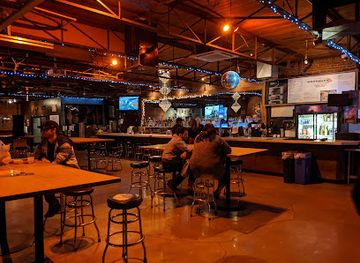
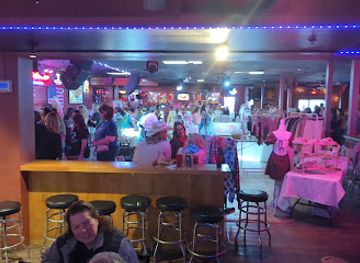
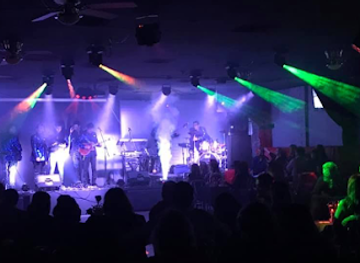
Evening life is concentrated in Tucson, particularly around downtown, Fourth Avenue, the university area and nearby neighbourhoods, where visitors find traditional bars, craft breweries, cocktail rooms, live music and late-night food. The city has a stronger cultural and nightlife scene than the county's rural districts, with performances, galleries and independent venues complementing drinking establishments. Elsewhere, evenings are generally quieter and centre on restaurants, local bars, historic inns or community events rather than large clubs. The university calendar influences some parts of Tucson's nightlife, while the desert setting encourages early starts for outdoor activities. Visitors should check current arrangements for individual venues and use taxis, rideshare services or a designated driver when travelling after drinking.
-
Bar
Sky Bar Tucson
Experience breathtaking views and vibrant nightlife at Sky Bar Tucson, the ultimate rooftop destination for cocktails and live music.
-
Bar
The Nugget
Discover The Nugget, Tucson's vibrant bar and restaurant offering delicious Mexican cuisine, karaoke, and live music for an unforgettable night out.
-
Live music bar
The Maverick King of Clubs
Discover The Maverick King of Clubs—Tucson's premier live music venue, where delicious burgers meet unforgettable performances.
-
Event planner
club 4th
Discover Club 4th in Tucson - Your ultimate destination for elegant parties, weddings, and unforgettable celebrations, featuring versatile spaces and exceptional service.

Best shops in Pima County
Tucson's best shopping reflects its borderlands setting, desert ecology and arts culture. Downtown, Fourth Avenue and nearby historic districts contain independent clothing shops, bookshops, galleries, antique dealers and retailers specialising in Southwestern design. Native arts and crafts should be bought through reputable galleries or authorised sellers, with attention to accurate attribution and fair representation of artists and communities. Farmers' markets and specialist food shops offer regional products such as tortillas, salsas, dried chiles, mesquite goods and desert-grown produce when in season. Malls and conventional retail centres serve everyday needs, while Tucson's gallery districts are more useful for contemporary art, ceramics, jewellery and locally made gifts. In smaller county communities, shopping is limited but can include practical stores, craft outlets and occasional community markets rather than extensive high-street retail.
-
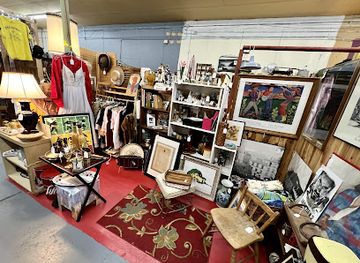
Antique store
22nd Street Antique Mall
Explore the 22nd Street Antique Mall in Tucson – a haven for antique lovers, offering a vast selection of collectibles and unique treasures.
-
Gift shop
Midtown Mercantile Merchants, LLC
Explore an eclectic mix of gifts, antiques, and local art at Midtown Mercantile Merchants in Tucson, Arizona, a haven for treasure hunters and gift seekers.
-
Antique store
Speedway Antique Mall
Explore the charm of Speedway Antique Mall in Tucson, where vintage treasures and unique collectibles await every curious visitor.
-
Gift shop
Old Town Artisans | Downtown Tucson Shops
Explore Old Town Artisans, a vibrant destination in Downtown Tucson filled with unique gifts, local art, and a creative community.



Get your free copy of our complete guide to Pima County, delivered straight to you.
Everything on this page, from attractions and restaurants to essentials and local phrases, in one PDF you can read offline, print or share.
Already have an account? Sign in
Your Pima County guide is ready.
We'll send it to · Not you? Sign out

Getting your guide ready…
We are putting together a fresh copy of the Pima County guide. This can take up to a minute.
This can take a few moments. If your browser asks, choose Allow so the download can start. You'll find the guide in your Downloads folder.
Nothing happened? Download it again
Sorry, the guide is taking longer than usual. Please try again in a minute, or get it by email instead.
Pima County essentials
Currency and Payment
Safety
Emergency Situations
Do's and Don'ts
Local Tips
From Eve
Local phrases worth knowing
You don't need to get them perfect. A few words go a long way, and locals appreciate the effort.
Basics
| English | Local | Say it |
|---|---|---|
| Hello | S-kah | [skah] |
| Goodbye | S-kia | [ski-ah] |
| Yes | Aah | [ah] |
| No | N-ne | [n-neh] |
| Please/You're welcome | S-uk | [sook] |
| Thank you | S-kwa | [skwah] |
| Excuse me/Sorry | S-ki | [skee] |
| How are you? | S-tak | [stahk] |
| Fine. And you? | S-kwat. S-ki? | [skwah-t. ski?] |
| Do you speak English? | S-ki N-eh S-kwa? | [skee neh skwah?] |
| I don't understand | N-nak S-ki A-ki | [nahk skee ah-kee] |
Eating & Drinking
| English | Local | Say it |
|---|---|---|
| I'd like to see the menu, please | S-ya S-ki A-sik, S-uk | [s-yah ski ah-sik, sook] |
| I don't eat meat | N-nak S-ki T-uh A-ki | [nahk skee tuh ah-kee] |
| Cheers! | S-ki S-uh | [skee suh] |
| I would like to pay, please | S-ya T-uh S-ki A-ki, S-uk | [s-yah tuh ski ah-kee, sook] |
Emergencies
| English | Local | Say it |
|---|---|---|
| Help! | S-ki H-uh | [skee huh] |
| Go away! | S-ki S-uh K-uh! | [skee suh kuh!] |
| Call the Police! | S-ki K-uh S-uh P-uh! | [skee kuh suh puh!] |
| Call a doctor! | S-ki K-uh S-uh D-uh! | [skee kuh suh duh!] |
| I'm lost | N-nak S-ki N-uh K-uh | [nahk skee nuh kuh] |
| I'm ill | N-nak S-ki S-kwa | [nahk skee skwah] |
Shopping
| English | Local | Say it |
|---|---|---|
| I'd like to buy... | S-ya T-uh N-eh... | [s-yah tuh neh...] |
| I'm just looking | N-nak S-ki S-tah | [nahk skee stah] |
| How much is it? | S-tak A-kwa S-ki? | [stahk ah-kwah ski?] |
| That's too expensive | S-ki K-uh A-ki | [skee kuh ah-kee] |
| Can you lower the price? | S-ki S-uh N-eh K-uh A-kwa? | [skee suh neh kuh ah-kwah?] |
Time & Numbers
| English | Local | Say it |
|---|---|---|
| What time is it? | S-tak A-kwa S-ki? | [stahk ah-kwah ski?] |
| It's one o'clock | S-ki S-uh A-ki | [skee suh ah-kee] |
| Half past (10) | S-ki K-uh S-uh T-uh | [skee kuh suh tuh] |
| Morning | S-uh | [suh] |
| Afternoon | S-ki T-uh | [skee tuh] |
| Evening | S-ki N-tuh | [skee n-tuh] |
| Yesterday | N-uh S-uh | [nuh suh] |
| Today | S-ki S-uh | [skee suh] |
| Tomorrow | S-ki S-uh T-uh | [skee suh tuh] |
| 1 | N-eh | [neh] |
| 2 | N-eh S-uh | [neh suh] |
| 3 | N-eh T-uh | [neh tuh] |
| 4 | N-eh N-eh | [neh neh] |
| 5 | N-eh K-uh | [neh kuh] |
| 6 | N-eh S-uh | [neh suh] |
| 7 | N-eh T-uh N-eh | [neh tuh neh] |
| 8 | N-eh N-eh T-uh | [neh neh tuh] |
| 9 | N-eh T-uh S-uh | [neh tuh suh] |
| 10 | N-eh N-eh N-eh | [neh neh neh] |
Transport & Directions
| English | Local | Say it |
|---|---|---|
| Where's a/the...? | S-ki S-uh K-uh...? | [skee suh kuh...?] |
| What's the address? | S-tak A-kwa S-ki N-eh? | [stahk ah-kwah ski neh?] |
| Can you show me (on the map)? | S-ki S-uh N-eh P-uh? | [skee suh neh puh?] |
| When's the next (bus)? | S-tak S-kwa S-ki N-eh? | [stahk skwah ski neh?] |
| A ticket (to ....) | S-ki N-eh T-uh...? | [skee neh tuh...?] |
History of Pima County
Hohokam and Indigenous Desert Communities
People have lived in the Santa Cruz River valley and surrounding desert for thousands of years. Hohokam communities developed agriculture supported by irrigation canals, cultivated maize and other crops, and built settlements whose archaeological traces remain in and around the Tucson area. Later O'odham communities, including the Tohono O'odham and Akimel O'odham, maintained sophisticated knowledge of seasonal water, desert plants and movement across the Sonoran landscape. These Indigenous histories are not merely archaeological subjects: O'odham communities continue to live, worship and work in the region today.
Spanish Missions and the Santa Cruz Valley
Spanish missionaries and colonial authorities entered the Santa Cruz valley in the late seventeenth century. Mission San Xavier del Bac was established among O'odham communities south of present-day Tucson, and the church that survives today was built in the late eighteenth century under Franciscan direction. Its ornate interior and white stucco exterior reflect the blending of European Catholic forms with Indigenous craftsmanship. Spanish mission activity brought profound religious, political and economic change, while the valley's agricultural importance continued through successive periods of colonial and national rule.
The Presidio and the Growth of Tucson
A Spanish military presidio was established at Tucson in 1775, creating a permanent colonial settlement around a defensive fort. Tucson later passed through Mexican rule following Mexican independence in 1821 and became part of the United States after the Gadsden Purchase of 1854. The presidio and the irregular streets of the old settlement helped shape the city's historic core. Tucson's position near the Santa Cruz River and routes across the borderlands made it a strategic centre for trade, ranching, administration and military movement.
Territorial Tucson, Railways and the Borderlands
After the creation of Arizona Territory in 1863, Tucson developed as an important regional centre. The arrival of the Southern Pacific Railroad in 1880 connected the town to wider national markets and encouraged population growth, commerce and building activity. In the late nineteenth and early twentieth centuries, ranching, mining, trade with Mexico and military institutions all contributed to the economy. Historic downtown buildings, the former presidio area and surviving residential districts preserve aspects of this territorial and early statehood period.
Statehood, Aviation and Military Technology
Arizona became a state in 1912, and Tucson expanded through the twentieth century as a centre of education, aviation, defence and research. Davis-Monthan Field, established in the 1920s and later developed as Davis-Monthan Air Force Base, became a major local institution. During the Cold War, southern Arizona hosted missile installations and other strategic facilities, including the Titan Missile Museum south of Tucson. The county's clear skies and dry climate also encouraged astronomy and aerospace research, adding scientific industries to its older agricultural and military roles.
Conservation and the Modern Desert City
The twentieth century brought rapid suburban growth, but it also saw increasingly organised efforts to protect southern Arizona's desert and mountain environments. Saguaro National Monument was established in 1933 and later became Saguaro National Park, while Organ Pipe Cactus National Monument was created in 1937. Tucson and Pima County have continued to expand conservation areas, trail networks and environmental research. Modern identity rests on this balance between urban development and the protection of water, wildlife corridors, desert plants, dark skies and culturally important landscapes.
Pima County in Photos
Browse through our photo collection highlighting the charm and character of the destination.
Neighbouring regions of Pima County
The closest regions to Pima County, if you have time for more than one.
-

-
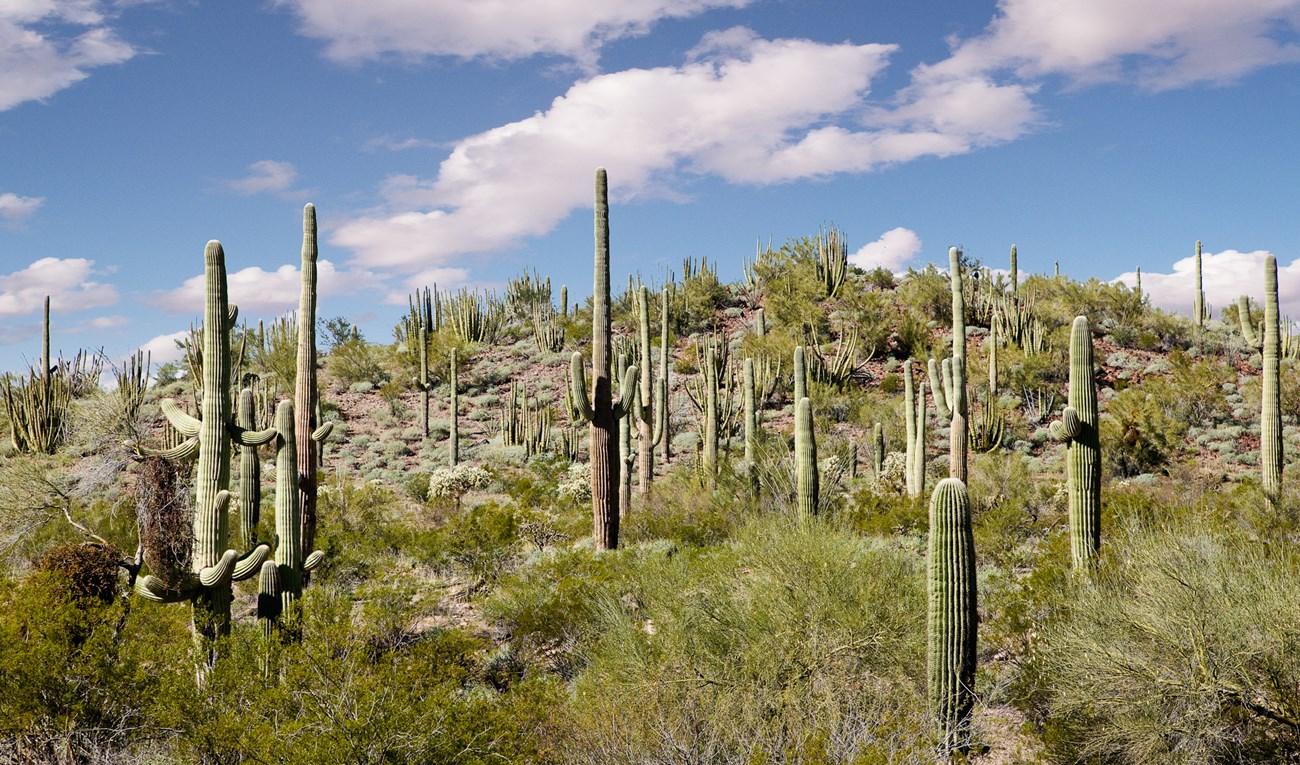 Saguaro National Park
 surrounds Tucson with giant cacti, desert wildlife, mountain trails, scenic drives and enduring Sonoran Desert heritage.
-
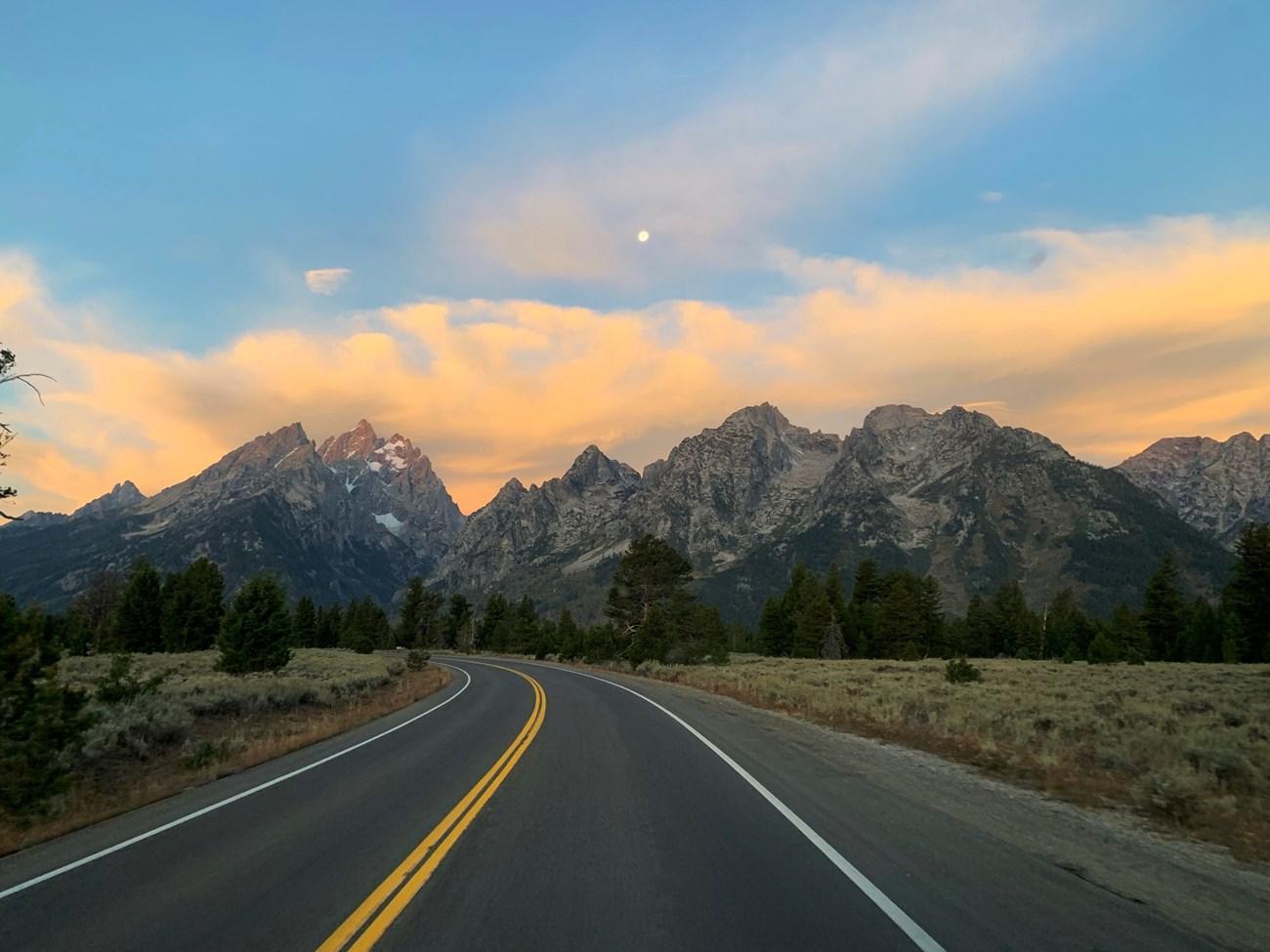 Organ Pipe Cactus National Monument
 offers cactus-filled desert drives, mountain scenery, wildlife and remote Sonoran landscapes in southern Arizona.
-
-


Swipe for more regions
Explore more

Explore more of Arizona
Discover Arizona: From the majestic Grand Canyon and red rocks of Sedona to the vibrant cities of Phoenix and Scottsdale, explore the diverse beauty and culture of the Grand Canyon State.
Explore Arizona