Imperial National Wildlife Refuge: A Desert Oasis
Discover a verdant oasis in the Arizona desert: Explore diverse wildlife and scenic trails at Imperial National Wildlife Refuge along the Colorado River.
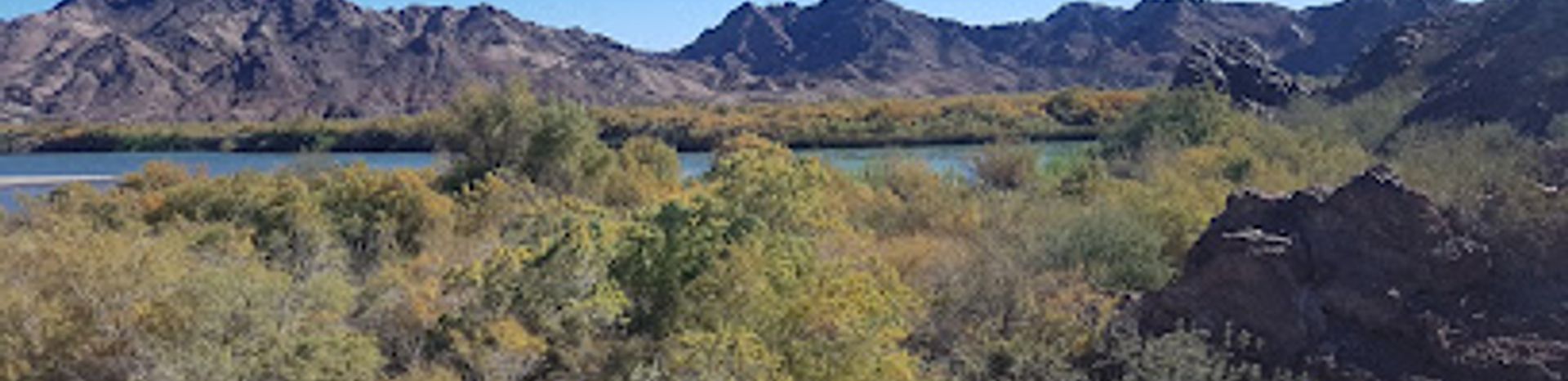
Established in 1941, the Imperial National Wildlife Refuge is a 25,768-acre protected area along the lower Colorado River, a green oasis in the arid Yuma region. It provides critical habitat for migratory birds and diverse wildlife, offering visitors a chance to explore a unique blend of wetlands and desert landscapes.
A brief summary to Imperial National Wildlife Refuge
- 12812 Wildlife Way, Yuma, Arizona, 85365, US
- +1928-783-3371
- Visit website
Local tips
- Visit during the winter months for the best birdwatching opportunities, as many migratory species flock to the refuge.
- Bring binoculars and a camera to fully appreciate the diverse wildlife and scenic views.
- Wear comfortable shoes and bring plenty of water, especially if hiking the Painted Desert Trail.
- Check the visitor center's hours of operation, as they vary depending on the season.

Getting There
-
Driving
To reach the Imperial National Wildlife Refuge from Yuma, take Highway 95 north for approximately 25 miles. Turn west onto Martinez Lake Road, located between mile markers 46 and 47. Continue on Martinez Lake Road for about 10 miles, then turn north onto Red Cloud Mine Road. Follow the brown signs for three miles to the refuge and visitor center. There is no fee to enter the refuge.
Discover more about Imperial National Wildlife Refuge
Iconic landmarks you can’t miss

Picacho Lower Mill
11.0 km
Explore the historical significance of Picacho Lower Mill in California, a charming landmark showcasing the state's industrial heritage and beautiful landscapes.

Dives Mine
16.1 km
Explore Dives Mine, a captivating historical landmark in Arizona that showcases the rich mining heritage and stunning desert landscapes.
Draper Ranch Site
25.3 km
Explore Draper Ranch Site, a historic landmark along the California-Arizona border where stunning nature meets rich history.
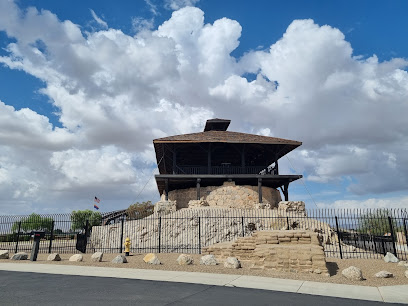
Main Guard Tower
32.4 km
Discover the Main Guard Tower in Yuma, Arizona, a historical landmark that reveals the military heritage and scenic beauty of the American West.
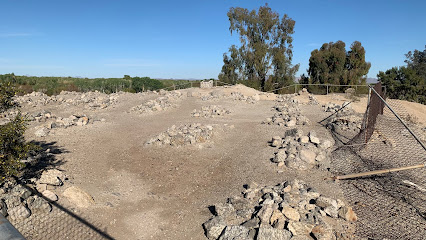
Prison Cemetery
32.5 km
Reflect on Yuma's past at the Prison Cemetery, the final resting place of inmates from the notorious Yuma Territorial Prison.
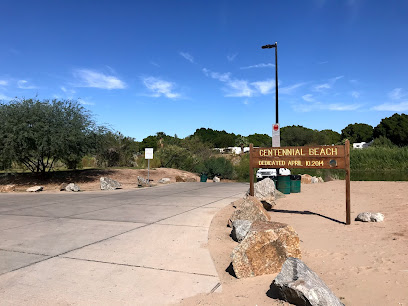
Centennial Beach
32.8 km
Discover the serene beauty of Centennial Beach in Yuma, Arizona: a perfect spot for picnics, boating, and relaxation by the Colorado River.
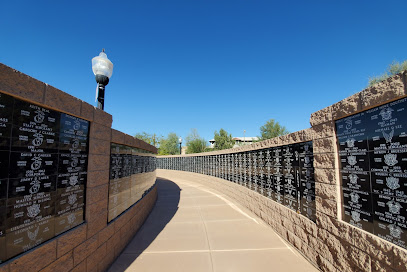
Yuma Armed Forces Park
32.9 km
A serene and respectful memorial in Yuma, Arizona, honoring the dedication and sacrifice of all United States military veterans.
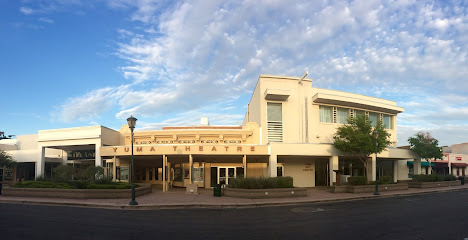
Yuma Art Center
32.9 km
Explore the vibrant art scene at Yuma Art Center, where creativity flourishes through exhibitions, workshops, and community events.
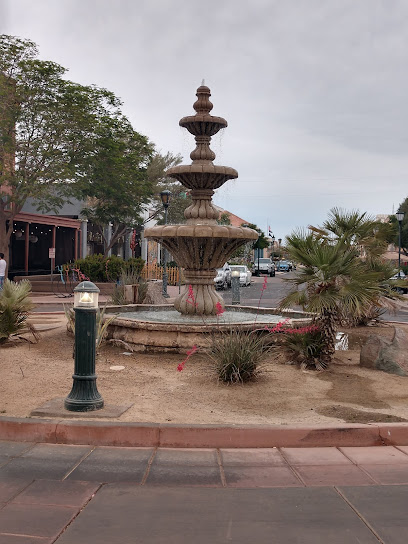
Yuma Visitor Information Center
33.0 km
Your adventure starts here! Discover Yuma's hidden gems with expert advice, maps, and souvenirs at the Yuma Visitor Information Center in historic downtown.
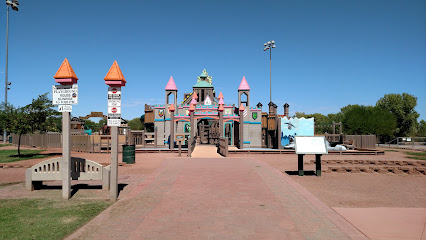
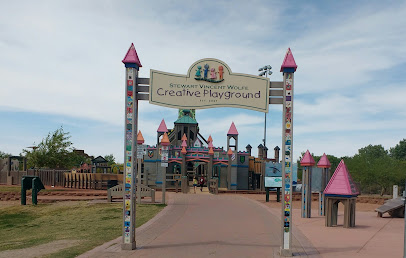
Stewart Vincent Wolfe Creative Playground
33.0 km
A whimsical and inclusive playground in Yuma's West Wetlands Park, sparking joy and imagination for children of all abilities.
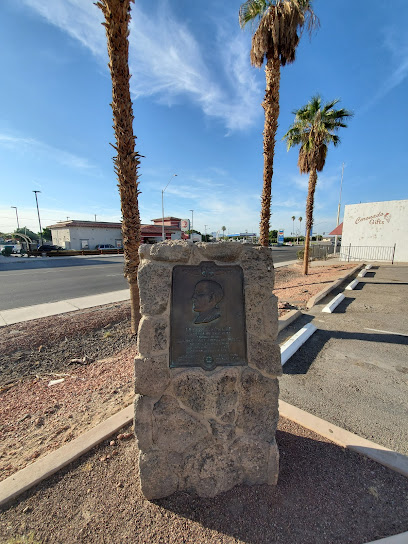
Yuma Landing Historic Site Landmark
33.1 km
Discover Yuma's aviation history at this landmark restaurant, marking Arizona's first airplane landing with historical exhibits and American & Mexican cuisine.
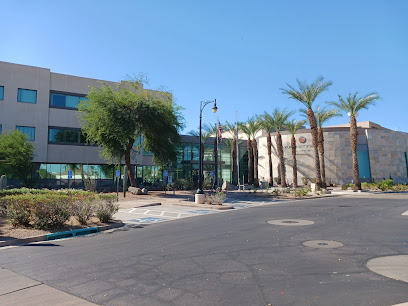
Yuma City Hall
33.1 km
Experience Yuma's civic heart at the historic City Hall, a blend of Spanish Colonial architecture and modern governance in the heart of downtown.
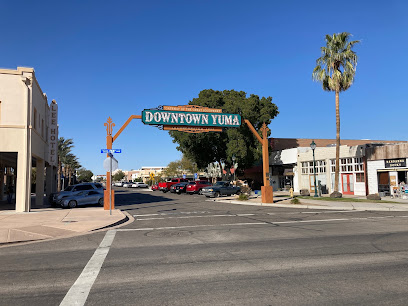
Historic Downtown Yuma Gateway
33.2 km
Discover the vibrant history of Yuma's Historic Downtown Gateway: charming streets, unique shops, and cultural experiences await!
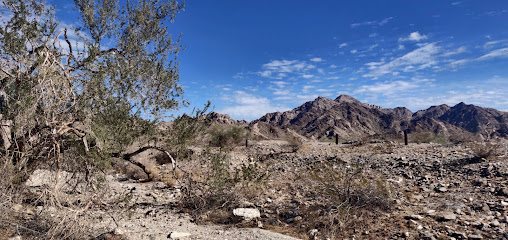
Tumco Historic Mine
34.8 km
Explore the ghostly remnants of a once-thriving gold mining town in the Cargo Muchacho Mountains, offering a glimpse into California's Gold Rush era.
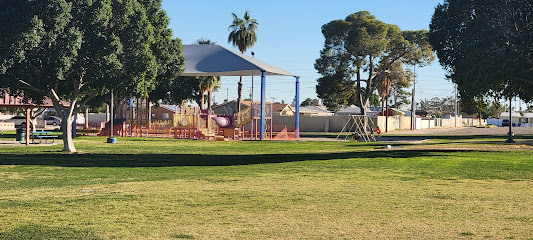
Sanguinetti Memorial Park
37.1 km
Enjoy outdoor recreation and family fun at Yuma's Sanguinetti Memorial Park, a green oasis with playgrounds, picnic spots, and sports facilities.
Unmissable attractions to see

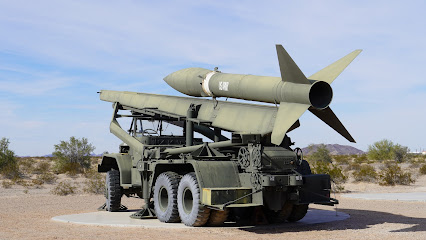
Yuma Proving Ground Open Air Museum
20.9 km
Explore the rich military history at Yuma Proving Ground Open Air Museum, showcasing a vast collection of military vehicles and equipment in Yuma, Arizona.
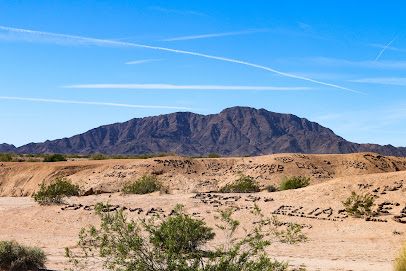
Valley of the Names
23.0 km
Explore the Valley of the Names, a serene tribute to human connection set against Winterhaven's stunning landscapes.
Castle Dome Mine Museum
29.3 km
Explore the fascinating history of mining and the Wild West at Castle Dome Mine Museum, a unique ghost town experience in Arizona's desert.
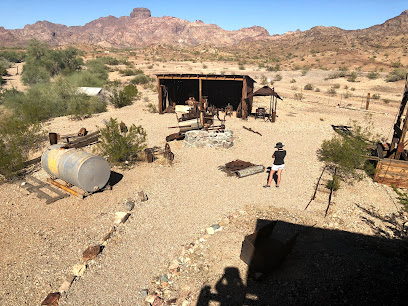
East Wetlands Park
32.4 km
Explore Yuma's East Wetlands Park: A revitalized desert landscape offering hiking, birdwatching, and stunning Colorado River views.
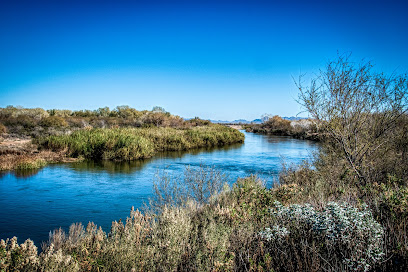
Yuma Territorial Prison State Historic Park
32.4 km
Discover the rich history and stunning landscapes at Yuma Territorial Prison State Historic Park, where the past meets the beauty of the Arizona desert.
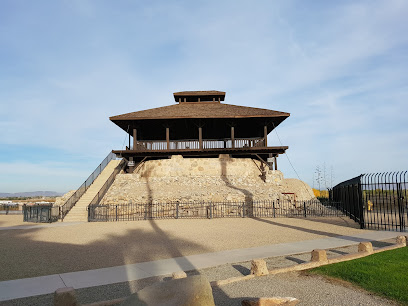
Gateway Park
32.5 km
Discover Yuma's scenic Gateway Park: a riverfront haven with beaches, trails, and historical charm, perfect for family fun and outdoor adventures.
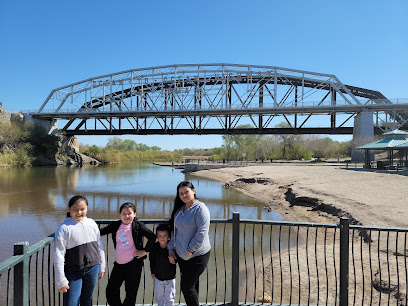
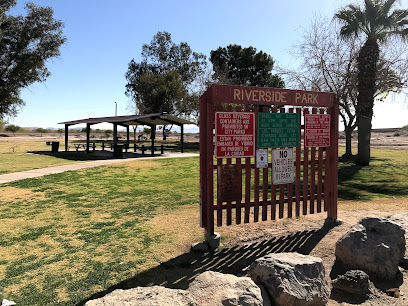
Riverside Park
32.5 km
Escape to Yuma's Riverside Park: Trails, family fun, and Colorado River views await!
Colorado River State Historic Park
32.7 km
Discover the captivating history and natural beauty of Colorado River State Historic Park in Yuma, Arizona, a must-visit for history and nature enthusiasts.
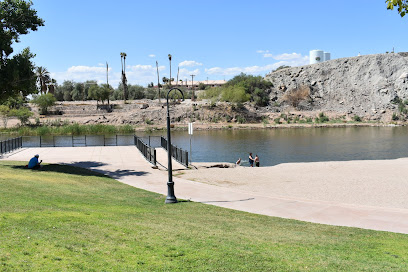
Downtown Yuma Sign
32.7 km
Experience the vibrant culture and history of Yuma at the iconic Downtown Yuma Sign, a must-visit tourist attraction in Arizona.
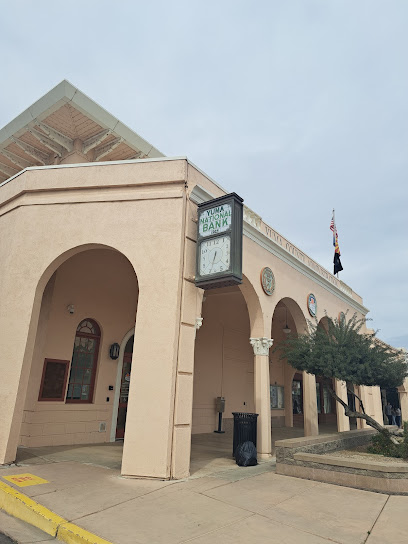
Yuma Crossing National Heritage Area Business Office
32.8 km
Explore Yuma's pivotal role in Southwestern history at the Colorado River crossing, with historic parks and riverfront trails.
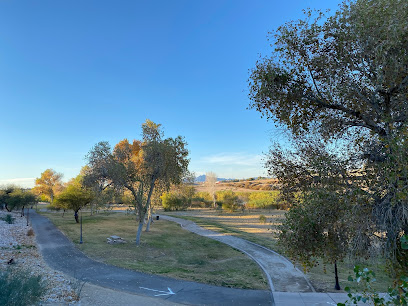
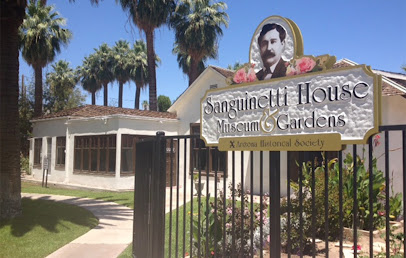
Sanguinetti House Museum and Gardens
33.0 km
Explore Yuma's rich history and serene gardens at the Sanguinetti House Museum, a charming Victorian home showcasing the past.
West Wetlands Park
33.0 km
Explore West Wetlands Park in Yuma, AZ - a picturesque destination for nature lovers, offering trails, wildlife, and serene picnic spots.
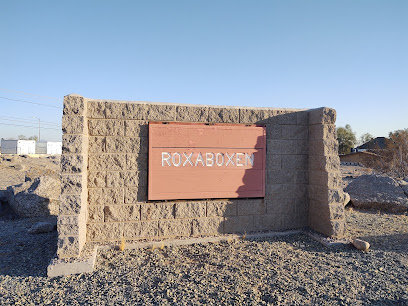
Roxaboxen Park
34.1 km
Explore the imaginative landscapes of Roxaboxen Park in Yuma, Arizona—where nature and creativity come together for family fun.
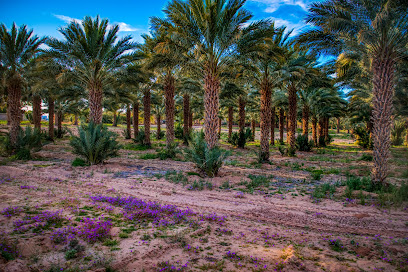
Martha's Gardens
34.9 km
Discover the sweet taste of the Yuma desert at Martha's Gardens, a family-owned date farm offering tours, treats, and a tranquil escape.
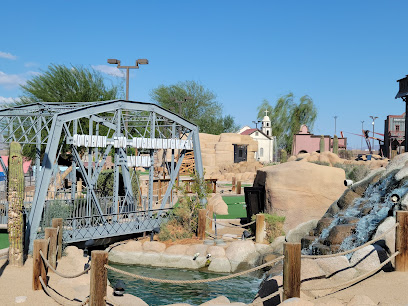
Z Fun Factory
35.4 km
Yuma's ultimate destination for family fun, featuring go-karts, mini-golf, arcade games, and a seasonal water park!
Essential places to dine

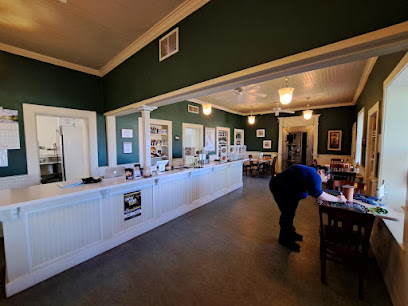
Autentico Sapore Italiano
32.7 km
Experience authentic Northern Italian cuisine at Autentico Sapore Italiano in Yuma – where every meal is a culinary journey through Italy.
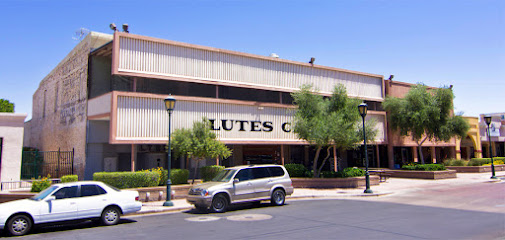
Lutes Casino
32.9 km
Discover delicious dining at Lutes Casino, where flavorful meals meet lively ambiance in Yuma's charming setting.
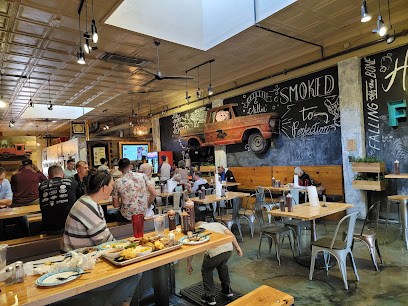
Holy Smokes
32.9 km
Discover authentic BBQ flavors at Holy Smokes in Yuma - where every bite tells a story of tradition and passion.
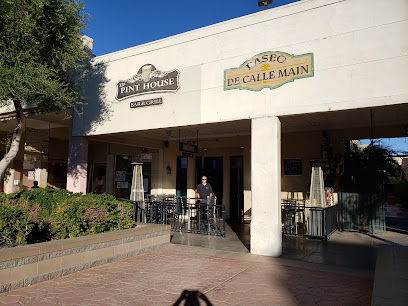
Pint House Bar & Grill
32.9 km
Experience the best of American cuisine at Pint House Bar & Grill in Yuma - where flavor meets fun!
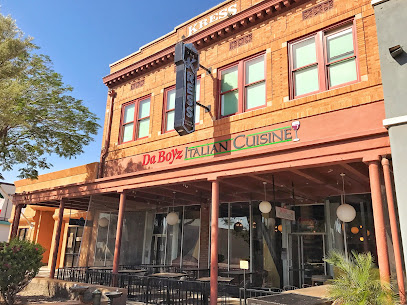
Da Boyz Italian Cuisine
33.0 km
Experience authentic Italian cuisine at Da Boyz Italian Cuisine in Yuma - where every dish tells a story.
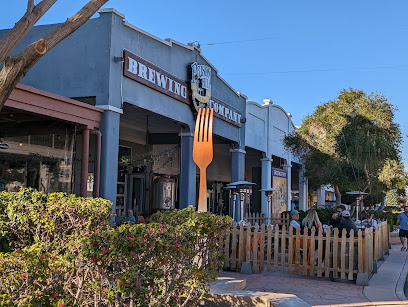
Prison Hill Brewing Company
33.0 km
Discover unique craft beers and delicious comfort food at Prison Hill Brewing Company in Yuma - where flavor meets community spirit.
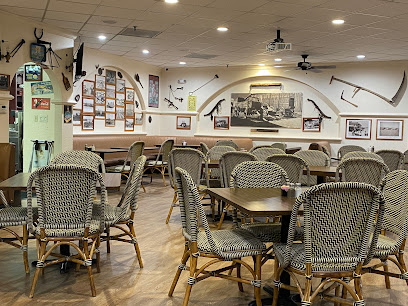
Yuma Landing Bar & Grill
33.1 km
Discover the essence of American dining at Yuma Landing Bar & Grill with delicious food and refreshing cocktails in a vibrant atmosphere.
River City Grill
33.4 km
Discover River City Grill in Yuma: A culinary haven offering exquisite steaks, fresh seafood, Mediterranean delights, and vegan options in a welcoming atmosphere.
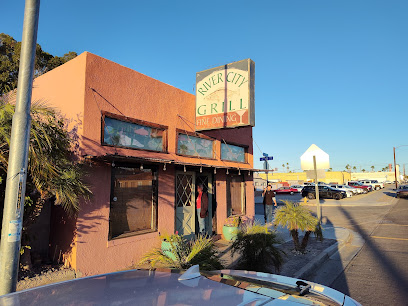
Mr. G Drive-In
33.7 km
Experience authentic Mexican cuisine at Mr. G Drive-In in Yuma – perfect for breakfast or lunch with generous portions.
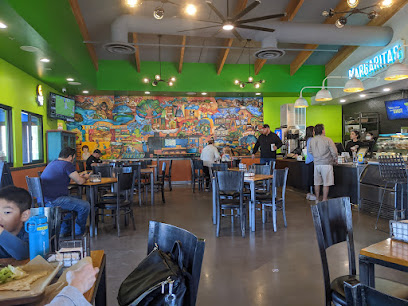
A&R GRILL
34.1 km
Discover flavorful grilled delights at A&R Grill in Yuma - where local ingredients meet exceptional culinary craftsmanship.
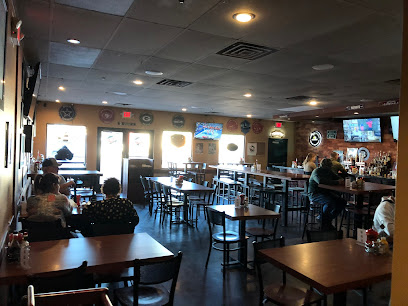
El Charro Cafe
34.4 km
Experience the vibrant flavors of Mexico at El Charro Cafe in Yuma - where tradition meets taste!
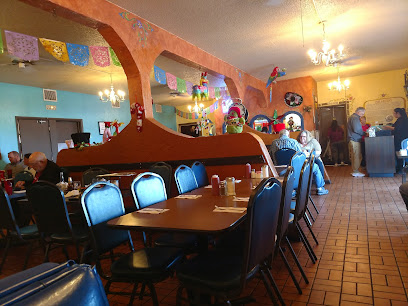
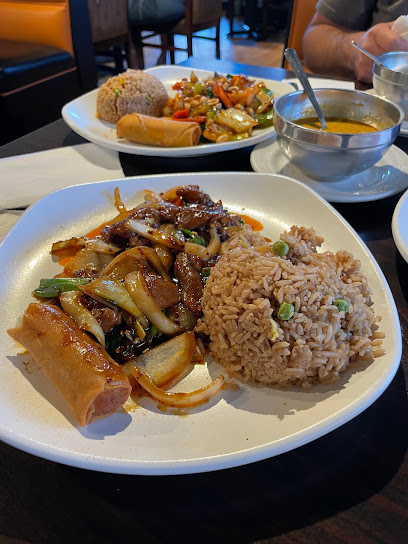
The Lemon Grass Asian Cuisine
34.8 km
Discover authentic Asian cuisine at The Lemon Grass in Yuma - where every dish tells a story of flavor and tradition.
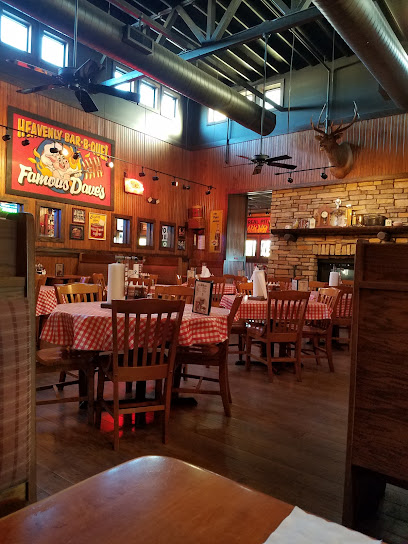
Famous Dave's Bar-B-Que
34.8 km
Experience mouthwatering barbecue delights at Famous Dave's Bar-B-Que in Yuma - where flavor meets tradition!
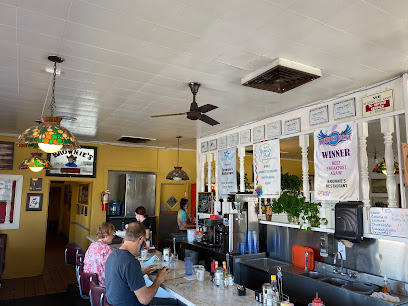
Brownie's Restaurant
34.9 km
Enjoy a delightful breakfast experience at Brownie's Restaurant in Yuma, AZ - perfect for families and food lovers alike!
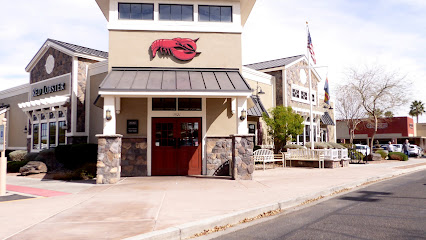
Red Lobster
34.9 km
Experience a coastal culinary adventure at Red Lobster in Yuma – where fresh seafood meets family-friendly dining.
Markets, malls and hidden boutiques

Belle's Boutique
32.9 km
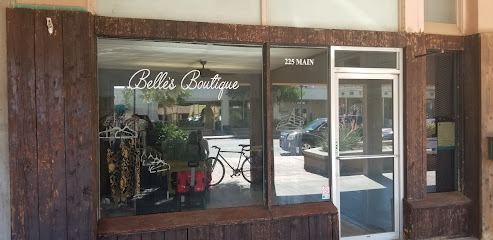
Discover Belle's Boutique in Yuma, AZ - a stylish clothing store offering unique fashion and personalized service amidst a vibrant shopping atmosphere.
Rusted Relics
32.9 km
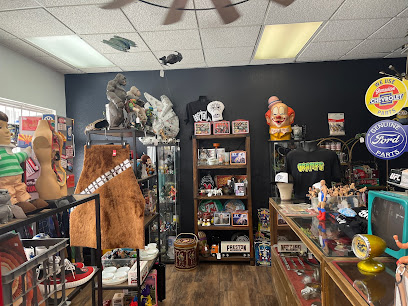
Discover unique antiques and vintage treasures at Rusted Relics in Yuma, Arizona, where every item tells a story.
Desert Sunset Gifts
32.9 km
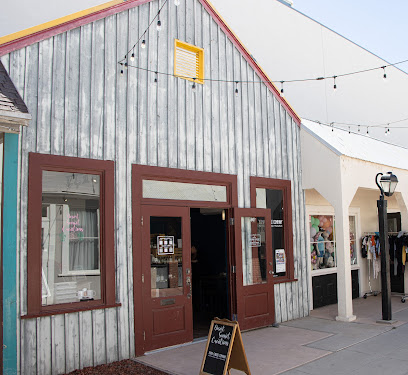
Explore Desert Sunset Gifts in Yuma, Arizona for unique home goods and handcrafted treasures that capture the essence of the desert.
Tea for Three: A Children's Boutique
32.9 km
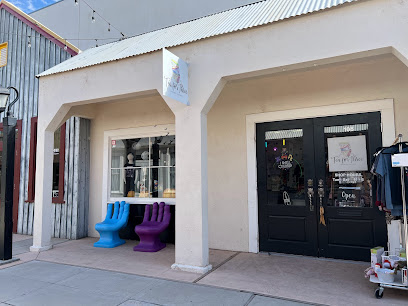
Discover a treasure trove of stylish children's clothing and accessories at Tea for Three in Yuma, a boutique that promises quality and charm.
Karyna's Korner Boutique
32.9 km
Explore Karyna's Korner Boutique in Yuma for unique fashion treasures that reflect your personal style without breaking the bank.
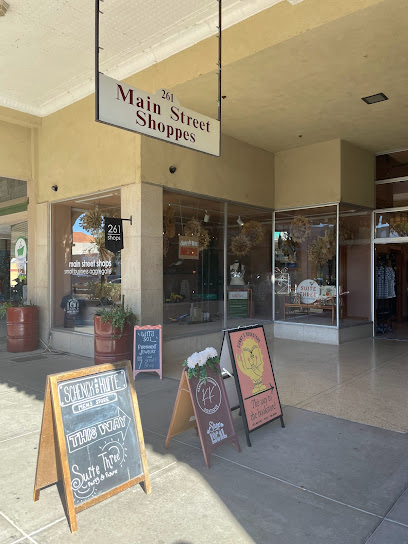
Main Street Shoppes
32.9 km
Discover unique local boutiques at Main Street Shoppes, Yuma’s charming shopping destination filled with character and creativity.
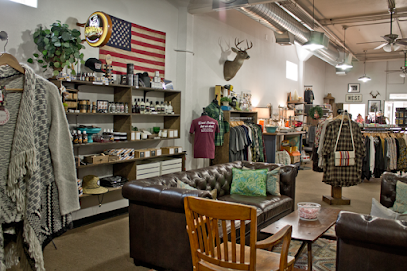
Rebel And Rove
33.0 km
Explore Rebel And Rove in Yuma, AZ, for unique gifts, clothing, and home goods that capture the essence of local culture.
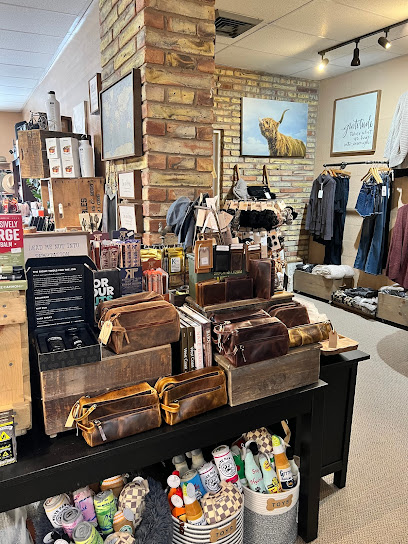
Dream Gift Shop
33.0 km
Explore unique and artisan gifts at Dream Gift Shop, a charming local treasure in Yuma, Arizona, perfect for memorable souvenirs.
Olive + Oak Boutique & Creative Studio
33.0 km
Explore the unique offerings of Olive + Oak Boutique & Creative Studio in Yuma, Arizona, where local artistry meets delightful shopping experiences.
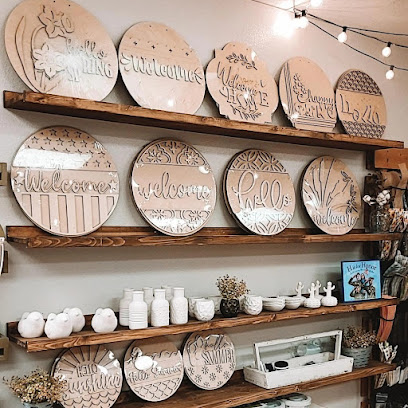
Timeless Elegance Antiques
33.0 km
Discover a treasure trove of vintage collectibles and unique antiques at Timeless Elegance Antiques in Yuma, Arizona, where every item tells a story.
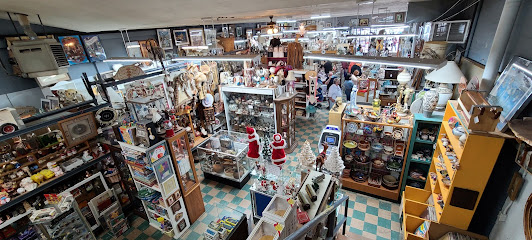
Las Palmillas Shopping Center
34.4 km
Discover a shopping paradise at Las Palmillas Shopping Center, where diverse stores and dining options await in Yuma, Arizona.
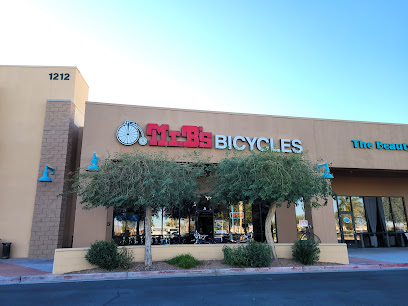
Hot Topic
34.5 km
Explore Hot Topic in Yuma, AZ for unique clothing, accessories, and gifts that embrace alternative styles and pop culture.
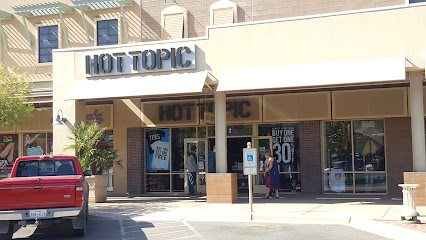
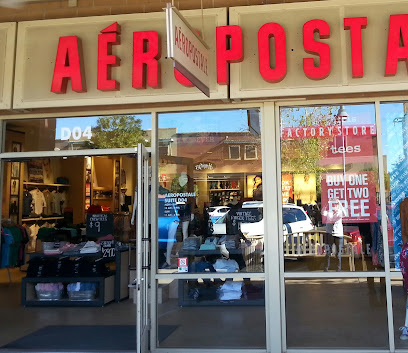
Aéropostale
34.5 km
Shop the latest trends in clothing for men, women, and children at Aéropostale in Yuma, where style meets affordability!
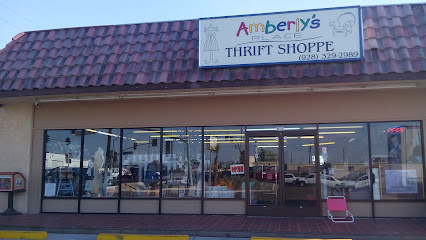
Amberly's Place Thrift Shoppe
34.6 km
Explore Amberly's Place Thrift Shoppe for unique finds and support local charities in Yuma, Arizona.
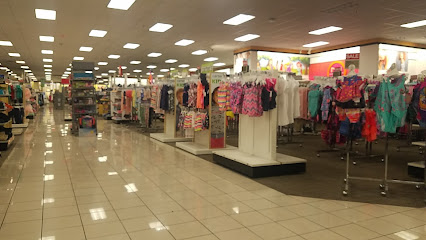
Kohl's
34.7 km
Discover incredible deals and a diverse selection at Kohl's in Yuma, Arizona, the ultimate department store for visitors and locals alike.
Essential bars & hidden hideouts

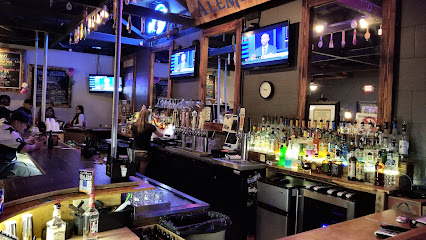
The Alement
32.7 km
Discover The Alement in Yuma, where refreshing drinks meet vibrant social experiences in a laid-back bar setting.
Jimmie Dee's
32.9 km
Discover the lively spirit of Jimmie Dee's, a top bar and live music venue in Yuma, Arizona, where unforgettable nights await.
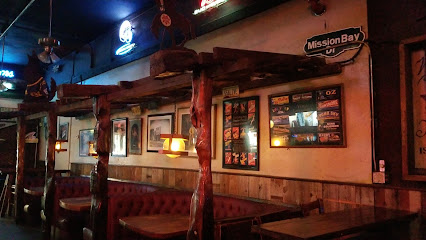
Red's Bird Cage
32.9 km
Discover the vibrant atmosphere and unique cocktails at Red's Bird Cage, Yuma's historic cocktail bar that promises unforgettable experiences.
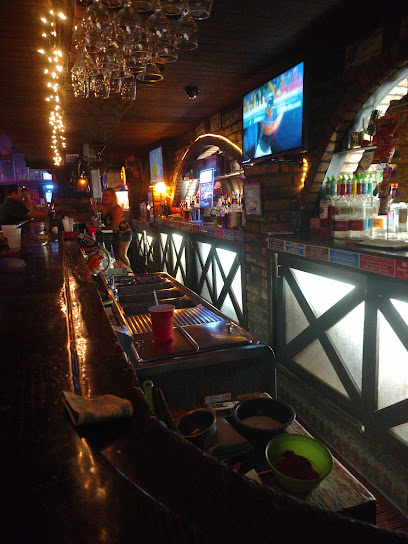
The Kress Ultra Lounge
33.0 km
Discover the electrifying nightlife at Kress Ultra Lounge, a premier bar and live music venue in Yuma, Arizona, perfect for an unforgettable night out.
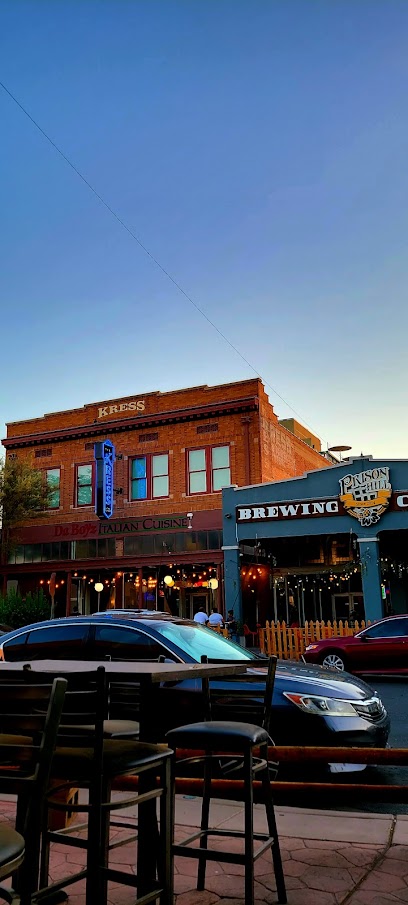
Sage & Sand Cocktail Lounge
34.5 km
Experience lively nights filled with cocktails, karaoke, and live music at Sage & Sand Cocktail Lounge in Yuma, Arizona.
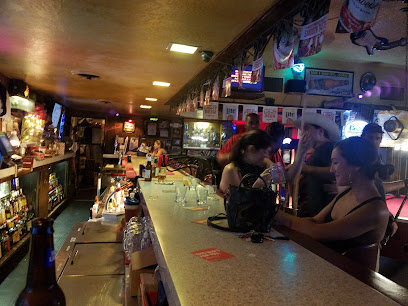
DOUBLE D'S SPORTS BAR
34.6 km
Discover the ultimate sports bar experience in Yuma, Arizona at Double D's, where food, drinks, and live games create unforgettable moments.
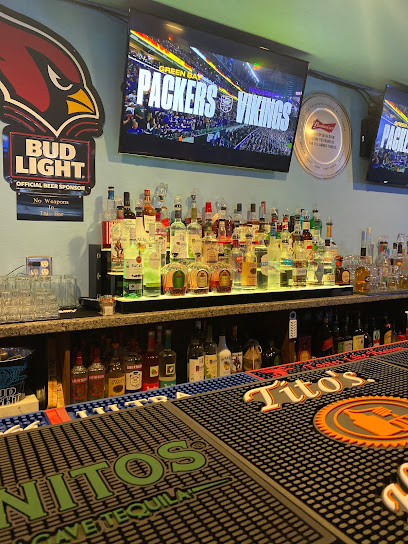
Maverick
35.4 km
Discover Maverick, Yuma's cocktail haven, where expertly crafted drinks meet a vibrant atmosphere, perfect for unwinding after a day of exploration.
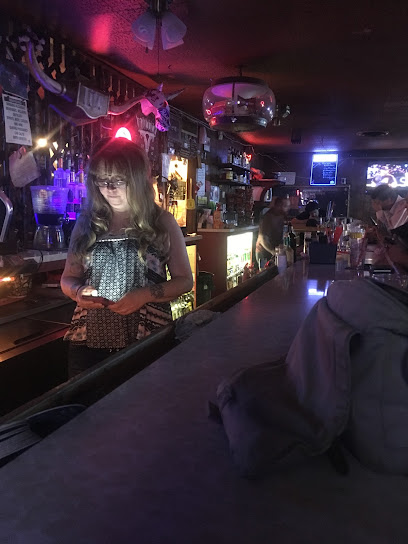
Yumas Friendly Tavern
36.0 km
Experience the friendly vibes and lively atmosphere at Yumas Friendly Tavern, a top bar in Yuma, Arizona, perfect for unwinding with drinks.
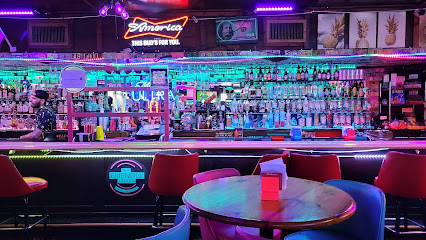
The Western Club Yuma
36.7 km
Experience the energetic nightlife at The Western Club Yuma, where great drinks, live music, and unforgettable moments await every visitor.
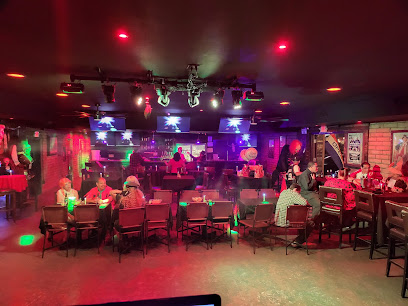
Crazy Earl's Cocktails & Pool
37.0 km
Experience the lively atmosphere of Crazy Earl's Cocktails & Pool, your go-to bar in Fortuna Foothills for cocktails, pool, and fun.
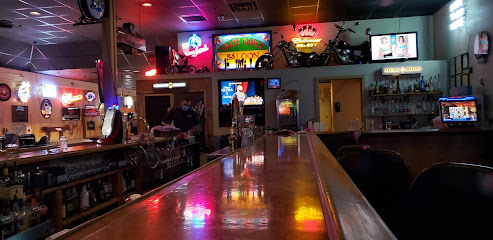
Bottoms Up Bar & Grill
37.3 km
Discover Bottoms Up Bar & Grill in Yuma, a must-visit destination for delicious food, refreshing drinks, and a vibrant social atmosphere.
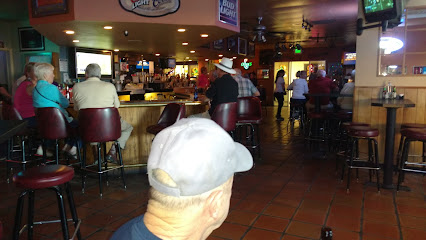
FATS
37.6 km
Experience the best of Yuma nightlife at FATS, where cocktails, karaoke, and sports come together for an unforgettable evening.
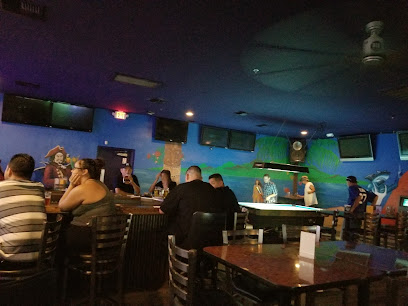
Showcase Sports Bar LLC
37.8 km
Experience the ultimate sports bar in Yuma, where delicious cocktails meet an electrifying atmosphere perfect for fans and food lovers alike.
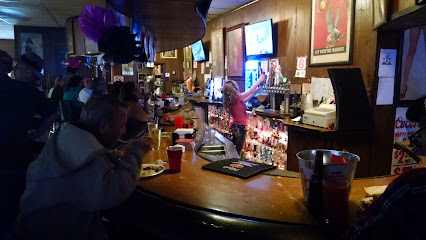
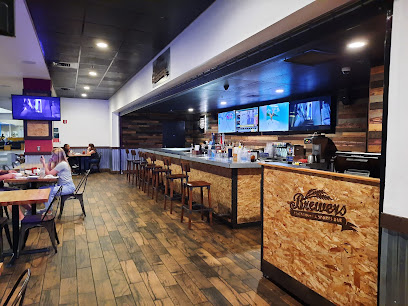
Brewers Restaurant & Sports Bar
38.2 km
Enjoy a vibrant atmosphere and delicious grilled dishes at Brewers Restaurant & Sports Bar in Yuma, Arizona, perfect for sports fans and food lovers alike.
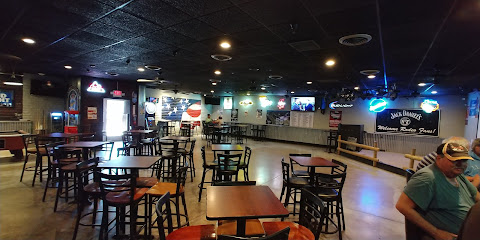
Whiskey Road Saloon
39.8 km
Discover the lively charm of Whiskey Road Saloon in Yuma, AZ - where good drinks and local hospitality come together.
Nightclubs & after hour spots

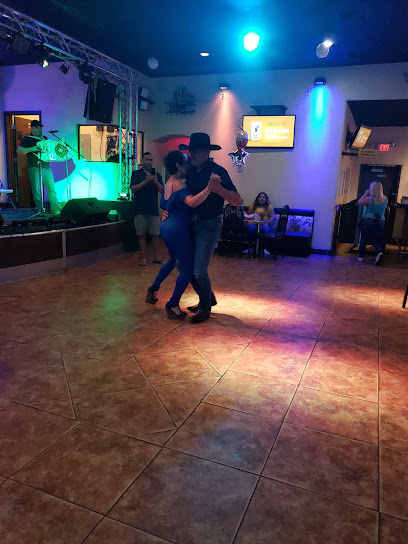
Tarros Chicali
34.7 km
Unleash the energy of Yuma's nightlife at Tarros Chicali, where unforgettable experiences and electrifying beats await every night.
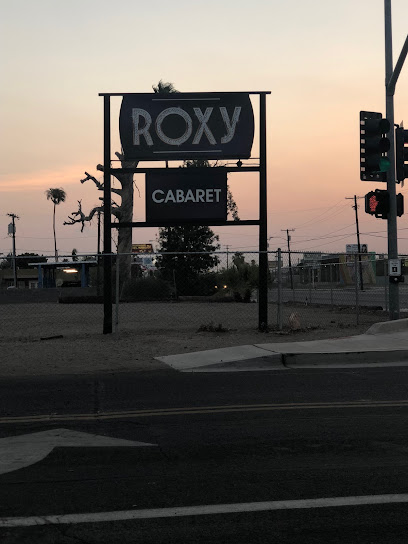
ROXY CABARET
34.9 km
Discover Roxy Cabaret, Yuma's premier gay nightclub, where vibrant performances and an inclusive atmosphere await every visitor.
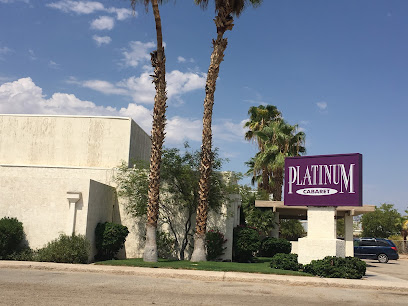
Platinum Cabaret
36.2 km
Discover Yuma's nightlife at Platinum Cabaret, where energetic performances and a vibrant atmosphere await every night.
Fiesta Event Park
41.9 km
Experience the vibrant nightlife at Fiesta Event Park, Yuma's premier lounge for social gatherings and unforgettable events.