

Free Yuma County Travel Guide & Mobile App
Explore Yuma County with free travel guides. Discover regional history, expert tips, proposed trips, and audio guides on web or mobile app.


Yuma County blends Colorado River wetlands, desert wildlife, agricultural communities, frontier history and easy access to Arizona’s southwest borderlands.
Read more about Yuma County
When is the best time to visit Yuma County?
Best: February–March, November · 22–26°C| Month | High (°C) | Rainfall (mm) |
|---|---|---|
| January | 19 | 6 |
| February (best) | 22 | 6 |
| March (best) | 26 | 5 |
| April | 30 | 2 |
| May | 35 | 1 |
| June | 40 | 0 |
| July | 41 | 7 |
| August | 41 | 8 |
| September | 37 | 6 |
| October | 31 | 4 |
| November (best) | 24 | 5 |
| December | 18 | 6 |
Getting to and around Yuma County
How to get there
Transportation
Top city travel guides in Yuma County
The cities of Yuma County, and the easiest places to base yourself.

Swipe for more cities
Destinations in Yuma County
Resorts, valleys and scenic spots worth a trip of their own.
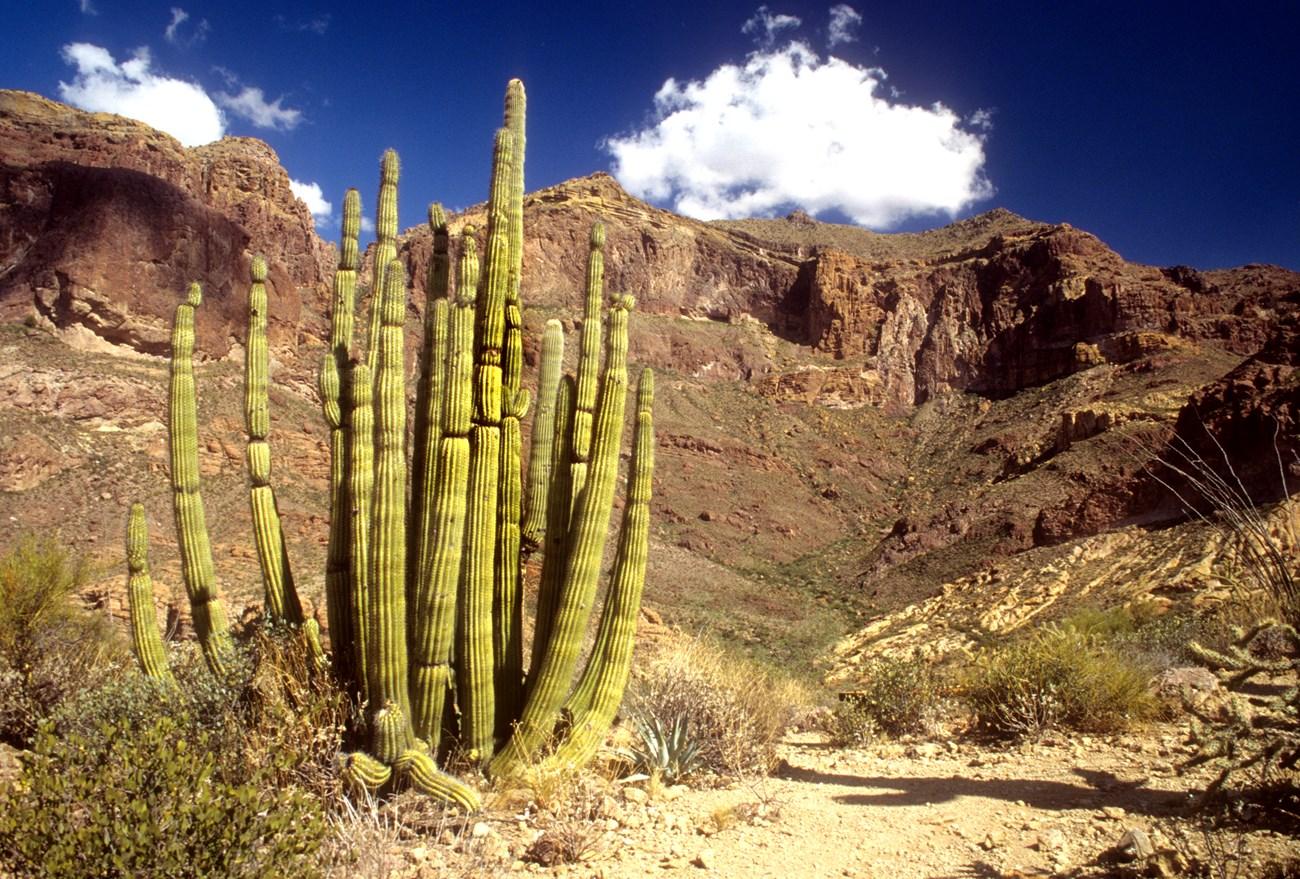
Swipe for more destinations
Best attractions in Yuma County
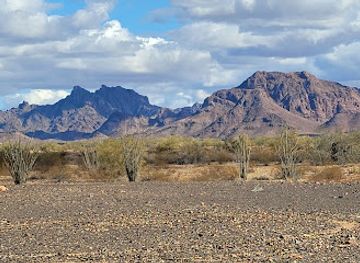
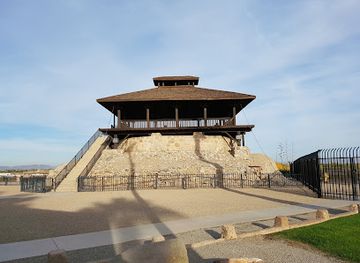
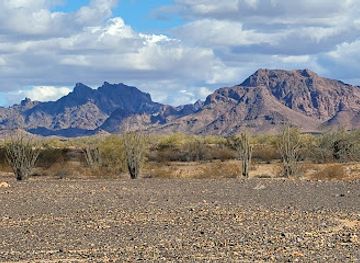
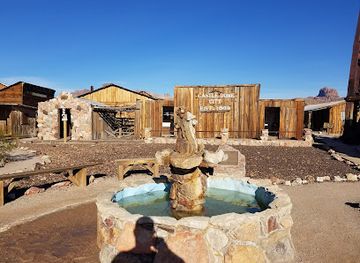
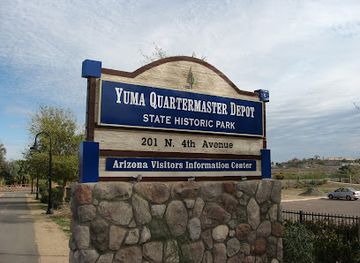
Yuma County’s attractions combine frontier history, river recreation, protected desert and working agricultural landscapes. In Yuma, the Yuma Territorial Prison State Historic Park presents preserved cell blocks, guard facilities and views across the Colorado River, while the Yuma Quartermaster Depot State Historic Park and the Yuma Crossing National Heritage Area explain the city’s military, transport and environmental history. River users head towards Martinez Lake and other Colorado River access points for boating, fishing, birdwatching and warm-weather recreation. Kofa National Wildlife Refuge provides a more remote desert experience, with rugged mountains, open gravel plains and habitat for desert wildlife; visits require preparation and careful route planning. Castle Dome Mine Museum, on the county’s western side, interprets the former mining settlement through preserved structures and artefacts. Around San Luis, Somerton and Yuma, agricultural roads and seasonal farm outlets reveal the irrigation-based economy that distinguishes the lower Colorado desert. Parker and the river communities to the north offer a different balance of water sports, desert scenery and small-town services.
-
State park
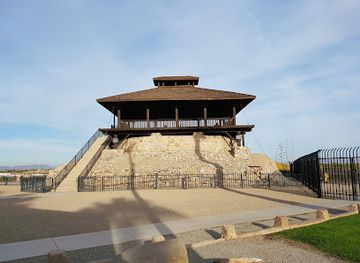
Yuma Territorial Prison State Historic Park
Discover the rich history and stunning landscapes at Yuma Territorial Prison State Historic Park, where the past meets the beauty of the Arizona desert.
-
Park
West Wetlands Park
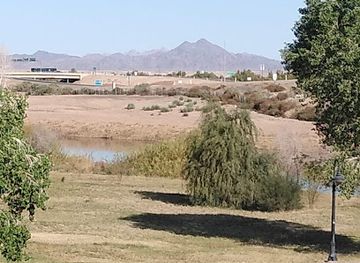
Explore West Wetlands Park in Yuma, AZ - a picturesque destination for nature lovers, offering trails, wildlife, and serene picnic spots.
-
Park
Gateway Park
Discover Yuma's riverside charm at Gateway Park: history, recreation, and scenic views along the Colorado River.
-
Wildlife refuge
Kofa National Wildlife Refuge
Explore the vast beauty of Kofa National Wildlife Refuge, a serene haven for wildlife enthusiasts, hikers, and nature lovers in Arizona's stunning desert landscape.
Best landmarks in Yuma County
Yuma Territorial Prison State Historic Park is the county’s most recognisable historic landmark, its stone buildings and rock-cut cells preserving the severe appearance of Arizona’s territorial penal system beside the Colorado River. The Yuma Quartermaster Depot, with its surviving nineteenth-century structures, marks the city’s former importance as a military supply base. The Yuma Crossing is significant both geographically and historically: for centuries it offered one of the few practical crossings of the lower Colorado River, and today its riverfront parks and restored wetlands show how conservation has reshaped an urban landscape. In the eastern county, the Parker Dam and the broad waters of the Colorado River form a major engineered and visual landmark, although the dam lies near the county’s boundary and access should be checked locally. Kofa National Wildlife Refuge supplies a contrasting natural landmark through its rugged desert mountains and open basins, while Castle Dome’s preserved mining buildings evoke the county’s nineteenth-century mineral economy. The region’s irrigation canals, date groves and intensely green agricultural fields are also defining landmarks of its modern desert geography.
-
State park
Yuma Territorial Prison State Historic Park
Explore the infamous Yuma Territorial Prison, where the Wild West comes to life through its preserved cellblocks and haunting history.
-
Wildlife refuge
Kofa National Wildlife Refuge
Discover Arizona's wild side: rugged landscapes, unique wildlife, and the only native palm trees at Kofa National Wildlife Refuge.
-
Museum
Castle Dome Mine Museum
Explore a preserved 1860s mining town with 50+ buildings, vintage artifacts & the dazzling Fluorescent Mineral Wall at Hull Mine.
-
State park
Colorado River State Historic Park
Discover Yuma's pivotal role in the Southwest's history at the Colorado River State Historic Park. Explore military heritage and river stories.
Explore Yuma County on the map
Plan your trip on one map. See where the top cities, national parks and sights are, and book hotels and experiences in a few clicks.
Best hotels in Yuma County
Best restaurants in Yuma County
Dining in Yuma County reflects the lower Colorado borderlands, agricultural production and proximity to Mexico. Mexican and Mexican-American cooking is prominent in Yuma, San Luis and Somerton, with regional restaurants serving variations of tacos, burritos, enchiladas, grilled meats and seafood alongside familiar Southwestern flavours. Casual family restaurants, bakeries and cafés are the most dependable choices in smaller communities, while Yuma provides the county’s broadest selection of international and contemporary dining. Seasonal produce is central to the local economy: dates, citrus, melons, leafy vegetables and other crops appear in farm stands, markets and restaurant menus when available. Date shakes and other date-based products are associated with the desert agricultural belt, though availability varies by season. Along the Colorado River, dining tends to be informal and geared towards boating and lakeside recreation. Visitors should distinguish genuinely local produce and borderland cooking from generic Southwestern branding, and check opening arrangements outside the main urban centres.
-
American
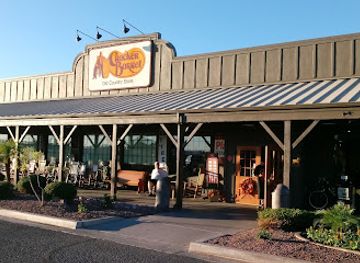
Cracker Barrel Old Country Store
Discover the heartwarming flavors of Southern cuisine at Cracker Barrel Old Country Store in Yuma - where every meal feels like home.
-
Mexican
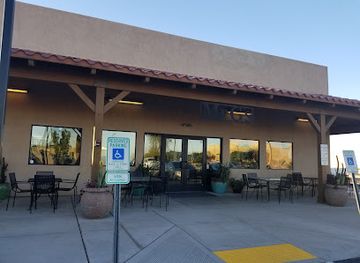
Mr. G Drive-In
Experience authentic Mexican flavors at Mr. G Drive-In in Yuma—your go-to spot for delicious breakfasts and satisfying lunches.
-
Grill
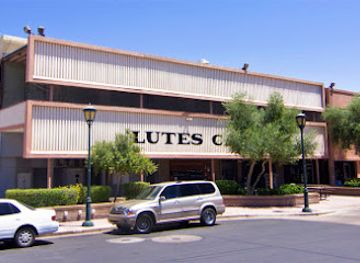
Lutes Casino
Experience the vibrant flavors and welcoming atmosphere of Lutes Casino - Yuma's cherished grill and bar destination.
-
Mexican
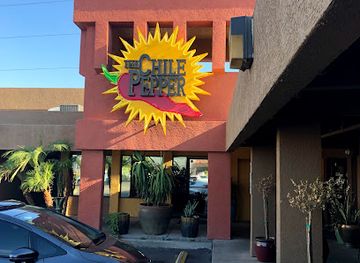
The Chile Pepper
Experience the vibrant flavors of Mexico at The Chile Pepper in Yuma—affordable dining with authentic tastes that bring people together.
Best bars in Yuma County
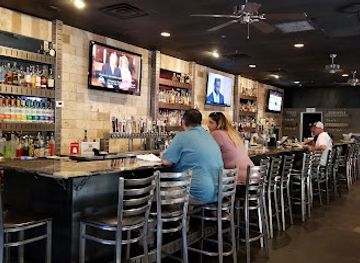
Yuma has the county’s most developed evening scene, centred on traditional bars, casual restaurants, breweries and live-music or entertainment venues rather than a large metropolitan nightclub district. Historic downtown and commercial areas provide places for drinks and food, while the military presence and seasonal visitor population contribute to a varied but relatively modest social scene. In Parker and the Colorado River recreation communities, evenings often revolve around waterfront restaurants, informal bars and seasonal entertainment connected with boating and winter visitors. San Luis and Somerton offer Mexican-influenced restaurants and bars, although opening patterns and entertainment can vary. Outside these centres, nightlife is mainly found in local pubs, dining rooms and community events, and rural distances make a designated driver or pre-arranged transport important. Conditions are especially seasonal around the river, so check current arrangements rather than assuming every venue operates throughout the year.
-
Grill
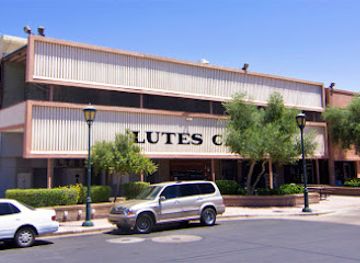
Lutes Casino
Discover the vibrant atmosphere and delicious grill offerings at Lutes Casino in Yuma, Arizona - a local favorite for food and fun.
-
Sports bar
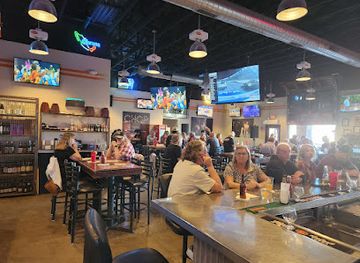
Wheezys Grill and Sportsbar
Experience the fusion of delicious dining and thrilling sports at Wheezys Grill and Sportsbar in Yuma, Arizona.
-
Brewpub
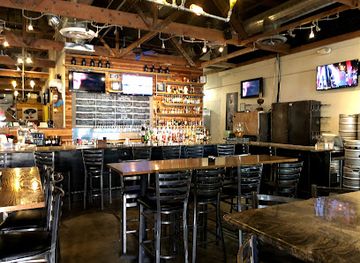
Prison Hill Brewing Company
Experience the best of craft beer and local cuisine at Prison Hill Brewing Company in Yuma, Arizona.
-
Grill
Pint House Bar & Grill
Experience the best of American cuisine at Pint House Bar & Grill in Yuma, where great food and a lively atmosphere await you.
Best nightclubs in Yuma County
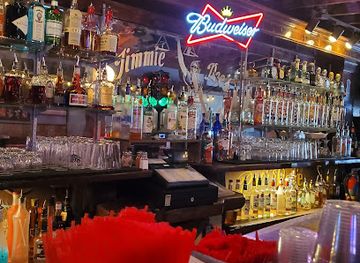
Yuma has the county’s most developed evening scene, centred on traditional bars, casual restaurants, breweries and live-music or entertainment venues rather than a large metropolitan nightclub district. Historic downtown and commercial areas provide places for drinks and food, while the military presence and seasonal visitor population contribute to a varied but relatively modest social scene. In Parker and the Colorado River recreation communities, evenings often revolve around waterfront restaurants, informal bars and seasonal entertainment connected with boating and winter visitors. San Luis and Somerton offer Mexican-influenced restaurants and bars, although opening patterns and entertainment can vary. Outside these centres, nightlife is mainly found in local pubs, dining rooms and community events, and rural distances make a designated driver or pre-arranged transport important. Conditions are especially seasonal around the river, so check current arrangements rather than assuming every venue operates throughout the year.
-
Bar
FATS
Discover the vibrant nightlife at FATS, where cocktails, karaoke, and sports come together for an unforgettable experience in Yuma, Arizona.
-
Bar
Jimmie Dee's
Experience the vibrant nightlife of Yuma at Jimmie Dee's, where live music and delicious cocktails create unforgettable moments.
-
Bar
Sage and Sand Cocktail Lounge
Experience the vibrant nightlife at Sage and Sand Cocktail Lounge in Yuma, AZ, with delicious cocktails, live music, and a lively atmosphere.
-
Bar
Whiskey Road Saloon
Discover the lively atmosphere of Whiskey Road Saloon in Yuma, AZ, where great drinks and unforgettable entertainment await.



Best shops in Yuma County
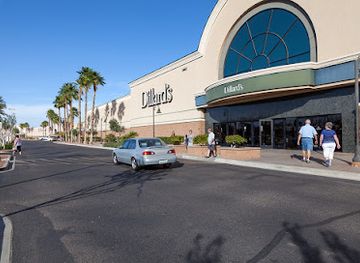
Shopping in Yuma County is practical, local and closely connected to agriculture and the border. Yuma’s historic downtown has independent shops, galleries, cafés and businesses selling gifts, books, clothing and Southwest-themed goods, while larger commercial areas provide mainstream retail and everyday supplies. San Luis and Somerton have strong Mexican and borderland influences, with food shops, bakeries and small businesses offering products that reflect connections across the international boundary; visitors should confirm customs rules before carrying food or other goods across borders. Seasonal farm stands and markets are the best places to look for locally grown dates, citrus, vegetables and related preserves, although locations and operating days change. In Parker and the river communities, shops focus more on outdoor equipment, boating supplies, casual clothing and souvenirs. Regional art, pottery, jewellery and desert-themed crafts can be found in independent galleries and specialist shops, but buyers should ask about provenance and avoid purchasing archaeological objects or items made from protected wildlife.
-
Shopping mall
Yuma Palms Regional Center
Explore the vibrant shopping and dining scene at Yuma Palms Regional Center, your ultimate destination in Yuma, Arizona.
-
Shopping mall
Big Curve Shopping Center
Discover endless shopping and dining options at the Big Curve Shopping Center - a must-visit destination in Yuma, Arizona.
-
Shopping mall
Yuma Mesa Shopping Center
Explore shopping, dining, and entertainment at Yuma Mesa Shopping Center, the ultimate destination for a fun-filled day in Yuma, Arizona.
-
Shopping mall
Yuma Plaza
Experience the best of shopping, dining, and entertainment at Yuma Plaza, a lively shopping mall in Arizona.

Get your free copy of our complete guide to Yuma County, delivered straight to you.
Everything on this page, from attractions and restaurants to essentials and local phrases, in one PDF you can read offline, print or share.
Already have an account? Sign in
Your Yuma County guide is ready.
We'll send it to · Not you? Sign out

Getting your guide ready…
We are putting together a fresh copy of the Yuma County guide. This can take up to a minute.
This can take a few moments. If your browser asks, choose Allow so the download can start. You'll find the guide in your Downloads folder.
Nothing happened? Download it again
Sorry, the guide is taking longer than usual. Please try again in a minute, or get it by email instead.
Yuma County essentials
Currency and Payment
Safety
Emergency Situations
Do's and Don'ts
Local Tips
From Eve
Local phrases worth knowing
You don't need to get them perfect. A few words go a long way, and locals appreciate the effort.
Basics
| English | Local | Say it |
|---|---|---|
| Hello | Howdy | [HAW-dee] |
| Goodbye | See you later | [SEE yoo LAY-ter] |
| Yes | Yeah | [YEAH] |
| No | Nope | [NOPE] |
| Please/You're welcome | No problem | [NOH PROB-lum] |
| Thank you | Thanks | [THANGKS] |
| Excuse me/Sorry | Excuse me | [EX-kyoos mee] |
| How are you? | How's it going? | [HAWZ it GO-ing?] |
| Fine. And you? | Good. You? | [GOOD. YOO?] |
| Do you speak English? | Do you speak English? | [DOO yoo SPEEK ING-glish?] |
| I don't understand | I don't get it | [I DONT GET it] |
Eating & Drinking
| English | Local | Say it |
|---|---|---|
| I'd like to see the menu, please | Can I see the menu? | [KAN I SEE the MEN-yoo?] |
| I don't eat meat | I'm vegetarian | [I'M vege-TAY-ree-an] |
| Cheers! | Cheers! | [CHEERS!] |
| I would like to pay, please | Can I get the check? | [KAN I GET the CHECK?] |
Emergencies
| English | Local | Say it |
|---|---|---|
| Help! | Help! | [HELP!] |
| Go away! | Leave me alone! | [LEEV mee uh-LONE!] |
| Call the Police! | Call the cops! | [KALL the KOPS!] |
| Call a doctor! | Get a doctor! | [GET a DOC-tor!] |
| I'm lost | I'm lost | [I'M LOST] |
| I'm ill | I'm not feeling well | [I'M NOT FEEL-ing WEL] |
Shopping
| English | Local | Say it |
|---|---|---|
| I'd like to buy... | I want to buy... | [I WANT to BUY...] |
| I'm just looking | Just browsing | [JUST BROWZ-ing] |
| How much is it? | What’s the price? | [WHAHTS the PRICE?] |
| That's too expensive | That's too pricey | [THAT'S too PRICE-ee] |
| Can you lower the price? | Can you make it cheaper? | [KAN you MAKE it CHEE-per?] |
Time & Numbers
| English | Local | Say it |
|---|---|---|
| What time is it? | What time is it? | [WHAHT TIME is it?] |
| It's one o'clock | It's one o'clock | [ITS ONE uh-KLOCK] |
| Half past (10) | Half past ten | [HAHF past TEN] |
| Morning | Morning | [MORN-ing] |
| Afternoon | Afternoon | [AF-ter-NOON] |
| Evening | Evening | [EEV-ning] |
| Yesterday | Yesterday | [YES-ter-day] |
| Today | Today | [to-DAY] |
| Tomorrow | Tomorrow | [to-MOR-row] |
| 1 | One | [WUN] |
| 2 | Two | [TOO] |
| 3 | Three | [THREE] |
| 4 | Four | [FOR] |
| 5 | Five | [FIVE] |
| 6 | Six | [SIX] |
| 7 | Seven | [SEV-en] |
| 8 | Eight | [AYT] |
| 9 | Nine | [NINE] |
| 10 | Ten | [TEN] |
Transport & Directions
| English | Local | Say it |
|---|---|---|
| Where's a/the...? | Where's the...? | [WHERe's the...?] |
| What's the address? | What's the address? | [WHAHTS the AD-dress?] |
| Can you show me (on the map)? | Can you point it out? | [KAN you POINT it OUT?] |
| When's the next (bus)? | When's the next bus? | [WHEn's the NEXT bus?] |
| A ticket (to ....) | A ticket to... | [A TICK-et to...] |
History of Yuma County
Indigenous Colorado River Communities
Long before European arrival, the lower Colorado River was home to Indigenous peoples including the Quechan and Cocopah, whose communities developed around the river’s water, fish, floodplain plants and agricultural possibilities. The river crossing at present-day Yuma was a major regional meeting point and route through the desert. Indigenous knowledge of the river and its surrounding environment shaped travel across the lower Colorado, while the arrival of colonial and later American institutions brought profound disruption, including land loss, disease and pressure on traditional lifeways. The Quechan and Cocopah remain important communities in the county and wider region.
Spanish Exploration and the Yuma Crossing
Spanish expeditions and missionaries travelled through the lower Colorado region from the sixteenth century onwards, seeking routes across the desert and connections between settlements in New Spain and California. The natural crossing near Yuma became strategically important because it was one of the few practical places to pass the river. The historic crossing linked Indigenous trade and travel routes with later colonial, military and commercial movements. Its significance continued into the nineteenth century, when emigrants, traders and government expeditions relied on the same passage.
Fort Yuma and the American Frontier
After the United States acquired the region in the nineteenth century, the river crossing became the site of Fort Yuma, established in 1850 to support American control and travel routes in the Southwest. The post helped protect communications and travellers during a period of rapid territorial expansion, although that expansion imposed military and political pressure on Indigenous communities. The crossing also supported ferries, stage routes and commercial traffic before the development of modern bridges and highways transformed movement through the county.
The Territorial Prison Era, 1876–1909
Yuma Territorial Prison opened in 1876 and operated until 1909, making it one of the most recognisable institutions of Arizona’s territorial period. Built into a rocky hill beside the Colorado River, it housed male and female prisoners under harsh frontier conditions and became part of the growing settlement’s identity. Prison labour contributed to construction and maintenance, while the site’s location reflected the practical use of the surrounding terrain. The preserved remains at Yuma Territorial Prison State Historic Park provide a direct connection with Arizona’s pre-statehood justice system.
Military Logistics and the Quartermaster Depot
Yuma’s position on the river and along routes linking the coast, mining districts and inland military posts made it an important supply centre. The United States Army’s Yuma Quartermaster Depot, established in the 1860s, stored and distributed provisions, equipment and clothing for installations across the Southwest. Its buildings and riverfront setting record the logistical infrastructure that underpinned American expansion in the region. The depot later served other purposes before becoming part of Yuma’s historic heritage landscape.
Irrigation and Agricultural Transformation
The modern economy of central Yuma County was transformed by irrigation, particularly after large-scale water-control projects on the lower Colorado River in the twentieth century. Canals and pumping systems made intensive agriculture possible in land that had previously been desert, supporting winter vegetables, citrus, melons, dates and other crops. The agricultural landscape brought new labour patterns, communities and commercial networks, while also making the county a major supplier of fresh produce during the colder months elsewhere in the United States. Water management remains central to the county’s economy and environmental debates.
Border Communities and Contemporary Yuma County
The development of San Luis, Somerton and other communities reflects the county’s continuing relationship with Mexico and the wider borderlands. Cross-border family, cultural and commercial connections have shaped local food, festivals, languages and everyday life, while agricultural employment has linked the region to wider migration patterns. Yuma’s role as a military and aviation centre also continued through the establishment and growth of Marine Corps Air Station Yuma. Today, the county combines border commerce, farming, military activity, river recreation, conservation and winter tourism.
Yuma County in Photos
Browse through our photo collection highlighting the charm and character of the destination.
Neighbouring regions of Yuma County
The closest regions to Yuma County, if you have time for more than one.
-

-

-

-
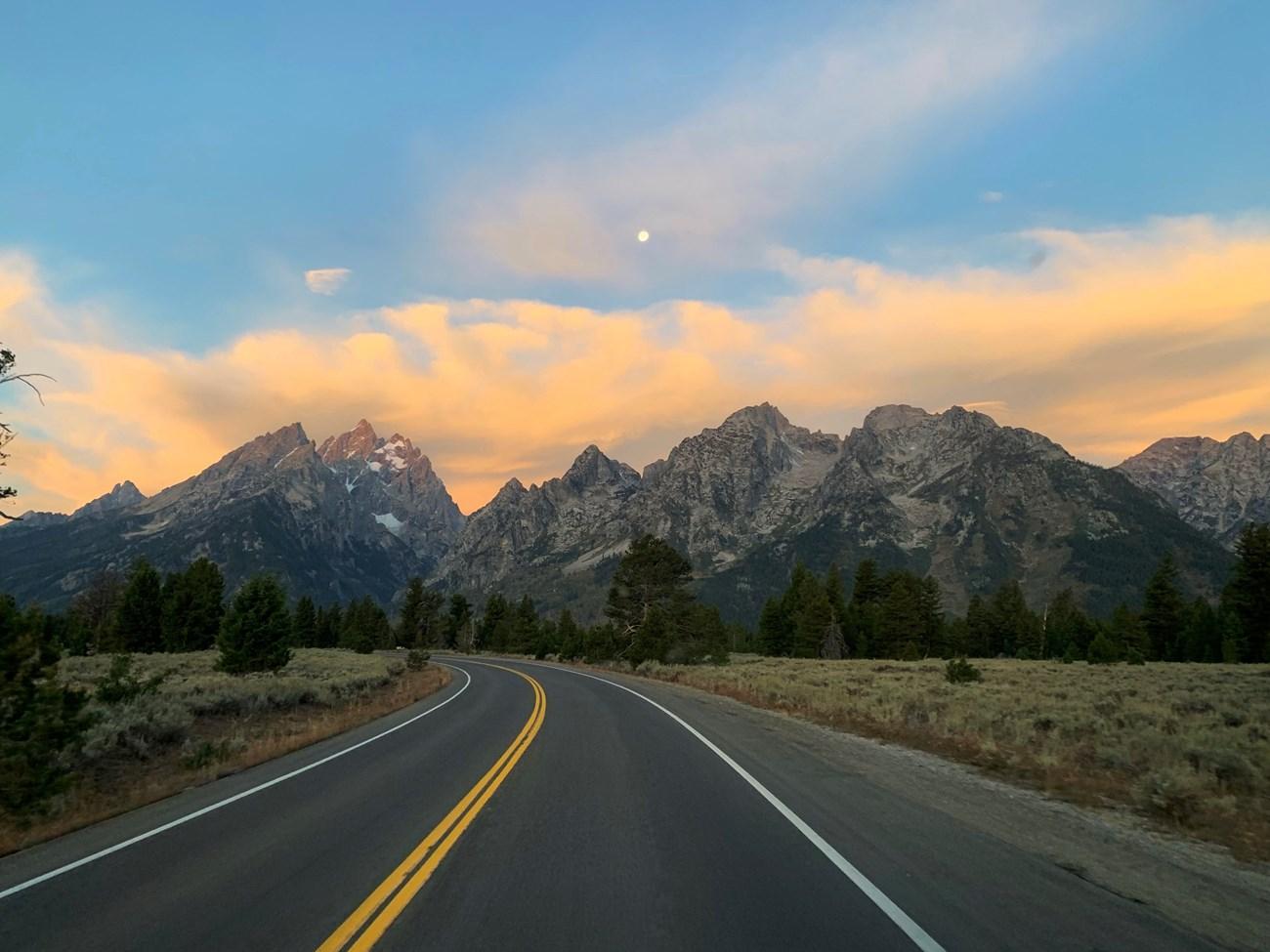 Organ Pipe Cactus National Monument
 offers cactus-filled desert drives, mountain scenery, wildlife and remote Sonoran landscapes in southern Arizona.
Organ Pipe Cactus National Monument
Organ Pipe Cactus National Monument offers cactus-filled desert drives, mountain scenery, wildlife and remote Sonoran landscapes in southern Arizona.
-
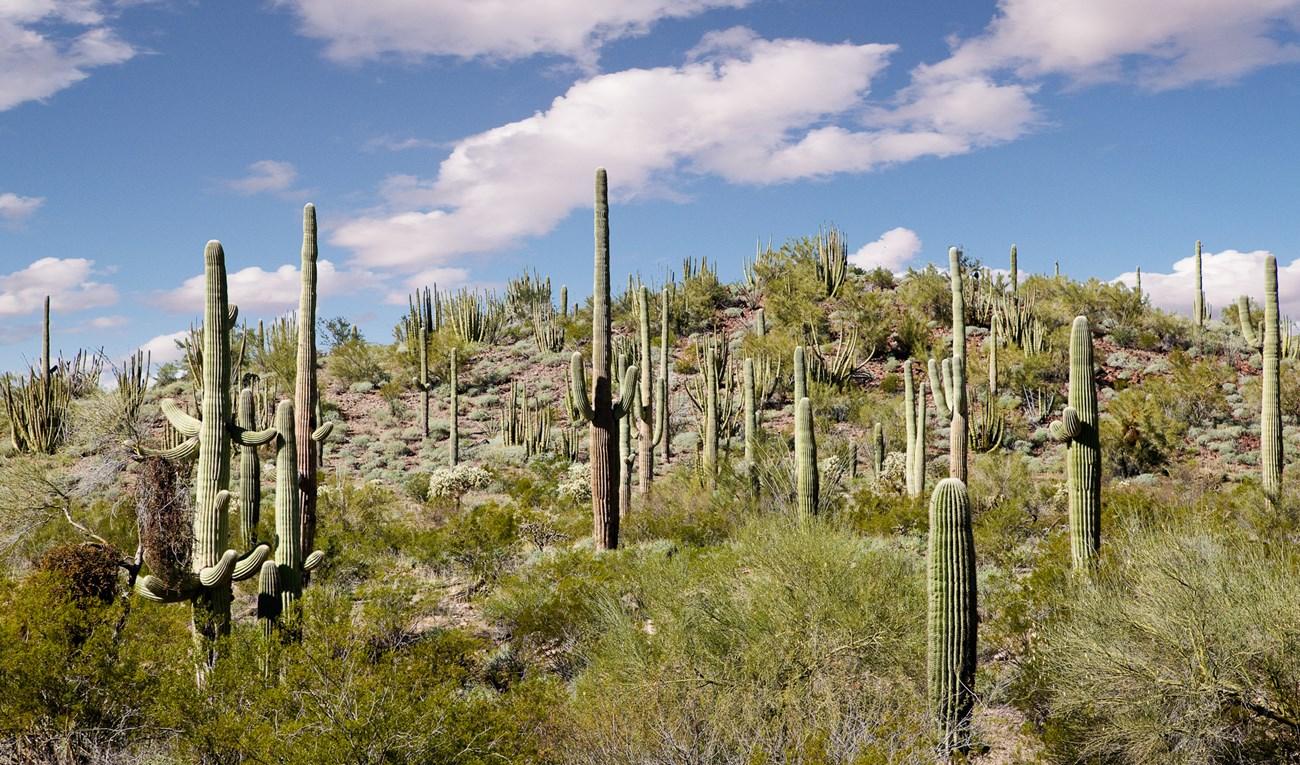 Sonoran Desert
Explore Arizona’s Sonoran Desert through saguaro forests, mountain preserves, Indigenous heritage, desert wildlife and distinctive Phoenix and Tucson landscapes.
Sonoran Desert
Explore Arizona’s Sonoran Desert through saguaro forests, mountain preserves, Indigenous heritage, desert wildlife and distinctive Phoenix and Tucson landscapes.


Swipe for more regions
Explore more

Explore more of Arizona
Discover Arizona: From the majestic Grand Canyon and red rocks of Sedona to the vibrant cities of Phoenix and Scottsdale, explore the diverse beauty and culture of the Grand Canyon State.
Explore Arizona