Lake Chicot State Park, Delta Travel Guide
Discover Arkansas's natural beauty at Lake Chicot State Park: fishing, birding, and outdoor adventures on North America's largest oxbow lake.
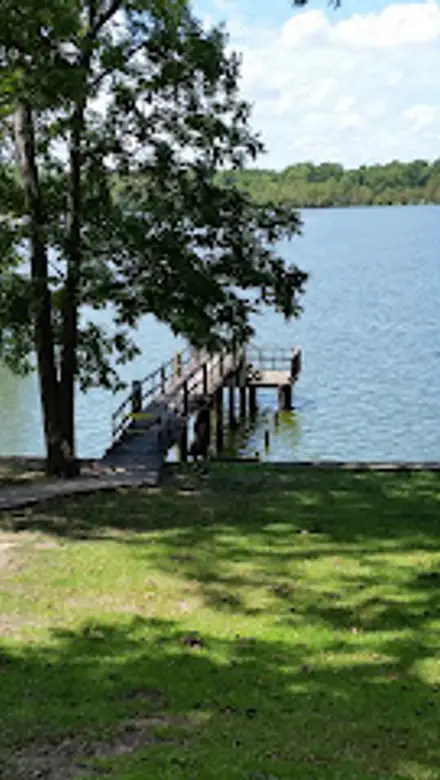
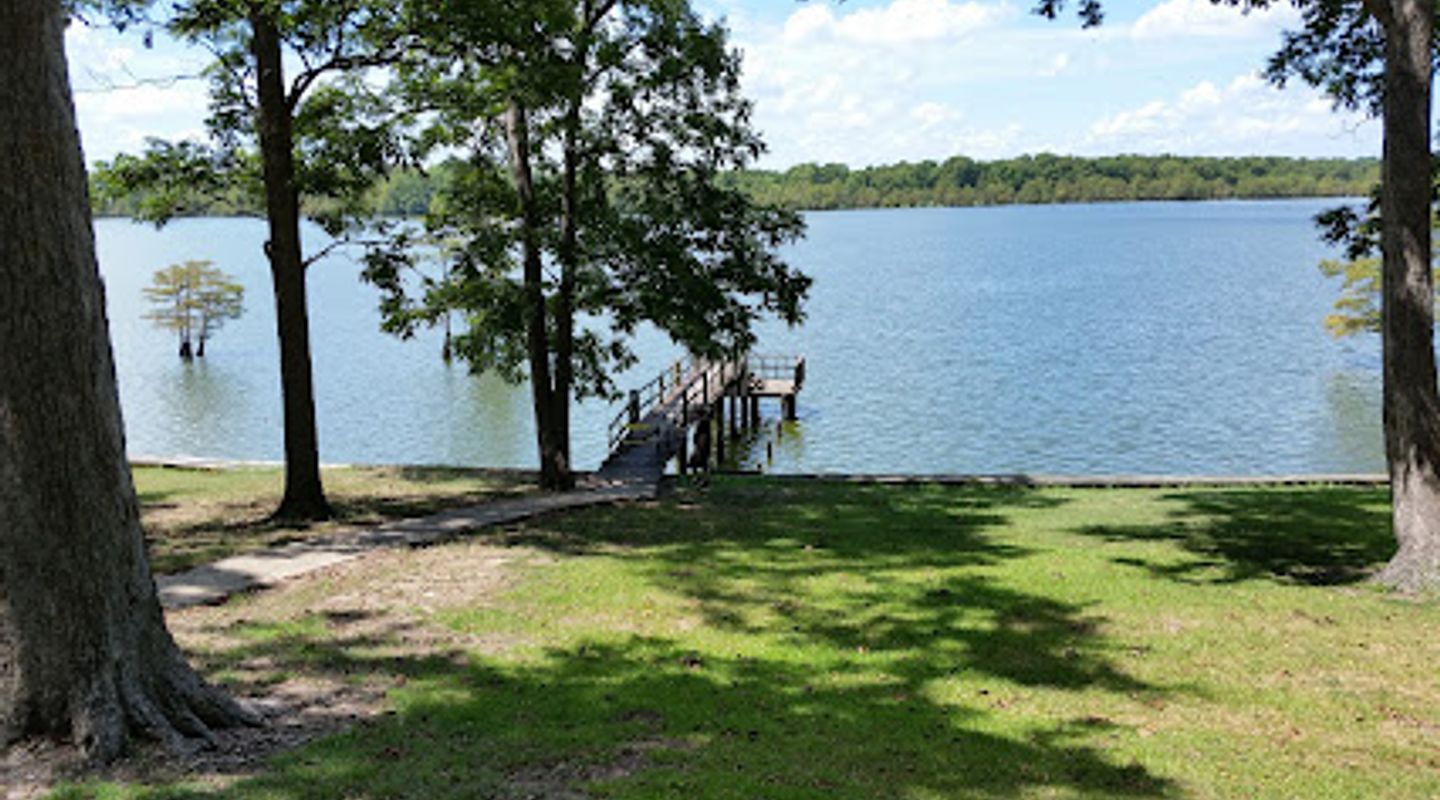
Nestled in the Arkansas Delta, Lake Chicot State Park offers a unique blend of natural beauty and recreational activities. Home to Lake Chicot, North America's largest oxbow lake, the park is a haven for fishing, birdwatching, and outdoor enthusiasts seeking a tranquil escape.
A brief summary to Lake Chicot State Park
- 2542 State Hwy 257, Lake Village, Arkansas, 71653, US
- Click to display
- Click to display

Know before you go
Hi, I'm Eve. Here are a few practical things to know before exploring Lake Chicot State Park.
- Bring binoculars for birdwatching, especially during migration seasons, as the park is located on the Mississippi Flyway.
- Rent a boat or bring your own to explore the lake's cypress-lined shores and hidden coves.
- Check the park's event calendar for guided tours, including lake and levee tours, and historical programs.
- Pack insect repellent, especially during warmer months, to protect against mosquitoes and other insects.
Do you manage this location?
Take control to get all the benefits, like improved information, better appearance, and stronger visibility across AI-powered discovery. Learn more about listing your business on Evendo
Activate your presenceOther nearby places you may find interesting
The closest places of the same kind, if this one is not quite what you had in mind.



Explore Lake Chicot State Park on the Map
A handpicked selection of must-see spots near Lake Chicot State Park, mapped for you.
Getting There
-
Driving
Lake Chicot State Park is located near Lake Village, Arkansas. From Lake Village, take Highway 144 northeast for approximately 8 miles. Alternatively, take Highway 257 southeast from U.S. 65 for 4 miles, then turn onto Highway 144 and follow it northeast for 5 miles to reach the park. There is no fee to enter the park itself, but there are fees associated with some activities and rentals. Note: Some older sources may refer to a different number of campsites, but the park currently offers 122 campsites and 14 cabins.
Discover more about Lake Chicot State Park













Your all‑in‑one travel companion app
Explore expert travel guides, compare and book tours, experiences, hotels, and more—all from the palm of your hand. Download now for seamless trip planning wherever your wanderlust takes you.


Explore More of Delta

Looking beyond Lake Chicot State Park? Discover Delta for broader travel guides, local hot-spots, and regional highlights.
Explore Delta
Discover the unique contributions of Chinese culture to the Mississippi Delta at the Chinese Heritage Museum, a captivating journey through history.
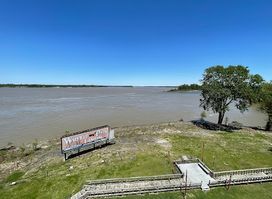
Explore the scenic beauty of Warfield Point Park, a serene gem along the Mississippi River in Greenville, perfect for outdoor activities and family picnics.