

Free Delta Travel Guide & Mobile App
Explore Delta with free travel guides. Discover regional history, expert tips, proposed trips, and audio guides on web or mobile app.


Explore the Arkansas Delta for Mississippi River landscapes, blues heritage, agricultural history, wildlife refuges and distinctive Southern food traditions.
Read more about Delta
Getting to and around Delta
How to get there
Transportation
Top city travel guides in Delta
The cities of Delta, and the easiest places to base yourself.
-

-
-

-

-

-


Swipe for more cities
Destinations in Delta
Resorts, valleys and scenic spots worth a trip of their own.

Swipe for more destinations
Best attractions in Delta
Arkansas Delta attractions are spread across a landscape of river towns, farm country, wetlands and wooded waterways. In Helena-West Helena, the Delta Cultural Center interprets regional music, African American history and life along the Mississippi, while the town's historic streets and riverfront provide context for its role as a port and cultural centre. The Southern Tenant Farmers Museum in Tyronza offers a focused account of Depression-era rural organising, and the Dyess Colony and Johnny Cash Boyhood Home connect New Deal resettlement with twentieth-century popular culture. Hampson Archeological Museum State Park at Wilson presents important evidence of prehistoric settlement. For outdoor travel, Mississippi River State Park, St Francis National Forest, Lake Chicot and other lakes and bottomland areas offer boating, fishing, birdwatching, walking and wildlife observation. Smaller communities contribute courthouses, churches, local museums and historic commercial buildings. The attraction landscape is strongest when cultural history and natural geography are combined rather than treated as separate subjects.
-
Tourist attraction
Hot Springs National Park
Experience the unique blend of natural hot springs and historic bathhouses in the heart of Hot Springs, Arkansas. A relaxing and rejuvenating getaway.
-
Tourist attraction
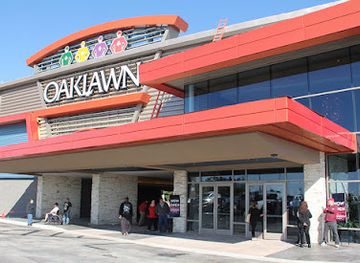
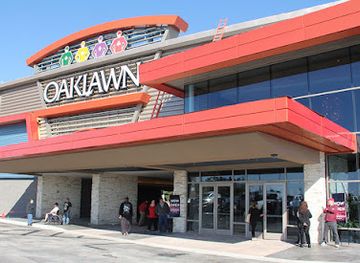
Oaklawn Racing Casino Resort
Experience the thrill of horse racing and casino gaming at Oaklawn Racing Casino Resort, a historic Hot Springs destination.
-
Tourist attraction
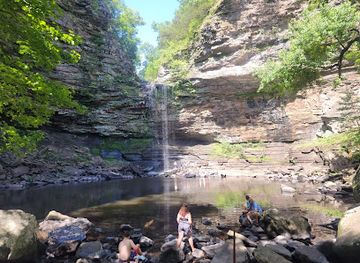
Petit Jean State Park
Explore Arkansas's first state park: stunning landscapes, rich history, and outdoor adventures await at Petit Jean State Park.
-
Tourist attraction
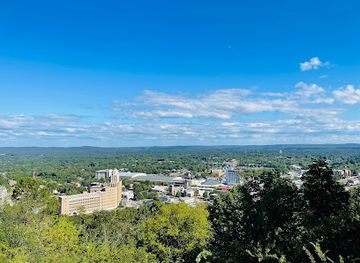
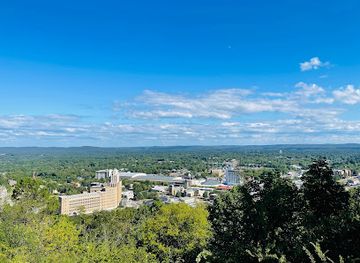
Hot Springs Mountain Tower
Experience breathtaking panoramic views from the Hot Springs Mountain Tower, overlooking Hot Springs National Park and the Ouachita Mountains.

Best landmarks in Delta
The Mississippi River is the Arkansas Delta's defining natural landmark, forming the eastern edge of the state and explaining the region's settlement, commerce, flood-control works and cultural connections. Helena-West Helena's riverfront and historic centre preserve the character of an important river town, while the nearby levee landscape makes the relationship between settlement and water visible. Lake Chicot, an extensive natural oxbow lake near Lake Village, illustrates how the shifting Mississippi created the region's distinctive waterways. The Dyess Colony administration building is a notable surviving focal point of a New Deal planned settlement, and the associated Johnny Cash Boyhood Home gives the site a strong cultural connection. At Wilson, Hampson Archeological Museum State Park marks the location of a prehistoric village and represents the Delta's deep Indigenous history. The Southern Tenant Farmers Museum in Tyronza is architecturally modest, but its former grocery-store setting has considerable historical importance as the birthplace of a significant rural labour movement.
-
Historical landmark
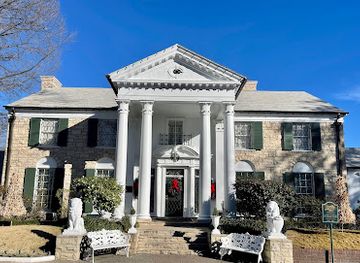
Graceland
Experience the King of Rock 'n' Roll's life and legacy at Graceland, his iconic Memphis home and a must-see for music lovers.
-
Tourist attraction
Hot Springs National Park
Experience the therapeutic waters and rich history of America's Spa. Hike scenic trails and explore historic bathhouses in Hot Springs National Park.
-
Tourist attraction
Graceland Mansion
Experience the King of Rock and Roll's life and legacy at Graceland, his iconic Memphis home and a National Historic Landmark.
-
Tourist attraction
Oaklawn Racing Casino Resort
Experience the thrill of horse racing and casino gaming at Oaklawn Racing Casino Resort, Hot Springs' top entertainment destination since 1904.

Explore Delta on the map
Plan your trip on one map. See where the top cities, national parks and sights are, and book hotels and experiences in a few clicks.
Best hotels in Delta
Best restaurants in Delta
Dining in the Arkansas Delta reflects the region's agricultural economy, African American foodways and Mississippi Valley connections. Catfish, fried chicken, barbecue, greens, beans, cornbread and seasonal vegetables are common reference points, with recipes and preparation varying between family restaurants, cafés and community gatherings. Delta tamales, generally made with seasoned meat in a cornmeal casing, are one of the region's most recognisable specialities and are associated especially with the lower Mississippi Valley. In river towns and larger centres, visitors will find diners, casual Southern restaurants, bakeries and a modest selection of contemporary establishments; rural areas may have fewer choices and earlier closing times. Farmers' markets and roadside sellers can provide fruit, vegetables and locally produced goods in season. Ask locally about daily specials, as the most characteristic dishes are often found on changing menus rather than in formal regional tasting programmes.
-
Italian
Ermilio's Italian Home Cooking
Experience the warmth of home-cooked Italian meals at Ermilio's in Eureka Springs – where every dish tells a story.
-
American
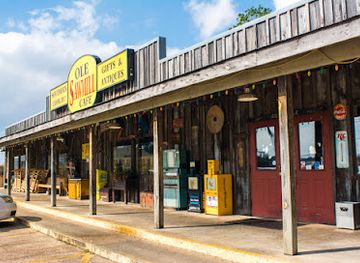
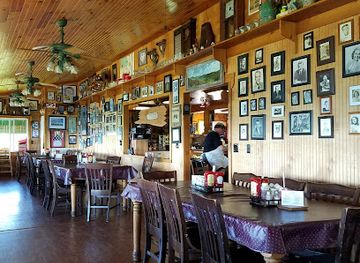
Ole Sawmill Cafe
Experience the heart of American cuisine at Ole Sawmill Cafe in Forrest City – where comfort food meets Southern hospitality.
-
Restaurant
Cliff House Inn
Discover stunning views and delectable cuisine at Cliff House Inn in Jasper, Arkansas – your gateway to Ozark adventures.
-
American
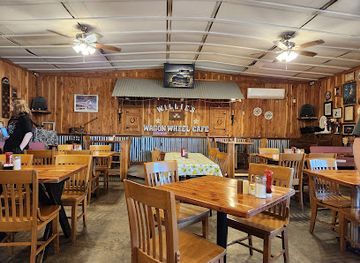
Willie's Wagon Wheel Café
Discover Willie's Wagon Wheel Café: A cozy American breakfast spot in Van Buren offering delicious meals and warm hospitality.

Best bars in Delta
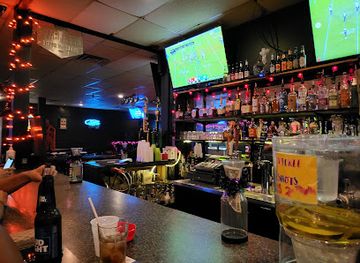
Evening life in the Arkansas Delta is generally centred on traditional bars, restaurants, community events, live music and local gathering places rather than a large nightclub circuit. Helena-West Helena has the strongest public association with blues performance and music heritage, with concerts and cultural events varying by season. Jonesboro provides the broadest choice of restaurants, breweries, bars and entertainment venues in the region, supported by its larger population and university presence. Elsewhere, evenings are more likely to involve a neighbourhood pub, a casual restaurant, a seasonal festival or music in a community venue. Rural towns can have limited late-night transport and widely spaced establishments, so arrange a safe journey in advance. Drinking is not necessary to engage with the Delta's evening culture; music, food and local events are equally important parts of the experience.
-
Bar
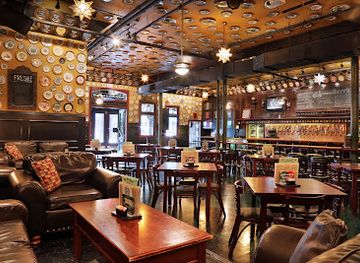
Flying Saucer Draught Emporium
Discover an exciting selection of beers and delicious American cuisine at the Flying Saucer Draught Emporium in Little Rock, a must-visit for foodies and beer lovers.
-
Fast Food
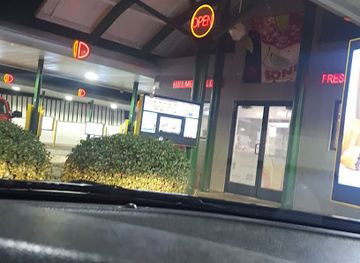
Sonic Drive-In
Savor classic American fast food at Sonic Drive-In in Magnolia, Arkansas, where delicious meals meet nostalgic drive-in service.
-
Fast Food
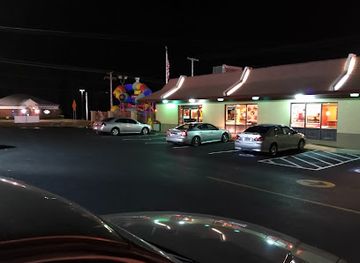
McDonald's
Discover the classic fast-food experience at McDonald's in Magnolia, Arkansas, offering a wide range of affordable meals in a welcoming atmosphere.
-
Grill
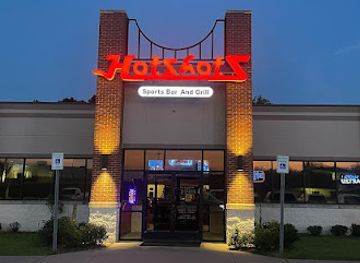
Hotshots Sports Bar & Grill
Join the excitement at Hotshots Sports Bar & Grill in El Dorado, where great food meets thrilling sports in a vibrant atmosphere.
Best nightclubs in Delta
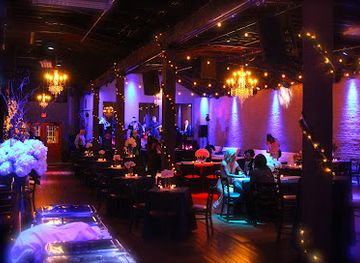
Evening life in the Arkansas Delta is generally centred on traditional bars, restaurants, community events, live music and local gathering places rather than a large nightclub circuit. Helena-West Helena has the strongest public association with blues performance and music heritage, with concerts and cultural events varying by season. Jonesboro provides the broadest choice of restaurants, breweries, bars and entertainment venues in the region, supported by its larger population and university presence. Elsewhere, evenings are more likely to involve a neighbourhood pub, a casual restaurant, a seasonal festival or music in a community venue. Rural towns can have limited late-night transport and widely spaced establishments, so arrange a safe journey in advance. Drinking is not necessary to engage with the Delta's evening culture; music, food and local events are equally important parts of the experience.
-
Night club
Eureka Live
Experience the vibrant nightlife at Eureka Live, where cocktails, dancing, and karaoke come together for an unforgettable evening in Eureka Springs.
-
Night club
Club 27
Dive into the energetic nightlife of Club 27, a premier dance club in Little Rock, where music, dancing, and unforgettable moments collide.
-
Night club
C4 Nightclub & Lounge
C4 Nightclub & Lounge in Fayetteville, AR, offers an inclusive nightlife experience with electrifying music, vibrant decor, and a welcoming atmosphere for all.
-
Bar
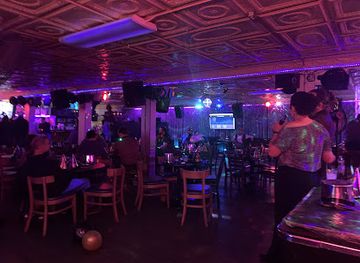
The Roxx Club
Experience the vibrant nightlife of Jacksonville at The Roxx Club, where delicious food, karaoke, and great company await you.

Best shops in Delta
Shopping in the Arkansas Delta is concentrated in the high streets and commercial centres of towns such as Jonesboro, Helena-West Helena, Blytheville, Forrest City and Lake Village, with larger towns offering the broadest selection of practical retail and independent services. The most distinctive purchases are usually regional rather than luxury goods: packaged Delta tamales, catfish-related products, locally made preserves, farm produce, books on Southern history, blues recordings and crafts connected with local artists. Seasonal farmers' markets and roadside stands can be good sources of fruit, vegetables and homemade goods, although locations and operating days vary. Historic downtowns may contain antiques, second-hand shops, galleries and small specialist retailers, particularly where buildings have been reused for cultural or community purposes. Visitors should not expect a continuous shopping district across the rural Delta; retail is dispersed, and it is wise to buy essentials before travelling to remote lakes, forests or small settlements.
-
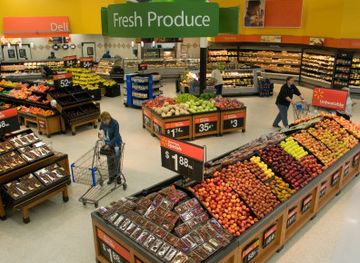
Department store
Walmart Supercenter
Discover the ultimate shopping experience at Walmart Supercenter in Magnolia, Arkansas, where convenience meets affordability for all your travel needs.
-
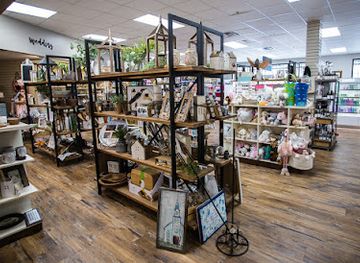
Gift shop
Martin's
Discover unique gifts, fashion, and friendly service at Martin's Gift Shop in Hope, Arkansas – a local treasure for every traveler.
-
Tobacco shop
Tobacco Station USA
Explore Tobacco Station USA in Magnolia, AR - a haven for cigar lovers with unique glassware and novelty items.
-
Grocery store
Terry's Fresh Market
Experience the local flavors at Terry's Fresh Market, the top grocery store in Waldo, Arkansas, offering fresh produce and local delicacies.

Get your free copy of our complete guide to Delta, delivered straight to you.
Everything on this page, from attractions and restaurants to essentials and local phrases, in one PDF you can read offline, print or share.
Already have an account? Sign in
Your Delta guide is ready.
We'll send it to · Not you? Sign out

Getting your guide ready…
We are putting together a fresh copy of the Delta guide. This can take up to a minute.
This can take a few moments. If your browser asks, choose Allow so the download can start. You'll find the guide in your Downloads folder.
Nothing happened? Download it again
Sorry, the guide is taking longer than usual. Please try again in a minute, or get it by email instead.
Delta essentials
Currency and Payment
Safety
Emergency Situations
Do's and Don'ts
Local Tips
From Eve
Local phrases worth knowing
You don't need to get them perfect. A few words go a long way, and locals appreciate the effort.
Basics
| English | Local | Say it |
|---|---|---|
| Hello | Howdy | [haʊdi] |
| Goodbye | See ya later | [si jə ˈleɪtər] |
| Yes | Yup | [jʌp] |
| No | Nah | [nɑ] |
| Please/You're welcome | No problem | [noʊ ˈprɑbləm] |
| Thank you | Thanks a bunch | [θæŋks ə bʌnʧ] |
| Excuse me/Sorry | Pardon me | [ˈpɑrdən mi] |
| How are you? | How ya doin'? | [haʊ jə ˈduɪn] |
| Fine. And you? | I'm good. You? | [aɪm gʊd. ju] |
| Do you speak English? | Ya speakin' English? | [jə ˈspikin ˈɪŋɡlɪʃ] |
| I don't understand | I ain't gettin' it | [aɪ eɪnt ˈɡɛtɪn ɪt] |
Eating & Drinking
| English | Local | Say it |
|---|---|---|
| I'd like to see the menu, please | Can I see the menu, please? | [kæn aɪ si ðə ˈmɛnju pliz] |
| I don't eat meat | I don't eat no meat | [aɪ doʊnt it noʊ mit] |
| Cheers! | Cheers! | [ʧɪrz] |
| I would like to pay, please | Can I get the check, please? | [kæn aɪ ɡɛt ðə ʧɛk pliz] |
Emergencies
| English | Local | Say it |
|---|---|---|
| Help! | Help! | [hɛlp] |
| Go away! | Leave me alone! | [liv mi əˈloʊn] |
| Call the Police! | Call the cops! | [kɔl ðə kɑps] |
| Call a doctor! | Get a doctor! | [ɡɛt ə ˈdɑktər] |
| I'm lost | I'm lost | [aɪm lɔst] |
| I'm ill | I'm sick | [aɪm sɪk] |
Shopping
| English | Local | Say it |
|---|---|---|
| I'd like to buy... | I wanna buy... | [aɪ ˈwɑnə baɪ] |
| I'm just looking | Just browsin' | [dʒʌst ˈbraʊzɪn] |
| How much is it? | How much it cost? | [haʊ mʌʧ ɪt kɔst] |
| That's too expensive | That's a bit high | [ðæts ə bɪt haɪ] |
| Can you lower the price? | Can ya bring it down? | [kæn jə brɪŋ ɪt daʊn] |
Time & Numbers
| English | Local | Say it |
|---|---|---|
| What time is it? | What time it be? | [wʌt taɪm ɪt bi] |
| It's one o'clock | It's one o'clock | [ɪts wʌn əˈklɔk] |
| Half past (10) | Half past ten | [hæf pæst tɛn] |
| Morning | Mornin' | [ˈmɔrnɪn] |
| Afternoon | Afternoon | [ˌæftərˈnun] |
| Evening | Evenin' | [ˈivnɪn] |
| Yesterday | Yesterday | [ˈjɛstərdeɪ] |
| Today | Today | [təˈdeɪ] |
| Tomorrow | Tomorrow | [təˈmɔroʊ] |
| 1 | One | [wʌn] |
| 2 | Two | [tu] |
| 3 | Three | [θri] |
| 4 | Four | [fɔr] |
| 5 | Five | [faɪv] |
| 6 | Six | [sɪks] |
| 7 | Seven | [ˈsɛvən] |
| 8 | Eight | [eɪt] |
| 9 | Nine | [naɪn] |
| 10 | Ten | [tɛn] |
Transport & Directions
| English | Local | Say it |
|---|---|---|
| Where's a/the...? | Where's the...? | [wɛrz ðə] |
| What's the address? | What's the address? | [wʌts ðə əˈdrɛs] |
| Can you show me (on the map)? | Can ya show me on the map? | [kæn jə ʃoʊ mi ɑn ðə mæp] |
| When's the next (bus)? | When's the next bus? | [wɛn ðə nɛkst bʌs] |
| A ticket (to ....) | A ticket to... | [ə ˈtɪkɪt tə] |
History of Delta
Indigenous Settlements and the Mississippi Plain
The Arkansas Delta has been inhabited for thousands of years by Indigenous peoples who used the rivers, wetlands and fertile floodplain for fishing, hunting, farming and trade. The Hampson Archeological Museum State Park at Wilson preserves and interprets material from the site of a prehistoric Native American village, including pottery, tools and evidence of organised settlement. Mississippian-period communities built complex societies across the lower Mississippi region, and archaeological remains in eastern Arkansas provide an important counterpoint to the later history of plantations, railways and commercial agriculture.
Colonial Arkansas and Arkansas Post
European colonial activity reached the lower Arkansas River during the late seventeenth century, when Henri de Tonti established Arkansas Post in 1686. Although the surviving and reconstructed site lies in the Arkansas Delta's broader southern cultural landscape rather than on the Mississippi itself, it represents the beginnings of permanent European settlement in what became Arkansas. The post changed hands between French, Spanish and American authorities before the Louisiana Purchase brought the territory into the United States in 1803. Its history reflects the strategic importance of river routes and the meeting of Indigenous, European and American interests.
Plantations, Enslavement and Emancipation
During the nineteenth century, the Delta's rich alluvial soils encouraged the expansion of cotton agriculture. Wealthy planters acquired large tracts, while enslaved African Americans performed much of the agricultural labour under a violent system that transformed the region's population, economy and landscape. Emancipation during the American Civil War ended legal slavery, but unequal land ownership and labour arrangements continued to shape rural life after the conflict. Historic buildings, cemeteries, oral histories and African American communities remain important to understanding this period, which should not be reduced to plantation architecture alone.
River Ports, Railways and Commercial Agriculture
The Mississippi River and its tributaries provided transport routes for cotton, timber and other agricultural goods, while railways connected inland settlements with river ports and national markets. Towns such as Helena, Osceola, Blytheville and Forrest City developed through this combination of farming, trade and transport. Levees and drainage works gradually altered the floodplain, making more land available for intensive cultivation but also increasing the consequences of major floods. The modern Delta landscape, with its large fields, straight roads, small communities and engineered waterways, is closely tied to these nineteenth- and twentieth-century changes.
The Great Depression and the Southern Tenant Farmers' Union
The collapse of agricultural prices during the Great Depression exposed the insecurity of tenant farmers, sharecroppers and hired labourers. In 1934, the Southern Tenant Farmers' Union was founded in the Arkansas Delta town of Tyronza by interracial groups seeking better treatment and greater economic security, an unusual and significant development in the segregated South. The Southern Tenant Farmers Museum, housed in a former grocery building, interprets the movement and the wider lives of rural workers. Its story helps explain the region's later labour activism, migration and political change.
New Deal Resettlement at Dyess
The Dyess Colony was created by the federal government during the New Deal as a planned agricultural settlement for impoverished families. Established in Mississippi County in the 1930s, it provided small farms and new homes, although residents faced difficult conditions and uncertain economic prospects. The colony is also associated with the childhood of musician Johnny Cash, whose family lived there before moving away. The restored Dyess Colony administration building and Johnny Cash Boyhood Home connect national New Deal policy with the personal and social history of an Arkansas Delta community.
African American Cultural Life and the Blues
African American communities have shaped the Delta's music, religion, foodways, language and civic life across generations. Helena-West Helena became an important location in the history of blues performance and recording, linked to musicians who travelled through the lower Mississippi Valley and to the long-running King Biscuit Time radio tradition. The region's blues heritage developed from African American experience, not simply from tourism, and it continues through museums, local performances, radio, churches and annual cultural events. Contemporary interpretation increasingly places musical history alongside the realities of segregation, labour and migration.
Delta in Photos
Browse through our photo collection highlighting the charm and character of the destination.
Neighbouring regions of Delta
The closest regions to Delta, if you have time for more than one.
-

-

-

-

-


Swipe for more regions
Explore more

Explore more of Arkansas
Explore Arkansas: The Natural State with its stunning landscapes, rich history, and vibrant cultural experiences. Perfect for adventurers and culture seekers alike.
Explore Arkansas