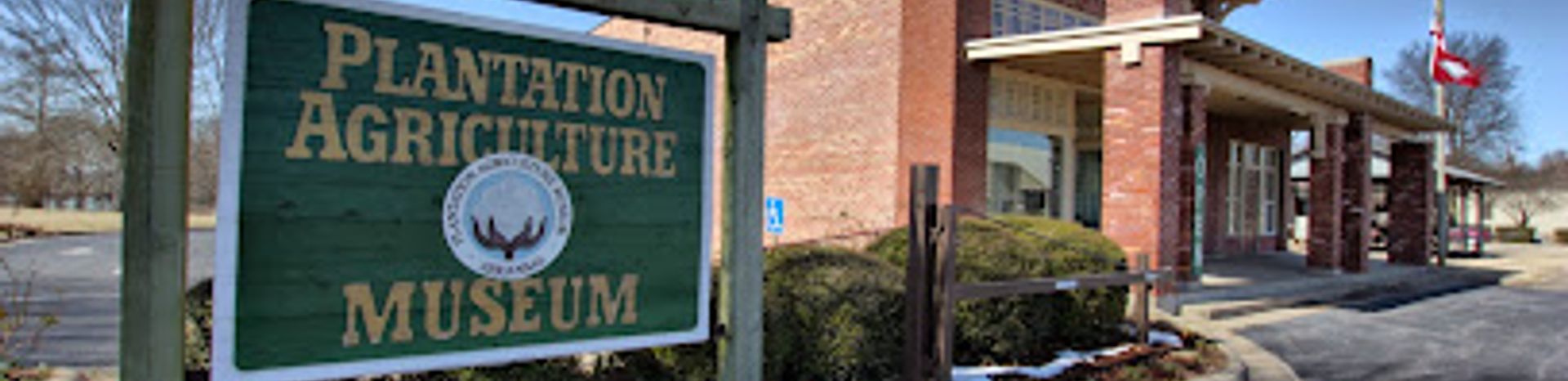
Plantation Agriculture Museum: A Glimpse into Arkansas's Cotton Heritage
Explore Arkansas's agricultural heritage at the Plantation Agriculture Museum, showcasing cotton farming from statehood to WWII in historic buildings and exhibits.
The Plantation Agriculture Museum in Scott, Arkansas, preserves the state's cotton agriculture history from statehood in 1836 through World War II. Exhibits showcase the lives of those who worked the land and the evolution of farming practices.
A brief summary to Plantation Agriculture Museum
- 4815 AR-161, Scott, Arkansas, 72142, US
- +1501-961-1409
- Visit website
Local tips
- Check out the Dortch Gin Building to see the restored 1920s Munger cotton gin and cotton press.
- Visit Seed Warehouse No. 5, listed on the National Register of Historic Places, to learn about seed storage and distribution.
- Explore the outdoor tractor exhibit to see vintage tractors and farm equipment.

Getting There
-
Driving
The Plantation Agriculture Museum is located at 4815 AR-161, Scott, AR 72142. From Little Rock, take I-440 to Exit 7 and go south on U.S. 165 for five miles to the museum. Parking is available on-site. Contact the park for specific parking questions.
-
Public Transport
While public transportation options directly to the Plantation Agriculture Museum are limited, you can take a bus to a nearby location on U.S. 165 and then take a short taxi or ride-sharing service to the museum. Taxi/ride-share from a connecting bus stop could cost approximately $15-$25.
Discover more about Plantation Agriculture Museum
Iconic landmarks you can’t miss

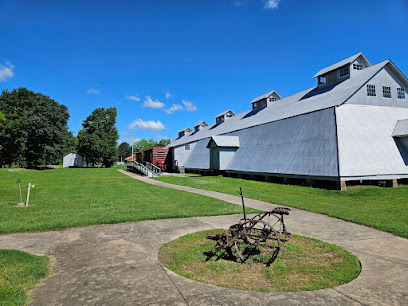
Seed Warehouse No. 5
0.2 km
Explore Arkansas's agricultural heritage at Seed Warehouse No. 5, a historical attraction showcasing the state's farming legacy and rich culture.
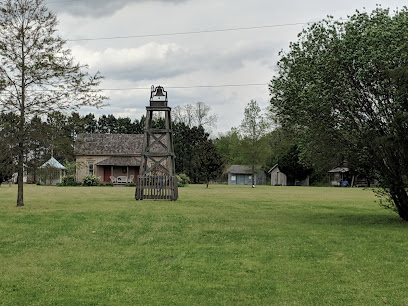
Scott Settlement
0.8 km
Step back in time at Scott Plantation Settlement, exploring Arkansas's rich agricultural heritage through preserved buildings and interactive exhibits.
Little Rock Campaign Historical Marker
3.5 km
Explore the Little Rock Campaign Historical Marker, a vital symbol of the civil rights movement and a testament to the fight for equality in America.
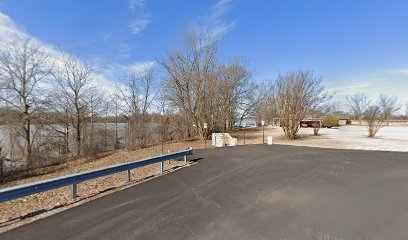
On The Border Mexican Grill & Cantina
16.4 km
Discover a vibrant dining experience at On The Border Mexican Grill & Cantina, where authentic flavors meet a lively atmosphere in Sherwood, Arkansas.
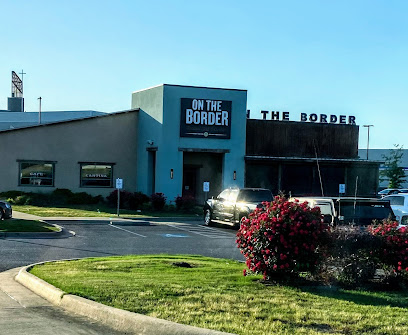
Saltgrass Steak House
16.4 km
Discover the taste of Texas at Saltgrass Steak House, where succulent steaks and fresh seafood create an unforgettable dining experience in Sherwood, Arkansas.
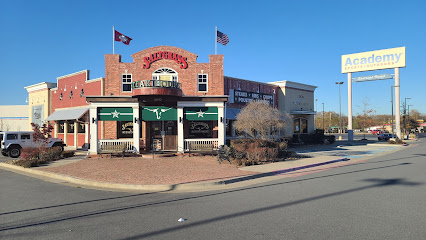
Neighbors/Area 51
16.5 km
Sherwood's go-to grill and pub for tasty food, live music, and a friendly neighborhood vibe. A local favorite!
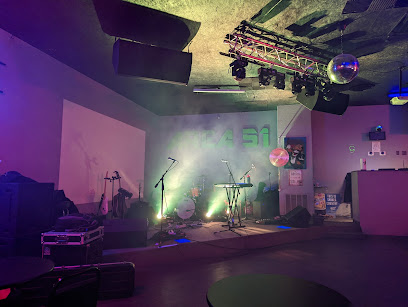
Hanger House
16.6 km
Explore the rich architectural and historical heritage of Little Rock at Hanger House, a must-visit museum showcasing Frederick Hanger's legacy.
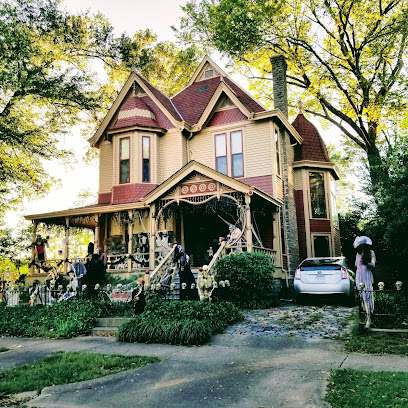
Brushy Island
16.7 km
Discover the serene charm of Brushy Island in Sherwood, Arkansas, a perfect natural retreat for tourists seeking beauty and tranquility.

Beacon of Peace and Hope
16.8 km
Explore the Beacon of Peace and Hope, a cultural landmark in North Little Rock that symbolizes unity, resilience, and community spirit.
Little Rock Guest Guide
16.8 km
Discover the vibrant culture, rich history, and culinary delights of Little Rock with the Little Rock Guest Guide, your essential travel companion in Arkansas.
Cool Caps by Blue Train Apparel
16.9 km
Discover unique custom apparel at Cool Caps by Blue Train Apparel, a premier destination in Sherwood, Arkansas for screen printing and embroidery.
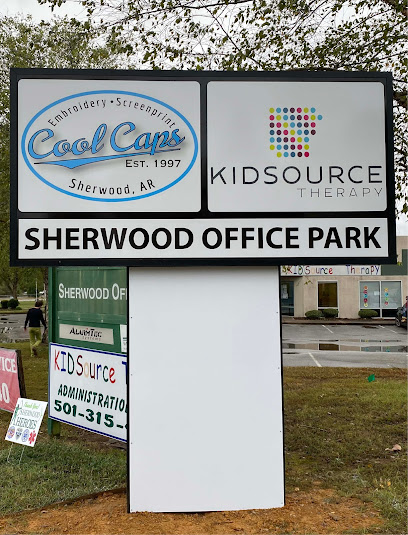
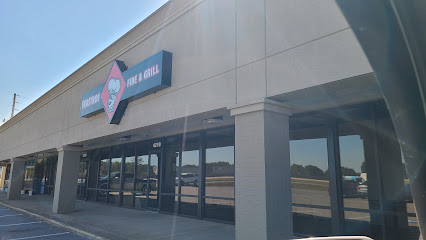
Feastros Fire and Grill
17.0 km
Discover the essence of Southern comfort food at Feastros Fire and Grill in Sherwood, AR, where flavors and hospitality unite.
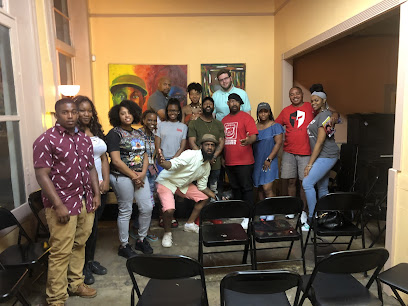
The House of Art
17.0 km
Explore local artistry and community spirit at The House of Art in North Little Rock, a vibrant gallery showcasing emerging talents and unique exhibits.
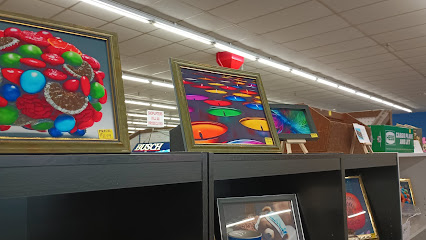
Indian Head Shopping Center
17.0 km
Discover a shopper's paradise at Indian Head Shopping Center in Sherwood, Arkansas, where shopping, dining, and entertainment come together for an unforgettable experience.
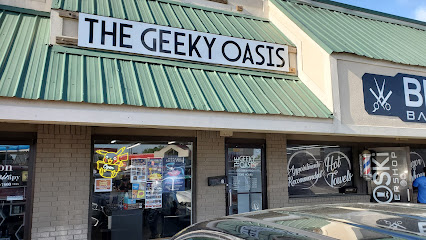
The Geeky Oasis
17.0 km
Sherwood's ultimate destination for collectibles, trading cards, imported snacks, and a thriving geek community!
Unmissable attractions to see

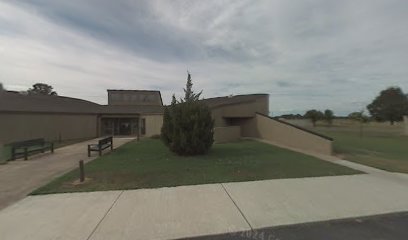
Mound A
6.4 km
Discover ancient Native American history at Plum Bayou Mounds Archeological State Park, home to Arkansas's tallest prehistoric mounds and ongoing archeological research.
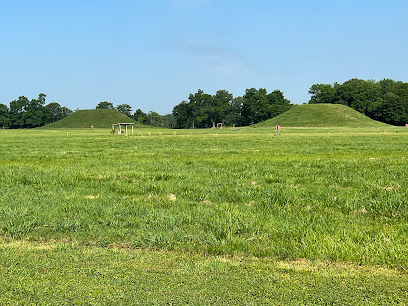
Plum Bayou Mounds Archeological State Park
6.5 km
Explore ancient Native American mounds in Arkansas, discover the Plum Bayou culture, and walk through history at this National Historic Landmark.
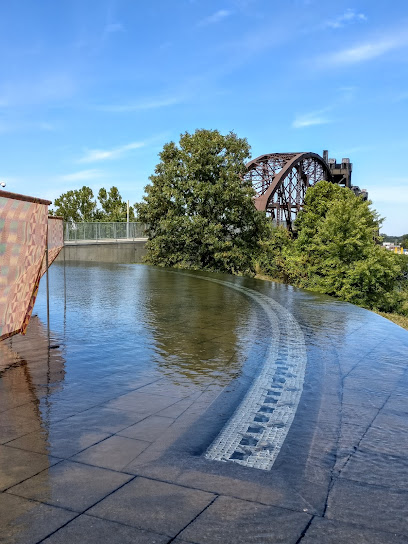
William J. Clinton Library and Museum
15.8 km
Explore the life and presidency of Bill Clinton at this Little Rock landmark, featuring interactive exhibits and historical archives.
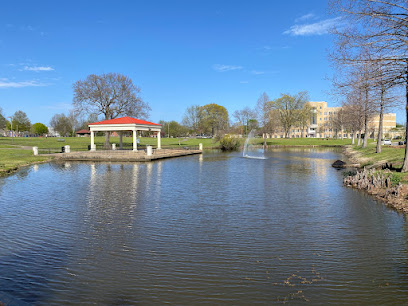
MacArthur Park
16.0 km
Explore Little Rock's oldest park: where military history meets art, gardens, and outdoor fun in the heart of the city.
Arkansas Korean War Veterans Memorial
16.0 km
A solemn and beautiful memorial in Little Rock's MacArthur Park, honoring the brave Arkansans who served in the Korean War.
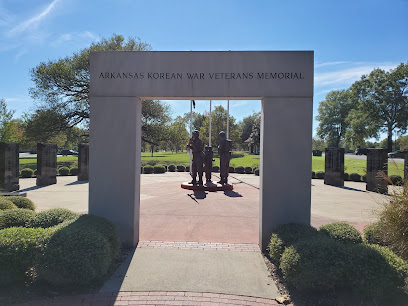
William E. Clark Presidential Park Wetlands
16.1 km
Explore a revitalized natural habitat in the heart of Little Rock, adjacent to the Clinton Presidential Library and the Arkansas River.
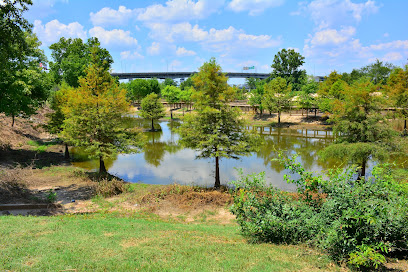
MacArthur Museum of Arkansas Military History
16.1 km
Explore Arkansas' military past at the MacArthur Museum, located in the historic Little Rock Arsenal, the birthplace of General Douglas MacArthur.
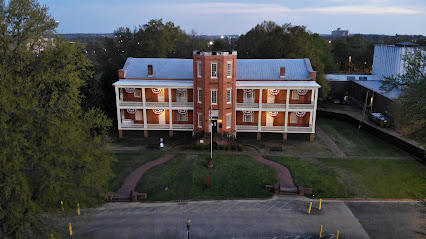
Arkansas Museum of Fine Arts
16.2 km
Discover the Arkansas Museum of Fine Arts: A vibrant hub of creativity showcasing diverse art collections and community programs in Little Rock.
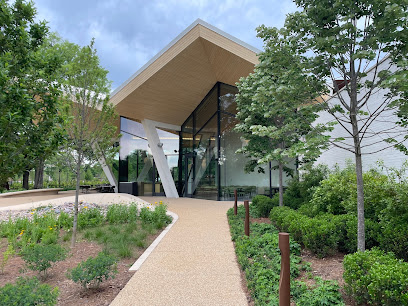
Curran Hall
16.2 km
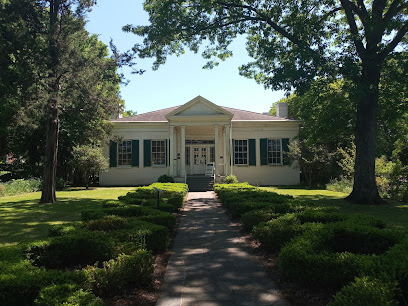
Discover Little Rock's history and plan your adventure at Curran Hall, a beautifully preserved antebellum home and visitor center.
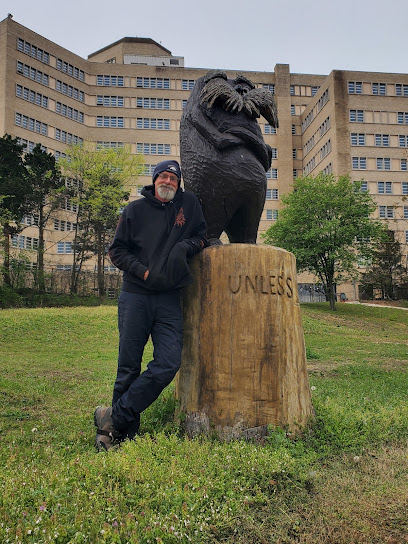
Lorax Tree Carving
16.2 km
A whimsical and inspiring tribute to Dr. Seuss's Lorax, promoting environmental stewardship in the heart of Little Rock's Pettaway neighborhood.
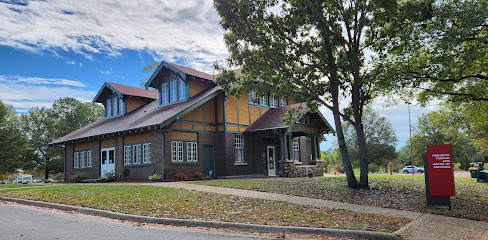
Firehouse Museum & Hostel
16.2 km
Stay in a historic 1917 fire station! The Firehouse Museum & Hostel offers budget-friendly lodging and a glimpse into Little Rock's firefighting past.
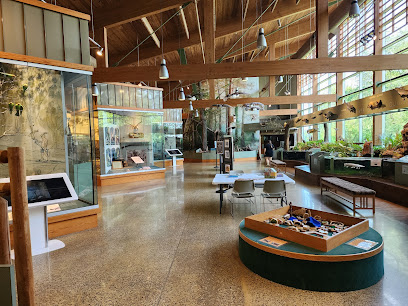
AGFC Witt Stephens Jr. Central Arkansas Nature Center
16.4 km
Explore Arkansas's natural beauty and wildlife at this educational nature center in downtown Little Rock, featuring aquariums, exhibits, and riverfront views.
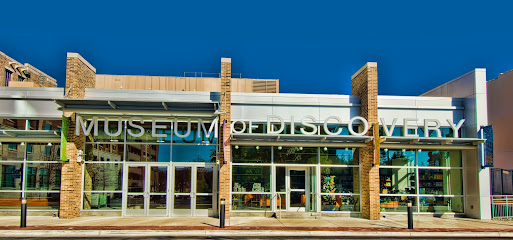
Museum of Discovery
16.4 km
Explore interactive science exhibits, a live animal collection, and a world-record Tesla coil at Little Rock's Museum of Discovery!
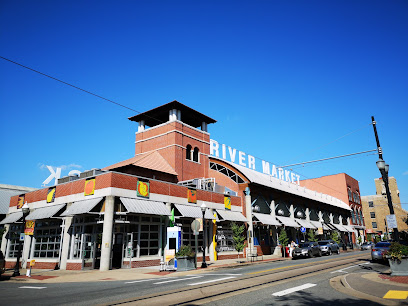
River Market Pavilions
16.5 km
Experience the vibrant heart of Little Rock at the River Market Pavilions, a hub of local commerce, events, and community spirit on the Arkansas River.
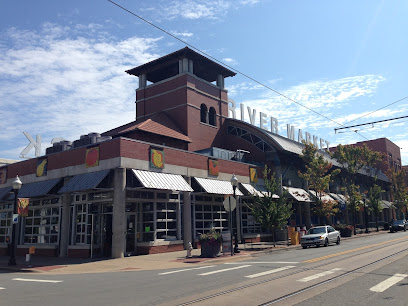
Little Rock River Market
16.5 km
Experience the heart of Little Rock at the River Market: a vibrant hub for food, culture, events, and riverside charm in the River Market District.
Essential places to dine

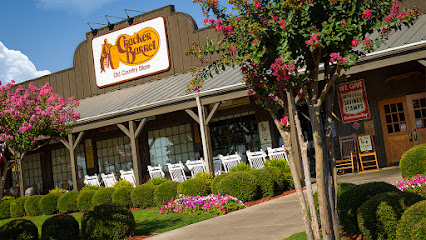
Cracker Barrel Old Country Store
14.6 km
Experience authentic Southern cuisine at Cracker Barrel Old Country Store in North Little Rock - where comfort food meets charming decor.
Rivera Italian Restaurant
14.9 km
Experience authentic Italian flavors at Rivera Italian Restaurant in North Little Rock – where every meal feels like a journey to Italy.
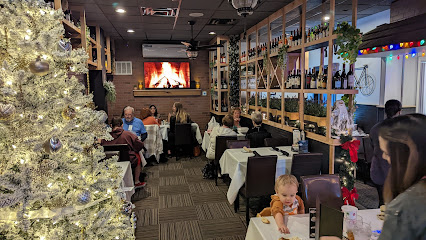
Verla's
15.1 km
Experience the heartwarming flavors of Southern cuisine at Verla's in North Little Rock – a must-visit for soul food lovers!
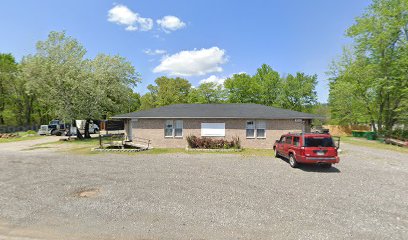
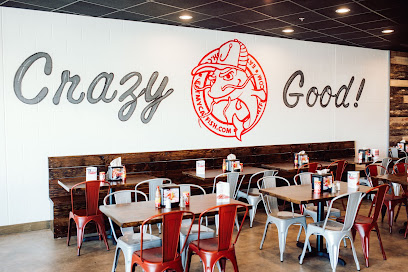
Eat My Catfish
15.3 km
Experience Southern Seafood Delights at Eat My Catfish - A Must-Visit Restaurant in North Little Rock!
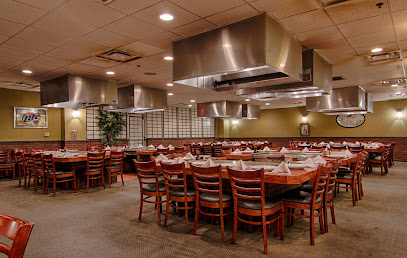
Kanpai Japanese Steak & Sushi
15.5 km
Discover the flavors of Japan at Kanpai Japanese Steak & Sushi - where tradition meets modern dining in North Little Rock.
Texas Roadhouse
15.8 km
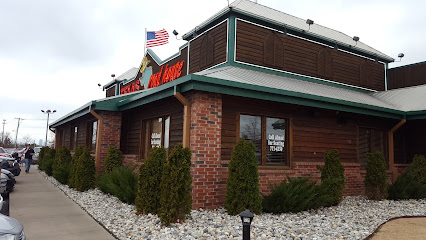
Experience the best steaks and Southern hospitality at Texas Roadhouse in North Little Rock—where every meal is a celebration.
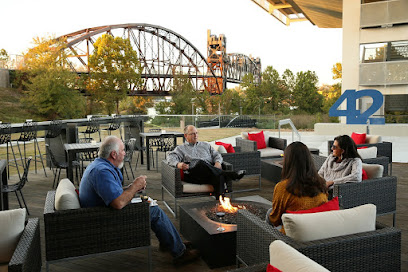
42 bar and table
15.8 km
Savor American cuisine at 42 Bar and Table in Little Rock - where delicious food meets vibrant bar culture.
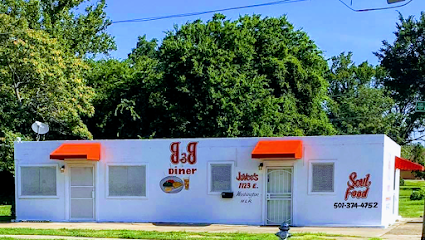
J and J Diner
15.8 km
Experience authentic Southern cuisine at J and J Diner in North Little Rock - where every dish tells a story.
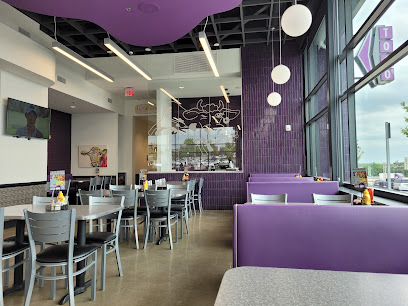
The Purple Cow Restaurant (North Little Rock)
15.8 km
Discover unique comfort food and vibrant atmosphere at The Purple Cow Restaurant in North Little Rock - where every meal is an adventure.
BJ's Restaurant & Brewhouse
15.9 km
Discover BJ's Restaurant & Brewhouse in North Little Rock – where delicious cuisine meets local craft beer in a vibrant sports bar atmosphere.
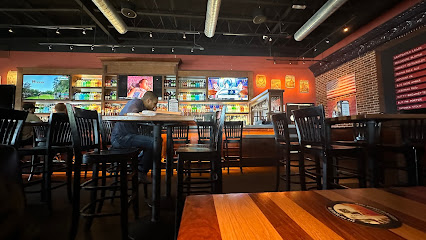
Butta's Bar& Grill
15.9 km
Experience the best of Southern hospitality at Butta's Bar & Grill in North Little Rock—where great food meets welcoming vibes.
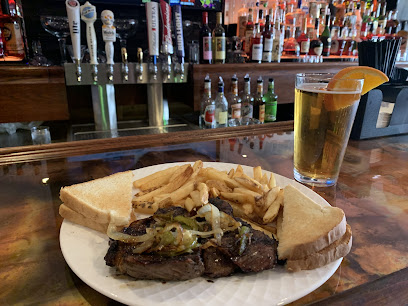
Waldo's Chicken and Beer - North Little Rock
15.9 km
Experience the ultimate Southern dining at Waldo's Chicken and Beer in North Little Rock – where delicious comfort food meets vibrant sports bar fun.
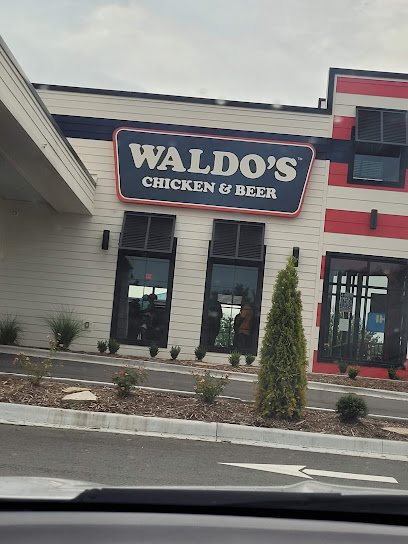
Whole Hog Cafe North Little Rock
15.9 km
Discover authentic Southern barbecue at Whole Hog Cafe in North Little Rock - where every bite tells a story of flavor and tradition.
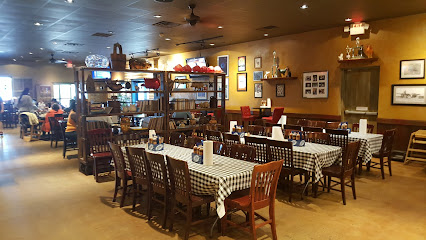
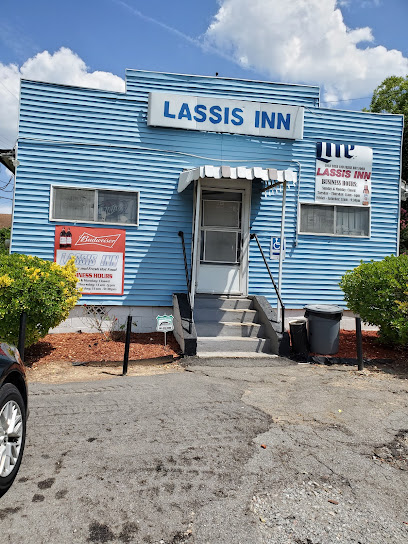
Lassis Inn
16.0 km
Discover Lassis Inn in Little Rock: A seafood lover's paradise offering fresh catches and Southern hospitality.
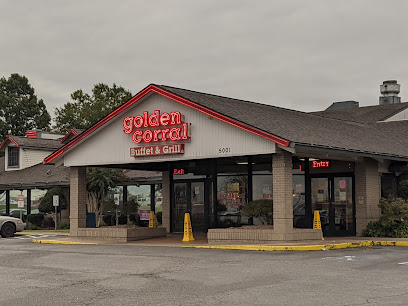
Golden Corral Buffet & Grill
16.0 km
Experience the best of American cuisine at Golden Corral Buffet & Grill in North Little Rock – perfect for families and food lovers alike.
Markets, malls and hidden boutiques

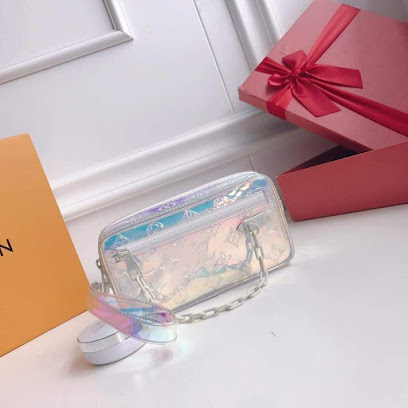
Simple Reveal Boutique
7.0 km
Explore Simple Reveal Boutique for exclusive fashion finds and unique accessories that embody local style and elegance.
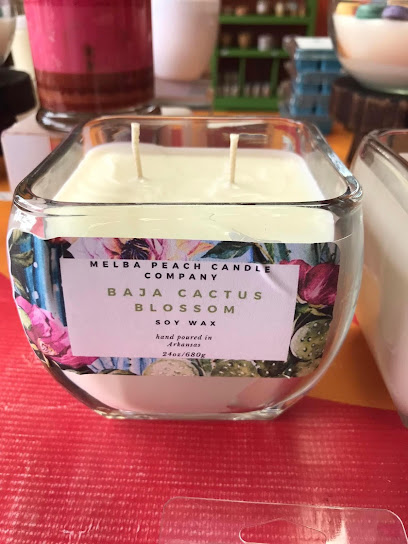
Melba Peach Candle Company
7.0 km
Explore the Melba Peach Candle Company for artisanal candles and unique gifts that capture the essence of creativity and warmth.
Gypsy Soul Creations
7.0 km
Dive into creativity at Gypsy Soul Creations, where local artistry meets unique handmade crafts for the perfect souvenir.
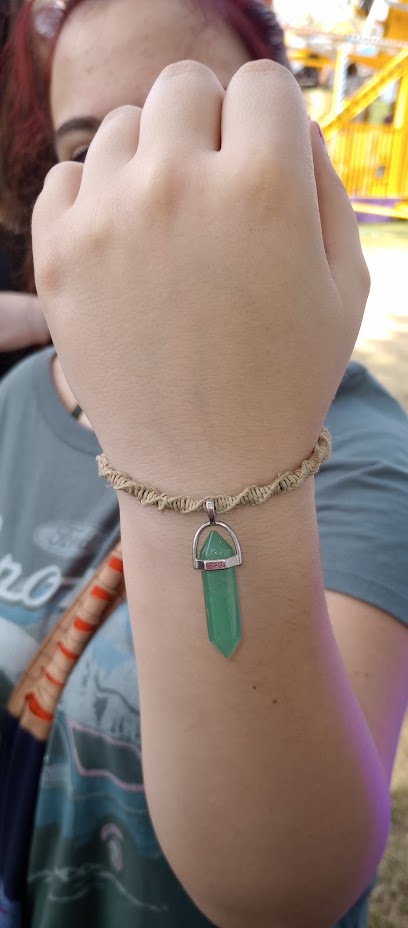
Dogwood Trail Quilt Co
7.0 km
Discover creativity at Dogwood Trail Quilt Co, the ultimate quilt shop for enthusiasts and novices alike, offering fabrics, classes, and community.
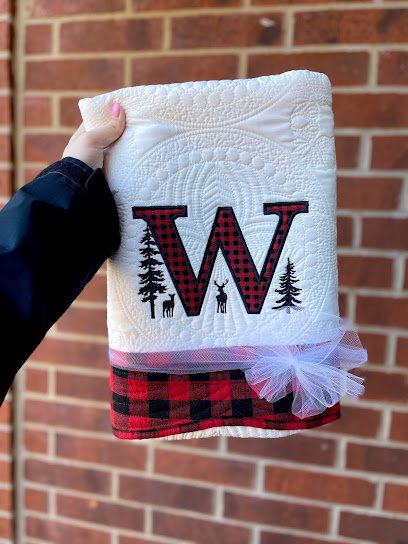
Me and McGee Market
10.1 km
Explore the vibrant Me and McGee Market for fresh produce, artisanal goods, and a taste of local culture in North Little Rock, Arkansas.
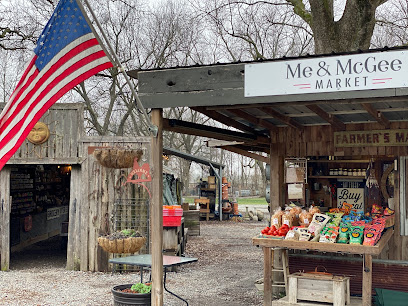
Five Below
15.3 km
Discover a vibrant gift shop in North Little Rock filled with trendy items, toys, and accessories, all for $5 or less!
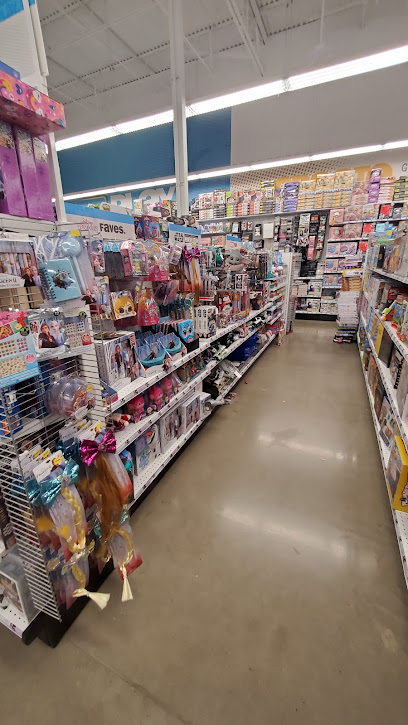
Clinton Museum Store
15.8 km
Explore a unique selection of gifts and memorabilia at the Clinton Museum Store, celebrating the legacy of President Bill Clinton in the heart of Little Rock.
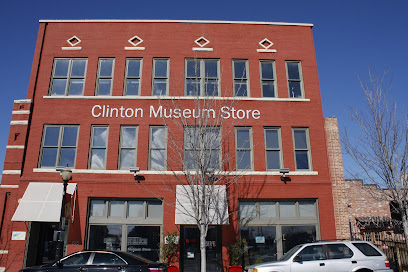
Earthbound Trading Co.
16.0 km
Explore Earthbound Trading Co. in North Little Rock, a treasure trove of unique gifts, fashion accessories, and jewelry inspired by diverse cultures.
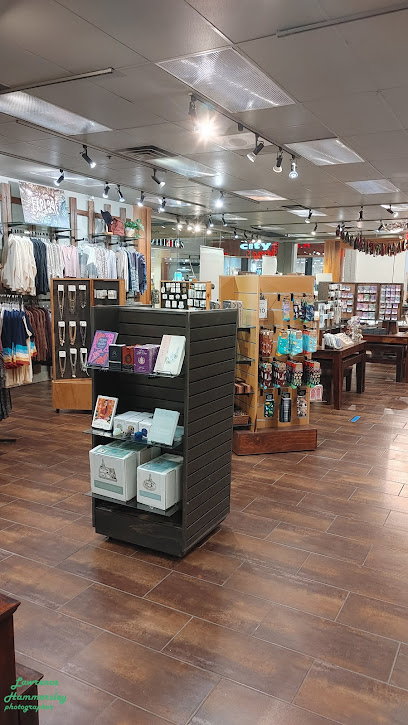
McCain Mall
16.0 km
Experience shopping bliss at McCain Mall, North Little Rock's vibrant hub for retail, dining, and entertainment in Arkansas.
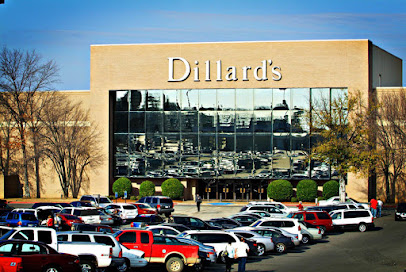
Everything 4 u
16.1 km
Explore Everything 4 U in North Little Rock for a diverse range of stylish clothing and accessories, perfect for fashion enthusiasts and casual shoppers.
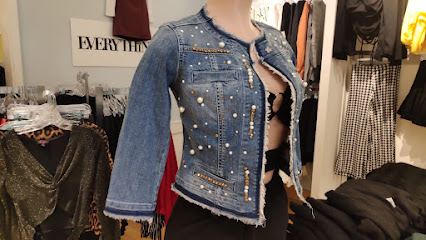
Explore Store
16.3 km
Explore Store: A treasure trove of unique gifts and local crafts in Downtown Little Rock, perfect for every traveler and souvenir seeker.
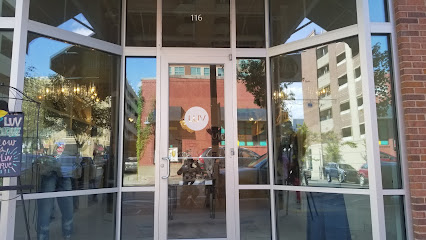
Luv Boutique
16.5 km
Discover unique fashion finds at Luv Boutique in Downtown Little Rock, where style meets personalized service in a charming atmosphere.
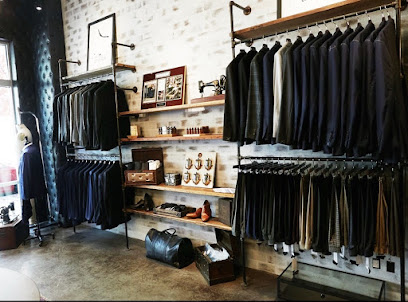
Barakat Bespoke
16.5 km
Discover Barakat Bespoke in Little Rock, where custom tailoring meets high-quality haberdashery for the discerning gentleman.
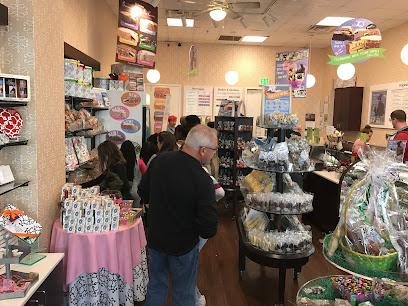
Kilwins
16.5 km
Experience the sweet delights of Kilwins, a premier chocolate shop in Little Rock, offering handcrafted chocolates, gourmet candies, and delicious ice cream.
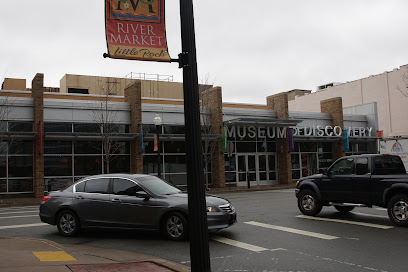
River Market
16.5 km
Discover the heart of Little Rock at the River Market, where local flavors, vibrant culture, and scenic views come together in a unique shopping experience.
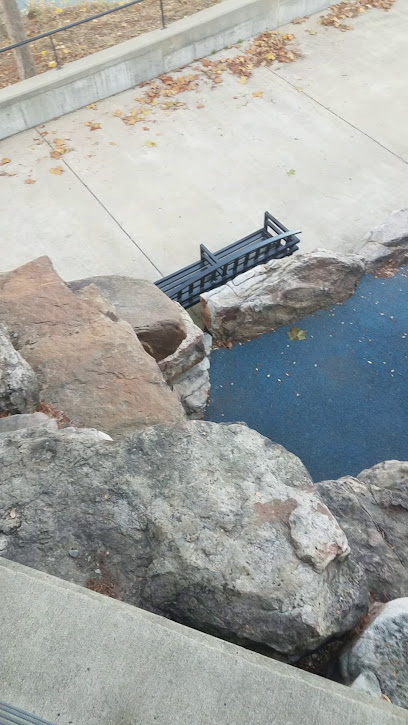
Essential bars & hidden hideouts

Bar Louie - McCain Mall
16.0 km
Discover Bar Louie - a lively grill and bar at McCain Mall in North Little Rock, offering delicious American cuisine and crafted cocktails in a vibrant atmosphere.
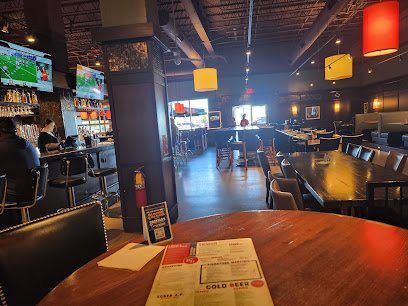
Nawf of the City B&G
16.0 km
Experience the best of local cuisine at Nawf of the City B&G, a grill and bar in North Little Rock offering delicious grilled dishes and a cozy atmosphere.
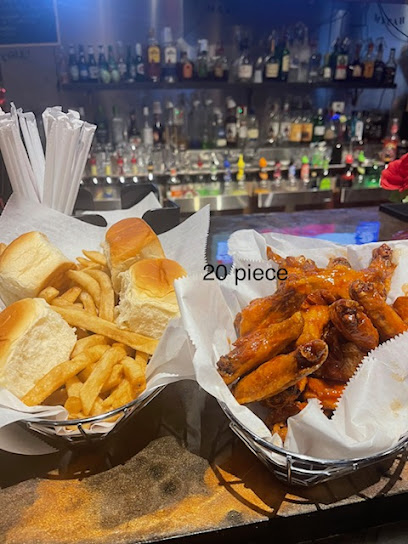
Lucky Lou's
16.5 km
Experience the essence of Little Rock's nightlife at Lucky Lou's, a lively bar in Downtown offering a warm atmosphere and delicious drinks.
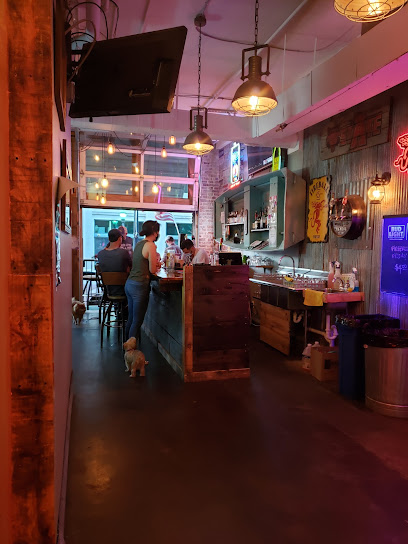
Dugan's Pub
16.5 km
Discover Dugan's Pub in Downtown Little Rock – the perfect blend of Irish charm, delicious food, and lively entertainment.
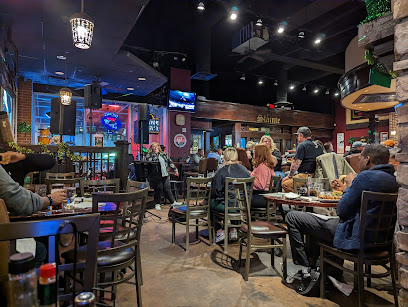
Alibi's
16.5 km
Experience the vibrant atmosphere and friendly service at Alibi's, a top bar in Sherwood, Arkansas, perfect for unwinding and socializing.
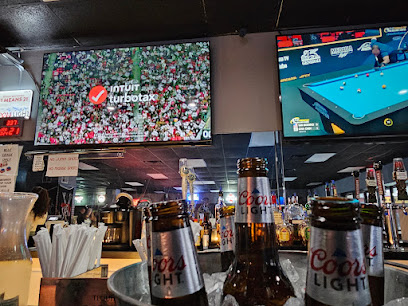
Brewski's North
16.7 km
Experience the excitement of sports and delicious pub fare at Brewski's North, North Little Rock's premier sports bar.
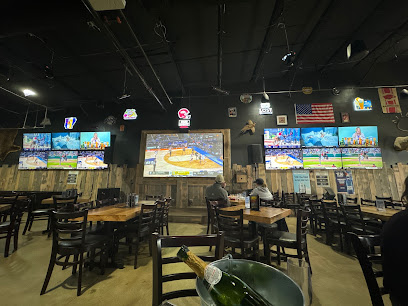
Big Whiskey's American Restaurant & Bar
16.7 km
Experience the heart of American dining at Big Whiskey's American Restaurant & Bar in Downtown Little Rock, where flavor meets fun.
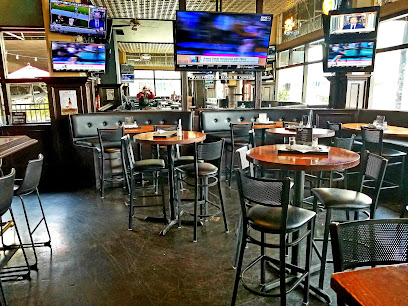
The Busker
16.7 km
Discover The Busker: A lively restaurant and live music venue in Little Rock, offering delicious food, refreshing drinks, and an unforgettable atmosphere.
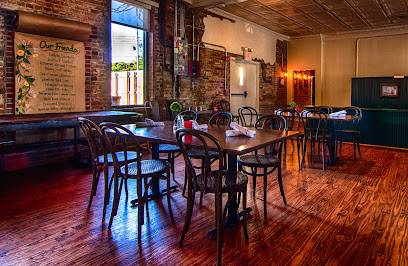
Brewski's Pub & Grub
16.8 km
Experience the vibrant energy of Brewski's Pub & Grub in Little Rock, where sports, food, and fun unite for an unforgettable night out.
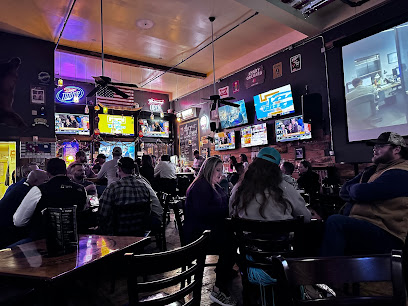
PAR BAR
17.0 km
Discover PAR BAR in Little Rock, AR, where vibrant cocktails and a friendly atmosphere await to enhance your nightlife experience.
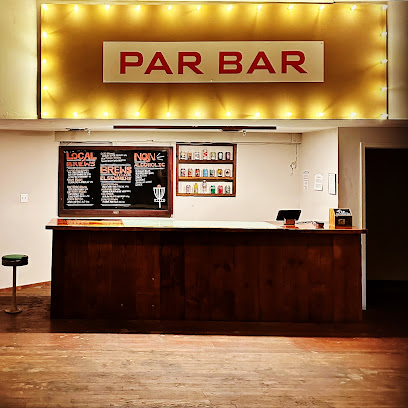
Six Ten Center
17.0 km
Experience the vibrant dining scene of Little Rock at Six Ten Center, where delicious grilled specialties meet a lively atmosphere.
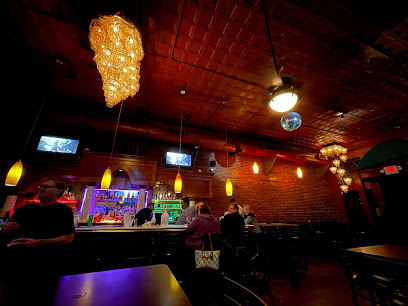
Crush Wine Bar
17.0 km
Explore Crush Wine Bar in North Little Rock for an exquisite selection of wines in a charming and intimate setting.
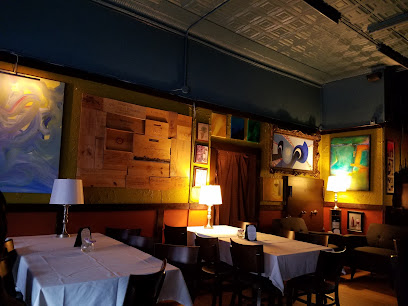
The Lobby Bar
17.1 km
Discover the charm of The Lobby Bar in Downtown Little Rock, where great drinks and a cozy atmosphere await every visitor.
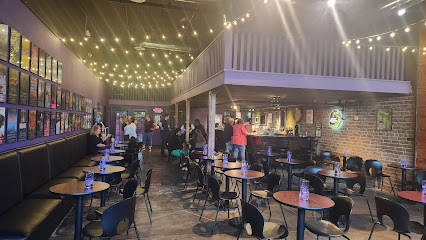
Casa Mexicana
17.3 km
Discover authentic Mexican cuisine at Casa Mexicana in Sherwood, Arkansas - a vibrant dining experience filled with flavor and culture.
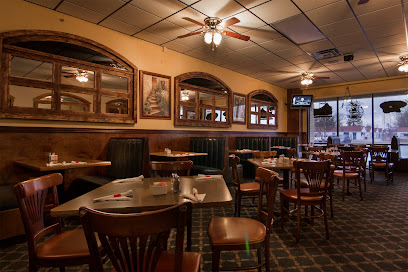
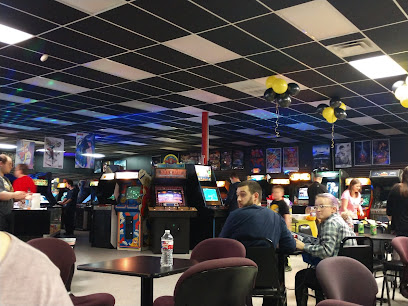
Vortex Arcade
17.4 km
Discover the nostalgia of classic gaming at Vortex Arcade, a premier destination for family fun and retro entertainment in Sherwood, Arkansas.
Nightclubs & after hour spots

TJ's Lounge
16.0 km
Discover the lively ambiance of TJ's Lounge in North Little Rock, where great drinks and a welcoming atmosphere come together.
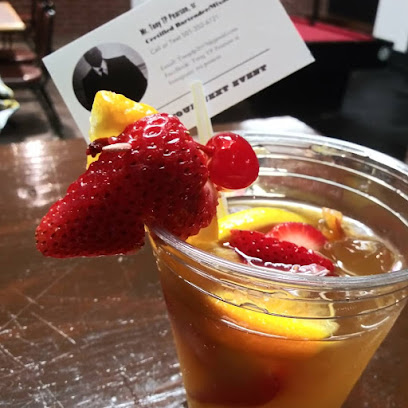
Mun 2 Night Club & Taqueria
16.1 km
Discover the lively Mun 2 Night Club & Taqueria in North Little Rock, where vibrant nightlife meets delicious Mexican cuisine for an unforgettable experience.
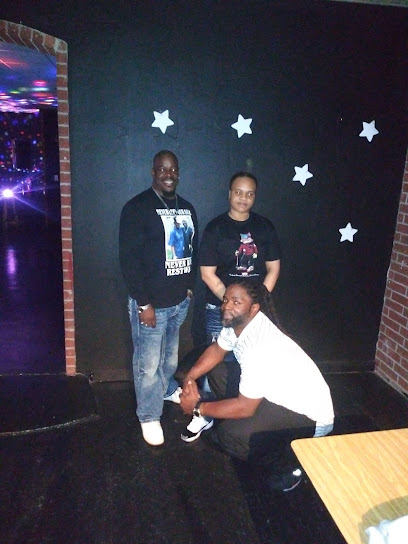
Club 27
16.3 km
Discover the vibrant nightlife of Little Rock at Club 27, the ultimate destination for dancing, events, and unforgettable experiences.
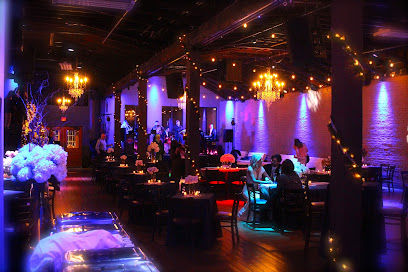
Revolution Music Room (The Rev Room)
16.6 km
Discover the heart of Little Rock's music scene at Revolution Music Room, where live performances create unforgettable memories.
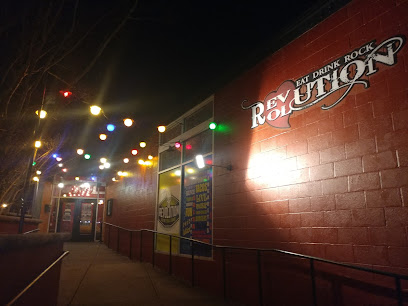
Midtown Billiards
16.7 km
Discover the lively atmosphere of Midtown Billiards in Little Rock, where great food, live music, and fun pool games await you.
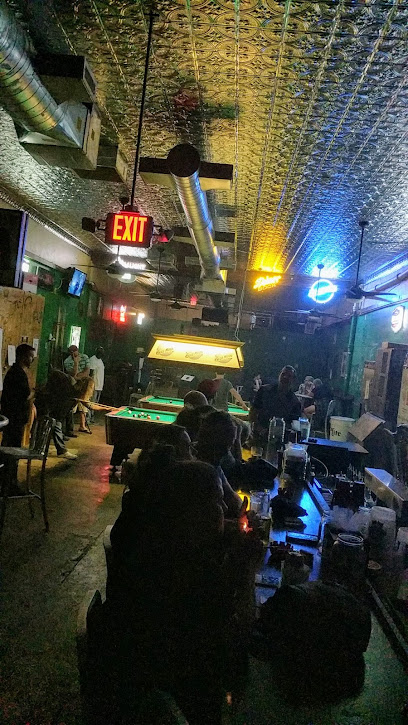
Club Sway
17.0 km
Discover the heart of nightlife at Club Sway, a top gay night club in Little Rock that offers an inclusive atmosphere and electrifying entertainment.
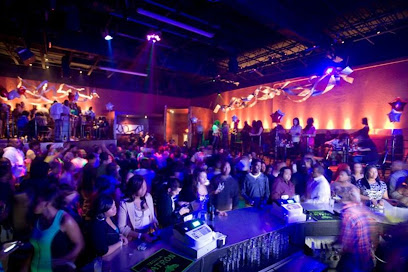
Discovery Night Club
19.8 km
Experience the vibrant nightlife of Little Rock at Discovery Night Club, where music and energy come together for an unforgettable party.
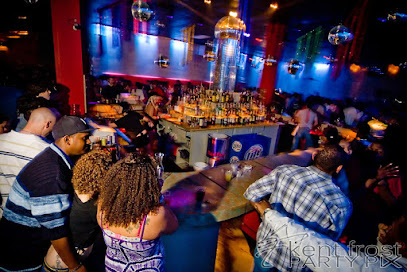
Triniti Nightclub
19.8 km
Discover the electrifying atmosphere of Triniti Nightclub in Little Rock, where diversity and vibrant nightlife come together for an unforgettable experience.
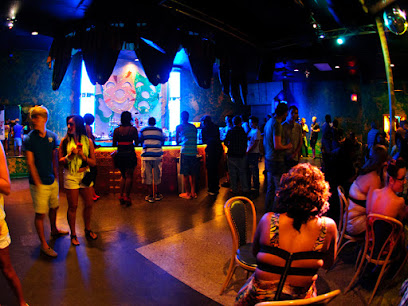
Club Empire
19.9 km
Experience the electrifying nightlife at Club Empire, Little Rock's premier night club, where music and fun come alive every weekend.
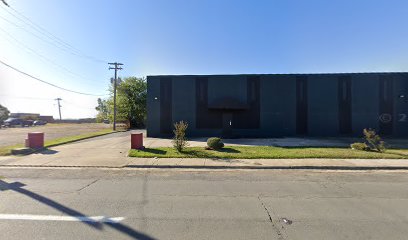
New Developments Inc.
19.9 km
Experience the vibrant nightlife at New Developments Inc., Little Rock's top destination for dancing and entertainment in a lively atmosphere.

TABU Night Club
23.8 km
TABU Night Club in Little Rock offers an electrifying nightlife experience with vibrant music, stunning visuals, and a lively atmosphere for unforgettable nights.
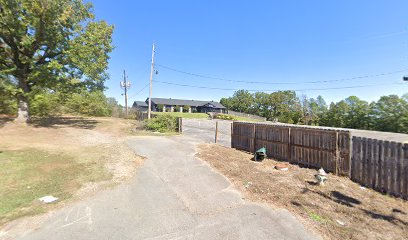
ENVY PRIVATE CLUB
23.8 km
Discover the pulse of Little Rock's nightlife at Envy Private Club, where great music and vibrant energy await every night.
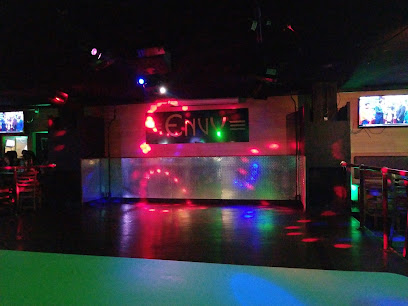
Comm/Nav & GACS Game Room
24.1 km
Discover the vibrant atmosphere of Comm/Nav & GACS Game Room, a welcoming gay bar in Little Rock AFB where fun, games, and community come together.
Electric Cowboy
24.8 km
Discover the energetic nightlife at Electric Cowboy, a top night club and bar in Little Rock, offering themed events and a lively atmosphere.
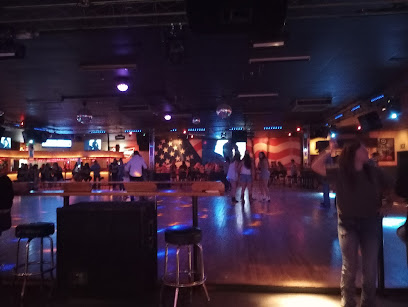
Loony Bin Comedy Club
27.8 km
Discover the hilarity and vibrant nightlife at Loony Bin Comedy Club in Little Rock, Arkansas, where laughter and great drinks await.