

Free Haghpat Travel Guide & Mobile App
Plan your Haghpat trip with Evendo. Get free guides to top attractions, restaurants, hotels, and bars. Web access or download the mobile app.


Haghpat, Armenia, pairs a UNESCO-listed medieval monastery with Lori’s forested valleys, mountain views, village life and rewarding cultural sightseeing.
Monastic Heritage
Haghpat is a small village in Armenia’s Lori Province, set above the wooded Debed gorge in the country’s north. Its name is inseparable from Haghpat Monastery, a medieval religious and educational centre whose stone churches, vaulted halls, khachkars and arcaded courtyards reflect the sophistication of Armenian architecture between the tenth and thirteenth centuries. Together with nearby Sanahin Monastery, Haghpat has been recognised as a UNESCO World Heritage Site since 1996.Read more about Haghpat
The Landscape Around Haghpat
A Quiet Cultural Escape
When is the best time to visit Haghpat?
Best: May–June, September · 21–26°C| Month | High (°C) | Rainfall (mm) |
|---|---|---|
| January | 2 | 29 |
| February | 3 | 27 |
| March | 6 | 30 |
| April | 14 | 35 |
| May (best) | 21 | 39 |
| June (best) | 26 | 42 |
| July | 29 | 43 |
| August | 29 | 43 |
| September (best) | 22 | 39 |
| October | 16 | 35 |
| November | 9 | 30 |
| December | 4 | 29 |
Getting to and around Haghpat
How to get there
Transportation
Best attractions in Haghpat
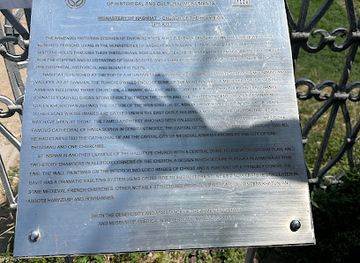
Haghpat Monastery is the village’s defining attraction, presenting a group of medieval churches, vaulted halls, courtyards and carved stones above the Debed gorge. The complex rewards close attention to its inscriptions, khachkars and changing views across Lori’s wooded hills. Within the grounds, the church of Surb Nishan, the gavit, library and bell tower reveal how worship, scholarship and community life were combined in an Armenian monastery. The surrounding village provides a quieter window onto northern Armenian rural life, with lanes and hillside viewpoints leading away from the principal monument. Nearby Alaverdi offers access to the wider Debed valley, while Sanahin Monastery provides a complementary medieval site with its own architectural character and history. Together, these places make the area especially valuable for visitors interested in religious heritage, stone craftsmanship and landscapes shaped by the relationship between settlements and mountain valleys.
-
Armenian church
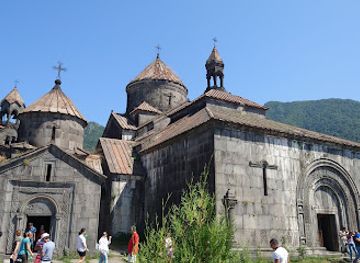
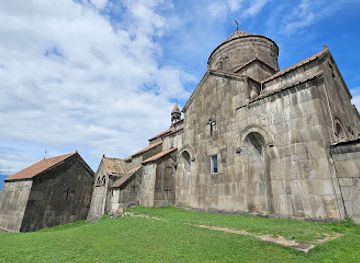
Haghpat Monastery Complex
Explore a UNESCO World Heritage Site showcasing medieval Armenian architecture, religious heritage, and stunning views in the Lori region.
3 min walk · 0.2 km from city centre

Best landmarks in Haghpat
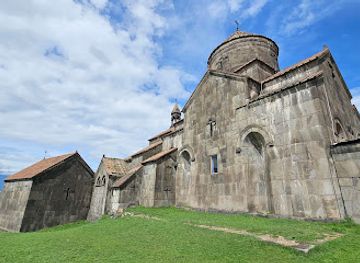
Haghpat Monastery’s most significant landmark is the domed church of Surb Nishan, whose medieval masonry and restrained sculpture express the mature architectural language of Armenian Christianity. The large gavit, attached to the main church, is notable for its broad interior and structural treatment, while the monastery library and bell tower reveal the complex’s scholarly and communal functions. Khachkars, or carved cross-stones, stand throughout the grounds as religious monuments and memorials, with their intricate geometric and vegetal patterns characteristic of Armenian stone carving. The surrounding walls and buildings create an architectural ensemble rather than a single isolated church. Across the Debed valley, Sanahin Monastery forms a historically related landmark, allowing visitors to compare two major centres of medieval Armenian religious culture without confusing their separate settings and buildings.
-
Armenian church
Haghpat Monastery Complex
Explore the sacred beauty of Haghpat Monastery Complex, a UNESCO World Heritage site that embodies Armenia's rich history and architectural brilliance.
3 min walk · 0.2 km from city centre
-
Restaurant
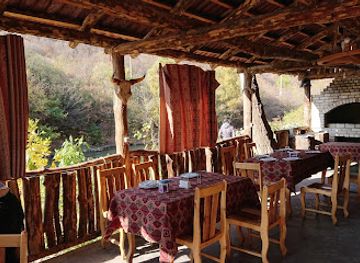
Zarni-Parni
Discover the authentic taste of Armenia at Zarni-Parni in Haghpat, where every dish tells a story and hospitality is paramount.
8 min walk · 0.6 km from city centre
-
Fortress
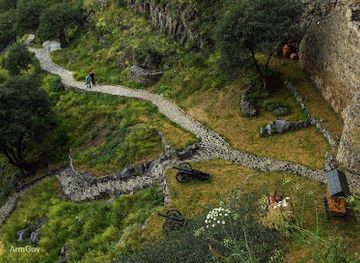
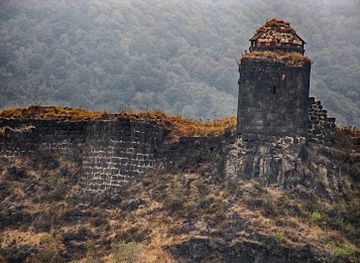
Kayan Fortress
Discover the enchanting Kayan Fortress in Armenia, where history meets breathtaking views in a captivating journey through time.
13 min walk · 1.0 km from city centre
-
Armenian church
Kusanats Anapat Church
Explore Kusanats Anapat Church, a historical Armenian gem in Haghpat, showcasing exquisite architecture and serene landscapes.
6 min walk · 0.5 km from city centre

Explore Haghpat on the map
Plan your Haghpat trip on one map. See where the top attractions, landmarks, restaurants, bars and hotels are, find what's near where you're staying, and book hotels and experiences in a few clicks.
Best hotels in Haghpat
Best restaurants in Haghpat
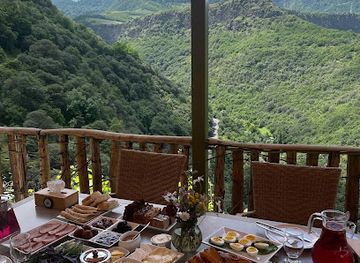
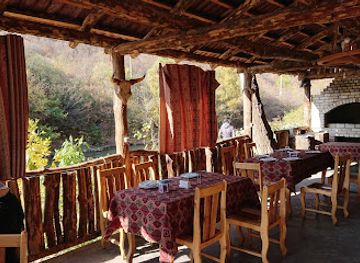
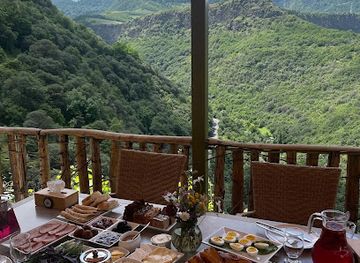
Haghpat has a limited rural dining scene rather than a concentration of destination restaurants, so meals are often arranged through guesthouses or found in nearby Alaverdi. Home-style cooking commonly draws on Armenian staples such as lavash, soups, grilled meats, dolma, salads, fresh herbs, cheese and seasonal vegetables, with regional produce reflecting Lori’s cooler northern climate. A guesthouse table may offer an especially direct introduction to local hospitality, sometimes accompanied by preserves, dairy products or homemade baked goods. In Alaverdi, cafés and modest eateries provide a broader choice, though opening patterns can be seasonal and informal. Travellers should not assume that every establishment accepts cards, and carrying Armenian dram is practical. The food experience here is closely tied to family cooking, village produce and generous hospitality rather than elaborate restaurant presentation.
-
Restaurant
Zarni-Parni
Discover authentic Armenian flavors at Zarni-Parni, Haghpat's culinary treasure offering traditional dishes in a cozy atmosphere.
8 min walk · 0.6 km from city centre
-
Restaurant
Restaurant Atorick
Experience authentic Armenian cuisine at Restaurant Atorick in Alaverdi – where flavor meets tradition in a warm and inviting setting.
17 min walk · 1.4 km from city centre
-
Restaurant
TAVERN HAGHPAT
Experience authentic Armenian cuisine at Tavern Haghpat, where tradition meets flavor in a cozy setting surrounded by stunning landscapes.
3 min walk · 0.3 km from city centre
Best bars in Haghpat
Haghpat is a quiet village and has no substantial nightlife district or recognised club scene. Evenings are generally centred on guesthouses, family meals, conversation and the dark, spacious landscape around the Debed valley rather than late-night entertainment. Small cafés and restaurants in Alaverdi provide the most likely setting for an informal drink or meal outside the accommodation area, while larger towns offer a wider but still relatively restrained evening scene than Yerevan. Visitors should expect limited late opening and arrange transport before travelling between settlements after dark. The absence of urban noise is part of Haghpat’s character: after sunset, the monastery and surrounding hills offer an atmosphere suited to quiet walks where safe, stargazing and cultural reflection rather than bars and nightclubs.
-
Hotel
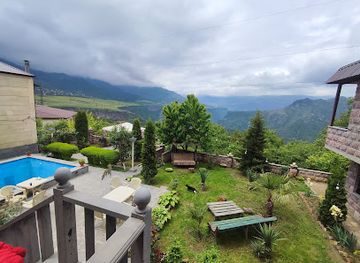
Kefilyan Family Hotel and Restaurant
Discover the charm of Haghpat at Kefilyan Family Hotel and Restaurant, where comfort meets Armenian hospitality in a breathtaking setting.
8 min walk · 0.6 km from city centre
-
Restaurant
Zarni-Parni
Discover the authentic taste of Armenian cuisine at Zarni-Parni, a beloved restaurant in Haghpat offering a cozy atmosphere and exquisite dishes.
8 min walk · 0.6 km from city centre
-
Restaurant
Restaurant Atorick
Experience authentic Armenian cuisine at Restaurant Atorick in Alaverdi, where each meal is a celebration of local flavors and traditions.
17 min walk · 1.4 km from city centre
-
Lodging
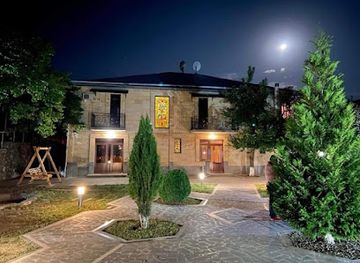
VaKaLeR Hotel Lounge Bar
Discover the serene escape of VaKaLeR Hotel Lounge Bar, where comfort meets stunning landscapes in Haghpat, Armenia.
4 min walk · 0.3 km from city centre
Best nightclubs in Haghpat
Haghpat is a quiet village and has no substantial nightlife district or recognised club scene. Evenings are generally centred on guesthouses, family meals, conversation and the dark, spacious landscape around the Debed valley rather than late-night entertainment. Small cafés and restaurants in Alaverdi provide the most likely setting for an informal drink or meal outside the accommodation area, while larger towns offer a wider but still relatively restrained evening scene than Yerevan. Visitors should expect limited late opening and arrange transport before travelling between settlements after dark. The absence of urban noise is part of Haghpat’s character: after sunset, the monastery and surrounding hills offer an atmosphere suited to quiet walks where safe, stargazing and cultural reflection rather than bars and nightclubs.
-
Armenian church
Haghpat Monastery Complex
Discover the architectural marvels and spiritual heritage of Haghpat Monastery Complex, a UNESCO site nestled in Armenia's breathtaking landscape.
3 min walk · 0.2 km from city centre
Best shops in Haghpat
Shopping in Haghpat is modest and locally oriented, with small village shops supplying everyday necessities rather than a dedicated retail quarter. The most distinctive purchases are likely to come through guesthouses, local producers or craft sellers, where visitors may find preserves, honey, dried fruit, cheese and other regional foods when available. Alaverdi offers more practical shopping and a broader selection of groceries and household goods, while larger Armenian towns provide more dependable opportunities for handicrafts and souvenirs. Armenian textiles, carved objects, ceramics and religiously inspired designs can be appropriate reminders of the region, but buyers should ask about provenance and avoid removing antiquities or old-looking stones from the country. The area’s strongest material souvenirs are connected to food, hospitality and contemporary craft rather than mass-produced shopping.
-
Armenian church
Haghpat Monastery Complex
Explore the Haghpat Monastery Complex, a UNESCO World Heritage Site featuring stunning medieval architecture and breathtaking views of Armenia's landscape.
3 min walk · 0.2 km from city centre
-
Grocery store
Aga market
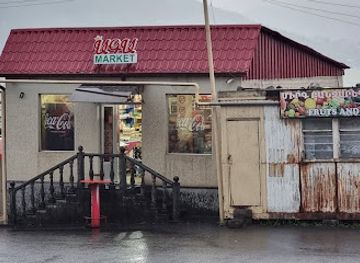
Explore the vibrant flavors of Armenia at Aga Market in Haghpat, where fresh produce and local artisanal goods await.
3 min walk · 0.2 km from city centre
Get your free copy of our complete guide to Haghpat, delivered straight to you.
Everything on this page, from attractions and restaurants to essentials and local phrases, in one PDF you can read offline, print or share.
Already have an account? Sign in
Your Haghpat guide is ready.
We'll send it to · Not you? Sign out

Getting your guide ready…
We are putting together a fresh copy of the Haghpat guide. This can take up to a minute.
This can take a few moments. If your browser asks, choose Allow so the download can start. You'll find the guide in your Downloads folder.
Nothing happened? Download it again
Sorry, the guide is taking longer than usual. Please try again in a minute, or get it by email instead.
Haghpat essentials
Currency and Payment
Safety
Emergency Situations
Do's and Don'ts
Local Tips
From Eve
Local phrases worth knowing
You don't need to get them perfect. A few words go a long way, and locals appreciate the effort.
Basics
| English | Local | Say it |
|---|---|---|
| Hello | բարև | [barev] |
| Goodbye | Ցտեսնել | [tsdesnel] |
| Yes | Այո | [ayo] |
| No | Ոչ | [voch] |
| Please/You're welcome | Խնդրում եմ | [khndrum em] |
| Thank you | Շնորհակալ եմ | [shnorhakal em] |
| Excuse me/Sorry | Ներողություն | [neroghutyun] |
| How are you? | Ինչպես եք? | [inchpes ek?] |
| Fine. And you? | Լարում. Անդու? | [larum. andu?] |
| Do you speak English? | Անգլերեն խօսե՞ք | [angleren khosets?] |
| I don't understand | Ես չեմ հասկանում | [yes chem haskanum] |
Eating & Drinking
| English | Local | Say it |
|---|---|---|
| I'd like to see the menu, please | Խնդրում եմ մենյունը տեսնել | [khndrum em menyunə təsnel] |
| I don't eat meat | Ես միս չուշածու եմ | [yes mis chushatsu em] |
| Cheers! | Կէնաձդ | [kenajd] |
| I would like to pay, please | Խնդրում եմ վճարել | [khndrum em vcharəl] |
Emergencies
| English | Local | Say it |
|---|---|---|
| Help! | Օգնեք | [ognək] |
| Go away! | Ուշացք | [ushatsk] |
| Call the Police! | Զինվոր զանգ ավերացրեք | [zinvor zang averatsrekh] |
| Call a doctor! | Բժշկ զանգ ավերացրեք | [bzhsk zang averatsrekh] |
| I'm lost | Կենամ չեմ գտել | [kənam chem gtel] |
| I'm ill | Ես հիվանդ եմ | [yes hivand em] |
Shopping
| English | Local | Say it |
|---|---|---|
| I'd like to buy... | Խնդրում եմ գնել | [khndrum em gnel] |
| I'm just looking | Ուրիշ չեմ արել | [urish chem arel] |
| How much is it? | Ունե՞՞ր է դիմակը | [uner e dimaky] |
| That's too expensive | Ադանախոս է | [adanakhos e] |
| Can you lower the price? | Կարե՞ք գնել ավելի ցածր | [karek gnel aveli tsatsr] |
Time & Numbers
| English | Local | Say it |
|---|---|---|
| What time is it? | Ժամը որտե՞ղ է | [zamy vortegh e] |
| It's one o'clock | Մեկը է | [meky e] |
| Half past (10) | Տասնամեկի կիսել է | [tasnaməki kisel e] |
| Morning | Առավոտ | [aravot] |
| Afternoon | Կեսօր | [kesor] |
| Evening | Երեկ | [erek] |
| Yesterday | Երեկո | [ereko] |
| Today | Այսօր | [aysor] |
| Tomorrow | Վաղը | [vaghe] |
| 1 | Մեկ | [mek] |
| 2 | Երկու | [yergu] |
| 3 | Երեք | [yerek] |
| 4 | Չորս | [chors] |
| 5 | Հինգ | [hing] |
| 6 | Վեց | [veg] |
| 7 | Յոթ | [yot] |
| 8 | Ութ | [ut] |
| 9 | Ինը | [inə] |
| 10 | Թասու | [tasu] |
Transport & Directions
| English | Local | Say it |
|---|---|---|
| Where's a/the...? | Որտե՞՞ղ է ...-ը | [vortegh e ...-ə] |
| What's the address? | Քանի ՝րականային է | [kani 'rakanayin e] |
| Can you show me (on the map)? | Կարե՞ք ցուցադրել ինձ (քարտուէսի վրա) | [karek tsutsadrel indz (kartuesi vra)] |
| When's the next (bus)? | Երբ է հաջողվում հաջող մեքենան | [erb e hajoghvum hajogh mekenan] |
| A ticket (to ....) | Բիլետ (մինչեւ ...) | [bilet (minchev ...)] |
History of Haghpat
A Bagratuni Foundation
Haghpat Monastery emerged during the Bagratuni period, when Armenian political revival supported the construction of churches, monasteries and centres of learning. The principal foundation is traditionally associated with Queen Khosrovanush, wife of King Ashot III, and dates to the late tenth century, with the church of Surb Nishan begun in 976. Its location above the Debed valley placed the monastery within a wider network of settlements and routes linking northern Armenia with neighbouring regions. From its earliest years, Haghpat served not simply as a place of worship but as an institution connected with scholarship, manuscript production and the preservation of Armenian religious and intellectual traditions.
A Medieval Centre of Learning
During the eleventh and twelfth centuries, Haghpat developed into one of medieval Armenia’s important monastic centres. Clergy and scholars worked in an environment that supported theology, philosophy, music and manuscript culture, while the complex expanded with chapels, halls, a library, a bell tower and other buildings. The monastery’s architecture expressed this growing importance through carefully proportioned domes, substantial masonry and intricate sculptural detail. Haghpat was closely linked culturally and geographically with Sanahin, another major monastery in the Debed valley. Together, the two institutions illustrate the intellectual and artistic vitality of medieval Armenian Christianity.
Royal Patronage and Expansion
The monastery flourished under the patronage of Armenian rulers and local aristocratic families, particularly during the period when the Lori region formed part of the medieval Armenian kingdom and later the Kiurikian sphere of influence. The twelfth and thirteenth centuries brought further construction and embellishment, including the celebrated gavit, or narthex, associated with the complex. These additions accommodated worshippers, burials, teaching and community life. Stone inscriptions and carved crosses record acts of patronage and remembrance, offering valuable evidence of the people and institutions that shaped Haghpat beyond the names of kings alone.
Invasions and Changing Rule
Like much of northern Armenia, Haghpat experienced political upheaval as regional powers contested the Caucasus. Seljuk incursions, Mongol expansion and later struggles among Persian, Ottoman and local authorities altered the security and fortunes of Lori. The monastery survived these changes as a religious institution, although its influence and material circumstances varied over time. Its buildings bear witness to repeated repair and continued use rather than a single uninterrupted period of prosperity. The surrounding valley likewise remained a meeting point of Armenian communities, trade routes and changing political frontiers.
Preservation and World Heritage
Under the Russian Empire and later the Soviet system, Haghpat’s religious role was affected by wider changes in governance and religious policy, yet the complex remained an important monument of Armenian heritage. Scholarly study, conservation and renewed cultural interest helped secure its place in the modern national imagination. In 1996, UNESCO inscribed Haghpat and Sanahin together as a World Heritage Site, recognising their outstanding medieval architecture and evidence of Armenian monastic culture. Today, Haghpat remains both a historic monument and a living spiritual place within Lori’s rural landscape.
Haghpat in Photos
Browse through our photo collection highlighting the charm and character of the destination.
Cities near Haghpat
The closest cities to Haghpat, if you have time for more than one stop.
-

-

-

-

-


Swipe for more cities
Explore more

Explore more of Armenia
Explore Armenia's ancient wonders, vibrant cities, and breathtaking landscapes. From historic monasteries to delicious cuisine, there's something for every traveler.
Explore Armenia