

Free Aparan Travel Guide & Mobile App
Plan your Aparan trip with Evendo. Get free guides to top attractions, restaurants, hotels, and bars. Web access or download the mobile app.


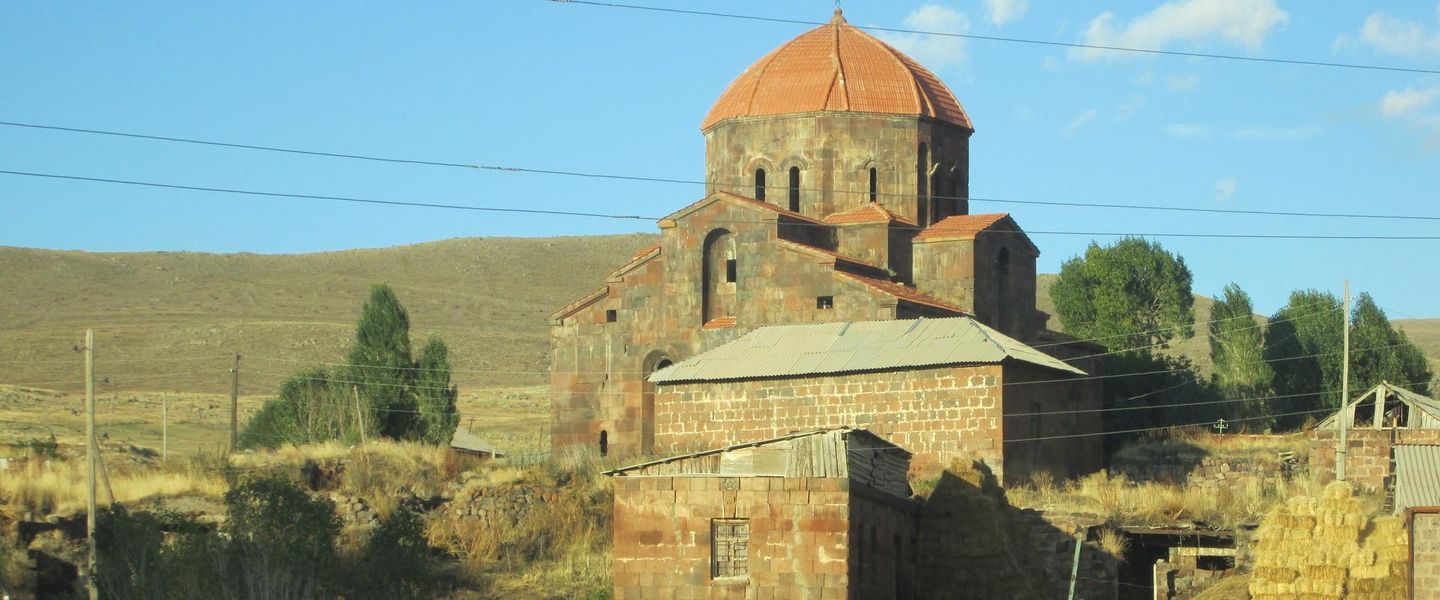


Aparan, Armenia offers highland scenery, early Christian heritage, the 1918 battle memorial and a quiet gateway to Mount Aragats and rural culture.
A Highland Town with Ancient Roots
Aparan lies in Armenia’s Aragatsotn Province, on the Kasagh River and the broad uplands north-west of Mount Aragats. At an elevation of roughly 1,880 metres, it has a cool, open character shaped by mountain weather, volcanic landscapes and long views across the plateau. The settlement is modest in scale, but its surroundings reveal layers of Armenian history that reach from early Christian architecture to the decisive events of the First Republic.Read more about Aparan
Stone, Water and Memory
Life on the Aragatsotn Plateau
When is the best time to visit Aparan?
Best: June–August · 25–28°C| Month | High (°C) | Rainfall (mm) |
|---|---|---|
| January | 0 | 25 |
| February | 2 | 20 |
| March | 7 | 18 |
| April | 16 | 13 |
| May | 20 | 10 |
| June (best) | 25 | 7 |
| July (best) | 28 | 7 |
| August (best) | 27 | 8 |
| September | 21 | 14 |
| October | 14 | 19 |
| November | 7 | 23 |
| December | 1 | 25 |
Getting to and around Aparan
How to get there
Transportation
Best landmarks in Aparan
The Kasagh Basilica is Aparan’s defining historic landmark, an early Christian basilican church whose sturdy volcanic-stone construction illustrates the architectural language of Armenia’s late antique religious heritage. The Battle of Aparan memorial is the town’s principal modern monument, commemorating the Armenian victory in the 1918 confrontation that helped secure the survival of an Armenian republic. The memorial landscape gives national meaning to a town otherwise defined by its rural and highland scale. The Aparan Reservoir is a different kind of landmark: a major man-made feature that reshaped the plateau and now forms a broad visual counterpoint to the surrounding grasslands and volcanic ridges. Together, the basilica, memorial and reservoir express three dimensions of Aparan’s identity—early Christianity, modern national history and twentieth-century infrastructure—without requiring a large urban monument district.
-
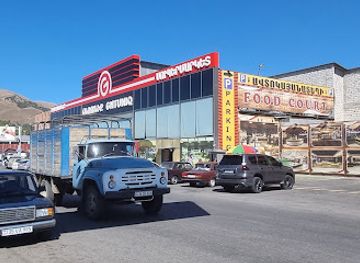
Food court
Gntuniq
Experience the vibrant flavors at Gntuniq, Aparan's premier food court, where local and international dishes come together in a lively atmosphere.
11 min walk · 0.9 km from city centre
-
 Town square
Tigran Petrosian Square
Discover Tigran Petrosian Square, a vibrant town square in Aparan, Armenia, where culture and community blend in a picturesque setting.
9 min walk · 0.7 km from city centre
Explore Aparan on the map
Plan your Aparan trip on one map. See where the top attractions, landmarks, restaurants, bars and hotels are, find what's near where you're staying, and book hotels and experiences in a few clicks.
Best hotels in Aparan
Best restaurants in Aparan
Aparan’s food scene is modest and locally oriented, with Armenian home cooking more prominent than a formal restaurant circuit. Visitors may encounter khorovats, meat grilled over charcoal, alongside soups, salads, lavash, cheese, herbs and seasonal vegetables. Dolma, tolma and dishes based on grains, potatoes or preserved ingredients reflect the practical cooking traditions of Armenia’s upland communities, while gata and other sweet pastries are familiar accompaniments to tea or coffee. Roadside cafés and small eateries around the M3 generally provide the most accessible meals, although opening patterns and menus can be informal. The surrounding villages retain strong links to dairy production, baking and seasonal agriculture, and locally sourced ingredients often shape family-style meals. As in much of Armenia, hospitality may involve generous portions and shared dishes rather than a highly structured dining experience.
-
Restaurant
Akut
Discover authentic Armenian flavors at Akut in Aparan - where culinary tradition meets modern hospitality.
11 min walk · 0.9 km from city centre
-
Armenian
Քարանձավ (Karandzav)
Experience authentic Armenian flavors at Karandzav in Aparan, where traditional dishes meet warm hospitality in a charming setting.
7 min walk · 0.6 km from city centre
-
Armenian
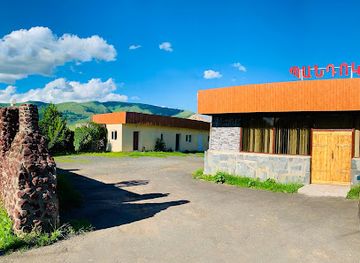
Restaurant Motel Aparan
Experience authentic Armenian flavors at Restaurant Motel Aparan – where tradition meets taste in every dish.
5 min drive · 1.6 km from city centre
-
Restaurant
Restoran Aparan
Experience authentic Armenian flavors at Restoran Aparan - where tradition meets taste in every dish.
18 min walk · 1.4 km from city centre

Best bars in Aparan
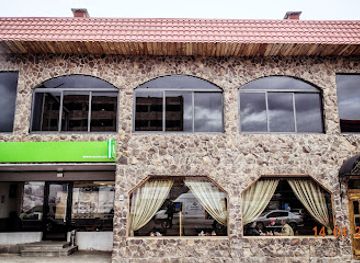
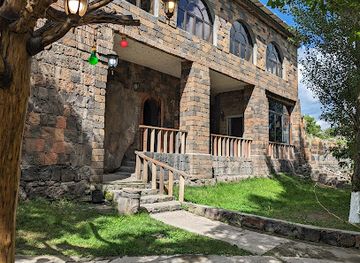
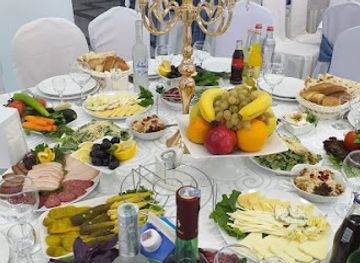
Aparan has a quiet evening culture rather than a developed nightlife district, and visitors should not expect a concentration of nightclubs, cocktail lounges or late-night entertainment. Evenings are more likely to centre on family-run cafés, restaurants, tea, coffee and conversation, with social life shaped by local residents rather than visitors. The town’s highland setting also makes early evening walks and views across the plateau more characteristic than bar-hopping. Larger entertainment choices are found in Yerevan, while villages around Aparan may have small informal gathering places rather than dedicated tourist venues. Alcohol is part of Armenian social life, and local beer, wine or spirits may be available in eateries, but drinking should remain considerate around churches, memorials and residential areas. After dark, roads outside the centre can be poorly lit, so transport and walking plans deserve attention.
-
Restaurant
Akut
Experience the flavors of Armenia at Akut, the heart of culinary delight in Aparan, offering traditional dishes in a warm and inviting atmosphere.
11 min walk · 0.9 km from city centre
-
Bar
Restoran Aparan
Discover Restoran Aparan, a cozy café-bar-restaurant in the heart of Armenia, offering a taste of local and international delights.
18 min walk · 1.4 km from city centre
-
Bar
Hrach tun
Discover Hrach Tun in Aparan: where local culture meets a cozy bar atmosphere for an unforgettable night out.
5 min drive · 1.5 km from city centre

Best shops in Aparan
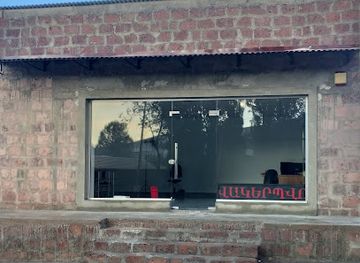
Shopping in Aparan is practical and small-scale, centred on local shops, food stores and everyday services rather than a specialised tourist retail quarter. Visitors may find Armenian staples such as dried fruit, preserves, cheese, honey, bread and seasonal produce, depending on the time of year and local supply. Small food purchases can provide a more authentic sense of the plateau’s agricultural economy than mass-produced souvenirs. Traditional crafts and distinctive regional goods are more reliably sought in larger Armenian centres, especially Yerevan, although village markets and roadside sellers around Aragatsotn may offer homemade foods or simple handmade items. Carrying dram is useful because smaller retailers may not accept cards. The absence of a large commercial centre is part of Aparan’s character: shopping is woven into local daily life rather than presented as a separate visitor attraction.
-
Bakery
Aparan
Discover the authentic flavors of Armenia at this charming bakery in Aparan, where every bite tells a story of tradition.
12 min walk · 0.9 km from city centre
-
Cell phone store
Mobile Centre
Explore Mobile Centre in Aparan for the latest smartphones and accessories, ensuring you stay connected on your travels.
10 min walk · 0.8 km from city centre
-
Computer store
AGP Computers
Explore the latest in technology at AGP Computers, Aparan's premier computer store offering a wide range of products and exceptional customer service.
19 min walk · 1.5 km from city centre
-
Clothing store
Торговый центр
Explore the best of Armenian fashion at Торговый центр in Aparan, where local craftsmanship meets vibrant styles for every taste.
9 min walk · 0.7 km from city centre



Get your free copy of our complete guide to Aparan, delivered straight to you.
Everything on this page, from attractions and restaurants to essentials and local phrases, in one PDF you can read offline, print or share.
Already have an account? Sign in
Your Aparan guide is ready.
We'll send it to · Not you? Sign out

Getting your guide ready…
We are putting together a fresh copy of the Aparan guide. This can take up to a minute.
This can take a few moments. If your browser asks, choose Allow so the download can start. You'll find the guide in your Downloads folder.
Nothing happened? Download it again
Sorry, the guide is taking longer than usual. Please try again in a minute, or get it by email instead.
Aparan essentials
Currency and Payment
Safety
Emergency Situations
Do's and Don'ts
Local Tips
From Eve
Local phrases worth knowing
You don't need to get them perfect. A few words go a long way, and locals appreciate the effort.
Basics
| English | Local | Say it |
|---|---|---|
| Hello | բարև | [barev] |
| Goodbye | բայց | [bayts] |
| Yes | այո | [ayo] |
| No | ոչ | [voch] |
| Please/You're welcome | խնդրում եմ | [khndrum em] |
| Thank you | Շնորհակալ եմ | [shnorhakal em] |
| Excuse me/Sorry | Ներքևում եմ | [nerkevum em] |
| How are you? | Ինչ եք անում? | [inch ek anum?] |
| Fine. And you? | Լավ եմ. Անդամ? | [lav em. andam?] |
| Do you speak English? | Դու խոսում ես անգլերեն? | [du khosum es angleren?] |
| I don't understand | Ես չեմ հասկանում | [yes chem haskanum] |
Eating & Drinking
| English | Local | Say it |
|---|---|---|
| I'd like to see the menu, please | Խնդրում եմ մենյունը տեսնել | [khndrum em menyunə tesnel] |
| I don't eat meat | Ես մեխ չեմ ուշադել | [yes mex chem ushadel] |
| Cheers! | Կէնաձդ! | [genadz!] |
| I would like to pay, please | Խնդրում եմ վճարել | [khndrum em vcharəl] |
Emergencies
| English | Local | Say it |
|---|---|---|
| Help! | Օրվազանք! | [orvazank!] |
| Go away! | Հեր! | [her!] |
| Call the Police! | Զինվորական կանացի! | [zinvorakan kanatsi!] |
| Call a doctor! | Բժիշկ կանացի! | [bzhishk kanatsi!] |
| I'm lost | Ես ծեր եմ | [yes tser em] |
| I'm ill | Ես հիվանդ եմ | [yes hivand em] |
Shopping
| English | Local | Say it |
|---|---|---|
| I'd like to buy... | Խնդրում եմ գնել | [khndrum em gnel] |
| I'm just looking | Ես միայն բան տեսնում եմ | [yes miayn ban tesnum em] |
| How much is it? | Քանի՞ է | [qani e] |
| That's too expensive | Ադամակ է | [adamak e] |
| Can you lower the price? | Ավելացնել կարճատևությունը կարդալու կարիք ունե՞ս | [avelatsnel karchatəvut’yunə kardalu karik unes] |
Time & Numbers
| English | Local | Say it |
|---|---|---|
| What time is it? | Ի՞նչ ժամ է | [inch zam e] |
| It's one o'clock | Մեկը է | [mekə e] |
| Half past (10) | Տասը երկուս | [tasə yerkus] |
| Morning | Առավոտ | [aravot] |
| Afternoon | Կեսգիր | [keskir] |
| Evening | Երեկ | [yerək] |
| Yesterday | Երեկո | [yerəko] |
| Today | Այսօր | [aysor] |
| Tomorrow | Վաղը | [vagə] |
| 1 | Մեկ | [mek] |
| 2 | Երկու | [yerkus] |
| 3 | Երեք | [yerek] |
| 4 | Չորս | [chors] |
| 5 | Հինգ | [hing] |
| 6 | Վեց | [vets] |
| 7 | Յոթ | [yot] |
| 8 | Ութ | [ut] |
| 9 | Ինը | [inə] |
| 10 | Տաս | [tas] |
Transport & Directions
| English | Local | Say it |
|---|---|---|
| Where's a/the...? | Այստեղը է... | [aysdəgy e] |
| What's the address? | Հասցեն ի՞նչ է | [hascen inch e] |
| Can you show me (on the map)? | Արթնացնել կարդալիքում | [artnatsnel kardalik’um] |
| When's the next (bus)? | Աջակցեք հաջորդին | [ajats’ek’ hajordin] |
| A ticket (to ....) | Կարդալու կտրոն | [kardalu ktoron] |
History of Aparan
Ancient Kasagh and Early Settlement
Aparan developed in the historic Kasagh area of central-northern Armenia, a region settled along the Kasagh River and crossed by routes linking the Ararat plain with the northern highlands. The settlement has ancient roots, although the modern town does not preserve a complete archaeological record of every period. Its importance grew from its position on a natural corridor through the Aragatsotn plateau, where agriculture, pastoral activity and movement between upland communities shaped local life. The name Aparan is associated with the older settlement known in historical sources as Kasagh or Aparan, and the surrounding landscape contains evidence of Armenia’s long transition from pre-Christian traditions to a Christian cultural order.
The Kasagh Basilica and Christian Armenia
The Kasagh Basilica stands among the clearest expressions of Aparan’s early Christian heritage. Generally dated to the fourth century, it belongs to the formative period after Armenia adopted Christianity as its state religion in the early fourth century. Built in local stone, the church reflects the early development of Armenian ecclesiastical architecture, when basilican forms were adapted to regional materials and worship. Its survival is significant not only as a religious monument but also as evidence of the settlement’s importance in late antiquity. The basilica’s austere masonry and highland setting connect present-day Aparan with the period in which Christian institutions began to define Armenia’s cultural landscape.
Persian, Ottoman and Russian Rule
Like much of eastern Armenia, the Aparan area experienced changing political authority between the Persian and Ottoman empires before coming under Russian rule in the nineteenth century. These transitions affected administration, military strategy, settlement patterns and the movement of people across the region, while local Armenian communities maintained their religious and agricultural traditions. Under the Russian Empire, the area became part of the administrative restructuring of eastern Armenia and was increasingly connected to new roads and regional centres. The high plateau remained predominantly rural, with pastoralism and farming continuing to shape everyday life. This layered political history forms part of the background to Aparan’s later importance in the struggle for Armenian independence.
The Battle of Bash-Aparan, 1918
Aparan is most closely associated with the Battle of Bash-Aparan, fought from 21 to 29 May 1918 during the Ottoman advance into the South Caucasus. Armenian forces, including volunteers and local defenders, halted the Ottoman advance north of Yerevan. The battle was one of several critical confrontations, alongside Sardarabad and Karakilisa, that helped prevent the destruction or displacement of the Armenian population in eastern Armenia. Its wider political consequence was the establishment of the First Republic of Armenia in June 1918. The memorial in Aparan honours those who took part in the battle and gives the town a prominent place in the national historical memory of modern Armenia.
Soviet Transformation and Modern Aparan
After the incorporation of Armenia into the Soviet Union, Aparan was reshaped as a district centre and later as a town within the Armenian Soviet Socialist Republic. Soviet planning brought public buildings, improved infrastructure and closer administrative links with Yerevan and other settlements in Aragatsotn. The construction of the Aparan Reservoir altered the local landscape and strengthened the area’s role in water management and agriculture. Following Armenia’s independence in 1991, Aparan became part of Aragatsotn Province and retained its importance as a small regional centre on the route across the northern plateau. Contemporary Aparan combines this twentieth-century civic framework with older churches, commemorative sites and a predominantly rural economy.
Aparan in Photos
Browse through our photo collection highlighting the charm and character of the destination.
Cities near Aparan
The closest cities to Aparan, if you have time for more than one stop.
-

-

-

-

-


Swipe for more cities
Explore more

Explore more of Armenia
Explore Armenia's ancient wonders, vibrant cities, and breathtaking landscapes. From historic monasteries to delicious cuisine, there's something for every traveler.
Explore Armenia