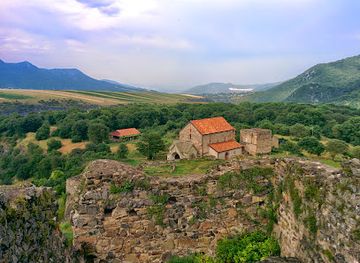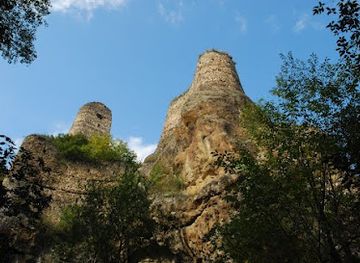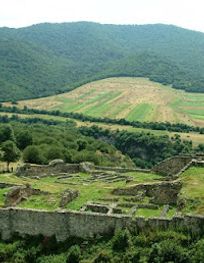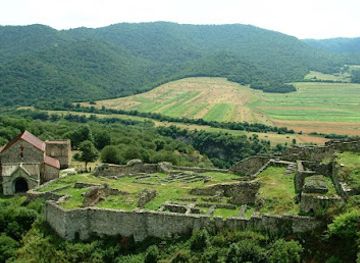
St. Virgin Mary cathedral of Dmanisi
The Majestic St. Virgin Mary Cathedral of Dmanisi

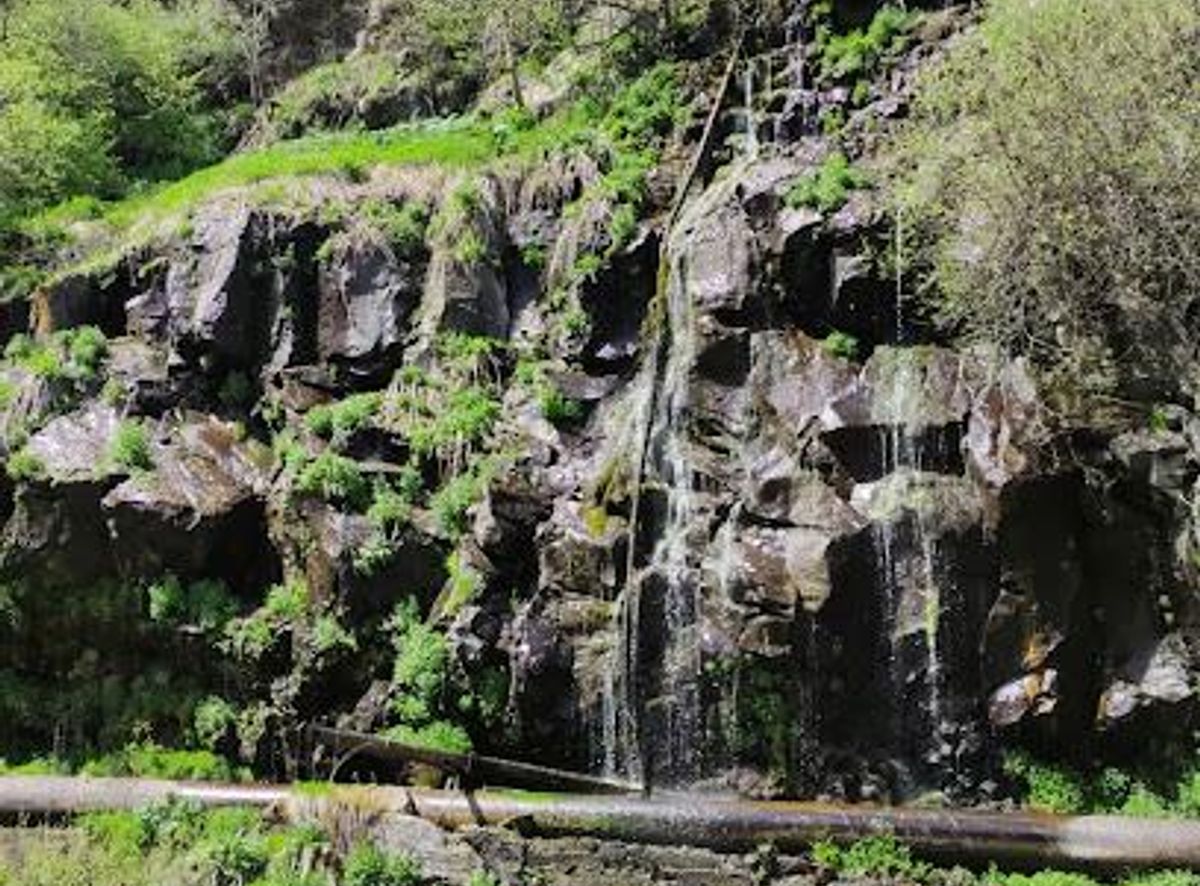
Explore Dmanisi, Georgia: Unearth 1.8-million-year-old hominin fossils and discover the ruins of a medieval Silk Road city.
Dmanisi is an archaeological site and medieval town in Georgia, famed for the discovery of 1.8-million-year-old hominin fossils, the oldest found outside Africa. These remains have revolutionized our understanding of early human migration and evolution. The site also features the ruins of a once-thriving medieval city, offering a glimpse into Georgia's rich history.
Opening times, essentials, and a few local tips gathered into one calmer, easier-to-scan planning section.
Car
The most convenient way to reach Dmanisi is by car from Tbilisi, a journey of approximately 1 hour and 30 minutes. The drive covers around 90 km south of Tbilisi. Car rentals are available in Tbilisi. Consider renting a car for a month as it may be cheaper than renting for a shorter period. Parking is available near the site, though it may require a short walk uphill.
Public Transport
A direct bus route connects Dmanisi to Tbilisi's Ortachala bus station. The bus fare is 5 GEL. Buses depart from Dmanisi at 7:30 am and arrive in Tbilisi at 9:30 am. The return bus departs from Tbilisi at 2:00 pm and arrives in Dmanisi at 4:00 pm. From the Ortachala bus station in Tbilisi, you can take a taxi or public transport to your final destination.
Taxi
Taxis are available from Tbilisi to Dmanisi, with a journey time of around 1 hour and 33 minutes. The estimated cost is $25-$31. Consider ride-sharing apps for potential cost savings. Negotiate the fare with the driver before starting the journey.
Use Dmanisi as your starting point for nearby food, family ideas, nightlife, and more local discoveries.

Explore expert travel guides, compare and book tours, experiences, hotels, and more—all from the palm of your hand. Download now for seamless trip planning wherever your wanderlust takes you.
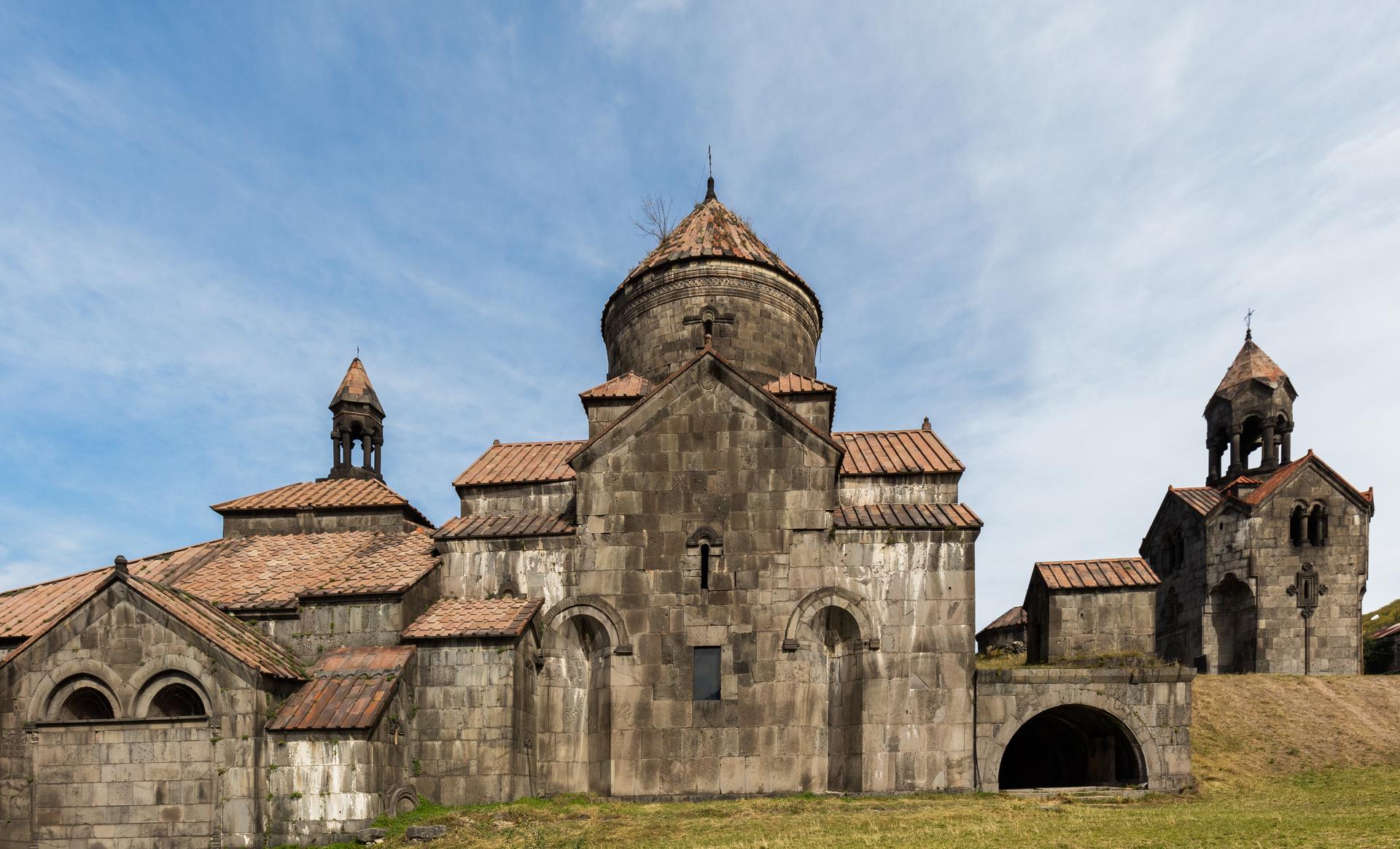
Explore Haghpat, Armenia: A serene village rich in history, culture, and natural beauty, featuring the stunning Haghpat Monastery and welcoming local hospitality.
Tell me more about Haghpat