Hovhannavank, Syunik Travel Guide
Discover Hovhannavank Monastery: A spiritual and architectural treasure in Armenia, offering breathtaking views and a rich historical legacy.
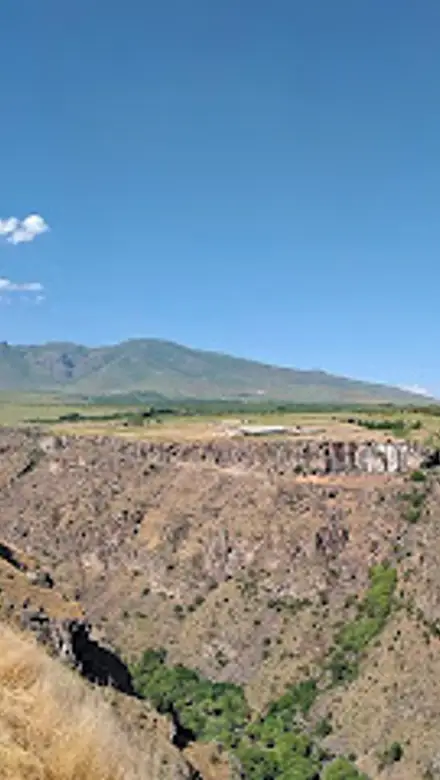
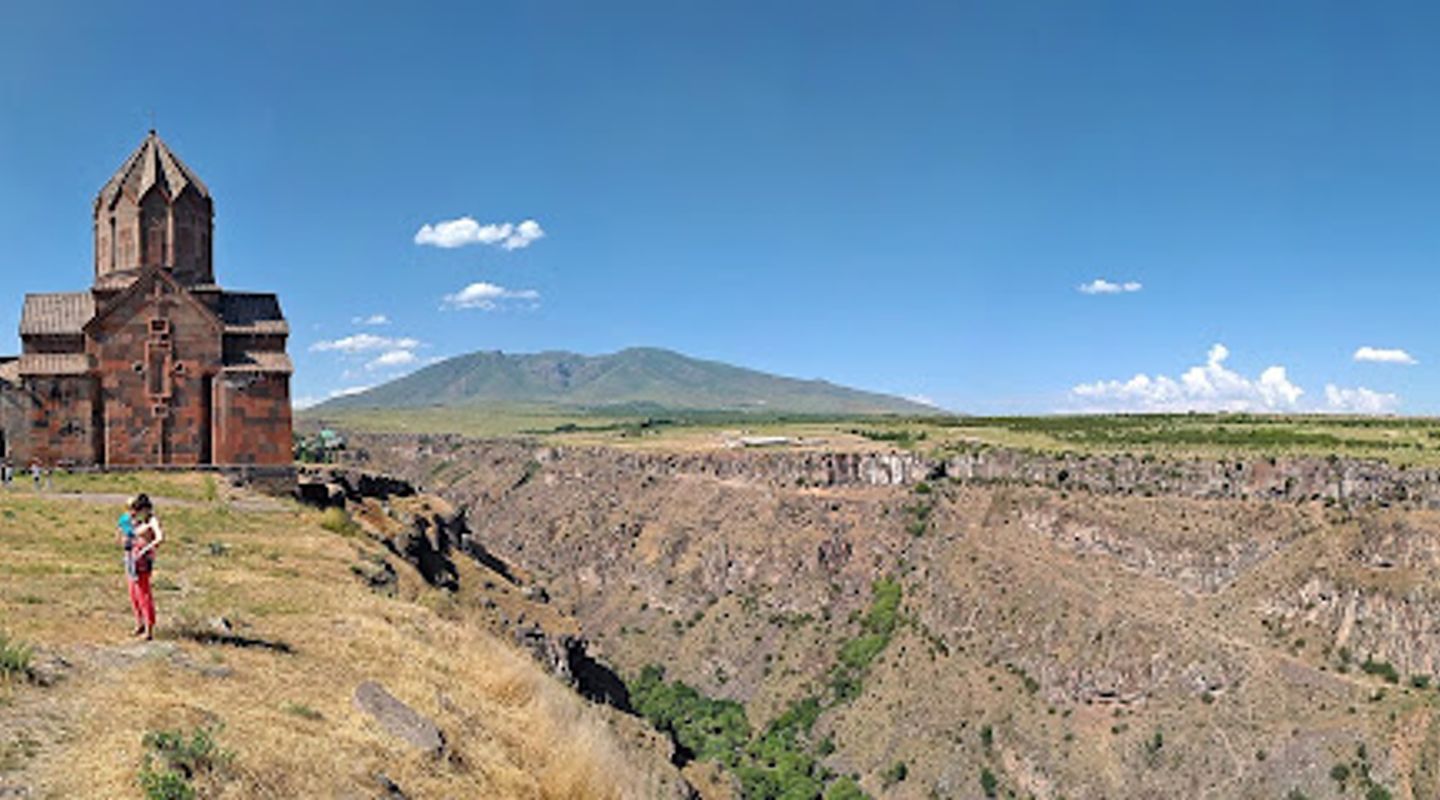
Hovhannavank Monastery, located in Ohanavan village, is a significant religious and architectural complex in Armenia, dating back to the 4th century. Perched on the edge of the Kasagh River canyon, it offers stunning views and a glimpse into Armenia's rich history and artistic heritage.
A brief summary to Hovhannavank
- 89QQ+QCH, Ohanavan, 0225, AM

Know before you go
Hi, I'm Eve. Here are a few practical things to know before exploring Hovhannavank.
- Wear comfortable shoes, as there is some walking required on uneven surfaces to explore the monastery complex.
- Visit early in the morning to avoid crowds and enjoy a peaceful experience.
- Take time to admire the intricate carvings and unique architectural features of the churches.
- Explore the surrounding area for panoramic views of the Kasagh River canyon.
Do you manage this location?
Take control to get all the benefits, like improved information, better appearance, and stronger visibility across AI-powered discovery. Learn more about listing your business on Evendo
Activate your presenceOther nearby places you may find interesting
The closest places of the same kind, if this one is not quite what you had in mind.
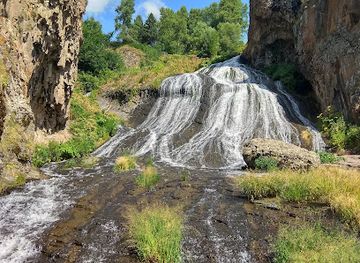
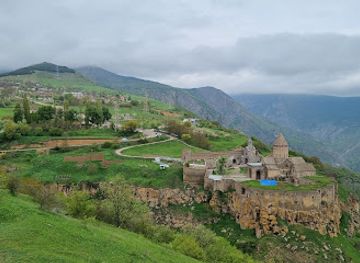
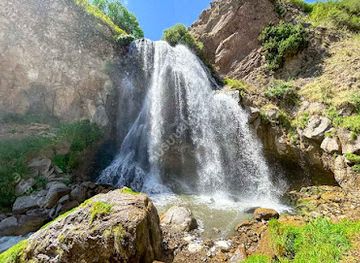
Explore Hovhannavank on the Map
A handpicked selection of must-see spots near Hovhannavank, mapped for you.
Unlock the Best of Hovhannavank
Buy tickets
-
No tickets available
Book tours with entry


Book tours without entry
-
No tours available
Getting There
-
Public Transport
From the main bus station in Aragatsotn, take a marshrutka (minibus) heading towards Ohanavan. The fare is around 300 AMD (approximately $0.80). The journey takes about 30 minutes. Once in Ohanavan, disembark at the last stop. From there, you can either walk (about 30 minutes) or take a taxi to Hovhannavank, which should cost around 1000 AMD (approximately $2.50). The taxi ride will take approximately 10 minutes.
-
Taxi
You can book a taxi from your location in Aragatsotn directly to Hovhannavank. The cost for a taxi ride is generally around 2000 AMD (approximately $5). The journey should take around 20 minutes, depending on traffic.
-
Car
From the center of Aragatsotn, head towards the Ohanavan village. Use the main road leading north. After approximately 12 km, you will see signs for Hovhannavank. Turn right onto the road leading to Hovhannavank. Continue on this road for about 3 km until you reach the monastery, which will be on your left. There is parking available near the entrance.
Discover more about Hovhannavank













Your all‑in‑one travel companion app
Explore expert travel guides, compare and book tours, experiences, hotels, and more—all from the palm of your hand. Download now for seamless trip planning wherever your wanderlust takes you.


Explore More of Syunik
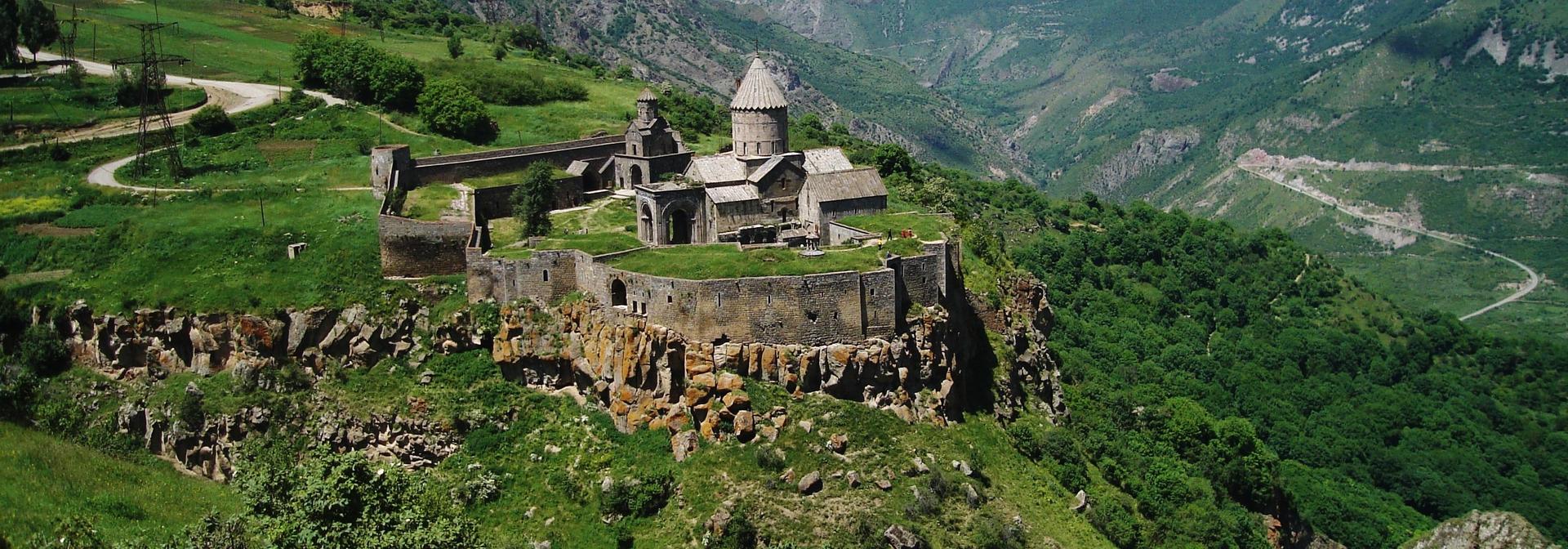
Looking beyond Hovhannavank? Discover Syunik for broader travel guides, local hot-spots, and regional highlights.
Explore Syunik
Explore Mount Ara: Hike Armenia's legendary volcano, discover diverse wildlife, and immerse yourself in ancient mythology.

Explore the rugged beauty of Долина предательских камней in Ohanavan, Armenia, a geological wonder with unique rock formations and scenic views.