

Free Syunik Travel Guide & Mobile App
Explore Syunik with free travel guides. Discover regional history, expert tips, proposed trips, and audio guides on web or mobile app.


Explore Syunik’s mountain gorges, Tatev Monastery, prehistoric stones, forested valleys and southern Armenian food culture near the Iranian frontier.
Read more about Syunik
When is the best time to visit Syunik?
Best: July–September · 20–24°C| Month | High (°C) | Rainfall (mm) |
|---|---|---|
| January | 1 | 25 |
| February | 2 | 20 |
| March | 7 | 30 |
| April | 12 | 35 |
| May | 17 | 45 |
| June | 21 | 50 |
| July (best) | 24 | 40 |
| August (best) | 24 | 35 |
| September (best) | 20 | 30 |
| October | 14 | 25 |
| November | 7 | 20 |
| December | 3 | 25 |
Getting to and around Syunik
How to get there
Transportation
Top city travel guides in Syunik
The cities of Syunik, and the easiest places to base yourself.
-

-


Swipe for more cities
Destinations in Syunik
Resorts, valleys and scenic spots worth a trip of their own.
-

-

-
-

-


Swipe for more destinations
Best attractions in Syunik
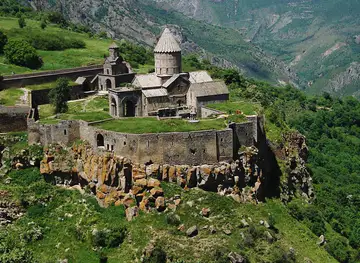
Syunik’s attractions are spread across a large mountainous landscape rather than concentrated in one urban centre. Tatev Monastery is the region’s principal heritage destination, reached by road or, when operating, by the Wings of Tatev aerial tramway above the Vorotan gorge. Near Goris, Khndzoresk combines a dramatic volcanic ravine with former cave dwellings, chapels and a suspension bridge. South of Sisian, the prehistoric stone complex of Zorats Karer offers an archaeological perspective on the high plateau, while Shaki Waterfall provides an accessible natural excursion in the same broad area. The region’s gorges, upland meadows and forested slopes support walking, photography and wildlife watching, particularly in protected landscapes such as Zangezur Sanctuary and Arevik National Park, subject to access conditions and local guidance. Kapan and Kajaran reveal Syunik’s industrial and mountain-town character, whereas Meghri offers a warmer southern environment with orchards and dry valleys. The appeal lies in the combination of monasteries, archaeology, geology and long-distance scenery; many sites require careful transport planning rather than a short walk from a central hotel.
-
Historical landmark
Republic Square
Discover the vibrant heart of Yerevan at Republic Square, a historical landmark blending culture, architecture, and lively gatherings.
-
Monastery
Khor Virap Monastery
Visit Khor Virap Monastery for stunning views of Mount Ararat and a glimpse into Armenia's Christian history. A sacred pilgrimage site.
-
Armenian church
Geghard Monastery
Discover the breathtaking beauty and rich spiritual heritage of Geghard Monastery, a remarkable UNESCO World Heritage site in Armenia.
-
Monastery
Noravank
Discover Noravank Monastery, a 13th-century Armenian architectural masterpiece nestled in a breathtaking gorge, offering a serene and historical escape.


Best landmarks in Syunik
Tatev Monastery is Syunik’s defining architectural landmark, its fortified ensemble standing on a basalt promontory above the Vorotan gorge. The complex’s churches, walls and medieval educational legacy make it significant well beyond its dramatic setting. The stone dwellings and ravine landscape of Old Khndzoresk provide a different kind of heritage, showing how communities adapted to soft volcanic rock and defensible terrain. Zorats Karer, near Sisian, is the region’s most recognisable prehistoric monument: rows and clusters of standing stones occupy an open plateau, although the site’s original purpose remains debated. Goris is distinguished by its planned streets, stone houses and surrounding pinnacles, while the old quarters near the town preserve the visual relationship between settlement and volcanic landscape. Shaki Waterfall is a notable natural landmark, dropping through a rocky gorge in the uplands near Sisian. Farther south, the dry valleys and orchard landscapes around Meghri mark a pronounced geographical transition, while the high Zangezur ranges form the broader mountain backdrop that defines Syunik’s identity.
-
Monastery
Khor Virap Monastery
Experience the spiritual essence of Armenia at Khor Virap Monastery, where history, culture, and breathtaking views converge near the majestic Mount Ararat.
-
Armenian church
Geghard Monastery
Discover the breathtaking Geghard Monastery, a UNESCO World Heritage Site, showcasing rock-hewn churches and stunning natural beauty in Armenia's Azat River Gorge.
-
Monastery
Noravank
Discover the breathtaking beauty and rich history of Noravank Monastery, a stunning Armenian landmark surrounded by majestic cliffs and picturesque landscapes.
-
School
Tatev Monastery
Discover the enchanting Tatev Monastery, a breathtaking blend of spirituality and history in Armenia's stunning landscapes.


Explore Syunik on the map
Plan your trip on one map. See where the top cities, national parks and sights are, and book hotels and experiences in a few clicks.
Best hotels in Syunik
Best restaurants in Syunik
Dining in Syunik is generally informal and closely linked to Armenian home cooking. Restaurants and cafés in Goris, Kapan, Sisian and Meghri serve grilled meats, dolma, soups, salads, lavash, fresh herbs and dairy products, while rural guesthouses may offer meals prepared with seasonal ingredients. The region’s upland setting supports potatoes, grains, herbs and livestock, and local tables often include cheeses, preserves and pickled vegetables. Meghri’s warmer climate and orchards give the far south a particular association with fruit, dried produce, jams and other preserves. Roadside establishments and family-run dining rooms are useful between major towns, although choices become limited in smaller villages and late in the evening. Visitors should distinguish Syunik’s local produce and southern fruit-growing traditions from dishes that belong to Armenian cuisine more broadly. Markets, guesthouses and village homes can be better places to encounter seasonal food than formal restaurants, but arrangements and availability vary, so advance planning is sensible when travelling beyond the main towns.
-
Armenian
Lavash Restaurant
Savor the essence of Armenia at Lavash Restaurant—where tradition meets flavor in every dish.
-
Armenian
Tavern Yerevan (Teryan) Պանդոկ Երևան (Տերյան)
Discover the authentic taste of Armenia at Tavern Yerevan, where culinary tradition meets modern dining in the heart of Yerevan.
-
 Lodging
Harsnadzor Resort, Syunik, Armenia
Discover tranquility at Harsnadzor Resort in Syunik, Armenia - where nature meets comfort for an unforgettable getaway.
-
Restaurant
Tatevatun
Discover authentic Armenian cuisine with breathtaking views at Tatevatun in Halidzor - a must-visit dining destination for travelers.


Best bars in Syunik
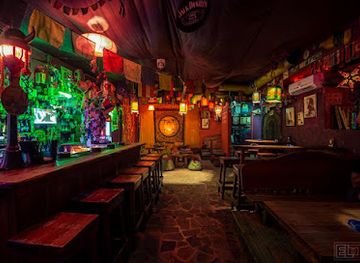
Syunik does not have a large, concentrated nightclub scene. Evening life is centred on cafés, restaurants, hotel lounges and traditional pubs in Goris, Kapan and, to a lesser extent, Sisian and Meghri. These are places for conversation, coffee, soft drinks, Armenian spirits and meals rather than a single entertainment district. Kapan, as the regional capital, tends to offer the broadest urban choice, while Goris has a steady visitor-oriented café culture linked to its hotels and heritage routes. Live music and social gatherings may appear at individual venues, but schedules and opening arrangements change. In rural settlements, evenings are quiet and often revolve around guesthouse meals or local family life. Visitors should not assume that alcohol is necessary to participate in local hospitality, and should arrange transport before travelling between towns after dark, since taxis and intercity services can be limited.
-
Pub
Beatles Pub Yerevan
Experience the vibrant atmosphere of Beatles Pub in Yerevan, where music, food, and culture come together in a unique dining experience.
-
Jazz
Malkhas Jazz Club
Discover the rhythm of Yerevan at Malkhas Jazz Club, where live music meets vibrant nightlife in an intimate setting.
-
Pub
Calumet Ethnic Lounge Bar
Experience the vibrant culture and lively atmosphere at Calumet Ethnic Lounge Bar in Yerevan, perfect for locals and tourists alike.
-
Cocktail bar
DABOO Cocktail Bar
Discover the spirit of Yerevan at Daboo Cocktail Bar, where innovative mixology meets a vibrant nightlife experience.



Best nightclubs in Syunik
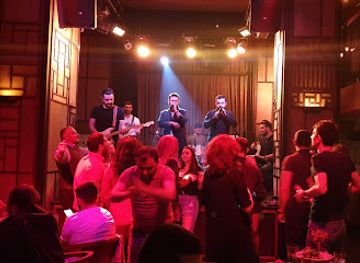
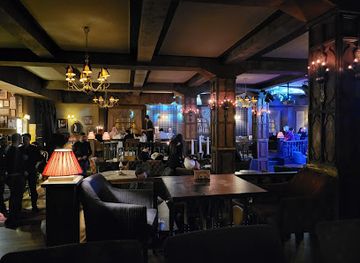
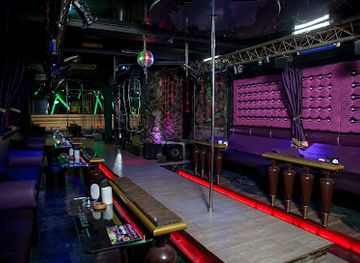
Syunik does not have a large, concentrated nightclub scene. Evening life is centred on cafés, restaurants, hotel lounges and traditional pubs in Goris, Kapan and, to a lesser extent, Sisian and Meghri. These are places for conversation, coffee, soft drinks, Armenian spirits and meals rather than a single entertainment district. Kapan, as the regional capital, tends to offer the broadest urban choice, while Goris has a steady visitor-oriented café culture linked to its hotels and heritage routes. Live music and social gatherings may appear at individual venues, but schedules and opening arrangements change. In rural settlements, evenings are quiet and often revolve around guesthouse meals or local family life. Visitors should not assume that alcohol is necessary to participate in local hospitality, and should arrange transport before travelling between towns after dark, since taxis and intercity services can be limited.
-
Jazz
Malkhas Jazz Club
Discover the heart of Yerevan's nightlife at Malkhas Jazz Club, where live jazz performances and a vibrant atmosphere await.
-
Musical club
Kami Club
Discover the heartbeat of Yerevan's nightlife at Kami Club, where live music, delicious food, and a vibrant atmosphere await.
-
Jazz
Club 12
Discover the enchanting blend of live jazz and authentic Armenian cuisine at Club 12, Yerevan's premier music venue and dining experience.
-
Night club
Omega
Explore the vibrant nightlife of Yerevan at Omega, a premier night club offering great music, drinks, and an unforgettable atmosphere.

Best shops in Syunik
Shopping in Syunik is practical and local in character, with the widest choice found in the high streets and markets of Kapan, Goris, Sisian and Meghri. Small food shops and market stalls sell Armenian staples, fresh produce, cheeses, herbs, dried fruit, preserves and locally made sweets. Meghri is particularly associated with orchard produce and fruit-based products, although availability follows the agricultural season. Goris and other tourist centres have craft, souvenir and gallery-style shops where visitors may find ceramics, textiles, woodwork, artwork and items inspired by regional monasteries and landscapes. Rural guesthouses sometimes sell homemade preserves or dried produce, but quality, packaging and transport arrangements vary. There is little reason to expect the international brands or extensive retail centres found in Yerevan; the value of shopping in Syunik lies in meeting local producers and choosing goods that travel well. Carry cash for small purchases, especially outside the principal towns, and ask about ingredients or customs restrictions when buying food products for an international journey.
-
Gift shop
Vernissage
Explore Vernissage, Yerevan's vibrant market showcasing Armenian handicrafts, art, and culture, a must-visit for every traveler.
-
Shopping mall
Tashir Street Shopping Centre
Explore the Tashir Street Shopping Centre in Yerevan for an unforgettable shopping and dining experience, combining modernity with local culture.
-
Shopping mall
Metronome Shopping Center
Explore the Metronome Shopping Center in Yerevan for a delightful mix of shopping, dining, and entertainment, showcasing the best of modern Armenian culture.
-
Shopping mall
Yerevan Market
Discover the best of Yerevan at Yerevan Market, where local flavors, crafts, and vibrant culture come together in a unique shopping experience.


Get your free copy of our complete guide to Syunik, delivered straight to you.
Everything on this page, from attractions and restaurants to essentials and local phrases, in one PDF you can read offline, print or share.
Already have an account? Sign in
Your Syunik guide is ready.
We'll send it to · Not you? Sign out

Getting your guide ready…
We are putting together a fresh copy of the Syunik guide. This can take up to a minute.
This can take a few moments. If your browser asks, choose Allow so the download can start. You'll find the guide in your Downloads folder.
Nothing happened? Download it again
Sorry, the guide is taking longer than usual. Please try again in a minute, or get it by email instead.
Syunik essentials
Currency and Payment
Safety
Emergency Situations
Do's and Don'ts
Local Tips
From Eve
Local phrases worth knowing
You don't need to get them perfect. A few words go a long way, and locals appreciate the effort.
Basics
| English | Local | Say it |
|---|---|---|
| Hello | Բարև | [Barev] |
| Goodbye | Ցտեսություն | [Tstesutyun] |
| Yes | Այո | [Ayo] |
| No | Ոչ | [Voch] |
| Please/You're welcome | Խնդրեմ/Բարի գալուստ | [Khndrem/Bari galust] |
| Thank you | Շնորհակալություն | [Shnorhakalutyun] |
| Excuse me/Sorry | Ներում ես/Ներեցեք | [Nerum yes/Neretseq] |
| How are you? | Ինչպես եք? | [Inchpes ek?] |
| Fine. And you? | Լավ. Իսկ դուք? | [Lav. Isk duk?] |
| Do you speak English? | Անգլերեն խոսու՞մ եք | [Angleren khosum ek?] |
| I don't understand | Չեմ հասկանում | [Chem haskanum] |
Eating & Drinking
| English | Local | Say it |
|---|---|---|
| I'd like to see the menu, please | Ես ուզում եմ տեսնել մենյուն, խնդրում եմ | [Yes uzum yem tesnel menyun, khndrum yem] |
| I don't eat meat | Ես միս չեմ ուտում | [Yes mis chem utum] |
| Cheers! | Ներեցեք! | [Neretseq!] |
| I would like to pay, please | Ես ուզում եմ վճարել, խնդրում եմ | [Yes uzum yem vjarel, khndrum yem] |
Emergencies
| English | Local | Say it |
|---|---|---|
| Help! | Օգնեք! | [Ognex!] |
| Go away! | Գնացեք! | [Gnatsek!] |
| Call the Police! | Հեռախոսեք ոստիկանություն! | [Herakhoshek vostikanutyun!] |
| Call a doctor! | Հեռախոսեք բժշկի! | [Herakhoshek bzhshki!] |
| I'm lost | Ես կորսված եմ | [Yes korsvats yem] |
| I'm ill | Ես հիվանդ եմ | [Yes hivand yem] |
Shopping
| English | Local | Say it |
|---|---|---|
| I'd like to buy... | Ես ուզում եմ գնել... | [Yes uzum yem gnel...] |
| I'm just looking | Ես պարզապես նայում եմ | [Yes parzapes nayum yem] |
| How much is it? | Որքան արժե? | [Vorkan arzhe?] |
| That's too expensive | Այդ շատ թանկ է | [Ayd shat tank e] |
| Can you lower the price? | Կարող եք իջեցնել գինը? | [Karogh ek ijetsnel giny?] |
Time & Numbers
| English | Local | Say it |
|---|---|---|
| What time is it? | Որ ժամն է? | [Vor zhamn e?] |
| It's one o'clock | Մի ժամ է | [Mi zham e] |
| Half past (10) | Ամեն ինչ 10-ից անցած է | [Amen inch 10-ic antsats e] |
| Morning | Առավոտ | [Aravot] |
| Afternoon | Ցերեկ | [Tserk] |
| Evening | Երեկո | [Yereko] |
| Yesterday | Երեկ | [Yerek] |
| Today | Այսօր | [Aysor] |
| Tomorrow | Վաղը | [Vaghy] |
| 1 | 1 | [1] |
| 2 | 2 | [2] |
| 3 | 3 | [3] |
| 4 | 4 | [4] |
| 5 | 5 | [5] |
| 6 | 6 | [6] |
| 7 | 7 | [7] |
| 8 | 8 | [8] |
| 9 | 9 | [9] |
| 10 | 10 | [10] |
Transport & Directions
| English | Local | Say it |
|---|---|---|
| Where's a/the...? | Որտեղ է ...? | [Vortegh e ...?] |
| What's the address? | Ի՞նչ հասցեն է? | [Inch hascen e?] |
| Can you show me (on the map)? | Կարող եք ցույց տալ ինձ (քարտեզի վրա)? | [Karogh ek tsuyc tal indz (kartesi vra)?] |
| When's the next (bus)? | Երբ է հաջորդ (ավտոբուսը)? | [Yerbn e hajord (avtobusy)?] |
| A ticket (to ....) | Մեկ տոմս (....) | [Mek toms (....)] |
History of Syunik
Prehistoric Syunik and Zorats Karer
The uplands around Sisian contain some of the region’s oldest visible traces of human activity. Zorats Karer, a large arrangement of standing stones with associated archaeological features, belongs to a prehistoric landscape that also includes burial remains and evidence of ancient settlement. It is sometimes compared with megalithic monuments elsewhere, but its precise function should not be presented as settled fact. The site demonstrates that the high plateau was an important place for communities long before the formation of the Armenian kingdom.
Ancient Armenian Kingdoms and Southern Trade Routes
Syunik formed part of the historic Armenian highlands and lay along routes linking the central Armenian plateau with the valleys leading towards Persia and the south. The region’s mountains created defensible valleys while also allowing movement through strategic passes. Successive Armenian kingdoms, as well as larger powers that controlled the area, left cultural and architectural influences. The southern position of Syunik explains its long military and commercial importance, a role that continued through later medieval and early modern periods.
The Medieval Kingdom of Syunik
In the early medieval period, Syunik acquired substantial autonomy under local Armenian rulers. The Kingdom of Syunik, established in the late tenth century, centred on a mountainous territory that included important religious and political foundations. Monasteries served not only as places of worship but also as centres of landholding, education and manuscript production. The political kingdom eventually declined under changing regional pressures, yet its legacy remains visible in the monasteries, fortifications and settlement patterns scattered across southern Armenia.
Tatev as a Medieval Intellectual Centre
Tatev Monastery became one of the most influential religious and educational institutions in medieval Armenia. Its development from the ninth century onwards was supported by local princes and church leaders, and the complex controlled land and resources across the surrounding valleys. The University of Tatev flourished particularly in the fourteenth and fifteenth centuries, when scholars worked in philosophy, theology and the sciences. Tatev’s surviving churches, walls and dramatic setting reflect both its spiritual authority and its wider intellectual role.
Persian and Russian Rule in the Nineteenth Century
For centuries Syunik was affected by rivalry between Persian and Russian empires, with local Armenian communities living amid shifting political authority and military pressure. Following the Russo-Persian conflicts of the early nineteenth century, the territory was incorporated into the Russian Empire. Administrative change brought new connections with the South Caucasus while preserving the region’s strategic importance. Meghri and the Arax valley remained especially significant because of their position beside routes towards Persia and the southern frontier.
Mining, Soviet Modernisation and Contemporary Syunik
During the Soviet period, Syunik’s towns and infrastructure were reshaped by mining, metallurgy, roads and state-directed industrial development. Kapan and Kajaran became closely associated with copper and molybdenum extraction, industries that remain important to the regional economy. Soviet planning altered older settlement patterns and connected remote valleys more systematically to the rest of Armenia. Since independence, Syunik has combined this industrial inheritance with heritage tourism, rural livelihoods and the continuing practical significance of its borders with Iran and Azerbaijan.
Syunik in Photos
Browse through our photo collection highlighting the charm and character of the destination.
Neighbouring regions of Syunik
The closest regions to Syunik, if you have time for more than one.
-

-
-

-
-


Swipe for more regions
Explore more

Explore more of Armenia
Explore Armenia's ancient wonders, vibrant cities, and breathtaking landscapes. From historic monasteries to delicious cuisine, there's something for every traveler.
Explore Armenia