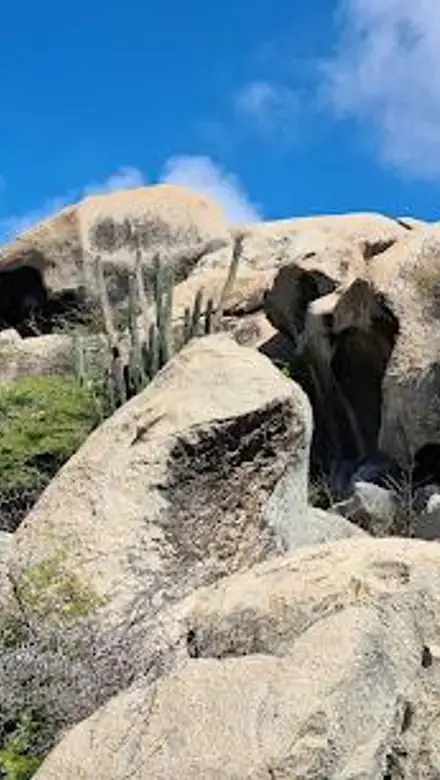
Ayo Rock Formations, Oranjestad Travel Guide
Free Guide: Explore Aruba's mysterious Ayo Rock Formations: ancient boulders, indigenous history, and panoramic views await in this tranquil escape.


A brief summary of Ayo Rock Formations
Explore Aruba's mysterious Ayo Rock Formations: ancient boulders, indigenous history, and panoramic views await in this tranquil escape.
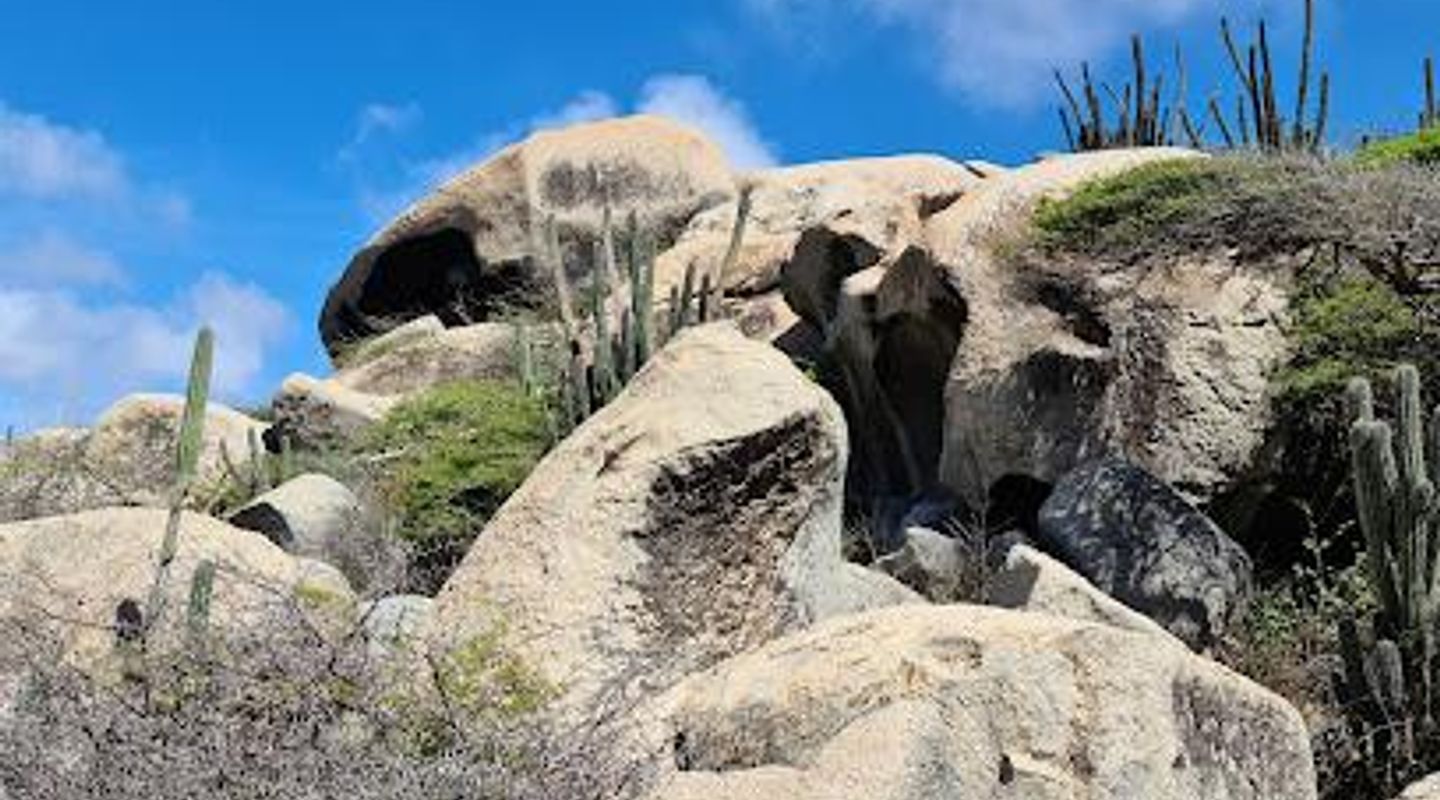
Explore the mysterious Ayo Rock Formations in Aruba, where towering boulders create a unique landscape steeped in history and indigenous culture. Discover ancient petroglyphs and panoramic views in this serene and enigmatic site, offering a glimpse into Aruba's geological past and the traditions of its earliest inhabitants.
Opening hours
- Every dayOpen 24 hours
Opening hours as listed on the venue’s Google Business Profile. Hours can change for services and special events, so check with the venue before you go.
- Address
- 6, Aruba
Getting there
Taxi
Public Transport
Car
Discover more about Ayo Rock Formations
Overview
The Ayo Rock Formations, located in the heart of Aruba, present a landscape unlike any other on the island. These monolithic boulders, some standing up to 40 feet tall, are composed of diorite and have been shaped over millions of years by volcanic activity and erosion. Their presence on the otherwise flat, sandy terrain of Aruba remains a geological mystery, inspiring wonder and speculation.For centuries, the Ayo Rock Formations have held cultural and spiritual significance. The indigenous Arawak people, who inhabited Aruba as early as 2000 B.C., considered the site sacred. They used the rock formations as shelter, a vantage point to spot incoming storms, and a place for spiritual rituals. Evidence of their presence can still be seen today in the ancient petroglyphs etched into the rocks. These carvings, depicting symbols, animals, and human figures, offer a glimpse into the Arawaks' beliefs, customs, and daily life.Visitors to Ayo Rock Formations can wander through the maze-like formations, exploring the unique shapes and textures of the boulders. Paved paths and steps guide visitors through the site, leading to elevated viewpoints with panoramic views of Aruba's countryside. The area provides a tranquil escape from Aruba's bustling tourist areas, inviting contemplation and connection with nature. Keep an eye out for local wildlife, including lizards, birds and iguanas.According to local folklore, the rocks were believed to be sacred sites where the island's indigenous inhabitants sought guidance from their gods. Another legend tells the story of Haystack, a giant who used the rocks as stepping stones. Whether you're drawn to the geological mystery, the cultural history, or the serene beauty, the Ayo Rock Formations offer a unique and unforgettable experience in Aruba.
Evendo Review Centre
 Google
Guest reviews
Explore Ayo Rock Formations on the map
A handpicked selection of must-see spots near Ayo Rock Formations, mapped for you.
Get your free copy of our complete guide to Ayo Rock Formations, delivered straight to you.
Everything on this page, from opening hours and how to get there to Eve’s tips and the best time to go, in one PDF you can read offline, print or share.
Already have an account? Sign in
Your Ayo Rock Formations guide is ready.
We'll send it to · Not you? Sign out

Getting your guide ready…
We are putting together a fresh copy of the Ayo Rock Formations guide. This can take up to a minute.
This can take a few moments. If your browser asks, choose Allow so the download can start. You'll find the guide in your Downloads folder.
Nothing happened? Download it again
Sorry, the guide is taking longer than usual. Please try again in a minute, or get it by email instead.
Unlock the best of Ayo Rock Formations
Skip-the-line tickets, guided tours with entry, and walking tours of the area, booked in a few clicks.


Other nearby places you may find interesting
The closest places of the same kind, if this one is not quite what you had in mind.
-
-
-
-

-


Swipe for more places
More to explore near Ayo Rock Formations

 Best experiences near Ayo Rock Formations
 Best hotels near Ayo Rock Formations
 Best landmarks near Ayo Rock Formations
 Best attractions near Ayo Rock Formations
 Best shops near Ayo Rock Formations
 Best restaurants near Ayo Rock Formations
 Best bars near Ayo Rock Formations
Do you manage this location?
Take control to get all the benefits, like improved information, better appearance, and stronger visibility across AI-powered discovery.
Explore more

Explore more of Oranjestad
Discover Oranjestad: Aruba's vibrant capital, known for its colorful architecture, rich history, pristine beaches, and lively cultural scene.
Explore Oranjestad
Explore more of Aruba
Discover Aruba, the Caribbean's sun-drenched paradise with pristine beaches, rich culture, and warm hospitality. Your perfect getaway awaits on this happy island.
Explore Aruba