

Free Oranjestad Travel Guide & Mobile App
Plan your Oranjestad trip with Evendo. Get free guides to top attractions, restaurants, hotels, and bars. Web access or download the mobile app.


Oranjestad, Aruba’s colourful capital, pairs Dutch-Caribbean architecture with harbour views, museums, markets, beaches and easy island sightseeing for visitors.
Harbour, Heritage and Island Life
Oranjestad is Aruba’s compact capital, set along the island’s southern coast where pastel façades, dry tropical light and a busy harbour give the city its distinctive character. Its historic centre is easy to explore on foot, with colourful commercial buildings, civic landmarks and streets shaped by Dutch colonial influence and Caribbean adaptation. Fort Zoutman and the Willem III Tower form the core of the city’s oldest surviving architectural ensemble, while the nearby National Archaeological Museum Aruba traces the island’s much earlier Indigenous past.Read more about Oranjestad
A Small Capital with Many Layers
When is the best time to visit Oranjestad?
Best: January–March · 30–31°C| Month | High (°C) | Rainfall (mm) |
|---|---|---|
| January (best) | 30 | 15 |
| February (best) | 31 | 5 |
| March (best) | 31 | 5 |
| April | 31 | 10 |
| May | 31 | 15 |
| June | 32 | 25 |
| July | 32 | 25 |
| August | 32 | 25 |
| September | 32 | 25 |
| October | 32 | 25 |
| November | 31 | 20 |
| December | 31 | 15 |
Getting to and around Oranjestad
How to get there
Transportation
Best attractions in Oranjestad
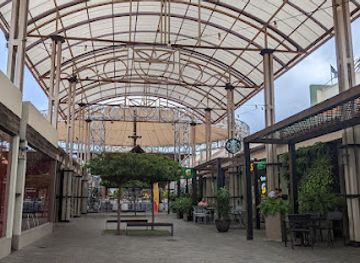
Oranjestad’s principal sightseeing area extends from the harbour through the historic centre, where Fort Zoutman and the Willem III Tower introduce Aruba’s colonial and maritime history. The National Archaeological Museum Aruba, housed in the historic Ecury complex, presents Indigenous artefacts and explains the island’s pre-European past. Along the waterfront, the Renaissance Marketplace combines shops, restaurants and a lively setting near the cruise terminal, while Wilhelmina Park offers shaded paths, sculptures and sea views. The city’s colourful façades, public art and restored historic buildings reward unhurried walking between formal attractions. Visitors can also use Oranjestad’s harbour as a departure point for organised boat trips, although snorkelling sites and coastal excursions extend beyond the city itself. The compact layout makes it possible to combine museums, shopping streets, civic buildings and cafés in a single urban exploration without treating the capital as merely a cruise stop.
-
Beach
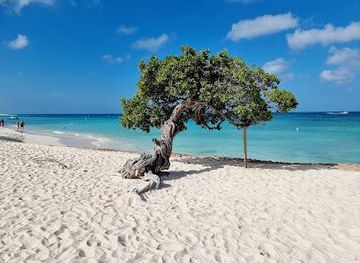
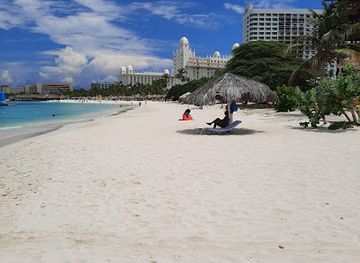
Eagle Beach
Experience the stunning beauty of Eagle Beach, Aruba, where powdery sands meet crystal-clear waters for the ultimate beach getaway.
13 min drive · 4.3 km from city centre
-
Tourist attraction
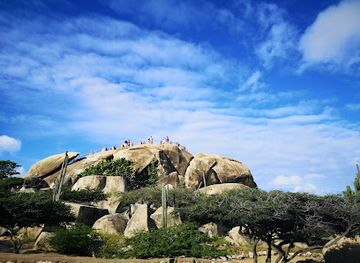
Casibari Rock Formations
Discover the stunning Casibari Rock Formations in Aruba, where nature, adventure, and breathtaking views converge for an unforgettable experience.
13 min drive · 4.5 km from city centre
-
Tour agency
De Palm Tours Aruba
Discover Aruba's vibrant culture and stunning landscapes with De Palm Tours, your ultimate gateway to unforgettable adventures in paradise.
6 min drive · 1.8 km from city centre
-
Museum
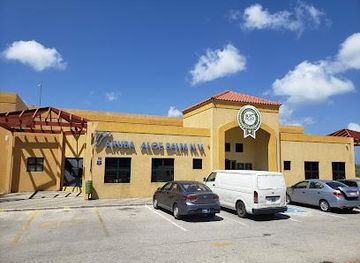
Aruba Aloe Factory Museum and Store
Discover Aruba's aloe heritage: tour the factory, explore the museum, and shop for premium aloe products made with 100% pure Aruba Aloe Vera gel.
8 min drive · 2.5 km from city centre


Best landmarks in Oranjestad
Fort Zoutman is Oranjestad’s defining historic landmark, built in 1796 to protect the harbour and now forming part of the city’s principal heritage ensemble. Beside it stands the Willem III Tower, a nineteenth-century lighthouse and clock tower whose silhouette remains closely associated with the capital. The Protestant Church, dating from the nineteenth century, reflects the long Dutch religious and civic presence on the island, while the nearby government and commercial buildings show how Oranjestad developed around administration and trade. Wilhelmina Park adds a civic landscape of palms, paths and monuments along the coast. Together these places reveal a capital shaped less by grand imperial architecture than by fortification, seafaring, public administration and Caribbean adaptation. Their scale suits the city’s walkable centre, where historic façades stand alongside modern shops, cafés and harbour infrastructure.
-
Tourist attraction
Casibari Rock Formations
Explore Aruba's geological wonders at Casibari Rock Formations: hike the unique boulders, discover ancient petroglyphs, and enjoy panoramic island views.
13 min drive · 4.5 km from city centre
-
Tourist attraction
Butterfly Farm
Explore the vibrant Butterfly Farm in Aruba, where hundreds of butterflies dance among tropical gardens, offering a unique experience for nature lovers.
16 min drive · 5.2 km from city centre
-
 Chapel
Alto Vista Chapel
Discover the tranquil beauty of Alto Vista Chapel in Aruba, a serene retreat with stunning views and rich cultural significance.
21 min drive · 6.9 km from city centre
-
Historical landmark
Bushiribana Ruins
Discover the rich history and stunning coastal views at Bushiribana Ruins, a must-visit historical landmark in Aruba.
23 min drive · 7.5 km from city centre

Explore Oranjestad on the map
Plan your Oranjestad trip on one map. See where the top attractions, landmarks, restaurants, bars and hotels are, find what's near where you're staying, and book hotels and experiences in a few clicks.
Best hotels in Oranjestad
Best restaurants in Oranjestad
Oranjestad’s food culture reflects Aruba’s Indigenous, Dutch, African, Latin American and wider Caribbean connections. Local specialities include pastechi, a savoury filled pastry commonly eaten as a snack; keshi yena, a baked dish centred on stuffed cheese; and pan bati, a soft cornmeal bread often served with stews or seafood. Fish, shrimp and other coastal ingredients appear alongside Dutch-influenced appetisers and recipes shared across the ABC islands. Downtown cafés, casual counters and bakeries provide accessible ways to sample local flavours, while the waterfront and Renaissance Marketplace offer a broader range of international dining. Aruban kitchens also make use of stewed meats, rice, plantain and spicy sauces, with menus varying from homespun dishes to contemporary interpretations. Dining is generally relaxed, and reservations become more relevant for popular evening restaurants and larger hotel-area venues.
-
Pancake
The Dutch Pancakehouse
Discover the delightful tastes of Aruba at The Dutch Pancakehouse—your go-to destination for scrumptious pancakes and breakfast delights.
4 min walk · 0.3 km from city centre
-
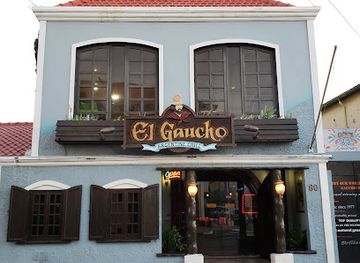
Argentinian
El Gaucho
Discover the authentic taste of Argentina at El Gaucho in Oranjestad, where exquisite grilled meats meet a vibrant atmosphere.
6 min walk · 0.4 km from city centre
-
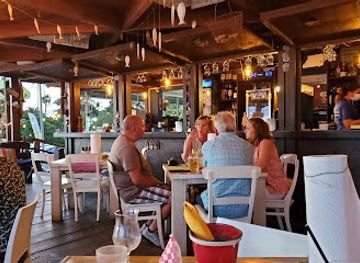
Restaurant
West Deck
Experience the best of Aruban cuisine at West Deck - where fresh seafood meets stunning ocean views in Oranjestad.
5 min walk · 0.4 km from city centre
-
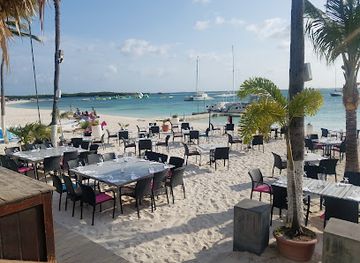
Restaurant
Barefoot Restaurant
Discover Barefoot Restaurant in Aruba: where exquisite seafood meets stunning ocean views for an unforgettable dining experience.
17 min walk · 1.3 km from city centre
Best bars in Oranjestad
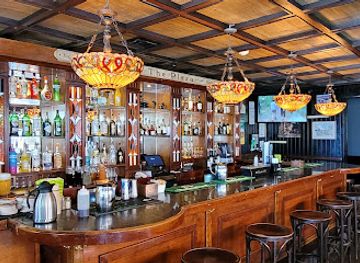
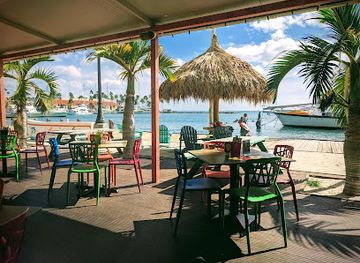
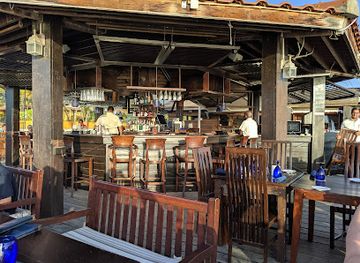
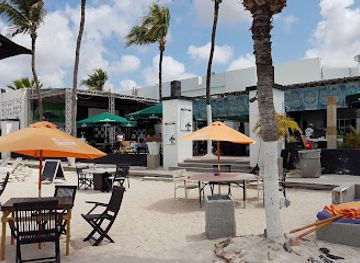
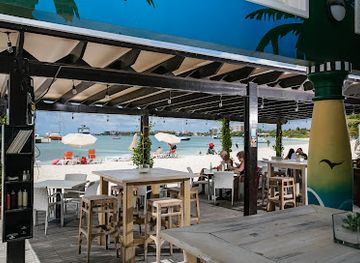
Oranjestad’s nightlife is more varied than its compact size suggests, though it is generally concentrated around the waterfront, downtown streets and hotel-linked entertainment areas rather than one large club district. Waterfront bars and lounges provide relaxed settings for Caribbean music, cocktails and sunset views, while the Renaissance Marketplace and nearby streets fill with evening diners and live entertainment. Casinos attached to some hotels contribute to the city’s after-dark leisure scene, and cultural performances or concerts at venues such as Cas di Cultura offer alternatives to drinking and dancing. The atmosphere is usually sociable and informal, with activity shaped by cruise arrivals, weekends and the tourism calendar. Visitors should use licensed taxis after late evenings, check venue policies locally and remember that some of Aruba’s best-known nightlife areas are outside the capital in the resort districts.
-
Bar
Lucy's Retired Surfers Bar & Restaurant
Experience the vibrant flavors and laid-back atmosphere at Lucy's Retired Surfers Bar & Restaurant in Aruba, where coastal charm meets delicious cuisine.
4 min walk · 0.3 km from city centre
-
Grill
Pinchos Bar and Grill
Experience the best of Aruban cuisine at Pinchos Bar and Grill, where every meal is paired with breathtaking ocean views.
13 min walk · 1.1 km from city centre
-
Bar
Reflexions Beach Bar & Restaurant Aruba
Discover the perfect blend of relaxation and exquisite dining at Reflexions Beach Bar & Restaurant in Aruba, where breathtaking views meet delicious cuisine.
16 min walk · 1.3 km from city centre
-
Bar
Surfside Beach Bar
Discover the vibrant atmosphere and stunning ocean views at Surfside Beach Bar, Aruba's ultimate destination for relaxation and delicious cuisine.
18 min walk · 1.4 km from city centre
Best nightclubs in Oranjestad
Oranjestad’s nightlife is more varied than its compact size suggests, though it is generally concentrated around the waterfront, downtown streets and hotel-linked entertainment areas rather than one large club district. Waterfront bars and lounges provide relaxed settings for Caribbean music, cocktails and sunset views, while the Renaissance Marketplace and nearby streets fill with evening diners and live entertainment. Casinos attached to some hotels contribute to the city’s after-dark leisure scene, and cultural performances or concerts at venues such as Cas di Cultura offer alternatives to drinking and dancing. The atmosphere is usually sociable and informal, with activity shaped by cruise arrivals, weekends and the tourism calendar. Visitors should use licensed taxis after late evenings, check venue policies locally and remember that some of Aruba’s best-known nightlife areas are outside the capital in the resort districts.
-
Night club
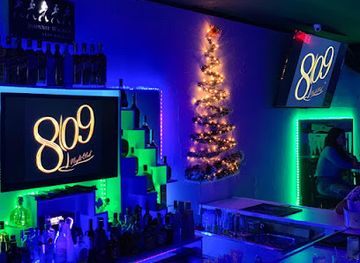
809 Nightclub
Immerse yourself in the electrifying nightlife of Oranjestad at 809 Nightclub, where unforgettable beats and vibrant energy await.
7 min walk · 0.6 km from city centre
-
Night club
Disco Club
Discover the iconic Disco Club in Oranjestad, where vibrant nightlife meets unforgettable dance experiences in the heart of Aruba.
12 min walk · 1.0 km from city centre
-
Night club
Amsterdam night club aruba
Discover Aruba's nightlife at its finest in this vibrant night club, perfect for dancing, drinks, and unforgettable moments.
12 min walk · 1.0 km from city centre
-
Lounge
Long Island Bar Aruba
Discover the vibrant nightlife at Long Island Bar Aruba, a premier lounge for unforgettable drinks and live entertainment in Oranjestad.
6 min drive · 2.1 km from city centre
Best shops in Oranjestad
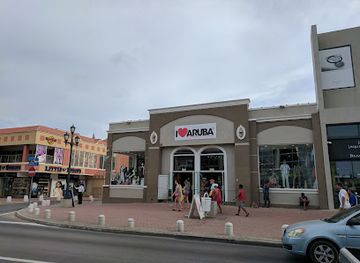
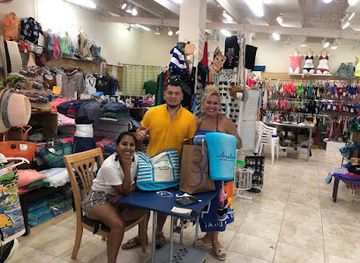
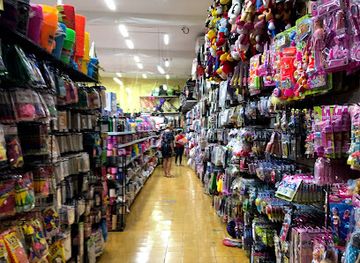
Shopping in Oranjestad centres on the waterfront, downtown streets and the Renaissance Marketplace, where cruise traffic and local commerce have created a strong retail presence. Jewellers, watch retailers, souvenir shops, pharmacies and international brands sit alongside smaller businesses selling Aruba-themed gifts, beachwear and crafts. For more characterful purchases, look for locally made artworks, ceramics, aloe-based products, island food items and colourful textiles, while checking provenance when a product is described as handmade or locally produced. The central market environment is geared towards visitors, but bakeries and small food shops provide a closer glimpse of everyday purchasing habits. Retail activity is busiest around cruise arrivals and tourist hours, whereas quieter streets can reveal independent galleries and practical shops used by residents. Aruba’s dry climate also makes lightweight clothing, sun protection and reusable water containers especially practical island purchases.
-
Shopping mall
Renaissance Marketplace
Experience the best of shopping, dining, and entertainment at Renaissance Marketplace in Oranjestad, Aruba, a vibrant destination for every tourist.
3 min walk · 0.2 km from city centre
-
Shopping mall
Royal Plaza Mall
Explore Royal Plaza Mall in Oranjestad, Aruba - a vibrant shopping haven with local boutiques, international brands, and delightful dining options.
6 min walk · 0.5 km from city centre
-
Gift shop
Style Aruba .com (Appt. Only! Book Online Or Call)
Shop at Style Aruba for unique beach clothing, exquisite jewelry, and local treasures that embody the vibrant spirit of the island.
5 min drive · 1.5 km from city centre
-
Department store
Super Shopping
Explore Super Shopping in Oranjestad, Aruba, where diverse retail offerings meet a vibrant shopping experience for every traveler.
5 min walk · 0.4 km from city centre
Get your free copy of our complete guide to Oranjestad, delivered straight to you.
Everything on this page, from attractions and restaurants to essentials and local phrases, in one PDF you can read offline, print or share.
Already have an account? Sign in
Your Oranjestad guide is ready.
We'll send it to · Not you? Sign out

Getting your guide ready…
We are putting together a fresh copy of the Oranjestad guide. This can take up to a minute.
This can take a few moments. If your browser asks, choose Allow so the download can start. You'll find the guide in your Downloads folder.
Nothing happened? Download it again
Sorry, the guide is taking longer than usual. Please try again in a minute, or get it by email instead.
Oranjestad essentials
Currency and Payment
Safety
Emergency Situations
Do's and Don'ts
Local Tips
From Eve
Local phrases worth knowing
You don't need to get them perfect. A few words go a long way, and locals appreciate the effort.
Basics
| English | Local | Say it |
|---|---|---|
| Hello | Bon dia | [Bon dee-ah] |
| Goodbye | Ayo | [Ah-yo] |
| Yes | Si | [See] |
| No | No | [Noh] |
| Please/You're welcome | Por fabor | [Por fa-bor] |
| Thank you | Danki | [Dahn-kee] |
| Excuse me/Sorry | Pardon | [Par-don] |
| How are you? | Con ta bai? | [Kon ta bah-ee?] |
| Fine. And you? | Bon. I bo? | [Bon. E bo?] |
| Do you speak English? | Bo papia ingles? | [Bo pa-pee-ah een-gles?] |
| I don't understand | Mi no ta comprende | [Mee noh ta com-prehn-deh] |
Eating & Drinking
| English | Local | Say it |
|---|---|---|
| I'd like to see the menu, please | Mi kier mira e menu, por fabor | [Mee keer mee-rah eh meh-noo, por fa-bor] |
| I don't eat meat | Mi no ta come karni | [Mee noh tah koh-meh kar-nee] |
| Cheers! | Salud! | [Sah-loot] |
| I would like to pay, please | Mi kier paga, por fabor | [Mee keer pah-gah, por fa-bor] |
Emergencies
| English | Local | Say it |
|---|---|---|
| Help! | Yuda! | [Yoo-dah] |
| Go away! | Bai bek! | [Bye beck] |
| Call the Police! | Yama polis! | [Ya-ma po-lees] |
| Call a doctor! | Yama un dokter! | [Ya-ma oon dok-ter] |
| I'm lost | Mi ta perdi | [Mee tah pair-dee] |
| I'm ill | Mi ta malu | [Mee tah mah-loo] |
Shopping
| English | Local | Say it |
|---|---|---|
| I'd like to buy... | Mi kier cumpra... | [Mee keer koom-prah] |
| I'm just looking | Mi ta so mira | [Mee tah soh mee-rah] |
| How much is it? | Con ta costa esaki? | [Kon tah kohs-tah eh-sah-kee?] |
| That's too expensive | Esaki ta muchu caro | [Eh-sah-kee tah moo-choo kah-ro] |
| Can you lower the price? | Porfabor baha e prijs? | [Por-fa-bor bah-hah eh prees?] |
Time & Numbers
| English | Local | Say it |
|---|---|---|
| What time is it? | Conora ta? | [Koh-no-rah tah] |
| It's one o'clock | Ta un ora | [Tah oon oh-rah] |
| Half past (10) | Mitad di dies | [Mee-tad dee dees] |
| Morning | Madruga | [Mah-droo-gah] |
| Afternoon | Atardi | [Ah-tar-dee] |
| Evening | Anochi | [Ah-noh-chee] |
| Yesterday | Ayer | [Ah-yer] |
| Today | Awe | [Ah-weh] |
| Tomorrow | Mañana | [Mah-nyah-nah] |
| 1 | Uno | [Oo-no] |
| 2 | Dos | [Dohs] |
| 3 | Tres | [Tres] |
| 4 | Cuatro | [Kwah-tro] |
| 5 | Cinco | [Seen-koh] |
| 6 | Seis | [Sayss] |
| 7 | Siete | [See-eh-teh] |
| 8 | Ocho | [Oh-cho] |
| 9 | Nueve | [Nweh-veh] |
| 10 | Diez | [Dee-ehs] |
Transport & Directions
| English | Local | Say it |
|---|---|---|
| Where's a/the...? | Unda ta e...? | [Oon-dah tah eh] |
| What's the address? | Cual ta e adres? | [Kwal tah eh ah-dres] |
| Can you show me (on the map)? | Por fabor mustra mi (riba e mapa)? | [Por fa-bor moos-trah mee (ree-bah eh mah-pah)] |
| When's the next (bus)? | Con ora e siguiente (bus)? | [Koh-no-rah eh see-gwee-ehn-teh (boos)] |
| A ticket (to ....) | Un ticket (pa ....) | [Oon tee-ket (pah)] |
History of Oranjestad
Caquetío Roots and Early Encounters
Long before Oranjestad existed, Aruba was inhabited by Caquetío people associated with the Arawakan-speaking communities of the mainland coast. Archaeological evidence, including pottery, tools and other artefacts, demonstrates an established Indigenous culture adapted to the island’s dry environment. Spanish explorers reached Aruba in the late fifteenth century, and the island subsequently entered a colonial Atlantic network that brought new political authorities, religious influence and patterns of settlement. The National Archaeological Museum Aruba in Oranjestad preserves and interprets material from these earlier periods, ensuring that the city’s history is not reduced to its later Dutch buildings and commercial development.
Dutch Rule and Fort Zoutman
The Dutch West India Company took control of Aruba in 1636 during the wider struggle between the Dutch and Spanish empires. European settlement remained relatively limited for long periods, but the island’s strategic position made protection of its main harbour increasingly important. Fort Zoutman was constructed in 1796, making it Aruba’s oldest surviving building and the anchor of modern Oranjestad’s historic centre. The fort was named after Johan Arnold Zoutman, a Dutch naval commander. Its later association with the Willem III Tower, built in the nineteenth century as a lighthouse and clock tower, reflects the gradual growth of the settlement around the harbour.
The Capital Takes Shape
Oranjestad developed as a port settlement around Fort Zoutman and became Aruba’s principal administrative and commercial centre. The town was named Oranjestad, or Orange City, in honour of the Dutch royal house, and its streets expanded as government offices, homes, shops and trading businesses gathered around the waterfront. Nineteenth-century commerce included aloe cultivation and small-scale trade, while the harbour connected Aruba with regional shipping routes. The surviving fort, tower, churches and civic buildings provide visible evidence of this transition from a modest colonial outpost to the island’s recognised capital.
Oil, Labour and Modern Aruba
Aruba’s twentieth-century economy was transformed by the opening of the Lago oil refinery at San Nicolas in 1929. Although the refinery was outside Oranjestad, its growth reshaped the entire island, attracting workers from the Caribbean, Latin America, Europe and elsewhere and increasing demand for transport, services and administration in the capital. Oranjestad became more closely tied to an international labour force and a modern infrastructure. The resulting cultural mixture helped shape Aruba’s multilingual society, while the port and government functions continued to distinguish the capital from the refinery town and other settlements.
Autonomy and a Tourism-Led Present
Aruba became a separate country within the Kingdom of the Netherlands in 1986, a constitutional change that strengthened the island’s own political institutions while retaining its kingdom relationship. In the later twentieth century, tourism became a central economic force, bringing new hotels, cruise traffic, retail development and visitor services to Oranjestad and the western coast. The capital now combines administrative functions with a heritage district, shopping areas and a maritime gateway. Its contemporary identity reflects Indigenous foundations, Dutch political history, Caribbean migration and the international economy that supports modern Aruba.
Oranjestad in Photos
Browse through our photo collection highlighting the charm and character of the destination.
Cities near Oranjestad
The closest cities to Oranjestad, if you have time for more than one stop.
-

-

-

-

-


Swipe for more cities
Explore more

Explore more of Aruba
Discover Aruba, the Caribbean's sun-drenched paradise with pristine beaches, rich culture, and warm hospitality. Your perfect getaway awaits on this happy island.
Explore Aruba