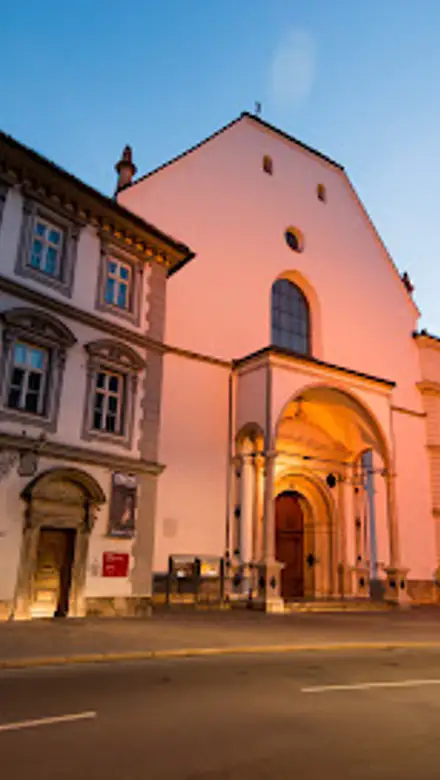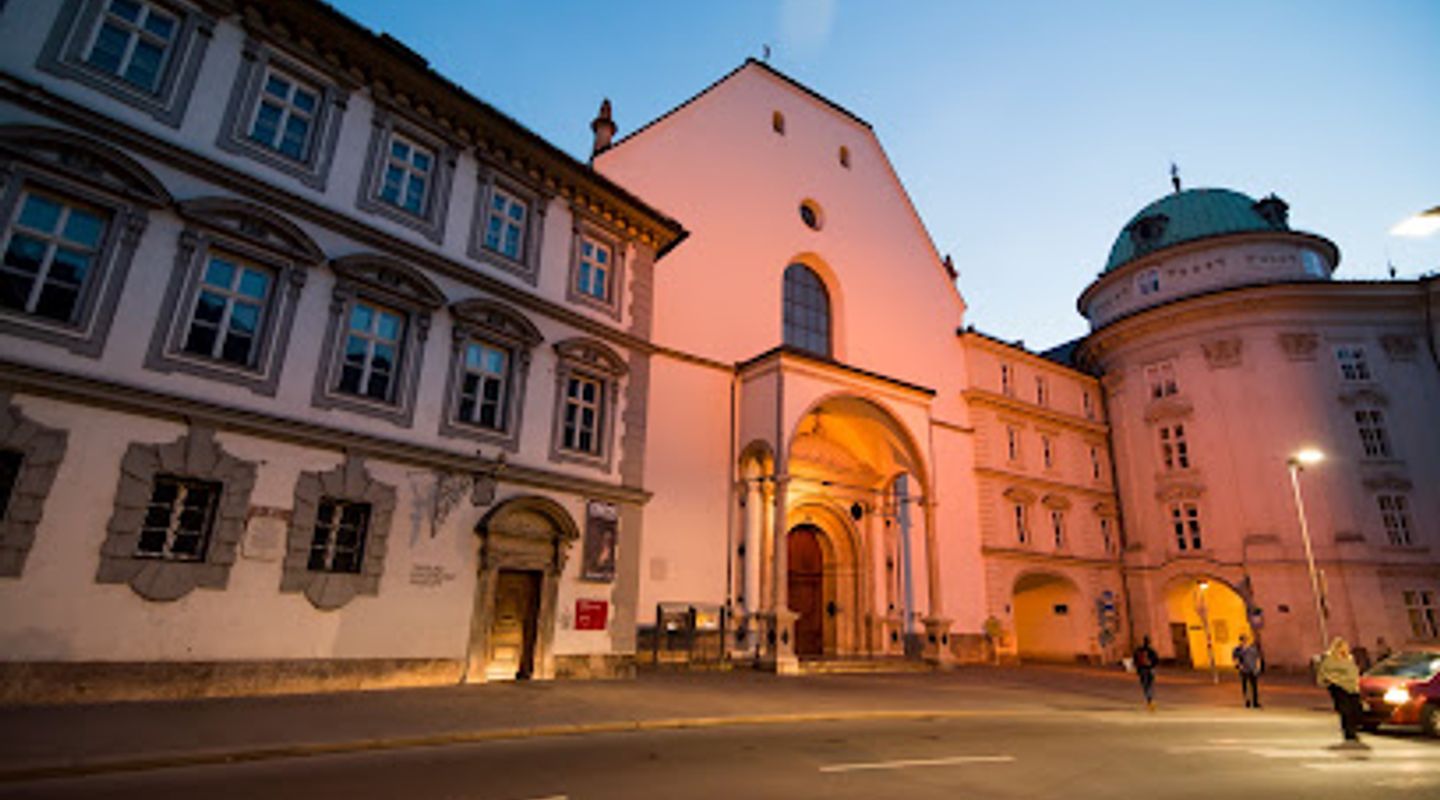
Tyrolean Folk Art Museum, Innsbruck Travel Guide
Explore the heart of Tyrolean culture at the Tyrolean Folk Art Museum, where history, art, and tradition come alive in the stunning city of Innsbruck.
Immerse yourself in the captivating world of Tyrolean culture at the Tyrolean Folk Art Museum in Innsbruck. This exquisite museum showcases a remarkable collection of traditional artifacts, artworks, and historical exhibits that reflect the region's rich heritage. From intricate craftsmanship to vibrant folk costumes, each display tells a story of the Tyrolean way of life, making it a must-visit destination for tourists eager to connect with the local culture.
A brief summary to Tyrolean Folk Art Museum
- Universitätsstraße 2, Innsbruck, Innenstadt, 6020, AT
- Click to display
- Click to display
- Monday 9 am-5 pm
- Tuesday 9 am-5 pm
- Wednesday 9 am-5 pm
- Thursday 9 am-5 pm
- Friday 9 am-5 pm
- Saturday 9 am-5 pm
- Sunday 9 am-5 pm

Know before you go
Hi, I'm Eve. Here are a few practical things to know before exploring Tyrolean Folk Art Museum.
- Visit on weekdays for a quieter experience and more personal exploration of the exhibits.
- Check for any special exhibitions or events that might be taking place during your visit.
- Don't miss the museum shop for unique Tyrolean crafts and souvenirs to take home.
- Plan to spend at least 1-2 hours to fully appreciate the diverse collections.
- Consider joining a guided tour for in-depth insights into the exhibits and their historical significance.
Do you manage this location?
Take control to get all the benefits, like improved information, better appearance, and stronger visibility across AI-powered discovery. Learn more about listing your business on Evendo
Activate your presenceOther nearby places you may find interesting
The closest places of the same kind, if this one is not quite what you had in mind.

Explore Tyrolean Folk Art Museum on the Map
A handpicked selection of must-see spots near Tyrolean Folk Art Museum, mapped for you.
Getting There
-
Walking
If you are starting from Innsbruck's main train station (Innsbruck Hauptbahnhof), exit the station and head south on Bahnhofstraße. Continue straight for about 500 meters until you reach the junction with Anichstraße. Turn right onto Anichstraße and walk for another 250 meters. You will then reach the intersection with Universitätsstraße. Turn left onto Universitätsstraße, and the Tyrolean Folk Art Museum will be on your right at Universitätsstraße 2, just a short 200 meters down the street.
-
Public Transport - Tram
From the main train station (Innsbruck Hauptbahnhof), take tram line 1 or 3 heading towards 'Igls' or 'Mühlau'. Get off at the stop 'Universität' after approximately 4 stops (about a 10-minute ride). Once you exit the tram, walk a short distance down Universitätsstraße, and the Tyrolean Folk Art Museum will be located at Universitätsstraße 2, just a few steps away.
-
Public Transport - Bus
From the main train station (Innsbruck Hauptbahnhof), you can take bus line A or line R towards 'Reichenau' or 'Hötting'. Get off at the stop 'Universität' after about 5 stops (approximately 10-15 minutes). After exiting the bus, walk along Universitätsstraße, and you will find the Tyrolean Folk Art Museum at Universitätsstraße 2, a short walk away.
Discover more about Tyrolean Folk Art Museum
More to explore near Tyrolean Folk Art Museum













Your all‑in‑one travel companion app
Explore expert travel guides, compare and book tours, experiences, hotels, and more—all from the palm of your hand. Download now for seamless trip planning wherever your wanderlust takes you.


Explore More of Innsbruck
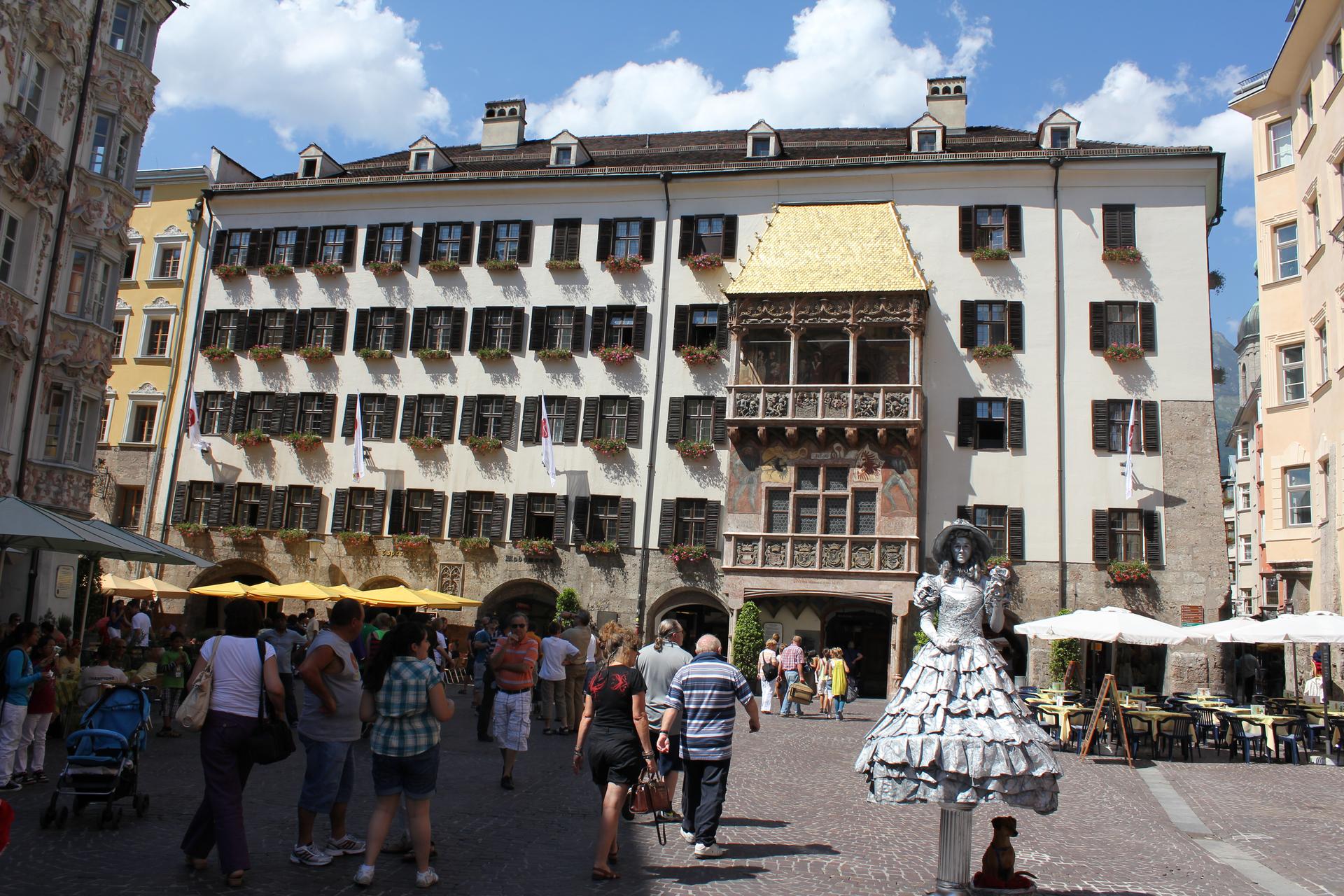
Looking beyond Tyrolean Folk Art Museum? Discover Innsbruck for broader travel guides, local hot-spots, and regional highlights.
Explore Innsbruck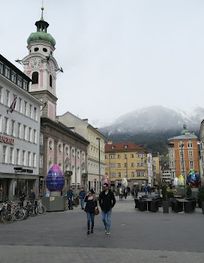
Explore the captivating Trautsonhaus in Innsbruck, a historical landmark showcasing architectural beauty and cultural significance in the heart of the city.

Explore the Court Church of Innsbruck, a stunning Gothic masterpiece rich in history and culture, featuring Emperor Maximilian I's grand tomb.