
Hundertwasser House, Vienna Travel Guide
Experience Vienna's most colorful and unconventional apartment building, a vibrant expression of art and nature by Friedensreich Hundertwasser, challenging architectural norms.
The Hundertwasser House in Vienna is an apartment building unlike any other, a vibrant testament to artist Friedensreich Hundertwasser's vision of architecture in harmony with nature. Completed in 1985, the building rejects straight lines and rigid conformity, embracing instead a riot of color, undulating surfaces, and over 200 trees and shrubs that sprout from its facade. While the apartments themselves are private residences, the building's exterior is a public spectacle, drawing visitors from around the globe to witness this unique architectural statement. Across the street, the Hundertwasser Village offers a chance to explore Hundertwasser's design principles further, while the nearby Kunst Haus Wien provides a deeper dive into his artistic world. A visit here is a refreshing jolt to the senses, a reminder that architecture can be playful, organic, and deeply connected to the natural world, making it a must-see for anyone seeking a different perspective on urban living.
A brief summary to Hundertwasser House
- Kegelgasse 36-38, Vienna, Landstraße, 1030, AT
- Click to display
- Click to display
- Monday 9 am-5 pm
- Tuesday 9 am-5 pm
- Wednesday 9 am-5 pm
- Thursday 9 am-5 pm
- Friday 9 am-5 pm
- Saturday 9 am-5 pm
- Sunday 9 am-5 pm

Know before you go
Hi, I'm Eve. Here are a few practical things to know before exploring Hundertwasser House.
- The Hundertwasser House can only be viewed from the outside as it is a residential building. Respect the privacy of the residents.
- Visit the Hundertwasser Village across the street for a chance to experience Hundertwasser's design principles up close and browse unique shops.
- Explore the Kunst Haus Wien, a short walk away, to delve deeper into Hundertwasser's art and philosophy.
- Take tram line 1 to Hetzgasse station for the most convenient public transport access.
- Be prepared for crowds, especially during peak tourist season. Visit early in the morning or later in the afternoon for a more relaxed experience.
Do you manage this location?
Take control to get all the benefits, like improved information, better appearance, and stronger visibility across AI-powered discovery. Learn more about listing your business on Evendo
Activate your presenceOther nearby places you may find interesting
The closest places of the same kind, if this one is not quite what you had in mind.
Explore Hundertwasser House on the Map
A handpicked selection of must-see spots near Hundertwasser House, mapped for you.
Unlock the Best of Hundertwasser House
Buy tickets
-
No tickets available
Book tours with entry


Getting There
-
Public Transport
The Hundertwasser House is easily accessible by public transport. From Wien Mitte-Landstraße station (U3 and U4 lines), it's approximately a 10-minute walk. Exit the station towards Landstrasser Hauptstrasse, turn left, and walk to Seidlgasse. Turn right onto Seidlgasse, then right again onto Kegelgasse. Alternatively, take tram line 1 to the Hetzgasse stop, which is just a short walk from the Hundertwasser House. A single ticket for public transport within Vienna costs €2.40.
-
Taxi/Ride-Share
A taxi or ride-share from Vienna city center (e.g., Stephansplatz) to the Hundertwasser House will typically take 15-20 minutes, depending on traffic. Expect to pay around €15-€20. Note that parking near the Hundertwasser House is limited and can be expensive.
-
Driving
Driving to the Hundertwasser House is possible, but parking in the area is limited and subject to short-term parking restrictions (Kurzparkzone) on weekdays. Paid parking is required from Monday to Friday, 9:00 to 22:00. Maximum parking time is two hours. Consider parking in a nearby garage such as Sofiensäle (Blattgasse 14) or Justizzentrum (Marxergasse 1a), where 24-hour parking costs approximately €8. Street parking fees are approximately €2.20 per hour.
Discover more about Hundertwasser House













Your all‑in‑one travel companion app
Explore expert travel guides, compare and book tours, experiences, hotels, and more—all from the palm of your hand. Download now for seamless trip planning wherever your wanderlust takes you.


Explore More of Vienna
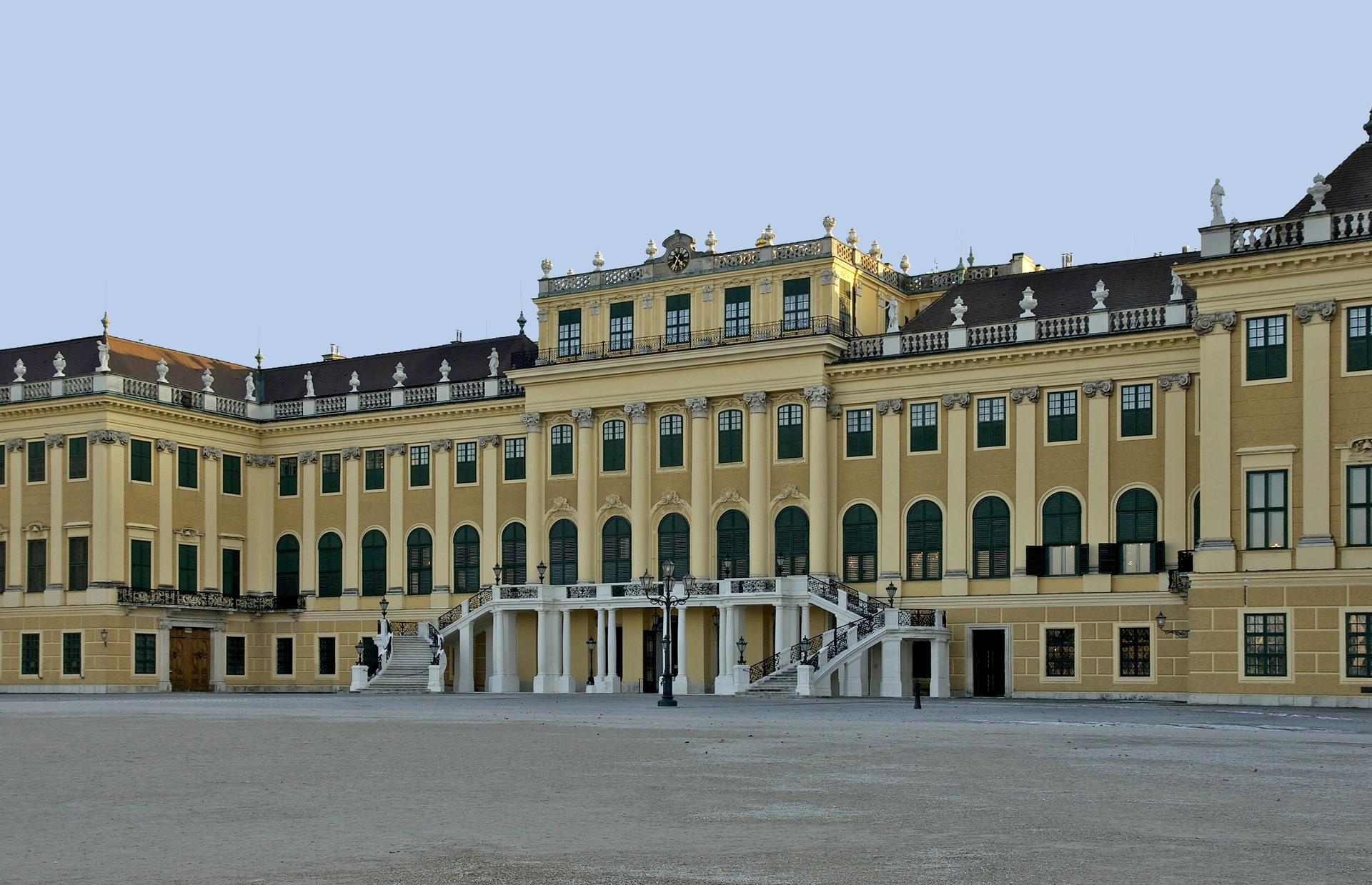
Looking beyond Hundertwasser House? Discover Vienna for broader travel guides, local hot-spots, and regional highlights.
Explore Vienna
Explore the cosmos and enjoy panoramic city views at Vienna's historic Urania-Sternwarte, a unique blend of science, culture, and Viennese charm.

A whimsical fountain in Vienna, designed by Friedensreich Hundertwasser, showcasing his signature colorful and nature-inspired artistic style.
