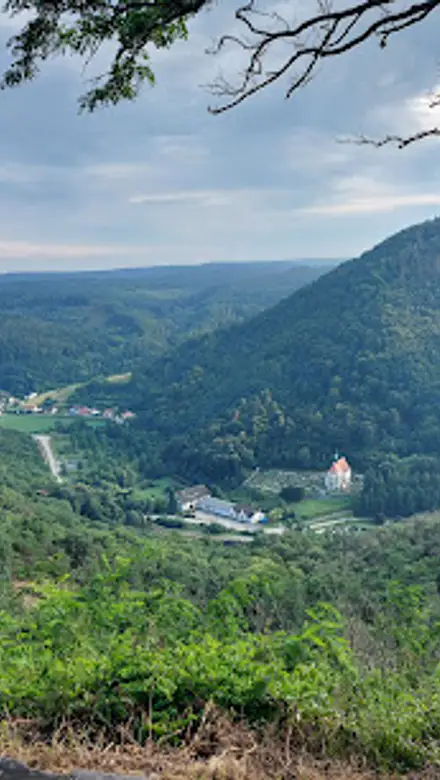
Göttweig Abbey Travel Guide
Free Guide: Discover Austria's majestic Göttweig Abbey: a Baroque masterpiece, spiritual center, and UNESCO World Heritage Site in the heart of the Wachau Valley.


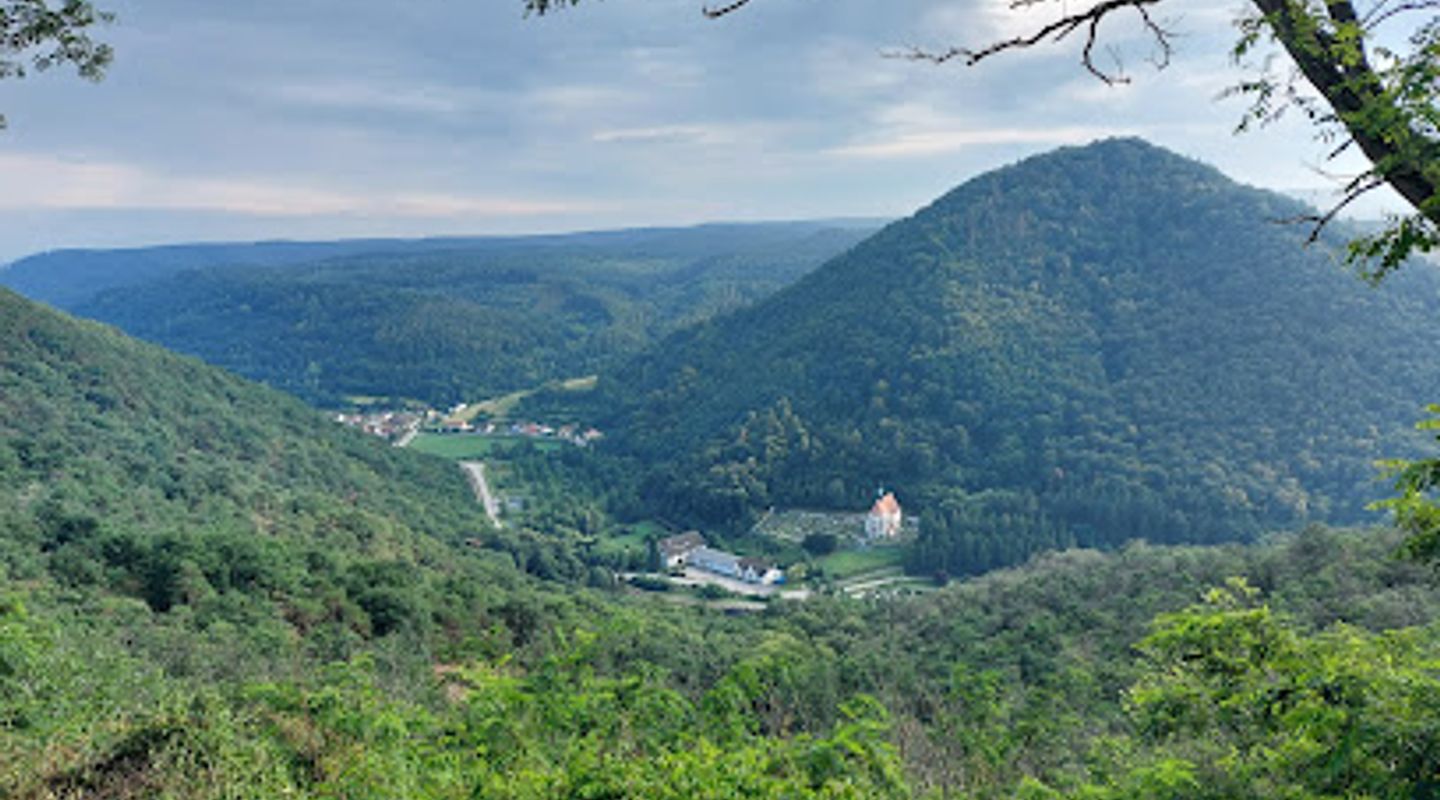
A brief summary of Göttweig Abbey
Discover Austria's majestic Göttweig Abbey: a Baroque masterpiece, spiritual center, and UNESCO World Heritage Site in the heart of the Wachau Valley.
Göttweig Abbey, a Benedictine monastery near Krems in Lower Austria, stands as a magnificent example of Baroque architecture and a spiritual center with over 900 years of history. Perched atop a hill overlooking the Wachau Valley, a UNESCO World Heritage landscape, it offers breathtaking views and a rich cultural experience.
- Address
- Stift Göttweig 1, 3511 Furth bei Göttweig
- Phone
- Website
Getting there
Driving
Public Transport
Discover more about Göttweig Abbey
Overview
Göttweig Abbey, often referred to as the "Austrian Montecassino" due to its prominent hilltop location, has been a beacon of Benedictine life and culture for centuries. Founded in 1083 by Bishop Altmann of Passau, the abbey initially housed Augustinian canons before transitioning to the Benedictine Order in 1094. For over 900 years, monks have lived and worked here, dedicating themselves to prayer, pastoral care, and the preservation of the monastery's heritage.The abbey's architecture is a major draw, with the current Baroque design largely attributed to Johann Lucas von Hildebrandt, who began rebuilding the monastery in the 18th century after a devastating fire in 1718. While the ambitious reconstruction was never fully completed, what remains is a stunning testament to Baroque grandeur. Key highlights include the Abbey Church, a lavishly decorated example of ecclesiastical architecture, and the Imperial Staircase, one of the most magnificent Baroque staircases in Europe, adorned with a breathtaking ceiling fresco by Paul Troger.Visitors can explore the Abbey Museum, located in the Imperial Wing, to experience the Baroque splendor of the imperial court architect Johann Lucas von Hildebrandt. The museum showcases religious artworks, historical documents, and objects that illustrate the Benedictine order's long tradition at Göttweig. The abbey also features the highest apricot orchard in the Wachau Valley, where visitors can learn about and sample local apricot products.Göttweig Abbey is not only an architectural monument but also a living spiritual center. Approximately 45 Benedictine monks continue to live and work at the abbey, following the Rule of Saint Benedict. The abbey also plays an important role in the region, serving as a tourist attraction and a spiritual retreat.Fun Fact: The Göttweig convent was probably the oldest and longest existing women's convent of a Lower Austrian double monastery.
Evendo Review Centre
 Google
Guest reviews
Explore Göttweig Abbey on the map
A handpicked selection of must-see spots near Göttweig Abbey, mapped for you.
Get your free copy of our complete guide to Göttweig Abbey, delivered straight to you.
Everything on this page, from opening hours and how to get there to Eve’s tips and the best time to go, in one PDF you can read offline, print or share.
Already have an account? Sign in
Your Göttweig Abbey guide is ready.
We'll send it to · Not you? Sign out

Getting your guide ready…
We are putting together a fresh copy of the Göttweig Abbey guide. This can take up to a minute.
This can take a few moments. If your browser asks, choose Allow so the download can start. You'll find the guide in your Downloads folder.
Nothing happened? Download it again
Sorry, the guide is taking longer than usual. Please try again in a minute, or get it by email instead.
Unlock the best of Göttweig Abbey
Skip-the-line tickets, guided tours with entry, and walking tours of the area, booked in a few clicks.

Other nearby places you may find interesting
The closest places of the same kind, if this one is not quite what you had in mind.
-
-
-
-
-


Swipe for more places
More to explore near Göttweig Abbey

 Best experiences near Göttweig Abbey
 Best hotels near Göttweig Abbey
 Best landmarks near Göttweig Abbey
 Best attractions near Göttweig Abbey
 Best shops near Göttweig Abbey
 Best restaurants near Göttweig Abbey
 Best bars near Göttweig Abbey
Do you manage this location?
Take control to get all the benefits, like improved information, better appearance, and stronger visibility across AI-powered discovery.
Explore more

Explore more of Waldviertel
Discover the natural beauty, rich history, and culinary delights of Waldviertel, Austria's enchanting woodland retreat perfect for nature lovers and cultural enthusiasts.
Explore Waldviertel
Explore more of Austria
Discover Austria's blend of alpine landscapes, rich cultural heritage, and culinary delights, from Vienna's historic charm to Tyrol's dramatic beauty.
Explore Austria