

Free Waldviertel Travel Guide & Mobile App
Explore Waldviertel with free travel guides. Discover regional history, expert tips, proposed trips, and audio guides on web or mobile app.


Explore Waldviertel’s granite landscapes, forest trails, monasteries, castles, pond country and distinctive Lower Austrian food near the Czech border.
Read more about Waldviertel
When is the best time to visit Waldviertel?
Best: June–August · 22–24°C| Month | High (°C) | Rainfall (mm) |
|---|---|---|
| January | 2 | 30 |
| February | 4 | 30 |
| March | 9 | 40 |
| April | 14 | 50 |
| May | 19 | 60 |
| June (best) | 22 | 70 |
| July (best) | 24 | 80 |
| August (best) | 24 | 80 |
| September | 19 | 60 |
| October | 14 | 50 |
| November | 7 | 40 |
| December | 3 | 30 |
Getting to and around Waldviertel
How to get there
Transportation
Destinations in Waldviertel
Resorts, valleys and scenic spots worth a trip of their own.

Swipe for more destinations
Best attractions in Waldviertel
The Waldviertel’s attractions are dispersed across a landscape of forests, fields, ponds and granite outcrops rather than concentrated in one resort town. Zwettl Abbey offers centuries of Cistercian architecture, art and cultivated grounds, while Geras Abbey combines religious heritage with gardens and cultural collections in the northern countryside. At Heidenreichstein, a moated medieval castle provides a strong link to the region’s aristocratic and frontier past. Nature is equally important: Blockheide Nature Park near Gmünd is known for striking granite formations, woodland paths and viewpoints, while the Schrems area includes peatland landscapes and environmental education. The Thaya valley, reservoirs around Ottenstein and the rural surroundings of Raabs and Drosendorf support walking, cycling, canoeing and quiet observation of wildlife where access is permitted. Small museums, craft workshops, market-town centres and seasonal producers add local texture, particularly for visitors travelling by car. The region is best experienced through combinations of heritage and landscape, such as a morning at an abbey followed by a forest walk, rather than as a checklist of isolated sights.
-
Tourist attraction
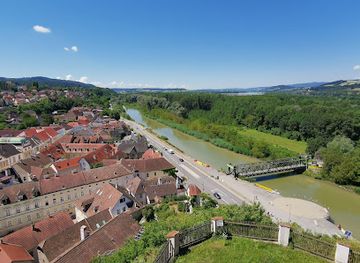
Melk Abbey
Discover Austria's Baroque jewel: Melk Abbey, a UNESCO World Heritage Site with stunning architecture, library, and Danube views.
-
Tourist attraction
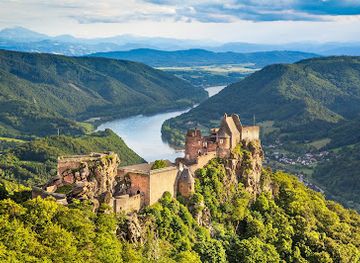
Aggstein Castle
Explore the medieval ruins of Aggstein Castle in Austria's Wachau Valley, offering stunning views and a glimpse into a turbulent past.
-
Historical landmark
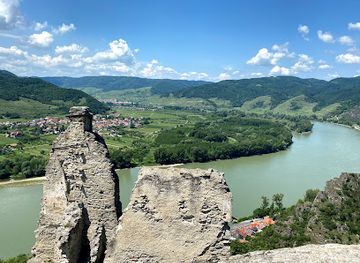
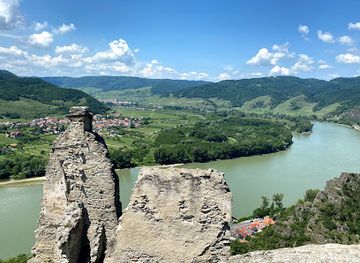
Dürnstein Castle
Explore the dramatic ruins of Dürnstein Castle, where Richard the Lionheart was once imprisoned, and soak in the stunning Wachau Valley views.
-
Tourist attraction
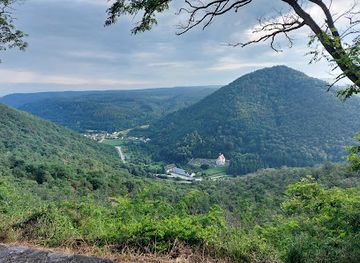
Göttweig Abbey
Discover Austria's majestic Göttweig Abbey: a Baroque masterpiece, spiritual center, and UNESCO World Heritage Site in the heart of the Wachau Valley.
Best landmarks in Waldviertel
Zwettl Abbey is the Waldviertel’s most consequential architectural landmark, its Romanesque, Gothic and later Baroque elements recording the long influence of the Cistercian order. Geras Abbey gives the northern region another major religious focal point, with a complex shaped by centuries of monastic life and rebuilding. Heidenreichstein Castle, surrounded by water and woodland, is one of the area’s most recognisable medieval fortresses and a vivid reminder of the former Bohemian frontier. The compact historic centres of Drosendorf, Weitra and Raabs an der Thaya preserve town walls, gates or defensive traces associated with market-town history. Around Gmünd, the granite tors of Blockheide are natural landmarks formed by the region’s ancient geological foundations, while the Thaya valley provides a more linear landscape landmark of wooded slopes, river bends and border-country scenery. These places are significant not merely for their appearance but for the way they connect geology, monastic power, local government and frontier history.
-
Historical landmark
Dürnstein Castle
Explore the ruins of Dürnstein Castle in Wachau Valley, Austria, where Richard the Lionheart was once held captive, offering stunning Danube views.
-
Castle
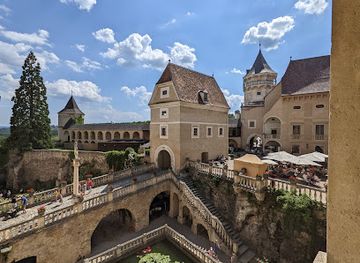
Schloss Rosenburg
Explore a magnificent Renaissance castle with falconry displays, stunning gardens, and a rich history in the heart of Lower Austria's Kamp Valley.
-
Nature preserve
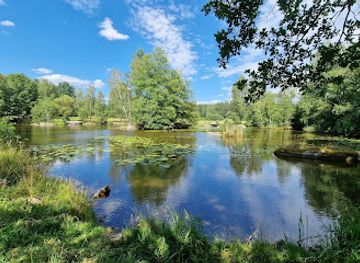
Naturpark Blockheide-Eibenstein
Explore Naturpark Blockheide-Eibenstein in Gmünd, Austria, with granite formations, rocking stones, and scenic views in a unique natural setting.
-
Hiking area
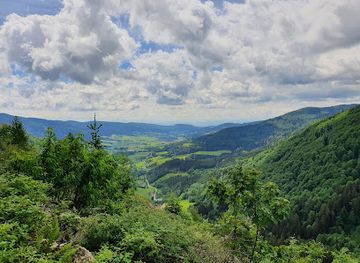
Ysperklamm - wildes Wasser, wilder Wald
Hike through cascading waterfalls and explore Celtic trails in Austria's Ysperklamm, a natural monument since 1952, in the Waldviertel region.
Explore Waldviertel on the map
Plan your trip on one map. See where the top cities, national parks and sights are, and book hotels and experiences in a few clicks.
Best hotels in Waldviertel
Best restaurants in Waldviertel
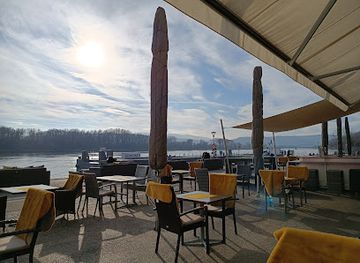
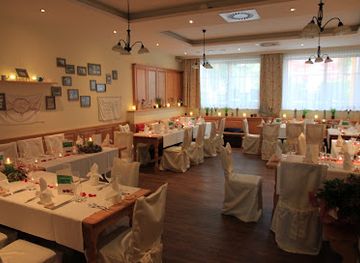
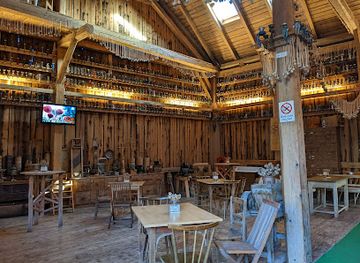
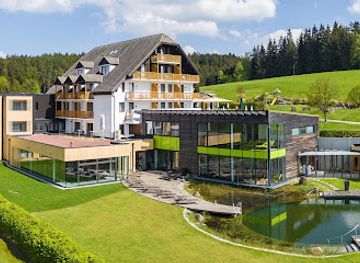
Waldviertel cooking reflects a cool, forested and agricultural environment. Grey poppy, grown and processed locally, appears in cakes, noodles, pastries and other specialities, while potatoes, bread, mushrooms, herbs, game and dairy products are common on regional menus. The many ponds support a long-established carp tradition, with fish served seasonally in inns and specialist restaurants. Traditional Gasthäuser remain important for hearty Austrian dishes and locally sourced ingredients, while cafés and contemporary restaurants reinterpret regional produce in lighter forms. Farm shops, village markets and direct-sale producers are useful places to find poppy oil, honey, schnapps, herbal goods and preserved foods. Dining hours and restaurant choice are more limited in small villages than in larger towns, so planning ahead is sensible. Menus may reflect wider Lower Austrian and Austrian traditions as much as a narrowly defined Waldviertel cuisine, but the combination of pond fish, forest produce, potato dishes and grey poppy gives the region a recognisable culinary profile.
-
Restaurant
Wellen.Spiel
Experience the fusion of tradition and innovation at Wellen.Spiel - where every meal is a celebration of local flavors.
-
Restaurant
Stadtwirtshaus Hopferl
Discover authentic Austrian flavors at Stadtwirtshaus Hopferl, Gmünd's premier brasserie blending tradition with modern cuisine.
-
Restaurant
Mohnwirt Neuwiesinger
Experience authentic Austrian cuisine at Mohnwirt Neuwiesinger—where tradition meets taste in the heart of Armschlag.
-
Restaurant
Hotel-Restaurant Schwarzalm
Discover delightful Austrian cuisine and cozy accommodations at Hotel-Restaurant Schwarzalm in scenic Zwettl.
Best bars in Waldviertel
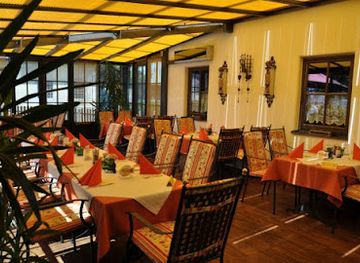
Evenings in the Waldviertel generally centre on traditional inns, town cafés, beer gardens in warmer months and a modest live-music or cultural programme rather than a large nightclub scene. Zwettl, Gmünd, Waidhofen an der Thaya and other larger towns offer the broadest choice of pubs and restaurants, while smaller villages tend to become quiet once local establishments close. Seasonal events, concerts, theatre performances and community festivals can provide more activity, but programmes vary and should be checked locally. Breweries, farm producers and regional drinks feature in parts of the food-and-drink scene, although the region is not defined by a single beverage tradition. Visitors staying in rural accommodation should plan their return transport in advance, as late buses and taxis can be limited.
-
Bar
Nickis Restaurant
Discover the charm of Nickis Restaurant in Gmünd, where delightful European cuisine meets a vibrant atmosphere for an unforgettable dining experience.
-
Bar
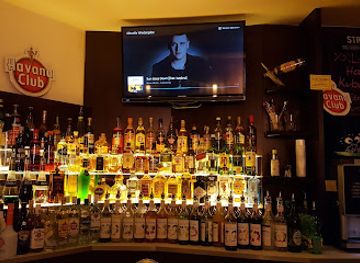
Cuba - the bar
Experience the vibrant nightlife at Cuba - The Bar in Zwettl, where cocktails, atmosphere, and good company meet.
-
Austrian
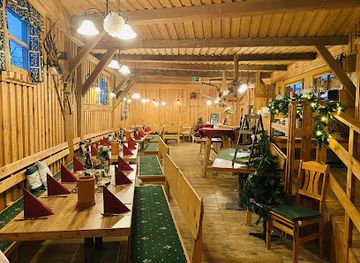
Die Hütte
Experience the heart of Austrian cuisine and fine wines at Die Hütte in Zwettl, a cozy retreat for food lovers and travelers alike.
-
Bar
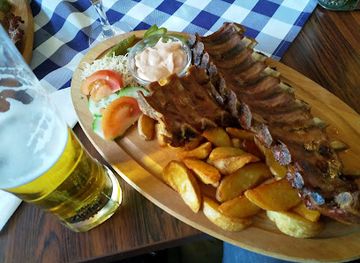
City Pub Ludwig Löffler GmbH
Experience the heart of Waidhofen an der Thaya at City Pub Ludwig Löffler – where locals gather for great drinks and unforgettable memories.
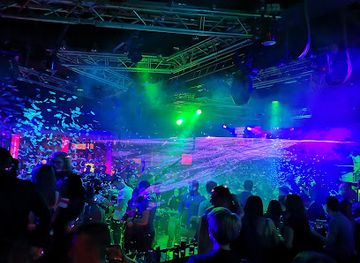
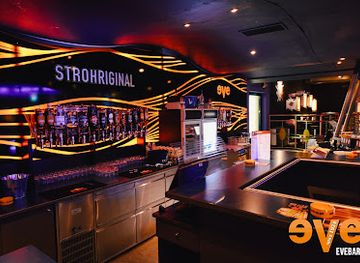
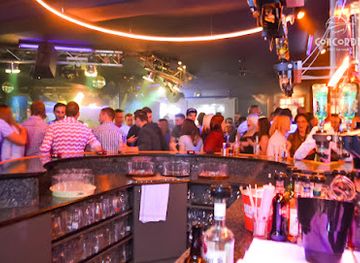
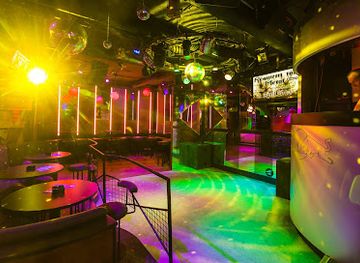
Best nightclubs in Waldviertel
Evenings in the Waldviertel generally centre on traditional inns, town cafés, beer gardens in warmer months and a modest live-music or cultural programme rather than a large nightclub scene. Zwettl, Gmünd, Waidhofen an der Thaya and other larger towns offer the broadest choice of pubs and restaurants, while smaller villages tend to become quiet once local establishments close. Seasonal events, concerts, theatre performances and community festivals can provide more activity, but programmes vary and should be checked locally. Breweries, farm producers and regional drinks feature in parts of the food-and-drink scene, although the region is not defined by a single beverage tradition. Visitors staying in rural accommodation should plan their return transport in advance, as late buses and taxis can be limited.
-
Disco club
Discothek Brooklyn
Unleash your energy at Discothek Brooklyn, Horn's premier disco club, where amazing music and vibrant nightlife await every visitor.
-
Disco club
LEVEL
Experience vibrant nightlife and electrifying dance at LEVEL, Vitis' premier disco club offering a memorable night out.
-
Disco club
Disco Concorde
Discover the energetic nightlife at Disco Concorde in Gerweis, where dancing, great music, and affordable drinks await every night.
-
Night club
Disco Apollon / H. Preiser
Discover the lively nightlife scene at Disco Apollon, where dancing, fine wines, and vibrant atmosphere come together in Großreinprechts.
Best shops in Waldviertel
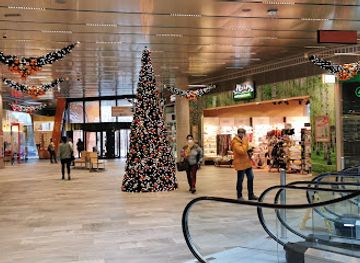
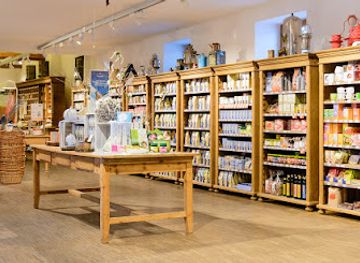
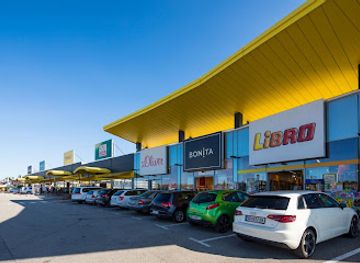
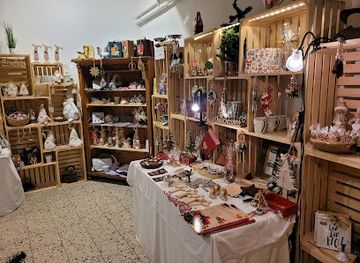
Shopping in the Waldviertel is oriented towards regional produce, independent craft and practical town-centre retail rather than large-scale designer commerce. Zwettl, Gmünd, Waidhofen an der Thaya, Schrems and other market towns have the widest selection of everyday shops, cafés, bakeries and small specialist businesses. Farm shops and producer outlets are good places to look for grey poppy products, poppy oil, honey, herbal preparations, schnapps, preserves and seasonal foods. Ceramics, woodwork, textiles, handcrafts and locally made gifts reflect the region’s working traditions, while galleries and craft workshops may offer more distinctive purchases than standard souvenir shops. Weekly markets and seasonal fairs vary by town and date, so confirm arrangements locally. Choose officially sold goods and respect restrictions when buying items made from plants, animals or protected natural materials; the best regional souvenirs are usually edible products or well-made objects with a clear local connection.
-
Shopping mall
MARIANDL Shopping
Explore the vibrant MARIANDL Shopping mall in Krems an der Donau, where retail therapy meets culinary delights in a delightful atmosphere.
-
Herb shop
SONNENTOR Sprögnitz
Explore the aromatic treasures of SONNENTOR Sprögnitz, where organic herbs and natural products meet sustainability in a charming Austrian setting.
-
Shopping mall
STOP SHOP
Experience shopping like never before at STOP SHOP Gmünd, where local charm meets global brands.
-
Grocery store
WaLaLa -Waldviertler Landladen
Experience local flavors and culture at WaLaLa - Waldviertler Landladen, your go-to grocery store, café, and bicycle rental service in Weitra.
Get your free copy of our complete guide to Waldviertel, delivered straight to you.
Everything on this page, from attractions and restaurants to essentials and local phrases, in one PDF you can read offline, print or share.
Already have an account? Sign in
Your Waldviertel guide is ready.
We'll send it to · Not you? Sign out

Getting your guide ready…
We are putting together a fresh copy of the Waldviertel guide. This can take up to a minute.
This can take a few moments. If your browser asks, choose Allow so the download can start. You'll find the guide in your Downloads folder.
Nothing happened? Download it again
Sorry, the guide is taking longer than usual. Please try again in a minute, or get it by email instead.
Waldviertel essentials
Currency and Payment
Safety
Emergency Situations
Do's and Don'ts
Local Tips
From Eve
Local phrases worth knowing
You don't need to get them perfect. A few words go a long way, and locals appreciate the effort.
Basics
| English | Local | Say it |
|---|---|---|
| Hello | Grüß Gott | [Groos Gott] |
| Goodbye | Auf Wiedersehen | [Owf Veederzehn] |
| Yes | Ja | [Yah] |
| No | Nein | [Nine] |
| Please/You're welcome | Bitte | [Bita] |
| Thank you | Danke | [Danka] |
| Excuse me/Sorry | Entschuldigung | [Entshooldigung] |
| How are you? | Wie geht's? | [Vee gates?] |
| Fine. And you? | Gut. Und dir? | [Goot. Oond deer?] |
| Do you speak English? | Sprechen Sie Englisch? | [Shprecken Zee Englisch?] |
| I don't understand | Ich verstehe nicht | [Ick fershteh niht] |
Eating & Drinking
| English | Local | Say it |
|---|---|---|
| I'd like to see the menu, please | Ich möchte die Speisekarte sehen, bitte | [Ick merkhte dee Shpeezekarte zeen, bita] |
| I don't eat meat | Ich esse kein Fleisch | [Ick esse kyan Flesh] |
| Cheers! | Prost! | [Prohst!] |
| I would like to pay, please | Ich möchte bezahlen, bitte | [Ick merkhte betzalan, bita] |
Emergencies
| English | Local | Say it |
|---|---|---|
| Help! | Hilfe! | [Hilfe!] |
| Go away! | Geh weg! | [Gay vek!] |
| Call the Police! | Rufen Sie die Polizei! | [Roofen Zee dee Polizei!] |
| Call a doctor! | Rufen Sie einen Arzt! | [Roofen Zee eyn Arzt!] |
| I'm lost | Ich bin verloren | [Ick bin ferloren] |
| I'm ill | Ich bin krank | [Ick bin krank] |
Shopping
| English | Local | Say it |
|---|---|---|
| I'd like to buy... | Ich möchte kaufen... | [Ick merkhte kaufen...] |
| I'm just looking | Ich schaue nur | [Ick showe noor] |
| How much is it? | Wie viel kostet es? | [Vee feel kostet es?] |
| That's too expensive | Das ist zu teuer | [Das ist tsu toyer] |
| Can you lower the price? | Können Sie den Preis senken? | [Kernen Zee den Price senken?] |
Time & Numbers
| English | Local | Say it |
|---|---|---|
| What time is it? | Wie spät ist es? | [Vee shpate ist es?] |
| It's one o'clock | Es ist ein Uhr | [Es ist ayn Oor] |
| Half past (10) | Halb nach (10) | [Halb nahk (10)] |
| Morning | Morgen | [Morgen] |
| Afternoon | Nachmittag | [Nahchmitag] |
| Evening | Abend | [Aabend] |
| Yesterday | Gestern | [Gestern] |
| Today | Heute | [Hoyte] |
| Tomorrow | Morgen | [Morgen] |
| 1 | Eins | [Ayns] |
| 2 | Zwei | [Tsvy] |
| 3 | Drei | [Dry] |
| 4 | Vier | [Fear] |
| 5 | Fünf | [Foonf] |
| 6 | Sechs | [Zex] |
| 7 | Sieben | [Zeeben] |
| 8 | Acht | [Acht] |
| 9 | Neun | [Noyn] |
| 10 | Zehn | [Tsen] |
Transport & Directions
| English | Local | Say it |
|---|---|---|
| Where's a/the...? | Wo ist ein/das...? | [Vo ist ayn/das...?] |
| What's the address? | Wie ist die Adresse? | [Vee ist dee Adresse?] |
| Can you show me (on the map)? | Können Sie mir (auf der Karte) zeigen? | [Kernen Zee meer (owf der Karte) tsaygen?] |
| When's the next (bus)? | Wann kommt der nächste (Bus)? | [Vann kommt der nachste (Bus)?] |
| A ticket (to ....) | Ein Ticket (nach ....) | [Ayn Ticket (nahk ....)] |
History of Waldviertel
Prehistoric Settlement and the Granite Country
The Waldviertel has been occupied since prehistoric times, although its upland soils, forests and cooler climate produced a different settlement pattern from the densely inhabited Danube corridor. Archaeological evidence records early farming communities, burial sites and fortified locations, while later rural settlement developed around clearings, streams and cultivable plateaux. The region’s exposed granite formations are not historical monuments in themselves, but they helped shape local land use, routeways and folklore. Stone, woodland and water remained fundamental resources, and the landscape still reveals the long relationship between human settlement and a demanding northern Lower Austrian environment.
Medieval Colonisation and Monastic Foundations
During the high Middle Ages, aristocratic and ecclesiastical landlords consolidated settlement in the forested north-west of Austria. The Cistercian Zwettl Abbey, founded in 1138, became one of the region’s most influential religious and economic institutions, managing land, forests and agricultural communities over centuries. Geras Abbey, founded in 1153 by Premonstratensians, played a comparable role in the northern Waldviertel. Monasteries provided spiritual authority, education and administration while helping organise woodland clearance and farming. Their churches, cloisters, estates and archives remain among the clearest physical expressions of medieval regional development.
Castles, Market Towns and the Bohemian Frontier
From the Middle Ages, the Waldviertel occupied a strategic position between the Austrian lands and Bohemia. Castles at places such as Heidenreichstein, Raabs an der Thaya and Weitra guarded routes, river crossings and territories controlled by competing noble families. Market towns developed around trade, crafts and local administration, often retaining street plans and fortifications that can still be read today. The frontier was not simply a military line: people, goods and religious institutions moved across it. The resulting cultural connections with southern Bohemia remain an important part of northern Waldviertel history.
The Habsburg Borderlands and Early Modern Change
Under Habsburg rule, the Waldviertel became part of a larger dynastic state whose administrative, military and religious reforms affected even its remote villages. The Counter-Reformation strengthened Catholic institutions, while eighteenth-century reforms altered parish administration, education and relations between landlords and communities. Rural production remained dominant, with grain, livestock, timber and craft industries supporting towns and monasteries. War and taxation periodically brought hardship, particularly during the conflicts that affected the Habsburg lands. Historic churches, abbey complexes and town houses preserve elements of these early modern transformations.
Railways, Industry and Rural Commerce
Nineteenth-century transport improvements connected the Waldviertel more closely with Vienna, the Danube basin and Bohemia. Railways encouraged the growth of timber handling, glassmaking, textiles, food processing and other small industries, while market towns became more important service centres. Gmünd developed particular significance as a railway junction, linking routes towards České Budějovice and the interior of Austria. These connections did not erase the region’s rural character, but they changed how goods and people moved through it. Stations, industrial buildings and former narrow-gauge routes still provide evidence of this period.
War, Borders and the Iron Curtain
The twentieth century brought profound disruption. After the First World War, the frontier with Czechoslovakia became an international boundary, and the Second World War was followed by the division of Europe into opposing political blocs. Cross-border movement around Gmünd and other northern districts was sharply restricted during the Cold War, affecting trade, transport and communities with longstanding family and economic connections. The physical border was reinforced by security infrastructure and a broad no-man’s-land in places. Since Austria joined the European Union and border controls were progressively reduced, the region has renewed many links with southern Bohemia.
Contemporary Waldviertel: Nature, Craft and Regional Renewal
Since the late twentieth century, the Waldviertel has sought to balance rural population pressures with the value of its landscape and cultural assets. Forestry, agriculture and traditional crafts remain important, while smaller enterprises have developed around organic food, herbal products, ceramics, woodwork, wellness and nature tourism. Protected landscapes, wetlands and former military or border areas have acquired new ecological and interpretive significance. Regional initiatives increasingly present the Waldviertel not as a single resort but as a collection of villages, monasteries, nature areas and producers whose future depends on careful land use and strong local networks.
Waldviertel in Photos
Browse through our photo collection highlighting the charm and character of the destination.
Neighbouring regions of Waldviertel
The closest regions to Waldviertel, if you have time for more than one.
-

-

-

-

-


Swipe for more regions
Explore more
Explore more of Austria
Discover Austria's blend of alpine landscapes, rich cultural heritage, and culinary delights, from Vienna's historic charm to Tyrol's dramatic beauty.
Explore Austria