Background

Saar Temple: Echoes of the Dilmun Civilization

Unearth Bahrain's ancient past at Saar Temple, revealing the Dilmun civilization's secrets and offering a glimpse into a 4,000-year-old world.

★★★★★3.7 (11)

Explore the Saar Temple, an archaeological site in Bahrain offering a glimpse into the Dilmun civilization that thrived over 4,000 years ago. Discover the remnants of a well-planned town, including residential houses and a central temple complex, providing insights into the lives and beliefs of this ancient society.

Plan your visit

A brief summary to Saar Temple

Opening times, essentials, and a few local tips gathered into one calmer, easier-to-scan planning section.

Plan your visit

📍
5FMQ+2M2, Saar, BH

Explore places near Saar Temple

    See all →

    Unlock the Best of Saar Temple

    Find tickets, tours with entry, and experiences available for this location.

    Buy tickets

    No tickets available

    Book tours with entry

    No tours with entry available

    Book tours without entry

    No tours without entry available

    Getting There

    Public Transport

    From Manama, take the X2 bus towards Saar. Alight at Saar Avenue-10 bus stop, which is approximately a 5-minute walk (371 meters) to the Saar Temple. The bus fare is approximately 0.300 BHD. Check the Bahrain Public Transport Company website or app for the most up-to-date schedules.

    Taxi/Ride-Share

    A taxi or ride-share from central Manama to Saar Temple will cost approximately 3-5 BHD, depending on traffic and the specific location in Manama. The journey takes around 15-30 minutes. From central Saar (e.g., Saar Mall), a taxi or ride-share to Saar Temple will take about 5-10 minutes and cost 1-2 BHD. Ensure the driver uses the meter, as mandated by Bahrain law.

    Driving

    From Manama, take the Sheikh Isa Bin Salman Highway towards Saar. Exit onto Avenue 27 and follow the signs to the Saar Archaeological Site. Limited free parking is available near the site entrance.

    Local tips

    Visit during the cooler months (December to March) for a more comfortable experience exploring the outdoor site.
    Wear comfortable shoes, as the site involves walking over uneven terrain.
    Bring water and sunscreen, as there is limited shade available at the site.
    Combine your visit with a trip to the Bahrain National Museum to see artifacts discovered at the Saar Temple and learn more about the Dilmun civilization.

    Discover more about Saar Temple

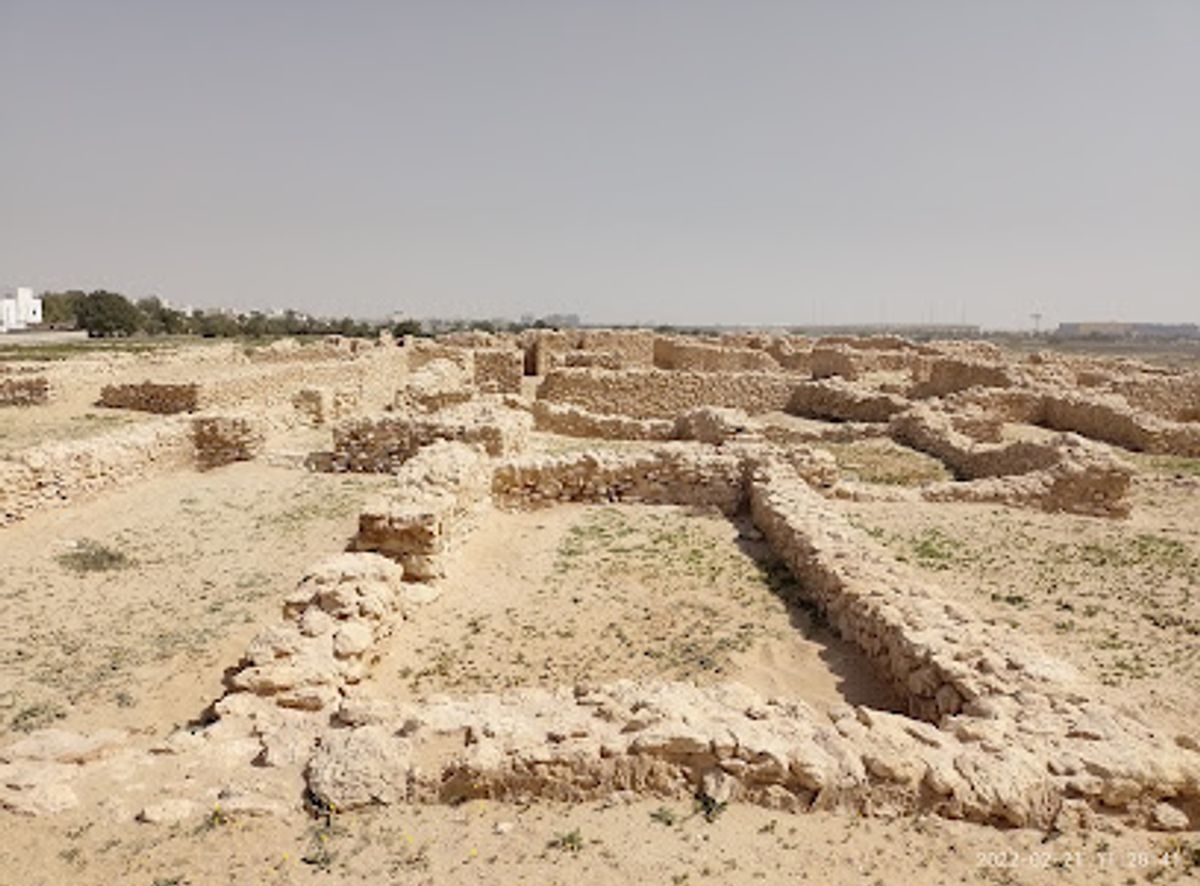
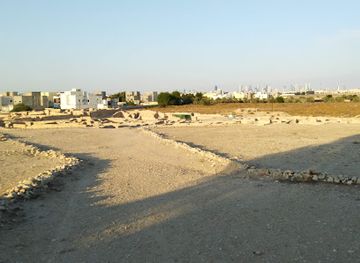
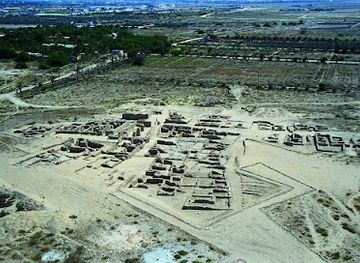
    Nestled in the town of Saar, west of Manama, the Saar Temple, officially known as the Saar Archaeological Site, is a testament to Bahrain's rich and ancient past. This captivating site offers a journey back to the Dilmun era, a civilization that flourished in this region from around 3000 BCE to 1600 BCE. Discovered in the late 1970s, excavations have revealed the remnants of a well-planned town that existed between approximately 2100 and 1850 BC.As you approach the Saar Temple, the contrast between the ancient ruins and the modern landscape is striking. The site is located on a small, elevated outcrop of limestone, providing panoramic views of the surrounding area, including the skyline of Manama. The Saar settlement was a thriving community of merchants who played a vital role in the ancient Arabian Gulf trade network, strategically located to facilitate the movement of goods between Oman, the Indus Valley, and Mesopotamia.The heart of the Saar settlement is the temple complex, believed to have been a central place of worship and a focal point for community gatherings. The temple's design is unique, featuring a trapezoid-shaped room with a small storage area and three central columns that once supported the roof. Archaeologists believe that the temple was used to mark the summer solstice, highlighting the advanced astronomical knowledge of the Dilmun civilization. Surrounding the temple are the remains of residential buildings, offering a glimpse into the domestic lives of the Saar inhabitants. Houses were typically constructed with two to three rooms, often arranged around a central courtyard.South of the residential area lies the town's burial complex, also known as the honeycomb cemetery, where interconnected graves served as the final resting place for the merchants and their families. The graves consist of rectangular chambers, often enclosed by an arc of outer walling, creating a unique and fascinating burial landscape. The Dilmun civilization began to decline around 1600 BCE, but its legacy lives on, influencing subsequent cultures in the region.

    A brief summary to Saar Temple

    Use Saar Temple as your starting point for nearby food, family ideas, nightlife, and more local discoveries.

    Mobile App
    Get the app

    Your all‑in‑one travel companion app

    Explore expert travel guides, compare and book tours, experiences, hotels, and more—all from the palm of your hand. Download now for seamless trip planning wherever your wanderlust takes you.
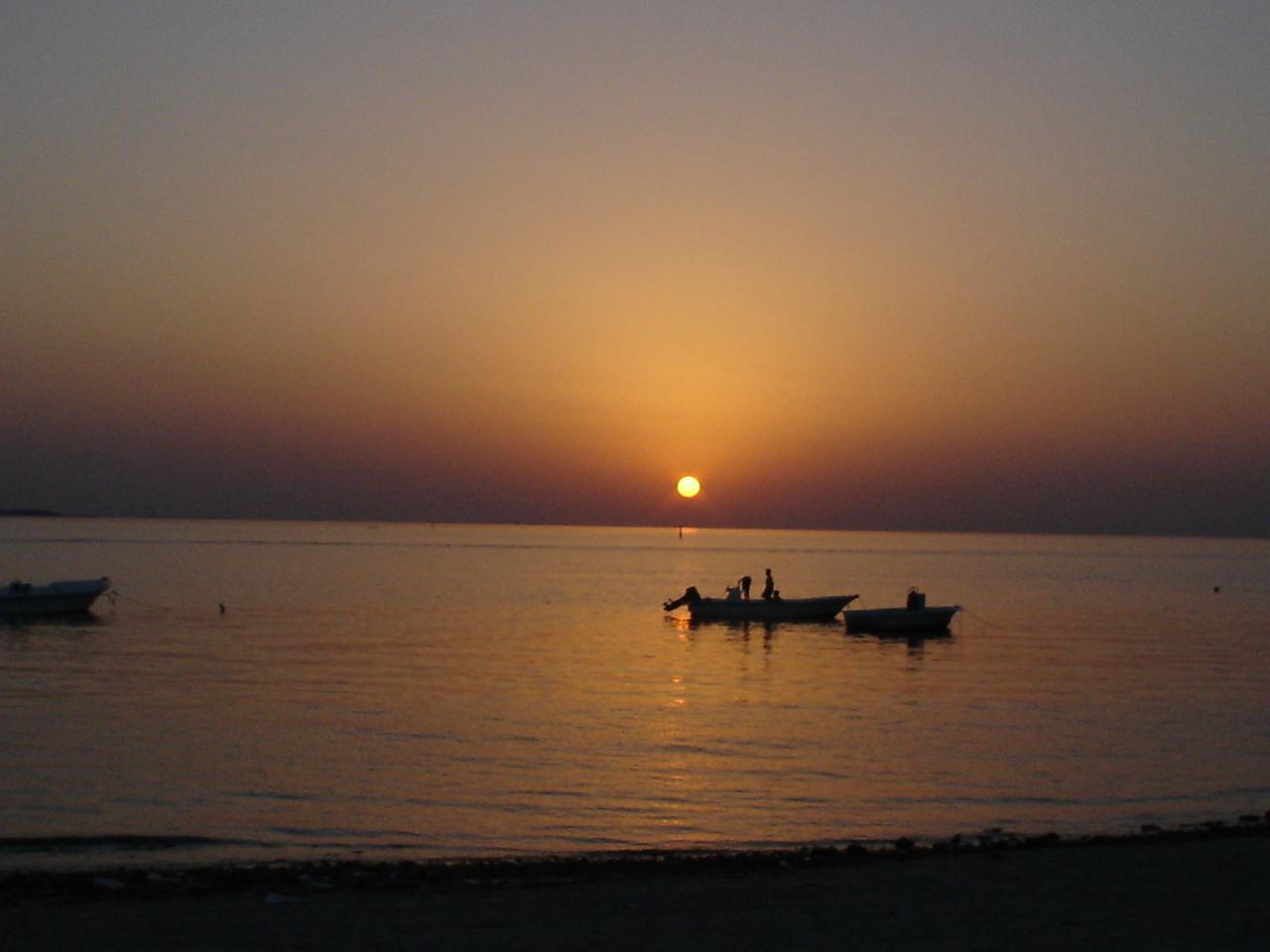
    File:BudaiyaBeach.JPG - Wikimedia Commons

    More about Budaiya

    Discover Budaiya, Bahrain's coastal gem, where serene beaches, lush gardens, and rich cultural heritage create an unforgettable travel experience.

    Tell me more about Budaiya
    Select Currency

    Choose the currency you want prices to display in.