

Free Budaiya Travel Guide & Mobile App
Plan your Budaiya trip with Evendo. Get free guides to top attractions, restaurants, hotels, and bars. Web access or download the mobile app.


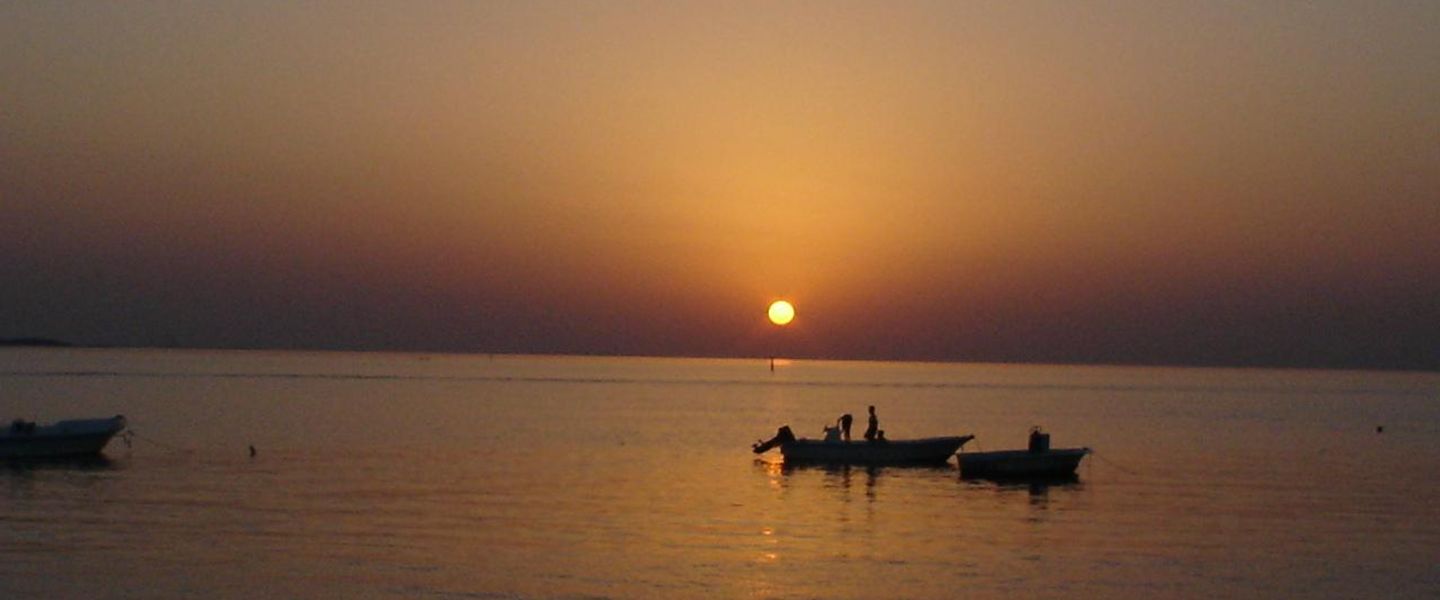
Budaiya, Bahrain blends palm-grove heritage, village life, coastal walks and easy access to historic pearling sites, markets and northern island culture.
A Northern Bahrain Village
Budaiya lies on Bahrain’s north-western coast, where older village life, palm gardens and the modern road network meet. Although it is close to Manama and the urban districts of Saar and Seef, Budaiya has a more residential, agricultural character. Its name is associated with a landscape historically shaped by date palms, wells and small-scale cultivation, while the coast supported fishing and the wider maritime economy that once defined northern Bahrain.Read more about Budaiya
Palms, Coast and Local Life
Gateway to Northern Heritage
When is the best time to visit Budaiya?
Best: March, November–December · 24–28°C| Month | High (°C) | Rainfall (mm) |
|---|---|---|
| January | 21 | 21 |
| February | 22 | 19 |
| March (best) | 24 | 19 |
| April | 28 | 11 |
| May | 33 | 3 |
| June | 37 | 1 |
| July | 40 | 0 |
| August | 40 | 0 |
| September | 37 | 0 |
| October | 33 | 4 |
| November (best) | 28 | 8 |
| December (best) | 24 | 21 |
Getting to and around Budaiya
How to get there
Transportation
Best attractions in Budaiya
Budaiya’s attractions are modest in scale but revealing of northern Bahrain’s everyday landscape. The Budaiya Walkway offers an informal route through public spaces and residential surroundings, while Budaiya Beach provides a simple coastal setting rather than a fully developed resort. The Budaiya Farmers Market, held seasonally, is the area’s most distinctive visitor experience, with local produce, plants, food products and community stalls reflecting the settlement’s agricultural past. Palm gardens and older village lanes reward unhurried exploration, although many are working or residential spaces rather than formal heritage sites. Budaiya also provides a convenient starting point for excursions to the Barbar Temple, the Diraz area and the archaeological landscape around Saar, all of which lie outside the town itself. Together, these places show how Bahrain’s ancient settlement history, farming traditions and contemporary suburban growth coexist across the island’s north-west.
-
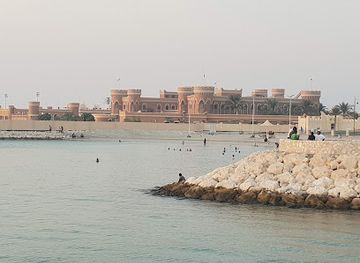
Beach
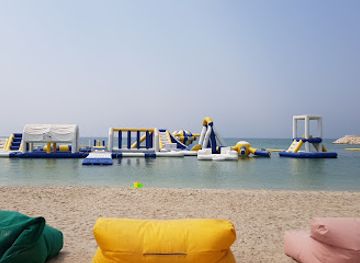
Marine Mania Water Park, Budaiya Beach
Experience thrilling water slides and relaxing leisure at Marine Mania Water Park, a perfect family escape on Budaiya Beach in Bahrain.
2 min walk · 0.1 km from city centre
-
Water park
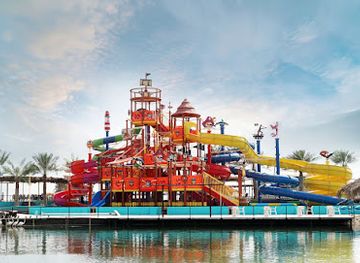
Treasure Island Water Park
Experience thrilling slides, relaxing pools, and endless family fun at Treasure Island Water Park in Budaiya, Bahrain!
7 min walk · 0.6 km from city centre
Best landmarks in Budaiya
Budaiya’s landmarks are closely tied to community life and landscape rather than to grand monumental architecture. Budaiya Mosque represents the continuing religious role of the village, while the older lanes and surviving traditional homes indicate how settlement once clustered around gardens, wells and places of worship. Budaiya Walkway is a contemporary public landmark, giving the community a shared outdoor space and a visible connection with the coast. Budaiya Beach marks the settlement’s relationship with the sea, although its significance is local rather than that of a major maritime monument. Beyond the town, the nearby Barbar Temple and the archaeological remains around Saar provide a broader historical context, but both are separate destinations and should not be described as landmarks within Budaiya itself.
-
Hotel
Lagoona Beach Resort
Experience luxurious beachfront living with family-friendly amenities, diverse dining, and a private beach at Bahrain's Lagoona Beach Resort & Spa.
6 min walk · 0.5 km from city centre
-
Park
Al Budaiya Park
Escape to Al Budaiya Park: A green oasis in Bahrain offering tranquility, family fun, and cultural experiences for everyone.
1 min walk · 0.1 km from city centre
-
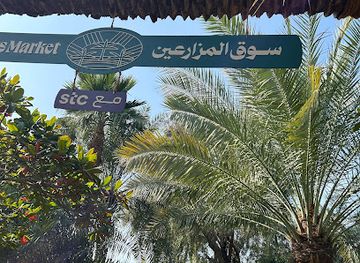
Farmers' market
Budaiya Farmers' Market
Discover Bahrain's vibrant agricultural scene at Budaiya Farmers' Market: fresh produce, local crafts, and authentic flavors await!
14 min walk · 1.1 km from city centre
-
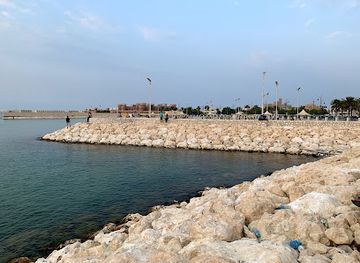
Public beach
Al Budaiya public Beach
Escape to Al Budaiya Public Beach in Bahrain for tranquil waters, soft sands, and stunning Arabian Gulf views. Perfect for relaxation and family fun!
1 min walk · 0.1 km from city centre
Explore Budaiya on the map
Plan your Budaiya trip on one map. See where the top attractions, landmarks, restaurants, bars and hotels are, find what's near where you're staying, and book hotels and experiences in a few clicks.
Best hotels in Budaiya
Best restaurants in Budaiya
Dining in Budaiya is centred on everyday Bahraini and broader Gulf cooking rather than a concentrated restaurant quarter. Small cafés, casual eateries and family-run restaurants serve dishes such as machboos, a spiced rice preparation with fish or meat, grilled seafood, kebabs, flatbreads and sweet treats flavoured with dates, cardamom or saffron. The area’s historic connection with gardens and the coast makes fresh produce, dates and seafood important parts of the local food culture, while Indian, Pakistani and Arab restaurants reflect Bahrain’s diverse population. Seasonal market events may bring local produce, snacks and prepared foods into public spaces, but their availability changes. For a wider choice of international dining, visitors usually travel towards Saar, Seef or Manama, where cafés and restaurants are more concentrated.
-
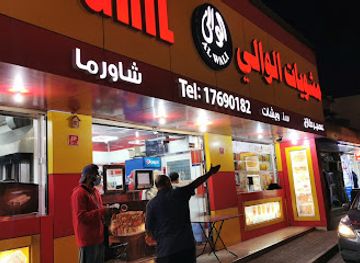
Grill
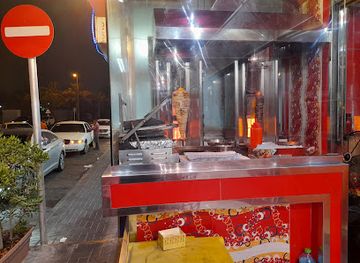
Al Wali Grills
Savor the best grilled dishes at Al Wali Grills in Budaiya—where flavor meets affordability in every bite!
9 min walk · 0.7 km from city centre
-
Restaurant
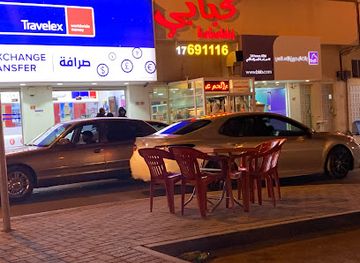
Kababbi Grills
Discover authentic Middle Eastern flavors at Kababbi Grills in Budaiya – a delightful culinary experience awaits every visitor.
8 min walk · 0.6 km from city centre
-
Restaurant
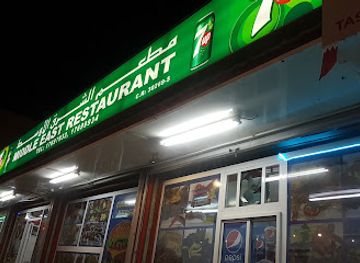
Middle East Restaurant and pastries
Experience authentic Middle Eastern flavors at Middle East Restaurant & Pastries in Budaiya - a culinary delight awaits every visitor.
10 min walk · 0.8 km from city centre
-
Restaurant
Sheeshal Gate
Discover the culinary delights at Sheeshal Gate in Budaiya—where local flavors meet international cuisine for an unforgettable dining experience.
7 min walk · 0.6 km from city centre
Best bars in Budaiya
Budaiya has a quieter evening character than Manama’s hotel districts and is not known for a concentrated nightclub scene. After sunset, local life is more likely to centre on cafés, casual restaurants, family gatherings and walks along public spaces than on late-night entertainment. Visitors seeking licensed bars, hotel lounges, live music or nightclubs generally travel towards Seef, Adliya, Juffair or central Manama, where Bahrain’s main evening venues are concentrated. Ramadan and other religious occasions can change opening patterns and the character of public life, while alcohol is available only in licensed establishments and is not part of ordinary village life. The northern villages are better suited to relaxed evenings, local food and conversation than to a full night of clubbing.
-
Indian
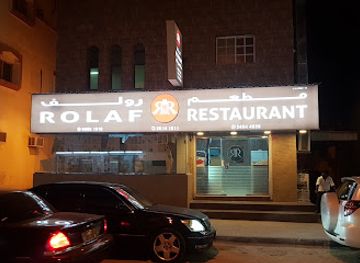
The Best Kerala Rolaf Restaurant in Bahrain
Experience the authentic taste of Kerala in Bahrain with delicious Rolafs and traditional Indian dishes at The Best Kerala Rolaf Restaurant.
12 min walk · 1.0 km from city centre
Best nightclubs in Budaiya
Budaiya has a quieter evening character than Manama’s hotel districts and is not known for a concentrated nightclub scene. After sunset, local life is more likely to centre on cafés, casual restaurants, family gatherings and walks along public spaces than on late-night entertainment. Visitors seeking licensed bars, hotel lounges, live music or nightclubs generally travel towards Seef, Adliya, Juffair or central Manama, where Bahrain’s main evening venues are concentrated. Ramadan and other religious occasions can change opening patterns and the character of public life, while alcohol is available only in licensed establishments and is not part of ordinary village life. The northern villages are better suited to relaxed evenings, local food and conversation than to a full night of clubbing.
-
Soccer club
Budaiya Club
Dive into the dynamic world of soccer at Budaiya Club, where passion meets community in thrilling matches and events.
6 min walk · 0.5 km from city centre
-
 Night club
مقهى طاحوس
Experience the vibrant nightlife at مقهى طاحوس, Bani Jamra's premier night club with amazing music, delicious food, and an unforgettable atmosphere.
5 min drive · 1.7 km from city centre
Best shops in Budaiya
Shopping in Budaiya is predominantly local and practical, with small groceries, independent shops, cafés, plant sellers and roadside businesses serving nearby residents. The seasonal Budaiya Farmers Market is the area’s most distinctive retail experience when operating, offering local fruit and vegetables, plants, dates, food products and occasional handmade goods. Its character is connected to the palm gardens and cultivation that historically defined north-western Bahrain. Visitors seeking a larger selection of fashion, electronics, international brands or organised retail centres generally travel to Seef or Manama. Traditional Bahraini gifts such as dates, sweets, spices and small handicrafts can be found across the island, although Budaiya is better suited to experiencing local produce and neighbourhood commerce than to dedicated luxury or department-store shopping.
-
Shopping mall
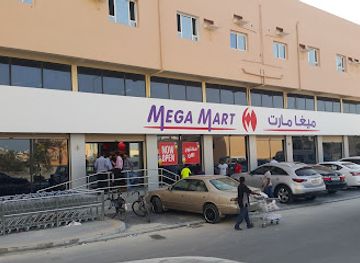
Megamart Budaiya
Discover a shopping haven at Megamart Budaiya, where variety meets excitement in the heart of Bahrain.
7 min walk · 0.5 km from city centre
-
Cosmetics store
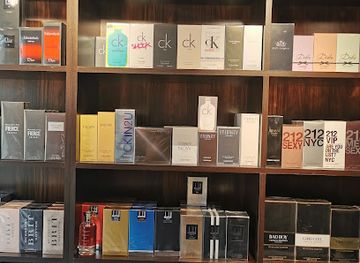
Alibaksh Perfumes
Explore the aromatic paradise of Alibaksh Perfumes in Budaiya, where luxury fragrances meet exceptional quality and service.
8 min walk · 0.7 km from city centre
-
Perfume store
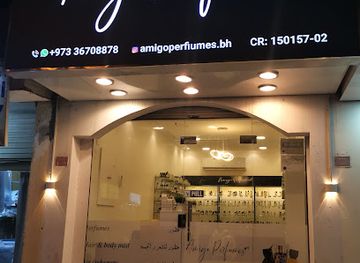
Amigo perfumes
Explore the enchanting Amigo Perfumes in Budaiya for exquisite scents and personalized service, capturing the essence of your travels.
7 min walk · 0.6 km from city centre
-
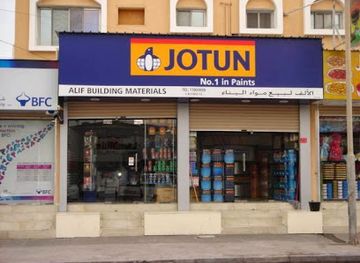
Paint store
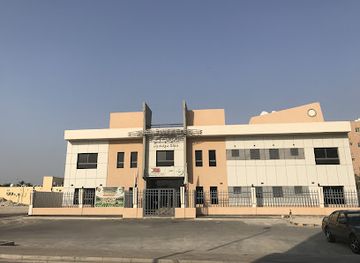
Jotun Multicolor Center-Alif Building Materials W.L.L LIMITED
Discover a world of color at Jotun Multicolor Center, the go-to destination for quality paints and expert advice in Budaiya.
9 min walk · 0.7 km from city centre
Get your free copy of our complete guide to Budaiya, delivered straight to you.
Everything on this page, from attractions and restaurants to essentials and local phrases, in one PDF you can read offline, print or share.
Already have an account? Sign in
Your Budaiya guide is ready.
We'll send it to · Not you? Sign out

Getting your guide ready…
We are putting together a fresh copy of the Budaiya guide. This can take up to a minute.
This can take a few moments. If your browser asks, choose Allow so the download can start. You'll find the guide in your Downloads folder.
Nothing happened? Download it again
Sorry, the guide is taking longer than usual. Please try again in a minute, or get it by email instead.
Budaiya essentials
Currency and Payment
Safety
Emergency Situations
Do's and Don'ts
Local Tips
From Eve
Local phrases worth knowing
You don't need to get them perfect. A few words go a long way, and locals appreciate the effort.
Basics
| English | Local | Say it |
|---|---|---|
| Hello | مرحبا | [marhaba] |
| Goodbye | وداعا | [wadaan] |
| Yes | نعم | [naam] |
| No | لا | [laa] |
| Please/You're welcome | من فضلك | [min fadlik] |
| Thank you | شكرا | [shukran] |
| Excuse me/Sorry | عذرا | [aadhira] |
| How are you? | كيف حالك؟ | [kayf halik?] |
| Fine. And you? | بخير. وأنت؟ | [bukhayr. wa ant?] |
| Do you speak English? | هل تتحدث الإنجليزية؟ | [hal tatahadath alinglizia?] |
| I don't understand | أنا لا أفهم | [ana la afham] |
Eating & Drinking
| English | Local | Say it |
|---|---|---|
| I'd like to see the menu, please | أود أن أرى القائمة، من فضلك | [awad an ara alqaimah, min fadlik] |
| I don't eat meat | أنا لا آكل اللحم | [ana la aakul allahm] |
| Cheers! | في صحتك! | [fi sahtik!] |
| I would like to pay, please | أريد أن أدفع، من فضلك | [urid an adfaa, min fadlik] |
Emergencies
| English | Local | Say it |
|---|---|---|
| Help! | النجدة! | [alnajdah!] |
| Go away! | انصرف! | [ansarif!] |
| Call the Police! | اتصل بالشرطة! | [iatisil bialshurta!] |
| Call a doctor! | اتصل بالطبيب! | [iatisil bialtabib!] |
| I'm lost | لقد ضللت | [laqad dalaalt] |
| I'm ill | أنا مريض | [ana mareed] |
Shopping
| English | Local | Say it |
|---|---|---|
| I'd like to buy... | أود أن أشتري... | [awad an ashtari...] |
| I'm just looking | أنا فقط أتطلع | [ana faqat atatala] |
| How much is it? | كم سعره؟ | [kam siroh?] |
| That's too expensive | هذا غالي جدا | [hatha ghali jiddan] |
| Can you lower the price? | هل يمكنك خفض السعر؟ | [hal yumkinuk khafd alsir?] |
Time & Numbers
| English | Local | Say it |
|---|---|---|
| What time is it? | كم الساعة؟ | [kam alsaaah?] |
| It's one o'clock | الساعة الواحدة | [alsaaah alwahidah] |
| Half past (10) | النصف بعد (10) | [alnussf baad (10)] |
| Morning | صباح | [sabah] |
| Afternoon | بعد الظهر | [baad althuhr] |
| Evening | مساء | [masa] |
| Yesterday | أمس | [ams] |
| Today | اليوم | [alyaum] |
| Tomorrow | غدا | [ghadan] |
| 1 | واحد | [wahid] |
| 2 | اثنان | [ithnan] |
| 3 | ثلاثة | [thalatha] |
| 4 | أربعة | [arbaa] |
| 5 | خمسة | [khamsa] |
| 6 | ستة | [sitta] |
| 7 | سبعة | [sabaa] |
| 8 | ثمانية | [thamania] |
| 9 | تسعة | [tisaa] |
| 10 | عشرة | [ashara] |
Transport & Directions
| English | Local | Say it |
|---|---|---|
| Where's a/the...? | أين....؟ | [ayn....?] |
| What's the address? | ما هو العنوان؟ | [ma hu alunwan?] |
| Can you show me (on the map)? | هل يمكنك إظهار لي (على الخريطة)؟ | [hal yumkinuk izhar li (ala alkhariata)?] |
| When's the next (bus)? | متى الحافلة التالية؟ | [mata alhafilat altaliat?] |
| A ticket (to ....) | تذكرة (إلى ....) | [tazkirah (ila ....)] |
History of Budaiya
An Agricultural Northern Settlement
Budaiya developed within the fertile northern zone of Bahrain, where groundwater and traditional irrigation supported date palms, fruit trees and small gardens. The settlement’s history is closely connected to the island’s village agriculture rather than to the monumental urban centres of Manama or Muharraq. Palm groves provided food, shade and materials, while the nearby coast offered access to fishing and maritime activity. Much of this landscape has changed as roads, housing and commercial development expanded, but the surviving gardens and older lanes still convey the environmental conditions that shaped Budaiya’s early community.
Village Life and Islamic Traditions
Over the centuries, Budaiya became one of Bahrain’s established northern villages, organised around homes, lanes, mosques, gardens and shared sources of water. As elsewhere on the island, religious institutions played an important role in community life, providing places for prayer, learning and social gathering. The built environment was traditionally modest, using local materials and forms suited to Bahrain’s hot climate. The village’s identity grew through family networks, agriculture, fishing and trade rather than through a single royal or military foundation.
Pearling and Maritime Connections
Before the development of oil, Bahrain’s economy depended heavily on pearling, fishing, date cultivation and regional commerce. Budaiya’s coastal position connected its residents to this wider maritime world, even though the principal pearling port and commercial centre was Muharraq. Men from northern villages could participate in seafaring and seasonal pearling, while agricultural work and fishing sustained households on land. The collapse of Bahrain’s pearling economy in the early twentieth century altered employment and social patterns across the island, including communities such as Budaiya.
Oil, Roads and Urban Expansion
The discovery of oil in Bahrain in 1932 accelerated economic and social change throughout the country. New employment, public services and road connections gradually reduced the isolation of village communities and encouraged movement between Budaiya, Manama and other northern settlements. Agricultural land was converted in places for housing and infrastructure, while improved transport made daily life less dependent on local production. Budaiya consequently shifted from a predominantly village-and-garden economy towards a residential community linked to Bahrain’s expanding metropolitan area.
A Contemporary Village Landscape
Modern Budaiya retains traces of its agricultural and coastal past while functioning as part of Bahrain’s developed north-west. Palm gardens, older neighbourhoods, local mosques and community spaces exist alongside newer homes, road corridors and small businesses. Seasonal farmers’ markets and public walkways give the area a visible connection with local produce and outdoor life. Its historical importance today lies less in a single preserved monument than in the continuity of a northern Bahraini landscape shaped by cultivation, maritime work, religious life and gradual urbanisation.
Budaiya in Photos
Browse through our photo collection highlighting the charm and character of the destination.
Cities near Budaiya
The closest cities to Budaiya, if you have time for more than one stop.
-

-

-

-

-


Swipe for more cities
Explore more

Explore more of Bahrain
Discover Bahrain, where modernity meets history, from bustling markets to ancient ruins, and from luxurious shopping to serene beaches.
Explore Bahrain