Bhawal Raj Bari: A Glimpse into Royal Bengal History
Explore the majestic Bhawal Raj Bari in Gazipur, a historical palace showcasing Bengal's royal heritage and the intriguing story of the Bhawal Sannyasi case, offering a glimpse into the zamindari era.
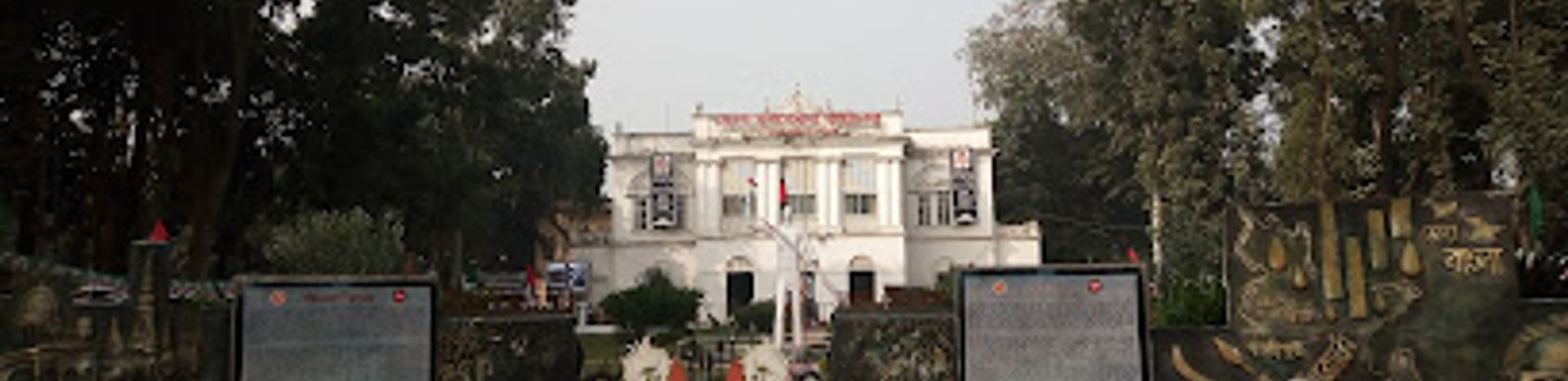
Bhawal Raj Bari, located in Gazipur, Bangladesh, is a majestic palace that echoes the grandeur of the Bhawal Estate. Once home to the influential Bhawal zamindar family, this historical site offers visitors a captivating journey into the region's rich cultural heritage and aristocratic past. The palace's architecture showcases a blend of Mughal, British, and Bengali influences, featuring intricate carvings, expansive courtyards, and elegant design elements. Today, the palace serves as the office of the District Commissioner, but its historical significance and architectural beauty continue to draw tourists and history enthusiasts alike. Explore the sprawling grounds, imagine the lives of the royals who once resided here, and discover the stories behind the infamous Bhawal Sannyasi case that captivated the nation. A visit to Bhawal Raj Bari provides a unique opportunity to step back in time and experience the opulence and intrigue of Bengal's zamindari era.
A brief summary to Bhawal Raj Bari
- A/132 Bazar Rd, Gazipur, 1700, BD
- +8801918-117418
Local tips
- Wear comfortable shoes, as you'll be doing a lot of walking around the expansive palace grounds and gardens.
- Visit during weekdays to avoid larger weekend crowds and enjoy a more peaceful experience.
- Bring your camera to capture the stunning architecture and lush landscapes surrounding the palace.
- Check the opening hours before your visit, as they may vary on public holidays or during special events.
- Engage with local guides for enriched insights into the history of the palace and the Bhawal zamindar family.

Getting There
-
Public Transport
From Gazipur Chowrasta (intersection), take a CNG (auto-rickshaw) directly to Bhawal Raj Bari, also known as the Deputy Commissioner's office. CNG fare should be approximately 50-80 BDT, depending on your negotiation skills. Alternatively, from Joydebpur railway station, a rickshaw to the Rajbari will cost around 30-50 BDT.
-
Taxi/Ride-Share
From anywhere in Gazipur city, a taxi or ride-sharing service (Uber/Pathao) can take you to Bhawal Raj Bari. Expect to pay around 100-200 BDT for a short ride within the city, depending on the distance and traffic. Be sure to confirm the fare before starting your journey. Taxi rates start @ 26.00 BDT per km for Uber, local taxis.
-
Walking
If you are already near Bazar Road in Gazipur, you can easily walk to Bhawal Raj Bari. The area is pedestrian-friendly, and you can ask locals for directions to the Deputy Commissioner's office, which is located within the palace grounds. No costs involved.
Discover more about Bhawal Raj Bari
Iconic landmarks you can’t miss

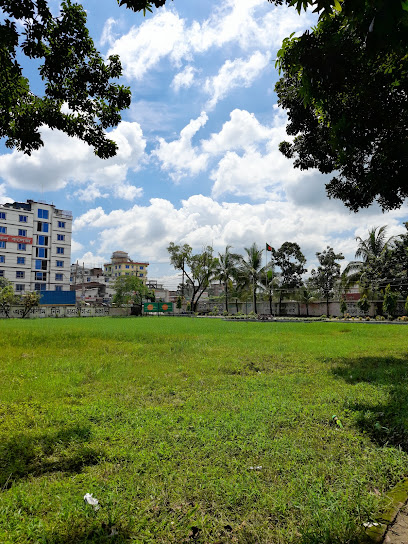
Bhawal College Playground
5.4 km
Escape to nature in the heart of Gazipur at Bhawal College Playground, a perfect spot for family fun and relaxation.
Masterbari
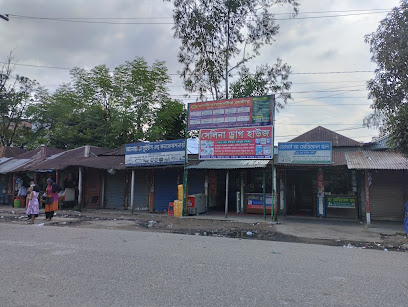
7.7 km
Experience the vibrant culture and commerce of Gazipur at Masterbari, a bustling marketplace offering local crafts, street food, and the famous special tea.
Raja View Tower
13.6 km
Discover panoramic views and serene luxury at Raja View Tower, Gazipur, a perfect escape blending heritage with modern comfort, offering a unique retreat near Dhaka.
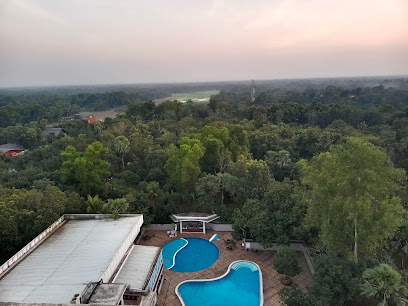
শহীদ মিনার
13.9 km
A poignant symbol of Bangladesh's Language Movement, the Shaheed Minar honors linguistic pride and cultural identity, drawing visitors to reflect on history and heritage.
Uttara Sector 11 No Park
14.2 km
Escape the city bustle at Uttara Sector 11 No Park: a green oasis for relaxation, recreation, and community connection in Dhaka.
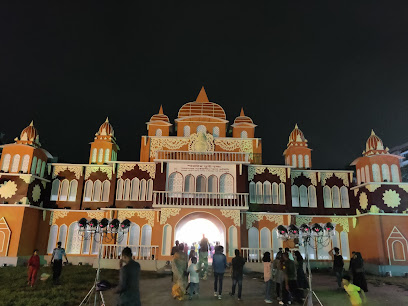
Metro Best Tower
14.9 km
Discover panoramic views and modern architecture at Metro Best Tower in Dhaka, a vibrant landmark offering a unique perspective on the city's dynamic blend of culture and progress.
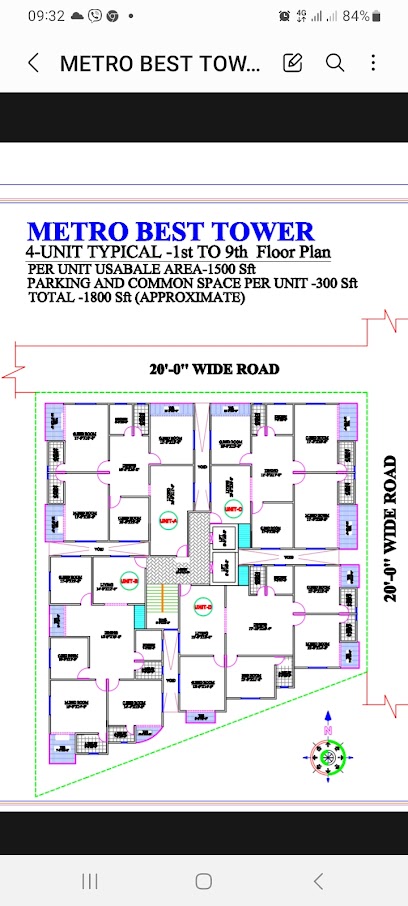
Uttara Sector 12 Park
14.9 km
Escape the city bustle at Uttara Sector 12 Park: a green haven for relaxation, recreation, and community in the heart of Dhaka.
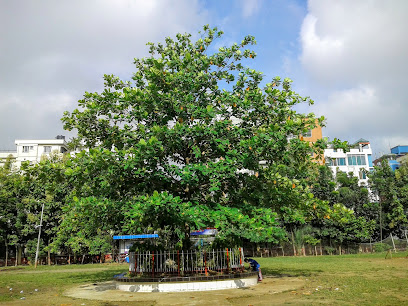
Uttara Sector 4 Park & Playground
15.7 km
Discover a tranquil escape in Dhaka's Uttara, where lush greenery, a serene pond, and vibrant community life converge at Sector 4 Park & Playground, a refreshing retreat for all.
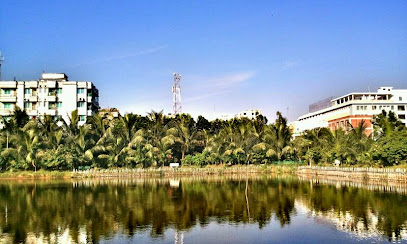
Latte Sleeping
16.1 km
Discover the historical depths of Latte Sleeping in Dhaka, a captivating landmark that unveils the rich cultural heritage of Bangladesh.
Bhawal Resort & Spa
17.4 km
Escape to tranquility at Bhawal Resort & Spa, a serene getaway nestled in the lush Bhawal forest near Dhaka.

Brindabon
18.7 km
Escape the city bustle at Brindabon Park in Mirpur, Dhaka. A serene green space for relaxation, recreation, and community enjoyment, open daily.
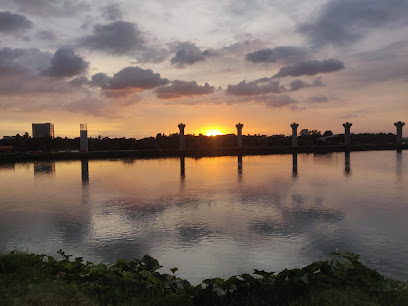
Prantik Gate
19.9 km
Discover Prantik Gate, your entry to Jahangirnagar University's serene campus, rich history, and vibrant student life, a unique blend of nature and culture in Savar, Bangladesh.
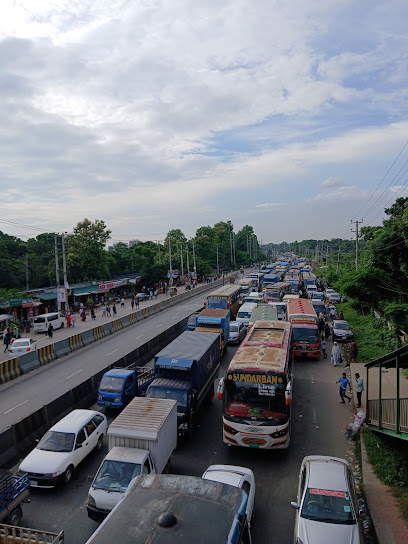
Nikunja-1 Lake
20.0 km
Escape the city bustle at Nikunja-1 Lake, a tranquil oasis in Dhaka's Nikunja, perfect for relaxation and enjoying nature's simple pleasures.
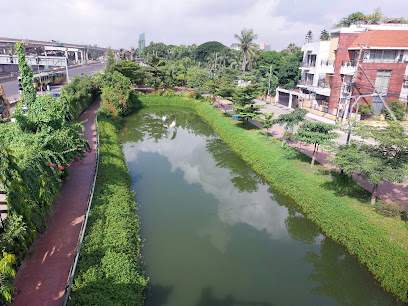
National Martyrs' Monument
20.0 km
Explore the National Martyrs' Monument in Savar, a powerful symbol of Bangladesh's resilience and a tribute to the heroes of the Liberation War.
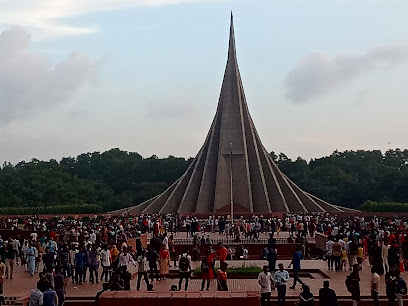
MES Park
20.8 km
Escape the city bustle at MES Park in Dhaka, a serene urban oasis with lush greenery, tranquil lakeside views, and a secure environment perfect for relaxation and recreation.
Unmissable attractions to see

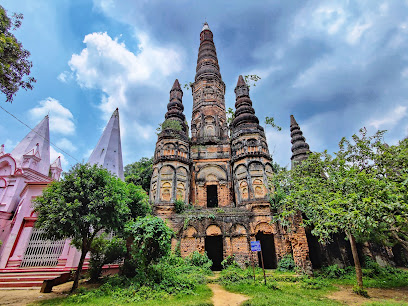
Raj Shoshanshwari- Shiv Mondir
0.9 km
Discover a serene Hindu temple in Gazipur, Bangladesh, showcasing stunning architecture and offering a tranquil escape into spiritual heritage.
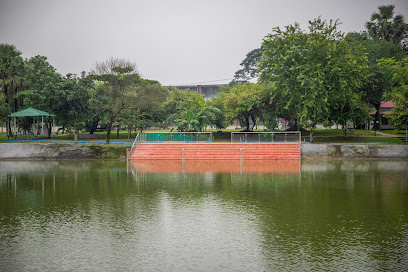
BMTF Picnic Spot
3.2 km
Escape to nature at BMTF Picnic Spot in Gazipur, a serene retreat with lush greenery, open spaces, and recreational activities for a perfect day out.
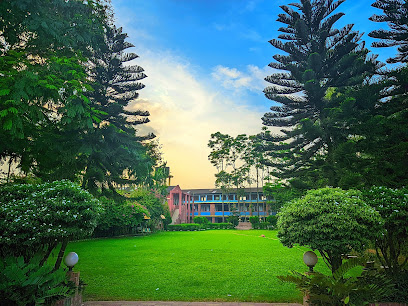
Saint martin point
5.1 km
Discover the tranquil beauty of Saint Martin Point in Gazipur, Bangladesh, a serene escape surrounded by nature's charm and scenic views.
Gazipur Zero Point (গাজীপুর জিরো পয়েন্ট)
6.7 km
Experience the vibrant heart of Gazipur! A bustling hub connecting you to culture, commerce, and the region's hidden gems.
Megher Chaya Resort & Picnic Spot
9.0 km
Escape to nature at Megher Chaya Resort in Gazipur, Bangladesh, offering serene landscapes and recreational activities for a refreshing getaway.
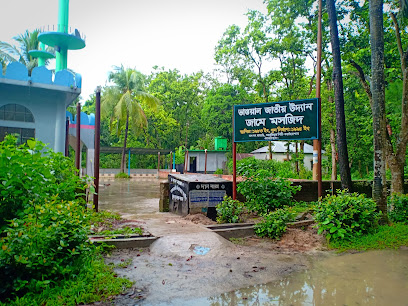
Bhawal National Park, Gazipur
10.1 km
Escape to nature in Bhawal National Park, Gazipur: Explore lush forests, spot diverse wildlife, and discover tranquility just a short trip from Dhaka.
Uttara, Sector 7 Park
14.8 km
Escape the city bustle in this green oasis: walking paths, gardens, and a playground await in Uttara Sector 7 Park, Dhaka.
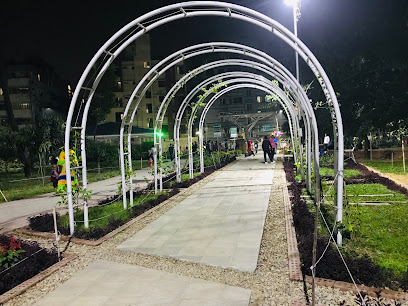
Jamunar tek
14.9 km
Escape the city buzz at Jamunar Tek, a tranquil lakeside haven in Dhaka's Uttara, perfect for relaxation and scenic views.
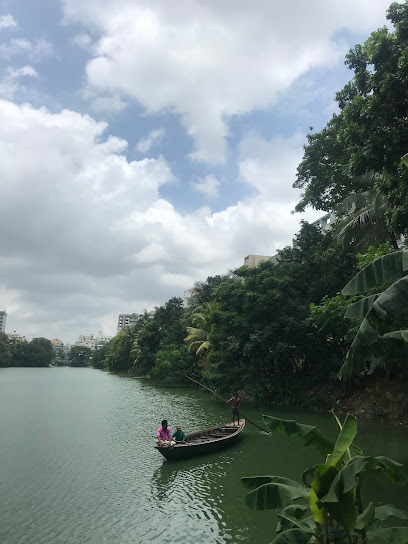
Fantasy Island, Diabari, Uttara
15.1 km
Experience thrilling rides and family fun at Fantasy Island in Dhaka, a vibrant amusement park offering a perfect escape for locals and tourists alike in Uttara.
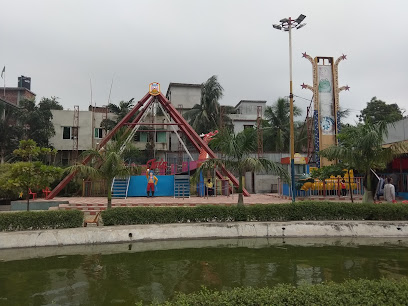
Heritage Park - The Best Park in Dhaka
15.3 km
Discover Bangladesh's rich culture and history at Heritage Park, a unique amusement park near Dhaka with historical replicas and fun for all ages.
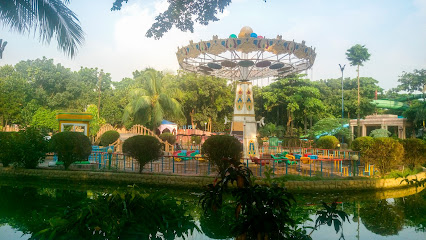
Fantasy Kingdom
15.3 km
Experience thrilling rides, water park adventures, and cultural exploration at Dhaka's premier amusement park, Fantasy Kingdom!
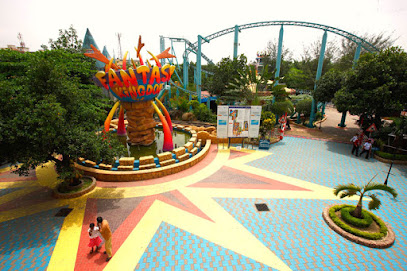
হাসুর বটতলা
15.5 km
Experience the local culture and find a peaceful escape at Hasur Bottota in Dhaka's Uttara Sector 12. A serene retreat from the city bustle.
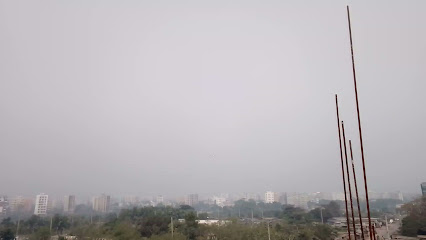
Diabari Triangle
15.7 km
Discover Diabari Triangle in Dhaka: A serene escape offering natural beauty and local charm in the heart of Uttara.
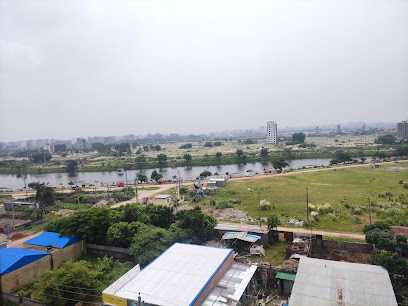
Diabari Lake
17.0 km
Escape to the serene beauty of Diabari Lake in Dhaka's Uttara, offering tranquil boat rides and picturesque natural scenery.
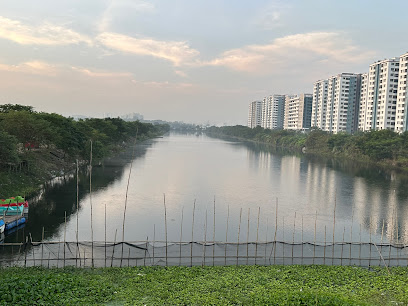
Kawlar Chowrasta | কাওলার চৌরাস্তা
17.2 km
Experience the vibrant chaos of Dhaka at Kawlar Chowrasta, a bustling intersection where commerce, transportation, and daily life converge.
Essential places to dine

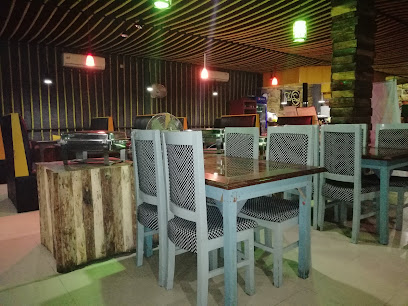
Full Stop Lounge & Restaurant
0.3 km
Experience delightful fast food at Full Stop Lounge & Restaurant in Gazipur—where taste meets comfort in every bite.
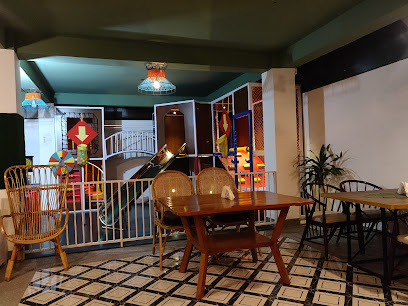
East Valley Restaurant and Party Center.
0.7 km
Experience exquisite dining at East Valley Restaurant and Party Center in Gazipur – where flavor meets celebration.
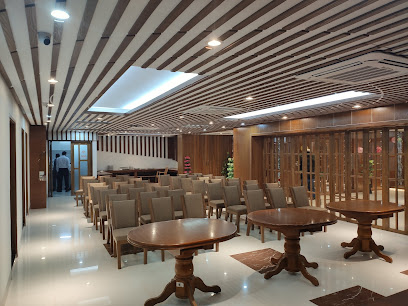
Savor Cafe & Restaurant
3.6 km
Discover authentic Bangladeshi flavors at Savor Cafe & Restaurant in Gazipur - where culinary excellence meets warm hospitality.
Green view restaurant and mini party centre gazipur chowrastay
4.7 km
Discover delightful Chinese cuisine at Green View Restaurant in Gazipur - where great food meets unique ambiance!
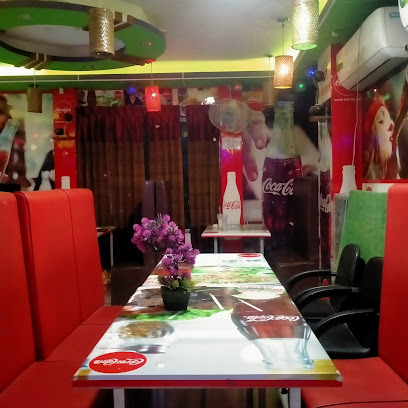
Kashful Restaurant(কাশফুল রেস্টুরেন্ট)
6.6 km
Experience the authentic taste of Bangladesh at Kashful Restaurant in Gazipur – where flavor meets hospitality.
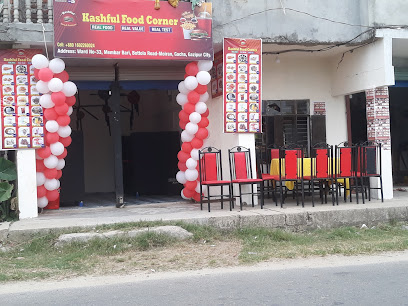
Bhaoal National Park Canteen
9.3 km
Experience local flavors amidst nature's beauty at Bhaoal National Park Canteen.
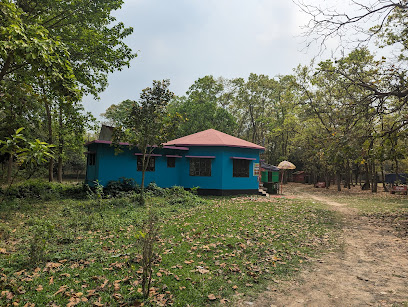
New Shurma Restaurant
10.9 km
Experience authentic local cuisine at New Shurma Restaurant - a culinary treasure in the heart of the city.
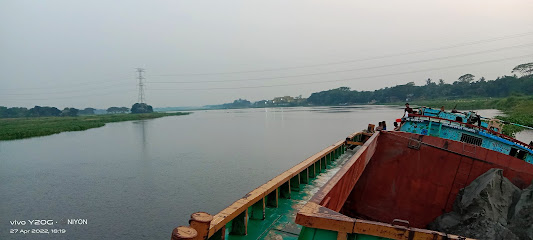
Bhuiya Hotel & Restaurent
13.0 km
Experience authentic Bangladeshi flavors at Bhuiya Hotel & Restaurant in Nagorik Bazar - where tradition meets taste.
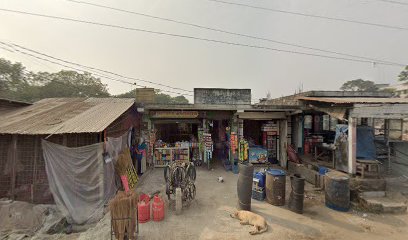
PITZA - Rooftop Pizza Restaurant
14.0 km
Experience delicious rooftop pizza with stunning views at PITZA in Uttara, Dhaka - A must-visit culinary destination!
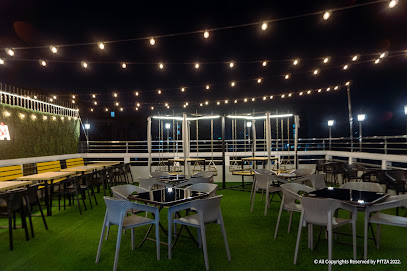
Ocaso Skyscape
14.3 km
Discover Dhaka's culinary gem at Ocaso Skyscape—where exquisite dining meets stunning skyline views.
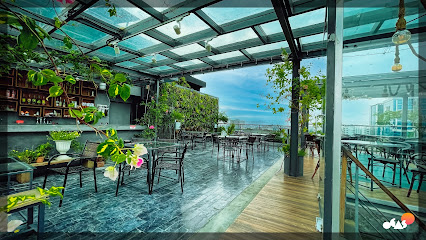
90's Dhaka
14.4 km
Discover the charm of the 1990s at 90's Dhaka—a nostalgic restaurant serving delicious dishes in an unforgettable retro atmosphere.
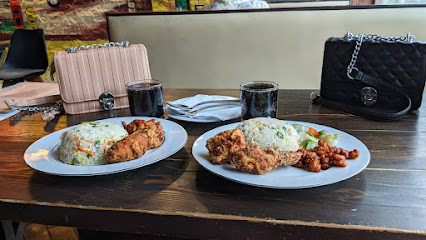
Ajo Idea Space
14.9 km
Experience the vibrant fusion of Asian flavors at Ajo Idea Space in Dhaka - where culinary creativity meets exceptional dining.
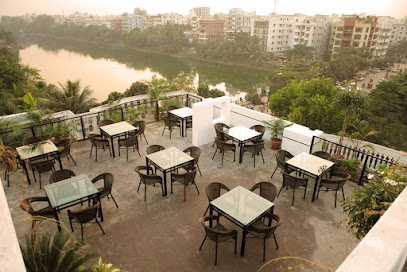
Lake Terrace
14.9 km
Experience fine dining at Lake Terrace in Dhaka - where exquisite steaks meet stunning lakeside views.
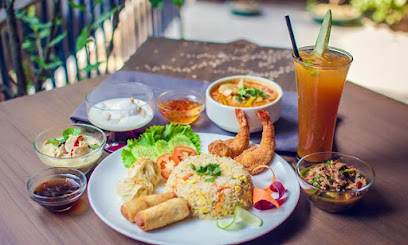
Thai Emerald, Dhaka.
15.0 km
Discover the authentic taste of Thailand at Dhaka's exquisite Thai Emerald restaurant – where flavor meets elegance.
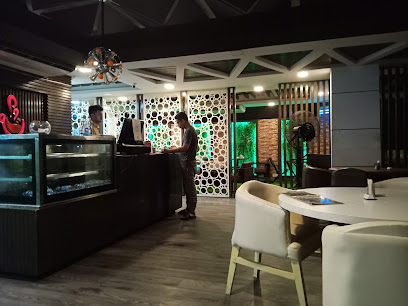
Love Leen Bangla Restaurant
15.0 km
Discover authentic Bangladeshi cuisine at Love Leen Bangla Restaurant in Dhaka – a culinary haven filled with traditional flavors and warm hospitality.
Markets, malls and hidden boutiques

Noor Plaza
4.5 km
Explore Noor Plaza: A Shopping Haven in Gazipur Offering Local Flavors and Global Brands.
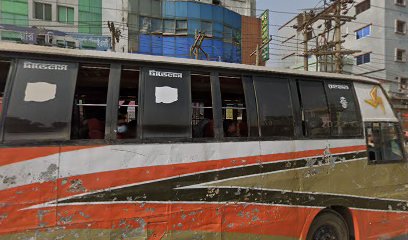
Bhawal Point Shopping Complex
4.8 km
Discover the dynamic shopping and dining experience at Bhawal Point Shopping Complex in Gazipur, where local culture meets global brands.
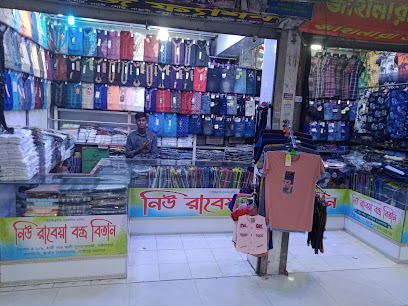
Unique gift shop
10.1 km
Explore the Unique Gift Shop in Tongi for exclusive seasonal goods and stylish gifts that capture the essence of Bangladeshi culture.
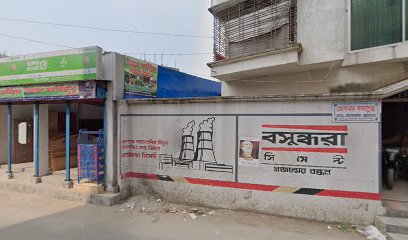
Bhawal Store
10.9 km
Discover the charm of Bhawal Store, your go-to destination for local treasures and authentic Bangladeshi products in a friendly atmosphere.
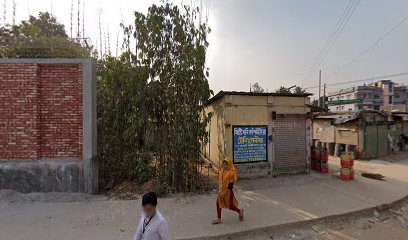
Dui vai General store দুই ভাই জেনারেল স্টোর
11.5 km
Explore the delightful offerings of Dui Vai General Store, a top-rated grocery store in Gazipur, Bangladesh, perfect for tourists seeking local flavors.
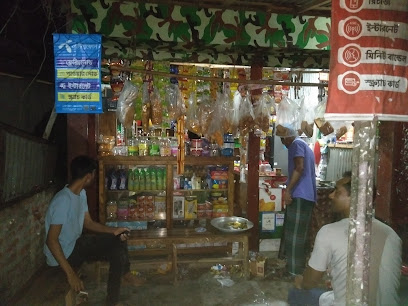
Love Story BD
12.0 km
Explore Love Story BD in Tongi for unique home goods reflecting the rich craftsmanship of Bangladesh, perfect for memorable souvenirs.
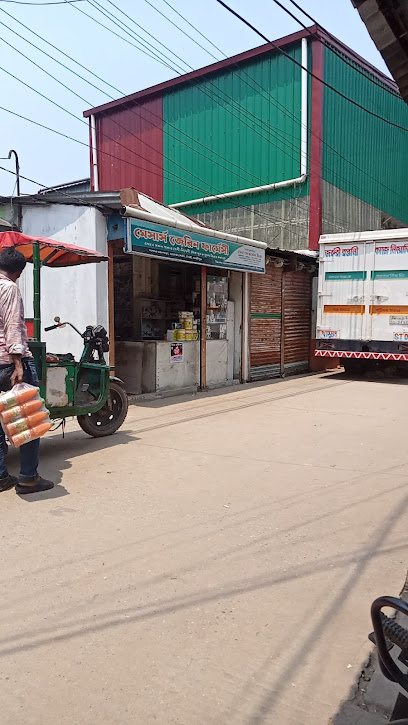
Bhawal Mirzapur Bazar
12.6 km
Discover the vibrant essence of local culture at Bhawal Mirzapur Bazar, a bustling market filled with authentic Bangladeshi goods and flavors.
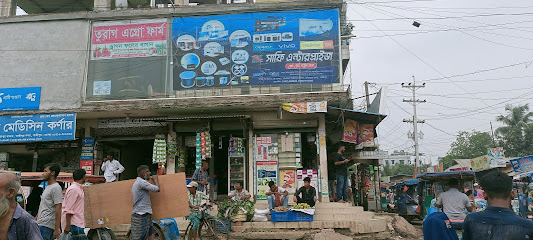
UNIQUE HAIR BD
14.0 km
Explore Unique Hair BD in Dhaka for quality hair products and expert advice, enhancing your hair care experience on your travels.
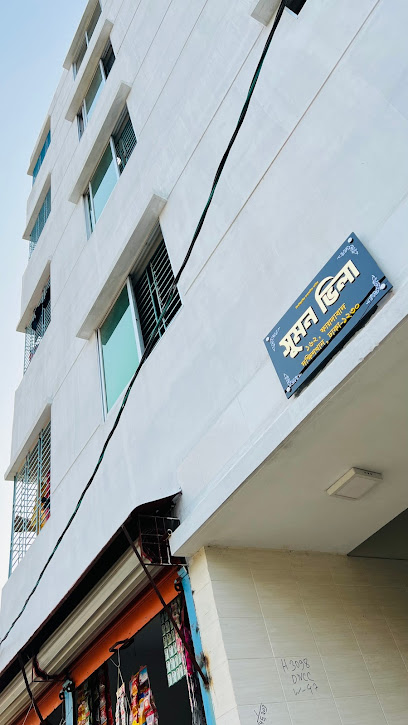
Unique Shop Cart
14.2 km
Shop unique clothing and accessories in Dhaka at Unique Shop Cart, where tradition meets modern retailing in a vibrant atmosphere.

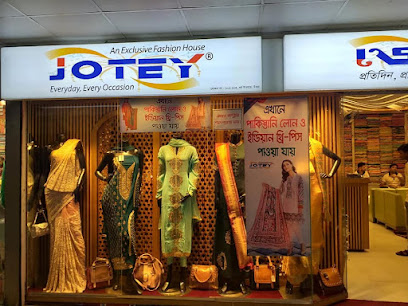
Jotey Uttara Outlet
14.3 km
Explore contemporary women's fashion at Jotey Uttara Outlet in Dhaka, where style meets culture in every piece.
Unique Collection
14.3 km
Discover the latest women's fashion trends at Unique Collection in Uttara, Dhaka – where style meets affordability.
Uttara Square Shopping Complex
14.5 km
Discover the ultimate shopping experience at Uttara Square Shopping Complex, where fashion meets convenience in the heart of Dhaka.
Online Shop
14.6 km
Experience Dhaka's online shopping scene with unique clothing, beauty products, and more in a vibrant atmosphere.
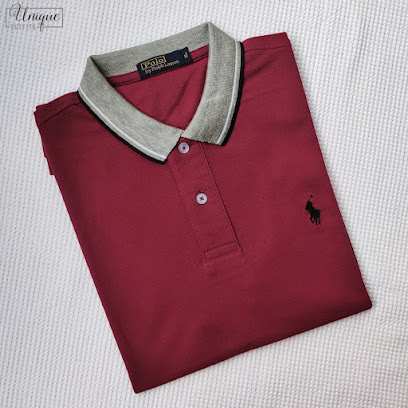
Unique Outfits
14.7 km
Explore Unique Outfits in Dhaka for trendy T-shirts and artistic apparel, capturing the vibrant spirit of Bangladesh.
Uttara shop
14.7 km
Discover the latest trends in women's fashion at Uttara Shop, the top destination for stylish clothing in Dhaka, Bangladesh.
Essential bars & hidden hideouts

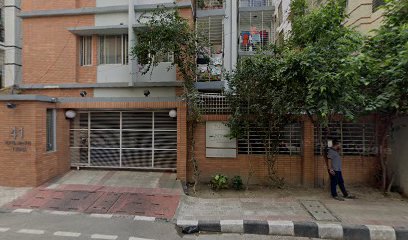
Honey Moon Restaurant & Bar Ltd.
4.4 km
Discover the flavors of Gazipur at Honey Moon Restaurant & Bar Ltd., where culinary delights and local hospitality meet in a vibrant setting.
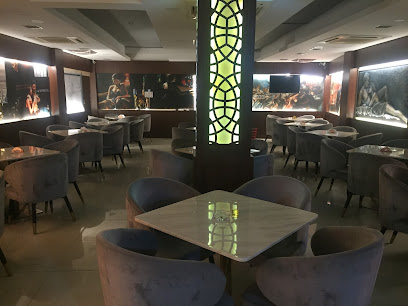
Khejur Bagan
10.4 km
Discover the vibrant nightlife at Khejur Bagan, a top bar in Tongi offering a lively atmosphere and a wide selection of drinks.
vai vaimi
13.2 km
Discover the vibrant nightlife of Dhaka at Vai Vaimi, a lively bar offering a unique blend of local flavors and a welcoming atmosphere.
Hasina cha stall
13.5 km
Discover the essence of Bangladeshi street culture at Hasina Cha Stall, a must-visit bar in Dhaka for authentic tea and local snacks.
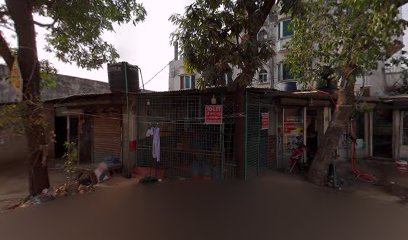
Tiger Entertainment Ltd.
13.9 km
Experience the vibrant nightlife of Dhaka at Tiger Entertainment Ltd., a premier bar in the heart of Uttara featuring an extensive drink selection.
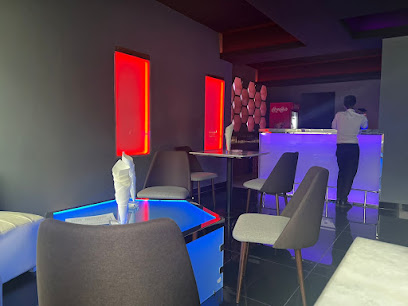
Uttora
14.1 km
Experience the vibrant nightlife of Uttora, a bar in Dhaka that offers a taste of local flavors and an unforgettable atmosphere for tourists.
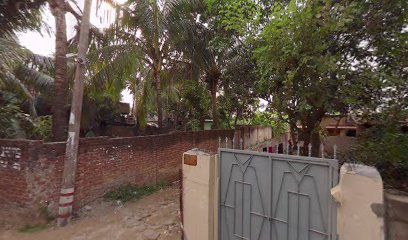
City Orchard Recreation Club
14.2 km
Discover the vibrant nightlife of Dhaka at City Orchard Recreation Club, a top bar and club where locals and tourists mingle over drinks and music.
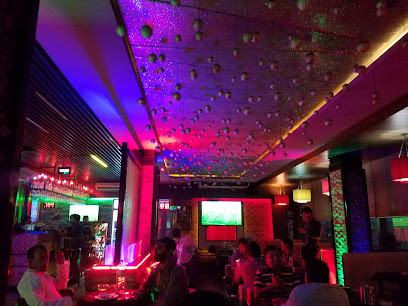
Nest Restaurant & Bar
14.5 km
Discover the vibrant flavors of Dhaka at Nest Restaurant & Bar, where culinary excellence meets a lively atmosphere.
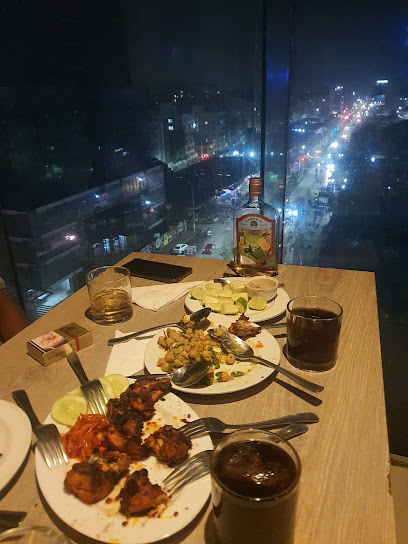
Md Manik
14.6 km
Discover the vibrant nightlife at Md Manik, a premier bar in Uttara, Dhaka, offering local and international drinks in a lively atmosphere.
Kingfisher Restaurant
14.7 km
Experience the vibrant culinary scene of Dhaka at Kingfisher Restaurant, where exceptional grilled dishes meet a warm atmosphere.
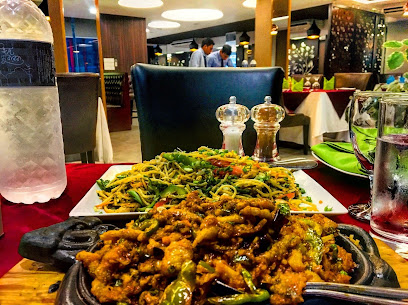
Lakeview Restaurant & Bar, Uttara
14.7 km
Experience the lively atmosphere and exquisite flavors at Lakeview Restaurant & Bar in Uttara, Dhaka. A perfect spot for dining and relaxation.
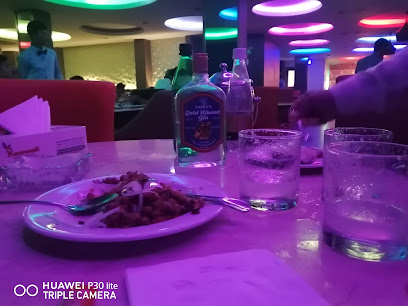
Home
15.3 km
Experience the vibrant nightlife at this bar in Bangladesh – a perfect blend of local culture and refreshing beverages.
Bohubrihi Lounge
15.4 km
Discover the charm of Bohubrihi Lounge in Dhaka, where comfort meets culinary delight in a serene atmosphere.
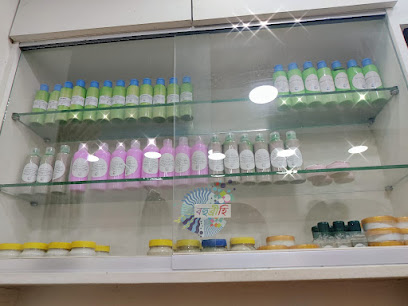
Margarita Lounge
15.6 km
Experience the finest oysters and breathtaking views at Margarita Lounge, Dhaka's premier oyster bar for seafood lovers.
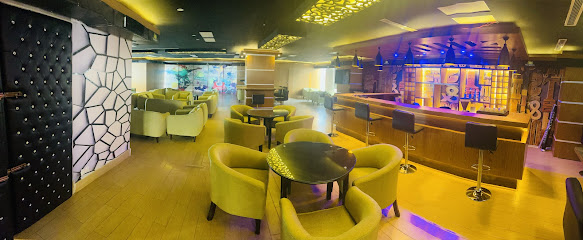
Kitchen House Restaurant & Bar
15.6 km
Experience the vibrant flavors and lively atmosphere at Kitchen House Restaurant & Bar, a top culinary destination in Dhaka, perfect for every occasion.
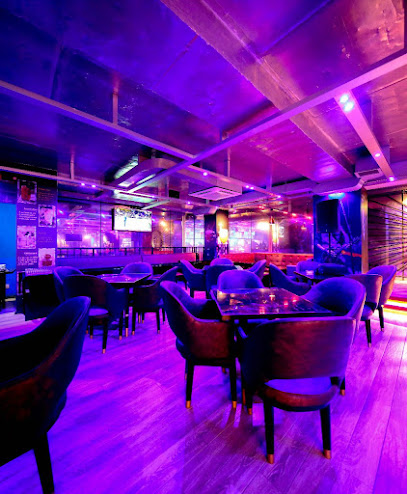
Nightclubs & after hour spots

Style Hok Bindas
11.7 km
Dive into the exciting nightlife of Bangladesh at Style Hok Bindas, where unforgettable experiences and electrifying music await.
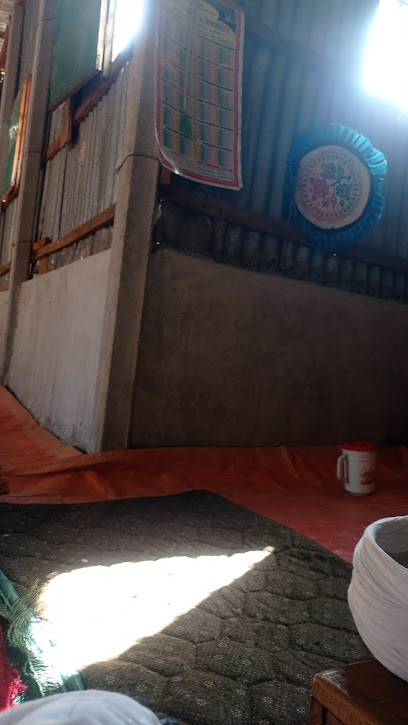
Uttara Model Club
14.9 km
Experience the vibrant nightlife at Uttara Model Club, Dhaka's premier destination for electrifying music and unforgettable moments.
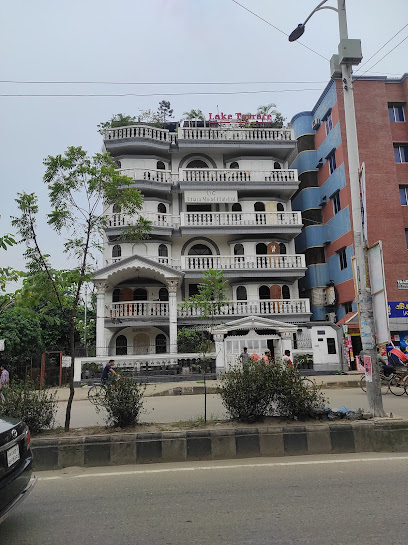
Uttara Press Club
15.0 km
Discover the vibrant cultural scene at Uttara Press Club, where locals and tourists alike connect over art, music, and delicious cuisine.
Club DE BackBencherS
15.4 km
Unwind in Dhaka's premier social hub at Club DE BackBencherS, where relaxation meets entertainment in a vibrant atmosphere.
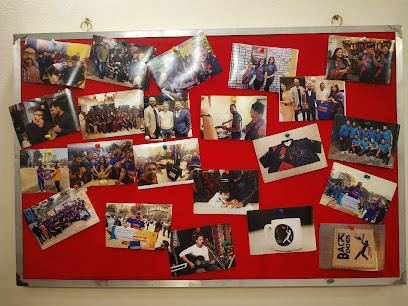
Dhaka Royal Club Limited
15.5 km
Discover relaxation and sophistication at the Dhaka Royal Club Limited, a premier social club in Uttara, perfect for unwinding and socializing.
Uttara Club
16.1 km
Experience the vibrant nightlife of Dhaka at Uttara Club, a premier destination for music, dance, and unforgettable events.
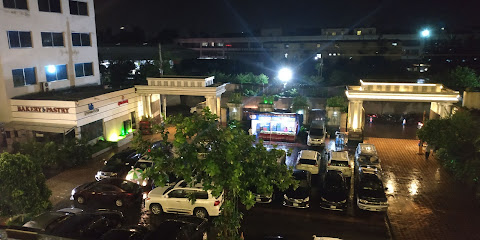
Uttara Ladies Club
16.1 km
Experience the vibrant community spirit at Uttara Ladies Club, a unique retreat for women offering diverse recreational and social activities in Dhaka.
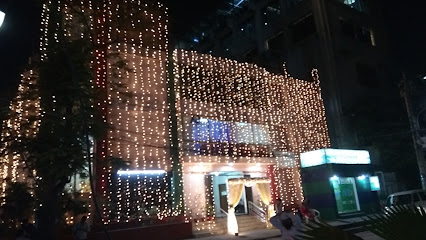
Club 13, Dhaka Regency Hotel & Resort
19.0 km
Discover the vibrant nightlife at Club 13, a premier live music bar in Dhaka Regency Hotel, offering a unique blend of drinks and local entertainment.
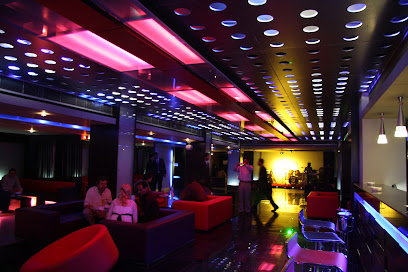
Mamar Basa Mirpur
20.2 km
Explore the vibrant nightlife of Dhaka at Mamar Basa Mirpur, where music, dance, and unforgettable memories await you.
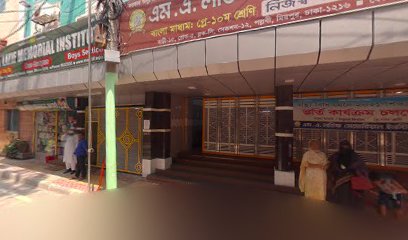
Vanga Bari
20.5 km
Experience the vibrant nightlife and delicious barbecue delights at Vanga Bari, Dhaka's premier night club for an unforgettable evening.
AR Lounge (pool club + gaming fun zone)
21.3 km
Discover AR Lounge in Dhaka: Your ultimate destination for relaxation, gaming, and unforgettable dining experiences.
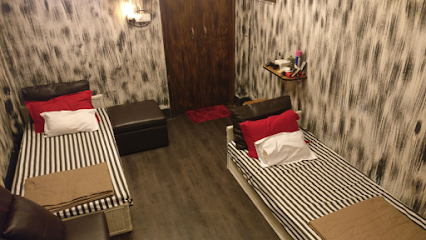
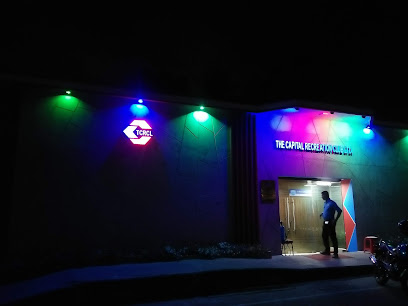
The Capital Recreation Club
21.9 km
Discover the vibrant nightlife at The Capital Recreation Club, Dhaka's premier destination for music, dancing, and socializing.
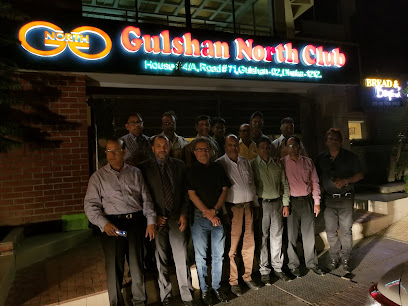
Gulshan North Club
21.9 km
Experience the vibrant nightlife of Dhaka at Gulshan North Club, where music, dance, and excitement await every night.
RayofNoor
22.1 km
Experience the electric nightlife of Dhaka at RayofNoor, a vibrant night club with great music and exquisite drinks, perfect for an unforgettable evening.

International Club Dhaka
22.3 km
Discover the dynamic ambiance and diverse culinary delights at International Club Dhaka, your social hub in the heart of the city.