

Free Bhawal Region Travel Guide & Mobile App
Explore Bhawal Region with free travel guides. Discover regional history, expert tips, proposed trips, and audio guides on web or mobile app.


Explore Bangladesh’s Bhawal Region for sal forests, estate history, rural landscapes, wildlife parks and easy excursions north of Dhaka.
Read more about Bhawal Region
When is the best time to visit Bhawal Region?
Best: December–February · 23–26°C| Month | High (°C) | Rainfall (mm) |
|---|---|---|
| January (best) | 23 | 6 |
| February (best) | 26 | 10 |
| March | 31 | 25 |
| April | 35 | 60 |
| May | 35 | 110 |
| June | 33 | 200 |
| July | 32 | 300 |
| August | 32 | 250 |
| September | 32 | 200 |
| October | 31 | 110 |
| November | 28 | 40 |
| December (best) | 24 | 6 |
Getting to and around Bhawal Region
How to get there
Transportation
Best attractions in Bhawal Region
Bhawal’s attractions centre on accessible woodland, estate history and recreation rather than a concentration of monumental architecture. Bhawal National Park is the region’s principal natural visit, with sal forest, ponds, shaded paths and picnic areas that provide a close encounter with a landscape increasingly surrounded by settlement. The former Bhawal Rajbari at Joydebpur gives historical context to the old estate and the famous succession dispute associated with it, although visitors should check current access arrangements. In northern Gazipur, Bangabandhu Sheikh Mujib Safari Park offers managed wildlife and open landscapes on a much larger scale, while Nuhash Palli near Pirojpur is associated with gardens, woodland and the creative life of writer and filmmaker Humayun Ahmed. Rural roads, ponds, orchards and village markets add texture between formal attractions. The best experience comes from allowing time for the changing landscape rather than treating every stop as a standalone sight. Nature visits are most comfortable in the cooler part of the day, and park rules, seasonal conditions and visitor facilities should be confirmed locally.
-
Park
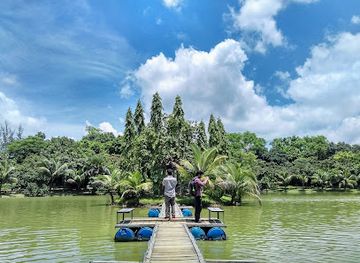
Zinda Park
Discover Zinda Park: A community-built eco-paradise near Dhaka with lush greenery, tranquil lakes, and a unique cultural experience.
-
National park
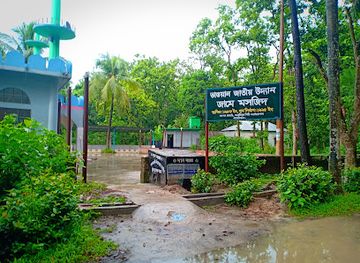
Bhawal National Park, Gazipur
Escape to nature in Bhawal National Park, Gazipur: Explore lush forests, spot diverse wildlife, and discover tranquility just a short trip from Dhaka.
-
Theme park
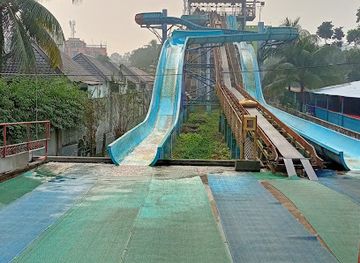
Nandan Park
Experience thrilling rides, refreshing water attractions, and serene nature at Dhaka's premier amusement park, Nandan Park.
-
Historical landmark
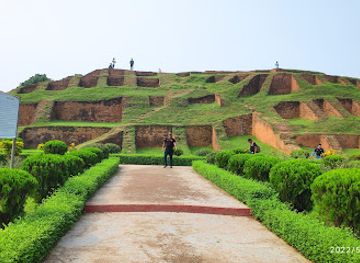
Behular Bashor Ghor - Gokul Medh
Explore the ancient Gokul Medh in Bangladesh, tied to the legend of Behula and Lakhindar, revealing early Bengal's architecture and Buddhist heritage.
Best landmarks in Bhawal Region
The defining historic landmark of Bhawal is the Bhawal Rajbari at Joydebpur, associated with the zamindar estate whose power once extended across a substantial area of central Bengal. Its significance lies not only in its architecture and institutional history but also in the Bhawal Sannyasi case, one of the subcontinent’s most widely discussed succession disputes. Bhawal National Park is the region’s principal natural landmark, representing a surviving portion of the sal woodland that once covered more of the Madhupur Tract. Its forest, ponds and red-soil setting provide a strong geographical identity for the area. In northern Gazipur, Bangabandhu Sheikh Mujib Safari Park is a prominent contemporary landscape landmark, created as a managed wildlife and recreation complex rather than a historic monument. Joydebpur’s railway junction and the dense urban corridor around it also illustrate the region’s modern transformation, linking the former estate centre to Bangladesh’s capital and industrial economy. These places are best understood together: the rajbari reflects landed authority, the forest embodies environmental continuity, and the transport corridor shows the pressure and opportunity created by rapid urban growth.
-
Historical landmark
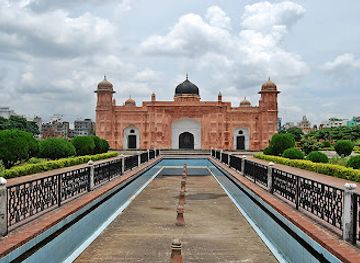
Lalbagh Fort
Explore Lalbagh Fort, Dhaka's iconic 17th-century Mughal landmark, a testament to the city's rich history and architectural splendor.
-
Historical landmark
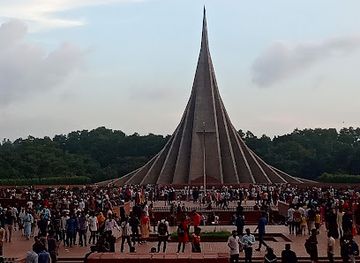
National Martyrs' Monument
A poignant landmark in Savar commemorating Bangladesh's Liberation War heroes, with stunning architecture and serene gardens for reflection and remembrance.
-
Historical place museum
Ahsan Manzil Museum
Explore the Pink Palace of Dhaka, a window into the opulent lives of the Nawab family and the rich history of Bangladesh.
-
Park
Zinda Park
Escape to Zinda Park: Discover nature, community, and tranquility just a short trip from Dhaka. A perfect eco-friendly day out.

Explore Bhawal Region on the map
Plan your trip on one map. See where the top cities, national parks and sights are, and book hotels and experiences in a few clicks.
Best hotels in Bhawal Region
Best restaurants in Bhawal Region
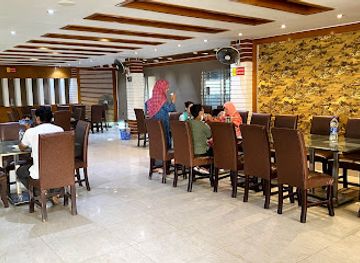
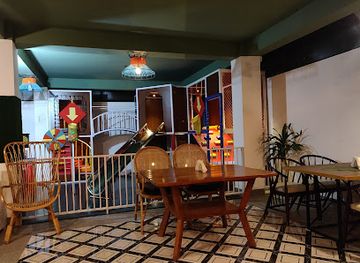
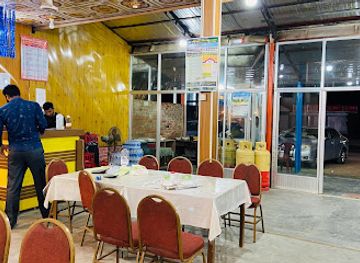
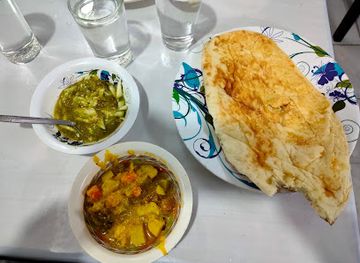
Dining in the Bhawal Region follows the broad food culture of central Bangladesh, with rice, freshwater fish, lentils, vegetables, bhorta, eggs and chicken forming the basis of everyday meals. Gazipur and Joydebpur have the widest choice of Bengali restaurants, casual eateries and hotel dining rooms, while roadside establishments near parks and along main roads are useful for tea, paratha, rice dishes and snacks. Seasonal fruit and produce from the surrounding countryside often appear in local markets, and simple meals may be more distinctive for their freshness and setting than for elaborate presentation. Visitors should look for busy establishments with good turnover, particularly in hot weather, and carry drinking water on rural excursions. Restaurant customs are generally informal, though food may arrive in stages and eating with the right hand remains common. International dining is more likely in larger commercial areas than beside forest attractions, so a trip into Bhawal’s countryside is best approached with expectations of local Bangladeshi food rather than a broad metropolitan restaurant scene.
-
Restaurant
Jannat Restaurant & Resort
Explore the flavors of Bangladesh at Jannat Restaurant & Resort – where local cuisine meets warm hospitality in Bhairab.
-
Restaurant
East Valley Restaurant and Party Center.
Experience exquisite dining at East Valley Restaurant and Party Center in Gazipur – where flavor meets celebration.
-
Restaurant
Elish Bari Restaurant/ইলিশ বাড়ি রেস্টুরেন্ট
Experience authentic Bangladeshi cuisine at Elish Bari Restaurant, specializing in exquisite Hilsa fish dishes amid a vibrant cultural atmosphere.
-
Restaurant
Restaurants
Experience exquisite dining with exceptional service at one of the city's top-rated restaurants offering a fusion of local and international cuisine.
Best bars in Bhawal Region
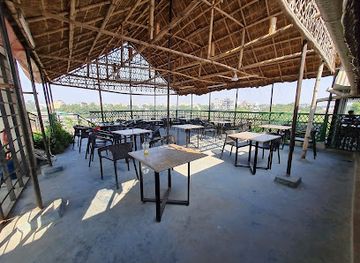
Nightlife in the Bhawal Region is modest and largely centred on restaurants, tea stalls, hotel lounges and informal social gatherings rather than a sustained club scene. Gazipur and Joydebpur offer the greatest concentration of evening activity, with busy roads, cafés and eateries remaining active after work, while rural areas generally become quiet once shops and local transport reduce. Alcohol is not central to public life, and licensed venues are limited compared with the nightlife districts of Dhaka; visitors should not expect a large bar culture around Bhawal National Park or the forest-edge attractions. Evening entertainment is more likely to involve Bengali food, conversation, television, local cultural programmes or family outings. If returning to Dhaka or travelling between Gazipur attractions after dark, arrange transport in advance and allow for traffic. Hotel facilities may provide the most predictable private evening setting for international visitors staying in the region.
-
Bar
Chalet Restaurant & Bar
Experience the perfect blend of modern elegance and traditional flavors at Chalet Restaurant & Bar in Dhaka.
-
Restaurant
Thikana Day Outers | Beraid
Discover the flavors of Bangladesh at Thikana Day Outers, a charming restaurant and cafe in Dhaka, perfect for every traveler.
-
Bar
DPL Restaurant & Bar
Discover the lively DPL Restaurant & Bar in Dhaka – a perfect blend of flavors, drinks, and vibrant atmosphere for an unforgettable night out.
-
Bar
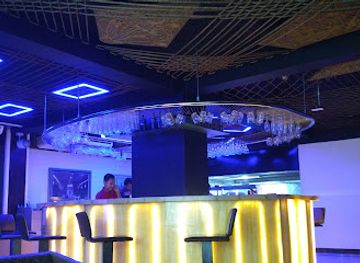
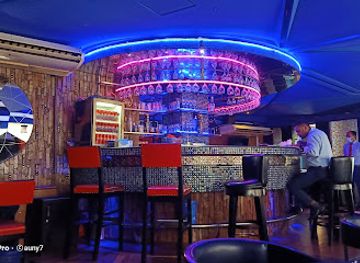
Bluemoon Recreation Club
Discover the vibrant atmosphere of Bluemoon Recreation Club in Dhaka – where leisure meets socializing with a blend of food, drinks, and fitness.

Best nightclubs in Bhawal Region
Nightlife in the Bhawal Region is modest and largely centred on restaurants, tea stalls, hotel lounges and informal social gatherings rather than a sustained club scene. Gazipur and Joydebpur offer the greatest concentration of evening activity, with busy roads, cafés and eateries remaining active after work, while rural areas generally become quiet once shops and local transport reduce. Alcohol is not central to public life, and licensed venues are limited compared with the nightlife districts of Dhaka; visitors should not expect a large bar culture around Bhawal National Park or the forest-edge attractions. Evening entertainment is more likely to involve Bengali food, conversation, television, local cultural programmes or family outings. If returning to Dhaka or travelling between Gazipur attractions after dark, arrange transport in advance and allow for traffic. Hotel facilities may provide the most predictable private evening setting for international visitors staying in the region.
-
Bar
Bluemoon Recreation Club
Experience the vibrant atmosphere of Bluemoon Recreation Club in Dhaka, where leisure meets local culture in a multi-faceted entertainment hub.
-
Lounge
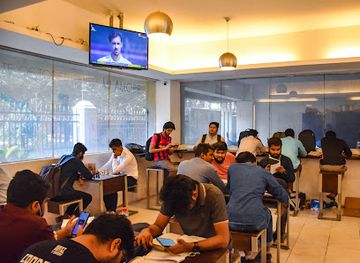
FBS Boys Common Room and Ice Cream Parlour
Experience the sweet escape at FBS Boys Common Room and Ice Cream Parlour in Dhaka, where delightful flavors and a cozy ambiance await.
-
Lounge
রূপসী বাংলা নির্বাহী লাউঞ্জ
Experience tranquility at Ruposhi Bangla Executive Lounge, a perfect blend of comfort and elegance in the heart of Dhaka.
-
Night club
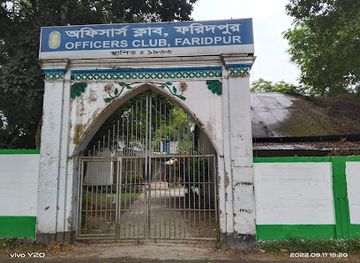
Officer's Club
Experience the best of Faridpur's nightlife at Officer's Club, where music and excitement create unforgettable nights.


Best shops in Bhawal Region
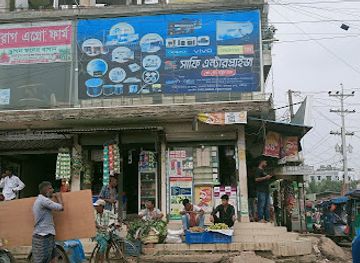
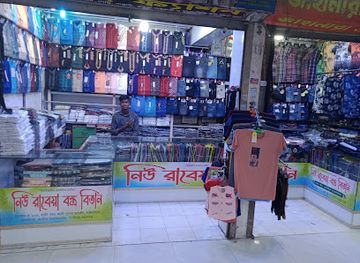
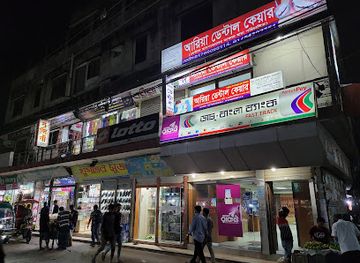
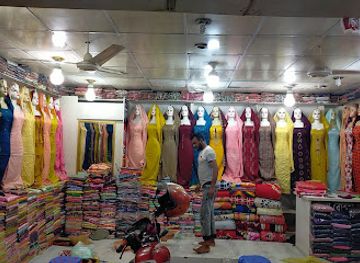
Shopping in Bhawal is primarily practical and local, with the strongest variety found in Gazipur, Joydebpur and busy market areas along the main roads. Traditional bazaars sell clothing, household goods, footwear, mobile accessories, fresh produce, sweets and snacks, while village markets offer seasonal fruit and vegetables from the surrounding countryside. Visitors looking for regional gifts can consider packaged Bengali foods, sweets, tea, woven goods or small handicrafts, but should ask about ingredients and storage when buying fresh products. The region is not known for a single signature craft district or a concentrated luxury-shopping quarter; contemporary malls and branded shops are more likely in the larger urban and suburban parts of Gazipur than near forest attractions. Markets are liveliest during the day, and cash remains useful for small purchases even where larger shops accept cards or mobile payments. Bargaining may be normal in informal markets but is less appropriate in fixed-price shops, pharmacies and modern retail outlets.
-
Market
Bhawal Mirzapur Bazar
Discover the vibrant essence of local culture at Bhawal Mirzapur Bazar, a bustling market filled with authentic Bangladeshi goods and flavors.
-
Shopping mall
Bhawal Point Shopping Complex
Discover the dynamic shopping and dining experience at Bhawal Point Shopping Complex in Gazipur, where local culture meets global brands.
-
Shopping mall
Bhuiyan Complex
Explore Bhuiyan Complex in Dhaka, a vibrant shopping mall with diverse shopping, dining, and entertainment options, perfect for every traveler.
-
Shopping mall
Bhai bhai Shopping Mall - ভাই ভাই শপিং মল
Experience the vibrant shopping scene at Bhai Bhai Shopping Mall in Gournadi, where culture meets commerce in a delightful blend.
Get your free copy of our complete guide to Bhawal Region, delivered straight to you.
Everything on this page, from attractions and restaurants to essentials and local phrases, in one PDF you can read offline, print or share.
Already have an account? Sign in
Your Bhawal Region guide is ready.
We'll send it to · Not you? Sign out

Getting your guide ready…
We are putting together a fresh copy of the Bhawal Region guide. This can take up to a minute.
This can take a few moments. If your browser asks, choose Allow so the download can start. You'll find the guide in your Downloads folder.
Nothing happened? Download it again
Sorry, the guide is taking longer than usual. Please try again in a minute, or get it by email instead.
Bhawal Region essentials
Currency and Payment
Safety
Emergency Situations
Do's and Don'ts
Local Tips
From Eve
Local phrases worth knowing
You don't need to get them perfect. A few words go a long way, and locals appreciate the effort.
Basics
| English | Local | Say it |
|---|---|---|
| Hello | হ্যালো | [Hyalo] |
| Goodbye | বিদায় | [Biday] |
| Yes | হ্যাঁ | [Hyan] |
| No | না | [Na] |
| Please/You're welcome | দয়া করে/স্বাগতম | [Doya kore/Swagatam] |
| Thank you | ধন্যবাদ | [Dhonnobad] |
| Excuse me/Sorry | মাফ করবেন/দুঃখিত | [Maf korben/Dukhito] |
| How are you? | আপনি কেমন আছেন? | [Apni kemon achen?] |
| Fine. And you? | ভাল। আর আপনি? | [Bhalo. Ar apni?] |
| Do you speak English? | আপনি কি ইংরেজি বলেন? | [Apni ki Ingreji bolen?] |
| I don't understand | আমি বুঝি না | [Ami bujhi na] |
Eating & Drinking
| English | Local | Say it |
|---|---|---|
| I'd like to see the menu, please | মেনু দেখতে চাই, দয়া করে | [Menu dekhte chai, doya kore] |
| I don't eat meat | আমি মাংস খাই না | [Ami mangsho khai na] |
| Cheers! | স্বাদ নিতে! | [Shad nite!] |
| I would like to pay, please | আমি পেমেন্ট করতে চাই, দয়া করে | [Ami payment korte chai, doya kore] |
Emergencies
| English | Local | Say it |
|---|---|---|
| Help! | সাহায্য করুন! | [Sahajjo korun!] |
| Go away! | চলে যাও! | [Chole jao!] |
| Call the Police! | পুলিশ ডাকুন! | [Polish dakun!] |
| Call a doctor! | ডাক্তার ডাকুন! | [Daktar dakun!] |
| I'm lost | আমি হারিয়ে গেছি | [Ami hariye gechi] |
| I'm ill | আমি অসুস্থ | [Ami osustho] |
Shopping
| English | Local | Say it |
|---|---|---|
| I'd like to buy... | আমি কিনতে চাই... | [Ami kinte chai...] |
| I'm just looking | আমি শুধু দেখছি | [Ami shudhu dekhchi] |
| How much is it? | এটার দাম কত? | [Etar dam koto?] |
| That's too expensive | এটা খুব দামী | [Eta khub dami] |
| Can you lower the price? | আপনি কি দাম কমাতে পারেন? | [Apni ki dam komate paren?] |
Time & Numbers
| English | Local | Say it |
|---|---|---|
| What time is it? | এখন কত বাজে? | [Ekhon koto baze?] |
| It's one o'clock | এটি একটা বাজে | [Eti ekta baze] |
| Half past (10) | সাড়ে (১০) | [Sare (10)] |
| Morning | সকাল | [Sokal] |
| Afternoon | বিকাল | [Bikal] |
| Evening | সন্ধ্যা | [Shondhya] |
| Yesterday | গতকাল | [Gotokal] |
| Today | আজ | [Aaj] |
| Tomorrow | কাল | [Kal] |
| 1 | ১ | [1] |
| 2 | ২ | [2] |
| 3 | ৩ | [3] |
| 4 | ৪ | [4] |
| 5 | ৫ | [5] |
| 6 | ৬ | [6] |
| 7 | ৭ | [7] |
| 8 | ৮ | [8] |
| 9 | ৯ | [9] |
| 10 | ১০ | [10] |
Transport & Directions
| English | Local | Say it |
|---|---|---|
| Where's a/the...? | কোথায় একটি...? | [Kothay ekta...?] |
| What's the address? | ঠিকানা কি? | [Thikana ki?] |
| Can you show me (on the map)? | আপনি কি আমাকে দেখাতে পারেন (মানচিত্রে)? | [Apni ki amake dekhate paren (manchitre)?] |
| When's the next (bus)? | পরবর্তী (বাস) কখন? | [Poroborti (bas) kokhon?] |
| A ticket (to ....) | একটি টিকেট (....) | [Ekti ticket (....)] |
History of Bhawal Region
Early settlement and the Madhupur Tract
Bhawal lies within the wider Madhupur Tract, an elevated area of central Bangladesh whose red soils and sal forests distinguish it from the surrounding floodplains. Human settlement developed around cultivable clearings, water sources and woodland resources, while later villages were shaped by agriculture, local trade and changing land administration. The region’s environment was never an untouched wilderness: forests were used for fuel, timber, grazing and cultivation, and their extent changed over time. This long relationship between communities and sal woodland remains central to understanding Bhawal’s landscape today.
Mughal and early revenue administration
Under Mughal rule and the successive systems of Bengal administration, the Bhawal area became part of a more formal network of revenue collection and landed authority. Local estates and intermediary landholders gained importance as the state sought dependable agricultural income from rural Bengal. Roads, markets and settlements developed in relation to these administrative structures, linking forest-edge villages with larger centres such as Dhaka and Mymensingh. Although few visitors encounter the historical system directly, the later Bhawal estate and its concentration of power grew from these earlier patterns of landholding.
The Bhawal estate under British rule
The Permanent Settlement of 1793 transformed land revenue arrangements in Bengal and strengthened the position of zamindar estates. The Bhawal estate became one of the major landed estates in the Dhaka region, with its principal residence at Joydebpur. Its authority extended across a large rural territory and influenced taxation, courts, roads, patronage and public institutions. The estate’s buildings and memories still give Joydebpur much of its historical identity, although the political and legal privileges of zamindars disappeared after land reforms in East Pakistan and later Bangladesh.
The Bhawal Sannyasi case
One of South Asia’s best-known legal and identity disputes grew from the Bhawal estate. After the death of the estate’s second prince in 1909, a man who appeared years later claiming to be the missing prince became the centre of a prolonged succession case. The dispute involved questions of identity, inheritance, medical evidence, religious renunciation and colonial justice. Court proceedings continued through several levels and attracted wide public attention before the claimant secured a major legal victory in the 1930s, although controversy continued until his death in 1946. The story remains closely associated with Joydebpur and Bhawal.
War, independence and social change
The Bhawal area experienced the political upheavals that culminated in Bangladesh’s Liberation War in 1971. Local communities were affected by military repression, displacement, resistance and the wider breakdown of administration across East Pakistan. After independence, land reform and demographic change altered the old estate landscape, while new roads, schools and public institutions reshaped the towns. The history of the region is therefore not only aristocratic: it also includes the experiences of cultivators, forest communities, workers and families drawn towards the expanding urban corridor north of Dhaka.
Industry, urban growth and environmental pressure
From the late twentieth century, Gazipur and the Bhawal area became increasingly connected to Dhaka through road improvements, factories, housing and administrative expansion. Garment manufacturing, pharmaceuticals, ceramics, food processing and other industries contributed to rapid economic change, particularly around Tongi, Joydebpur and the southern approaches to Gazipur. This growth brought jobs and infrastructure but also placed pressure on sal forests, wetlands and agricultural land. Bhawal National Park and other protected or managed landscapes now represent part of the continuing effort to retain woodland within a heavily transforming region.
Bhawal Region in Photos
Browse through our photo collection highlighting the charm and character of the destination.
Neighbouring regions of Bhawal Region
The closest regions to Bhawal Region, if you have time for more than one.
-

-

-

-

-


Swipe for more regions
Explore more

Explore more of Bangladesh
Discover Bangladesh: A land of rivers, rich culture, and breathtaking landscapes. Explore ancient sites, vibrant cities, and the unique flavors of this South Asian gem.
Explore Bangladesh