Central Shaheed Minar: A Symbol of Linguistic Pride
A poignant symbol of Bangladesh's Language Movement, the Shaheed Minar honors linguistic pride and cultural identity, drawing visitors to reflect on history and heritage.
The Central Shaheed Minar in Dhaka stands as a poignant reminder of the sacrifices made during the Bengali Language Movement of 1952. This historical landmark commemorates the students and activists who bravely protested for the recognition of their native language, Bangla, and is now a symbol of Bengali identity and cultural pride. Located near Dhaka University, the Shaheed Minar serves as a focal point for national mourning, cultural events, and linguistic celebrations, especially on February 21st, which is recognized globally as International Mother Language Day. Visitors can experience the solemn atmosphere and reflect on the importance of linguistic diversity and cultural heritage. The monument's simple yet powerful design evokes a sense of reverence and unity, making it a must-visit for anyone seeking to understand Bangladesh's rich history and cultural identity. The Shaheed Minar is more than just a monument; it's a living testament to the enduring spirit of a nation.
A brief summary to শহীদ মিনার
- V9JP+5WQ, Dhaka, Uttara Residential Model Town, 1230, BD
Local tips
- Visit early in the morning, especially on February 21st (International Mother Language Day), to avoid large crowds and participate in the solemn commemorations.
- Dress respectfully when visiting the monument, as it is a place of national significance and remembrance.
- Take time to explore the surrounding Dhaka University area, including Curzon Hall and the Arts Faculty, to appreciate the historical context of the Language Movement.
- Consider hiring a local guide to learn more about the history and significance of the Shaheed Minar and the Language Movement.
- Be mindful of the solemn atmosphere and avoid loud conversations or disruptive behavior while on the monument grounds.

Getting There
-
Walking
From the Dhaka University area or nearby Dhaka Medical College, the Shaheed Minar is easily accessible on foot. Orient yourself towards the Dhaka Medical College Hospital, and the monument is located adjacent to it, within a short walk. The area is well-known, and locals can provide directions if needed.
-
Public Transport
If arriving by bus, disembark at a stop near Dhaka University or Dhaka Medical College. From there, the Shaheed Minar is a short walk. Cycle rickshaws are also readily available from most parts of the city and can take you directly to the monument for a fare of approximately 20-50 BDT, depending on the distance.
-
Taxi/Ride-Share
Taxis and ride-sharing services like Uber and Pathao are readily available in Dhaka. Simply input 'Shaheed Minar' as your destination. A short ride from areas like Shahbag or Motijheel should cost between 100-200 BDT, depending on traffic. Ensure the meter is running or negotiate the fare beforehand.
Discover more about শহীদ মিনার
Iconic landmarks you can’t miss

শহীদ মিনার
0.0 km
A poignant symbol of Bangladesh's Language Movement, the Shaheed Minar honors linguistic pride and cultural identity, drawing visitors to reflect on history and heritage.
Uttara Sector 11 No Park
0.7 km
Escape the city bustle at Uttara Sector 11 No Park: a green oasis for relaxation, recreation, and community connection in Dhaka.
Uttara Sector 12 Park
1.0 km
Escape the city bustle at Uttara Sector 12 Park: a green haven for relaxation, recreation, and community in the heart of Dhaka.
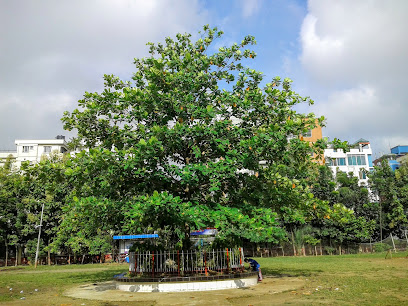
Metro Best Tower
1.9 km
Discover panoramic views and modern architecture at Metro Best Tower in Dhaka, a vibrant landmark offering a unique perspective on the city's dynamic blend of culture and progress.
Latte Sleeping
2.3 km
Discover the historical depths of Latte Sleeping in Dhaka, a captivating landmark that unveils the rich cultural heritage of Bangladesh.
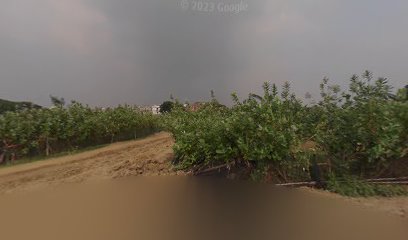
Uttara Sector 4 Park & Playground
2.7 km
Discover a tranquil escape in Dhaka's Uttara, where lush greenery, a serene pond, and vibrant community life converge at Sector 4 Park & Playground, a refreshing retreat for all.
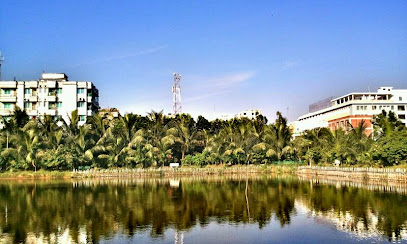
Brindabon
4.8 km
Escape the city bustle at Brindabon Park in Mirpur, Dhaka. A serene green space for relaxation, recreation, and community enjoyment, open daily.
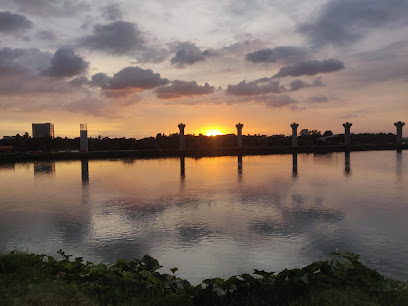
Good bye Bangladesh
7.2 km
Explore Good bye Bangladesh in Dhaka's Mirpur: A historical landmark symbolizing the nation's resilience and offering a reflective experience for travelers.
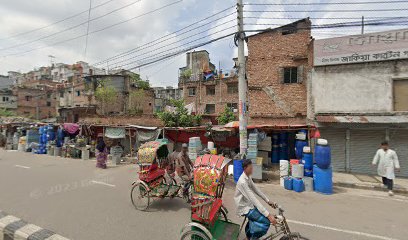
Nikunja-1 Lake
7.3 km
Escape the city bustle at Nikunja-1 Lake, a tranquil oasis in Dhaka's Nikunja, perfect for relaxation and enjoying nature's simple pleasures.
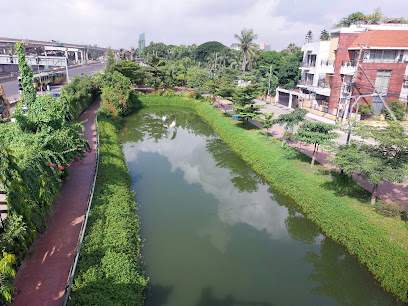
MES Park
7.5 km
Escape the city bustle at MES Park in Dhaka, a serene urban oasis with lush greenery, tranquil lakeside views, and a secure environment perfect for relaxation and recreation.
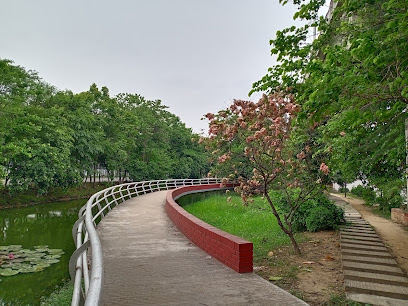
Jollad Khana Boddhovumi
7.8 km
Reflect on the somber history of the 1971 Bangladesh genocide at Jollad Khana Boddhovumi, a place of remembrance and education in Dhaka.
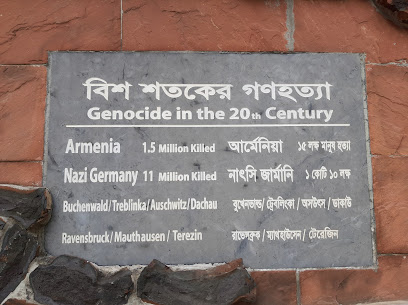
Beautiful Bangladesh
8.9 km
Discover Bangladesh's hidden gems: Immerse yourself in culture, support local communities, and explore responsibly with Beautiful Bangladesh.
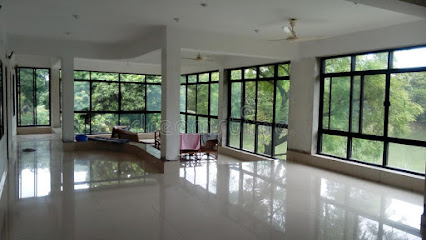
Army Graveyard
8.9 km
Pay tribute to Bangladesh's military heroes at the Army Graveyard in Dhaka, a serene and historically significant landmark honoring the nation's defenders.
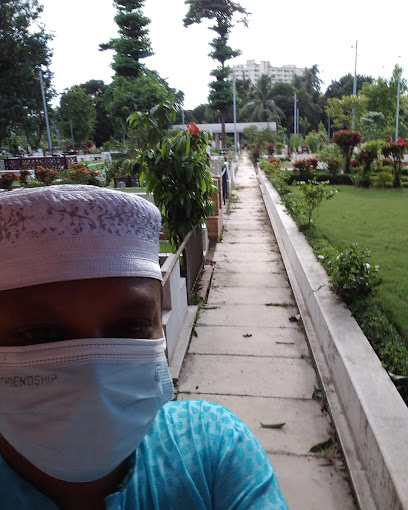
Moshang
9.0 km
Explore Moshang in Dhaka: A serene historical landmark offering a glimpse into the city's rich cultural heritage and a tranquil escape.
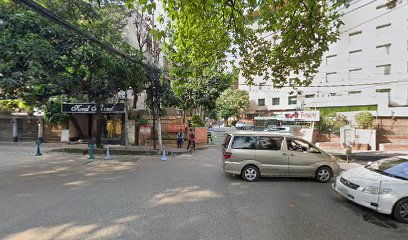
১৩০ হৃষিকেশ দাস রোড, সূত্রাপুর, পুরান ঢাকা
9.0 km
Discover Hrishikesh Das Road in Old Dhaka: A historic street with British-era architecture, temples, and a glimpse into the city's rich cultural heritage.
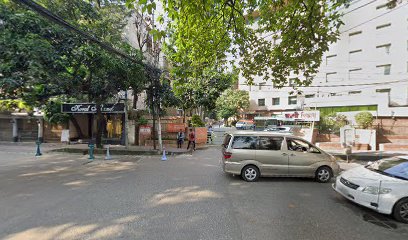
Unmissable attractions to see

Uttara, Sector 7 Park
1.5 km
Escape the city bustle in this green oasis: walking paths, gardens, and a playground await in Uttara Sector 7 Park, Dhaka.
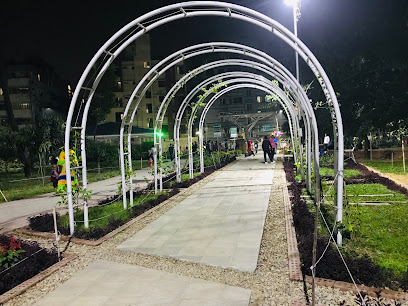
হাসুর বটতলা
1.7 km
Experience the local culture and find a peaceful escape at Hasur Bottota in Dhaka's Uttara Sector 12. A serene retreat from the city bustle.
Fantasy Island, Diabari, Uttara
1.7 km
Experience thrilling rides and family fun at Fantasy Island in Dhaka, a vibrant amusement park offering a perfect escape for locals and tourists alike in Uttara.
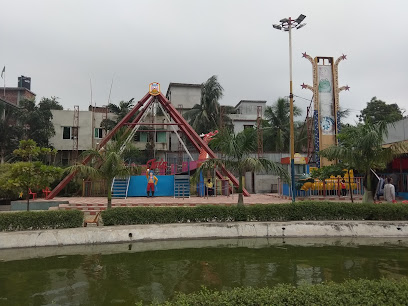
Diabari Triangle
2.0 km
Discover Diabari Triangle in Dhaka: A serene escape offering natural beauty and local charm in the heart of Uttara.
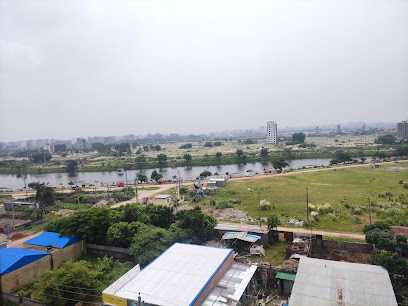
Diabari Lake
3.2 km
Escape to the serene beauty of Diabari Lake in Dhaka's Uttara, offering tranquil boat rides and picturesque natural scenery.
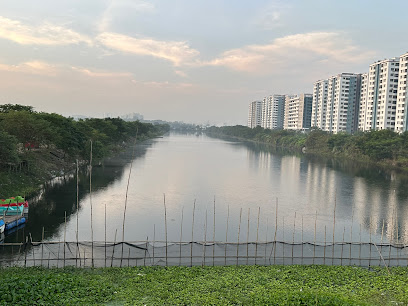
Mirpur Lake
4.7 km
Escape the city bustle at Mirpur Lake, a tranquil oasis in Dhaka's Uttara, perfect for relaxation, walks, and birdwatching.
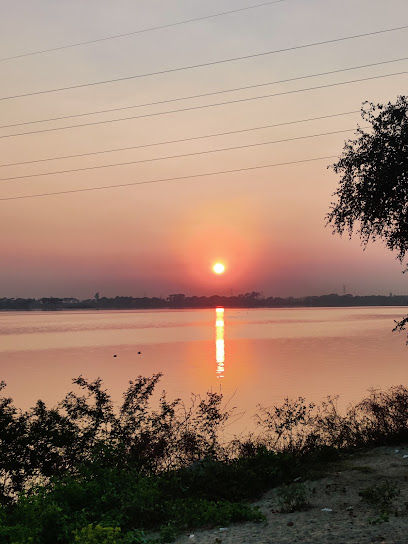
Kawlar Chowrasta | কাওলার চৌরাস্তা
4.9 km
Experience the vibrant chaos of Dhaka at Kawlar Chowrasta, a bustling intersection where commerce, transportation, and daily life converge.
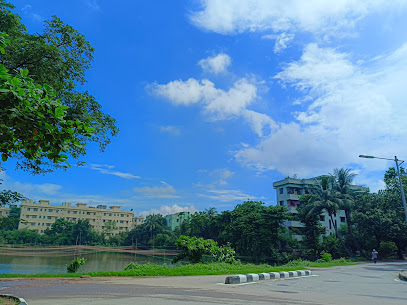
Ashulia Turag River mini beach
5.2 km
Discover tranquility at Ashulia Turag River Mini Beach: a serene escape near Dhaka with picturesque landscapes, perfect for relaxation.
Beguntila・越ちひろ SHAKEHANDS Wall art
5.8 km
Discover the vibrant SHAKEHANDS Wall Art in Dhaka's Mirpur, a colorful symbol of unity and community spirit by 越ちひろ.
Botanical Garden Waterfall
7.4 km
Escape to nature in Dhaka's National Botanical Garden, where tranquility meets biodiversity at the picturesque Botanical Garden Waterfall.
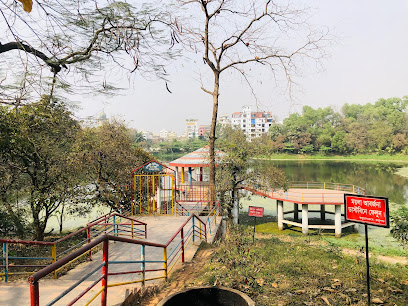
Sheikh Mujib—Agartala Case Memorial Museum
7.7 km
Explore the Agartala Conspiracy Case and Sheikh Mujibur Rahman's pivotal role in Bangladesh's independence at this Dhaka museum.
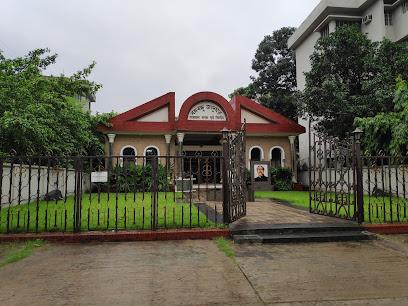
Jalladkhana Killing Field
7.8 km
Reflect on the somber history of the 1971 Bangladesh genocide at Jalladkhana Killing Field in Dhaka, a place of remembrance and education.
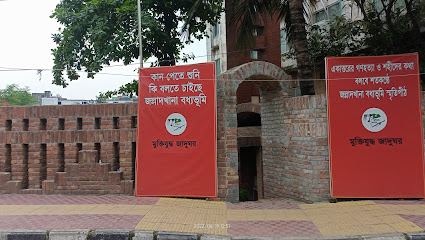
Royal Bengal Tiger Monastery
8.3 km
Observe majestic Royal Bengal tigers in a dedicated sanctuary within Dhaka Zoo, promoting wildlife conservation and education.
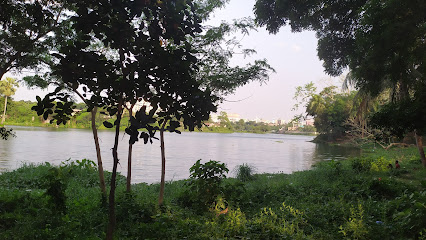
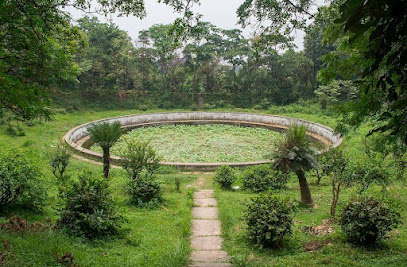
Botanical Garden
8.3 km
Discover Dhaka's largest botanical garden: a serene escape with diverse plant life, tranquil lakes, and themed gardens for nature lovers.
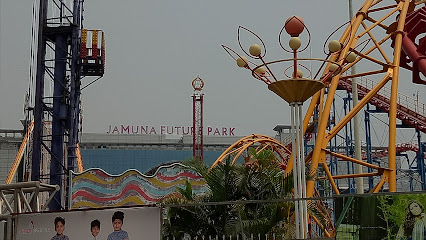
Jamuna Future Park
8.3 km
Explore South Asia's largest shopping mall in Dhaka, offering diverse retail, dining, and entertainment experiences for all ages.
Essential places to dine

PITZA - Rooftop Pizza Restaurant
0.4 km
Experience delicious rooftop pizza with stunning views at PITZA in Uttara, Dhaka - A must-visit culinary destination!
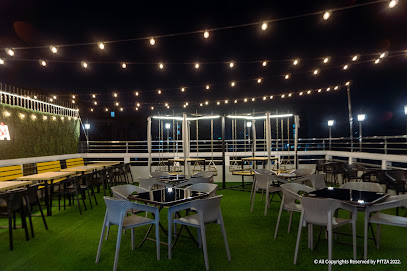
90's Dhaka
1.0 km
Discover the charm of the 1990s at 90's Dhaka—a nostalgic restaurant serving delicious dishes in an unforgettable retro atmosphere.
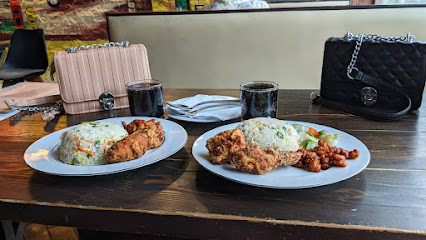
Love Leen Bangla Restaurant
1.1 km
Discover authentic Bangladeshi cuisine at Love Leen Bangla Restaurant in Dhaka – a culinary haven filled with traditional flavors and warm hospitality.
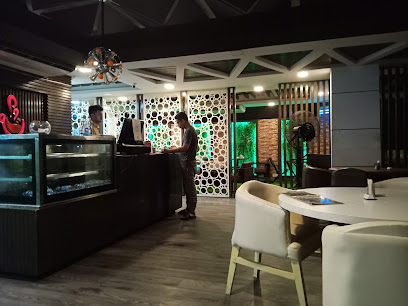
Indulge Uttara
1.2 km
Discover culinary delights at Indulge Uttara - where family dining meets exquisite flavors in the heart of Dhaka.
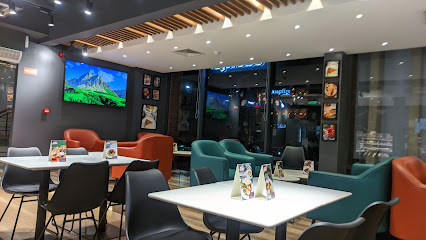
Ajo Idea Space
1.2 km
Experience the vibrant fusion of Asian flavors at Ajo Idea Space in Dhaka - where culinary creativity meets exceptional dining.
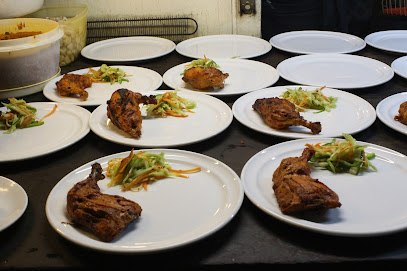
Hobnob Coffee
1.3 km
Discover the vibrant flavors of Dhaka at Hobnob Coffee - where fusion cuisine meets artisanal coffee in a cozy setting.
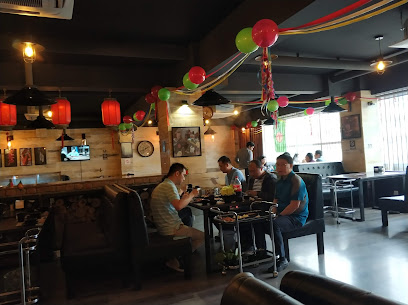
Ocaso Skyscape
1.3 km
Discover Dhaka's culinary gem at Ocaso Skyscape—where exquisite dining meets stunning skyline views.
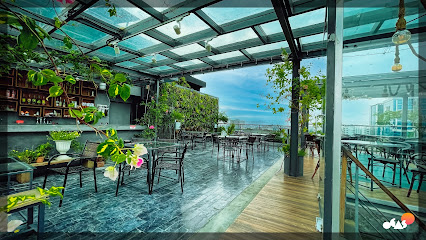
Lake Terrace
1.4 km
Experience fine dining at Lake Terrace in Dhaka - where exquisite steaks meet stunning lakeside views.
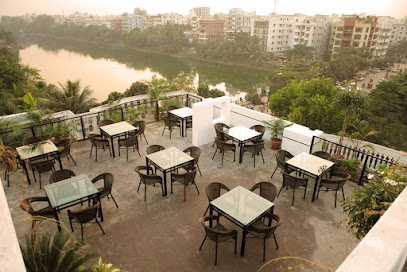
Thai Emerald, Dhaka.
1.4 km
Discover the authentic taste of Thailand at Dhaka's exquisite Thai Emerald restaurant – where flavor meets elegance.
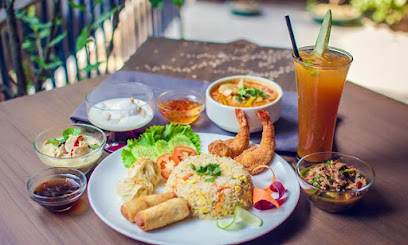
Kabab Factory
1.5 km
Discover the ultimate barbecue experience at Kabab Factory in Dhaka—where flavor meets tradition in every delicious bite.
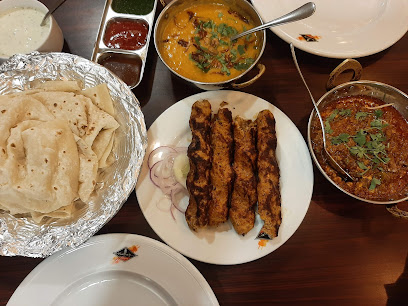
The Mesquite Grill
1.6 km
Experience authentic Southwestern American cuisine at The Mesquite Grill in Dhaka – where flavor meets hospitality.

La Mirchi Eatery & Cafe
1.6 km
Experience the vibrant flavors of Bangladesh at La Mirchi Eatery & Cafe in Uttara, Dhaka - where culinary delights await every visitor.
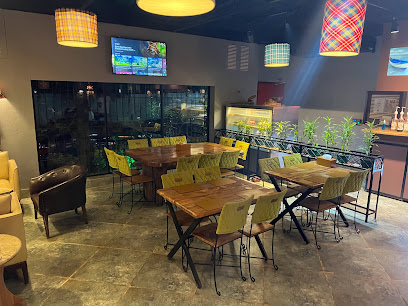
Royal Cuisine Restaurant (Uttara)
2.2 km
Discover the flavors of Asia at Royal Cuisine Restaurant - A buffet haven offering Chinese, Indian & Thai delights in Uttara.
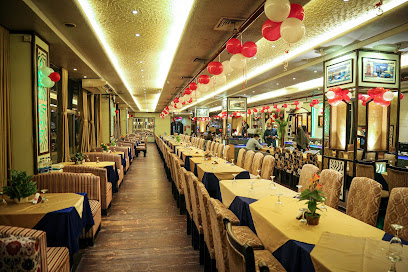
Pankouri - An Indigenous Dine Out
2.3 km
Experience authentic indigenous cuisine at Pankouri - A must-visit restaurant in Uttara, Dhaka offering delightful flavors and welcoming ambiance.
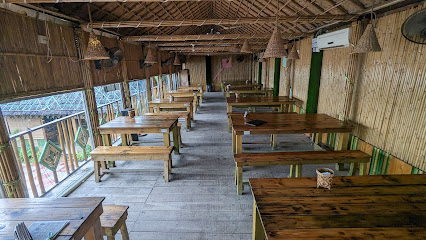
Khazana Restaurant & Kabab Ghar
2.4 km
Experience the rich flavors of Bangladesh at Khazana Restaurant & Kabab Ghar - your go-to spot for delicious fast food in Dhaka.
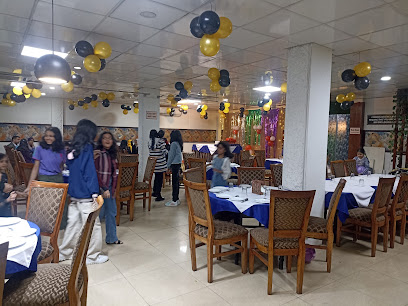
Markets, malls and hidden boutiques

Online Shop
0.7 km
Experience Dhaka's online shopping scene with unique clothing, beauty products, and more in a vibrant atmosphere.
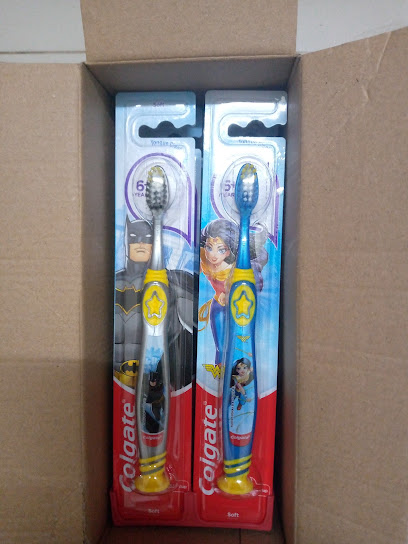
Uttara Square Shopping Complex
0.7 km
Discover the ultimate shopping experience at Uttara Square Shopping Complex, where fashion meets convenience in the heart of Dhaka.
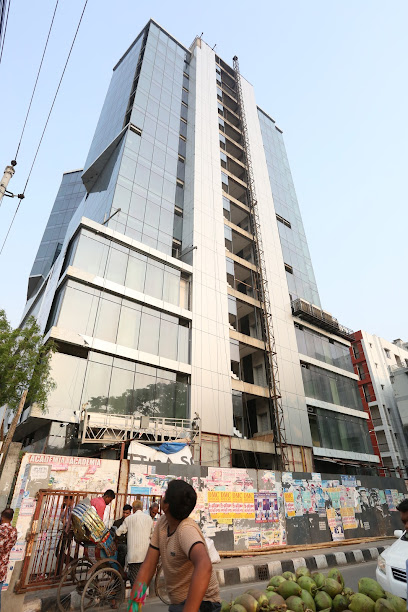
Uttara shop
0.8 km
Discover the latest trends in women's fashion at Uttara Shop, the top destination for stylish clothing in Dhaka, Bangladesh.
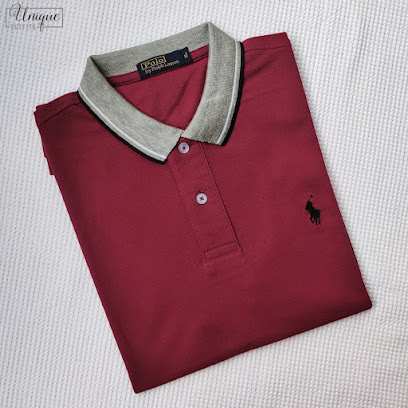
Unique Outfits
1.2 km
Explore Unique Outfits in Dhaka for trendy T-shirts and artistic apparel, capturing the vibrant spirit of Bangladesh.
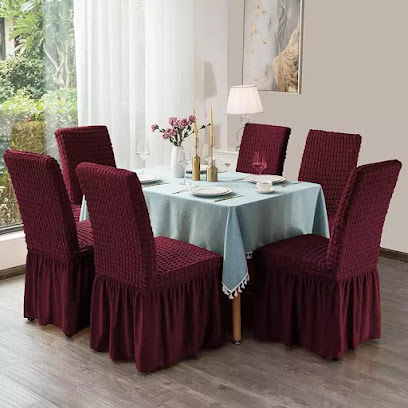
Unique Home Item
1.2 km
Discover Unique Home Item in Uttara, Dhaka—where exceptional furniture meets stylish design for your home.
Handiz @ Kidz
1.4 km
Explore Handiz @ Kidz in Dhaka for unique gifts and cosmetics, capturing the heart of Bangladesh in every purchase.
Unique Collection
1.5 km
Discover the latest women's fashion trends at Unique Collection in Uttara, Dhaka – where style meets affordability.
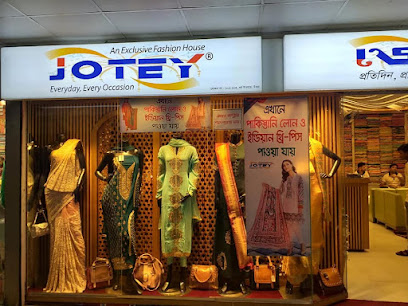
Jotey Uttara Outlet
1.5 km
Explore contemporary women's fashion at Jotey Uttara Outlet in Dhaka, where style meets culture in every piece.
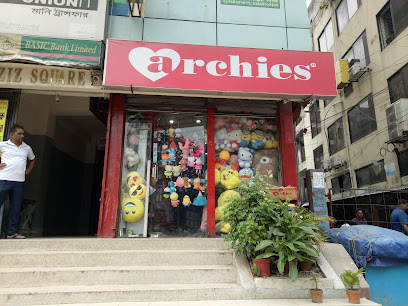
Archies
1.9 km
Explore Archies in Dhaka, a premier gift shop filled with unique souvenirs and delightful treasures for every occasion.
Online Gifts Shop Dhaka Bangladesh BDGifts.com
2.1 km
Explore BDGifts in Dhaka for unique gifts that celebrate every occasion, blending tradition and modernity in an unforgettable shopping experience.
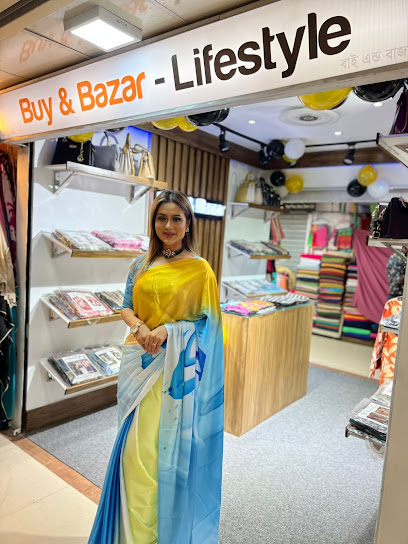
Buy and Bazar
2.2 km
Discover the latest women's fashion trends at Buy and Bazar in Dhaka, blending local styles with modern elegance for every occasion.
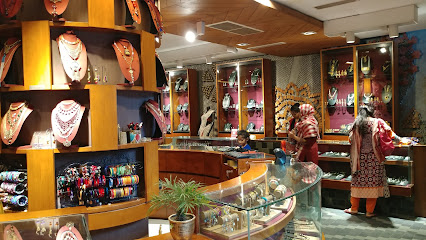
Aarong - Uttara
2.4 km
Experience the essence of Bangladeshi culture at Aarong - Uttara, where authentic clothing and craftsmanship come together in a vibrant retail atmosphere.
Uttara
2.5 km
Explore the vibrant clothing scene in Uttara, Dhaka, where tradition meets contemporary fashion!
UNIQUE HAIR BD
2.8 km
Explore Unique Hair BD in Dhaka for quality hair products and expert advice, enhancing your hair care experience on your travels.
Bhuiyan Complex
3.4 km
Explore Bhuiyan Complex in Dhaka, a vibrant shopping mall with diverse shopping, dining, and entertainment options, perfect for every traveler.
Essential bars & hidden hideouts

Nest Restaurant & Bar
0.7 km
Discover the vibrant flavors of Dhaka at Nest Restaurant & Bar, where culinary excellence meets a lively atmosphere.
Md Manik
1.0 km
Discover the vibrant nightlife at Md Manik, a premier bar in Uttara, Dhaka, offering local and international drinks in a lively atmosphere.
Kingfisher Restaurant
1.0 km
Experience the vibrant culinary scene of Dhaka at Kingfisher Restaurant, where exceptional grilled dishes meet a warm atmosphere.
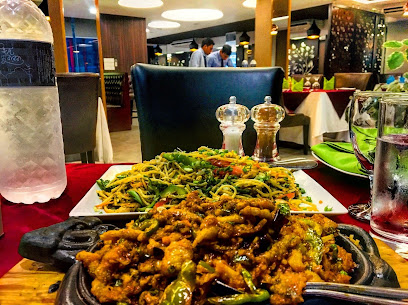
Lakeview Restaurant & Bar, Uttara
1.0 km
Experience the lively atmosphere and exquisite flavors at Lakeview Restaurant & Bar in Uttara, Dhaka. A perfect spot for dining and relaxation.
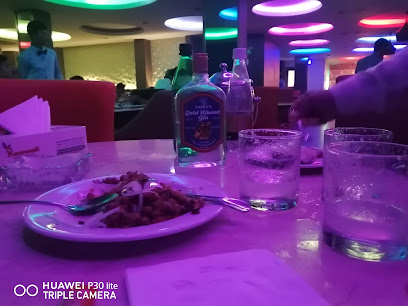
Tiger Entertainment Ltd.
1.4 km
Experience the vibrant nightlife of Dhaka at Tiger Entertainment Ltd., a premier bar in the heart of Uttara featuring an extensive drink selection.
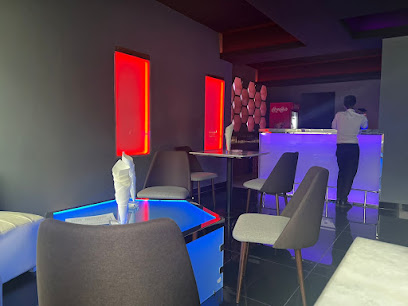
City Orchard Recreation Club
1.4 km
Experience the dynamic nightlife at City Orchard Recreation Club, where drinks, music, and vibrant atmosphere come together in Dhaka.
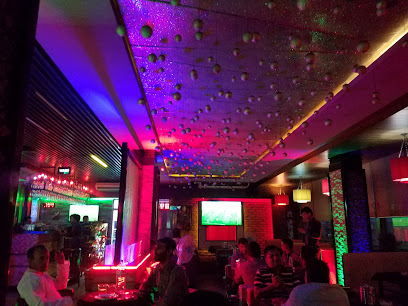
Hasina cha stall
1.5 km
Discover the essence of Bangladeshi street culture at Hasina Cha Stall, a must-visit bar in Dhaka for authentic tea and local snacks.
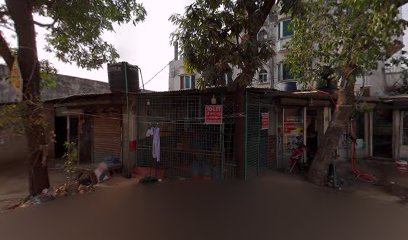
Bohubrihi Lounge
2.2 km
Discover the charm of Bohubrihi Lounge in Dhaka, where comfort meets culinary delight in a serene atmosphere.
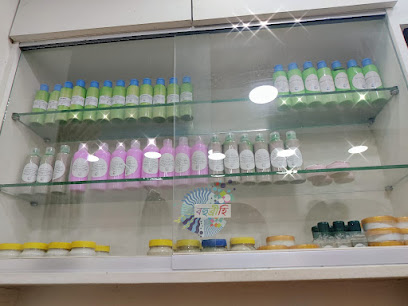
Margarita Lounge
2.4 km
Experience the finest oysters and breathtaking views at Margarita Lounge, Dhaka's premier oyster bar for seafood lovers.
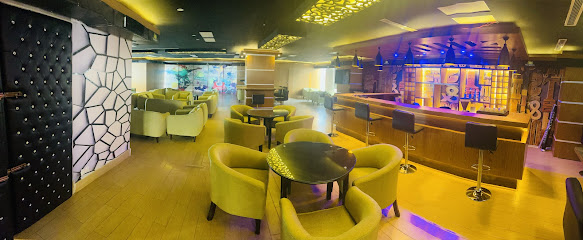
Kitchen House Restaurant & Bar
2.4 km
Experience the vibrant flavors and lively atmosphere at Kitchen House Restaurant & Bar, a top culinary destination in Dhaka, perfect for every occasion.
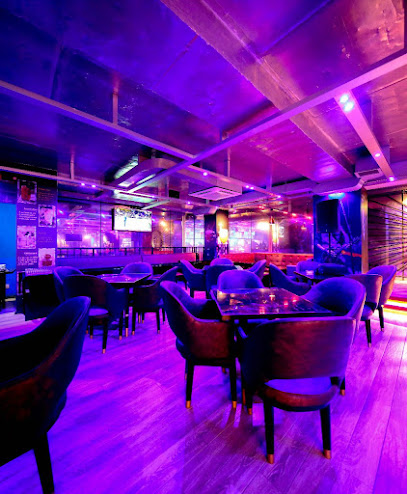
vai vaimi
2.5 km
Discover the vibrant nightlife of Dhaka at Vai Vaimi, a lively bar offering a unique blend of local flavors and a welcoming atmosphere.
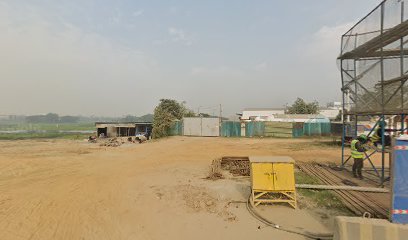
Runner Group
4.0 km
Experience the vibrant nightlife at Runner Group, a premier bar in Dhaka offering a wide selection of drinks and a lively atmosphere for all.
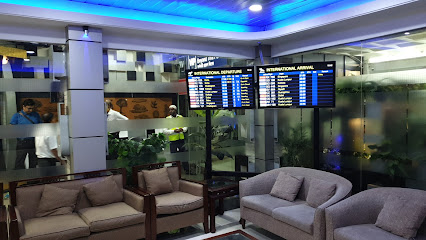
রূপসী বাংলা নির্বাহী লাউঞ্জ
4.0 km
Discover the ultimate relaxation destination at Ruposhi Bangla Executive Lounge in Dhaka, where comfort meets luxury.
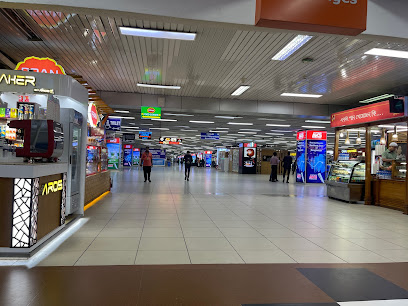
Uttora
4.6 km
Experience the vibrant nightlife of Uttora, a bar in Dhaka that offers a taste of local flavors and an unforgettable atmosphere for tourists.
Khejur Bagan
5.2 km
Discover the vibrant nightlife at Khejur Bagan, a top bar in Tongi offering a lively atmosphere and a wide selection of drinks.
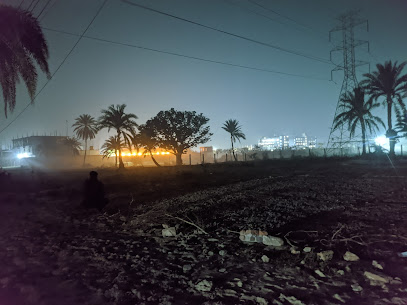
Nightclubs & after hour spots

Uttara Model Club
1.4 km
Experience the vibrant nightlife at Uttara Model Club, Dhaka's premier destination for electrifying music and unforgettable moments.
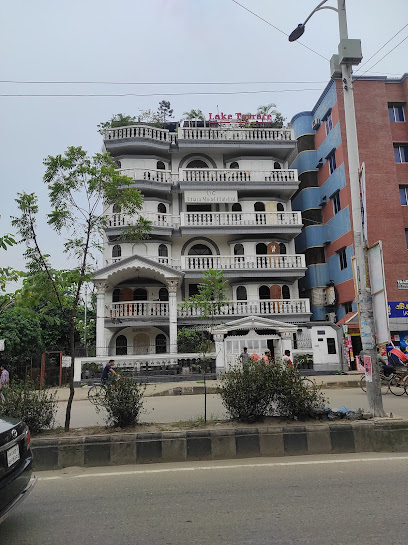
Club DE BackBencherS
1.6 km
Unwind in Dhaka's premier social hub at Club DE BackBencherS, where relaxation meets entertainment in a vibrant atmosphere.
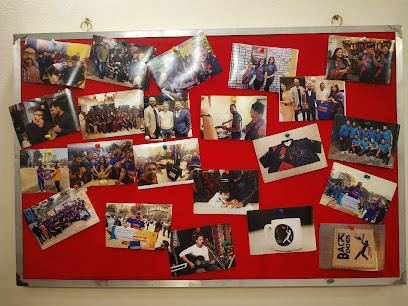
Dhaka Royal Club Limited
1.6 km
Discover relaxation and sophistication at the Dhaka Royal Club Limited, a premier social club in Uttara, perfect for unwinding and socializing.
Uttara Press Club
2.1 km
Discover the vibrant cultural scene at Uttara Press Club, where locals and tourists alike connect over art, music, and delicious cuisine.
Uttara Club
2.8 km
Experience the vibrant nightlife of Dhaka at Uttara Club, a premier destination for music, dance, and unforgettable events.
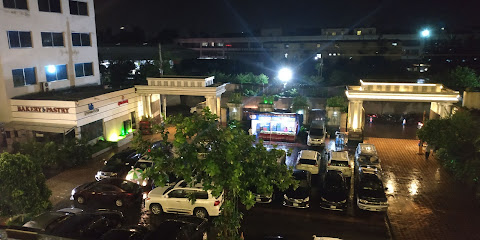
Uttara Ladies Club
2.9 km
Experience the vibrant community spirit at Uttara Ladies Club, a unique retreat for women offering diverse recreational and social activities in Dhaka.
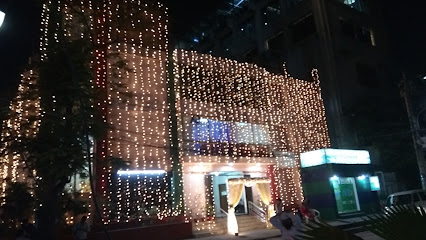
Mamar Basa Mirpur
6.3 km
Explore the vibrant nightlife of Dhaka at Mamar Basa Mirpur, where music, dance, and unforgettable memories await you.
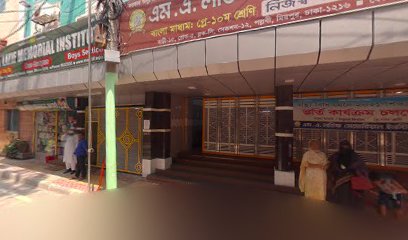
Club 13, Dhaka Regency Hotel & Resort
6.5 km
Discover the vibrant nightlife at Club 13, a premier live music bar in Dhaka Regency Hotel, offering a unique blend of drinks and local entertainment.
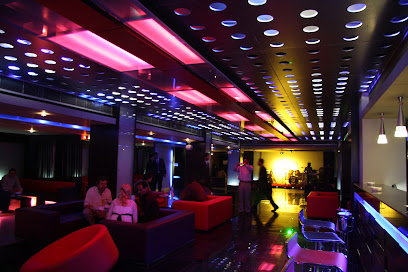
AR Lounge (pool club + gaming fun zone)
7.5 km
Discover AR Lounge in Dhaka: Your ultimate destination for relaxation, gaming, and unforgettable dining experiences.
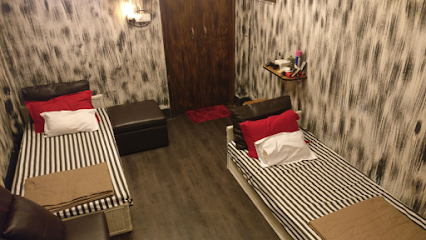
Vanga Bari
7.8 km
Experience the vibrant nightlife and delicious barbecue delights at Vanga Bari, Dhaka's premier night club for an unforgettable evening.
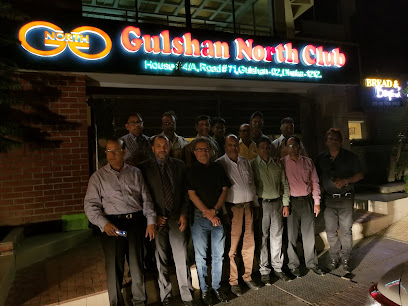
Gulshan North Club
8.9 km
Experience the vibrant nightlife of Dhaka at Gulshan North Club, where music, dance, and excitement await every night.
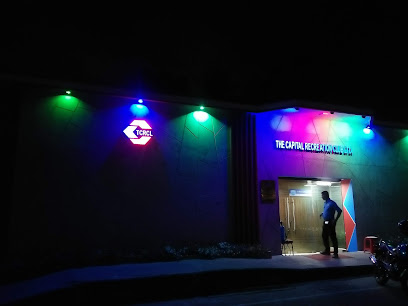
The Capital Recreation Club
9.0 km
Discover the vibrant nightlife at The Capital Recreation Club, Dhaka's premier destination for music, dancing, and socializing.
Renad Mansion
9.1 km
Discover the electrifying nightlife at Renad Mansion, a premier night club in Dhaka offering vibrant music and a lively atmosphere.
বি.বি.পি - A.Zone
9.2 km
Discover the pulsating nightlife of Dhaka at বি.বি.পি - A.Zone, where music, dance, and unforgettable memories await you.
International Club Dhaka
9.3 km
Discover the dynamic ambiance and diverse culinary delights at International Club Dhaka, your social hub in the heart of the city.