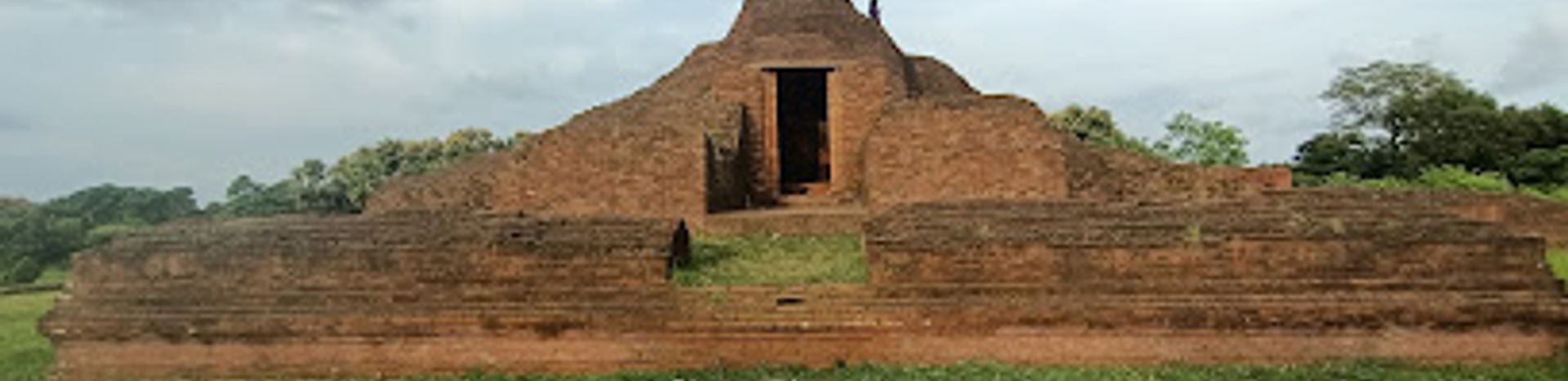
Rupban Mura: Echoes of Ancient Bengal
Explore the ancient Buddhist ruins of Rupban Mura in Comilla, Bangladesh, and discover the rich history and cultural heritage of the region.
Explore Rupban Mura, an ancient Buddhist archaeological site in Kotbari, Bangladesh, dating back to the 7th-12th centuries AD. Discover the remains of a cruciform shrine, monastery, and stupa, offering insights into the region's rich Buddhist heritage.
A brief summary to Rupban Mura
- C4PH+GQG, Kotbari, BD
Local tips
- Wear comfortable clothing and shoes suitable for walking around the ruins.
- Visit during the cooler months (November to February) for the best experience.
- Bring water and snacks, as there may not be facilities available on-site.
- Respect the site by avoiding climbing on or touching the ruins.

Getting There
-
Walking
If you are already in the Kotbari area, Rupban Mura is easily accessible by foot. From the Kotbari bus stand or BARD (Bangladesh Academy for Rural Development), it's a short walk south towards Kali Bazar market. The site is located on a hillock just south of the Comilla-Kalirbazar road.
-
Public Transport
From Comilla city, take a local bus or CNG (auto-rickshaw) towards Kotbari. Buses are a budget-friendly option. Ask the driver to drop you off near BARD in Kotbari. From the Kotbari bus stand or BARD, it's a short walk south towards Kali Bazar market. CNG fare from Comilla to Kotbari typically costs between 80-120 BDT.
Discover more about Rupban Mura
Iconic landmarks you can’t miss

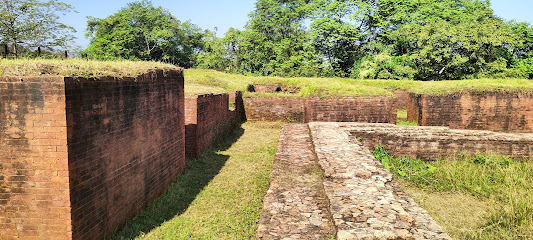
Colonel Mura
0.4 km
Unearth ancient Bengal's treasures at Colonel Mura, an archaeological gateway to the region's rich past in Kotbari.
Palace of King Bhoj
0.7 km
Explore the Palace of King Bhoj in Comilla, Bangladesh, an ancient archaeological site offering insights into Bengal's history and Buddhist heritage.
Nobo Shalbon Bihar
1.3 km
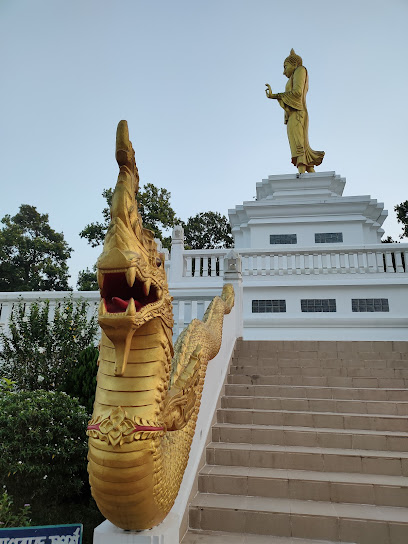
Discover Nobo Shalbon Bihar in Comilla: A serene Buddhist temple with a towering golden Buddha, a tranquil escape into Bangladesh's heritage.
Ananda Bihaar
1.5 km
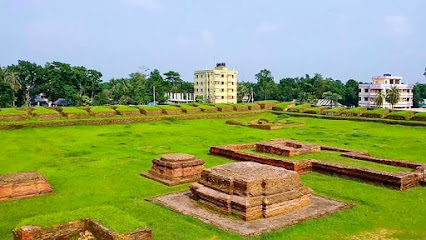
Explore Ananda Bihaar, an 8th-century Buddhist monastery near Cumilla, Bangladesh, offering a serene glimpse into ancient Bengal's history.
Pahartoli Bus Stand
1.5 km
Experience the vibrant pulse of Chattogram at Pahartoli Bus Stand, a key transport hub connecting the city and its surroundings.
Comilla University
2.0 km
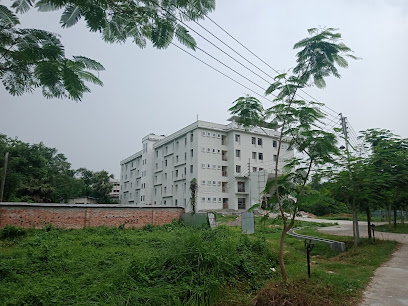
Discover Comilla University: Where modern education meets historical significance in a serene natural setting.
Magic paradise park
2.5 km
Experience thrilling rides, a splashing water park, and captivating dinosaur exhibits at Cumilla's ultimate family-friendly destination.
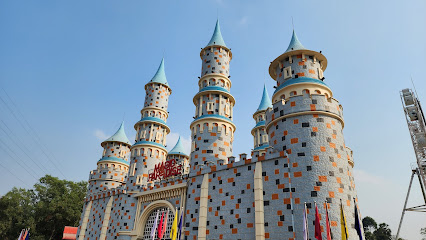
Cumilla Cantonment
3.7 km
Explore Cumilla Cantonment: A historic military site offering a serene escape, cultural insights, and a unique glimpse into Bangladesh's heritage.
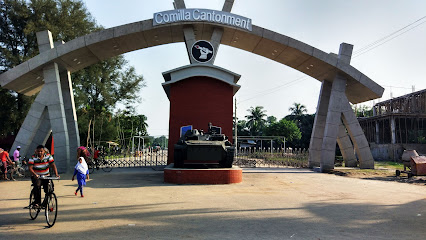
Cafe Roopsagor
4.6 km
Escape to tranquility at Cafe Roopsagor in Cumilla Cantonment: Lakeside dining, delicious cuisine, and a family-friendly atmosphere await.
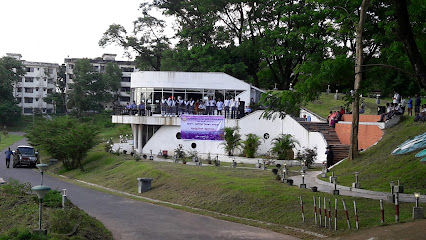
TalpukurPar Jaame Masjid
5.4 km
Discover the serene beauty and spiritual heart of Cumilla at TalpukurPar Jaame Masjid, an architectural marvel and cultural landmark.
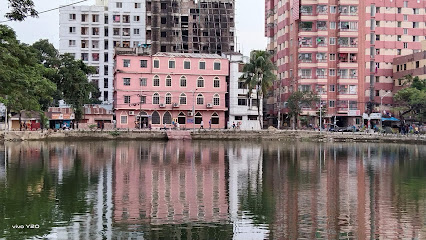
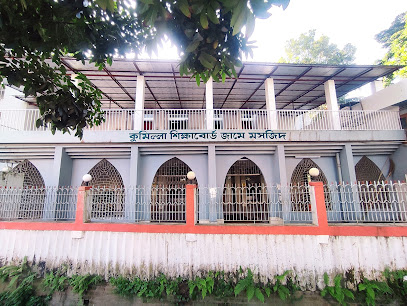
Cumilla Education Board Jaame Masjid
5.6 km
Experience the spiritual heart of Cumilla at this serene mosque, a hub of unity, devotion, and Islamic heritage for the local community.
Icy Spicy, Cumilla
5.7 km
A popular fast-food restaurant in Cumilla, offering a vibrant atmosphere and diverse menu with local and international flavors.
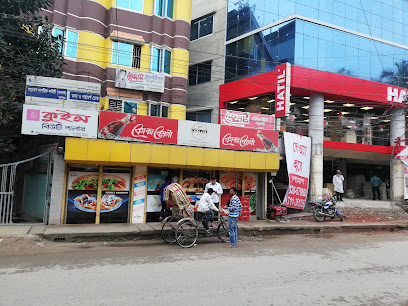
Bangladesh
5.8 km
Experience the vibrant culture of Cumilla at the Community Center, a hub for local arts, events, and traditional Bangladeshi life.
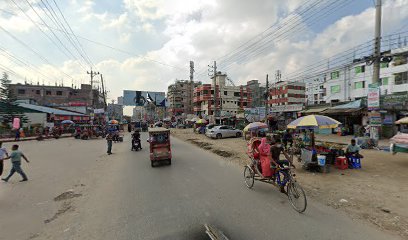
Cumilla Town Hall
5.9 km
Discover Cumilla Town Hall: A historic landmark and cultural hub in the heart of Cumilla, where history, culture, and community converge.
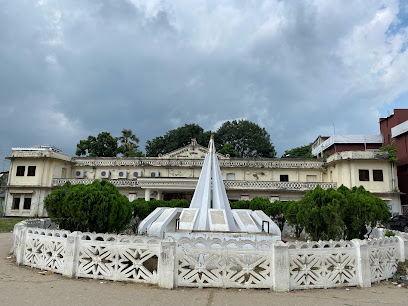
কুমিল্লা স্মৃতি সৌধ
6.0 km
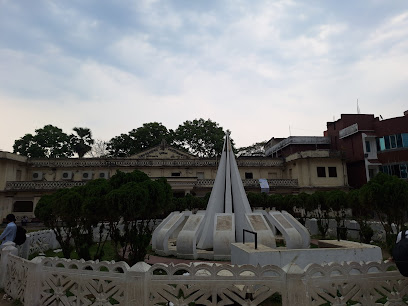
A poignant monument in Cumilla honoring the martyrs of the 1971 Liberation War, symbolizing national pride and remembrance.
Unmissable attractions to see

Itakhola Mura
0.3 km
Explore the ancient wonders of Itakhola Mura in Kotbari, Bangladesh, where history and culture intertwine in captivating ruins.
Shalban Bihar
1.4 km
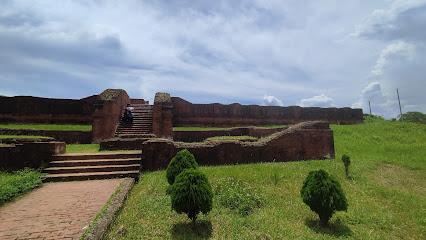
Discover the ancient ruins of Shalban Bihar, an 8th-century Buddhist monastery in Comilla, Bangladesh, and explore Bengal's rich heritage.
Mainamati Museum
1.6 km
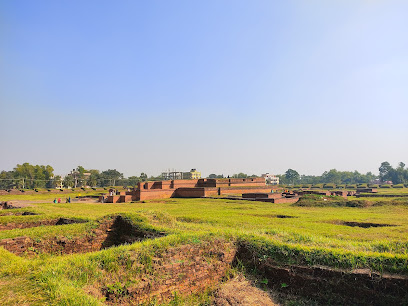
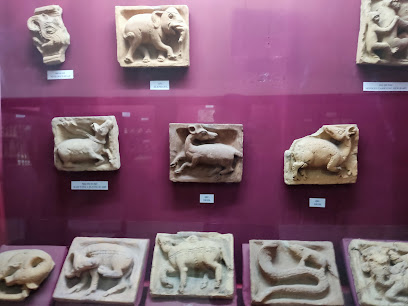
Discover ancient Buddhist heritage at Mainamati Museum, showcasing relics from the 7th-12th centuries in Cumilla, Bangladesh.
Blue Water Park
1.6 km
Escape to Blue Water Park in Comilla for thrilling water slides, serene relaxation, and unforgettable family fun.
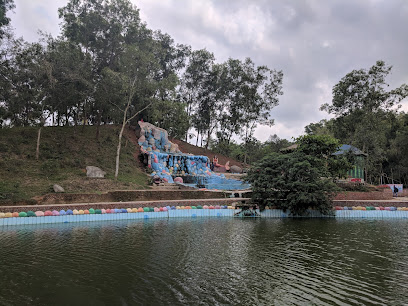
Blue water lake
1.6 km
Escape to the serene beauty of Blue Water Lake in Kotbari, a tranquil retreat offering picturesque views and a refreshing natural experience.
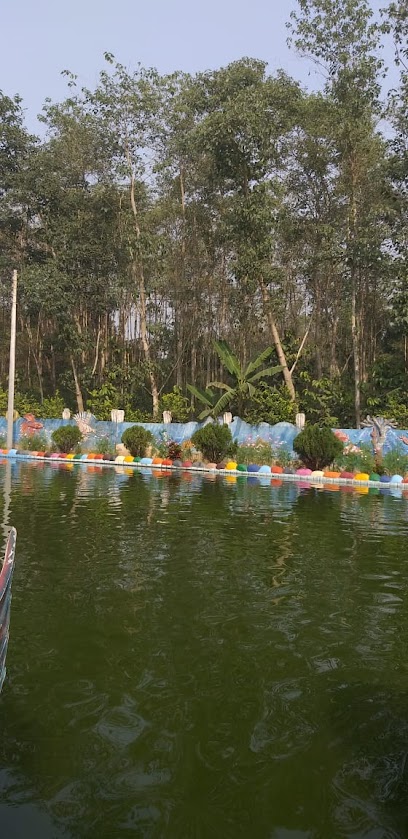
Kutila Moora
2.5 km
Explore Kutila Moora, an ancient Buddhist site in Bangladesh, revealing centuries of history and spiritual heritage through its stupas and relics.
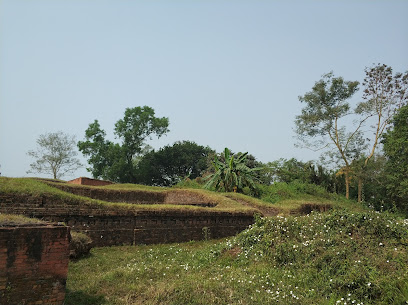
Dino Park
2.6 km
Roar into fun at Dino Park Cumilla: Explore life-sized dinosaurs, thrilling rides, and scenic views in a unique family-friendly amusement park!
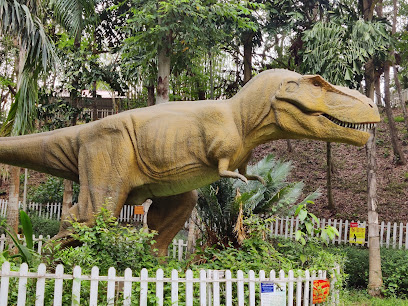
খালের পাড়
2.9 km
Discover the serene beauty of rural Bangladesh at Khaler Par in Bordoil, a tranquil canal-side retreat offering an authentic cultural experience and natural charm.
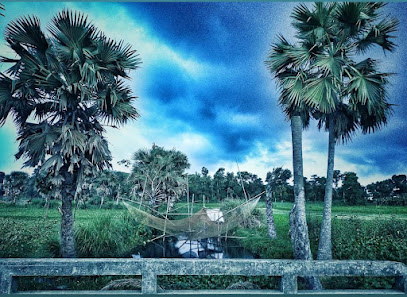
Roop Sagar Park
4.7 km
Escape to the serene beauty of Roop Sagar Park in Cumilla, offering a peaceful retreat with lush greenery and recreational activities.
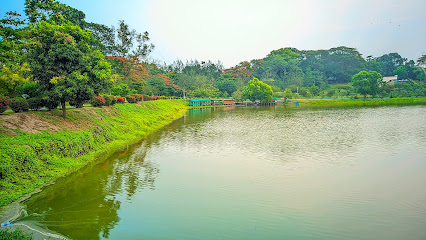
Bird's nest Cumilla
5.0 km
Discover the architectural wonder of Bird's Nest Cumilla, a serene escape blending culture and nature in the heart of Bangladesh.
টমছমব্রীজ গোলচত্তর
5.2 km
Discover the historical charm and scenic beauty of Tomsom Bridge, a must-visit landmark in Cumilla, Bangladesh.
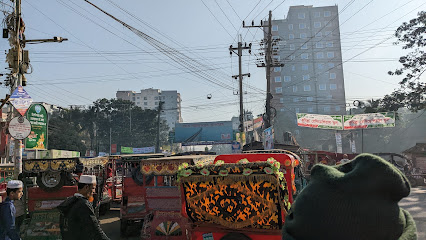
Tomsom Bridge Jame Masjid
5.2 km
Discover the serene beauty and cultural significance of Tomsom Bridge Jame Masjid, a must-see landmark in Cumilla, Bangladesh.
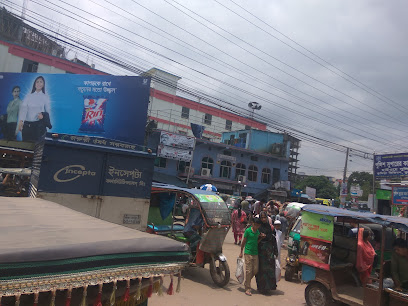
Maynamati War Cemetry
5.9 km
A serene and historically significant war cemetery in Cumilla, Bangladesh, honoring the Commonwealth soldiers who sacrificed their lives in World War II.
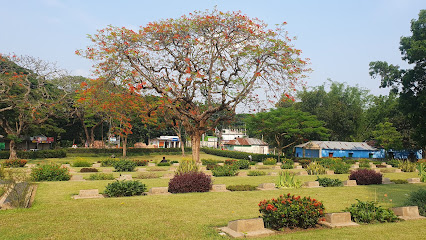
মুহুরী প্রকল্পের পর্যটন স্পট এবং স্লুইচ গেট
5.9 km
ফেনীর সোনাগাজীতে অবস্থিত মুহুরী প্রকল্প - দেশের দ্বিতীয় বৃহত্তম সেচ প্রকল্প, প্রথম বায়ু বিদ্যুৎ কেন্দ্র ও বৃহত্তম মৎস্য জোনের সমাহার।
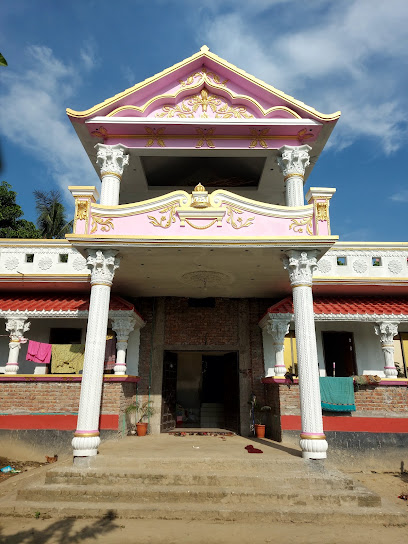
Town hall Auditorium Comilla
5.9 km
Discover Cumilla's cultural heart at the Town Hall Auditorium, a historic venue hosting diverse events and housing a rich public library since 1885.
Essential places to dine

Asia Highway Restaurant
2.2 km
Experience the rich flavors of authentic Bangladeshi cuisine at Asia Highway Restaurant in Cumilla.
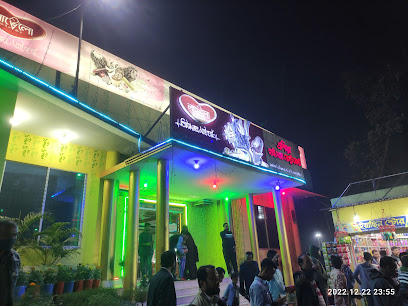
১৫ টাকার চিকেন ফ্রাই
2.7 km
Indulge in authentic Bangladeshi street food at ১৫ টাকার চিকেন ফ্রাই - where flavor meets affordability in the heart of Cumilla.
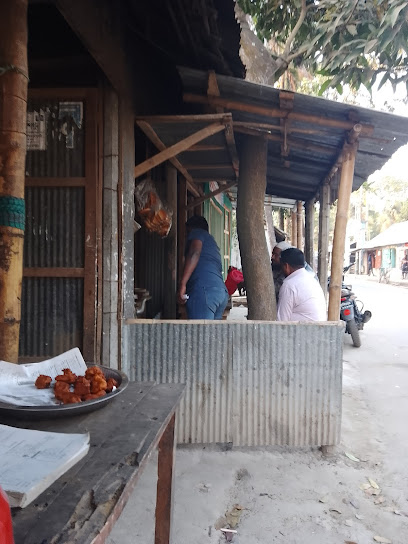
Allahar Dan Hotel
4.2 km
Experience authentic Bangladeshi cuisine at Allahar Dan Hotel in Cumilla – where every dish tells a story.
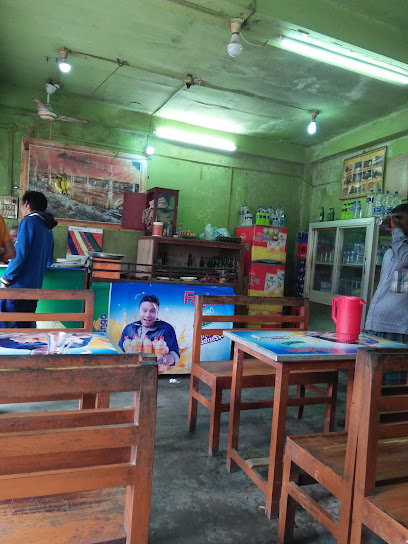
Sandu Hotel and Restaurant
4.4 km
Experience authentic Bangladeshi cuisine at Sandu Hotel and Restaurant – where tradition meets flavor along the Dhaka-Chittagong Highway.
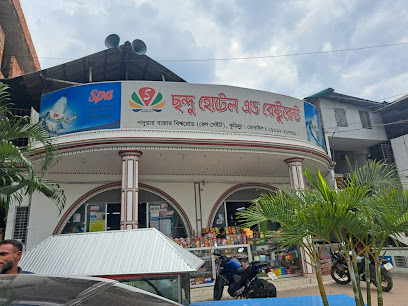
Mainamati Highway Restaurant
4.7 km
Discover exquisite dining at Mainamati Highway Restaurant – where every meal is a celebration of flavors on your travel journey.
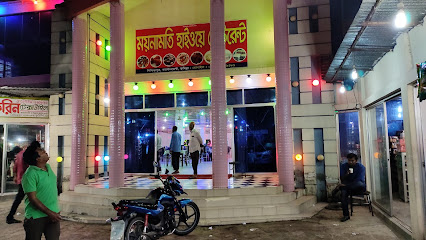
জিহান রেস্তোরাঁ (জিহান গ্রুপের একটি প্রতিষ্ঠান)
4.9 km
Experience authentic Bangladeshi cuisine at Jihan Restaurant in Cumilla's Senakalyan Market—where tradition meets taste.
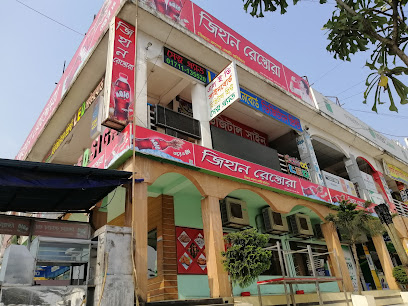
Al-Amin Barbi Hotel & Restaurant
4.9 km
Savor authentic Bangladeshi cuisine at Al-Amin Barbi Hotel & Restaurant in Cumilla - where flavor meets hospitality.
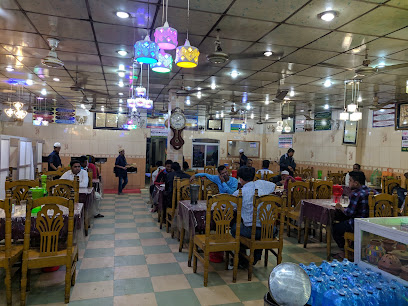
পুনিল ঘোষ কেবিন
5.0 km
Discover the sweetness of Cumilla at Punil Ghosh Cabin - home to traditional Bangladeshi desserts and delightful treats.
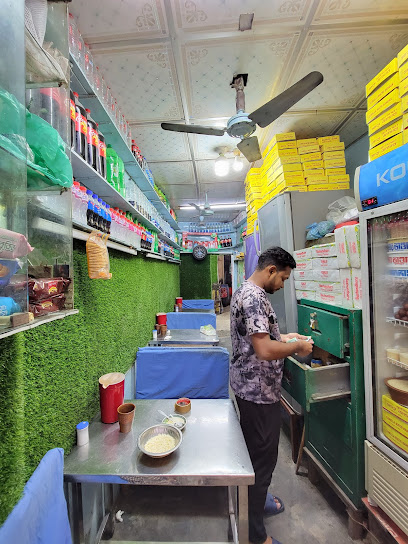
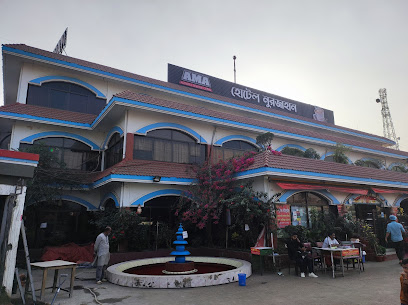
Hotel Noorjahan
5.0 km
Discover authentic Bangladeshi cuisine at Hotel Noorjahan in Cumilla—where tradition meets flavor in every bite.
BAIUST Dining Hall
5.1 km
Experience authentic Bangladeshi cuisine and vibrant campus life at BAIUST Dining Hall – a must-visit spot for food lovers.

Arab Restaurant and Chinese
5.2 km
Discover the delightful fusion of Bangladeshi and Chinese cuisines at Arab Restaurant and Chinese in Cumilla.
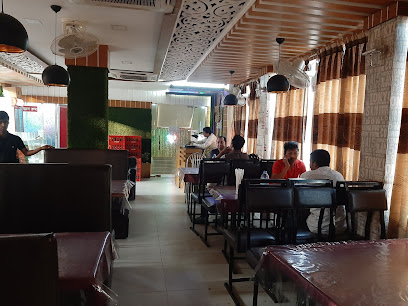
Sandu Hotel & Restaurant (TomsomBridge) Branch
5.3 km
Experience authentic Bangladeshi cuisine at Sandu Hotel & Restaurant in Cumilla – where tradition meets flavor.
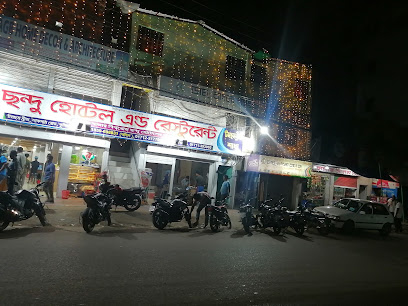
ছন্দু হোটেল, টমছমব্রীজ শাখা
5.3 km
Discover the flavors of Bangladesh at Chhondhu Hotel in Cumilla - a must-visit destination for food lovers.
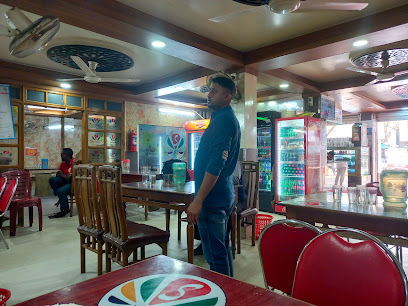
Fuoco Cumilla
5.3 km
Experience culinary excellence at Fuoco Cumilla – where traditional flavors meet modern dining in the heart of Bangladesh.
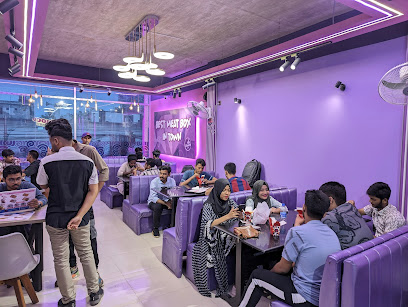
Kabab Station
5.3 km
Discover authentic Indian kebabs at Kabab Station in Cumilla – a flavorful dining experience awaits!
Markets, malls and hidden boutiques

GoodsCart
4.5 km
Discover unique gifts and handcrafted treasures at GoodsCart in Cumilla, where local culture meets creativity.

Ma 1 to 99 Plus
4.5 km
Explore Ma 1 to 99 Plus in Cumilla for unique gifts and stylish footwear, showcasing the charm of local craftsmanship.
Top ten mart ltd
4.6 km
Explore Top Ten Mart Ltd: A premier shopping mall in Cumilla, offering diverse retail options and a taste of local culture.
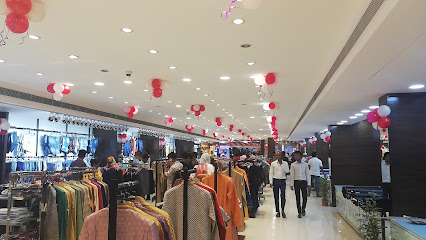
Paduar Bazar
4.6 km
Discover the vibrant Paduar Bazar, a local produce market in Cumilla offering fresh goods and a taste of authentic Bangladeshi culture.
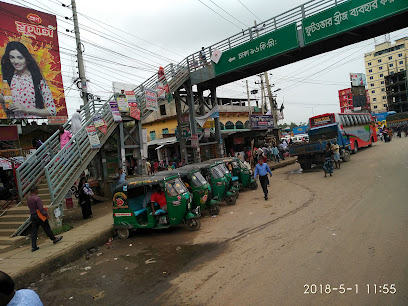
Family Cosmetics And Gift
5.1 km
Explore the charm of Cumilla at Family Cosmetics And Gift, where unique souvenirs and local treasures await every visitor.
Chowdhury Store
5.1 km
Experience the essence of local culture at Chowdhury Store, a delightful grocery store in Cumilla offering essential goods and local flavors.
Eastern Yeakub Plaza
5.1 km
Explore Eastern Yeakub Plaza in Cumilla for an unparalleled shopping experience with local charm and international flair.
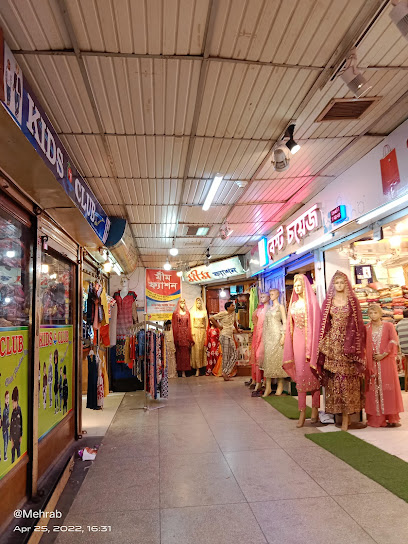
Rokmari
5.2 km
Discover unique fashion accessories, cosmetics, and toys at Rokmari, Cumilla's vibrant shopping destination for stylish souvenirs.
Ranir Bazar
5.2 km
Experience the vibrant culture and local flavors of Cumilla at Ranir Bazar, a bustling marketplace filled with treasures and delights.
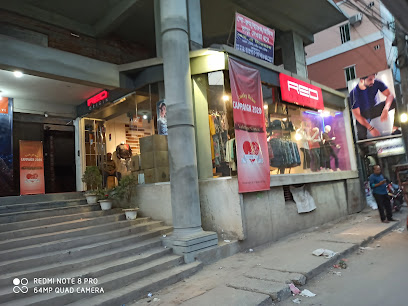
সর্দার ক্রোকারিজ এন্ড ভ্যারাইটিজ গিফট কর্ণার
5.2 km
Explore Sardar Crockery & Variety Gift Corner in Cumilla for unique gifts and handicrafts that capture the spirit of Bangladesh.
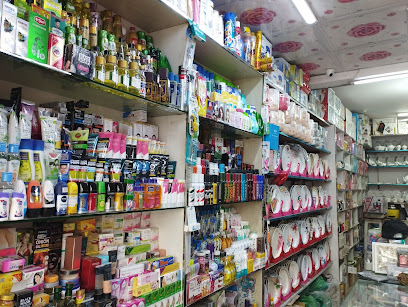
Regal Emporium - Ranir Bazar
5.3 km
Explore Regal Emporium in Cumilla for a wide selection of quality furniture that blends style, comfort, and affordability in a vibrant market setting.
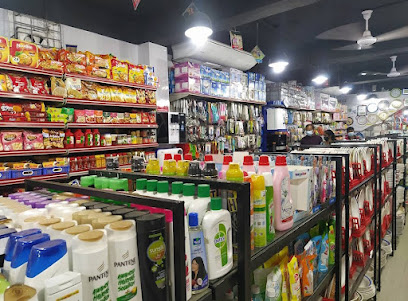
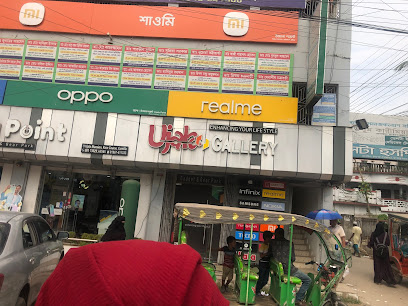
Ujala Point (Gadget & Gear Park)
5.4 km
Discover the latest smartphones and gadgets at Ujala Point in Cumilla, your go-to tech destination for all mobile needs.
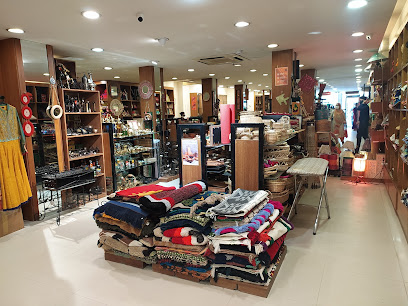
Aarong Cumilla
5.4 km
Explore the essence of Bangladeshi culture at Aarong Cumilla, where traditional craftsmanship meets contemporary style.
Momtaz Store
5.4 km
Explore the vibrant offerings of Momtaz Store in Cumilla, where local culture and delightful products await every visitor.
Abdullah Varieties Store
5.5 km
Explore the vibrant local culture and unique products at Abdullah Varieties Store in Cumilla, a must-visit general store for every traveler.
Essential bars & hidden hideouts

TipsBD
1.1 km
Experience the vibrant flavors of tapas at TipsBD in Cumilla, where culinary creativity meets a lively atmosphere.
Iris Hill Highway Hotel and Restaurant
2.2 km
Discover the flavors of Bangladesh at Iris Hill Highway Hotel and Restaurant, a scenic stop along the Dhaka-Chittagong Highway.
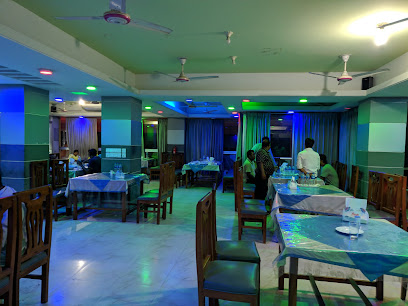
Cumilla Highway Hotel & Restaurent
3.5 km
Experience the rich culinary delights at Cumilla Highway Hotel & Restaurant, your perfect highway stop for delicious meals and warm hospitality.
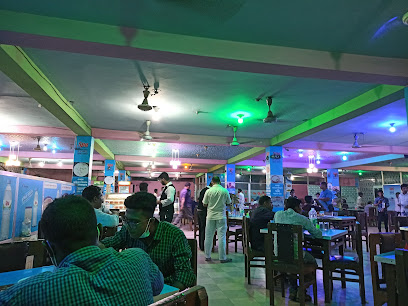
Run Out
4.4 km
Experience the authentic taste of Bangladeshi cuisine at Run Out in Cumilla, where every meal is a celebration of local flavors.
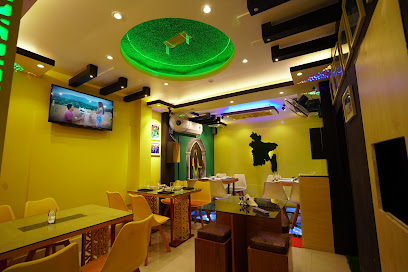
০১৩০২০৪৪১৪৮
5.0 km
Experience the vibrant nightlife at Cumilla's top bar, where local flavors and lively atmosphere create unforgettable moments.
comilla food bar
5.1 km
Experience authentic Bangladeshi cuisine at Comilla Food Bar, a culinary gem offering delightful flavors and a cozy dining atmosphere.

Blue Inn Restaurant and Bar
5.2 km
Discover the vibrant flavors of Cumilla at Blue Inn Restaurant and Bar, where delightful cuisine meets a warm and inviting atmosphere.
Toma
5.5 km
Discover the vibrant flavors and warm hospitality of Toma, a must-visit Meyhane in Cumilla, offering a unique taste of local culture.
Elite Skyview Restaurant
5.7 km
Experience breathtaking views and exquisite dining at Elite Skyview Restaurant in Cumilla, where culinary delights meet stunning cityscapes.
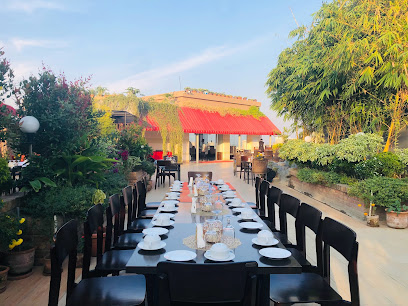
Hungry Lion
5.7 km
Discover the culinary delights of Hungry Lion, a top restaurant in Cumilla, where local flavors meet international cuisine in a vibrant atmosphere.
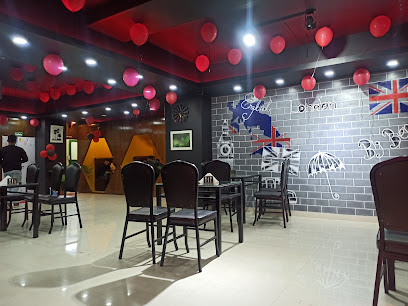
Sapna actor
5.8 km
Discover the lively atmosphere of Sapna Actor Bar in Cumilla, where local culture meets vibrant nightlife for an unforgettable experience.
রাম মালার ঝালমুড়ি
5.9 km
Discover the authentic flavors of Bangladeshi street food at Ram Maler Jhalmuri, a lively bar in Cumilla famous for its delicious Jhalmuri.
গাবতলী
5.9 km
Discover the lively ambiance and unique local flavors at গাবতলী, a must-visit bar in Cumilla for an unforgettable night out.
Cafe avengers
6.0 km
Discover the flavors of Cumilla at Cafe Avengers, where local cuisine meets a cozy ambiance in the heart of the city market.
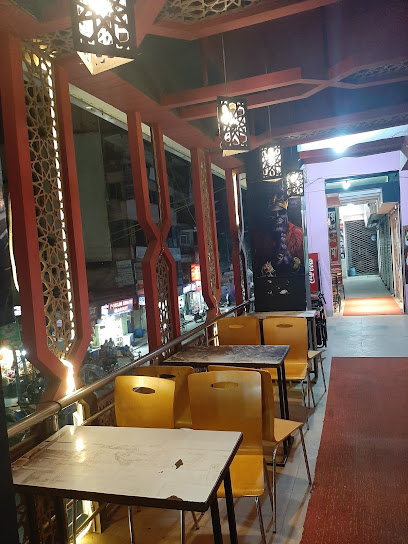
আহার বাড়ি
6.0 km
Experience authentic Bangladeshi cuisine at Ahara Bari, a delightful restaurant in Cumilla offering warm hospitality and vibrant local flavors.
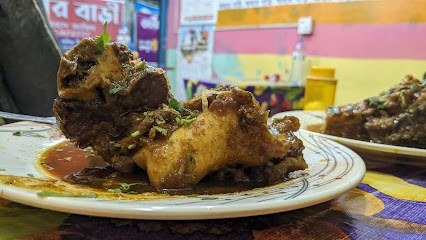
Nightclubs & after hour spots

Seattle
3.8 km
Experience the vibrant nightlife of Seattle in Cumilla, where diverse clubs and entertainment options create unforgettable memories.
Cumilla City Club
4.3 km
Discover the energetic nightlife at Cumilla City Club, where vibrant music and a lively atmosphere await every visitor.
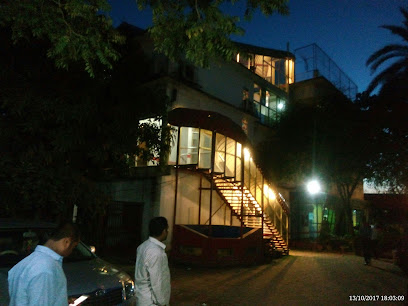
Adib
4.6 km
Experience the vibrant nightlife of Cumilla at Adib, where music, dance, and celebration come alive in a spectacular disco atmosphere.
মায়ের দোয়া রুচি চটপটি হাউজ
5.4 km
Discover the energetic nightlife and authentic Bangladeshi street food at মায়ের দোয়া রুচি চটপটি হাউজ in Cumilla.
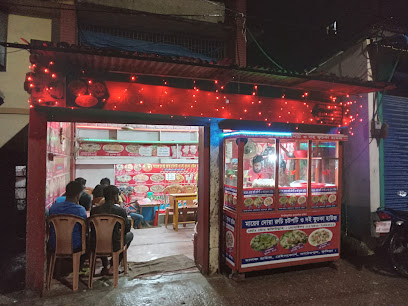
Kausar
5.8 km
Experience the vibrant nightlife of Cumilla at Kausar, where music, dancing, and local culture come together for an unforgettable evening.
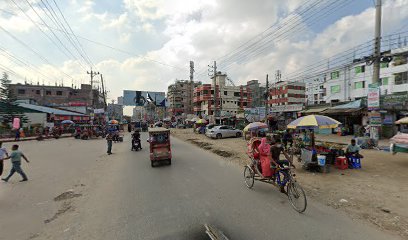
Osman Hyder
5.9 km
Dance the night away at Osman Hyder, Cumilla's premier nightclub, where vibrant music and lively atmosphere create unforgettable nights.
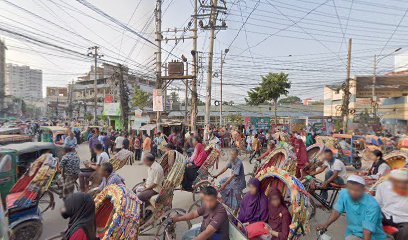
Cumilla Club
6.0 km
Discover the pulse of Cumilla at Cumilla Club, where vibrant nightlife meets delicious dining and unforgettable entertainment.
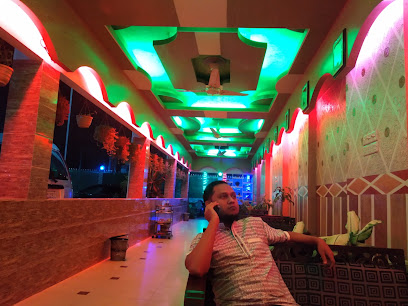
Comilla city Club Parking Area
6.0 km
Explore Cumilla with ease from the Comilla City Club Parking Area, your gateway to rich history and local attractions.
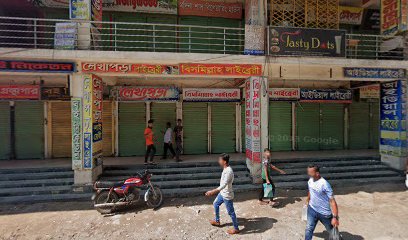
Jihad
7.5 km
Discover the electrifying nightlife at Jihad Night Club in Cumilla, where vibrant energy and unforgettable experiences await.
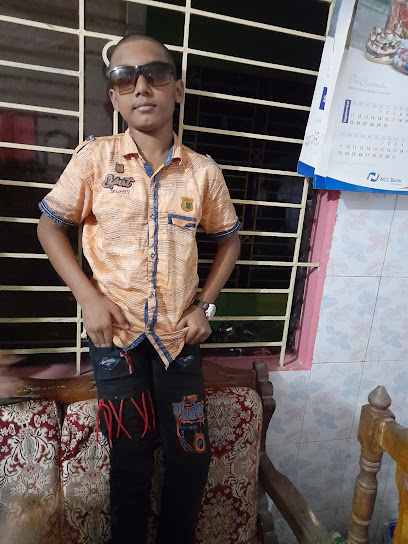
ASP Party
8.7 km
Experience the electrifying nightlife at ASP Party, Bangladesh's premier night club, where vibrant beats and stunning visuals await.
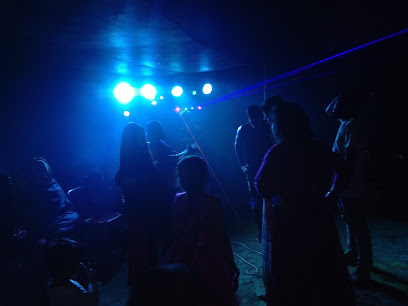
Swamiji Jahar
46.0 km
Discover the heart of Agartala's nightlife at Swamiji Jahar - a vibrant night club with music, dancing, and unforgettable experiences.
Deshbandhu Chittranjan Club
46.5 km
Discover the lively atmosphere of Deshbandhu Chittranjan Club, the heart of Agartala's vibrant social life, where culture meets entertainment.
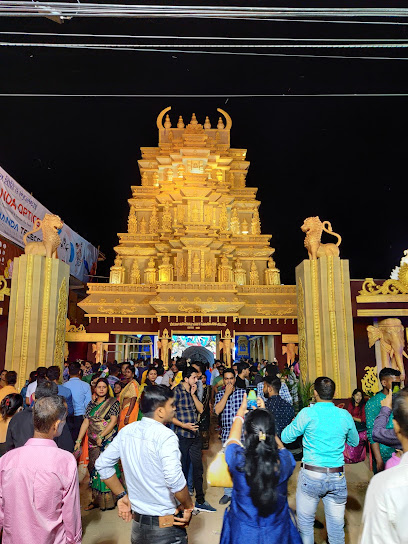
Western Club
46.5 km
Discover the pulse of Agartala's nightlife at Western Club, where vibrant music and dancing create unforgettable evenings.
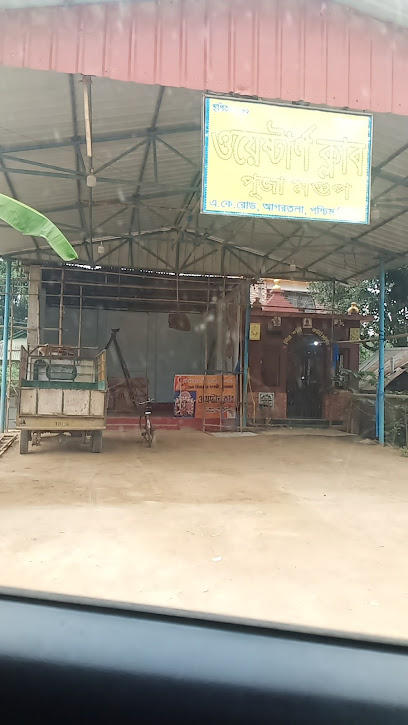
Young Defence Club
46.8 km
Experience the vibrant nightlife at Young Defence Club in Agartala, where music, dance, and socializing come alive.
CHINMOY & CHINMOY
46.8 km
Discover the pulse of Agartala's nightlife at Chinmoy & Chinmoy, where music and dance create unforgettable memories.