

Laboni Point (Cox's Bazar) Travel Guide - Free
Explore Laboni Point in Cox's Bazar with Evendo's free guide. Find the best shops, historic streets, restaurants, and gems on web or mobile.


Laboni Point in Cox's Bazar combines Bangladesh’s broad sea beach, sunset walks, local seafood, handicrafts, easy access and coastal attractions.
Beachfront Setting
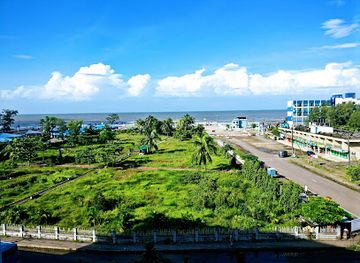
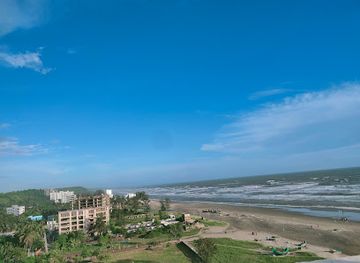
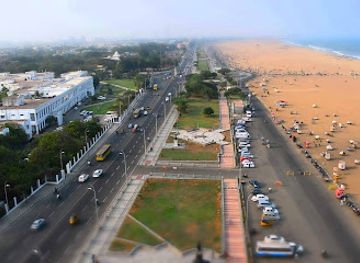
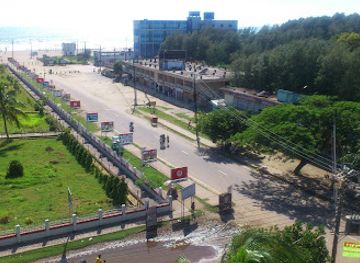
Laboni Point is the principal visitor-facing stretch of Cox’s Bazar’s celebrated coastline, where the city’s roads and hotel quarter meet an immense sweep of sand beside the Bay of Bengal. It is better understood as a lively beach area than as a formally bounded neighbourhood, with the name generally used for the main access point and its surrounding tourist activity. The shore is broad and open, and the atmosphere changes noticeably through the day: early morning brings walkers and local residents, while late afternoon draws families, photographers and visitors towards the water and the sunset.Read more about Laboni Point
Street Life and Local Character
Using Laboni Point as a Base
Best attractions in Laboni Point
The central attraction is Laboni Beach itself, a wide, open strand where visitors can walk beside the Bay of Bengal, watch fishing and leisure activity, or find a place to sit above the waterline as the light changes. The main access area leads into a busy belt of beach stalls and small souvenir businesses, giving the shoreline a distinctly local, social character rather than the feel of an isolated resort. Early mornings are quieter and cooler, while late afternoons bring families, photographers and visitors waiting for sunset. Casuarina-lined patches and sandy approaches provide brief relief from the openness of the coast, though shade is limited. Laboni Point is also a useful starting point for exploring Cox’s Bazar’s central beachfront; the more rugged scenery of Himchari and the long strand at Inani lie farther south and are separate excursions, not attractions within the point itself.
-
Tourist attraction
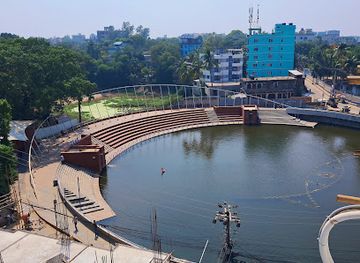
Gol Dighi - গোল দিঘি
Escape to Gol Dighi in Cox's Bazar: a serene park with a tranquil lake, perfect for relaxation and nature lovers.
5 min drive · 1.7 km from neighbourhood centre
-
Park
Beach Park
Relax and unwind at Beach Park, a convenient coastal spot near Laboni Beach and the bustling Burmese Market in Cox's Bazar.
2 min walk · 0.2 km from neighbourhood centre
-
Tourist attraction
Rupchada Park
Escape to Rupchada Park in Cox's Bazar for serene gardens, breathtaking coastal views, and a tranquil retreat from the bustling beach.
6 min walk · 0.5 km from neighbourhood centre
-
Tourist attraction
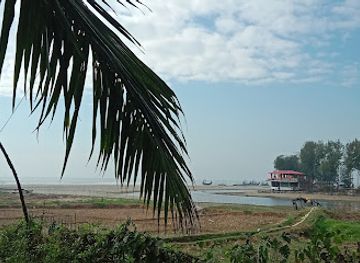
Cox’s Bazar sea beach.
Discover the world's longest natural sea beach in Cox's Bazar, Bangladesh, offering golden sands, stunning sunsets, and cultural experiences.
2 min walk · 0.2 km from neighbourhood centre
Best landmarks in Laboni Point
Laboni Point’s defining landmark is geographical rather than monumental: the broad Cox’s Bazar shoreline opening towards the Bay of Bengal. Its value lies in the relationship between the town, the sand and the sea, a physical setting that has shaped the area’s identity as Bangladesh’s best-known coastal resort. The beach access and surrounding tourist streets form a recognisable urban threshold, where roads, hotels, stalls and open sand meet. A lighthouse presence is associated with the wider Cox’s Bazar beachfront, but visitors should not confuse the seafront structures and access points with a preserved historic monument complex. Unlike an old quarter filled with formal heritage buildings, Laboni Point is defined by coastal landscape and modern visitor infrastructure, with its symbolic importance coming from public access to the long beach and the town’s continuing relationship with the water.
-
Tourist attraction
Laboni Point Sea Beach
Experience the vibrant heart of Cox's Bazar at Laboni Point, Bangladesh's premier coastal destination with golden sands and breathtaking sunsets.
2 min walk · 0.2 km from neighbourhood centre
-
Beach
Cox's Bazar Sea Beach
Experience the world's longest natural sea beach, offering stunning sunsets, water sports, and cultural experiences in beautiful Cox's Bazar.
5 min drive · 1.5 km from neighbourhood centre
-
Beach pavillion
Laboni Beach, Cox's Bazar
Experience the vibrant heart of Cox's Bazar at Laboni Beach, Bangladesh's premier coastal destination, offering golden sands, cultural experiences, and breathtaking sunsets along the world's longest natural sea beach.
2 min walk · 0.1 km from neighbourhood centre
-
Beach
Laboni Beach
Experience the vibrant heart of Cox's Bazar at Laboni Beach, offering golden sands, cultural experiences, and breathtaking sunsets on the world's longest beach.
6 min walk · 0.5 km from neighbourhood centre
Explore Laboni Point on the map
A handpicked selection of must-see spots in Laboni Point, mapped for you.
Best hotels in Laboni Point
Best restaurants in Laboni Point
Dining around Laboni Point is shaped by the beach trade and by Cox’s Bazar’s position as a major domestic holiday destination. Restaurants and cafés around the hotel-motel zone serve Bengali meals, rice and fish dishes, seafood, snacks, tea and familiar international-style fare, while informal sellers add quick bites for visitors moving between the road and the shore. Seafood is a natural presence in the local food culture, but quality, preparation and availability vary between establishments, so travellers should choose busy, well-maintained places and ask what is fresh rather than assuming every menu item is locally landed. The beach approach is more useful for casual refreshments and small purchases than for a single concentrated food market. Eating here offers a practical view of coastal holiday culture, where local dishes sit alongside food aimed at visitors from across Bangladesh.
-
Restaurant
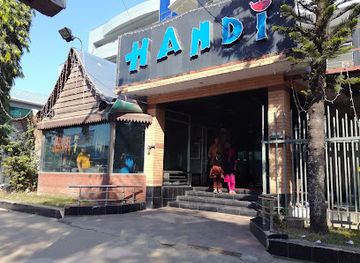
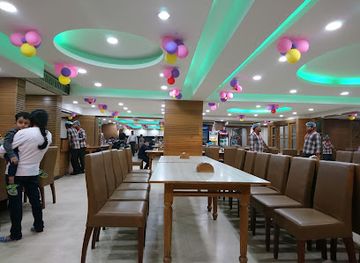
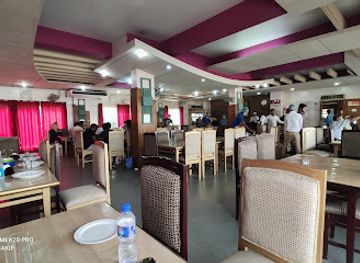
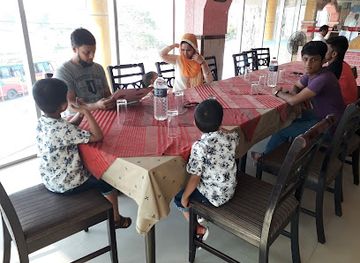
Handi (Cox's Bazar Branch)
Experience authentic Bangladeshi cuisine at Handi Restaurant, offering breathtaking ocean views and a warm atmosphere in Cox's Bazar.
3 min walk · 0.3 km from neighbourhood centre
-
Restaurant
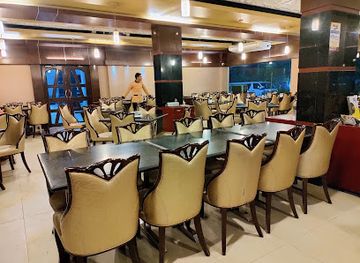
Ruposhi Bangla Restaurant
Discover authentic Bangladeshi cuisine at Ruposhi Bangla Restaurant in Cox's Bazar – where fresh seafood meets local flavors.
11 min walk · 0.9 km from neighbourhood centre
-
Restaurant
Niribili Restaurant
Experience authentic Bangladeshi cuisine at Niribili Restaurant in Cox's Bazar – where local flavors meet coastal charm.
8 min walk · 0.6 km from neighbourhood centre
-
Seafood
Mermaid Cafe
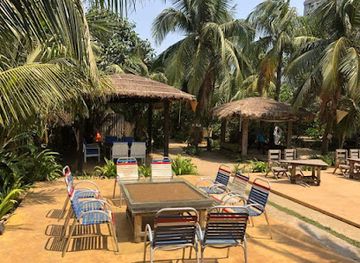
Experience exquisite seafood dining with breathtaking views at Mermaid Cafe in Cox's Bazar.
11 min walk · 0.9 km from neighbourhood centre
Best bars in Laboni Point
Laboni Point is not primarily a bar or nightclub district, and evening life is more closely associated with family outings, hotel dining, tea, snacks and walks near the active parts of the beach approach. Some larger hotels may provide indoor lounges or licensed-style entertainment, but offerings and access can change, and the immediate shoreline should not be treated as a conventional nightlife strip. After sunset, the hotel-motel roads generally provide more dependable activity than the darker sections of sand, with restaurants and small businesses serving visitors into the evening. Social norms are comparatively conservative, so discreet behaviour and respect for local expectations are important. Those seeking a highly concentrated club scene should look beyond Laboni Point rather than expecting a dense network of late-night venues beside the beach.
-
Tourist attraction
Laboni Point Sea Beach
Experience the tranquil charm of Laboni Point Sea Beach, a stunning public beach in Cox's Bazar, perfect for relaxation and adventure alike.
2 min walk · 0.2 km from neighbourhood centre
-
Restaurant
Handi (Cox's Bazar Branch)
Discover the rich flavors of Bangladesh at Handi, a premier restaurant in Cox's Bazar, perfect for food lovers and beachgoers alike.
3 min walk · 0.3 km from neighbourhood centre
-
Bar
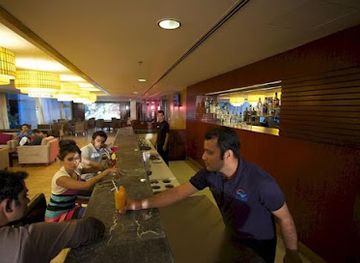
Sayeman-Sunset Bar Service
Experience breathtaking sunsets at Sayeman-Sunset Bar, a luxurious retreat offering refreshing drinks and stunning views of Cox's Bazar beach.
6 min drive · 1.9 km from neighbourhood centre
-
Restaurant
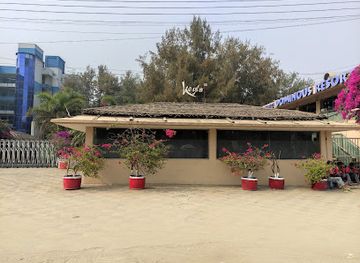
Koyla Restaurant Cox’s
Experience exquisite dining at Koyla Restaurant Cox's, where every dish tells a story and the view is as tantalizing as the food.
2 min walk · 0.2 km from neighbourhood centre
Best nightclubs in Laboni Point
Laboni Point is not primarily a bar or nightclub district, and evening life is more closely associated with family outings, hotel dining, tea, snacks and walks near the active parts of the beach approach. Some larger hotels may provide indoor lounges or licensed-style entertainment, but offerings and access can change, and the immediate shoreline should not be treated as a conventional nightlife strip. After sunset, the hotel-motel roads generally provide more dependable activity than the darker sections of sand, with restaurants and small businesses serving visitors into the evening. Social norms are comparatively conservative, so discreet behaviour and respect for local expectations are important. Those seeking a highly concentrated club scene should look beyond Laboni Point rather than expecting a dense network of late-night venues beside the beach.
-
Bar
Shaibal Golf Bar | Cox's Bazar
Discover the vibrant nightlife at Shaibal Golf Bar in Cox's Bazar, where refreshing drinks meet a lively atmosphere and unforgettable experiences.
11 min walk · 0.9 km from neighbourhood centre
-
Bar
Pirate's Den Barbsksbsj
Experience the lively ambiance and stunning ocean views at Pirate's Den Bar in Cox's Bazar, a perfect blend of relaxation and entertainment.
18 min walk · 1.4 km from neighbourhood centre
-
Bar
Abdul Mannan
Discover the lively atmosphere of Abdul Mannan in Cox's Bazar, a perfect bar to unwind with friends and enjoy local drinks and entertainment.
13 min walk · 1.1 km from neighbourhood centre
-
Club
Officers' Club, Cox's Bazar
Experience the vibrant nightlife at Officers' Club in Cox's Bazar, where energetic music and a lively atmosphere create unforgettable nights.
5 min drive · 1.6 km from neighbourhood centre

Best shops in Laboni Point
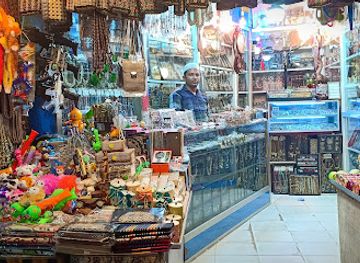
Shopping at Laboni Point is concentrated around informal beach stalls, souvenir stands and the commercial streets serving the nearby hotel-motel area. Visitors commonly encounter shell ornaments, woven products, small handicrafts, beach accessories, clothing and locally themed keepsakes, with the selection changing according to season and demand. The experience is more about browsing and negotiating politely than visiting a carefully curated retail district. It is worth inspecting workmanship and comparing similar items before buying, particularly when several stalls carry comparable goods. Larger everyday purchases and a broader range of services are generally easier to find in Cox’s Bazar town beyond the immediate sand. Laboni Point’s retail character reflects domestic seaside tourism: practical holiday goods and portable souvenirs sit alongside food stalls, rather than a dense collection of designer boutiques or specialist shops.
-
 Gift shop
GALAXY SHOP
Explore Galaxy Shop in Cox's Bazar for unique gifts and fashion accessories that celebrate local culture and craftsmanship.
2 min walk · 0.1 km from neighbourhood centre
-
Store
আপন স্টোর
Discover local craftsmanship and vibrant culture at আপন স্টোর in Laboni Beach Burmese Market, a must-visit destination in Cox's Bazar.
1 min walk · 0.1 km from neighbourhood centre
-
Organic food store
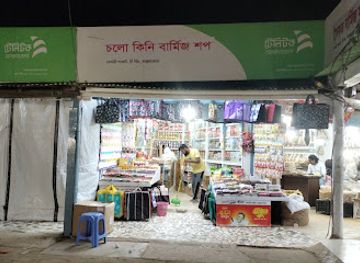
চলো কিনি বার্মিজ শপ
Discover Chalo Kini Burmese Shop: Your one-stop destination for organic foods, unique bags, and delightful chocolates in Cox's Bazar.
2 min walk · 0.1 km from neighbourhood centre
-
Gift shop
সী ফাইন গিফট ফ্যাশন
Discover unique gifts and fashionable accessories at Sea Fine Gift Fashion, your ideal shop near Laboni Beach in Cox's Bazar.
2 min walk · 0.2 km from neighbourhood centre
Laboni Point essentials
Getting There
Getting Around
Safety
Emergency Situations
Do's and Don'ts
Local Tips

From Eve
Local phrases worth knowing
You don't need to get them perfect. A few words go a long way, and locals appreciate the effort.
Basics
| English | Local | Say it |
|---|---|---|
| Hello | নমস্কার | [nomoskar] |
| Goodbye | বিদায় | [bidae] |
| Yes | হ্যাঁ | [hyām̐] |
| No | না | [nā] |
| Please/You're welcome | দয়া করে/স্বাগতম | [dayā karē/swāgatam] |
| Thank you | ধন্যবাদ | [dhônyôbad] |
| Excuse me/Sorry | দয়া করে/দুঃখিত | [dayā karē/duḥkhita] |
| How are you? | আপনি কেমন আছেন? | [āpni kēmana āchēna?] |
| Fine. And you? | ভালো। আর আপনি? | [bhālō। āra āpni?] |
| Do you speak English? | আপনি ইংরেজি কথা বলতে পারেন? | [āpni iṅrēji kathā bōlatē pārēna?] |
| I don't understand | আমি বুঝিনা | [āmi bujhina] |
Eating & Drinking
| English | Local | Say it |
|---|---|---|
| I'd like to see the menu, please | দয়া করে মেনুটি দেখান | [dayā karē mēnuṭi dēkhāna] |
| I don't eat meat | আমি মাংস খাইনা | [āmi māṅsa khā'ina] |
| Cheers! | চিয়ার্স! | [ciyārṣa] |
| I would like to pay, please | দয়া করে আমি দিতে চাই | [dayā karē āmi ditē cāi] |
Emergencies
| English | Local | Say it |
|---|---|---|
| Help! | সাহায্য! | [sāhāy'ya] |
| Go away! | চলে যান! | [calē yāna] |
| Call the Police! | পুলিশকে কল করুন! | [puliśakē kala karuna] |
| Call a doctor! | ডাক্তারকে কল করুন! | [ḍāktārakē kala karuna] |
| I'm lost | আমি হারিয়ে গেছি | [āmi hāriẏē gēchi] |
| I'm ill | আমি অসুস্থ | [āmi asustha] |
Shopping
| English | Local | Say it |
|---|---|---|
| I'd like to buy... | আমি ... কিনতে চাই | [āmi ... kinatē cāi] |
| I'm just looking | আমি মাত্র দেখছি | [āmi mātra dēkhachhi] |
| How much is it? | এটা কত টাকা? | [ēṭā kata ṭākā?] |
| That's too expensive | এটা খুব বেশি দাম | [ēṭā khuba bēśi dāma] |
| Can you lower the price? | দাম কমাতে পারবেন? | [dāma kamātē pārabēn?] |
Time & Numbers
| English | Local | Say it |
|---|---|---|
| What time is it? | এখন কত বাজে? | [ēkhana kata bājē?] |
| It's one o'clock | এটা একটা ঘণ্টা | [ēṭā ēkaṭā ghaṇṭā] |
| Half past (10) | দশের অর্ধেক | [dahēra ordhēka] |
| Morning | সকাল | [sakāla] |
| Afternoon | অপরাহ্ণ | [aparāhṇa] |
| Evening | সন্ধ্যা | [sōndhyā] |
| Yesterday | গতকাল | [gatakāla] |
| Today | আজ | [āja] |
| Tomorrow | আগামীকাল | [āgāmīkāla] |
| 1 | এক | [ēka] |
| 2 | দুই | [du'i] |
| 3 | তিন | [tina] |
| 4 | চার | [cāra] |
| 5 | পাঁচ | [pām̐ca] |
| 6 | ছয় | [chôy'a] |
| 7 | সাত | [sāta] |
| 8 | আট | [āṭa] |
| 9 | নয় | [nôẏa] |
| 10 | দশ | [dahē] |
Transport & Directions
| English | Local | Say it |
|---|---|---|
| Where's a/the...? | কোথায় ...? | [kōthāẏa ...?] |
| What's the address? | ঠিকানাটা কি? | [ṭhikānāṭā ki?] |
| Can you show me (on the map)? | আপনি আমাকে (ম্যাপে) দেখাতে পারবেন? | [āpni āmākē (myāpē) dēkhātē pārabēn?] |
| When's the next (bus)? | পরের (বাস) কটায়? | [parēra (bāsa) kaṭāẏa?] |
| A ticket (to ....) | একটি টিকেট (.... এ) | [ēkaṭi ṭikēṭa (.... ē)] |
History of Laboni Point
A Coast Shaped by Settlement
The coast around present-day Cox’s Bazar developed through fishing, small-scale trade and connections between communities along southeastern Bengal and the Arakan coast. The long beach was a working landscape before it became a major leisure destination, with boats, markets and coastal travel shaping local life. Laboni Point itself is chiefly a modern tourism area, so its history is best understood through the wider development of Cox’s Bazar rather than through claims of an ancient settlement at the beach access. The open shoreline, backed by the expanding town, later provided the physical setting for public recreation and seaside commerce.
The Cox Administration and Town Name
The town takes its name from Captain Hiram Cox, an administrator of the British East India Company who worked in the region in the late eighteenth century. A market associated with his name was established in 1799, and the settlement subsequently became known as Cox’s Bazar. This colonial-era naming belongs to the wider town, but it matters to Laboni Point because the beach’s present role as the city’s foremost public visitor space grew alongside Cox’s Bazar’s development as a recognised coastal settlement and trading centre.
From Working Coast to Holiday Shore
During the twentieth century, Cox’s Bazar increasingly attracted domestic visitors seeking sea air, open beaches and a break from inland cities. Roads, hotels, restaurants and transport services gradually concentrated around the central coastline, turning the area around Laboni Point into a practical gateway for beach tourism. Informal vendors and small businesses grew alongside formal accommodation, creating the mixed commercial character visible today. The result is not a self-contained historic quarter but a tourism landscape layered over an older coastal town, where local commerce, fishing culture and nationwide holiday travel meet on the same waterfront.
Contemporary Coastal Tourism
Laboni Point now functions as one of the most recognisable public access points to Cox’s Bazar beach. Its surrounding hotel-motel district, food businesses and souvenir stalls reflect the expansion of domestic tourism and the town’s growing importance within Bangladesh’s coastal economy. Development has brought convenience and employment but has also made the shoreline busier and more commercially managed in character. Visitors encounter a place shaped by seasonal demand, changing accommodation patterns and the continuing need to balance public access, coastal conditions and the environmental pressures affecting the wider Cox’s Bazar shore.
Laboni Point in Photos
Browse through our photo collection highlighting the charm and character of the destination.
Neighbourhoods near Laboni Point
The closest neighbourhoods to Laboni Point, if you have time for more than one stop.
-

-

-

-


Swipe for more neighbourhoods
Explore more

Explore more of Cox's Bazar
Cox's Bazar, Bangladesh pairs the world's longest natural sandy beach with seafood, Buddhist heritage, coastal landscapes and memorable seaside sightseeing.
Explore Cox's Bazar