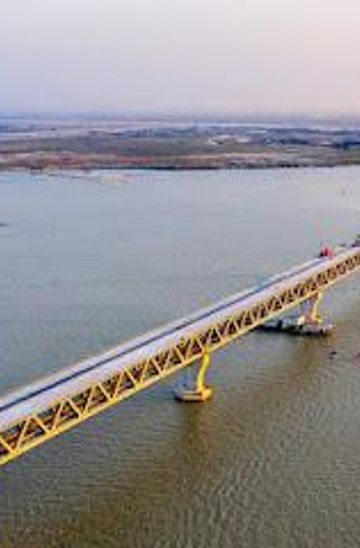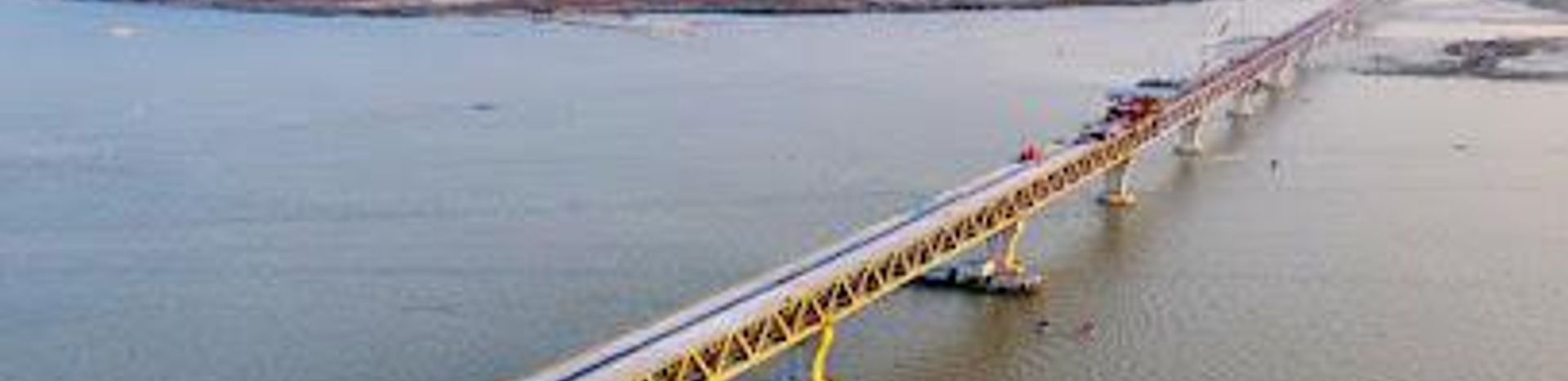
Padma Multipurpose Bridge: A Gateway to Southern Bangladesh
Experience the iconic Padma Multipurpose Bridge: A symbol of Bangladesh's progress, connecting the nation and offering breathtaking views of the Padma River and surrounding landscapes.
The Padma Multipurpose Bridge, a symbol of national pride and engineering prowess, spans the mighty Padma River, connecting the less developed southwest of Bangladesh to the northern and eastern regions. This 6.15-kilometer marvel facilitates seamless transportation of people and goods, slashing travel times and boosting the nation's economy. More than just a bridge, it's a testament to Bangladesh's ambition and progress, offering stunning panoramic views of the river and surrounding landscapes. Visitors can experience the vibrant local culture, sample traditional snacks from nearby vendors, and witness breathtaking sunsets painting the sky with vivid colors. The bridge is a vital artery, fostering trade, tourism, and overall development in the region, making it a must-visit destination for anyone exploring Bangladesh.
A brief summary to Padma Multipurpose Bridge
- Approach Road, Mawa, BD
- Click to display
- Click to display
- Monday 12 am-12 am
- Tuesday 12 am-12 am
- Wednesday 12 am-12 am
- Thursday 12 am-12 am
- Friday 12 am-12 am
- Saturday 12 am-12 am
- Sunday 12 am-12 am

Know before you go
Hi, I'm Eve. Here are a few practical things to know before exploring Padma Multipurpose Bridge.
- Visit during sunrise or sunset for the most stunning views and photo opportunities.
- Try local snacks and tea from the vendors near the bridge entrance for an authentic taste of Bangladeshi cuisine.
- Wear comfortable shoes, as you'll likely want to walk along the bridge to fully experience the views.
- Check the weather forecast before your visit, as conditions can change rapidly near the river.
- Consider visiting during the off-season to avoid crowds and enjoy a more peaceful experience.
Do you manage this location?
Take control to get all the benefits, like improved information, better appearance, and stronger visibility across AI-powered discovery. Learn more
Activate your presence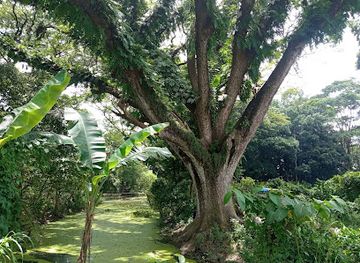
Getting There
-
Public Transport
From Dhaka, take a direct bus to Mawa Ghat from the Sayedabad or Gulistan bus terminals. Several bus companies operate on this route, including Elish and Sakura Paribahan. The journey typically takes 1.5 to 2 hours, depending on traffic. From Mawa Ghat, you can hire a local rickshaw or auto-rickshaw to reach the Padma Bridge Approach Road, which is a short distance away. Bus fares range from 150 to 250 BDT. Rickshaw/auto-rickshaw fares from Mawa Ghat to the bridge approach road are typically 50-100 BDT.
-
Driving
If driving from Dhaka, take the Dhaka-Mawa Highway (N8). The drive is approximately 40 kilometers and should take about an hour, depending on traffic. Follow the signs for the Padma Bridge. Tolls are applicable on the Dhaka-Mawa Expressway. As of May 2025, the toll for a car is 750 BDT. Parking is available near the bridge approach, with hourly rates typically ranging from 50 to 100 BDT.
Discover more about Padma Multipurpose Bridge
Explore the best of what Padma Multipurpose Bridge has to offer
-

Best experiences near Padma Multipurpose Bridge
-

Best hotels near Padma Multipurpose Bridge
-

Best attractions near Padma Multipurpose Bridge
-

Best shops near Padma Multipurpose Bridge
-

Best restaurants near Padma Multipurpose Bridge
-

Best bars near Padma Multipurpose Bridge
-

Best nightclubs near Padma Multipurpose Bridge









More about Eastern Bengal
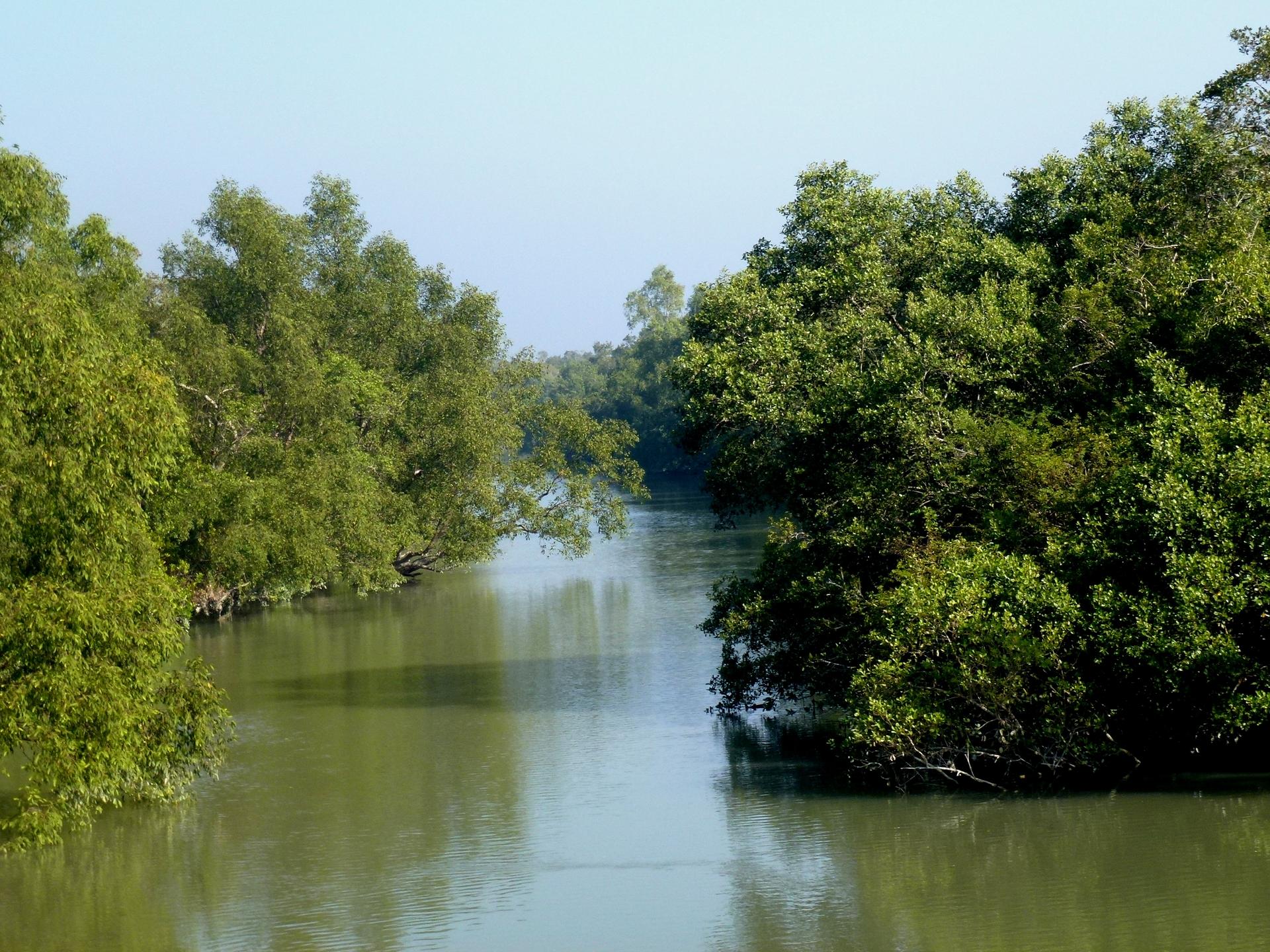
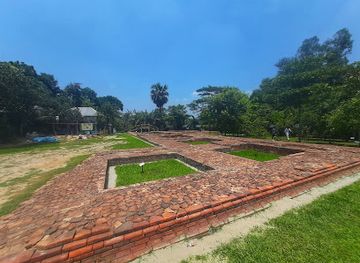
Explore the untouched beauty of Eastern Bengal in Bangladesh, where lush tea gardens, unique wildlife, and ancient ruins await discovery.
Tell me more about Eastern Bengal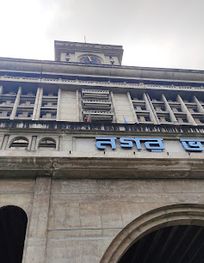
Discover Dhaka's vibrant past at the City Museum, showcasing historical relics and cultural heritage, offering a unique glimpse into the city's evolution and traditions.
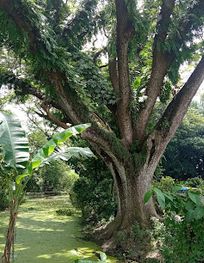
Discover the enchanting Big Tree in Kalma, Bangladesh: a majestic landmark blending natural beauty with rich cultural stories, offering a serene escape and a connection to the past.