

Free Eastern Bengal Travel Guide & Mobile App
Explore Eastern Bengal with free travel guides. Discover regional history, expert tips, proposed trips, and audio guides on web or mobile app.


Explore the untouched beauty of Eastern Bengal in Bangladesh, where lush tea gardens, unique wildlife, and ancient ruins await discovery.
Read more about Eastern Bengal
When is the best time to visit Eastern Bengal?
Best: December–February · 23–26°C| Month | High (°C) | Rainfall (mm) |
|---|---|---|
| January (best) | 23 | 10 |
| February (best) | 26 | 20 |
| March | 30 | 30 |
| April | 32 | 60 |
| May | 34 | 100 |
| June | 33 | 200 |
| July | 32 | 300 |
| August | 32 | 280 |
| September | 31 | 200 |
| October | 31 | 150 |
| November | 28 | 50 |
| December (best) | 24 | 20 |
Getting to and around Eastern Bengal
How to get there
Transportation
Top city travel guides in Eastern Bengal
The cities of Eastern Bengal, and the easiest places to base yourself.
-

-

-

-

-

-


Swipe for more cities
Destinations in Eastern Bengal
Resorts, valleys and scenic spots worth a trip of their own.
-

-

-

-

-

-


Swipe for more destinations
Best attractions in Eastern Bengal
Eastern Bengal in Bangladesh offers a captivating blend of natural beauty and rich history that will leave any traveler in awe. From the lush greenery and serene waters of the Ratargul Swamp Forest, a freshwater swamp forest teeming with wildlife, to the ancient city of Mainamati, where you can explore centuries-old Buddhist ruins, there is something for everyone. The area is also home to the vibrant city of Sylhet, known for its tea gardens, rolling hills, and the mystical Jaflong Valley, where you can witness the unique stone-collecting activities along the river. Don't miss the opportunity to visit the Lalbagh Fort, an incomplete 17th-century Mughal fort with rich historical significance, or the stunning Madhabkunda Waterfall, the largest in Bangladesh, set amidst lush forests and hilly terrains. With its diverse attractions, Eastern Bengal promises an enriching and memorable experience for every traveler.
-
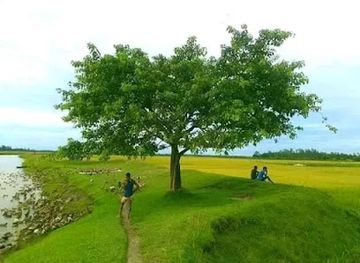
Tourist attraction
Sajek Valley
Discover Sajek Valley: the Queen of Hills in Bangladesh, offering breathtaking views, indigenous culture, and serene landscapes.
-
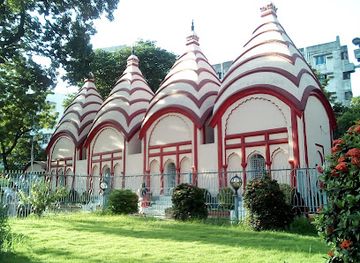
Hindu temple
Dhakeshwari National Temple
Discover Dhaka's spiritual heart at the Dhakeshwari National Temple, a historic landmark of cultural heritage and religious harmony.
-
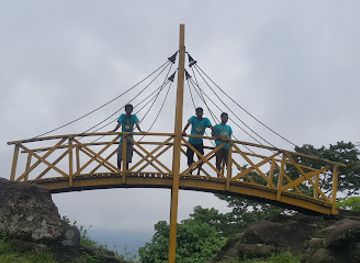
Bridge
Padma Multipurpose Bridge
Experience the iconic Padma Multipurpose Bridge: Bangladesh's longest bridge, connecting the nation and driving economic growth.
-
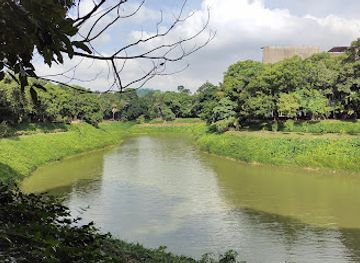
Park
Gulshan Society Lake Park
Escape the city bustle at Gulshan Society Lake Park, a verdant sanctuary in Dhaka offering tranquility and natural beauty.
Best landmarks in Eastern Bengal
Eastern Bengal, an enchanting region in Bangladesh, offers a treasure trove of landmarks that captivate the senses and spark the imagination. From the lush, rolling hills of Srimangal, renowned as the tea capital of Bangladesh, where you can trek through verdant tea gardens and explore the Lawachara National Park, to the historic grandeur of Mainamati's ancient Buddhist archaeological sites, which reveal the region’s profound spiritual heritage. Visitors can marvel at the architectural splendor of the Ahsan Manzil, the Pink Palace that stands majestically on the banks of the Buriganga River, and wander through the vibrant and bustling streets of Old Dhaka, where each turn unveils a new facet of local culture and history. The stunning Lalbagh Fort, a 17th-century Mughal fort complex, serves as a testament to the region’s rich historical tapestry, while the serene beauty of the Kaptai Lake in the Chittagong Hill Tracts offers a tranquil retreat with opportunities for boating and exploring indigenous tribal cultures. For the adventure-seekers, the lush greenery and cascading waterfalls of the Madhabkunda and Ham Ham waterfalls await, promising an exhilarating experience amidst nature’s bounty.
-
Historical landmark
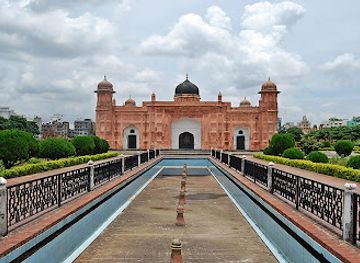
Lalbagh Fort
Explore Lalbagh Fort, Dhaka's unfinished Mughal masterpiece, a captivating blend of history, architecture, and serene gardens in the heart of Old Dhaka, Bangladesh.
-
Historical landmark
National Martyrs' Monument
Pay tribute to the heroes of Bangladesh's Liberation War at the National Martyrs' Monument in Savar, a symbol of sacrifice, resilience, and national pride, just a short trip from Dhaka.
-
Zoo
Bangladesh National Zoo
Discover Bangladesh's wildlife at the National Zoo in Dhaka, home to diverse animals, conservation efforts, and tranquil landscapes for an unforgettable experience.
-
Historical landmark
Central Shaheed Minar
A national monument in Dhaka, Bangladesh, commemorating the martyrs of the 1952 Bengali Language Movement and the enduring spirit of Bengali nationalism.

Explore Eastern Bengal on the map
Plan your trip on one map. See where the top cities, national parks and sights are, and book hotels and experiences in a few clicks.
Best hotels in Eastern Bengal
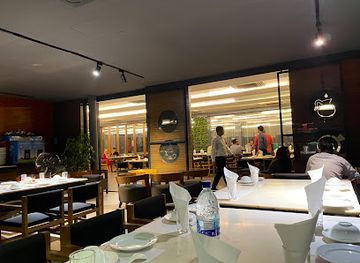
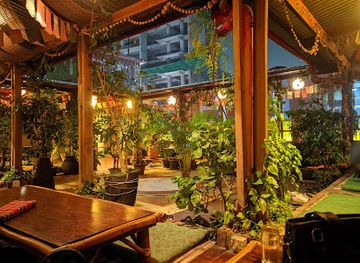
Best restaurants in Eastern Bengal
Eastern Bengal in Bangladesh offers a vibrant and diverse culinary journey that will tantalize your taste buds with its rich flavors and unique dishes. From the bustling streets of Chittagong, where you can indulge in mouth-watering mezbani beef and spicy chingri malai curry, to the serene landscapes of Sylhet, famous for its fragrant pithas and sweet jilapis, the region's food scene is a delightful blend of traditional Bengali cuisine and local specialties. Venture into the tea gardens of Srimangal to savor a cup of the renowned seven-layer tea, or explore the coastal towns to relish freshly caught seafood, cooked to perfection with a medley of aromatic spices. Whether dining at a roadside stall or a high-end restaurant, visitors can expect a warm and hospitable experience, with each meal telling a story of the region's rich cultural heritage and culinary traditions.
-
Restaurant
Ozz Cafe
Discover delightful flavors at Ozz Cafe in Dhaka - where local tastes meet global cuisine in a welcoming atmosphere.
-
Biryani
Kolkata Kacchi Ghor
Discover authentic Bengali cuisine at Kolkata Kacchi Ghor in Dhaka – home to exquisite biryani that delights every palate.
-
Restaurant
Thai Chi Restaurant & Cafe
Discover the flavors of Thailand, China, and India at Dhaka's Thai Chi Restaurant & Cafe - where every meal is a delightful journey.
-
Bengali
Jatra Biroti
Experience the essence of Bengali cuisine at Jatra Biroti - where tradition meets elegance in every dish.

Best bars in Eastern Bengal
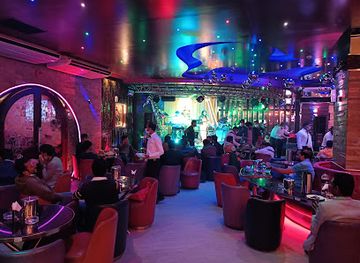
Eastern Bengal's nightlife is an intoxicating blend of traditional charm and modern excitement, where bustling bazaars transform into vibrant hubs of local music, dance, and cultural festivities as the sun sets. Dhaka, the capital city, offers a variety of upscale lounges, trendy bars, and electrifying nightclubs that cater to both local and international tastes, while the coastal city of Chittagong lures visitors with its beachside bonfires and seafood feasts under starlit skies. For those seeking a more authentic experience, the smaller towns and villages come alive with folk performances, where the rhythmic beats of the dhol and the soulful melodies of Baul singers create a magical atmosphere. Street food vendors line the roads, offering mouth-watering delicacies like fuchka and jhalmuri, ensuring that your taste buds are as entertained as your senses. Whether you're dancing the night away in a chic urban setting or soaking in the cultural essence of a traditional village, Eastern Bengal's nightlife promises an unforgettable adventure.
-
Bar
Chalet Restaurant & Bar
Discover vibrant flavors and a lively atmosphere at Chalet Restaurant & Bar, a must-visit dining experience in Dhaka.
-
Bar
Sakura Restaurant & Bar
Discover the flavors of Japan at Sakura Restaurant & Bar in Dhaka, where authentic cuisine meets a lively atmosphere for an unforgettable dining experience.
-
Bar
La Diplomat Restaurant & Bar
Discover the vibrant flavors and lively atmosphere of La Diplomat Restaurant & Bar in Dhaka. A perfect blend of dining and nightlife awaits you.
-
Bar
DPL Restaurant & Bar
Discover the vibrant nightlife at DPL Restaurant & Bar in Dhaka, where local flavors and expertly crafted cocktails await you.

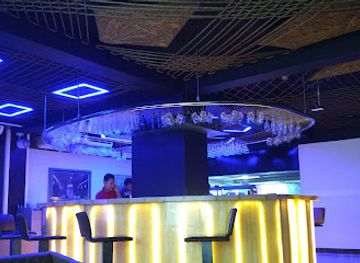
Best nightclubs in Eastern Bengal
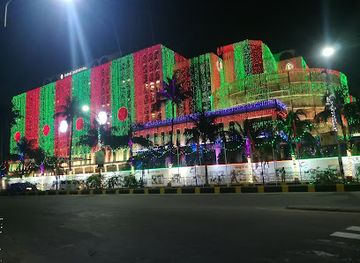
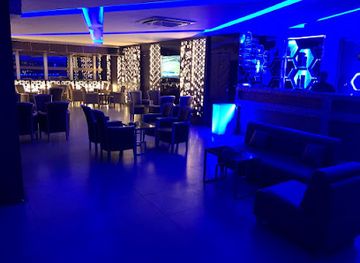
Eastern Bengal's nightlife is an intoxicating blend of traditional charm and modern excitement, where bustling bazaars transform into vibrant hubs of local music, dance, and cultural festivities as the sun sets. Dhaka, the capital city, offers a variety of upscale lounges, trendy bars, and electrifying nightclubs that cater to both local and international tastes, while the coastal city of Chittagong lures visitors with its beachside bonfires and seafood feasts under starlit skies. For those seeking a more authentic experience, the smaller towns and villages come alive with folk performances, where the rhythmic beats of the dhol and the soulful melodies of Baul singers create a magical atmosphere. Street food vendors line the roads, offering mouth-watering delicacies like fuchka and jhalmuri, ensuring that your taste buds are as entertained as your senses. Whether you're dancing the night away in a chic urban setting or soaking in the cultural essence of a traditional village, Eastern Bengal's nightlife promises an unforgettable adventure.
-
Bar
Bluemoon Recreation Club
Discover the vibrant Bluemoon Recreation Club in Dhaka: a perfect blend of relaxation, dining, and socializing in one energetic venue.
-
Bar
SKYe Lounge Bar
Experience the vibrant nightlife of Dhaka at SKYe Lounge Bar, where exquisite drinks meet stunning views in a stylish atmosphere.
-
Bar
City Orchard Recreation Club
Experience the vibrant nightlife of Dhaka at City Orchard Recreation Club, where local culture meets lively entertainment in a welcoming atmosphere.
-
Bar
Club 13, Dhaka Regency Hotel & Resort
Experience the vibrant nightlife of Dhaka at Club 13, where live music and exquisite cocktails create an unforgettable atmosphere.



Best shops in Eastern Bengal
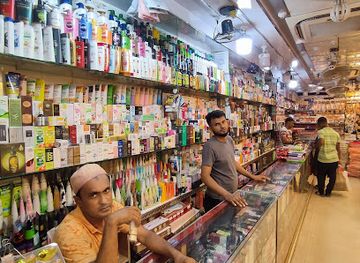
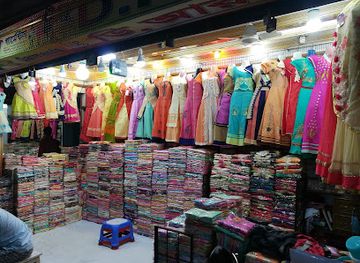
Eastern Bengal's shopping scene is a vibrant tapestry of traditional crafts and modern allure, offering visitors a unique blend of the past and present. Stroll through bustling markets where the air is filled with the aroma of spices and the colorful display of handwoven Jamdani saris, each telling its own story of skilled craftsmanship passed down through generations. Antique shops brim with hidden treasures, from intricate brassware to vintage jewelry that reflects the region's rich cultural heritage. Contemporary boutiques showcase trendy fashion and innovative designs by local artisans, while street vendors tempt you with mouthwatering snacks and exotic fruits. Whether you're hunting for unique souvenirs, traditional attire, or simply soaking in the lively atmosphere, Eastern Bengal's shopping hubs promise an unforgettable adventure.
-
Shopping mall
Gausia Market
Discover Gausia Market in Dhaka: a vibrant shopping destination for trendy clothing, unique jewelry, and local crafts that encapsulate the culture of Bangladesh.
-
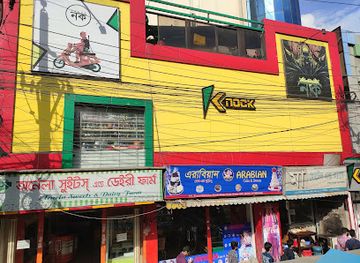
Gift shop
Knock
Explore Knock, Dhaka's premier gift shop, offering a vibrant selection of collectibles and unique souvenirs for every taste.
-
Market
East Bengal Market
Explore the lively East Bengal Market in Dhaka, where culture, food, and unique shopping experiences come together in a vibrant atmosphere.
-
Store
Bengal Shopping Mart
Explore the vibrant Bengal Shopping Mart in Dhaka, where local culture meets diverse shopping experiences and delightful street food.
Get your free copy of our complete guide to Eastern Bengal, delivered straight to you.
Everything on this page, from attractions and restaurants to essentials and local phrases, in one PDF you can read offline, print or share.
Already have an account? Sign in
Your Eastern Bengal guide is ready.
We'll send it to · Not you? Sign out

Getting your guide ready…
We are putting together a fresh copy of the Eastern Bengal guide. This can take up to a minute.
This can take a few moments. If your browser asks, choose Allow so the download can start. You'll find the guide in your Downloads folder.
Nothing happened? Download it again
Sorry, the guide is taking longer than usual. Please try again in a minute, or get it by email instead.
Eastern Bengal essentials
Currency and Payment
Safety
Emergency Situations
Do's and Don'ts
Local Tips
From Eve
Local phrases worth knowing
You don't need to get them perfect. A few words go a long way, and locals appreciate the effort.
Basics
| English | Local | Say it |
|---|---|---|
| Hello | হ্যালো | [Hyalo] |
| Goodbye | বিদায় | [Bidaay] |
| Yes | হ্যাঁ | [Hya] |
| No | না | [Na] |
| Please/You're welcome | দয়া করে/স্বাগতম | [Doya kore/Swagatam] |
| Thank you | ধন্যবাদ | [Dhonnobad] |
| Excuse me/Sorry | মাফ করবেন/দুঃখিত | [Maf korben/Dukhito] |
| How are you? | আপনি কেমন আছেন? | [Apni kemon achen?] |
| Fine. And you? | ভাল। এবং আপনি? | [Bhalo. Ebong apni?] |
| Do you speak English? | আপনি কি ইংরেজি বলেন? | [Apni ki Ingreezi bolen?] |
| I don't understand | আমি বুঝতে পারছি না | [Ami bujhte parchi na] |
Eating & Drinking
| English | Local | Say it |
|---|---|---|
| I'd like to see the menu, please | দয়া করে মেনুটি দেখতে চাই | [Doya kore menuti dekhte chai] |
| I don't eat meat | আমি মাংস খাই না | [Ami mangsho khai na] |
| Cheers! | চিয়ার্স! | [Cheers!] |
| I would like to pay, please | দয়া করে আমি বিল দিতে চাই | [Doya kore ami bil dite chai] |
Emergencies
| English | Local | Say it |
|---|---|---|
| Help! | সাহায্য করুন! | [Sahajjo korun!] |
| Go away! | দূরে যান! | [Dure jan!] |
| Call the Police! | পুলিশ ডাকুন! | [Polish dakun!] |
| Call a doctor! | ডাক্তার ডাকুন! | [Daktar dakun!] |
| I'm lost | আমি হারিয়ে গেছি | [Ami hariye gechi] |
| I'm ill | আমি অসুস্থ | [Ami osustho] |
Shopping
| English | Local | Say it |
|---|---|---|
| I'd like to buy... | আমি কিনতে চাই... | [Ami kinte chai...] |
| I'm just looking | আমি শুধু দেখছি | [Ami shudhu dekhchi] |
| How much is it? | এটার দাম কত? | [Etar dam koto?] |
| That's too expensive | এটা খুব ব্যয়বহুল | [Eta khub byoybuhul] |
| Can you lower the price? | আপনি কি দাম কমাতে পারবেন? | [Apni ki dam komate parben?] |
Time & Numbers
| English | Local | Say it |
|---|---|---|
| What time is it? | এখন সময় কত? | [Ekhon shomoy koto?] |
| It's one o'clock | এখন একটা বাজে | [Ekhon ekta baje] |
| Half past (10) | সাড়ে (১০) | [Sare (10)] |
| Morning | সকাল | [Shokal] |
| Afternoon | দুপুর | [Dupur] |
| Evening | সন্ধ্যা | [Shondhya] |
| Yesterday | গতকাল | [Gotokaal] |
| Today | আজ | [Aaj] |
| Tomorrow | কাল | [Kal] |
| 1 | ১ | [1] |
| 2 | ২ | [2] |
| 3 | ৩ | [3] |
| 4 | ৪ | [4] |
| 5 | ৫ | [5] |
| 6 | ৬ | [6] |
| 7 | ৭ | [7] |
| 8 | ৮ | [8] |
| 9 | ৯ | [9] |
| 10 | ১০ | [10] |
Transport & Directions
| English | Local | Say it |
|---|---|---|
| Where's a/the...? | একটা/দেয়াল কোথায়? | [Ekta/deyal kothay?] |
| What's the address? | ঠিকানা কি? | [Thikana ki?] |
| Can you show me (on the map)? | আপনি (মানচিত্রে) আমাকে দেখাতে পারেন? | [Apni (manchitre) amake dekhate paren?] |
| When's the next (bus)? | পরবর্তী (বাস) কখন? | [Poroborti (bas) kokhon?] |
| A ticket (to ....) | একটা টিকেট (যাতে ....) | [Ekta ticket (jate ....)] |
History of Eastern Bengal
Ancient Bengal and the Vanga Kingdom
Eastern Bengal, known historically as Vanga, was a significant region in ancient Bengal. The Vanga Kingdom emerged as a powerful maritime state, with its influence extending to Southeast Asia. The region was known for its wealth and trade, which were facilitated by its access to major rivers and the Bay of Bengal.
The Gupta Empire and Cultural Flourishing
During the Gupta Empire (circa 320-550 CE), Eastern Bengal experienced a period of cultural and intellectual flourishing. The Gupta rulers promoted Hinduism, leading to the construction of magnificent temples and the flowering of Sanskrit literature. This era is often referred to as the Golden Age of India.
The Pala Dynasty and Buddhist Renaissance
The Pala Dynasty (8th to 12th centuries) marked a significant period in Eastern Bengal's history. The Palas were great patrons of Buddhism, leading to a Buddhist renaissance in the region. Notable landmarks from this period include the Somapura Mahavihara, a UNESCO World Heritage Site and one of the largest Buddhist viharas in the Indian subcontinent.
The Bengal Sultanate and Islamic Influence
The Bengal Sultanate (14th to 16th centuries) brought Islamic culture and architecture to Eastern Bengal. The sultans established their capital in Gaur (now in West Bengal, India), but their influence extended throughout Bengal. This period saw the construction of beautiful mosques, madrasas, and the development of a syncretic culture blending Islamic and Bengali traditions.
The Mughal Era and Economic Prosperity
During the Mughal era (16th to 18th centuries), Eastern Bengal became a crucial region for the empire, particularly under Emperor Akbar. The fertile lands of Bengal were known as the 'Paradise of Nations' for their agricultural productivity. The Mughals also established Dhaka as a prominent trade and administrative center, known for its fine muslin textiles.
Colonial Rule and the Partition of Bengal
The British East India Company took control of Bengal in the 18th century. Under British colonial rule, Eastern Bengal underwent significant economic and social changes. The partition of Bengal in 1905 and its subsequent reversal in 1911 were pivotal events, reflecting the complex interplay of regional, religious, and political factors.
The Language Movement and Bengali Identity
The Language Movement of 1952 was a crucial event in the history of Eastern Bengal. The movement emerged in response to the Pakistani government's attempt to impose Urdu as the sole national language. The protests led to the recognition of Bengali as an official language, solidifying Bengali cultural and linguistic identity. The day is commemorated annually as International Mother Language Day.
The Liberation War and Birth of Bangladesh
The Liberation War of 1971 was a defining moment for Eastern Bengal, leading to the creation of the independent state of Bangladesh. The war was marked by significant human suffering and a brutal crackdown by the Pakistani military. The resilience and determination of the Bengali people during this period are deeply ingrained in the national consciousness and continue to shape the identity of Bangladesh.
Eastern Bengal in Photos
Browse through our photo collection highlighting the charm and character of the destination.
Neighbouring regions of Eastern Bengal
The closest regions to Eastern Bengal, if you have time for more than one.
-

-

-

-

-


Swipe for more regions
Explore more

Explore more of Bangladesh
Discover Bangladesh: A land of rivers, rich culture, and breathtaking landscapes. Explore ancient sites, vibrant cities, and the unique flavors of this South Asian gem.
Explore Bangladesh