ভবদহ ২১ ভেন্ট স্লুইস গেট: A Legacy of Water Management
Explore the historic Bhabadaha 21-Vent Sluice Gate, a monumental water management structure in Bangladesh, and learn about the region's struggle with waterlogging.
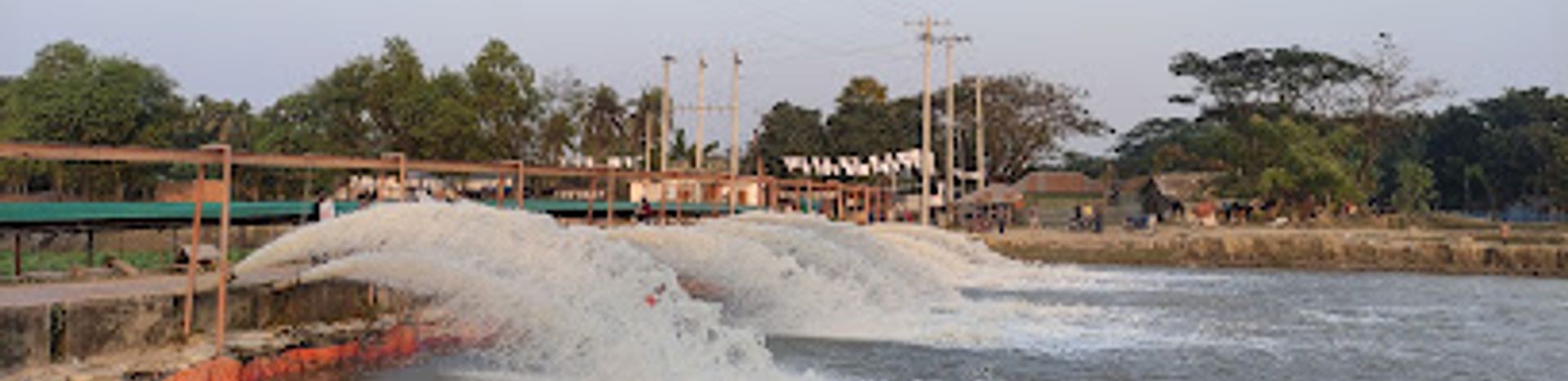
The Bhabadaha 21-Vent Sluice Gate is a significant water management structure near অভয়নগর in যশোর, Bangladesh. Constructed between 1958 and 1963, it aimed to regulate water flow across 128,000 hectares, preventing saline intrusion and aiding drainage for 27 বিলs (natural depressions). While initially successful, siltation has diminished its effectiveness over time.
A brief summary to ভবদহ ২১ ভেন্ট স্লুইস গেট
- W9M8+573, ভবদাহ, কলেজ Road, BD
Local tips
- Visit during the monsoon season to witness the full force of the water flowing through the sluice gates.
- Engage with locals to understand the history and impact of the sluice gate on their lives and agriculture.
- Take a boat ride along the টেক and মুক্তেশ্বরী rivers to appreciate the scale of the water management system.

Getting There
-
Walking
From the Bhabadaha Bazar, the sluice gate is approximately a 15-20 minute walk. Head east along the main road, then turn north following the canal. The gate will be visible in the distance. There are no costs associated with walking.
-
Public Transport
Local rickshaws or অটো are readily available from অভয়নগর. A short ride to the sluice gate area will cost approximately 20-30 BDT. Negotiate the price before starting your journey.
Discover more about ভবদহ ২১ ভেন্ট স্লুইস গেট
Iconic landmarks you can’t miss

Bharat Vaina, কেশবপুর যশোর
9.4 km
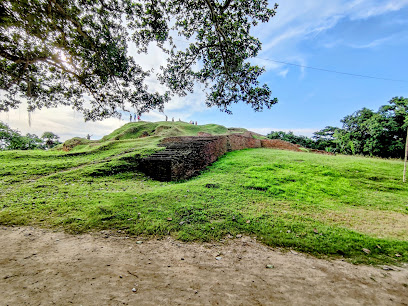
Explore the ancient ruins of Bharat Vaina in Keshabpur, a window into Bangladesh's rich archaeological past and Buddhist heritage.
১১ শিব মন্দির
11.0 km
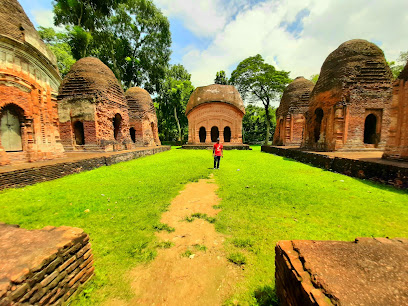
Discover the serene beauty and poignant history of the ১১ শিব মন্দির in Noapara, a testament to faith, love, and Bengal's rich architectural heritage.
Jahanabad Cantonment Park
13.4 km
Escape to tranquility at Jahanabad Cantonment Park in Khulna, a lush green oasis offering relaxation, recreation, and a vibrant community atmosphere for locals and tourists alike.
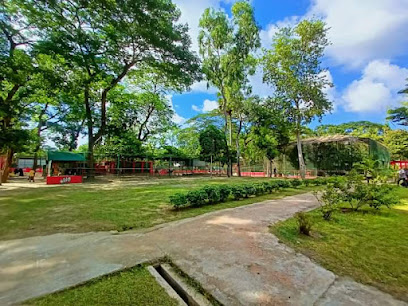
Durbar Bangla
14.5 km
Discover Durbar Bangla in Khulna: A powerful monument honoring Bangladesh's Liberation War, symbolizing courage and resilience within the heart of KUET campus.
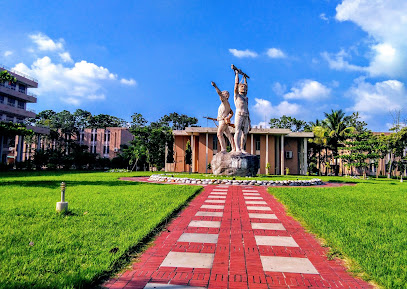
Shikari More
15.4 km
Explore Shikari More in Khulna, a vibrant town square filled with culture, food, and the lively spirit of Bangladesh.

Notun Rasta More
18.6 km
Experience the vibrant heart of Khulna at Notun Rasta More, a bustling town square where local culture, commerce, and community converge in an unforgettable Bangladeshi experience.
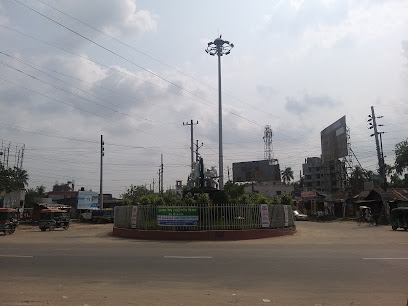
Mujgunni Park Lake
19.5 km
Escape to the tranquility of Mujgunni Park Lake in Khulna, where lush greenery meets serene waters, offering a perfect retreat for nature lovers and those seeking peaceful moments.
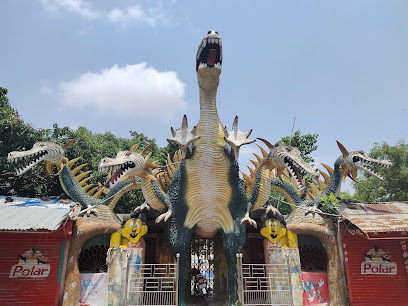
Wonder Land Park Lake
20.0 km
Escape to the tranquility of Wonder Land Park Lake in Khulna, a serene oasis perfect for families and nature lovers seeking relaxation.
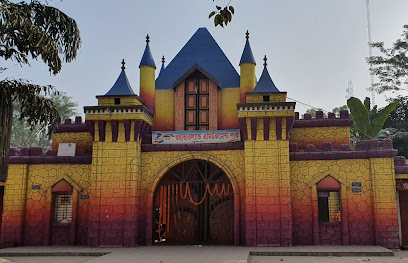
Boyra Bazar Jame Masjid
20.3 km
Discover the serene beauty and rich heritage of Boyra Bazar Jame Masjid, a cultural gem in Khulna, Bangladesh.
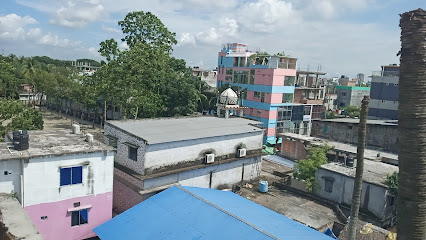
Alam Nagar More
20.5 km
Experience the vibrant heart of Khulna at Alam Nagar More, a bustling town square where culture, commerce, and community converge, offering an authentic taste of Bangladeshi life.
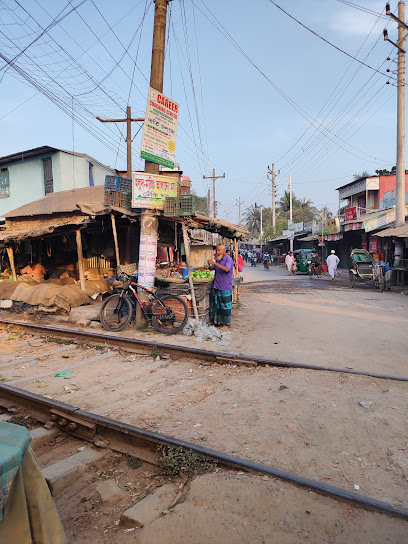
Khulna Bangladesh
20.8 km
Discover Khulna: Your gateway to the Sundarbans, a city where industry meets the serene beauty of Bangladesh's rich cultural heritage.
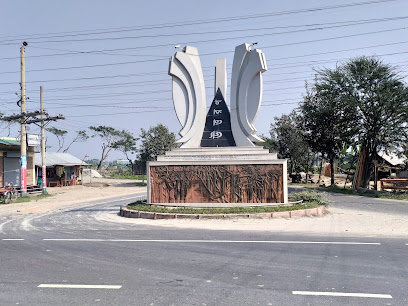
জয়বাংলা মোড় ( Joy Bangla Mor)
21.5 km
Experience the vibrant culture and rich history of Bangladesh at Joy Bangla Mor in Khulna, a bustling landmark offering a glimpse into the heart of the city.
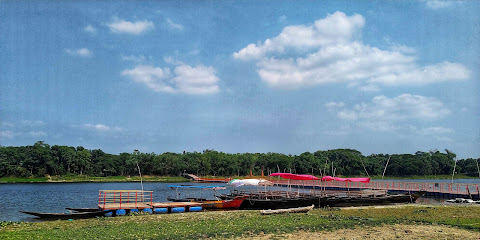
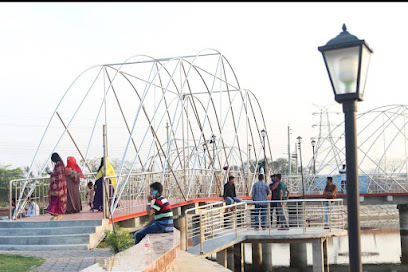
Bangabandhu Floating Bridge - 2
21.8 km
Discover the inspiring Bangabandhu Floating Bridge in Jhanpa, a symbol of community spirit offering breathtaking views and a unique cultural experience in rural Bangladesh.
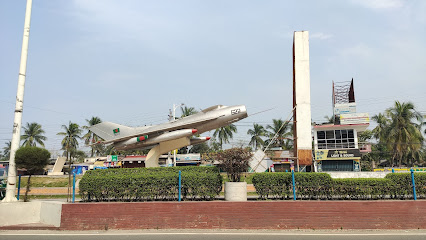
Bangladesh Biman Monument
22.1 km
Explore the Bangladesh Biman Monument in Khulna – a solemn tribute to national heroes and a serene spot for reflection and photography.
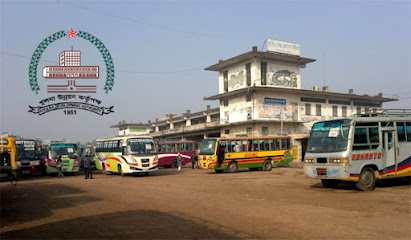
সোনাডাঙ্গা বাস টার্মিনাল জামে মসজিদ
22.1 km
Discover the serene beauty and cultural significance of Khulna's renowned mosque, a spiritual landmark near Sonadanga Bus Terminal.
Unmissable attractions to see

Bharat Rajar Deul
9.4 km
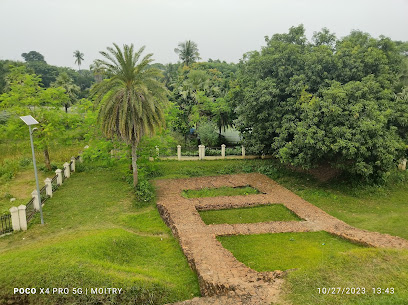
Discover the ancient Buddhist temple of Bharat Rajar Deul in Jessore, Bangladesh, a serene archaeological site with a rich history dating back to the Gupta period.
Dakkhindihi Rabindra Complex
11.5 km
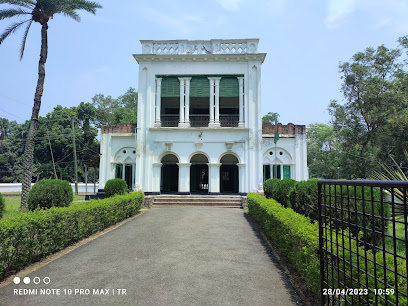
Discover the ancestral connections of Rabindranath Tagore at Dakkhindihi Rabindra Complex, a heritage museum near Khulna showcasing his family's legacy.
Teligati razarpurghat bypas bridge
12.5 km
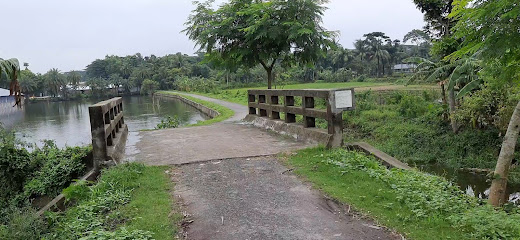
Experience the modern charm of Khulna at the Teligati Razarpurghat Bypass Bridge, offering scenic views and a connection to the heart of the city.
ভৈরব নদীর পাড়
13.2 km
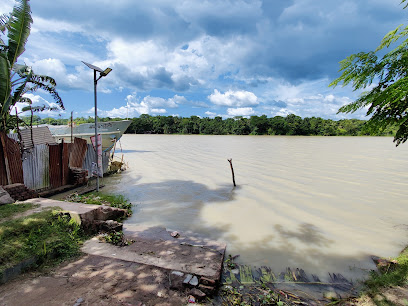
Experience tranquility at the Bhairab River Bank in Gilatala, a scenic spot perfect for relaxation and enjoying nature's beauty.
Bonobilash Zoo
13.5 km
Discover diverse wildlife in a tranquil setting at Bonobilash Zoo, Khulna – a perfect family escape for recreation, education, and conservation awareness.
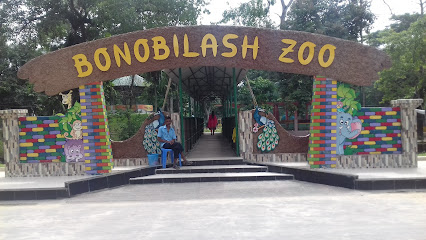
Padmo Pukur
14.5 km
Discover Padmo Pukur in Khulna: A serene escape offering natural beauty and cultural experiences for a memorable travel experience.
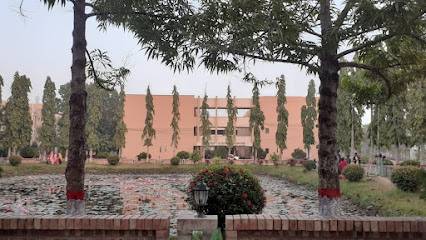
বট তলা
14.5 km
Discover the serene beauty of বট তলা in Khulna, a perfect blend of nature and culture for a peaceful escape.
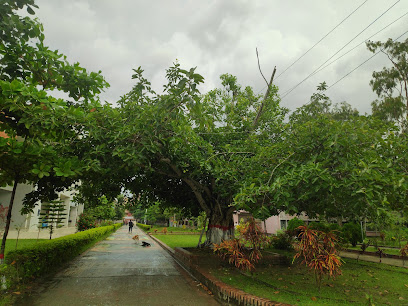
JOLJOCHNA WATER AMUSEMENT PARK
18.5 km
Experience a thrilling aquatic adventure at Joljochna Water Amusement Park in Khulna, perfect for families and friends seeking a refreshing escape.
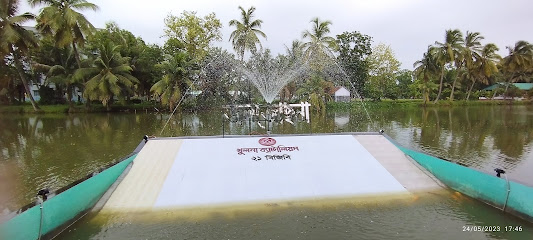
খুলনা নৌ কলোনী শিশু পার্ক
19.2 km
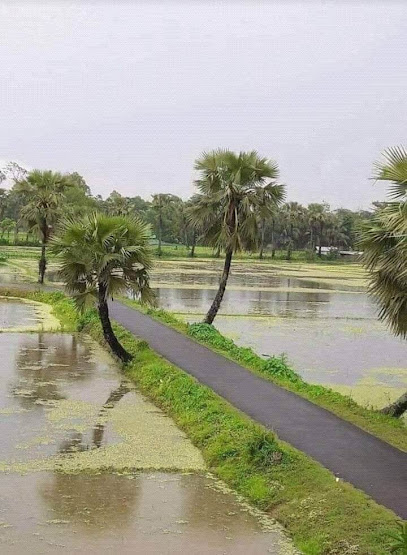
A cherished green space in Khulna's Goalkhali, offering a safe and enjoyable environment for families and children to relax and play.
KPS Shishu Park
19.2 km
Escape to Khulna's KPS Shishu Park: A family-friendly green space with playgrounds, gardens, and a peaceful atmosphere for all ages.
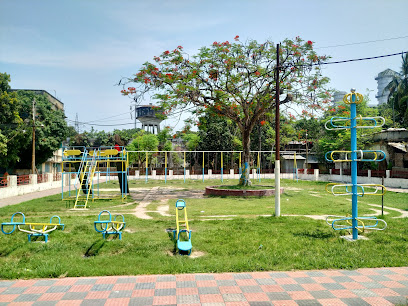
Wonderland Amusement Park
19.8 km
Experience thrilling rides and family fun at Wonderland Amusement Park, Khulna's favorite destination for a memorable day out.
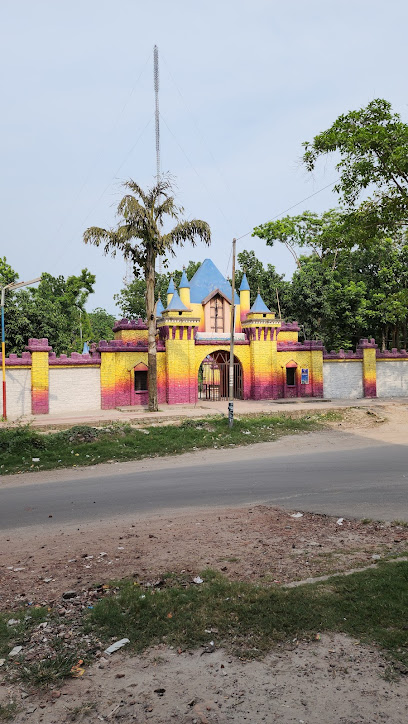
Mithi-Anika Tourist Cottage মিথি আনিকা টুরিস্ট কটেজ
20.8 km
Experience tranquil escapes and cultural richness at Mithi-Anika Tourist Cottage in Khulna, your gateway to Bangladesh's natural beauty.
Masranga Lake
21.5 km
Escape to the serene beauty of Masranga Lake in Khulna, Bangladesh, a perfect retreat for nature lovers and those seeking tranquility.
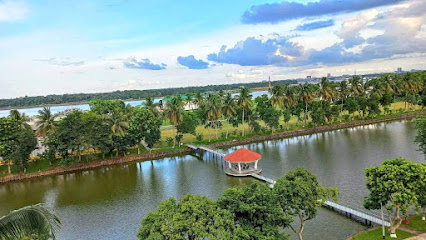
Moyuri Lake View Park
21.5 km
Escape to the tranquility of Moyuri Lake View Park in Khulna, a serene natural retreat perfect for relaxation and recreation.
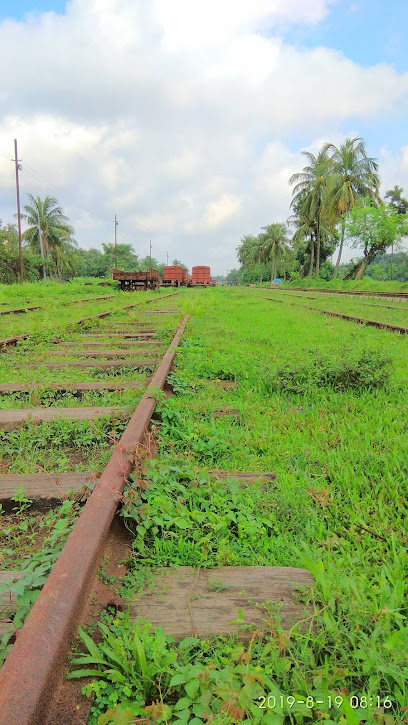
Joragate Rail line
21.7 km
Explore the historic Joragate Rail Line in Khulna, Bangladesh, where railway heritage meets breathtaking views and local culture.
Essential places to dine

Hotel Al-Jamil
14.7 km
Experience authentic Bangladeshi flavors at Hotel Al-Jamil in Khulna – where every meal tells a story.
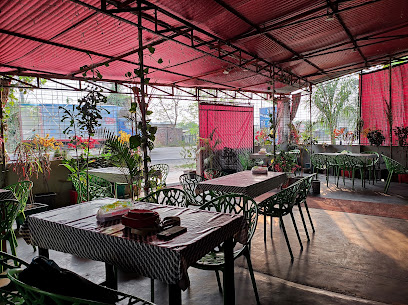
Olive & Western
15.2 km
Discover the rich flavors of Bangladesh at Olive & Western in Khulna - where local meets global in an unforgettable dining experience.
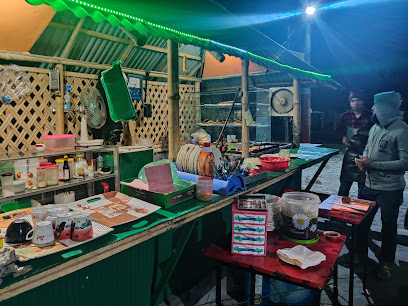
The Lake View Restaurant, Khulna
17.2 km
Experience exquisite dining at The Lake View Restaurant in Khulna with breathtaking lake views and delicious local cuisine.
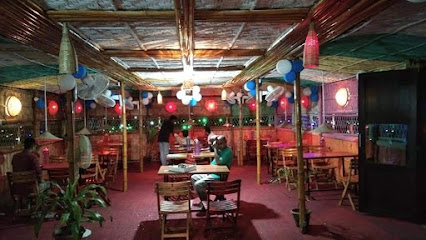
Candle Light Café & Restaurant
19.0 km
Discover Candle Light Café & Restaurant in Khulna – where delightful ambiance meets exquisite cuisine for an unforgettable dining experience.
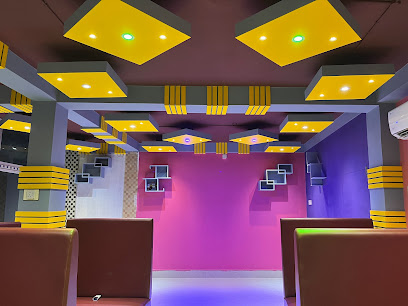
হুং'স
19.2 km
Savor authentic flavors at হুং'স, Khulna's premier dining destination offering diverse culinary experiences.
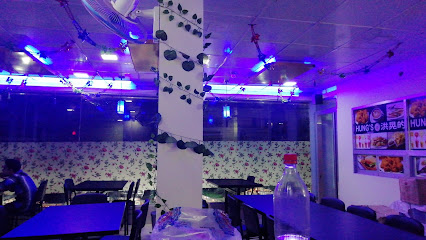
WALTON SHOW ROOM BOSUNDIA MORE
19.7 km
Experience exquisite dining at Walton Show Room Basundia More with diverse cuisine reflecting Bangladesh's rich culinary heritage.
Hungry Foodies
20.0 km
Discover the best seafood experience at Hungry Foodies in Khulna - fresh flavors and inviting ambiance await.
Shaikh construction
20.3 km
Experience authentic Bangladeshi cuisine at Shaikh Construction in Khulna - where every meal tells a story.
Food master
20.3 km
Experience the fusion of authentic Chinese flavors and fast food convenience at Food Master in Khulna.
Khulna Home Chef's
20.3 km
Experience authentic Bangladeshi flavors at Khulna Home Chef's – where every dish tells a story.
House Metal
20.4 km
Experience authentic Croatian cuisine in Khulna at House Metal, where tradition meets culinary excellence.
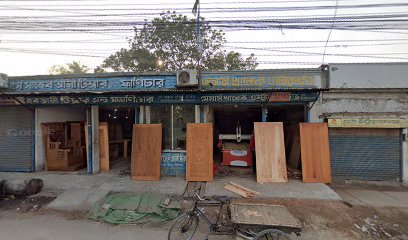
বর্ণ রেষ্টুরেন্টএন্ড পানিপুরি
20.8 km
Experience the authentic taste of Bangladesh at Borno Restaurant & Panipuri in Khulna – where every bite tells a story.
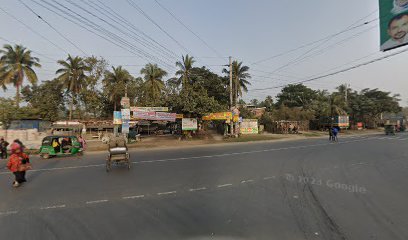
Mezban Restaurant
21.2 km
Experience the vibrant flavors of Bangladeshi cuisine at Mezban Restaurant in Khulna, where every dish tells a story.
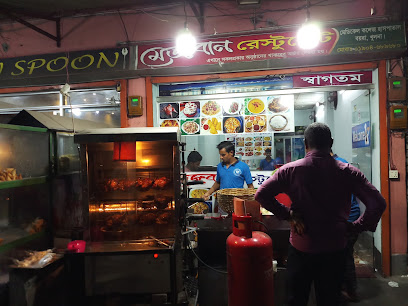
Golden Spoon
21.2 km
Experience the vibrant flavors of Khulna at Golden Spoon - your go-to destination for delicious fast food delights.
A Rahman Hotel & Restaurant
21.4 km
Experience authentic Bangladeshi cuisine at A Rahman Hotel & Restaurant along Khulna-Jessore Highway.
Markets, malls and hidden boutiques

Fulbarigate Market
15.4 km
Discover the heart of Khulna at Fulbarigate Market, where local culture, vibrant stalls, and delicious street food await every visitor.
Khulna Market
19.6 km
Discover the vibrant Khulna Market, a must-visit destination for natural goods, local flavors, and an unforgettable cultural experience.
Small shop
19.6 km
Explore a charming variety store offering unique souvenirs, local snacks, and authentic cultural experiences in a warm, inviting atmosphere.
আশিক স্টোর
20.2 km
Experience the local charm at Ashik Store, your go-to general store in Khulna for unique finds and everyday essentials.
Gift Corner
20.3 km
Discover unique handcrafted souvenirs and gifts that encapsulate the vibrant culture of Khulna at Gift Corner, a must-visit shop in Boyra Bazar.
Neer Mela BD
20.3 km
Explore Neer Mela BD in Khulna for an unforgettable shopping experience filled with stylish women's clothing and unique local fashion.
new hello khulna
20.4 km
Discover modern mobile homes and local culture at New Hello Khulna, your gateway to comfortable living in Bangladesh.
Boikali Bazar
20.4 km
Immerse yourself in the authentic culture of Khulna at Boikali Bazar, a bustling market filled with local goods and delicious street food.
Tanjim Fashion
20.4 km
Explore the vibrant clothing scene at Tanjim Fashion in Khulna, offering trendy outfits that blend modern style with traditional flair.
Shoaib Fashion Corner
20.4 km
Discover the vibrant world of Bangladeshi fashion at Shoaib Fashion Corner, a clothing store in Khulna offering traditional and modern styles.
ANTIK SORDER
20.6 km
Explore the vibrant world of fashion accessories at Antik Sorder in Khulna, where local craftsmanship meets contemporary style.
Ser a Bangla road khulna islamic
20.6 km
Explore the exquisite craftsmanship at Ser a Bangla Road Jewelry Store in Khulna, where tradition meets elegance in every piece.
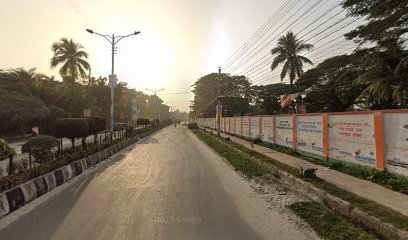
সুমিত্রা বস্ত্রালয়
20.6 km
Explore unique Bangladeshi fashion at Sumiṭrā Bastrālay, where traditional elegance meets contemporary style in the heart of Khulna.
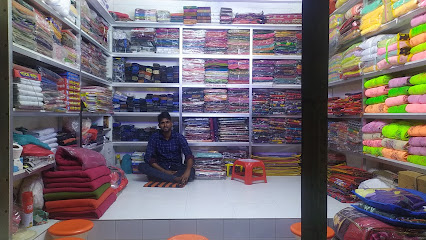
খোকন স্টর
20.8 km
Discover the vibrant shopping experience at Khokon Store in Khulna, where traditional handicrafts meet modern convenience, perfect for every tourist.
বিসমিল্লাহ নার্সারী খুলনা
20.8 km
Explore Bismillah Nursery in Khulna, a lush paradise for plant lovers with a diverse selection of flora and expert gardening advice.
Essential bars & hidden hideouts

Adi ghosh diary
19.0 km
Visit Adi Ghosh Diary in Khulna for a blend of local culture and refreshing drinks in a vibrant bar atmosphere.
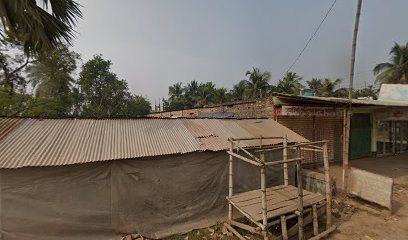
উলা বাজার
20.4 km
Discover the lively ambiance of উলা বাজার in Khulna, where vibrant nightlife meets local culture for an unforgettable experience.

Only Toslim
20.4 km
Discover the authentic taste of Khulna with a culinary journey at Only Toslim, where every bite is a celebration of grilled perfection.
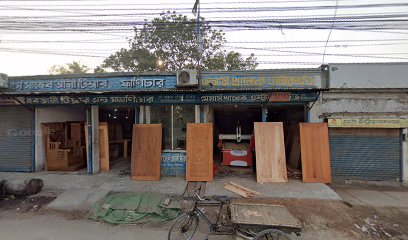
nahid gazi
20.4 km
Discover the lively spirit of Khulna at Nahid Gazi, a premier live music bar where local culture comes alive through unforgettable performances.
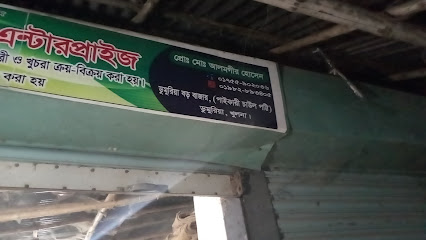
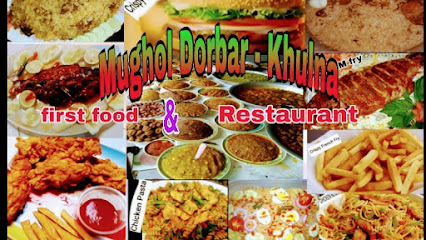
Mughol dorbar-khulna
20.4 km
Experience the authentic flavors of Bangladesh at Mughol Dorbar-Khulna, a culinary haven in the heart of Khulna.
Sports 24 BD
21.8 km
Join the excitement at Sports 24 BD, Khulna's vibrant sports bar where fans unite for thrilling live games and delicious refreshments.
Khalar fresh fruit and juice
22.3 km
Experience the vibrant flavors of Khulna with fresh juices and fruits at Khalar Fresh Fruit and Juice, your perfect refreshment stop.
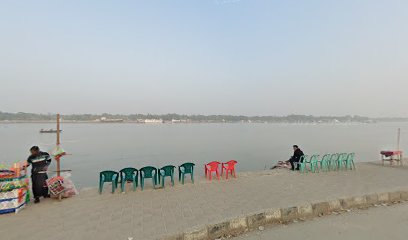
Coffee Glory, Khulna
22.4 km
Discover the rich flavors of coffee and delectable treats at Coffee Glory in Khulna, a must-visit café for travelers seeking a delightful break.
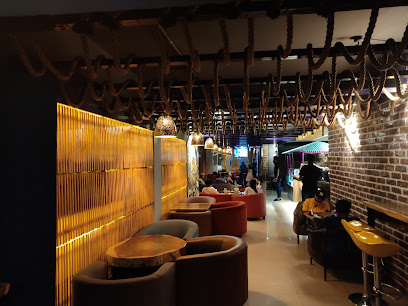
Md Ismail Hossain
22.5 km
Discover the authentic nightlife at Md Ismail Hossain Bar, where locals and tourists mingle in the heart of Khulna's vibrant social scene.
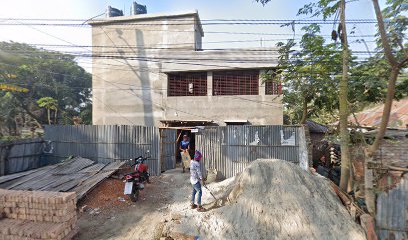
Dhaba @ Road Side
22.7 km
Savor the authentic taste of Bangladesh at Dhaba @ Road Side, where traditional biriyani meets modern hospitality in Khulna.
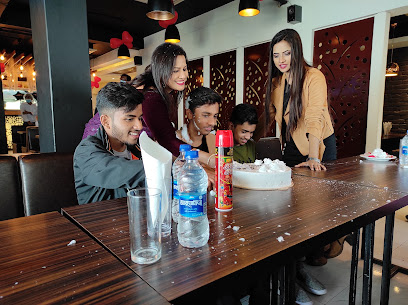
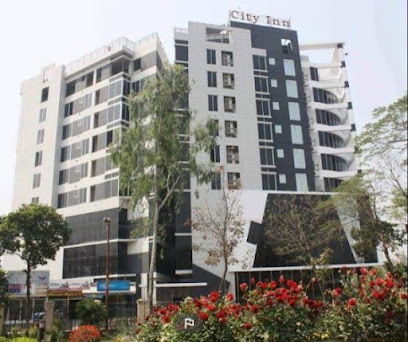
City Inn Limited
22.7 km
Discover the rich flavors of Khulna at City Inn Limited, a top-rated restaurant and hotel offering an unforgettable dining experience.
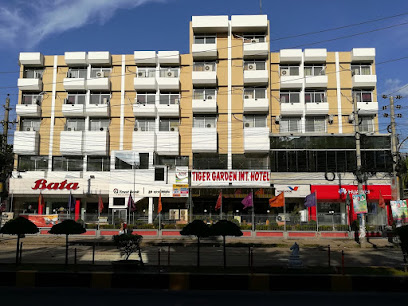
Tiger Garden Int. Hotel
22.9 km
Discover the elegance of Tiger Garden International Hotel, a perfect blend of luxury, fine dining, and stunning event venues in Khulna.
SPICY INN
23.0 km
Experience the vibrant flavors of Khulna at Spicy Inn, where authentic spices and warm hospitality create unforgettable dining moments.
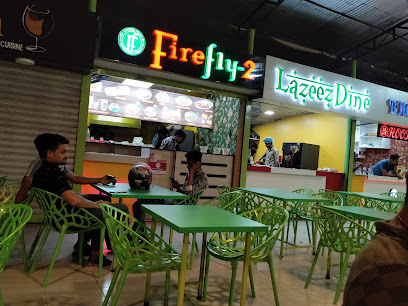
Wendy's food Court
23.0 km
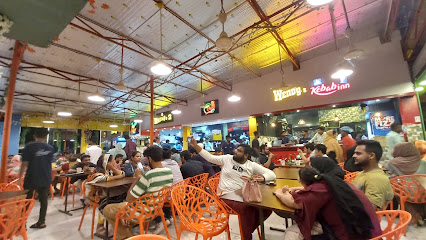
Indulge in the flavors of Wendy's Food Court in Khulna, where delicious fast food meets a vibrant dining experience.
Gesco Kabab
23.6 km
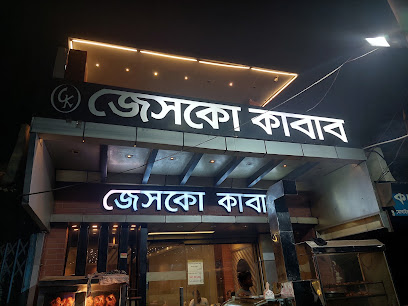
Experience the authentic taste of Bangladesh at Gesco Kabab, Khulna's premier destination for delicious kebabs and local cuisine.
Nightclubs & after hour spots

United Club
17.3 km
Discover the vibrant nightlife at United Club in Debnagar, where music, dance, and an electrifying atmosphere come together for an unforgettable experience.
NRB Night Riders Bangladesh (Khulna)
18.1 km
Dive into Khulna's vibrant nightlife at NRB Night Riders Bangladesh, where music, drinks, and unforgettable memories await.
Project
19.2 km
Discover Khulna's vibrant nightlife at Project, the ultimate night club experience where music and dance come alive.
স্বাধীন এর বাসা
19.7 km
Discover the vibrant nightlife of Khulna at স্বাধীন এর বাসা, where music, dance, and fun come together for an unforgettable evening.
Alamgir maitors
22.7 km
Unleash your night at Alamgir Maitors, Khulna's premier night club, where vibrant music and dance create unforgettable experiences.
Rafiq
22.8 km
Discover the vibrant nightlife at Rafiq, Khulna's premier night club, where music, dance, and unforgettable experiences await every night.
Mostak store
24.0 km
Experience the electrifying nightlife at Mostak Store in Rajapur, where music, dance, and vibrant energy create unforgettable moments.
Bachelor Center
24.3 km
Discover Khulna's nightlife at Bachelor Center, where rhythm meets revelry in a vibrant atmosphere that promises unforgettable experiences.
হিমেলের চিপা
24.5 km
Dive into Khulna's nightlife at হিমেলের চিপা, a vibrant night club offering exquisite drinks, lively music, and an unforgettable party atmosphere.
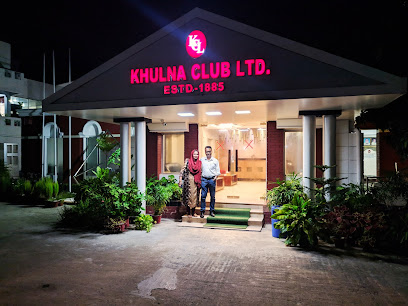
Khulna Club Ltd
24.9 km
Discover the charm of Khulna Club Ltd, a social club offering delicious cuisine and a vibrant atmosphere in the heart of Khulna.
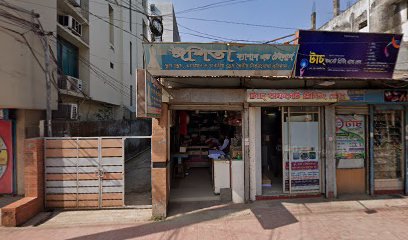
SHAMIM ISLAM KAZIPUR
25.4 km
Experience the electrifying nightlife of Jashore at Shamim Islam Kazipur, where music, dance, and vibrant energy come together for an unforgettable evening.
Jang Point
27.0 km
Discover the electrifying nightlife at Jang Point, where dancing, music, and unforgettable experiences await every visitor.
biri khawar jaiga
27.7 km
Discover the vibrant nightlife at Biri Khawar Jaiga, a premier night club in Patkelghata that promises an electrifying atmosphere and unforgettable experiences.
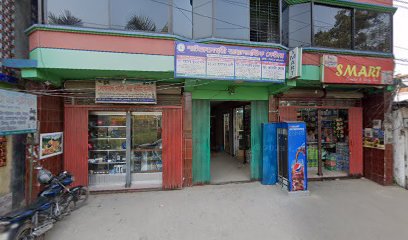
ভাই ভাই ইস্টোর
28.9 km
Experience the vibrant nightlife of Jashore at Vhai Vhai Eastor, a must-visit nightclub for music lovers and party-goers.
Chandpara,চাঁদপাড়া
32.5 km
Discover the vibrant nightlife of Chandpara in Jashore, where music, dance, and local flavors come together for an unforgettable experience.