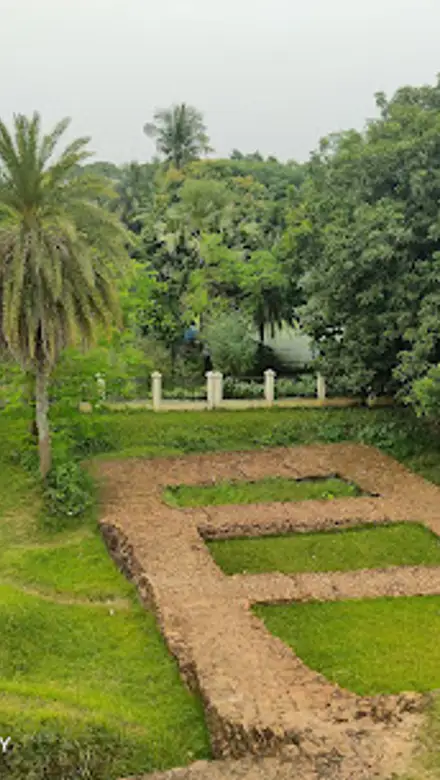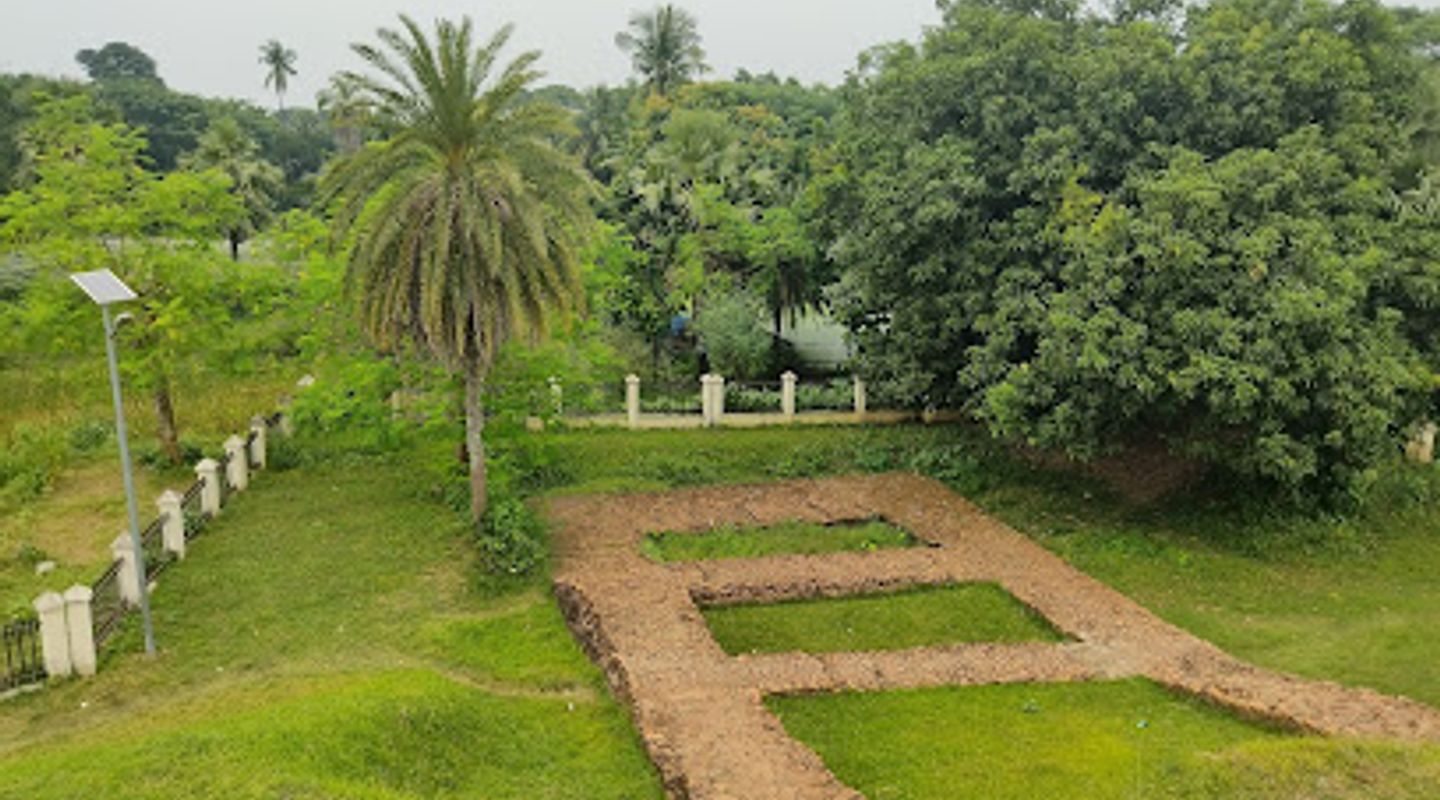
Bharat Rajar Deul, Khulna Division Travel Guide
Discover the ancient Buddhist temple of Bharat Rajar Deul in Jessore, Bangladesh, a serene archaeological site with a rich history dating back to the Gupta period.
Explore the ancient Buddhist temple of Bharat Rajar Deul in Jessore, Bangladesh, a serene archaeological site with intricate carvings and a rich history dating back to the Gupta period. This historical site, nestled on the banks of the Bhadra River in the village of Gaurighona, offers a fascinating glimpse into the region's rich past.
A brief summary to Bharat Rajar Deul
- R8XX+WJG, BD
- Click to display
- Monday 10:01 am-5 pm
- Tuesday 10 am-5 pm
- Wednesday 10 am-5 pm
- Thursday 10 am-5 pm
- Friday 10 am-5 pm
- Saturday 10 am-5 pm

Know before you go
Hi, I'm Eve. Here are a few practical things to know before exploring Bharat Rajar Deul.
- Visit during the cooler months (November to February) for a more comfortable experience, as the weather in Jessore can be hot and humid during other times of the year.
- Hire a local guide to learn more about the history and significance of the temple, as there is limited information available on-site.
- Dress modestly and respectfully when visiting the temple, as it is considered a sacred site.
- Combine your visit with a trip to nearby attractions like the Michael Madhusudan Dutt Memorial for a fuller cultural experience.
Do you manage this location?
Take control to get all the benefits, like improved information, better appearance, and stronger visibility across AI-powered discovery. Learn more about listing your business on Evendo
Activate your presenceOther nearby places you may find interesting
The closest places of the same kind, if this one is not quite what you had in mind.

Explore Bharat Rajar Deul on the Map
A handpicked selection of must-see spots near Bharat Rajar Deul, mapped for you.
Getting There
-
Public Transport
From Jessore city center (e.g., near the Jessore Collectorate), take a bus towards Keshabpur. Buses are frequent and cost approximately 30-50 BDT. Get off at Chuknagar Bazar. From Chuknagar Bazar, hire an easybike (a type of electric rickshaw) or CNG (auto-rickshaw) to Bharat Rajar Deul, which is about 5 km away. Negotiate the fare beforehand, typically around 80-120 BDT for the easybike or 100-150 BDT for the CNG. The journey from Chuknagar to the Deul takes about 15-20 minutes.
-
Taxi/Ride-Share
From Jessore city, you can hire a taxi or ride-sharing service (like Uber or Pathao, if available) directly to Bharat Rajar Deul. The ride is approximately 30-45 minutes, depending on traffic. Expect to pay around 300-450 BDT for the trip.
Discover more about Bharat Rajar Deul













Your all‑in‑one travel companion app
Explore expert travel guides, compare and book tours, experiences, hotels, and more—all from the palm of your hand. Download now for seamless trip planning wherever your wanderlust takes you.


Explore More of Khulna Division
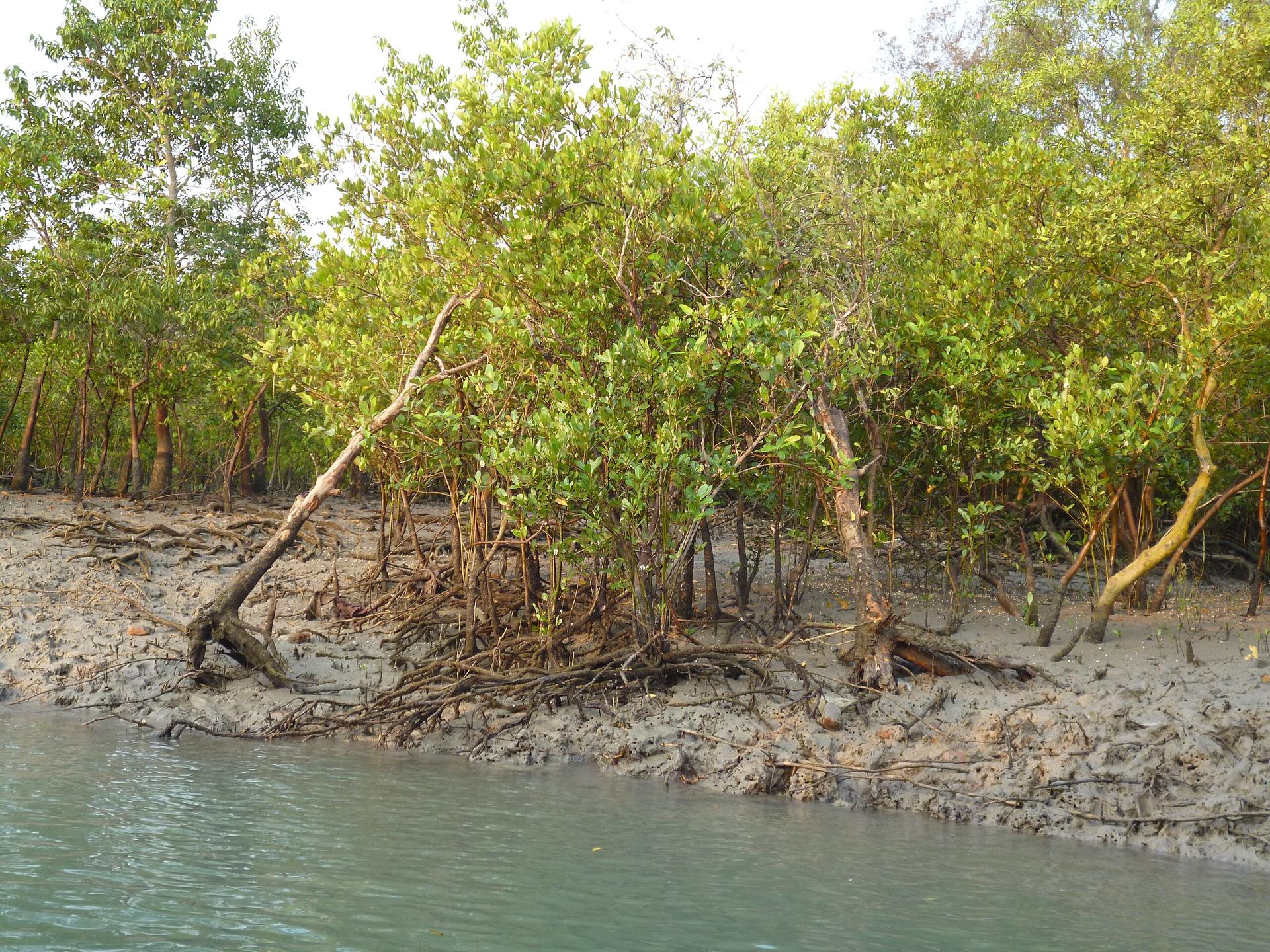
Looking beyond Bharat Rajar Deul? Discover Khulna Division for broader travel guides, local hot-spots, and regional highlights.
Explore Khulna Division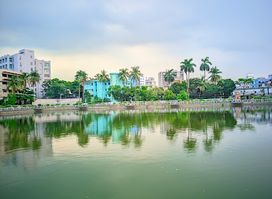
Find serenity at Khulna's Park Fountain, a modern oasis offering a refreshing escape and a picturesque setting for relaxation in the city.

Explore the historic Bhabadaha 21-Vent Sluice Gate, a monumental water management structure in Bangladesh, and learn about the region's struggle with waterlogging.