১১ শিব মন্দির, Southern Bengal Travel Guide
Discover the serene beauty and poignant history of the ১১ শিব মন্দির in Noapara, a testament to faith, love, and Bengal's rich architectural heritage.
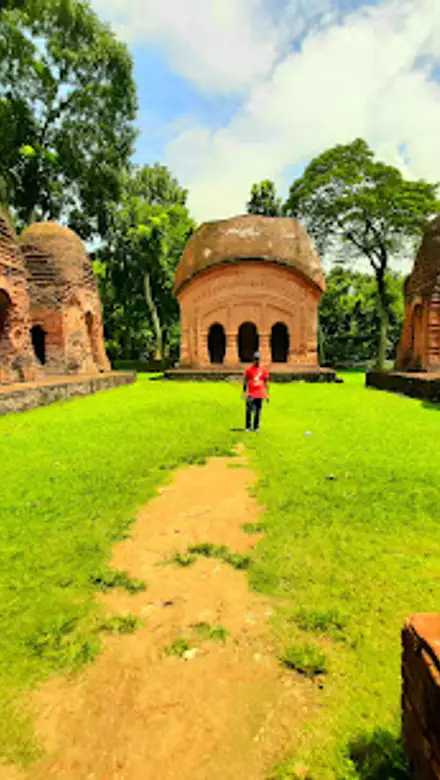
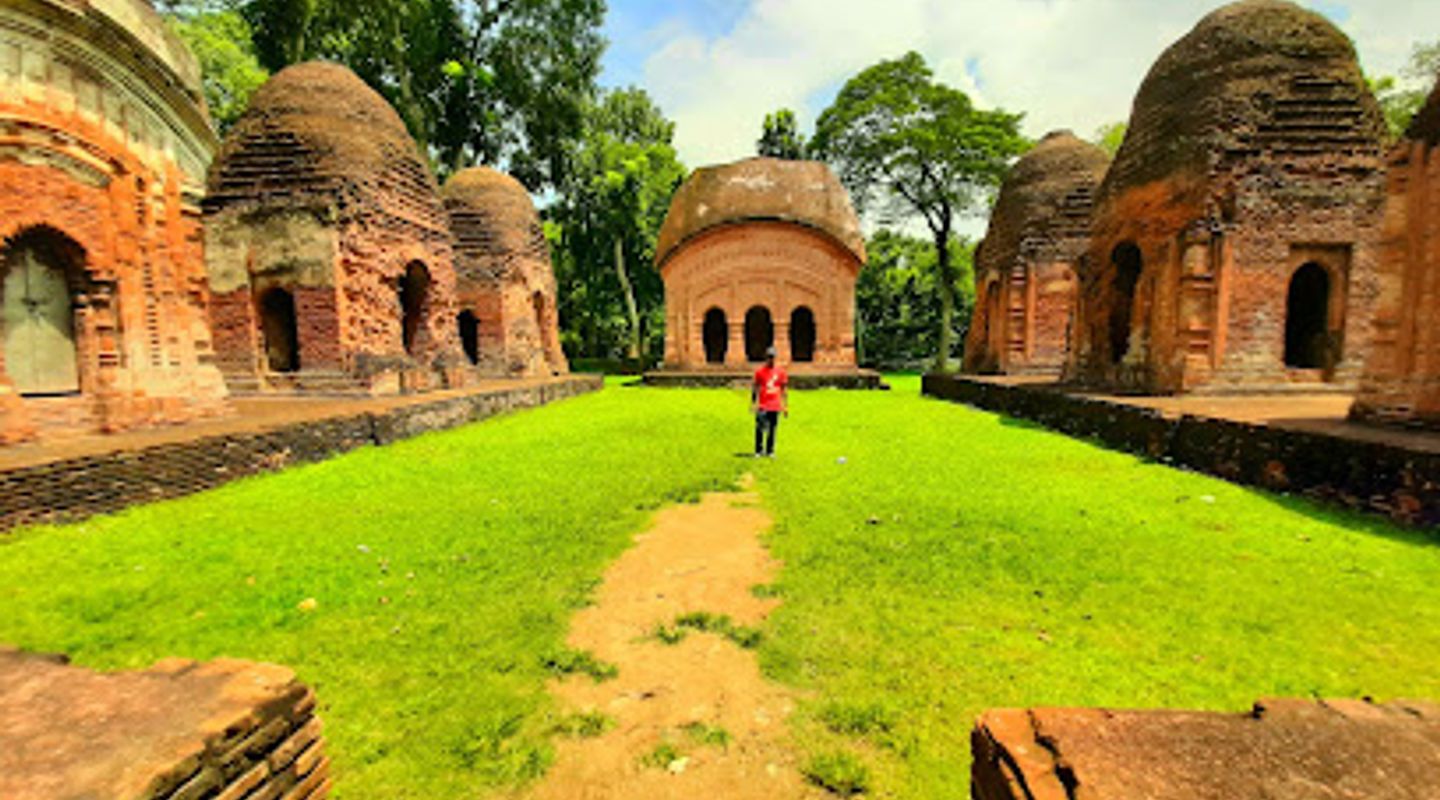
The ১১ শিব মন্দির (11 Shiva Temple) in Noapara, Bangladesh, is a captivating complex of eleven ancient Shiva temples steeped in local lore and architectural beauty. Built in the mid-1700s by Raja Nilkantha Roy, the temples are linked to a poignant tale of his daughter, অভয়া ( অভয়া ), who, after tragically losing her husband shortly after their marriage, devoted her life to Shiva. The temples, constructed to honor her devotion, showcase a unique blend of architectural styles and stand as a testament to both faith and enduring love. Though time has weathered the structures, their intricate designs and serene setting along the Bhairab River continue to draw visitors seeking a glimpse into the region's rich history and spiritual heritage. Exploring the temple grounds offers a tranquil escape and a chance to connect with the echoes of অভয়া's story.
A brief summary to ১১ শিব মন্দির
- 2C5M+W7Q, N7, Noapara, BD
- Monday 9 am-5 pm
- Tuesday 9 am-5 pm
- Wednesday 9 am-5 pm
- Thursday 9 am-5 pm
- Sunday 9 am-5 pm

Know before you go
Hi, I'm Eve. Here are a few practical things to know before exploring ১১ শিব মন্দির.
- Visit during the cooler months (November to February) for a more comfortable experience, as the weather in Bangladesh can be hot and humid.
- Dress modestly when visiting the temple to respect local customs and religious sensitivities. Shoulders and knees should be covered.
- Hire a local guide to learn more about the history and significance of the temples. They can provide valuable insights and stories not found in guidebooks.
- Combine your visit to the ১১ শিব মন্দির with a trip to the nearby Sundarbans, the world's largest mangrove forest, for a diverse travel experience.
- Be mindful of the environment and avoid littering. Help preserve the beauty of the temple grounds for future visitors.
Do you manage this location?
Take control to get all the benefits, like improved information, better appearance, and stronger visibility across AI-powered discovery. Learn more about listing your business on Evendo
Activate your presenceOther nearby places you may find interesting
The closest places of the same kind, if this one is not quite what you had in mind.

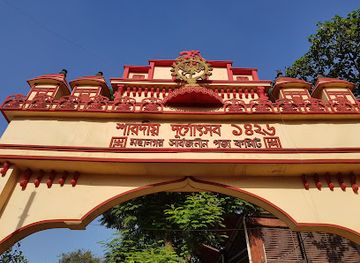
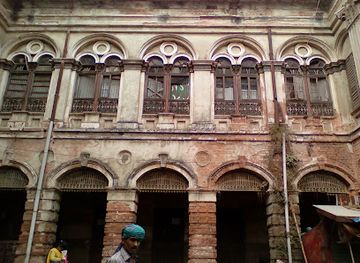
Explore ১১ শিব মন্দির on the Map
A handpicked selection of must-see spots near ১১ শিব মন্দির, mapped for you.
Getting There
-
Public Transport
From Jessore city, take a local bus or a ' মাহিন্দ্র ' ( Mahindra, a type of shared auto-rickshaw) towards Noapara. Buses are frequent and inexpensive, costing approximately 20-30 BDT. The journey to Noapara takes around 45 minutes to 1 hour, depending on traffic. From Noapara bus stand, hire a local rickshaw or auto-rickshaw to the ১১ শিব মন্দির, which is roughly 2-3 kilometers away. This final leg should cost around 30-50 BDT. Be sure to agree on the fare before starting your ride.
-
Taxi/Ride-Share
From Jessore city, a taxi or ride-sharing service (such as Uber or Pathao) directly to the ১১ শিব মন্দির is the most convenient option. The ride takes approximately 45 minutes, depending on traffic conditions. Expect to pay around 200-300 BDT for the entire trip. Note that ride-sharing availability may be limited in certain areas.
-
Walking
If you are arriving by train at Noapara Railway Station, the ১১ শিব মন্দির is approximately a 30-45 minute walk. Exit the station and head east along the main road (N7). Follow the road for about 2 kilometers, passing through the Noapara market area. Look for a smaller lane on the right side, leading towards the river. The temple is located a short distance down this lane. While walking, be aware of traffic and road conditions.
Discover more about ১১ শিব মন্দির













Your all‑in‑one travel companion app
Explore expert travel guides, compare and book tours, experiences, hotels, and more—all from the palm of your hand. Download now for seamless trip planning wherever your wanderlust takes you.


Explore More of Southern Bengal
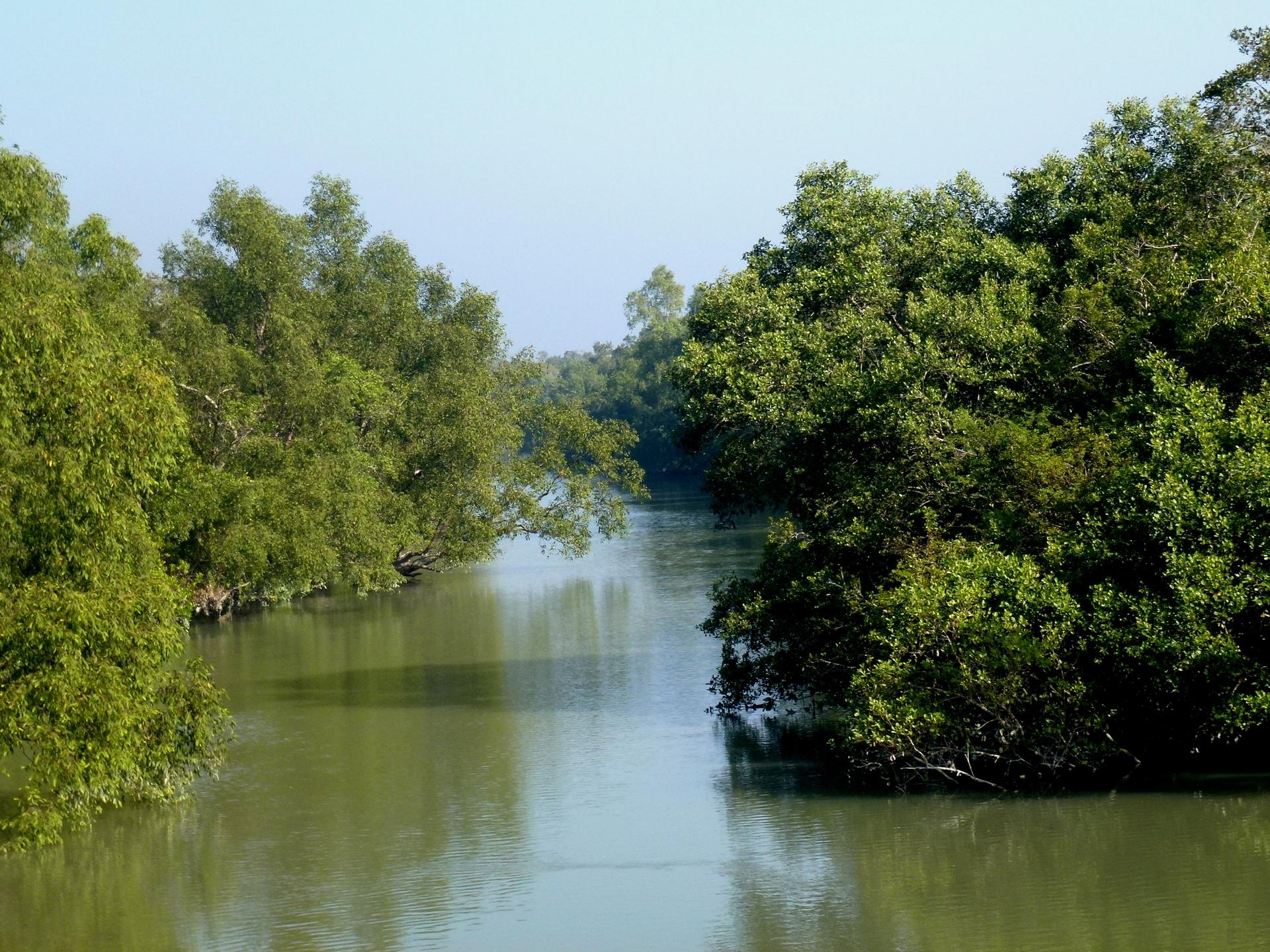
Looking beyond ১১ শিব মন্দির? Discover Southern Bengal for broader travel guides, local hot-spots, and regional highlights.
Explore Southern Bengal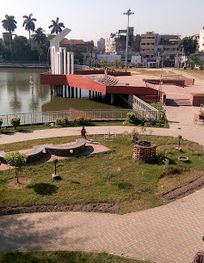
Discover the lush landscapes and vibrant atmosphere of Shahid Hadis Park, Khulna's perfect oasis for relaxation and recreation.
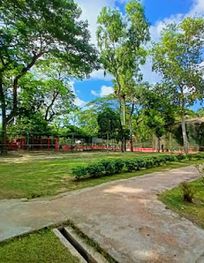
Escape to tranquility at Jahanabad Cantonment Park in Khulna, a lush green oasis offering relaxation, recreation, and a vibrant community atmosphere for locals and tourists alike.