Khan Jahan Ali Majar: A Revered Sufi Saint's Resting Place
Explore the serene tomb complex of Khan Jahan Ali in Bagerhat, a 15th-century Sufi saint's legacy blending spiritual reverence with unique Bengali-Islamic architecture and crocodile ponds.
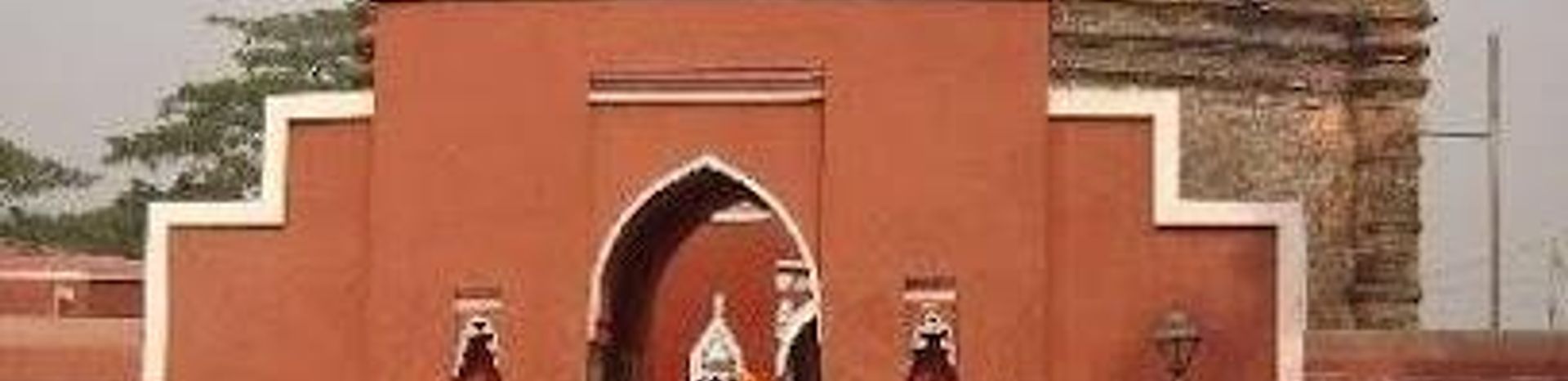
Khan Jahan Ali Majar, located in Bagerhat, Bangladesh, is the revered tomb complex of the 15th-century Sufi saint Khan Jahan Ali. This historical site offers a glimpse into the life and legacy of a man who transformed the region, blending spiritual significance with architectural beauty. The complex includes the saint's tomb, a single-domed mosque, and a pond teeming with crocodiles, creating a unique and captivating experience for visitors. Pilgrims and tourists alike visit to pay their respects and admire the intricate terracotta designs that adorn the structures. The Majar stands as a testament to Khan Jahan Ali's enduring influence and the rich cultural heritage of Bagerhat, a city recognized as a UNESCO World Heritage Site. Exploring this sacred space provides a serene and insightful journey into the region's history and Islamic traditions, making it a must-see destination for those seeking cultural enrichment and spiritual reflection.
A brief summary to Khan Jahan Ali Majar
- Khan Jahan Ali Majar Rd, Bagerhat, Shaitgomboj, BD
Local tips
- Visit early in the morning to avoid crowds and experience the tranquil atmosphere of the Majar complex.
- Dress respectfully when visiting the Majar, as it is a religious site. Avoid wearing revealing clothing.
- Take some time to observe the crocodiles in the pond, but maintain a safe distance and do not attempt to feed them.
- Hire a local guide to learn more about the history and significance of Khan Jahan Ali and the Majar complex.
- Combine your visit to the Majar with a trip to the nearby Sixty Dome Mosque and the Sundarbans for a complete Bagerhat experience.

Getting There
-
Public Transport
From Bagerhat District Bus Stand, take a local bus, microbus, CNG, or auto-rickshaw towards Khan Jahan Ali Majar. These options are readily available and frequently travel along the route. Inform the driver of your destination; the Majar is situated by the roadside, making it easily accessible. The ride typically costs between 20-50 Tk per person, depending on the mode of transport and distance.
-
Taxi/Ride-Share
From anywhere in Bagerhat city, you can hire a taxi or use ride-sharing apps like Uber to reach Khan Jahan Ali Majar. The journey is relatively short and straightforward. A taxi or ride-share will cost approximately 80-150 Tk, depending on the distance and traffic conditions. Ensure the driver knows the location of Khan Jahan Ali Majar, as it's a well-known landmark.
-
Walking
If you are already near the Khulna-Bagerhat highway, the Majar is easily accessible by foot. From the highway, it's a short 5-minute walk to the shrine. This is a convenient option if you're visiting nearby attractions like the Sixty Dome Mosque, as the Majar is not far from there. Be mindful of traffic when walking along the highway.
Discover more about Khan Jahan Ali Majar
Iconic landmarks you can’t miss

Khan Jahan Ali Majar
0.0 km
Explore the serene tomb complex of Khan Jahan Ali in Bagerhat, a 15th-century Sufi saint's legacy blending spiritual reverence with unique Bengali-Islamic architecture and crocodile ponds.
রাজবাড়ি
24.7 km
Explore the echoes of Khulna's past at রাজবাড়ি, a symbolic landmark representing the region's rich cultural heritage and historical significance, inviting you to discover the stories etched in time.
PTI More
25.4 km
Experience the vibrant heart of Khulna at PTI More, a bustling town square where local culture thrives, offering authentic street food, unique crafts, and a warm community atmosphere.
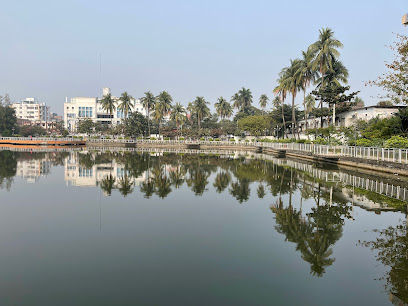
Hadis Park Pond
25.9 km
Explore the tranquility of Hadis Park Pond, a historical landmark in Khulna, offering serene views and a glimpse into the local culture.
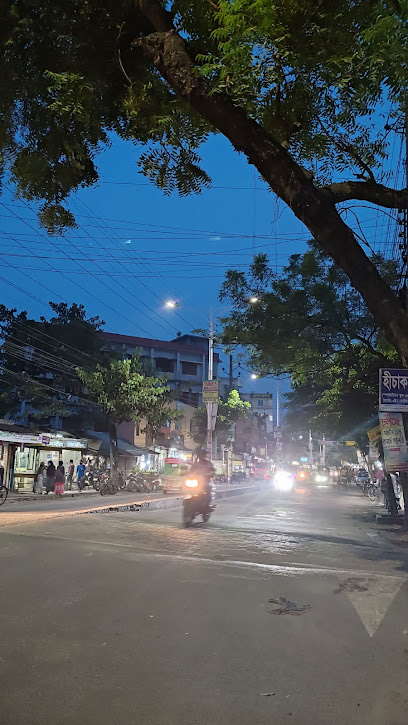
Nirala More
25.9 km
Experience the vibrant heart of Khulna at Nirala More, a bustling town square offering a taste of local culture, cuisine, and community spirit.
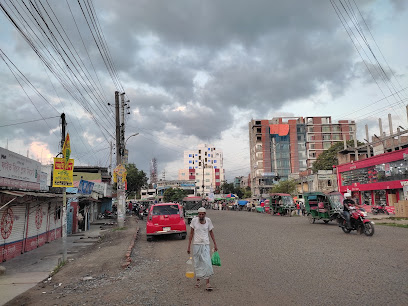
7 Rasta More
26.0 km
Experience the vibrant heart of Khulna at 7 Rasta More, a bustling town square where culture, commerce, and daily life converge.
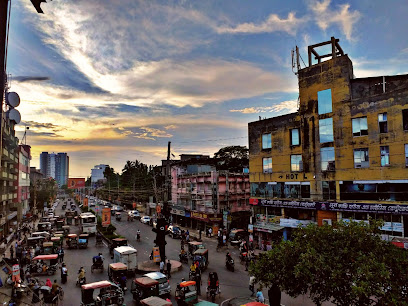
Picture Palace More
26.1 km
Experience the vibrant heart of Khulna at Picture Palace More, a bustling town square where culture, commerce, and community converge.
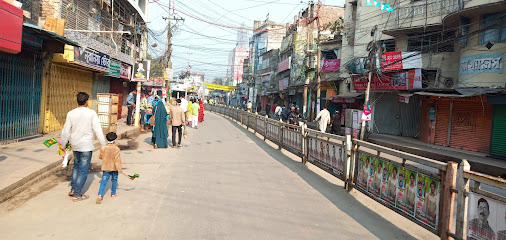
Arya Dharmasabha Kali Temple
26.1 km
Discover the spiritual heart of Khulna at the Arya Dharmasabha Kali Temple, a vibrant center of Hindu tradition and architectural beauty.
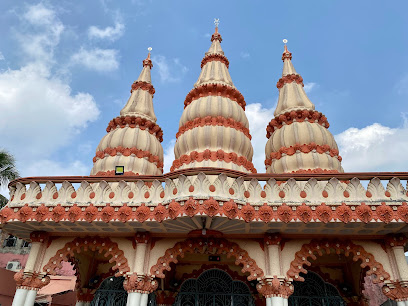
কাসেমিয়া মসজিদ মোড়, খুলনা
26.3 km
Explore Khulna's Historical Landmark: A Journey Through Bangladesh's Rich Heritage and Architectural Splendor.
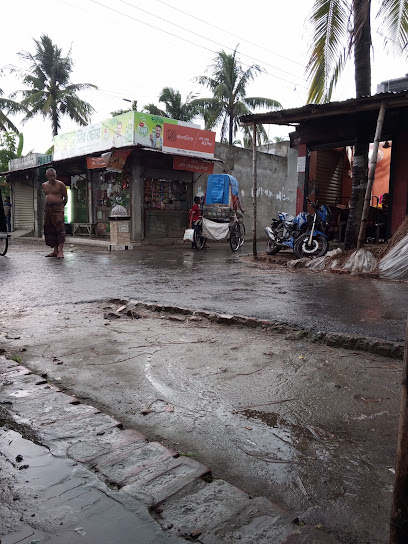
shat Gambuz monument khulna
26.4 km
Explore the Shat Gambuz Monument, a key historical landmark in Khulna, showcasing the rich heritage and architectural beauty of Bangladesh.
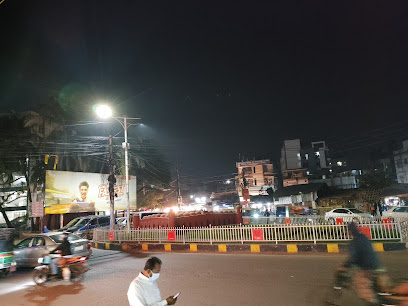
ময়লাপোতা মোড়
26.5 km
Experience the vibrant heart of Khulna at Moylapota More, a bustling town square offering a taste of local culture and community life.
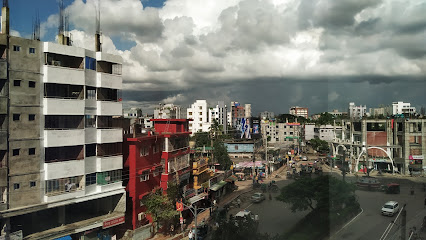
Ferryghat Genocide, Khulna
26.5 km
Explore the compelling history of Ferryghat Genocide in Khulna, a significant landmark commemorating the struggle for independence in Bangladesh.
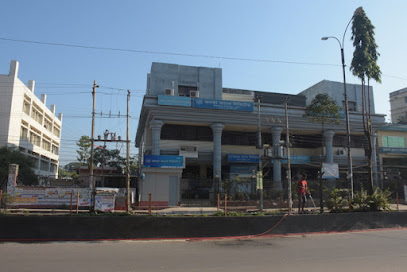
Sundarban Mangrove Forest
26.7 km
Explore the Sundarban Mangrove Forest, home to the Royal Bengal Tiger, a UNESCO World Heritage Site offering unparalleled biodiversity and thrilling wilderness adventures.

Power House More
26.8 km
Experience the vibrant heart of Khulna at Power House More, a bustling town square filled with culture, street food, and unique shopping.
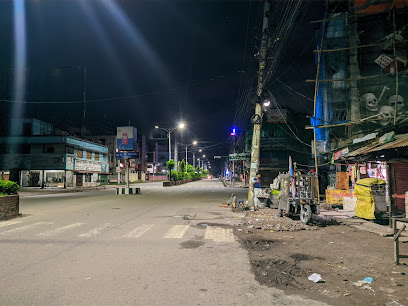
Gollamari More
26.9 km
Experience the vibrant heart of Khulna at Gollamari More, a bustling town square where culture, commerce, and history converge, offering a taste of authentic Bangladeshi life.
Unmissable attractions to see

Bagerhat Museum
1.9 km
Explore Islamic art, artifacts, and history at the Bagerhat Museum, a cultural gem preserving the legacy of Khan Jahan Ali.
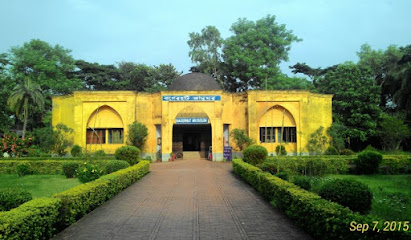
Chandra Mahal Eco Park
10.3 km
Discover nature, culture, and recreation at Chandra Mahal Eco Park, a Taj Mahal-inspired oasis near Khulna, Bangladesh. Open daily, 7:00 am to 6:30 pm.
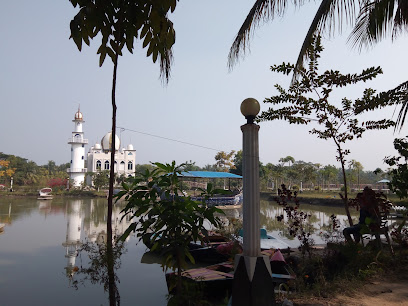
Rabindranath Tagore Ancestor Residents and Rabindra Memorial Collection
19.7 km
Explore the ancestral home of the Tagore family in Khulna, Bangladesh, and discover their rich cultural heritage and literary legacy.
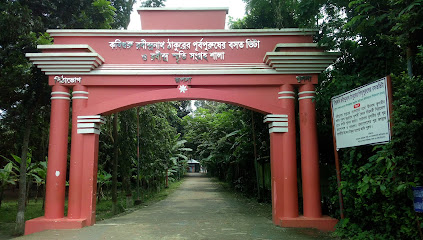
Rupsha Sunset Viewpoint
21.3 km
Experience the magic of Rupsha Sunset Viewpoint in Khulna: a tranquil escape where vibrant sunsets paint the sky, offering unforgettable moments of serenity.
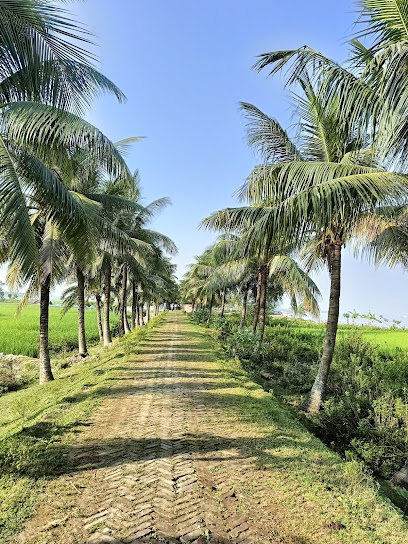
Khan Jahan Ali Bridge
21.9 km
Discover the iconic Khan Jahan Ali Bridge in Khulna: A vital link, architectural marvel, and vibrant social hub with stunning Rupsha River views.
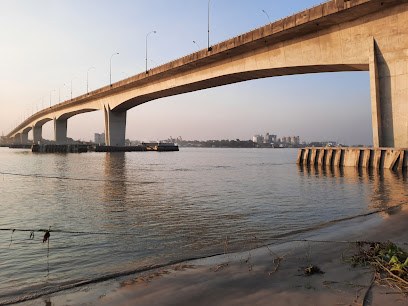
শেখ রাসেল ইকোপার্ক
22.2 km
Discover tranquility at Sheikh Russel Eco Park in Khulna, a green oasis offering natural beauty and a peaceful escape by the Rupsha River.
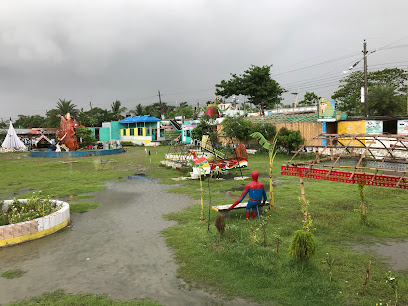
Rupsa Riverview
23.3 km
Experience tranquility on the Rupsa River in Khulna, Bangladesh, a scenic escape into nature and local culture.
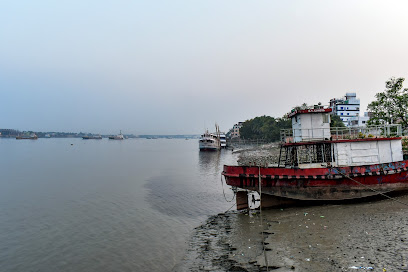
Rupsha Ghat
23.7 km
Experience the vibrant heart of Khulna at Rupsha Ghat, a bustling river port where commerce, culture, and community converge.
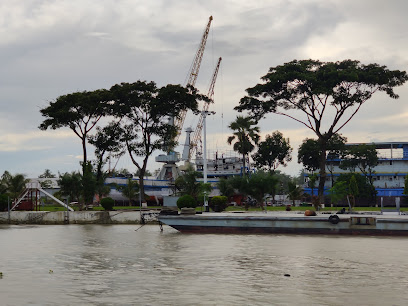
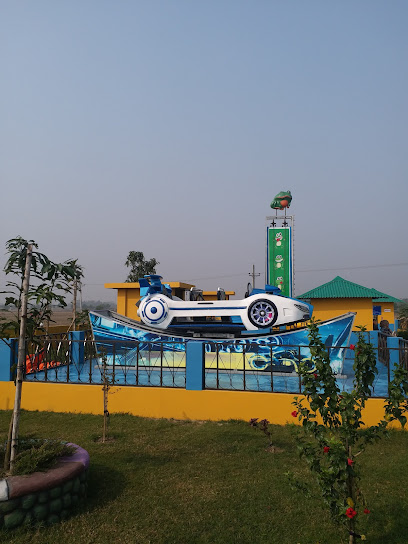
Rana Resort & Amusement Park
24.6 km
Experience thrilling rides and serene nature at Rana Resort & Amusement Park in Khulna, Bangladesh. A perfect family getaway!
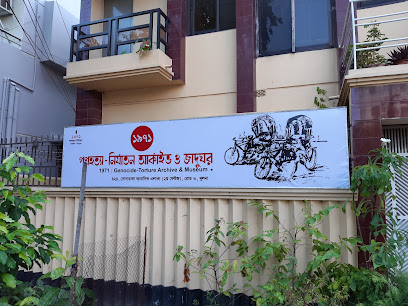
1971 : Genocide-Torture Archive & Museum
24.9 km
Preserving the memory of the 1971 Liberation War through artifacts, photographs, and stories of genocide and torture in Khulna, Bangladesh.
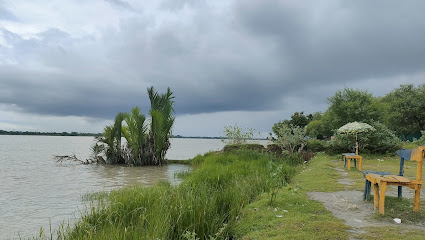
Batiaghata Riverview
25.2 km
Escape to Batiaghata Riverview for tranquil riverside scenery and a refreshing break from the city in Khulna, Bangladesh.
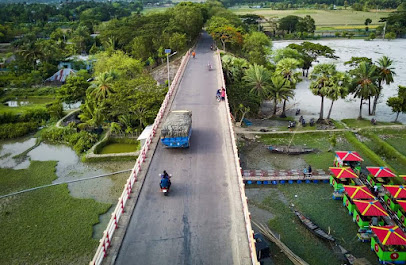
জলমা পুরাতন ফেরিঘাট
25.7 km
Discover the tranquil beauty of Jalma Puratan Ferry Ghat in Batiaghata, a historical landmark offering serene riverside views and a glimpse into Bangladeshi culture.
Park Fountain
26.0 km
Find serenity at Khulna's Park Fountain, a modern oasis offering a refreshing escape and a picturesque setting for relaxation in the city.
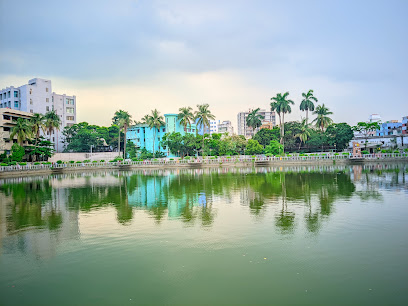
Central Shaheed Minar, Khulna
26.0 km
A solemn memorial in Khulna honoring the heroes of the Bengali Language Movement and the spirit of Bengali nationalism.
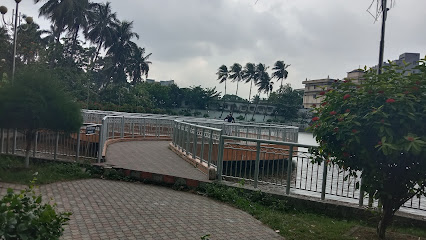
Shahid Hadis Park
26.0 km
Discover Shahid Hadis Park in Khulna: A historic park offering a peaceful retreat with lush greenery, a serene lake, and cultural significance.
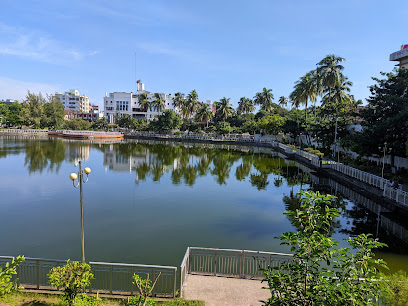
Essential places to dine

New Sufiya Hotel & Restaurant
23.3 km
Experience authentic Bangladeshi cuisine at New Sufiya Hotel & Restaurant in Khulna, where delicious flavors meet warm hospitality.
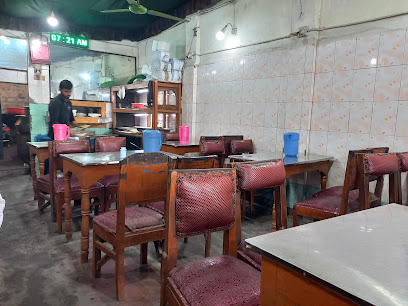
Prothom Shad Restaurant
24.0 km
Discover the essence of Bangladeshi cuisine at Prothom Shad Restaurant in Khulna, where every meal is a celebration of local flavors.
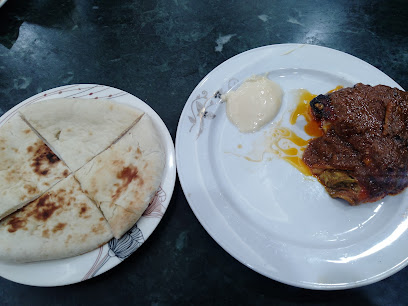
Wimpy's
25.3 km
Discover delightful flavors at Wimpy's in Khulna—where every meal is an unforgettable culinary adventure.
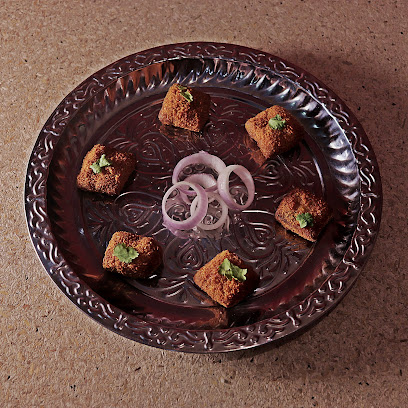
Saffron Restaurant, Khulna
25.3 km
Discover family-friendly dining at Saffron Restaurant in Khulna, where authentic Bangladeshi flavors meet welcoming hospitality.
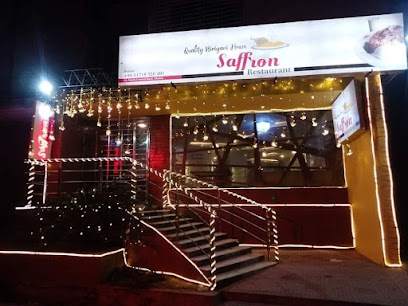
Nana Special Halim
25.5 km
Experience authentic Bengali cuisine at Nana Special Halim in Khulna—home to flavorful halim and traditional delights.
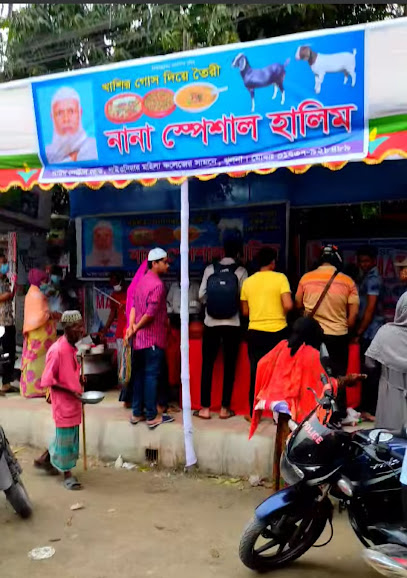
Chinese Palace
25.5 km
Experience authentic Bangladeshi cuisine at Chinese Palace in Khulna – where flavor meets tradition in a cozy setting.
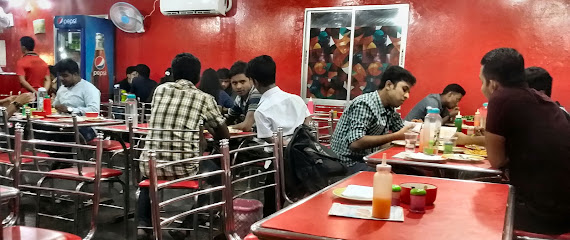
Suruchi Hotel & Restaurant
25.6 km
Discover the essence of Bangladeshi cuisine at Suruchi Hotel & Restaurant in Khulna – where every dish tells a story.
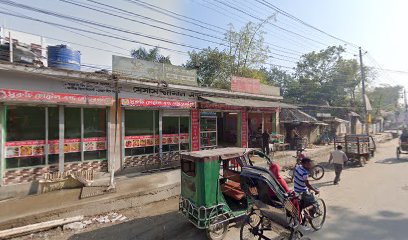
Canton Thai & Chinese Restaurant
25.7 km
Discover exquisite flavors at Canton Thai & Chinese Restaurant in Khulna – where authentic cuisine meets delightful ambiance.
The Avenue Restaurant
25.8 km
Savor authentic Bangladeshi flavors at The Avenue Restaurant in Khulna - a must-visit culinary destination for food lovers.
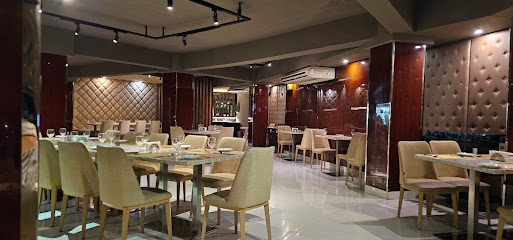
Mama Noura
25.9 km
Savor authentic Chinese flavors at Mama Noura in Khulna—where generous portions meet comfort and tradition.
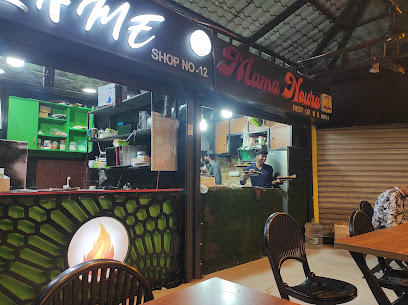
Appayan Hotel & Resturant
26.0 km
Discover family-friendly dining at Appayan Hotel & Restaurant in Khulna - where authentic flavors meet warm hospitality.
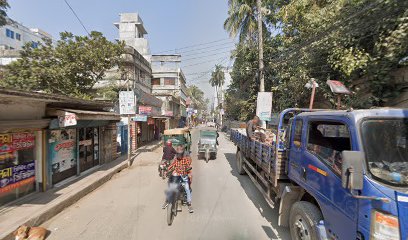
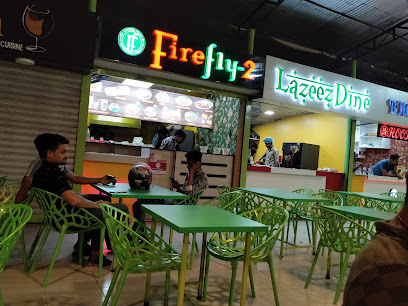
Firefly Restaurant
26.1 km
Discover the exquisite flavors of Bangladesh at Firefly Restaurant in Khulna, where delightful dishes meet warm hospitality.
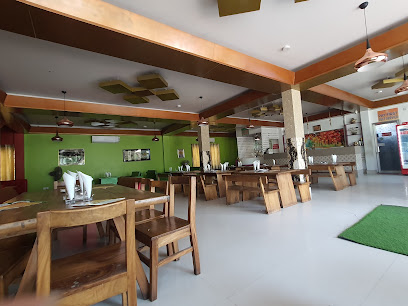
Chuknagar Hotel
26.1 km
Experience authentic Bangladeshi cuisine at Chuknagar Hotel in Khulna - where flavor meets tradition.
Hotel The Royal Sultan's Banquat & BBQ
26.3 km
Discover Khulna’s culinary treasure at Hotel The Royal Sultan's Banquet & BBQ, where authentic Bangladeshi flavors come alive in every dish.
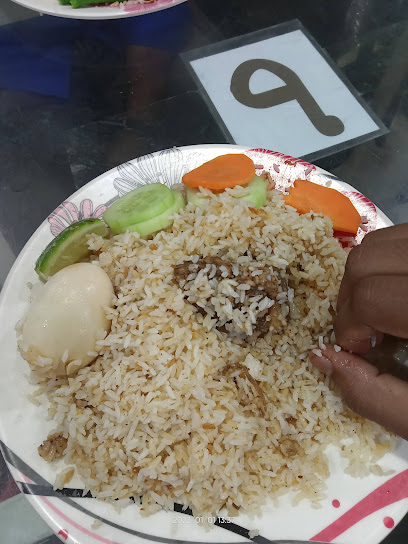
Sharif Hotel Restaurant and Caterers
26.4 km
Discover authentic Bengali cuisine at Sharif Hotel Restaurant in Khulna - where every dish is a celebration of culture.
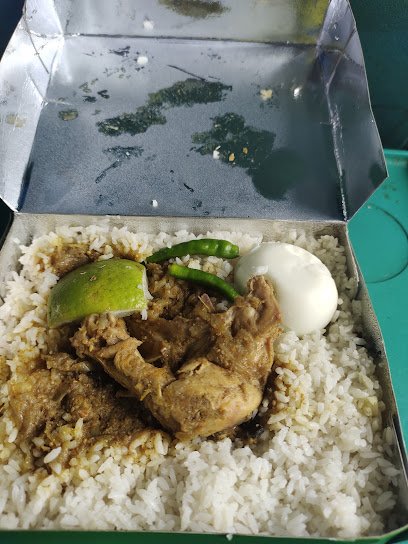
Markets, malls and hidden boutiques

UK Variety Shopping
25.1 km
Explore Khulna's UK Variety Shopping for a delightful mix of baby items, cosmetics, and unique jewelry in a vibrant shopping atmosphere.
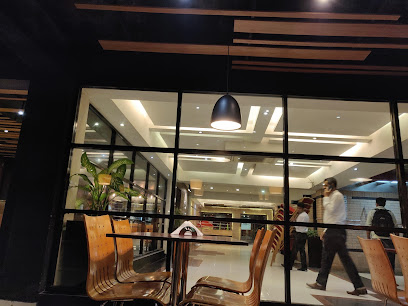
Bistro C
25.8 km
Discover the rich flavors of Khulna at Bistro C, where local and international cuisines come together in a warm, welcoming atmosphere.
unique selling point
26.0 km
Discover a treasure trove of beauty products in Khulna, from popular cosmetics to unique local finds for every beauty enthusiast.
Rakib best fashion house khulna
26.1 km
Explore the vibrant fashion scene at Rakib Best Fashion House, Khulna, where unique styles meet local craftsmanship.
Top Ten Fabrics & Tailors
26.2 km
Explore Top Ten Fabrics & Tailors in Khulna for a unique selection of textiles and expert tailoring services that celebrate local craftsmanship.
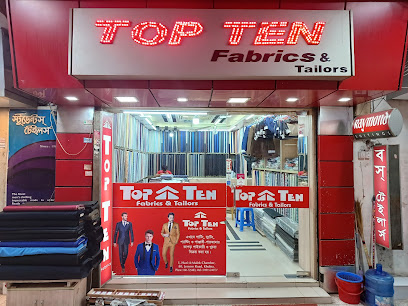
DARAZ STORE
26.2 km
Experience the best of local shopping and unique finds at Daraz Store in the heart of Khulna.
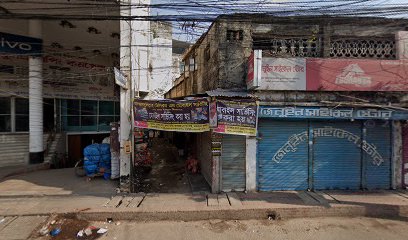
Ratul the best fashion house in khulna
26.2 km
Explore the vibrant world of fashion at Ratul, Khulna's premier fashion house, showcasing unique accessories blending modern style with tradition.
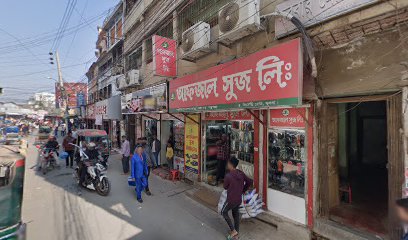
Khulna Shopping Complex
26.2 km
Discover the lively Khulna Shopping Complex, where shopping meets culture in the heart of Bangladesh's vibrant city.
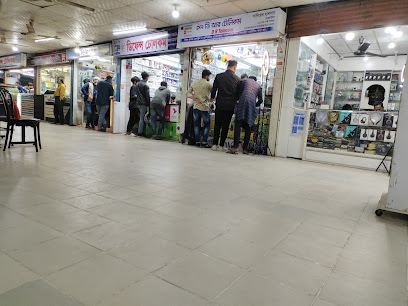
Rim Best Fashion House in Khulna
26.4 km
Explore the latest fashion trends at Rim Best Fashion House in Khulna, where style meets quality in a delightful shopping experience.
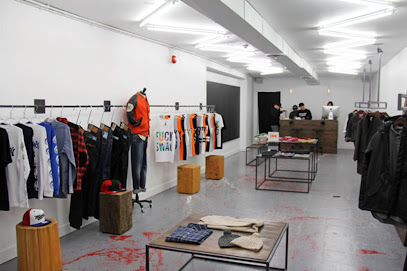
Top Ten Tailors
26.5 km
Discover bespoke tailoring and exceptional craftsmanship at Top Ten Tailors in the heart of Khulna, where your fashion dreams come to life.
Brand shop
26.5 km
Explore trendy clothing and unique styles at Brand Shop, located in the heart of Khulna's vibrant Abdul Jabbar Market.
Soinik Store
26.5 km
Experience the vibrant atmosphere and diverse shopping options at Soinik Store, Khulna's premier shopping destination.
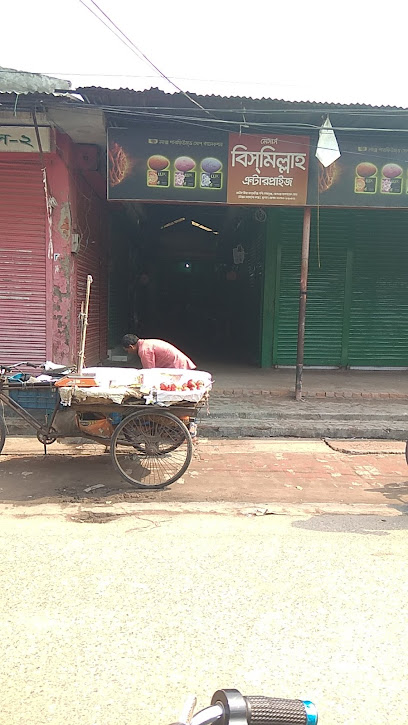
QuniQs Fashion & Digital Printing
26.6 km
Discover trendy youth fashion and custom print services at QuniQs Fashion & Digital Printing in Khulna, where creativity meets style.
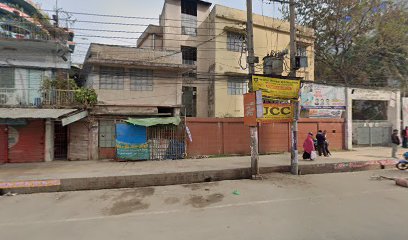
Daraz Khulna Hub (Drop Off Point & Collection Point)
26.7 km
Explore the Daraz Khulna Hub, a central drop-off point for the largest online shopping experience in Bangladesh, blending convenience with local culture.
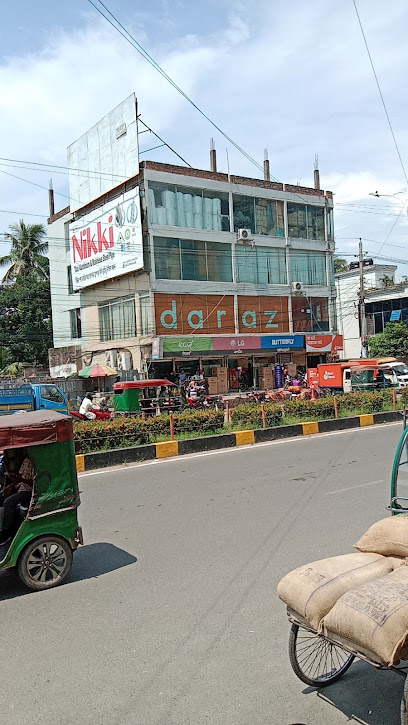
Mita Best Fashion House In Khulna
27.4 km
Discover the latest fashion trends at Mita Best Fashion House in Khulna, where style meets local culture and vibrant shopping.
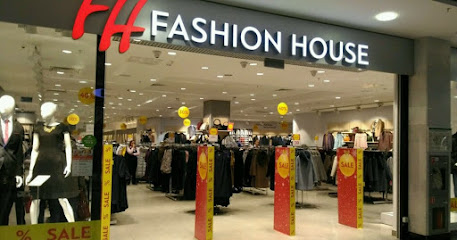
Essential bars & hidden hideouts

Juice Bar
23.5 km
Discover refreshing beverages and a lively atmosphere at Khulna's Juice Bar, your perfect oasis for relaxation and revitalization.

kathbirile
23.8 km
Experience the authentic taste of Bangladesh at Kathbirile, Khulna's top restaurant for traditional cuisine and warm hospitality.

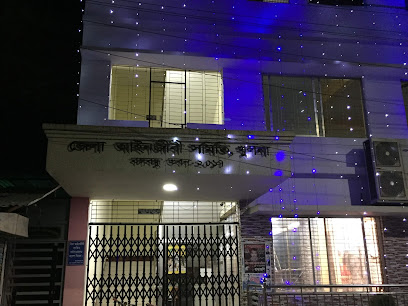
District Bar Association, Khulna
25.6 km
Explore the District Bar Association of Khulna, a pivotal institution for the legal community and a gateway to understanding Bangladesh's legal framework.
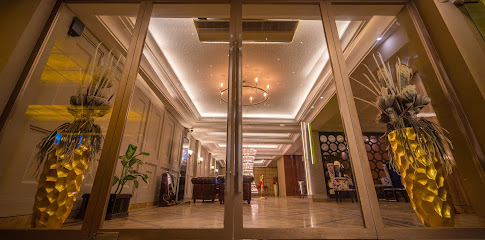
Hotel Castle Salam
25.8 km
Discover the perfect blend of comfort and convenience at Hotel Castle Salam, your ideal stay in Khulna's vibrant heart.
M.F. Hasib Sheaikh
26.2 km
Discover the vibrant nightlife at M.F. Hasib Sheaikh, a lively bar in Khulna offering a diverse drink selection and the perfect atmosphere for relaxation.
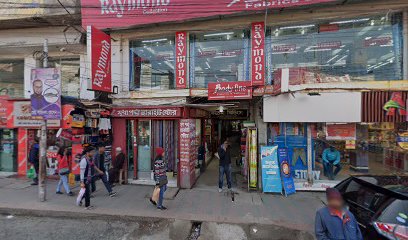
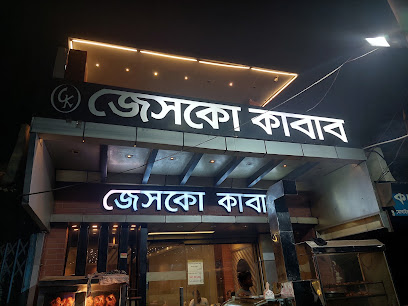
Gesco Kabab
26.7 km
Experience the authentic taste of Bangladesh at Gesco Kabab, Khulna's premier destination for delicious kebabs and local cuisine.
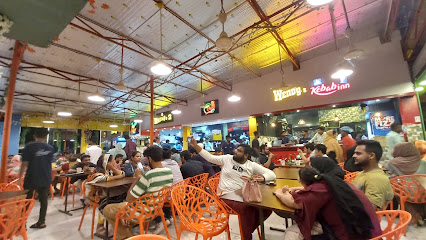
Wendy's food Court
27.2 km
Indulge in the flavors of Wendy's Food Court in Khulna, where delicious fast food meets a vibrant dining experience.
SPICY INN
27.2 km
Experience the vibrant flavors of Khulna at Spicy Inn, where authentic spices and warm hospitality create unforgettable dining moments.
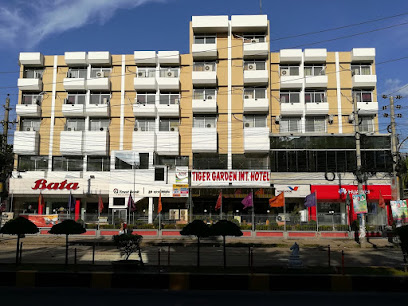
Tiger Garden Int. Hotel
27.3 km
Discover the elegance of Tiger Garden International Hotel, a perfect blend of luxury, fine dining, and stunning event venues in Khulna.
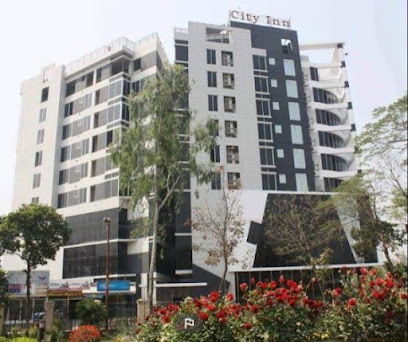
City Inn Limited
27.5 km
Discover the rich flavors of Khulna at City Inn Limited, a top-rated restaurant and hotel offering an unforgettable dining experience.
Dhaba @ Road Side
27.5 km
Savor the authentic taste of Bangladesh at Dhaba @ Road Side, where traditional biriyani meets modern hospitality in Khulna.
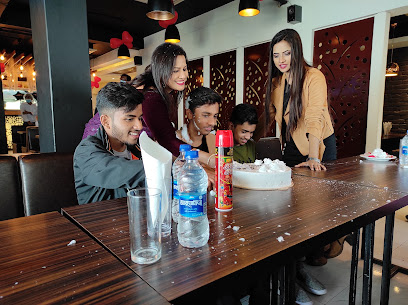
Md Ismail Hossain
27.7 km
Discover the authentic nightlife at Md Ismail Hossain Bar, where locals and tourists mingle in the heart of Khulna's vibrant social scene.
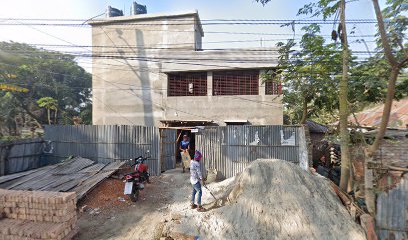
Coffee Glory, Khulna
27.8 km
Discover the rich flavors of coffee and delectable treats at Coffee Glory in Khulna, a must-visit café for travelers seeking a delightful break.
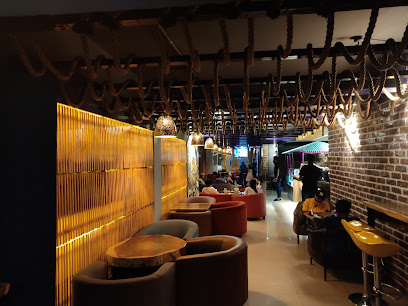
Khalar fresh fruit and juice
28.0 km
Experience the vibrant flavors of Khulna with fresh juices and fruits at Khalar Fresh Fruit and Juice, your perfect refreshment stop.
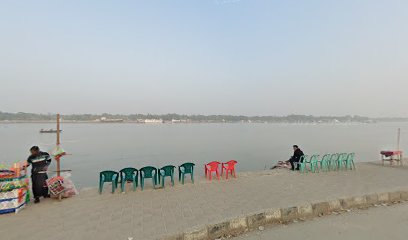
Sports 24 BD
28.5 km
Join the excitement at Sports 24 BD, Khulna's vibrant sports bar where fans unite for thrilling live games and delicious refreshments.
Nightclubs & after hour spots

ORION
12.0 km
Discover the electrifying nightlife of Bishnapur at ORION, a premier night club offering vibrant music and a lively dance atmosphere.
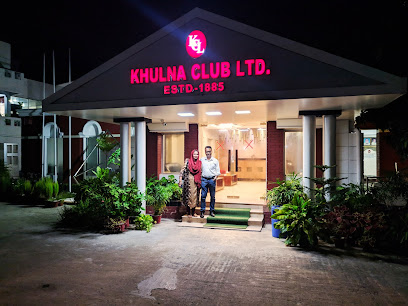
Khulna Club Ltd
25.3 km
Discover the charm of Khulna Club Ltd, a social club offering delicious cuisine and a vibrant atmosphere in the heart of Khulna.
হিমেলের চিপা
25.8 km
Dive into Khulna's nightlife at হিমেলের চিপা, a vibrant night club offering exquisite drinks, lively music, and an unforgettable party atmosphere.
Bachelor Center
25.9 km
Discover Khulna's nightlife at Bachelor Center, where rhythm meets revelry in a vibrant atmosphere that promises unforgettable experiences.
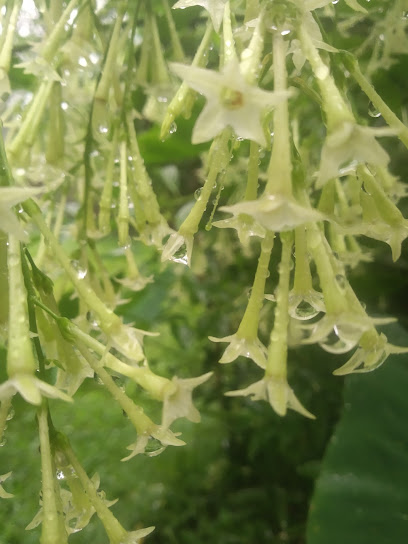
Investors Club
26.0 km
Unwind and connect at the Investors Club in Mongla, a serene space perfect for networking and relaxation amidst vibrant local culture.
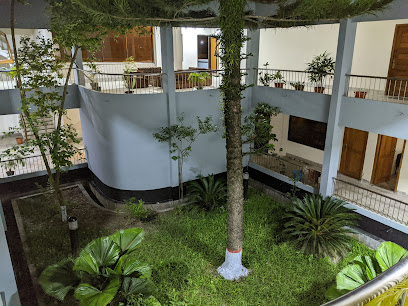
Mostak store
26.5 km
Experience the electrifying nightlife at Mostak Store in Rajapur, where music, dance, and vibrant energy create unforgettable moments.
Rafiq
27.4 km
Discover the vibrant nightlife at Rafiq, Khulna's premier night club, where music, dance, and unforgettable experiences await every night.
Alamgir maitors
27.5 km
Unleash your night at Alamgir Maitors, Khulna's premier night club, where vibrant music and dance create unforgettable experiences.
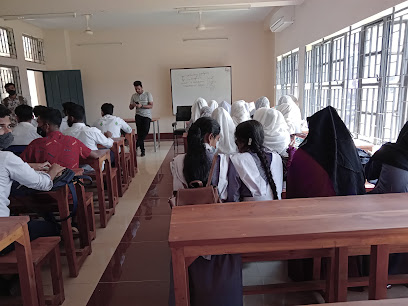
স্বাধীন এর বাসা
30.5 km
Discover the vibrant nightlife of Khulna at স্বাধীন এর বাসা, where music, dance, and fun come together for an unforgettable evening.
Project
31.5 km
Discover Khulna's vibrant nightlife at Project, the ultimate night club experience where music and dance come alive.
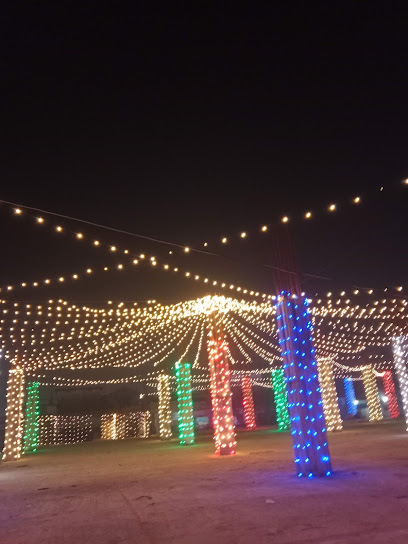
NRB Night Riders Bangladesh (Khulna)
32.7 km
Dive into Khulna's vibrant nightlife at NRB Night Riders Bangladesh, where music, drinks, and unforgettable memories await.
United Club
34.2 km
Discover the vibrant nightlife at United Club in Debnagar, where music, dance, and an electrifying atmosphere come together for an unforgettable experience.
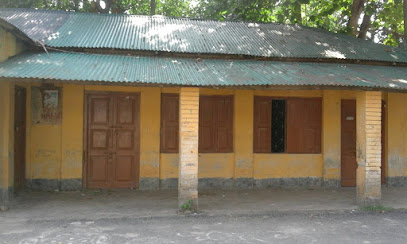
Karpara New Star Club
42.6 km
Dive into the heartbeat of Banaripara's nightlife at Karpara New Star Club, where entertainment meets vibrant culture in an unforgettable experience.
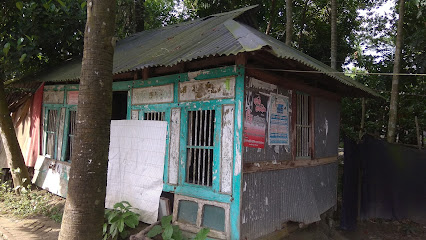
জঙ্গল স্টোর
58.0 km
Discover the vibrant nightlife of Bangladesh at Jungle Store, a premier night club offering music, dance, and an electrifying atmosphere.
Birshrestha Captain Mohiuddin Jahangir Hall, PSTU
58.5 km
Discover the energetic vibe of Birshrestha Captain Mohiuddin Jahangir Hall, the ultimate nightlife destination in Bangladesh for tourists seeking fun and local culture.