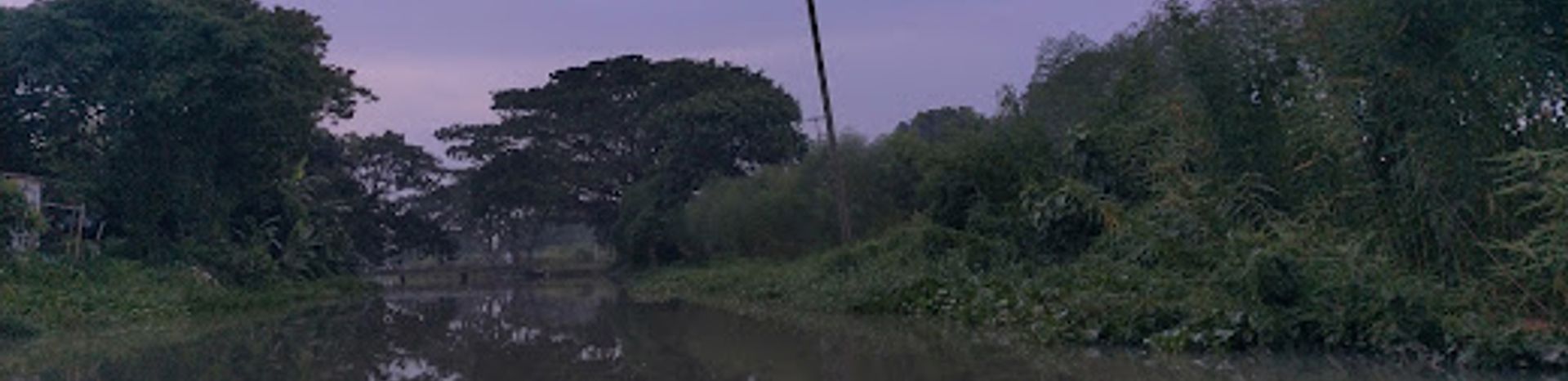
Channel of Buriganga: A River of History and Hardship
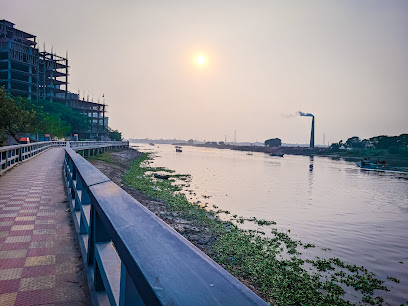
Witness Dhaka's historic Buriganga River, a vital yet heavily polluted waterway, still central to the city's commerce and transport.
The Buriganga River, also known as the 'Old Ganges,' borders Dhaka, Bangladesh. Though historically significant as a trade route and source of water, it now faces severe pollution challenges. Visitors can witness bustling river traffic but should be prepared for the environmental issues.
A brief summary to Channel of Buriganga
- P85R+JC4, Unnamed Road, Keraniganj, BD
Local tips
- Be prepared for strong odors due to the river's pollution.
- Visit Sadarghat, a historic river port on the Buriganga's banks, to experience the river's bustling activity.
- Consider wearing closed-toe shoes when visiting the riverbanks.

Getting There
-
Public Transport
From central Dhaka, you can take a local bus towards Keraniganj. Buses are a cheap way to travel, with fares typically ranging from 10-20 BDT. Alight near the Keraniganj ferry terminal or the riverbank.
-
Taxi/Ride-Share
Taxis and ride-sharing services like Uber or Pathao are readily available in Dhaka. A ride from Dhanmondi to Keraniganj may cost around 517-941 BDT, depending on the class of service. Be mindful of traffic conditions, which can affect the fare.
-
Walking
If you are already in Keraniganj, walking to the Buriganga riverfront is feasible. Use local landmarks as guides. From Keraniganj Model Thana, the river is a short walk. No specific costs are involved.
Discover more about Channel of Buriganga
Iconic landmarks you can’t miss

Sharif Food Court & Dream Park
1.2 km
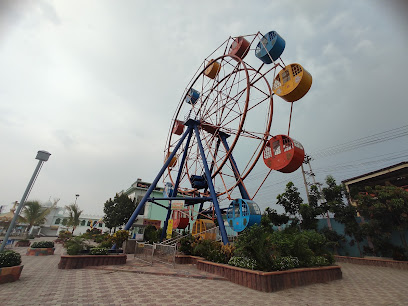
Experience thrilling rides and diverse cuisines at Sharif Food Court & Dream Park in Keraniganj, a perfect family destination near Dhaka offering fun and delicious memories.
Bangladesh
2.9 km
Discover the authentic heart of Dhaka in Kamrangirchar: a vibrant community with a rich history, resilient spirit, and a unique cultural tapestry waiting to be explored.
Shah Shaheb Bari Bot Tola
4.6 km
Discover Dhaka's spiritual heart at Shah Shaheb Bari Bot Tola, where history and community intertwine beneath an ancient banyan tree, offering a serene escape.
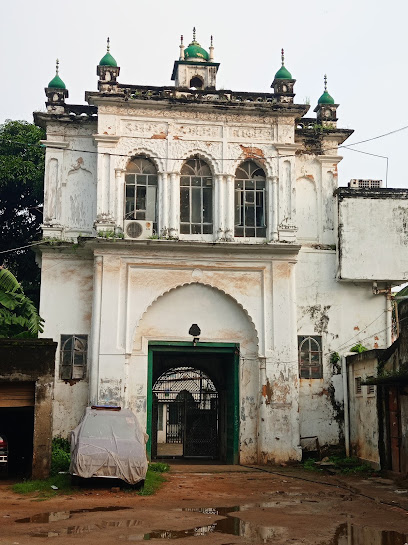
পায়রার খোঁপ, জিগাতলা, ঢাকা - ১২০৯
4.7 km
Discover the historical charm of Pahar Khem, a significant landmark in Dhaka, revealing the rich cultural heritage of Bangladesh.
বটতলা,ধানমন্ডি লেক
5.1 km
Escape the city bustle at Dhanmondi Lake, a serene urban oasis offering lush greenery, recreational activities, and cultural events in the heart of Dhaka's vibrant Dhanmondi.
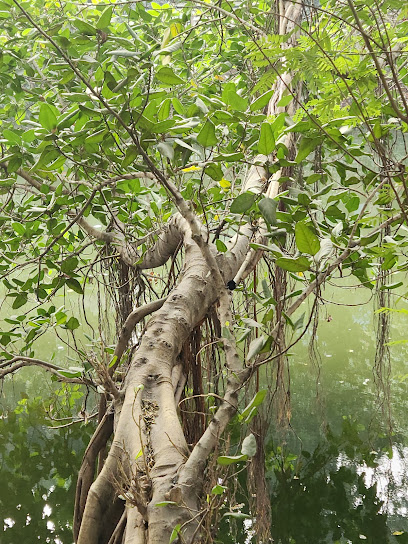
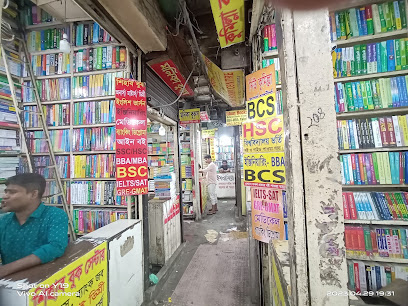
Book sale
5.2 km
Discover a treasure trove of books at unbeatable prices in Dhaka's legendary Nilkhet Book Market, a vibrant hub for students, researchers, and avid readers.
Safiuddin Shilpalay
5.3 km
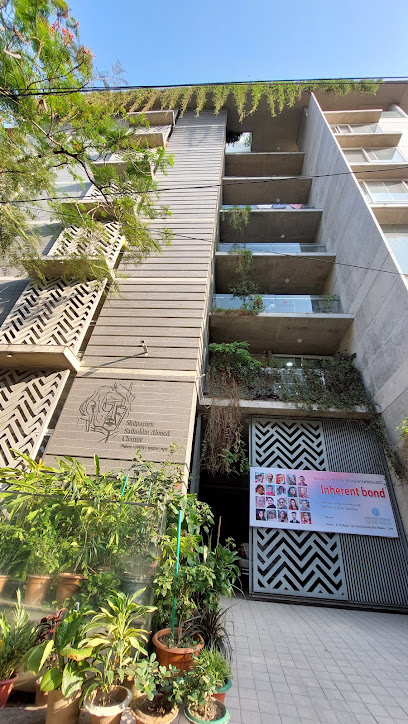
Explore the vibrant art scene of Dhaka at Safiuddin Shilpalay, a fine art complex honoring Shilpaguru Safiuddin Ahmed and showcasing diverse contemporary and historical Bangladeshi art.
Dhanmondi
5.3 km
Explore Dhanmondi, Dhaka: A vibrant neighborhood blending historical landmarks, serene lakes, cultural hotspots, and modern amenities for an unforgettable experience.
Dhanmondi Lake Circle
5.4 km
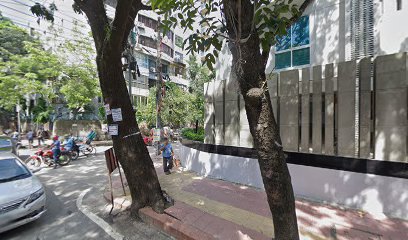
Escape the city bustle at Dhanmondi Lake, a scenic urban retreat offering lush greenery, cultural events at Rabindra Sarobar, and tranquil boat rides in the heart of Dhaka.
Jagannath Hall Killing Field
5.9 km
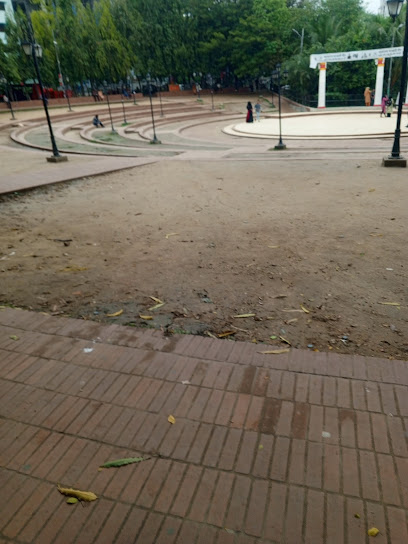
Reflect on Bangladesh's struggle for independence at Jagannath Hall Killing Field, a memorial to the victims of the 1971 Liberation War within the historic Dhaka University.
স্বাধীনতার দেয়াল
6.0 km
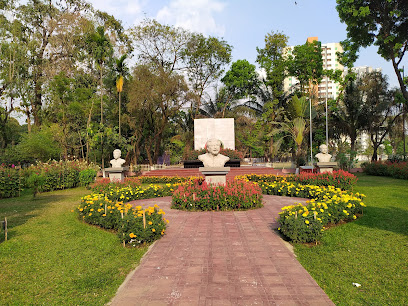
Discover Dhaka's vibrant street art scene at স্বাধীনতার দেয়াল, a dynamic canvas showcasing local artists' interpretations of freedom and national identity within City Corporation Market.
Unmissable attractions to see

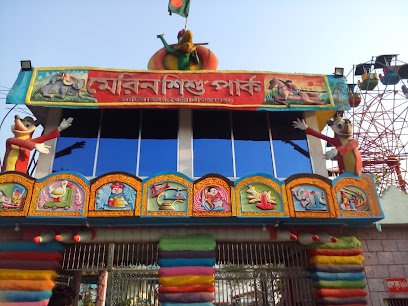
Marine Shishu Park
2.3 km
Discover family-friendly fun at Marine Shishu Park in Dhaka, offering a refreshing escape with water slides, pools, and a safe, entertaining environment for children to create lasting memories.
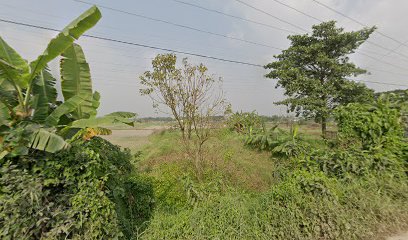
সেন্ট মার্টিন পশ্চিম পাড়া ছিন্ন দ্বীপ
3.1 km
Discover the serene beauty of সেন্ট মার্টিন পশ্চিম পাড়া ছিন্ন দ্বীপ in Keraniganj, Bangladesh, a historical landmark offering tranquility and a glimpse into the region's coastal heritage and natural wonders.
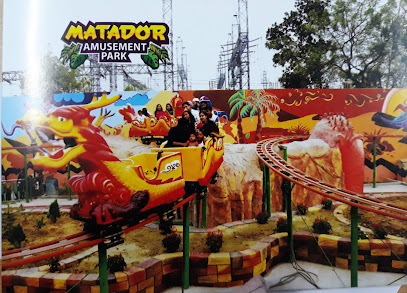
Matador Amusement Park
3.4 km
Enjoy family-friendly fun with dry and water rides at Matador Amusement Park in Dhaka's Kamrangirchar area.
West Dhanmondi River View Point
3.7 km
Discover tranquility at West Dhanmondi River View Point in Washpur, Dhaka, offering breathtaking river views, serene ambiance, and a refreshing escape from the city's hustle.
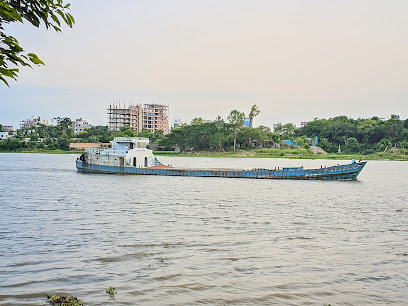
বিন্নী তলা
3.9 km
Discover the beauty of Binani Talab, a serene tourist attraction in Dhaka, perfect for relaxation and cultural exploration amidst nature.
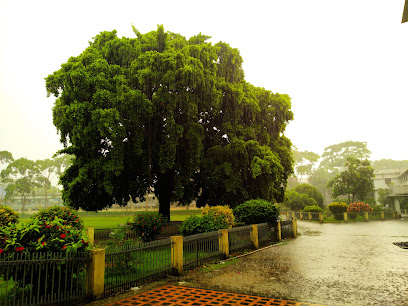
Garden Park
4.4 km
Escape to Garden Park in Keraniganj, Dhaka: A tranquil retreat offering lush greenery, recreation, and delicious dining for a refreshing day out.
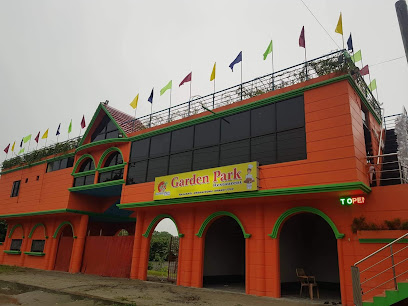
Basila Uttar Para Nodir Par
4.5 km
Escape the city bustle at Basila Uttar Para Nodir Par, a tranquil riverside haven in Dhaka offering scenic beauty and community spirit.

Khan Mohammad Mridha Masjid
4.6 km
Discover the architectural beauty and serene ambiance of Khan Mohammad Mridha Masjid, a historical mosque in the heart of Dhaka.
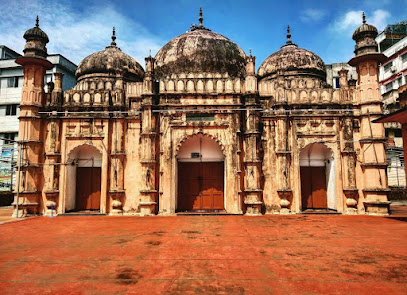
River View Point
4.8 km
Discover a tranquil escape at River View Point in Dhaka, offering picturesque river views, local culture, and a serene atmosphere for relaxation and unforgettable memories.
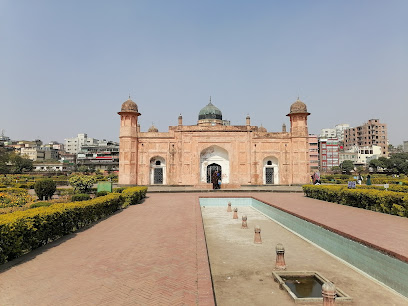
Tomb House of Pori Bibi
4.9 km
Discover the serene beauty and historical significance of the Tomb House of Pori Bibi, a captivating Mughal mausoleum within Dhaka's Lalbagh Fort, showcasing intricate architecture and a poignant love story.
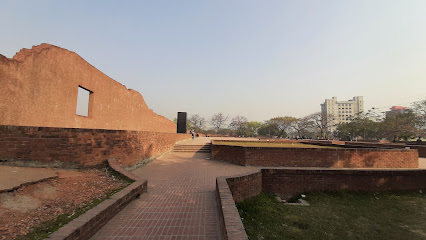
Rayer Bazar Bodhyo Bhumi
4.9 km
Reflect on Bangladesh's Liberation War at Rayer Bazar Bodhyo Bhumi, a poignant memorial honoring martyred intellectuals and the nation's enduring spirit of freedom and justice.
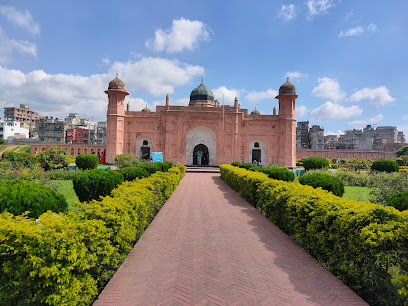
Lalbagh Fort
4.9 km
Discover the historical charm of Lalbagh Fort, a 17th-century Mughal masterpiece in the heart of Dhaka, surrounded by lush gardens and captivating tales.
Lalbagh Fort Museum
5.0 km
Explore Mughal history and artistry at Lalbagh Fort Museum in Dhaka, a captivating journey into Bangladesh's rich cultural heritage and architectural splendor.
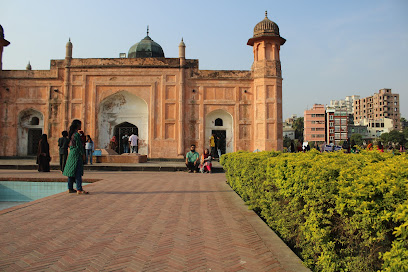
MurshwiTalluq Estate, Dhaka New Market
5.0 km
Explore the historical MurshwiTalluq Estate in Dhaka, a tranquil escape filled with rich culture and stunning architecture.
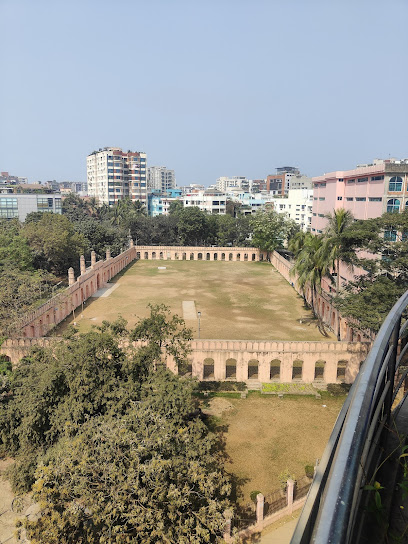
Dhanmondi Eidgah Math
5.1 km
Explore Dhaka's Mughal past at the Dhanmondi Shahi Eidgah, a historic prayer ground and architectural treasure from 1640.
Essential places to dine

Tapur Tupur Resort
1.8 km
Discover authentic Bangladeshi flavors at Tapur Tupur Resort in Bamonsur - where culinary excellence meets cultural richness.
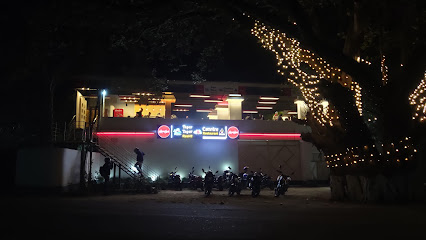
Nobabi Biriyani House
2.9 km
Experience the authentic taste of Bangladesh at Nobabi Biriyani House in Dhaka – where every bite tells a story.

Bogra road
3.1 km
Explore Bogra Road: A Culinary Delight in Keraniganj Offering Authentic Bangladeshi Flavors.
Bangladesh account
3.1 km
Discover authentic Bangladeshi flavors in Keraniganj's charming restaurant offering a delightful culinary journey.
A big pharma
3.1 km
Discover the essence of Bangladeshi flavors at A Big Pharma - a culinary treasure in Noha offering authentic traditional dishes.
Moeshpur
3.1 km
Experience authentic Bangladeshi barbecue at Moeshpur in Keraniganj – where flavor meets tradition in every bite.
Meal Time
3.1 km
Discover authentic Bangladeshi cuisine at Meal Time in Keraniganj - where every dish tells a story.
Bangladish
3.1 km
Discover authentic Bangladeshi flavors at Bangladish Restaurant – where tradition meets hospitality in Hote.
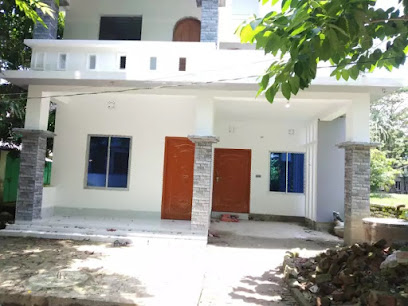
Bx Bobby Braman
3.1 km
Experience the authentic flavors of Bangladesh at Bx Bobby Braman in Keraniganj – a culinary journey worth savoring.
Suleman Hawus
3.1 km
Discover the vibrant flavors of Bangladesh at Suleman Hawus, a popular hawker stall in Keraniganj offering authentic street food experiences.
Laksmipur Bangladesh
3.1 km
Experience the vibrant breakfast culture of Laksmipur, Bangladesh – a delightful blend of flavors and traditions waiting for every traveler.
rognathpur H..
3.1 km
Savor delicious hoagies at Rognathpur H., where every bite is a taste of Hamim's culinary delights.
Gemini jets
3.1 km
Experience authentic Yemenite cuisine at Gemini Jets in Reye – where every dish is a journey into flavor.
Heaven Restaurant
3.1 km
Discover culinary bliss at Heaven Restaurant in Bangladesh - where authentic flavors meet delightful ambiance.
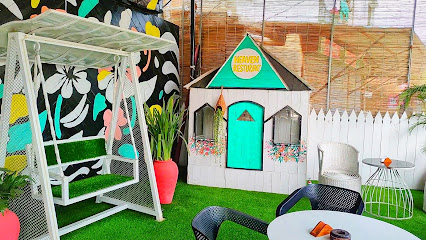
Mina Community Centre
3.1 km
Explore authentic Bangladeshi flavors at Mina Community Centre in Ranaping – where culinary tradition meets community spirit.
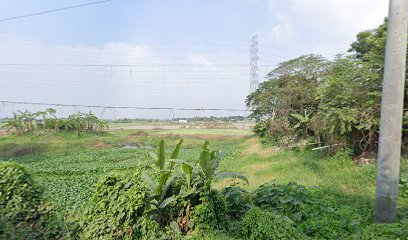
Markets, malls and hidden boutiques

Unique Gifts Mart
2.1 km
Explore Unique Gifts Mart for exquisite handcrafted souvenirs and gifts that capture the vibrant culture of Bangladesh.

ShadaMon Shop Online Shopping
3.1 km
Explore ShadaMon Shop for the best online shopping experience in Dhaka, featuring quality clothing and accessories for every style.

Sabit Store
3.1 km
Experience local culture and flavors at Sabit Store, a vibrant grocery destination in Keraniganj, perfect for curious travelers.
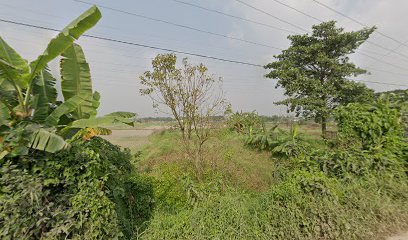
Lukman Ali , Grocery Store
3.1 km
Explore authentic Bangladeshi cuisine at Lukman Ali Grocery Store, a vibrant hub of fresh produce and local delicacies in ফতেহখানি.
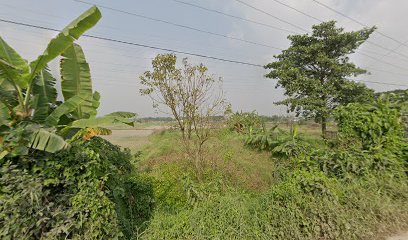
BACCHU MIAH SHOP
3.1 km
Discover local craftsmanship and authentic products at Bacchu Miah Shop in Madla, a true reflection of the region's vibrant culture.
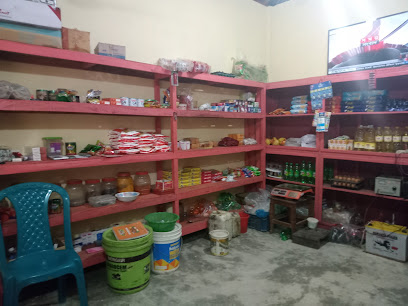
Clothing shop
3.1 km
Explore the vibrant clothing shop in Doani for a unique blend of traditional and modern fashion styles that reflect local culture.
SK ASHIF JOY
3.1 km
Explore the charm of SK ASHIF JOY, a unique gift shop in Keraniganj, where local artistry meets unforgettable souvenirs.
Sent martin
3.1 km
Explore the vibrant shopping scene at Saint Martin in Keraniganj, where local craftsmanship meets cultural heritage for an unforgettable experience.
Rahman store
3.1 km
Discover authentic Bangladeshi flavors at Rahman Store, your go-to grocery for local ingredients and culinary treasures.
Gift Card Seller BD
3.1 km
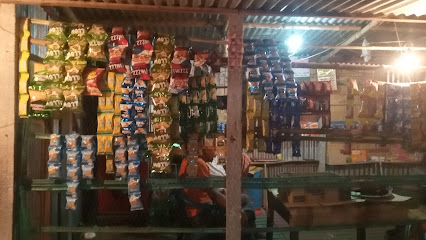
Explore the charm of Keraniganj with unique gifts at Gift Card Seller BD, the perfect spot for memorable souvenirs.

Astro Store Bangladesh
4.3 km
Discover the wonders of the universe at Astro Store Bangladesh, your premier destination for cosmic-themed gifts and souvenirs in Dhaka.
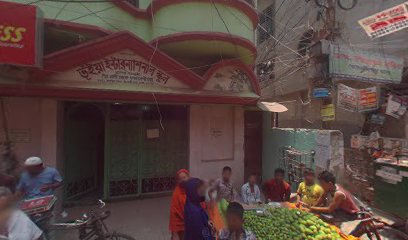
SN Best Boutiques Store Dhaka
4.4 km
Explore SN Best Boutiques Store in Dhaka for unique clothing that blends traditional Bangladeshi craftsmanship with modern fashion.
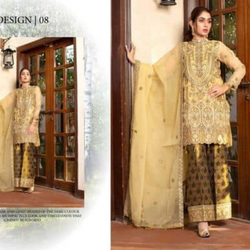
Unique Yard
4.5 km
Explore Unique Yard in Dhaka for a memorable shopping experience filled with trendy fashion accessories that reflect local craftsmanship.

Unique Fashion House
4.5 km
Explore the vibrant Unique Fashion House in Lalbagh, Dhaka, where local craftsmanship meets contemporary style for an unforgettable shopping experience.
AmarShopping.com
4.7 km
Discover the latest electronics and e-commerce services at AmarShopping.com in Dhaka – a tech haven for tourists and locals alike.

Essential bars & hidden hideouts

sohel er dokan
2.4 km
Experience the vibrant nightlife of Dhaka at Sohel er Dokan, a popular bar known for its great drinks and welcoming atmosphere.
asPort
3.1 km
Experience the vibrant nightlife at asPort in Keraniganj, where refreshing drinks and local culture come together in a lively atmosphere.
matubbar bari
3.1 km
Discover the vibrant nightlife at Matubbar Bari, a local bar in Keraniganj offering a unique taste of Bangladeshi culture and social atmosphere.
Rupgong
3.1 km
Experience the vibrant local nightlife at Rupgong - a lively bar in Keraniganj with refreshing drinks and a welcoming atmosphere.
Rakibul
3.1 km
Experience the lively nightlife of Rakibul Pub in City 7890, where local drinks and vibrant entertainment come together.
Short gona pekua cox s bazar bangladesh
3.1 km
Experience the heart of Cox's Bazar nightlife at Short Gona Pekua, a vibrant bar offering local drinks and lively entertainment.
Bangladesh bodar
3.1 km
Experience the vibrant nightlife at Bangladesh Bodar - the perfect bar in Keraniganj for drinks, laughter, and local culture.
Sohag From UAE
3.1 km
Discover the vibrant nightlife at Sohag Bar in Keraniganj, where local culture meets a lively atmosphere for an unforgettable experience.
Shid minar
3.1 km
Discover the cozy elegance of Shid Minar, a bar in Keraniganj that offers a unique blend of local flavors and inviting atmosphere.
Mollar ghat
3.1 km
Discover the vibrant nightlife of Ganja at Mollar Ghat, a lively bar offering local drinks and a unique cultural experience.
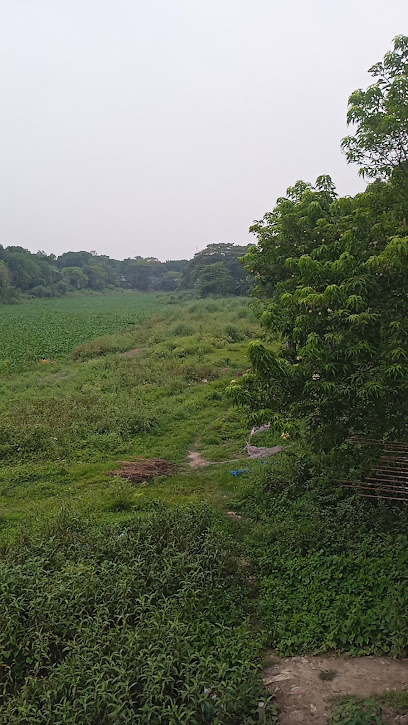
nais
3.1 km
Experience the vibrant nightlife at Nais Bar in Asdas – your go-to spot for drinks, music, and good company.
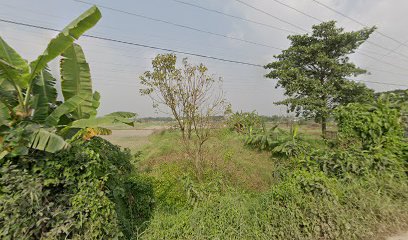
Salsha Ghor
4.6 km
Discover the vibrant nightlife of Dhaka at Salsha Ghor, a stylish bar offering a delightful array of drinks and a lively atmosphere.
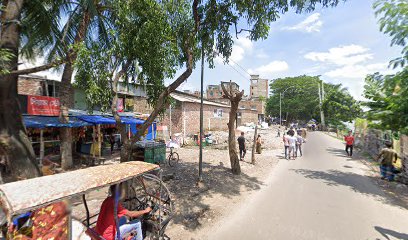
ওজঙ রেস্টুরেন্ট
5.1 km
Discover the vibrant flavors of Dhaka at Ojong Restaurant, a must-visit culinary destination in Dhanmondi, known for its delicious dishes and inviting atmosphere.
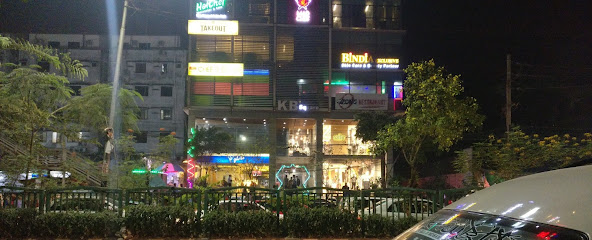
Cha Bar
5.1 km
Discover the vibrant charm of Cha Bar in Dhaka, where traditional teas and a cozy atmosphere create an unforgettable experience.
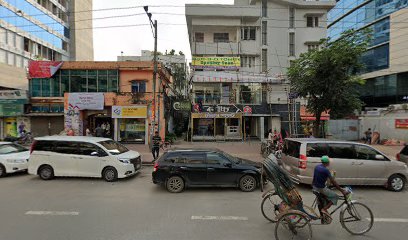
Hotel Grand Galaxy
5.4 km
Discover the lively charm of Hotel Grand Galaxy, Dhaka's top spot for chicken wings, wine, and a vibrant nightlife experience.