

Free Madhupur Tract Travel Guide & Mobile App
Explore Madhupur Tract with free travel guides. Discover regional history, expert tips, proposed trips, and audio guides on web or mobile app.


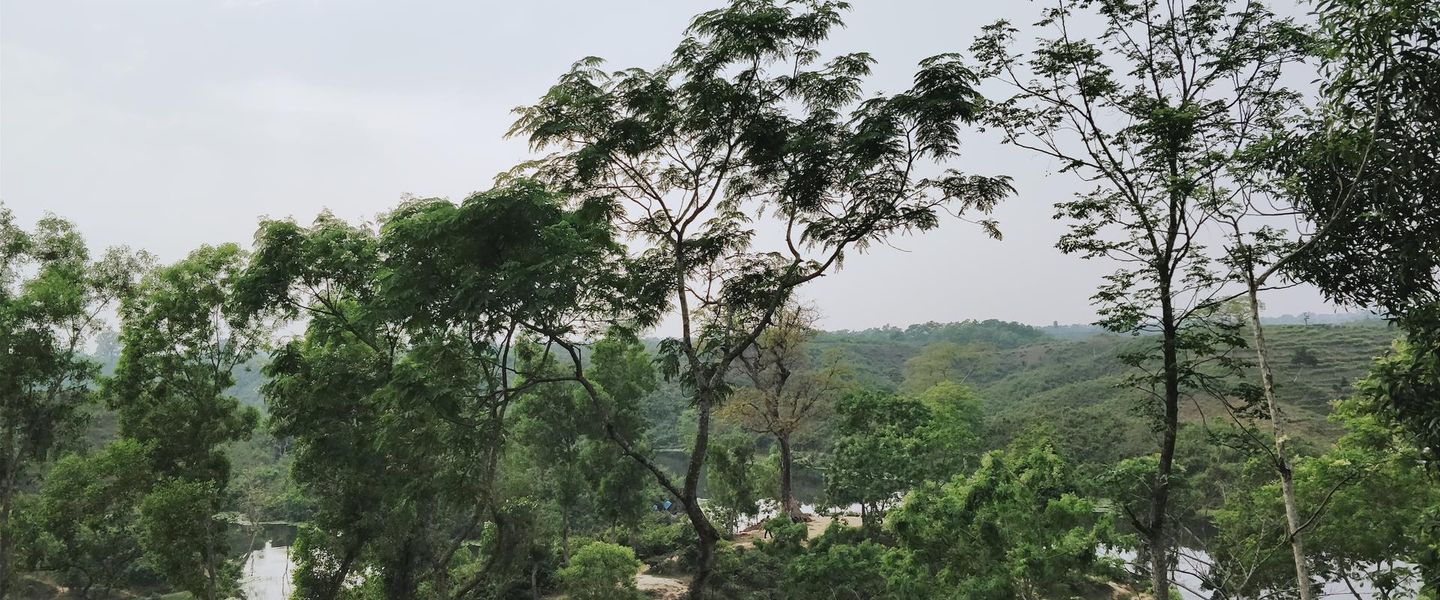


Explore Bangladesh's Madhupur Tract for sal forests, red-earth landscapes, pineapple country, rural markets and living Garo cultural heritage.
Read more about Madhupur Tract
When is the best time to visit Madhupur Tract?
Best: December–February · 24–27°C| Month | High (°C) | Rainfall (mm) |
|---|---|---|
| January (best) | 24 | 10 |
| February (best) | 27 | 20 |
| March | 32 | 40 |
| April | 35 | 60 |
| May | 35 | 100 |
| June | 34 | 200 |
| July | 32 | 300 |
| August | 33 | 300 |
| September | 33 | 200 |
| October | 32 | 100 |
| November | 28 | 40 |
| December (best) | 24 | 20 |
Getting to and around Madhupur Tract
How to get there
Transportation
Best attractions in Madhupur Tract
The Madhupur Tract's attractions centre on its raised red-earth landscape, surviving sal woodland and rural agricultural life. Madhupur National Park is the principal nature destination, offering forest scenery, ponds and walking opportunities, although paths and facilities vary and the area should not be treated as untouched wilderness. In the southern part of the same broad terrace, Bhawal National Park near Gazipur provides another setting for experiencing sal forest, woodland clearings and village-edge landscapes. Agricultural journeys around Madhupur are especially rewarding during the pineapple season, when roadside stalls and local markets reveal how the terrace soils support commercial fruit growing. Visitors interested in culture can explore market towns, village institutions and community life with prior permission and local guidance, including the heritage of Garo or Mandi communities. The region is better suited to slow, observational travel than to a dense programme of major monuments: its appeal lies in ecology, farming, food, seasonal colour and the contrast between elevated woodland and Bangladesh's surrounding floodplains.
-
Park
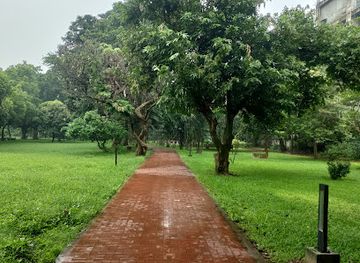
Ramna Park
Escape to Dhaka's historic Ramna Park: a serene oasis of greenery, culture, and tranquility in the heart of the city.
-
Historical landmark
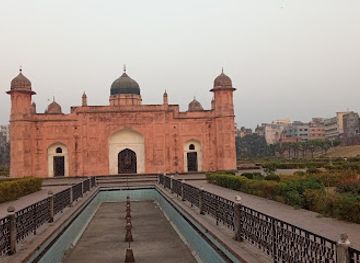
Lalbagh Fort
Explore the unfinished Mughal masterpiece of Lalbagh Fort in Dhaka, a 17th-century historical site with stunning architecture and rich heritage.
-
Historical landmark
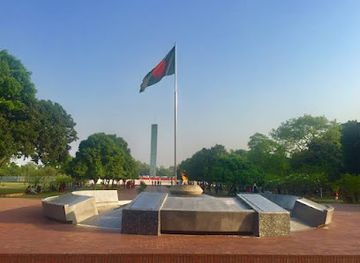
Sohrawardy Udyan
Explore Bangladesh's history and find serenity in the heart of Dhaka at Sohrawardy Udyan, a national memorial and urban oasis.
-
Zoo
Bangladesh National Zoo
Discover diverse wildlife at Bangladesh National Zoo in Dhaka, a sprawling sanctuary for animal lovers and families seeking a green escape.

Best landmarks in Madhupur Tract
The defining landmarks of the Madhupur Tract are landscape features rather than monumental architecture. Madhupur Garh, the raised terrace historically associated with the region, gives its name to a distinctive belt of red and ochre soils standing above the surrounding alluvial country. The sal forests of Madhupur National Park form the tract's most recognisable natural symbol, with woodland, ponds and forest roads illustrating both the importance and fragmentation of the original ecosystem. Bhawal National Park, in Gazipur on the southern continuation of the terrace, is another significant protected landscape and should be understood as a separate gateway area rather than an extension of Madhupur town. The agricultural edges around Madhupur, especially pineapple-growing country, are also visually and economically characteristic. In villages and market settlements, small religious buildings, community institutions and older rural roads provide local-scale points of interest, but they should be approached respectfully and not presented as historic monuments without reliable documentation.
-
Amphitheater
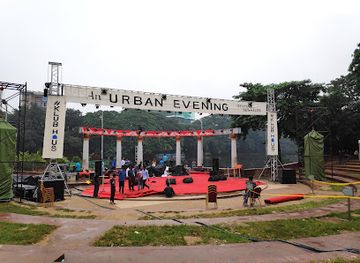
Rabindra Sarobar
Discover Dhaka's tranquil Rabindra Sarobar: A cultural hub by Dhanmondi Lake, perfect for events, relaxation, and natural beauty.
-
Park
Ramna Park
Escape to Dhaka's green heart: Ramna Park, a historic oasis of tranquility and cultural experiences in the bustling city center.
-
Historical landmark
Lalbagh Fort
Explore the unfinished Mughal masterpiece of Lalbagh Fort in Dhaka, a captivating blend of history, architecture, and serene gardens, offering a glimpse into imperial Bengal's rich past.
-
Historical landmark
Sohrawardy Udyan
Explore the historical Sohrawardy Udyan in Dhaka, a national memorial and green oasis, witnessing Bangladesh's pivotal moments and offering a tranquil escape.
Explore Madhupur Tract on the map
Plan your trip on one map. See where the top cities, national parks and sights are, and book hotels and experiences in a few clicks.
Best hotels in Madhupur Tract
Best restaurants in Madhupur Tract
Dining in the Madhupur Tract is primarily local and informal, with rice, fish, lentils, vegetables, meat curries and Bengali snacks available in town eateries, roadside restaurants and market stalls. The region's most recognisable food product is its pineapple, sold fresh in season and often accompanied by other local fruit such as jackfruit and bananas. Seasonal produce markets provide a more direct taste of the agricultural economy than formal restaurants. Tea stalls and small cafés are useful stops along road journeys, while larger towns offer a broader choice of Bengali and South Asian meals. Garo or Mandi communities have culinary traditions that differ in emphasis and preparation from mainstream Bengali food, but visitors should seek an invitation or an established community-led setting rather than expecting these dishes in every restaurant. Hygiene standards and water quality vary, so choose busy establishments, drink treated or bottled water and be cautious with raw food when travelling in rural areas.
-
Restaurant
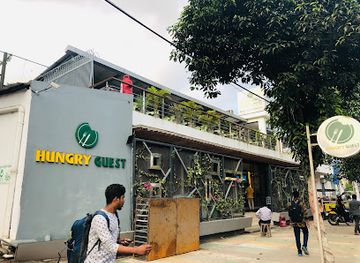
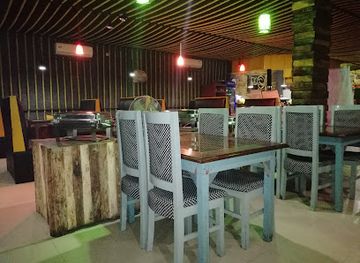
Hungry Guest
Experience culinary delight at Hungry Guest, Dhaka's favorite fast food spot serving delicious meals in a lively atmosphere.
-
Fast Food
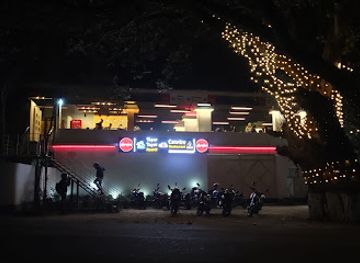
Full Stop Lounge & Restaurant
Experience delightful fast food at Full Stop Lounge & Restaurant in Gazipur—where taste meets comfort in every bite.
-
Restaurant
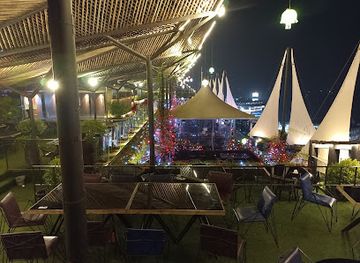
Buriganga Riverview Restaurant
Discover exquisite flavors at Buriganga Riverview Restaurant with breathtaking river views - A culinary haven in Dhaka.
-
Restaurant
Tapur Tupur Resort
Discover authentic Bangladeshi flavors at Tapur Tupur Resort in Bamonsur - where culinary excellence meets cultural richness.
Best bars in Madhupur Tract
The Madhupur Tract does not have a major nightclub or organised late-night entertainment scene. Evening life is concentrated in tea stalls, family restaurants, market areas and modest local eateries, with conversation and television often more prominent than formal nightlife. Madhupur town and the larger towns on the region's margins provide the greatest choice of places to eat after dark, while forest-edge settlements become quiet comparatively early. Alcohol is not central to public social life, and licensed availability is limited compared with nightlife districts in Dhaka. Visitors seeking live music, contemporary bars or late venues will find a much wider selection in the capital, outside the region. In the tract itself, an evening walk through a settled market area, followed by a meal or tea, offers a more realistic view of local after-dark culture than searching for clubs.
-
Bar
Chalet Restaurant & Bar
Experience the vibrant nightlife and exceptional dining at Chalet Restaurant & Bar, Dhaka's go-to destination for food and drinks.
-
Bar
La Diplomat Restaurant & Bar
Experience the vibrant culinary scene at La Diplomat Restaurant & Bar in Dhaka, where local flavors meet international cuisine in a stylish setting.
-
Bar
DPL Restaurant & Bar
Experience the vibrant nightlife and delicious cuisine at DPL Restaurant & Bar in Dhaka, a must-visit for every traveler.
-
Bar
Bluemoon Recreation Club
Experience the lively atmosphere at Bluemoon Recreation Club in Dhaka, where relaxation meets entertainment in a perfect blend.



Best nightclubs in Madhupur Tract
The Madhupur Tract does not have a major nightclub or organised late-night entertainment scene. Evening life is concentrated in tea stalls, family restaurants, market areas and modest local eateries, with conversation and television often more prominent than formal nightlife. Madhupur town and the larger towns on the region's margins provide the greatest choice of places to eat after dark, while forest-edge settlements become quiet comparatively early. Alcohol is not central to public social life, and licensed availability is limited compared with nightlife districts in Dhaka. Visitors seeking live music, contemporary bars or late venues will find a much wider selection in the capital, outside the region. In the tract itself, an evening walk through a settled market area, followed by a meal or tea, offers a more realistic view of local after-dark culture than searching for clubs.
-
Bar
Bluemoon Recreation Club
Discover the ultimate blend of relaxation, dining, and fitness at Bluemoon Recreation Club, Dhaka's premier social and leisure destination.
-
Bar
Lake View Recreation Club, Gulshan-1
Experience the serene beauty and vibrant atmosphere at Lake View Recreation Club, a top bar in Gulshan-1, Dhaka.
-
Bar
Fuwang Club
Experience the vibrant nightlife at Fuwang Club, Dhaka's premier bar offering a wide selection of drinks and a lively atmosphere.
-
Bar
Korean Bangladesh Club restaurant L.T.D
Experience the fusion of Korean and Bangladeshi cuisine at the Korean Bangladesh Club Restaurant in Dhaka, a culinary gem in the city's vibrant dining scene.



Best shops in Madhupur Tract
Shopping in the Madhupur Tract is closely tied to produce markets and rural commerce rather than large retail centres. Seasonal pineapples are the signature purchase, with jackfruit, bananas and other fruits also available from roadside stalls and market traders. Buy from established sellers, check quality and remember that fresh produce may be difficult to carry on long onward journeys. Madhupur and nearby market towns offer everyday clothing, household goods, snacks and small agricultural products, while craft choices are more modest than in Bangladesh's major urban shopping areas. Visitors may encounter bamboo, cane or locally made household items, but availability varies and claims of regional origin should be checked with the seller. Tangail's wider area is associated nationally with handloom textiles, yet not every textile sold in the tract is locally produced. Bargain politely, carry cash in smaller notes and avoid purchasing timber, wildlife products or objects removed from protected forest areas.
-
Clothing store
Unique.we
Explore Unique.we in Dhaka for an unparalleled shopping experience filled with trendy and unique clothing options.
-
 Gift shop
Unique Collection
Discover Unique Collection in Dhaka for exquisite gifts and cosmetics that embody the essence of Bangladeshi culture.
-
Supermarket
My Shopping BD
Experience local flavors and vibrant shopping culture at My Shopping BD in Tangail, offering a wide selection of products for every taste.
-
Gift shop
Edit shop
Explore Khashkarra Union's vibrant culture through unique gifts and artisan crafts at the local gift shop, a perfect stop for souvenirs.


Get your free copy of our complete guide to Madhupur Tract, delivered straight to you.
Everything on this page, from attractions and restaurants to essentials and local phrases, in one PDF you can read offline, print or share.
Already have an account? Sign in
Your Madhupur Tract guide is ready.
We'll send it to · Not you? Sign out

Getting your guide ready…
We are putting together a fresh copy of the Madhupur Tract guide. This can take up to a minute.
This can take a few moments. If your browser asks, choose Allow so the download can start. You'll find the guide in your Downloads folder.
Nothing happened? Download it again
Sorry, the guide is taking longer than usual. Please try again in a minute, or get it by email instead.
Madhupur Tract essentials
Currency and Payment
Safety
Emergency Situations
Do's and Don'ts
Local Tips
From Eve
Local phrases worth knowing
You don't need to get them perfect. A few words go a long way, and locals appreciate the effort.
Basics
| English | Local | Say it |
|---|---|---|
| Hello | হ্যালো | [Hyālō] |
| Goodbye | বিদায় | [Bidāẏ] |
| Yes | হ্যাঁ | [Hyā̃] |
| No | না | [Nā] |
| Please/You're welcome | দয়া করে | [Doyā karē] |
| Thank you | ধন্যবাদ | [Dhon'yabād] |
| Excuse me/Sorry | মাফ করবেন | [Māph karabēn] |
| How are you? | কেমন আছেন? | [Kēmōn āchēn?] |
| Fine. And you? | ভাল। আর আপনি? | [Bhāl. Ār āpani?] |
| Do you speak English? | আপনি কি ইংরেজি বলতে পারেন? | [Āpani ki iṅrēji balatē pārēn?] |
| I don't understand | আমি বুঝতে পারছি না | [Āmi bujhtē pārchī nā] |
Eating & Drinking
| English | Local | Say it |
|---|---|---|
| I'd like to see the menu, please | মেনু দেখতে চাই, দয়া করে | [Mēnu dēkhtē chā'i, doyā karē] |
| I don't eat meat | আমি মাংস খাই না | [Āmi māṅsa khā'i nā] |
| Cheers! | সুস্বাদু! | [Susvādu!] |
| I would like to pay, please | আমি পরিশোধ করতে চাই, দয়া করে | [Āmi pariṣōdh karatē chā'i, doyā karē] |
Emergencies
| English | Local | Say it |
|---|---|---|
| Help! | সাহায্য করুন! | [Sāhāyya karun!] |
| Go away! | এখান থেকে চলে যান! | [Ēkhān thēkē calē yān!] |
| Call the Police! | পুলিশ ডাকুন! | [Pulīṣa ḍākun!] |
| Call a doctor! | ডাক্তার ডাকুন! | [Ḍāktār ḍākun!] |
| I'm lost | আমি হারিয়ে গেছি | [Āmi hāriẏē gēchī] |
| I'm ill | আমি অসুস্থ | [Āmi asuṣṭha] |
Shopping
| English | Local | Say it |
|---|---|---|
| I'd like to buy... | আমি কিনতে চাই... | [Āmi kintē chā'i...] |
| I'm just looking | আমি শুধু দেখছি | [Āmi sudhu dēkhchī] |
| How much is it? | এটার দাম কত? | [Ēṭār dām kata?] |
| That's too expensive | এটা খুব দামি | [Ēṭā khub dāmī] |
| Can you lower the price? | আপনি কি দাম কমাতে পারেন? | [Āpani ki dām kamātē pārēn?] |
Time & Numbers
| English | Local | Say it |
|---|---|---|
| What time is it? | এখন সময় কত? | [Ēkhana samaya kata?] |
| It's one o'clock | এখন একটা বাজছে | [Ēkhana ēkaṭā bājcē] |
| Half past (10) | সাড়ে (১০) | [Sāṛē (10)] |
| Morning | সকাল | [Sakal] |
| Afternoon | দুপুর | [Dupur] |
| Evening | সন্ধ্যা | [Sandhyā] |
| Yesterday | গতকাল | [Gatakāl] |
| Today | আজ | [Āj] |
| Tomorrow | কাল | [Kāl] |
| 1 | ১ | [1] |
| 2 | ২ | [2] |
| 3 | ৩ | [3] |
| 4 | ৪ | [4] |
| 5 | ৫ | [5] |
| 6 | ৬ | [6] |
| 7 | ৭ | [7] |
| 8 | ৮ | [8] |
| 9 | ৯ | [9] |
| 10 | ১০ | [10] |
Transport & Directions
| English | Local | Say it |
|---|---|---|
| Where's a/the...? | একটা ... কোথায়? | [Ēkaṭā ... kōthāẏ?] |
| What's the address? | ঠিকানা কি? | [Thikānā ki?] |
| Can you show me (on the map)? | আপনি কি আমাকে দেখাতে পারেন (মানচিত্রে)? | [Āpani ki āmākē dēkhātē pārēn (mānchitrē)?] |
| When's the next (bus)? | পরবর্তী (বাস) কখন? | [Parabartī (bāsa) kakhana?] |
| A ticket (to ....) | একটা টিকিট (....) | [Ēkaṭā ṭikiṭ (....)] |
History of Madhupur Tract
Formation of the Madhupur Terrace
The Madhupur Tract is a Pleistocene terrace, formed from older sediments that stand above the younger alluvial plains surrounding it. Its reddish soils, gently raised ground and different drainage pattern distinguish it from the flood-prone lowlands of central Bangladesh. This geological foundation shaped later settlement and agriculture, allowing woodland and cultivation to develop under conditions unlike those of the neighbouring river floodplains. The terrace is therefore not simply a scenic regional label; it is the physical basis for the tract's distinctive ecology and long human history.
Early Forest Communities and Agricultural Settlement
Before modern roads and intensive commercial cultivation, much of the tract consisted of woodland, grassland and dispersed settlements. Indigenous and forest-dependent communities, including Garo or Mandi people, developed livelihoods connected with farming, woodland resources and village networks. Bengali settlement expanded over time, and agriculture reshaped many parts of the terrace. The resulting cultural landscape is a product of coexistence, adaptation and change rather than a single community's history. Forest remnants, village names and local institutions continue to reflect these older patterns.
Mughal and Regional Agrarian Administration
The tract formed part of the wider agrarian world of Bengal under Mughal and later regional administrations. Its raised land was less directly governed by the seasonal rhythms of major rivers than surrounding floodplains, yet it remained connected to nearby markets through cultivation, revenue collection and local routes. Historical change was gradual and uneven, with forest and farming landscapes existing side by side. The growth of surrounding market settlements helped integrate the tract more closely with the wider economy of central Bengal.
Colonial Forestry and Commercial Land Use
During British rule, woodland management became increasingly formalised, and sal forests were treated as timber and administrative resources as well as habitats. Roads, revenue systems and expanding cultivation altered access to the terrace. Colonial forestry practices and later population growth contributed to the reorganisation of forest land, while local communities continued to depend on surrounding landscapes. The modern distinction between protected forest, cultivated plot and settlement has roots in these changing systems of administration and resource control.
Forest Protection after the Partition Era
After 1947, forest management continued under Pakistan and subsequently Bangladesh, while demographic pressure and agricultural expansion intensified. Sal woodland declined in many areas through clearing, settlement and extraction, prompting stronger conservation measures. Protected areas were established to retain representative portions of the tract's ecosystem. Madhupur National Park, created in the early 1960s, became one of the most visible expressions of this policy, although protection has continued to involve difficult questions about land rights, livelihoods and community participation.
National Parks and Contemporary Conservation
Independent Bangladesh has treated the Madhupur and Bhawal forest belts as important conservation and recreation landscapes. National-park designation brought public attention, visitor facilities and a stronger legal framework, but it did not remove pressures from farming, roads, settlement or the collection of forest resources. Contemporary debates therefore concern not only tree cover and wildlife but also the rights and livelihoods of people living around protected areas. The tract's current identity is shaped by this continuing balance between ecological restoration, local use and public access.
Madhupur Tract in Photos
Browse through our photo collection highlighting the charm and character of the destination.
Neighbouring regions of Madhupur Tract
The closest regions to Madhupur Tract, if you have time for more than one.
-

-
-

-

-


Swipe for more regions
Explore more

Explore more of Bangladesh
Discover Bangladesh: A land of rivers, rich culture, and breathtaking landscapes. Explore ancient sites, vibrant cities, and the unique flavors of this South Asian gem.
Explore Bangladesh