Central Shaheed Minar Travel Guide
Free Guide: A national monument in Dhaka, Bangladesh, commemorating the martyrs of the Bengali Language Movement and a symbol of Bengali nationalism and cultural identity.


A brief summary of Central Shaheed Minar
A national monument in Dhaka, Bangladesh, commemorating the martyrs of the Bengali Language Movement and a symbol of Bengali nationalism and cultural identity.
The Central Shaheed Minar stands as a poignant national monument in Dhaka, Bangladesh, commemorating the martyrs of the 1952 Bengali Language Movement. This pivotal movement arose from the demand for Bengali to be recognized as an official language. Students and activists, protesting for their linguistic rights, were tragically killed near Dhaka Medical College, inspiring the construction of this memorial. The Shaheed Minar embodies the spirit of Bengali nationalism and the importance of the Bengali language in the nation's cultural identity. It serves as a gathering place for national mourning, cultural events, and a reminder of the sacrifices made for linguistic freedom. Visiting this monument offers a profound connection to Bangladesh's history and its ongoing commitment to preserving its heritage. The monument's simple yet evocative design, with its towering columns, creates an atmosphere of solemnity and pride, making it a must-see for anyone seeking to understand Bangladesh's cultural heart.
- Address
- Near Dhaka Medical College Gate, Secretariat Road, Secretariate Rd, Dhaka 1000
Getting there
Walking
Public Transport
Rickshaw
Taxi/Ride-Share
Discover more about Central Shaheed Minar
Overview
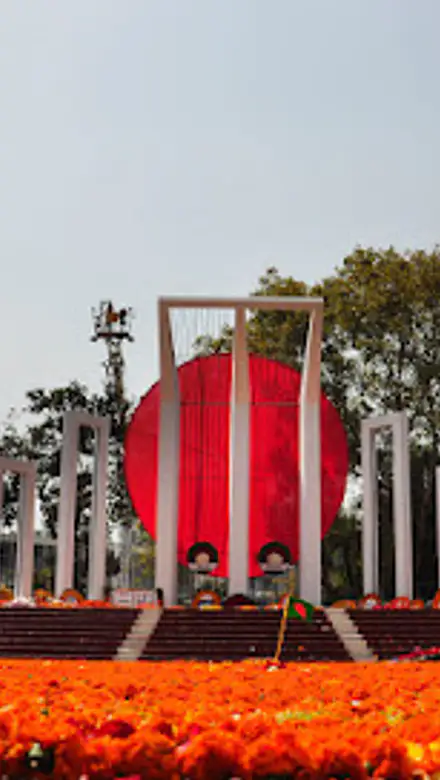
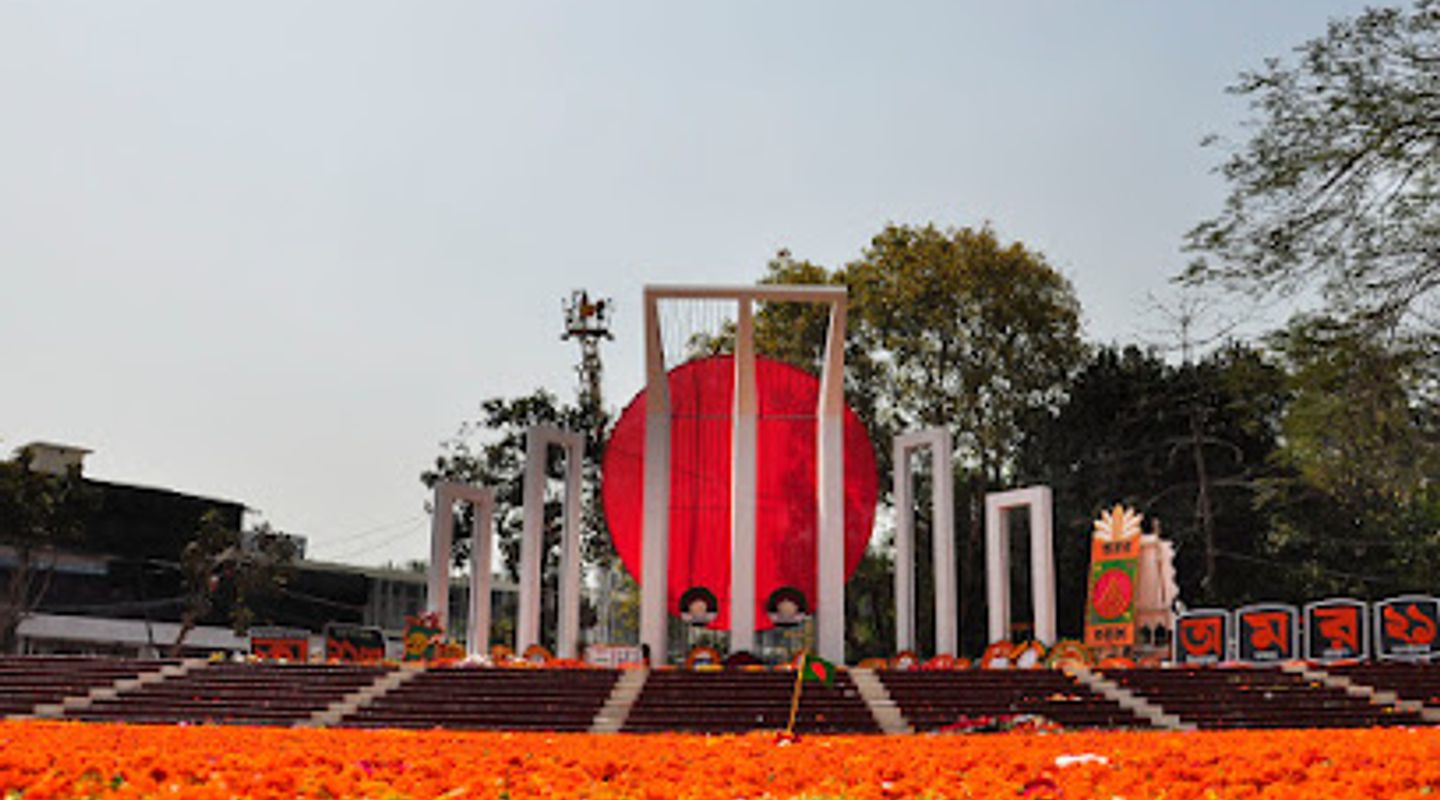
The Central Shaheed Minar, or Martyrs' Monument, is more than just a structure; it's the beating heart of Bengali identity and a testament to the enduring power of language and culture. Located in the vibrant city of Dhaka, adjacent to Dhaka Medical College and within the Dhaka University area, this national monument stands as a solemn reminder of the sacrifices made during the Bengali Language Movement of 1952. That year, students and activists bravely protested the Pakistani government's decision to impose Urdu as the sole official language, denying recognition to Bengali, the mother tongue of the region's majority. On February 21st and 22nd, peaceful demonstrators were met with brutal force, resulting in the deaths of numerous students and igniting a flame of resistance that would eventually lead to the independence of Bangladesh. The Shaheed Minar was erected to honor these fallen heroes, symbolizing the unwavering spirit of the Bengali people and their fight for self-determination. The original, makeshift monument, hastily constructed by students of Dhaka Medical College, was quickly demolished by Pakistani authorities, but the spirit of the monument could not be destroyed. After years of struggle, Bengali was finally granted official status in 1956. The current structure, designed by the talented sculptors Hamidur Rahman and Novera Ahmed, was completed in 1963, only to be destroyed again during the Bangladesh Liberation War in 1971. Following Bangladesh's independence, the Shaheed Minar was rebuilt and expanded in 1983, solidifying its place as a national icon. The architecture of the Shaheed Minar is both striking and deeply symbolic. The central structure features a mother figure, represented by a semi-circular arrangement of columns, symbolizing the nurturing and protective spirit of the Bengali language. The columns stand on a raised dais, representing the sacrifice of her fallen sons, while the red sun shining behind evokes the promise of a new dawn. The monument's height reaches 14 meters (46 feet), constructed with marble stones, with stairs and barriers highlighted in white to create a sense of reverence. Visiting the Central Shaheed Minar is a deeply moving experience, especially on February 21st, now recognized as International Mother Language Day. On this day, millions of people from all walks of life converge on the monument to pay their respects, laying wreaths of flowers at the base and participating in somber processions. The atmosphere is thick with emotion, a powerful reminder of the importance of linguistic and cultural identity. Beyond its historical significance, the Shaheed Minar serves as a cultural hub, hosting various events and activities throughout the year. It's a place where students gather to discuss politics, artists find inspiration, and families come to reflect on their heritage. The monument is a living testament to the power of language to unite a people and inspire them to fight for their rights. While visiting, remember to remove your shoes as a sign of respect. The monument is wheelchair accessible, ensuring that everyone can pay their respects. Consider visiting early in the morning or on weekdays to avoid the crowds, allowing for a more peaceful and contemplative experience. Take time to explore the surrounding area, including the Dhaka University campus and the nearby Dhaka Medical College, both of which played pivotal roles in the Language Movement. The Central Shaheed Minar is more than just a monument; it's a symbol of resilience, a celebration of culture, and a reminder of the ongoing struggle for justice and equality. It's a place where history comes alive, where emotions run deep, and where the spirit of Bangladesh shines brightest. A visit to this iconic landmark is an essential experience for anyone seeking to understand the heart and soul of this vibrant nation. While in the area, consider visiting other nearby attractions. Ramna Park offers a tranquil escape from the bustling city, while the National Museum provides a comprehensive overview of Bangladesh's rich history and culture. For those interested in architecture, the Curzon Hall, a stunning example of colonial-era design, is also worth a visit. The nearby Old Dhaka area offers a glimpse into the city's past, with its narrow streets, historic buildings, and bustling markets. The Central Shaheed Minar is not merely a destination; it is an experience that resonates long after you leave. It is a place to reflect on the power of language, the importance of cultural identity, and the enduring human spirit that can overcome even the most daunting challenges. It is a place where you can connect with the heart of Bangladesh and gain a deeper understanding of its people, its history, and its unwavering commitment to freedom and justice. Whether you are a history buff, a culture enthusiast, or simply a traveler seeking meaningful experiences, the Central Shaheed Minar is a must-see destination that will leave an indelible mark on your soul. Come and witness the power of language, the strength of unity, and the enduring spirit of a nation that has overcome adversity to create a brighter future for all.
Evendo Review Centre
 Google
Guest reviews
Explore Central Shaheed Minar on the map
A handpicked selection of must-see spots near Central Shaheed Minar, mapped for you.
Get your free copy of our complete guide to Central Shaheed Minar, delivered straight to you.
Everything on this page, from opening hours and how to get there to Eve’s tips and the best time to go, in one PDF you can read offline, print or share.
Already have an account? Sign in
Your Central Shaheed Minar guide is ready.
We'll send it to · Not you? Sign out

Getting your guide ready…
We are putting together a fresh copy of the Central Shaheed Minar guide. This can take up to a minute.
This can take a few moments. If your browser asks, choose Allow so the download can start. You'll find the guide in your Downloads folder.
Nothing happened? Download it again
Sorry, the guide is taking longer than usual. Please try again in a minute, or get it by email instead.
Unlock the best of Central Shaheed Minar
Skip-the-line tickets, guided tours with entry, and walking tours of the area, booked in a few clicks.


Other nearby places you may find interesting
The closest places of the same kind, if this one is not quite what you had in mind.
-
-
-
-
-


Swipe for more places
More to explore near Central Shaheed Minar

 Best experiences near Central Shaheed Minar

 Best hotels near Central Shaheed Minar

 Best landmarks near Central Shaheed Minar

 Best attractions near Central Shaheed Minar

 Best shops near Central Shaheed Minar

 Best restaurants near Central Shaheed Minar

 Best bars near Central Shaheed Minar
Do you manage this location?
Take control to get all the benefits, like improved information, better appearance, and stronger visibility across AI-powered discovery.
Explore more

Explore more of Northern Bengal
Discover Northern Bengal: A region of lush tea gardens, ancient monuments, and vibrant local culture in the heart of Bangladesh.
Explore Northern Bengal
Explore more of Bangladesh
Discover Bangladesh: A land of rivers, rich culture, and breathtaking landscapes. Explore ancient sites, vibrant cities, and the unique flavors of this South Asian gem.
Explore Bangladesh