

Free Northern Bengal Travel Guide & Mobile App
Explore Northern Bengal with free travel guides. Discover regional history, expert tips, proposed trips, and audio guides on web or mobile app.


Discover Northern Bengal: A region of lush tea gardens, ancient monuments, and vibrant local culture in the heart of Bangladesh.
Read more about Northern Bengal
When is the best time to visit Northern Bengal?
Best: February–March, November · 22–28°C| Month | High (°C) | Rainfall (mm) |
|---|---|---|
| January | 20 | 10 |
| February (best) | 22 | 15 |
| March (best) | 28 | 30 |
| April | 32 | 50 |
| May | 33 | 80 |
| June | 34 | 150 |
| July | 33 | 200 |
| August | 32 | 180 |
| September | 31 | 160 |
| October | 30 | 100 |
| November (best) | 25 | 30 |
| December | 21 | 20 |
Getting to and around Northern Bengal
How to get there
Transportation
Top city travel guides in Northern Bengal
The cities of Northern Bengal, and the easiest places to base yourself.
-

-

-


Swipe for more cities
Best attractions in Northern Bengal
Northern Bengal in Bangladesh is a treasure trove of historical and natural wonders waiting to be discovered. Visitors can explore the ancient ruins of Mahasthangarh, one of South Asia's earliest urban archaeological sites, or wander through the serene Paharpur Buddhist Monastery, a UNESCO World Heritage Site known for its intricate terracotta art. The region is also home to the picturesque tea gardens of Tetulia, where lush green landscapes stretch as far as the eye can see. For nature enthusiasts, the Sundarbans mangrove forest offers a chance to spot the elusive Royal Bengal Tiger and a myriad of other wildlife species. Additionally, the bustling markets of Dinajpur and the vibrant cultural festivals provide a glimpse into the rich tapestry of local life and traditions.
-
Amphitheater
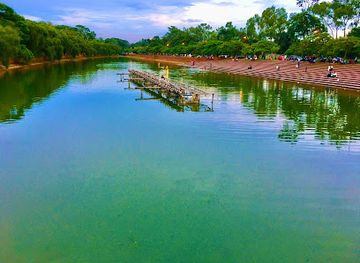
Rabindra Sarobar
Experience the serene beauty and rich cultural heritage at Rabindra Sarobar, Dhaka's beloved amphitheater and park.
-
Tourist attraction
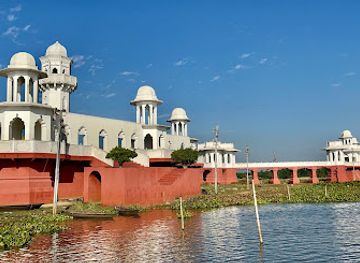
Neermahal
Discover Neermahal: Tripura's majestic 'Water Palace,' a unique blend of Hindu and Mughal architecture on Rudrasagar Lake, offering a glimpse into royal history.
-
Tourist attraction
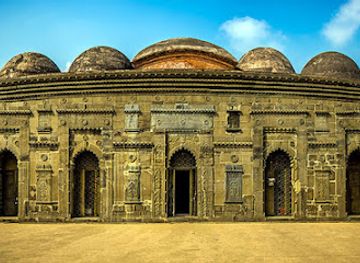
Choto Sona Masjid
Discover the architectural beauty and historical significance of Choto Sona Masjid, a majestic mosque in Shahabazpur that reflects Bangladesh's rich heritage.
-
Archaeological museum
Mahasthan Archaeological Museum
Explore ancient Bengal's history at Mahasthan Archaeological Museum, showcasing artifacts from Mahasthangarh and offering insights into past civilizations.
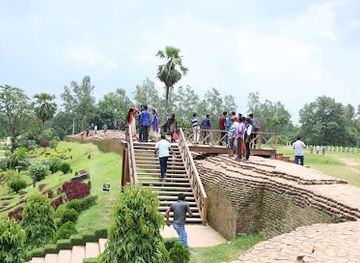
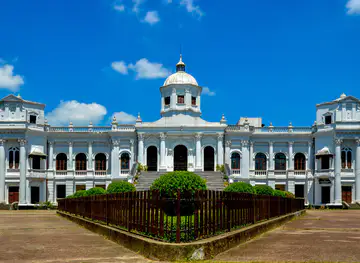
Best landmarks in Northern Bengal
Northern Bengal in Bangladesh offers a rich tapestry of historical and cultural landmarks that captivate every visitor. Explore the ancient ruins of Mahasthangarh, one of South Asia's earliest urban archaeological sites, where the remnants of a grand civilization whisper tales of the past. Wander through the serene Paharpur, home to the Somapura Mahavihara, a UNESCO World Heritage site and one of the largest Buddhist monasteries south of the Himalayas. Marvel at the intricate terracotta temples of Kantajew Temple in Dinajpur, showcasing exquisite 18th-century craftsmanship. Take a leisurely boat ride along the serene Teesta River, or visit the lush tea gardens of Panchagarh, where the verdant landscape soothes the soul. The vibrant local markets, brimming with handicrafts and traditional foods, offer a taste of the region's rich cultural heritage and hospitality, making Northern Bengal an unforgettable journey through time and tradition.
-
Amphitheater
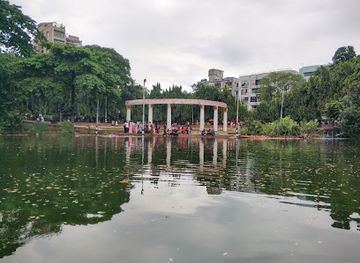
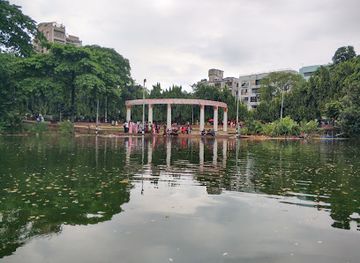
Rabindra Sarobar
Discover Dhaka's cultural gem: Rabindra Sarobar, a serene lakeside park offering a tranquil escape, vibrant cultural events, and a refreshing connection with nature in the heart of the city.
-
Historical landmark
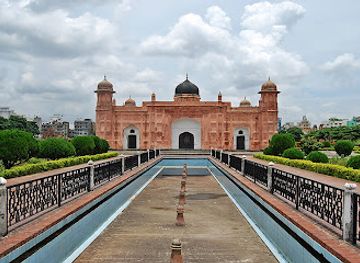
Lalbagh Fort
Discover the grandeur of Mughal architecture at Lalbagh Fort, an unfinished 17th-century masterpiece in Dhaka, offering a serene escape into history and a glimpse into imperial Bengal.
-
Historical landmark
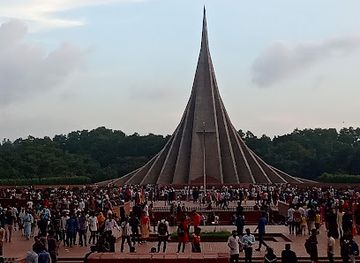
National Martyrs' Monument
A solemn tribute to Bangladesh's Liberation War heroes, the National Martyrs' Monument in Savar stands as a powerful symbol of resilience, unity, and national pride.
-
Park
Chandrima Udyan
Escape the city bustle at Chandrima Udyan, Dhaka's serene park with lush gardens, Crescent Lake, and historical significance, offering a tranquil retreat for all.
Explore Northern Bengal on the map
Plan your trip on one map. See where the top cities, national parks and sights are, and book hotels and experiences in a few clicks.
Best hotels in Northern Bengal
Best restaurants in Northern Bengal
Northern Bengal in Bangladesh offers a vibrant and rich dining scene that is a feast for the senses, blending traditional Bengali flavors with unique local twists. Visitors can savor an array of delectable dishes, from the spicy and tangy panta bhat (fermented rice) paired with hilsa fish, to the sweet and syrupy delights of pithas (rice cakes) that are especially popular during festive seasons. Street food enthusiasts will be delighted by the bustling markets offering mouth-watering fuchka (pani puri) and savory chotpoti. The region is also known for its aromatic biryanis and the hearty, slow-cooked beef bhuna, which are staples in many family-run eateries. Northern Bengal's dining scene is not just about the food but also the warm hospitality of the locals, who take immense pride in sharing their culinary heritage with visitors. Whether you are dining in a rustic village setting or a modern restaurant in the heart of a bustling town, each meal promises an authentic and memorable culinary adventure.
-
Restaurant
Ozz Cafe
Discover the flavors of Bangladesh at Ozz Cafe in Dhaka – where delicious meets delightful in every dish.
-
Biryani
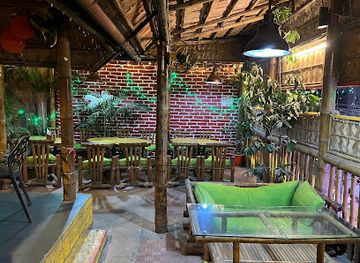
Kolkata Kacchi Ghor
Discover Kolkata Kacchi Ghor: A haven for biryani lovers in Dhaka offering authentic Bengali cuisine amidst vibrant surroundings.
-
Restaurant
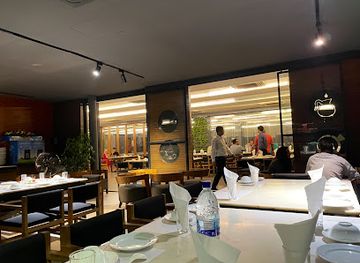
Thai Chi Restaurant & Cafe
Experience the best of Thai, Chinese, and Indian cuisines at Thai Chi Restaurant & Cafe in Dhaka - where flavors come alive.
-
Buffet
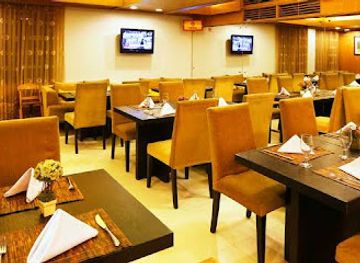
Garlic 'n Ginger
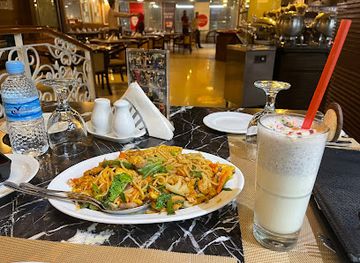
Experience an exquisite buffet blend of Bangladeshi and Chinese cuisines at Garlic 'n Ginger in Dhaka's Jamuna Future Park.
Best bars in Northern Bengal
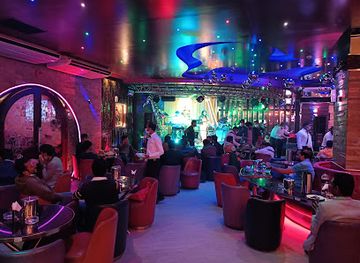
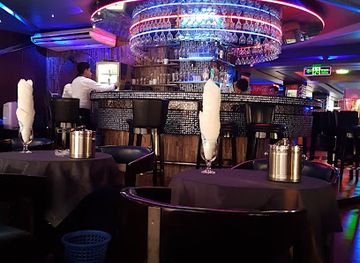
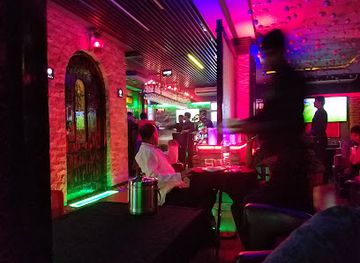
Northern Bengal, a treasure trove of rich history and vibrant culture, offers a unique and captivating nightlife scene that is sure to enchant any visitor. As the sun sets, the region comes alive with the sounds of traditional Bangladeshi music wafting through the air from lively local bars where both locals and tourists gather. These establishments, often adorned with intricate woodwork and colorful décor, provide an authentic atmosphere where visitors can enjoy local delicacies along with a variety of drinks, ranging from traditional rice wine to contemporary cocktails. In the heart of the towns, night markets bustle with energy, offering a sensory overload of sights, sounds, and smells as vendors sell everything from handcrafted souvenirs to delicious street food. For those seeking a more serene evening, many cultural centers host traditional dance and music performances, immersing visitors in the rich heritage of the region. The blend of historical ambiance and modern entertainment makes the nightlife in Northern Bengal an unforgettable experience.
-
Bar
Chalet Restaurant & Bar
Experience the vibrant nightlife of Dhaka at Chalet Restaurant & Bar, a central hub for locals and tourists alike.
-
Bar
Sakura Restaurant & Bar
Discover the essence of Bangladeshi flavors and international cuisine at Sakura Restaurant & Bar, a vibrant dining spot in Dhaka.
-
Bar
La Diplomat Restaurant & Bar
Experience the perfect blend of local and international cuisine at La Diplomat Restaurant & Bar in Dhaka, where every meal is a celebration of flavor.
-
Bar
DPL Restaurant & Bar
Experience the vibrant fusion of flavors and atmosphere at DPL Restaurant & Bar, where culinary delights meet a lively nightlife in Dhaka.

Best nightclubs in Northern Bengal
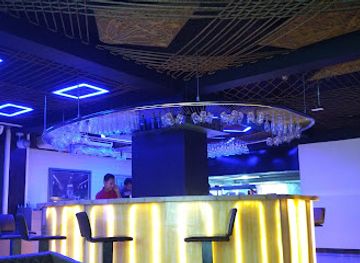
Northern Bengal, a treasure trove of rich history and vibrant culture, offers a unique and captivating nightlife scene that is sure to enchant any visitor. As the sun sets, the region comes alive with the sounds of traditional Bangladeshi music wafting through the air from lively local bars where both locals and tourists gather. These establishments, often adorned with intricate woodwork and colorful décor, provide an authentic atmosphere where visitors can enjoy local delicacies along with a variety of drinks, ranging from traditional rice wine to contemporary cocktails. In the heart of the towns, night markets bustle with energy, offering a sensory overload of sights, sounds, and smells as vendors sell everything from handcrafted souvenirs to delicious street food. For those seeking a more serene evening, many cultural centers host traditional dance and music performances, immersing visitors in the rich heritage of the region. The blend of historical ambiance and modern entertainment makes the nightlife in Northern Bengal an unforgettable experience.
-
Bar
Bluemoon Recreation Club
Experience the best of Dhaka at Bluemoon Recreation Club, where dining, fitness, and nightlife converge in an inviting atmosphere.
-
Bar
SKYe Lounge Bar
Experience the vibrant nightlife of Dhaka at SKYe Lounge Bar, where exquisite drinks and a lively atmosphere await every visitor.
-
Bar
City Orchard Recreation Club
Experience the lively nightlife at City Orchard Recreation Club, a prime bar and club in Dhaka, where unforgettable moments await.
-
Lounge
FBS Boys Common Room and Ice Cream Parlour
Experience the best ice cream and a cozy lounge atmosphere at FBS Boys Common Room in Dhaka, perfect for students and visitors alike.


Best shops in Northern Bengal
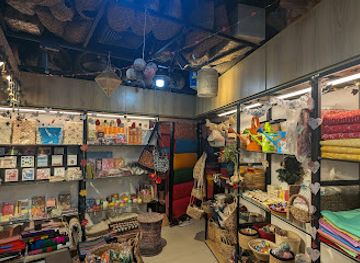
Northern Bengal in Bangladesh offers an enchanting shopping experience that effortlessly blends tradition and modernity, with bustling bazaars and local markets teeming with vibrant handicrafts, exquisite silk saris, and intricate Nakshi Kantha quilts, each piece narrating a rich cultural tale. Wander through the alleys of Bogra and Rangpur to discover charming pottery, brassware, and jute products, all handcrafted by skilled artisans, while the sweet aroma of traditional Bengali sweets like Mishti Doi and Kacha Golla tempts your senses. For those seeking contemporary treasures, the local boutiques and shops in cities like Rajshahi and Dinajpur provide a delightful array of trendy apparel, accessories, and home decor. The shopping scene is a kaleidoscope of colors, sounds, and textures, promising a sensory adventure that captivates and mesmerizes every visitor.
-
Shopping mall
Gausia Market
Discover the vibrant Gausia Market in Dhaka, where shopping meets culture, offering traditional batik clothing, trendy fashion, and unique accessories.
-
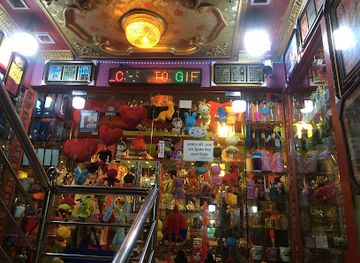
Gift shop
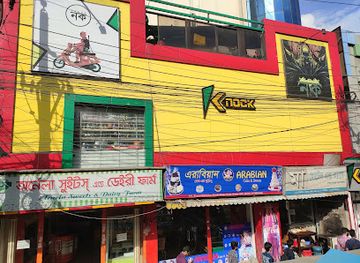
Knock
Discover an eclectic range of unique gifts and collectibles at Knock, a must-visit shop in the heart of Dhaka's vibrant shopping scene.
-
Gift shop
Gift Land
Discover unique gifts and local treasures at Gift Land in Dhaka, your ultimate stop for souvenirs and fashion accessories.
-
Gift shop
Source- A Fair Trade Gift Store
Explore Source, a Fair Trade Gift Store in Dhaka, offering unique handcrafted gifts that support local artisans and promote sustainable practices.

Get your free copy of our complete guide to Northern Bengal, delivered straight to you.
Everything on this page, from attractions and restaurants to essentials and local phrases, in one PDF you can read offline, print or share.
Already have an account? Sign in
Your Northern Bengal guide is ready.
We'll send it to · Not you? Sign out

Getting your guide ready…
We are putting together a fresh copy of the Northern Bengal guide. This can take up to a minute.
This can take a few moments. If your browser asks, choose Allow so the download can start. You'll find the guide in your Downloads folder.
Nothing happened? Download it again
Sorry, the guide is taking longer than usual. Please try again in a minute, or get it by email instead.
Northern Bengal essentials
Currency and Payment
Safety
Emergency Situations
Do's and Don'ts
Local Tips
From Eve
Local phrases worth knowing
You don't need to get them perfect. A few words go a long way, and locals appreciate the effort.
Basics
| English | Local | Say it |
|---|---|---|
| Hello | হ্যালো | [Hyalo] |
| Goodbye | বিদায় | [Biday] |
| Yes | হ্যাঁ | [Hya] |
| No | না | [Na] |
| Please/You're welcome | দয়া করে/স্বাগতম | [Doya kore/Swagatam] |
| Thank you | ধন্যবাদ | [Dhonnobad] |
| Excuse me/Sorry | মাফ করবেন/দুঃখিত | [Maf korben/Dukhito] |
| How are you? | আপনি কেমন আছেন? | [Apni kemon achen?] |
| Fine. And you? | ভাল। এবং আপনি? | [Bhalo. Ebong apni?] |
| Do you speak English? | আপনি কি ইংরেজি বলতে পারেন? | [Apni ki Ingreji bolte paren?] |
| I don't understand | আমি বুঝতে পারছি না | [Ami bujhte parchi na] |
Eating & Drinking
| English | Local | Say it |
|---|---|---|
| I'd like to see the menu, please | আমি মেনু দেখতে চাই, দয়া করে | [Ami menu dekhte chai, doya kore] |
| I don't eat meat | আমি মাংস খাই না | [Ami mangsho khai na] |
| Cheers! | চিয়ার্স! | [Cheers!] |
| I would like to pay, please | আমি দিতে চাই, দয়া করে | [Ami dite chai, doya kore] |
Emergencies
| English | Local | Say it |
|---|---|---|
| Help! | সাহায্য করুন! | [Sahajjo korun!] |
| Go away! | দূরে যান! | [Dure jan!] |
| Call the Police! | পুলিশ ডাকুন! | [Polish dakun!] |
| Call a doctor! | ডাক্তারের ডাকুন! | [Daktar er dakun!] |
| I'm lost | আমি হারিয়ে গেছি | [Ami hariye gechi] |
| I'm ill | আমি অসুস্থ | [Ami oshustho] |
Shopping
| English | Local | Say it |
|---|---|---|
| I'd like to buy... | আমি কিনতে চাই... | [Ami kinte chai...] |
| I'm just looking | আমি শুধু দেখছি | [Ami shudhu dekhchi] |
| How much is it? | এটার দাম কত? | [Etar dam koto?] |
| That's too expensive | এটা খুব দামি | [Eta khub dami] |
| Can you lower the price? | আপনি কি দাম কমাতে পারেন? | [Apni ki dam komate paren?] |
Time & Numbers
| English | Local | Say it |
|---|---|---|
| What time is it? | এখন কত বাজে? | [Ekhon koto baje?] |
| It's one o'clock | এখন একটা বাজে | [Ekhon ekta baje] |
| Half past (10) | দশটার অর্ধেক | [Dosh tar ordhek] |
| Morning | সকাল | [Shokal] |
| Afternoon | বিকেল | [Bikel] |
| Evening | সন্ধ্যা | [Shondhya] |
| Yesterday | গতকাল | [Gotokal] |
| Today | আজ | [Aaj] |
| Tomorrow | কাল | [Kal] |
| 1 | ১ | [1] |
| 2 | ২ | [2] |
| 3 | ৩ | [3] |
| 4 | ৪ | [4] |
| 5 | ৫ | [5] |
| 6 | ৬ | [6] |
| 7 | ৭ | [7] |
| 8 | ৮ | [8] |
| 9 | ৯ | [9] |
| 10 | ১০ | [10] |
Transport & Directions
| English | Local | Say it |
|---|---|---|
| Where's a/the...? | একটা/দ্য... কোথায়? | [Ekta/dya... kothay?] |
| What's the address? | ঠিকানা কী? | [Thikana ki?] |
| Can you show me (on the map)? | আপনি কি আমাকে দেখাতে পারেন (মানচিত্রে)? | [Apni ki amake dekhate paren (manchitre)?] |
| When's the next (bus)? | পরবর্তী (বাস) কখন? | [Poroborti (bas) kokhon?] |
| A ticket (to ....) | একটি টিকেট (.... এর জন্য) | [Ekti ticket (.... er jonno)] |
History of Northern Bengal
Ancient Kingdom of Pundravardhana
Northern Bengal's history can be traced back to the ancient kingdom of Pundravardhana, which flourished around 300 BCE. This kingdom was a major center of culture, learning, and trade, with its capital located at Mahasthangarh. The ruins at Mahasthangarh are some of the oldest archaeological remains in Bangladesh, offering a glimpse into the region's rich past.
The Gupta Empire
During the 4th to 6th centuries, Northern Bengal was part of the Gupta Empire, often referred to as the 'Golden Age' of ancient India. The Guptas were known for their contributions to arts, science, and literature. The region saw significant development in architecture, with numerous temples and monasteries being built, some of which remain as ruins today.
Pala Dynasty
From the 8th to the 12th century, Northern Bengal was ruled by the Pala Dynasty, which is often regarded as the most powerful dynasty in the region's history. The Palas were great patrons of Buddhism, and under their rule, the region saw the construction of numerous viharas (Buddhist monasteries) and stupas. The Somapura Mahavihara, a UNESCO World Heritage site, is a notable example from this era.
The Sena Dynasty
Following the decline of the Pala Dynasty, the Sena Dynasty took control of Northern Bengal in the 12th century. The Senas were Hindus and they marked a shift in the religious landscape of the region. They are credited with promoting Hinduism and building many temples, some of which still stand today. The dynasty's influence waned with the advent of Muslim rule in the 13th century.
The Islamic Period
The Islamic period in Northern Bengal began in the early 13th century with the conquest by the Delhi Sultanate. This era saw the spread of Islam, which significantly influenced the culture, architecture, and society of the region. Mosques, madrasas, and forts from this period can still be found, with the Adina Mosque in Pandua being one of the most impressive examples.
The Mughal Era
In the 16th century, Northern Bengal came under the control of the Mughal Empire. The Mughals brought administrative efficiency, economic prosperity, and architectural brilliance to the region. The town of Rajshahi thrived as a center of silk production, while the Mughal style of architecture can be seen in various buildings, including the Chhoto Sona Mosque and the Kusumba Mosque.
British Colonial Period
The British East India Company established control over Bengal by the late 18th century. Northern Bengal became part of British India, experiencing significant changes in its socio-economic structure. The British introduced railway lines, tea plantations, and modern education systems. However, the period also saw widespread exploitation and the impact of several famines.
Partition of Bengal and Independence
The partition of Bengal in 1947, which accompanied the independence of India and Pakistan, significantly altered the socio-political landscape of Northern Bengal. The region became part of East Pakistan, which later became Bangladesh in 1971 after a bloody war of independence. The cultural identity of Northern Bengal was shaped by these tumultuous events, and the spirit of resilience and independence is deeply ingrained in its people.
Northern Bengal in Photos
Browse through our photo collection highlighting the charm and character of the destination.
Neighbouring regions of Northern Bengal
The closest regions to Northern Bengal, if you have time for more than one.
-

-

-

-

-


Swipe for more regions
Explore more

Explore more of Bangladesh
Discover Bangladesh: A land of rivers, rich culture, and breathtaking landscapes. Explore ancient sites, vibrant cities, and the unique flavors of this South Asian gem.
Explore Bangladesh