Vasu Bihar, Rajshahi Division Travel Guide
Explore the ruins of Vasu Bihar, an ancient Buddhist monastic complex from the Pala Empire, near Mahasthangarh in Bangladesh.
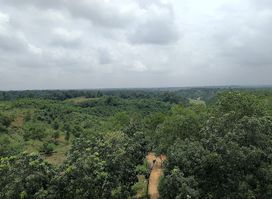
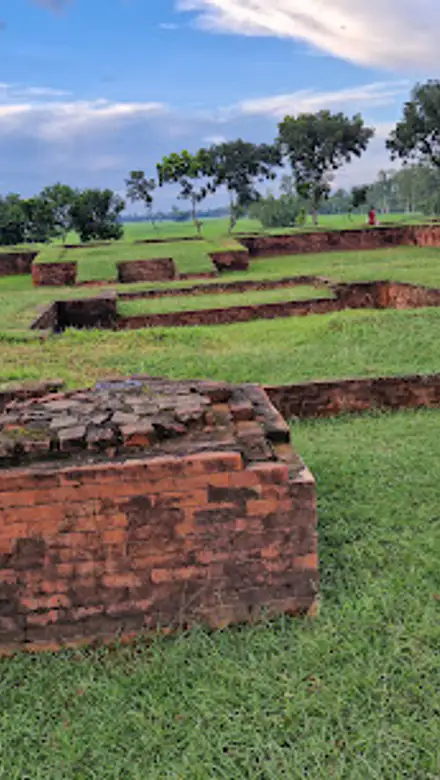
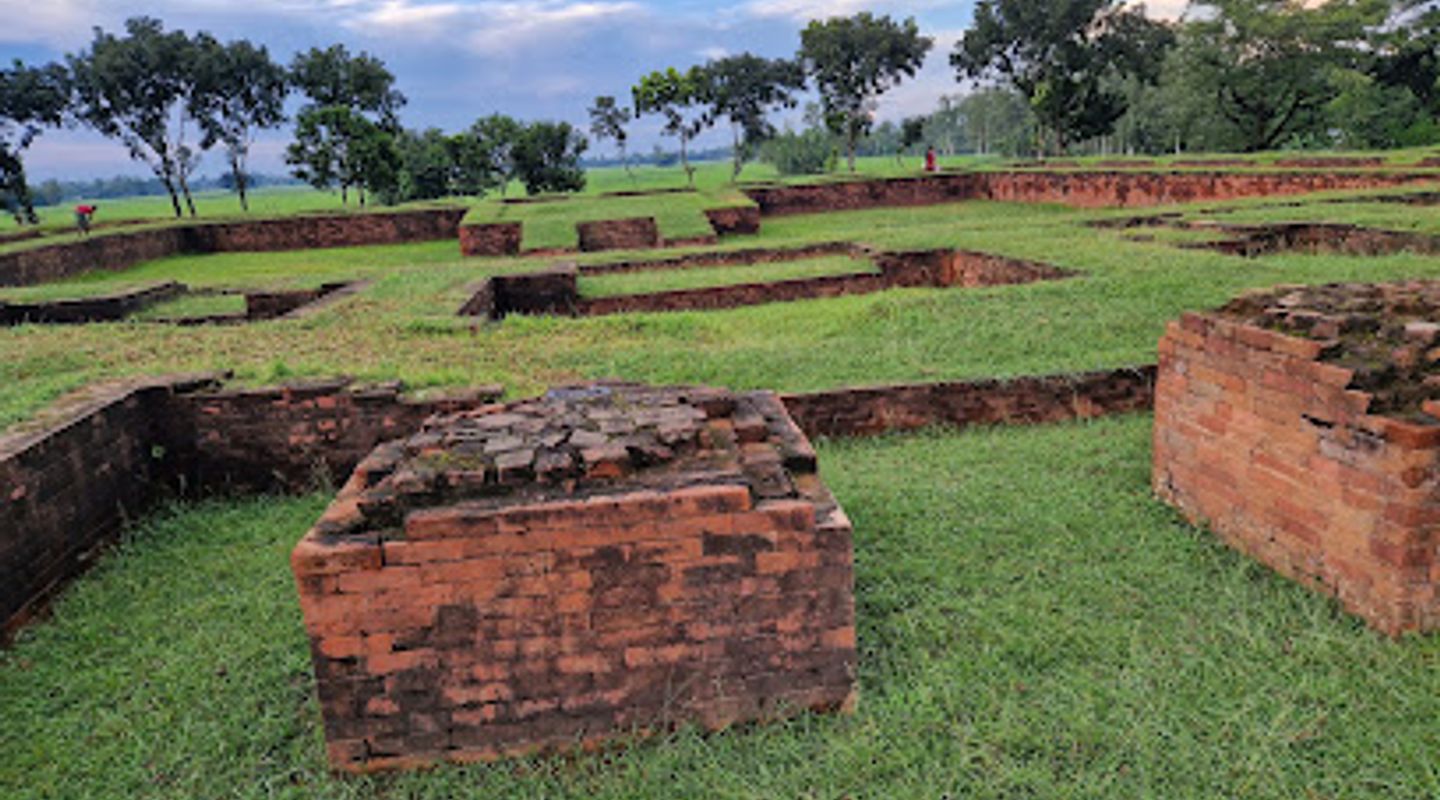
Vasu Bihar, also known as Narapatir Dhap, is an ancient Buddhist monastic complex dating back to the Pala dynasty (8th-12th centuries) in Bangladesh. Located near Mahasthangarh in the Bogura district, it offers a glimpse into the region's rich Buddhist heritage through its excavated ruins and artifacts.
A brief summary to Vasu Bihar
- X7MX+92V, 5810, BD

Know before you go
Hi, I'm Eve. Here are a few practical things to know before exploring Vasu Bihar.
- Visit during the cooler months (November to February) for a more comfortable experience exploring the ruins.
- Combine your visit with a trip to nearby Mahasthangarh, one of the earliest urban archaeological sites in Bangladesh.
- Hire a local guide to learn more about the history and significance of Vasu Bihar and its artifacts.
Do you manage this location?
Take control to get all the benefits, like improved information, better appearance, and stronger visibility across AI-powered discovery. Learn more about listing your business on Evendo
Activate your presenceOther nearby places you may find interesting
The closest places of the same kind, if this one is not quite what you had in mind.
Explore Vasu Bihar on the Map
A handpicked selection of must-see spots near Vasu Bihar, mapped for you.
Unlock the Best of Vasu Bihar
Buy tickets
-
No tickets available
Book tours with entry


Book tours without entry
-
No tours available
Getting There
-
Public Transport
From Bogura town, take a local bus heading towards Shibganj. Ask the conductor to drop you off near Vasu Bihar (also known as Narapatir Dhap). From the drop-off point, you may need to take a short CNG or auto-rickshaw ride to reach the site. Bus fare from Bogura to Shibganj area is approximately BDT 20-30. CNG/Auto-rickshaw fare for the final leg should be negotiated beforehand, expect to pay around BDT 50-80.
-
Taxi/Ride-Share
Taxis and ride-sharing services like Uber are available in Bogura. A taxi ride from Bogura city center to Vasu Bihar, approximately 18 kilometers, could cost around 374 BDT. Negotiate the fare beforehand or use a ride-hailing app for a fixed price. Uber Tuk and Uber Moto are also available.
Discover more about Vasu Bihar













Your all‑in‑one travel companion app
Explore expert travel guides, compare and book tours, experiences, hotels, and more—all from the palm of your hand. Download now for seamless trip planning wherever your wanderlust takes you.


Explore More of Rajshahi Division

Looking beyond Vasu Bihar? Discover Rajshahi Division for broader travel guides, local hot-spots, and regional highlights.
Explore Rajshahi Division