

Free Rajshahi Division Travel Guide & Mobile App
Explore Rajshahi Division with free travel guides. Discover regional history, expert tips, proposed trips, and audio guides on web or mobile app.


Explore Rajshahi Division for Buddhist archaeology, terracotta temples, Padma riverside towns, mango orchards and Bangladesh's celebrated silk tradition.
Read more about Rajshahi Division
When is the best time to visit Rajshahi Division?
Best: December–February · 23–26°C| Month | High (°C) | Rainfall (mm) |
|---|---|---|
| January (best) | 23 | 8 |
| February (best) | 26 | 15 |
| March | 32 | 25 |
| April | 36 | 40 |
| May | 37 | 100 |
| June | 34 | 200 |
| July | 32 | 250 |
| August | 32 | 230 |
| September | 32 | 150 |
| October | 32 | 100 |
| November | 29 | 20 |
| December (best) | 24 | 10 |
Getting to and around Rajshahi Division
How to get there
Transportation
Top city travel guides in Rajshahi Division
The cities of Rajshahi Division, and the easiest places to base yourself.
-

-


Swipe for more cities
Best attractions in Rajshahi Division
Rajshahi Division's attractions combine major archaeological sites with living religious architecture, river landscapes and agricultural experiences. Paharpur in Naogaon is the region's most prominent Buddhist monument, where the plan of Somapura Mahavihara can be read across its broad brick foundations and central shrine. Bogura's Mahasthangarh offers a different archaeological experience, with ancient ramparts, museum collections and surrounding mounds linked to the early urban history of northern Bengal. Around Rajshahi, Puthia's concentration of temples, palace buildings, ponds and terracotta decoration rewards careful walking, while Bagha Mosque provides a more intimate encounter with Sultanate architecture. Chapai Nawabganj combines historic mosques with mango-growing country, especially around orchards and seasonal markets. Natore's Uttara Ganabhaban and associated heritage sites recall the former estate culture of the area. In Pabna and Sirajganj, riverbanks, wetlands, weaving communities and market towns broaden the experience beyond monuments. The division also suits birdwatching, photography, cycling on quieter rural roads and seasonal food journeys, although facilities outside principal towns are limited and visits require flexible planning.
-
Historical place museum
Hazarduari Palace & Museum
Step back in time at Hazarduari Palace, Murshidabad: Explore a thousand doors and discover the opulent world of Bengal's Nawabs.
-
Park
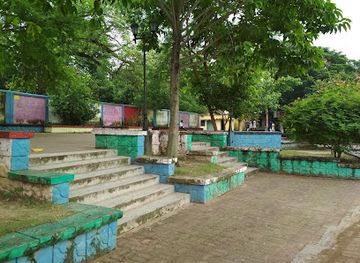
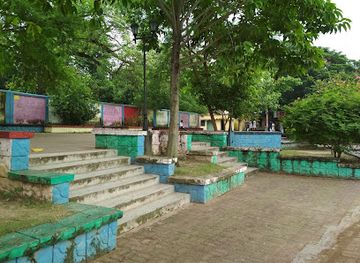
Padma Garden
Experience tranquility at Padma Garden, Rajshahi's riverside retreat, blending natural beauty with local heritage for a serene escape and recreation.
-
Tourist attraction
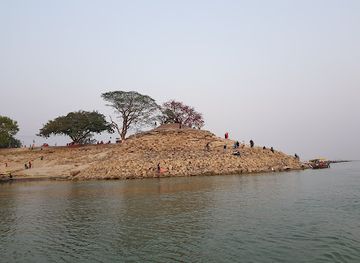
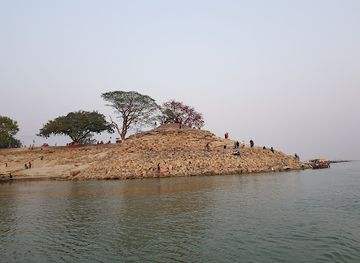
T - Badh
Escape to the serene banks of the Padma River at T-Badh in Rajshahi, Bangladesh, where picturesque views and local flavors create lasting memories.
-
Historical place museum
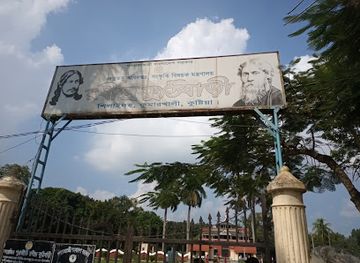
Shilaidaha Rabindra Kuthibari
Explore the riverside retreat of Rabindranath Tagore in Kushtia, Bangladesh, and discover the inspiration behind his timeless literary works.

Best landmarks in Rajshahi Division
Somapura Mahavihara at Paharpur is Rajshahi Division's defining historic landmark: its vast brick monastery and cruciform central shrine express the scale and influence of Pala-era Buddhist architecture. Mahasthangarh near Bogura has a different presence, with long earthen ramparts marking the ancient urban settlement of Pundranagara and scattered remains extending across the surrounding plain. Puthia is notable for its concentrated landscape of temples, palace structures and water tanks, including the Govinda Temple's elaborate terracotta work and the Shiva Temple's distinctive form. Bagha Mosque, built in the Sultanate period, is recognised for its richly decorated brick surfaces and stone details. In Chapai Nawabganj, the Choto Sona Mosque stands as one of the division's finest surviving medieval Islamic monuments, while nearby historic structures reflect the old Gaur region's importance. Natore's Uttara Ganabhaban, formerly connected with the Natore estate, represents the political world of zamindari Bengal. The Padma's broad riverfront at Rajshahi and the shifting Jamuna landscape near Sirajganj provide natural landmarks whose appearance changes with season, erosion and water level.
-
Public university
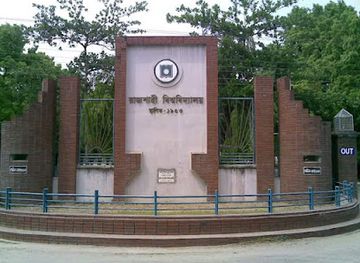
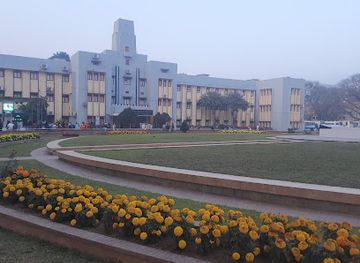
University of Rajshahi
Explore Bangladesh's second-oldest university, where history, culture, and natural beauty converge on a sprawling green campus.
-
Park
Padma Garden
Escape to Padma Garden in Rajshahi: A riverside oasis of natural beauty, cultural charm, and tranquil pathways, perfect for relaxation and recreation by the majestic Padma River.
-
Tourist attraction
T - Badh
Experience the serene beauty and vibrant culture of Rajshahi at T-Badh, a riverside embankment offering stunning views, local flavors, and a lively community atmosphere on the banks of the Padma River.
-
Archaeological site
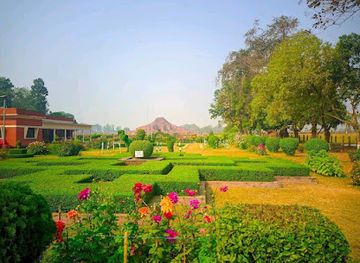
Sompur Mahavihara
Explore the ancient ruins of Sompur Mahavihara, a UNESCO World Heritage site and a major center of Buddhist learning in Bengal, showcasing remarkable terracotta art and architecture.
Explore Rajshahi Division on the map
Plan your trip on one map. See where the top cities, national parks and sights are, and book hotels and experiences in a few clicks.
Best hotels in Rajshahi Division
Best restaurants in Rajshahi Division
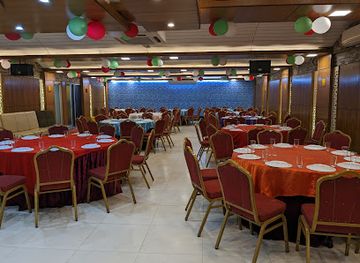
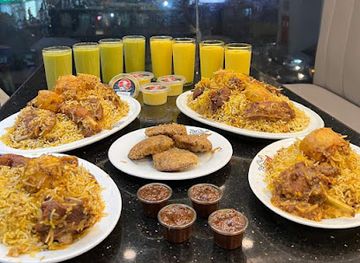
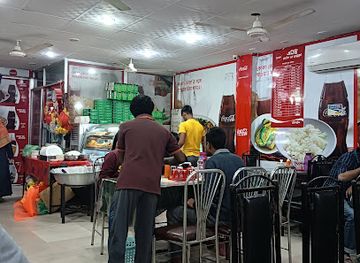
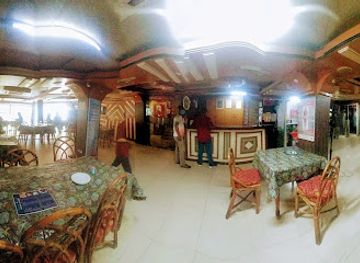
Dining in Rajshahi Division reflects the agricultural abundance of the Ganges-Padma and Barind landscapes. Rice, freshwater fish, lentils, vegetables and poultry form the everyday foundation, with river fish and seasonal produce especially prominent in local kitchens. Rajshahi and Chapai Nawabganj are associated with mangoes, and visitors may encounter varieties such as Fazli, Langra and Gopalbhog when fruit is in season; mango drinks, desserts and fresh fruit are widely enjoyed. Pabna and Sirajganj have strong connections with dairy, rice and riverine foods, while rural markets offer pitha, fried snacks, sweets and savoury pastries according to the season. City restaurants in Rajshahi and Bogura range from Bengali meals and biryani to Chinese-Bangladeshi dishes and café food. Traditional eateries and tea stalls are usually more revealing of daily food culture than formal dining rooms, while palace and temple excursions can have limited choices nearby. Bottled water and established restaurants are sensible options for visitors adjusting to local food and climate.
-
Restaurant
Nanking Chinese Restaurant
Discover authentic Chinese flavors at Nanking Restaurant in Rajshahi - where every dish tells a story.
-
Restaurant
Kacchi Bhai - Rajshahi
Discover the authentic flavors of Bangladesh at Kacchi Bhai in Rajshahi - where tradition meets taste.
-
Restaurant
Otithi Hotel & Restaurant
Experience authentic Bangladeshi cuisine at Otithi Hotel & Restaurant in Rajshahi – where flavor meets tradition.
-
Restaurant
Master Chef Bangla Restaurant
Experience the essence of Bangladeshi cuisine at Master Chef Bangla Restaurant in Rajshahi—where every dish tells a story.
Best bars in Rajshahi Division
Nightlife in Rajshahi Division is comparatively restrained and centred on food, conversation and public spaces rather than a large club circuit. Rajshahi city has the broadest choice of cafés, restaurants, hotel lounges and informal evening gathering places, while Bogura and Natore offer similar activity on a smaller scale. Tea stalls and roadside eateries remain important parts of the evening rhythm, particularly in market towns, and cultural programmes or university-linked events may provide music and performance when scheduled. Alcohol is not central to public social life, and licensed availability is limited compared with many international destinations; visitors should not expect a widespread bar scene. In rural districts, evenings generally focus on family homes, local restaurants and markets, with activity reducing earlier than in Dhaka. The Padma riverfront and town parks can be pleasant for an evening walk where open, but visitors should use transport arranged through accommodation after dark and follow local guidance about quiet or less populated areas.
-
Restaurant
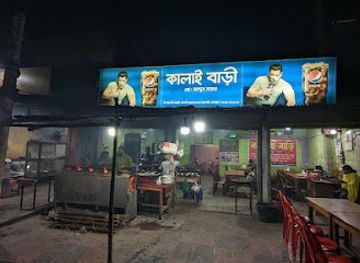
Kalai House -2
Experience the authentic flavors of Bangladesh at Kalai House in Rajshahi, where every dish tells a story of tradition and taste.
-
Fast Food
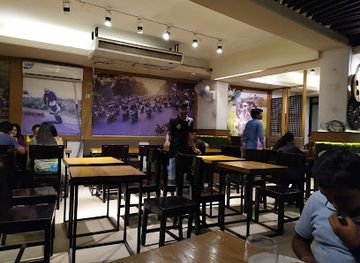
The Hideout Cafe
Experience the perfect fusion of fast food and friendly vibes at The Hideout Cafe in Rajshahi, your go-to spot for a tasty break.
-
Restaurant
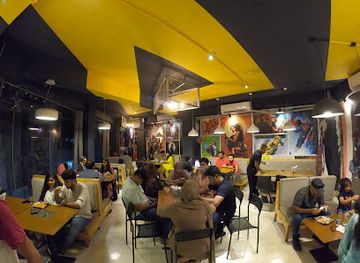
Hungry Heroes
Experience a gastronomic adventure at Hungry Heroes, where local and international cuisines come together for an unforgettable meal.
-
Restaurant
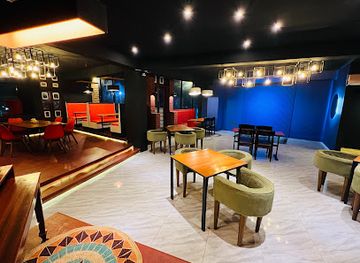
Callisto
Discover the taste of Rajshahi at Callisto, a vibrant restaurant serving authentic Bangladeshi cuisine in a warm and inviting atmosphere.
Best nightclubs in Rajshahi Division
Nightlife in Rajshahi Division is comparatively restrained and centred on food, conversation and public spaces rather than a large club circuit. Rajshahi city has the broadest choice of cafés, restaurants, hotel lounges and informal evening gathering places, while Bogura and Natore offer similar activity on a smaller scale. Tea stalls and roadside eateries remain important parts of the evening rhythm, particularly in market towns, and cultural programmes or university-linked events may provide music and performance when scheduled. Alcohol is not central to public social life, and licensed availability is limited compared with many international destinations; visitors should not expect a widespread bar scene. In rural districts, evenings generally focus on family homes, local restaurants and markets, with activity reducing earlier than in Dhaka. The Padma riverfront and town parks can be pleasant for an evening walk where open, but visitors should use transport arranged through accommodation after dark and follow local guidance about quiet or less populated areas.
-
Bar
Rajshahi Parjatan Bar
Discover the heart of Rajshahi’s culinary scene at Rajshahi Parjatan Bar, where local flavors and vibrant atmosphere meet.
-
Restaurant
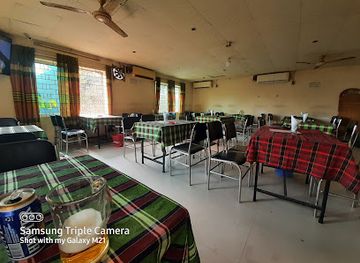
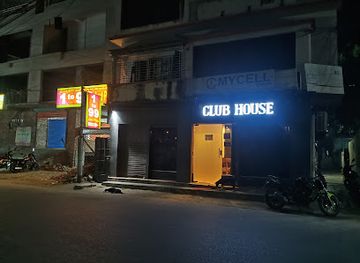
Club House
Discover Rajshahi's culinary delights at Club House, where local flavors meet a warm and inviting atmosphere.
-
Club
Sujanagar Mitali Club
Discover the energetic nightlife of Rajshahi at Sujanagar Mitali Club, a welcoming social and disco hub perfect for a fun night out.
-
Comedy club
Rajshahi University Comedy Club
Discover laughter and local culture at Rajshahi University Comedy Club, a vibrant hub for comedy and entertainment in Bangladesh.
Best shops in Rajshahi Division
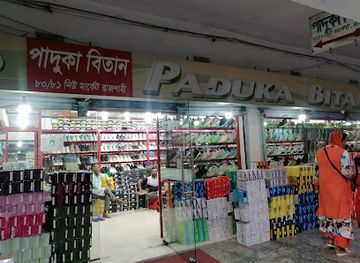
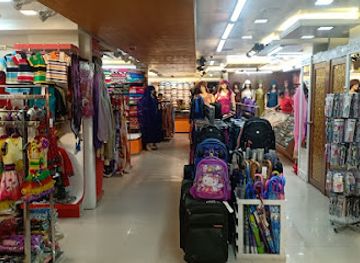
Rajshahi is Bangladesh's best-known regional centre for silk, and its markets and specialist shops offer saris, scarves, shirts and furnishing fabrics in locally produced silk and blended materials. Check fibre content and workmanship before buying, particularly when comparing products marketed simply as Rajshahi silk. Mangoes and mango-based products are important seasonal purchases in Rajshahi and Chapai Nawabganj, although fresh fruit is easiest to transport during the harvest period. Market towns across the division sell sweets, pitha, rice products, spices, brassware and practical household goods rather than a uniform tourist-souvenir range. Bogura and Natore have busy commercial centres with clothing, footwear and confectionery, while Pabna and Sirajganj are known more for everyday markets and textile-related activity than for luxury retail. Independent craft and handloom purchases are best made after comparing several stalls and agreeing prices politely. Larger towns provide modern shops and pharmacies, but rural bazaars remain the most direct way to observe local commerce.
-
Market
RDA MARKET
Experience the vibrant local culture at RDA Market in Rajshahi, where shopping meets tradition in a bustling atmosphere.
-
Cell phone accessory store
Z mobile servicing
Explore Z Mobile Servicing in Rajshahi for a vast selection of cell phone accessories and expert service, all in a vibrant market atmosphere.
-
Shopping mall
Theme Omor Plaza
Discover the lively atmosphere of Theme Omor Plaza, Rajshahi's top shopping mall, offering diverse shops, delicious dining, and vibrant entertainment.
-
Grocery store
Amana Big Bazar, Rajshahi
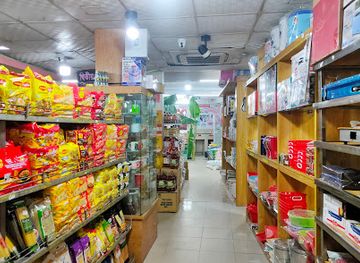
Discover Amana Big Bazar in Rajshahi: your one-stop shop for local goods and authentic Bangladeshi flavors.
Get your free copy of our complete guide to Rajshahi Division, delivered straight to you.
Everything on this page, from attractions and restaurants to essentials and local phrases, in one PDF you can read offline, print or share.
Already have an account? Sign in
Your Rajshahi Division guide is ready.
We'll send it to · Not you? Sign out

Getting your guide ready…
We are putting together a fresh copy of the Rajshahi Division guide. This can take up to a minute.
This can take a few moments. If your browser asks, choose Allow so the download can start. You'll find the guide in your Downloads folder.
Nothing happened? Download it again
Sorry, the guide is taking longer than usual. Please try again in a minute, or get it by email instead.
Rajshahi Division essentials
Currency and Payment
Safety
Emergency Situations
Do's and Don'ts
Local Tips
From Eve
Local phrases worth knowing
You don't need to get them perfect. A few words go a long way, and locals appreciate the effort.
Basics
| English | Local | Say it |
|---|---|---|
| Hello | হ্যালো | [halo] |
| Goodbye | বিদায় | [bidaay] |
| Yes | হ্যাঁ | [haam] |
| No | না | [naa] |
| Please/You're welcome | দয়া করে/স্বাগতম | [doa kore/swagatom] |
| Thank you | ধন্যবাদ | [dhonnobad] |
| Excuse me/Sorry | মাফ করবেন/দুঃখিত | [maaf korben/dukkhito] |
| How are you? | কেমন আছেন? | [kemon achen?] |
| Fine. And you? | ভাল। আপনি কেমন? | [bhalo. apni kemon?] |
| Do you speak English? | আপনি কি ইংরেজি বলেন? | [apni ki ingreji bolen?] |
| I don't understand | আমি বুঝি না | [ami bujhi naa] |
Eating & Drinking
| English | Local | Say it |
|---|---|---|
| I'd like to see the menu, please | মেনু একটু দেখাবেন? | [menu ekto dekhaben?] |
| I don't eat meat | আমি মাংস খাই না | [ami mangsho khai naa] |
| Cheers! | সুস্বাস্থ্য! | [suswasthya!] |
| I would like to pay, please | আমি বিল দিতে চাই, দয়া করে | [ami bil dite chai, doa kore] |
Emergencies
| English | Local | Say it |
|---|---|---|
| Help! | সাহায্য করুন! | [sahajjo korun!] |
| Go away! | দূরে যান! | [duro jan!] |
| Call the Police! | পুলিশ ডাকুন! | [police dakun!] |
| Call a doctor! | ডাক্তার ডাকুন! | [doktar dakun!] |
| I'm lost | আমি হারিয়ে গেছি | [ami hariye gechi] |
| I'm ill | আমি অসুস্থ | [ami osustho] |
Shopping
| English | Local | Say it |
|---|---|---|
| I'd like to buy... | আমি কিনতে চাই... | [ami kinte chai...] |
| I'm just looking | আমি শুধু দেখছি | [ami shudhu dekhchi] |
| How much is it? | এটার দাম কত? | [etar dam koto?] |
| That's too expensive | এটা খুব দামি | [eta khub dami] |
| Can you lower the price? | আপনি কি দাম কমাতে পারেন? | [apni ki dam komate paren?] |
Time & Numbers
| English | Local | Say it |
|---|---|---|
| What time is it? | এখন সময় কত? | [ekhon shomoy koto?] |
| It's one o'clock | এখন একটা বাজে | [ekhon ekta baze] |
| Half past (10) | আড়াইটা | [aaraeita] |
| Morning | সকাল | [shokal] |
| Afternoon | বিকেল | [bikel] |
| Evening | সন্ধ্যা | [shondhya] |
| Yesterday | গতকাল | [gotokal] |
| Today | আজ | [aj] |
| Tomorrow | কাল | [kal] |
| 1 | এক | [ek] |
| 2 | দুই | [dui] |
| 3 | তিন | [tin] |
| 4 | চার | [char] |
| 5 | পাঁচ | [pach] |
| 6 | ছয় | [chhoy] |
| 7 | সাত | [shaat] |
| 8 | আট | [aat] |
| 9 | নয় | [noy] |
| 10 | দশ | [dosh] |
Transport & Directions
| English | Local | Say it |
|---|---|---|
| Where's a/the...? | কোথায়...? | [kothay...?] |
| What's the address? | ঠিকানা কি? | [thikana ki?] |
| Can you show me (on the map)? | আপনি কি আমাকে দেখাতে পারেন (মানচিত্রে)? | [apni ki amake dekhate paren (manchitre)?] |
| When's the next (bus)? | পরবর্তী (বাস) কখন? | [poroborti (bas) kokhon?] |
| A ticket (to ....) | একটি টিকেট (....) | [ekti ticket (....)] |
History of Rajshahi Division
Pundravardhana and the Ancient Urban North
The northern part of present-day Rajshahi Division formed part of the ancient cultural region known as Pundravardhana. Mahasthangarh in Bogura, identified with Pundranagara, preserves the remains of a fortified urban centre occupied from at least the third century BC. Its ramparts, gateways, inscriptions and surrounding mounds demonstrate the importance of settled administration, trade and religious life in the north Bengal plain long before the emergence of modern Bangladesh.
Pala Buddhism and Somapura Mahavihara
Between the eighth and twelfth centuries, the Pala rulers supported Buddhist scholarship and monastic institutions across Bengal and eastern India. Somapura Mahavihara at Paharpur in Naogaon is the most important surviving regional expression of that period. Its monumental quadrangular plan, central shrine and surrounding monastic cells influenced Buddhist architecture beyond Bengal. The archaeological site remains a major reminder of the division's place in wider intellectual and religious networks.
Sena Rule and the Medieval Transition
The Sena dynasty succeeded the Palas in much of Bengal from the eleventh century, contributing to the changing religious and political landscape of the region. Hindu institutions and settlements continued to develop, while older Buddhist centres gradually declined. Although much of the evidence survives archaeologically rather than through intact buildings, the transition shaped the cultural layering later visible in temple sites, sacred landscapes and the historical traditions of north-western Bengal.
Sultanate Architecture in the Fifteenth and Sixteenth Centuries
The Bengal Sultanate established important centres and agricultural territories across the north-west. Brick mosques, tanks and administrative settlements appeared along routes linking river ports and inland markets. Bagha Mosque near Rajshahi and the Choto Sona Mosque in Chapai Nawabganj are among the clearest surviving examples of the period's regional architecture, characterised by brick construction, stone detail, domes and decorative surfaces adapted to Bengal's materials and climate.
Mughal Administration and the Estate of Natore
Under Mughal rule, Bengal's revenue administration connected local landholding families to imperial authority. Natore became an important centre of a large zamindari estate, later strongly associated with Rani Bhabani, an influential eighteenth-century landholder and patron of religious and charitable works. The surviving Uttara Ganabhaban complex and nearby temples do not represent the whole history of the estate, but they help explain the political and cultural influence that Natore acquired in the late eighteenth and nineteenth centuries.
Colonial Agriculture, River Trade and Railway Change
British colonial rule brought new revenue systems, commercial agriculture and transport links to the division. Indigo cultivation and resistance affected parts of the wider north-west, while jute, rice and other crops moved through river ports and expanding market towns. Railways and bridges altered trade routes, particularly around Pabna, Sirajganj and the Jamuna corridor. The period also strengthened Rajshahi's role in education, administration and silk production, developments that remain important to its modern identity.
Partition, Liberation and Contemporary Rajshahi Division
The 1947 Partition placed this region within East Pakistan, separating it from many former commercial and administrative connections. During the Bangladesh Liberation War of 1971, towns and villages across the division experienced military operations, resistance and displacement. Independent Bangladesh later saw major growth in education, agriculture, transport and urban services. Rajshahi's universities and cultural institutions, alongside the region's archaeological conservation and mango and silk industries, now form important parts of its public character.
Rajshahi Division in Photos
Browse through our photo collection highlighting the charm and character of the destination.
Neighbouring regions of Rajshahi Division
The closest regions to Rajshahi Division, if you have time for more than one.
-

-

-

-

-


Swipe for more regions
Explore more

Explore more of Bangladesh
Discover Bangladesh: A land of rivers, rich culture, and breathtaking landscapes. Explore ancient sites, vibrant cities, and the unique flavors of this South Asian gem.
Explore Bangladesh