Background

Jumghar: A Glimpse into Tribal Life

Discover the traditional Jhum culture in Rangamati's Jumghar, where indigenous communities practice sustainable farming amidst breathtaking hills, offering a unique cultural immersion.

2.8

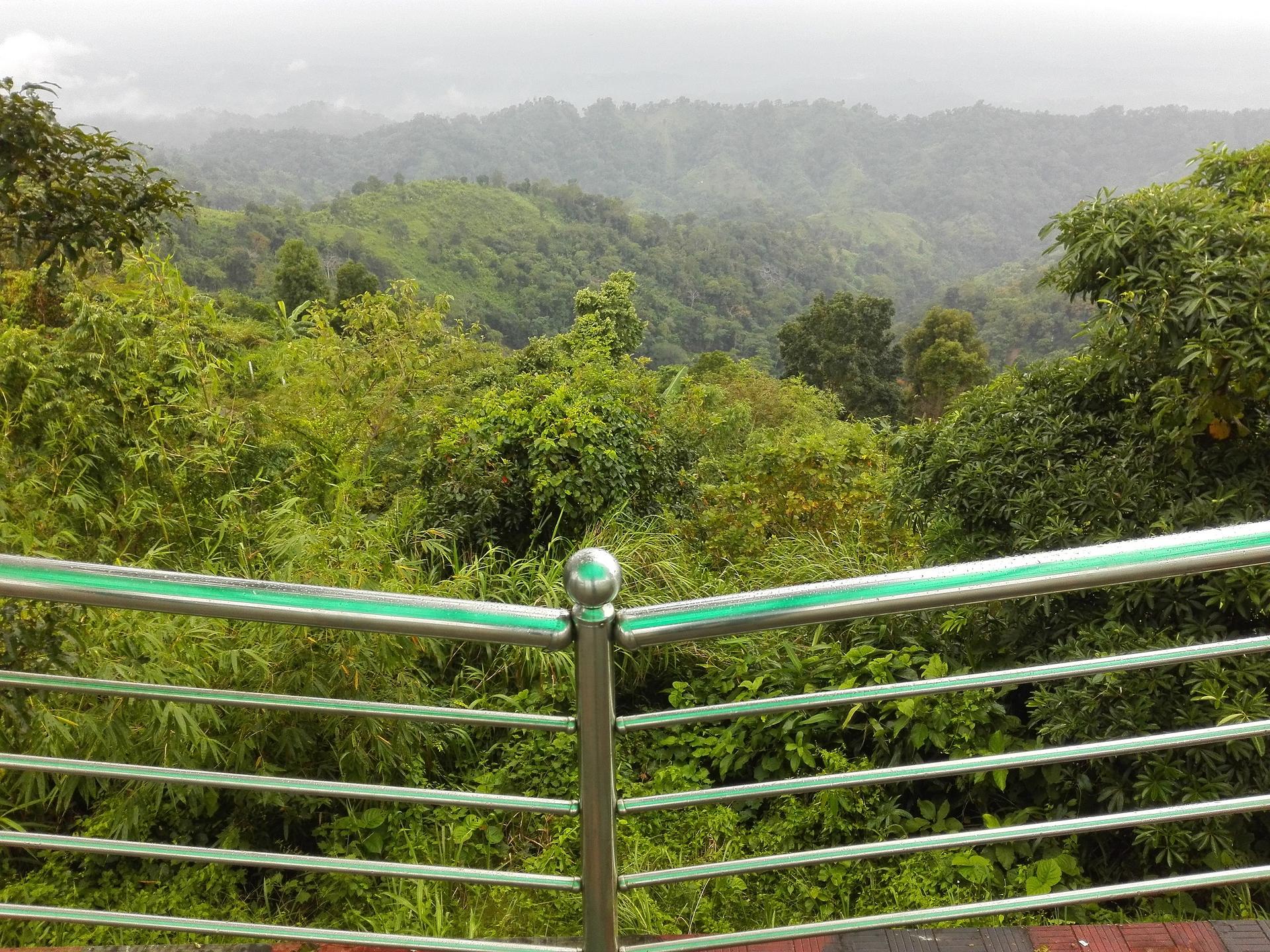
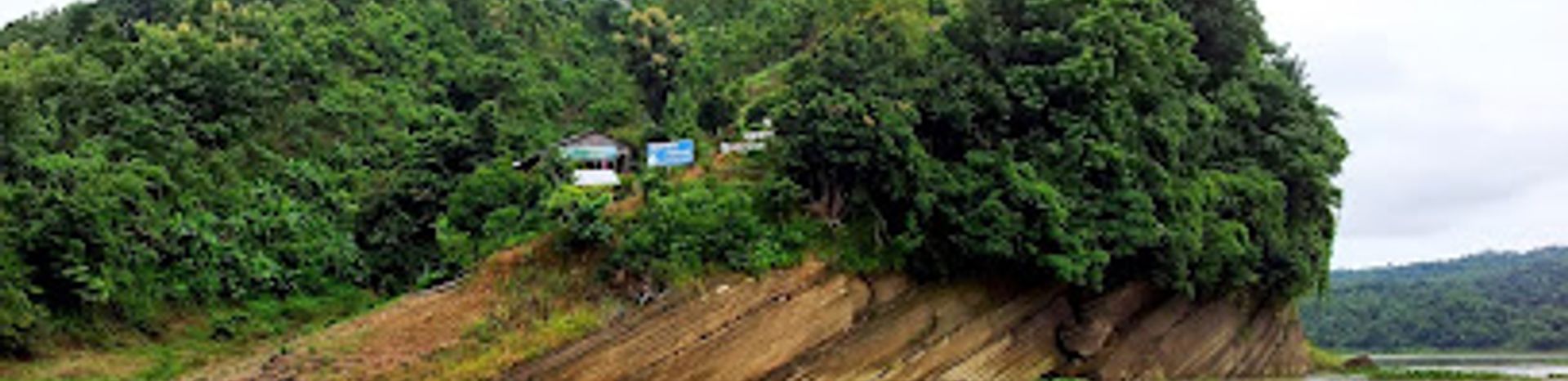
Jumghar, nestled in the Rangamati Hill District of Bangladesh, offers a unique window into the traditional lifestyle of the local indigenous communities, particularly those involved in Jhum cultivation. These elevated structures, often simple bamboo and wood constructions, serve as temporary shelters and storage spaces for farmers during the agricultural season. While not a formal tourist attraction in the conventional sense, Jumghar provides an authentic cultural experience, allowing visitors to witness firsthand the resourcefulness and resilience of the tribal people and their deep connection to the land. The surrounding landscape of rolling hills and lush greenery adds to the charm, making it a worthwhile detour for those seeking off-the-beaten-path adventures and cultural immersion. Though basic, the experience is rich in cultural insights and natural beauty, offering a glimpse into a way of life that is both sustainable and deeply connected to the rhythms of nature.

A brief summary to জুমঘর

  • P64M+7VR, BD
  • Monday 12 am-12 am
  • Tuesday 12 am-12 am
  • Wednesday 12 am-12 am
  • Thursday 12 am-12 am
  • Friday 12 am-12 am
  • Saturday 12 am-12 am
  • Sunday 12 am-12 am

Local tips

  • Engage with locals respectfully; ask about their Jhum farming practices to learn about their sustainable lifestyle.
  • Dress modestly and be mindful of local customs to show respect for the tribal culture.
  • Carry essentials like water, snacks, and insect repellent, as facilities are basic in the remote areas.
widget icon

Getting There

  • Public Transport

    From Rangamati town, head to the Rangamati bus terminal. Look for local auto-rickshaws (CNGs) or shared vans heading towards the general area of Jumghar. The fare will typically range from 30-50 BDT per person. Inform the driver that you are going to Jumghar, and they should drop you off at the nearest accessible point. From the drop-off point, you may need to walk a short distance, potentially on uneven paths, to reach Jumghar. Confirm the final walking distance with the driver.

  • Taxi/Ride-Share

    From Rangamati town, a taxi or ride-sharing service (if available) can take you closer to Jumghar. Negotiate the fare beforehand, as meters are not always used. Expect to pay around 150-300 BDT for the trip, depending on the exact destination and road conditions. Be aware that the final section of the journey might still require a short walk.

  • Driving

    If you are traveling by car, start from the center of Rangamati. Head north on the Main Road (Rangamati - Khagrachari Road). After approximately 3 km, look for a sign indicating Jhumghar or follow GPS directions to the coordinates 22.7057315, 92.2346529. You may have to navigate through small local roads leading up to the area. Parking is available near the site, but it's advisable to check for any local parking fees.

Unlock the Best of জুমঘর

Buy tickets

    No tickets available

Book tours with entry

    No tours available

Book tours without entry

    No tours available

Discover more about জুমঘর

Jumghar, located in the heart of the Rangamati Hill District, Bangladesh, is more than just a place; it's an experience, a glimpse into a world where life moves at a different pace, dictated by the seasons and the rhythms of nature. These traditional structures, often perched on stilts, are integral to the practice of Jhum cultivation, a sustainable agricultural method passed down through generations of indigenous communities. Imagine stepping into a landscape where emerald hills roll into the horizon, where the air is crisp and clean, and where the sounds of nature replace the cacophony of city life. This is the setting for Jumghar, a place that embodies the spirit of the tribal people who call these hills home. The structures themselves are simple yet ingenious, crafted from locally sourced bamboo and wood, reflecting the resourcefulness and deep understanding of the environment that characterizes these communities. Jhum cultivation, the lifeblood of these communities, is a testament to their harmonious relationship with nature. It involves a cyclical process of clearing small patches of forest, cultivating crops for a few seasons, and then allowing the land to regenerate. Jumghars serve as temporary shelters for farmers during this agricultural cycle, providing a place to rest, store tools, and safeguard the harvest. They are more than just buildings; they are symbols of resilience, adaptation, and a way of life that has sustained these communities for centuries. Visiting Jumghar is not about ticking off a landmark on a map; it's about immersing yourself in a different culture, learning about sustainable practices, and appreciating the simple joys of life. It's about engaging with the local communities, listening to their stories, and understanding their deep connection to the land. As you wander through the hills, you'll encounter friendly faces, witness traditional practices, and gain a newfound respect for the wisdom of indigenous cultures. The experience is not without its challenges. The terrain can be rugged, and the facilities are basic. But it is precisely this authenticity that makes Jumghar so special. It's a chance to step outside your comfort zone, to disconnect from the digital world, and to reconnect with nature and with yourself. The panoramic views from the hills are breathtaking, the sunsets are mesmerizing, and the starry nights are unforgettable. While in the Rangamati area, take the opportunity to explore other nearby attractions. The Kaptai Lake, a vast man-made reservoir, offers stunning boat rides and opportunities for fishing and kayaking. The Rajban বিহার, a serene Buddhist monastery, provides a tranquil escape and a chance to learn about Buddhist philosophy. The Hanging Bridge of Rangamati, an iconic landmark, offers panoramic views of the surrounding hills and lake. Together, these sites create a well-rounded travel experience, blending cultural immersion with natural beauty and spiritual reflection. Jum cultivation is more than just an agricultural practice; it's a way of life that is deeply intertwined with the culture and traditions of the indigenous communities. It's a system that has been passed down through generations, adapted to the unique environment of the Chittagong Hill Tracts. The crops grown in these Jhum fields are diverse, ranging from rice and vegetables to fruits and spices, providing a sustainable source of food and income for the local people. The Jumghars, as temporary shelters, are integral to this process, serving as a base for farmers during the cultivation season. Visiting Jumghar offers a unique opportunity to witness this traditional way of life firsthand. You can observe the farmers at work, learn about their techniques, and even participate in some of the activities. It's a chance to connect with the local people, understand their challenges, and appreciate their resilience. The experience is not just about seeing; it's about learning, sharing, and building bridges between cultures. The local communities are generally welcoming to visitors, but it's important to be respectful of their customs and traditions. Dress modestly, ask for permission before taking photographs, and be mindful of the environment. Learning a few basic phrases in the local language can go a long way in building rapport and showing your appreciation. By engaging with the local people in a respectful and responsible manner, you can contribute to the sustainability of their way of life and ensure that future generations can continue to benefit from this unique cultural heritage. Jumghar is a reminder of the importance of sustainable practices and the value of indigenous knowledge. It's a place where you can reconnect with nature, learn about a different culture, and gain a new perspective on life. It's an experience that will stay with you long after you leave, inspiring you to live more consciously and to appreciate the simple joys of life.

Popular Experiences near জুমঘর

Popular Hotels near জুমঘর

Select Currency