

Free Chittagong Hill Tracts Travel Guide & Mobile App
Explore Chittagong Hill Tracts with free travel guides. Discover regional history, expert tips, proposed trips, and audio guides on web or mobile app.


Explore Bangladesh’s Chittagong Hill Tracts for forested hills, Kaptai Lake, Indigenous cultures, hill roads and carefully planned adventures.
Read more about Chittagong Hill Tracts
Getting to and around Chittagong Hill Tracts
How to get there
Transportation
Top city travel guides in Chittagong Hill Tracts
The cities of Chittagong Hill Tracts, and the easiest places to base yourself.
-

-


Swipe for more cities
Destinations in Chittagong Hill Tracts
Resorts, valleys and scenic spots worth a trip of their own.
-

-

-


Swipe for more destinations
Best attractions in Chittagong Hill Tracts
The Chittagong Hill Tracts offer a landscape-led range of attractions rather than a dense circuit of monuments. Around Rangamati, boat journeys on Kaptai Lake pass wooded shores, islands, villages and seasonal waterfalls, while the town’s Tribal Cultural Institute provides context for the region’s Indigenous peoples and artistic traditions. The Hanging Bridge is a recognisable local sight, though lake conditions and crowd levels vary. Khagrachhari is suited to road excursions including Alutila Cave, viewpoints and the surrounding hill settlements, with Sajek Valley providing high-ridge scenery and sunrise views; access is commonly arranged through Khagrachhari even though Sajek lies in Rangamati district. Bandarban has the region’s most demanding outdoor itineraries, including routes from Ruma and Thanchi towards Boga Lake, Nafakhum and other remote landscapes when permissions, weather and security conditions allow. Walking, boating, photography and cultural visits are best arranged with local knowledge. Monsoon rain can make streams and waterfalls impressive but may also close roads and trails, while dry-season travel generally offers more predictable access.
-
Tourist attraction
Sugondha Sea Beach
Experience golden sands, mesmerizing sunsets, and thrilling water sports at Sugondha Sea Beach in Cox's Bazar, Bangladesh.
-
City park
DC Hill Open Stage
Experience Chattogram's vibrant culture at DC Hill Open Stage, a serene park with a rich history and a hub for community events.
-
Tourist attraction
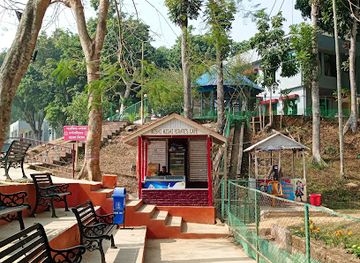
Abhay Mitra Ghat
Experience the serene beauty and cultural richness of Chattogram at Abhay Mitra Ghat, a riverside haven on the Karnaphuli River.
-
Tourist attraction
Shuvolong Waterfalls
Discover the majestic Shuvolong Waterfalls in Rangamati: a boat ride away from serene beauty and breathtaking cascades.
Best landmarks in Chittagong Hill Tracts
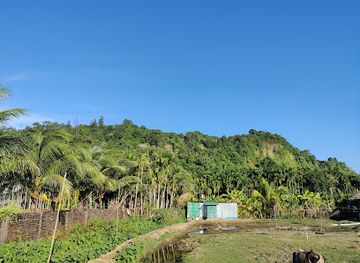
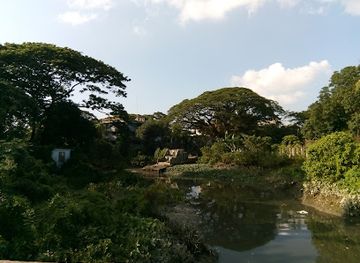
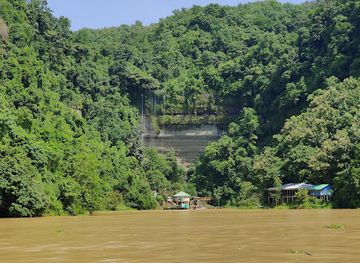
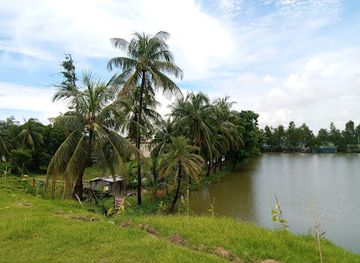
Kaptai Lake is the defining geographical landmark of Rangamati, its broad waters occupying valleys that were transformed by the Kaptai Dam and now shaping transport, settlement and local livelihoods. In Rangamati town, the Hanging Bridge is a prominent modern structure and a familiar symbol of the lake district. The Tribal Cultural Institute adds cultural significance rather than monumental scale, presenting material associated with the region’s Indigenous communities. Khagrachhari’s Alutila Cave is a notable natural landmark within a forested hill, while the ridges and cloud-prone viewpoints of Sajek Valley have become among the region’s most recognisable highland scenes. Bandarban’s golden-domed Buddhist temple at Balaghata, often known as the Golden Temple, is an important architectural and religious landmark near the district town. Farther into the hills, Boga Lake is a distinctive natural site reached by a demanding journey, and the steep roads around Chimbuk and Thanchi express the terrain’s dramatic vertical changes. Remote landmarks require current permission, a suitable vehicle, local guidance and careful weather planning.
-
Domestic airport
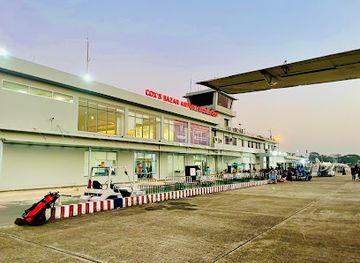
Cox's Bazar Airport
Fly into Cox's Bazar and step onto the world's longest beach; your gateway to coastal beauty and relaxation awaits!
-
Beach
Cox's Bazar Beach
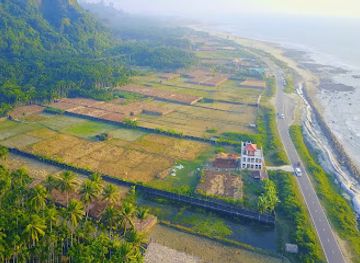
Discover the world's longest natural sea beach in Cox's Bazar, Bangladesh: a captivating blend of sun, sand, and cultural richness.
-
 Historical landmark
Tigerpass Royal Bengal Tiger Statue
A majestic tribute to Bangladesh's national animal, the Royal Bengal Tiger, symbolizing Chattogram's rich natural and cultural heritage.
-
Beach
Sea Beach
Experience the world's longest unbroken sea beach in Cox's Bazar, Bangladesh, offering golden sands, vibrant culture, and breathtaking sunsets.
Explore Chittagong Hill Tracts on the map
Plan your trip on one map. See where the top cities, national parks and sights are, and book hotels and experiences in a few clicks.
Best hotels in Chittagong Hill Tracts
Best restaurants in Chittagong Hill Tracts
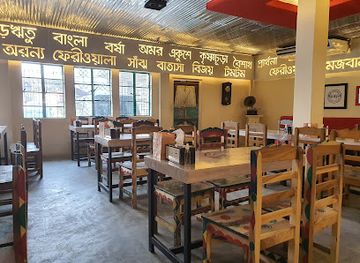
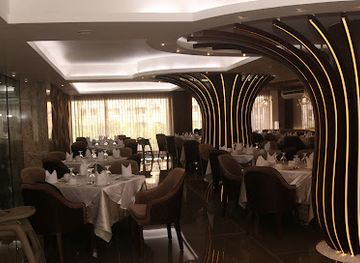
Dining in the Chittagong Hill Tracts is generally informal and locally focused, with rice, freshwater fish, vegetables, pulses, chicken and seasonal hill produce forming the everyday menu. District-town restaurants serve familiar Bangladeshi dishes, while roadside eateries and markets provide practical meals for travellers moving between excursions. Rangamati’s lake setting makes fish a natural feature, although preparation varies by establishment. Bamboo shoots, leafy vegetables, bamboo-cooked dishes and Indigenous recipes may be available through community-run eateries or arranged cultural visits, but they should not be assumed to be standard menu items everywhere. Chakma, Marma and other communities have distinct food traditions, and visitors should ask what a dish contains, particularly when ingredients or cooking methods differ from familiar Bengali food. Tea stalls, simple cafés and hotel dining rooms are more common than formal restaurants outside the district headquarters. Carry snacks and drinking water on long road or boat journeys, as remote routes have few reliable food stops and opening arrangements can be unpredictable.
-
Indian
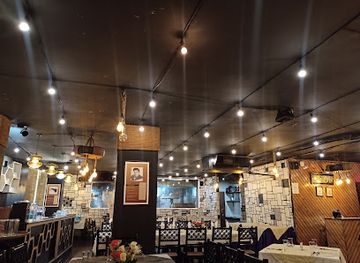
Handi Restaurant
Experience authentic Indian cuisine at Handi Restaurant in Chattogram - where every dish tells a story.
-
Bangladeshi
Bir Chattala
Discover the essence of Bangladeshi cuisine at Bir Chattala - where tradition meets flavor in every dish.
-
Restaurant
Bonjour
Discover culinary excellence at Bonjour in Chattogram - where gourmet dining meets elegance.
-
Restaurant
Sultan’s Dine - Chittagong
Discover the authentic taste of Bangladesh at Sultan's Dine in Chittagong – famous for its delicious khacci and vibrant atmosphere.
Best bars in Chittagong Hill Tracts
Nightlife in the Chittagong Hill Tracts is quiet and early compared with Bangladesh’s major cities. Rangamati, Khagrachhari and Bandarban town have modest restaurants, tea stalls and hotel-based evening dining, while village and trekking areas generally become still after dark. Traditional tea shops provide everyday social spaces, but alcohol is not central to public nightlife and availability is restricted by local law, religious practice and individual venue policies. Some hotels or urban restaurants may offer soft drinks and limited evening meals, while occasional cultural performances or community events depend on local arrangements rather than a fixed entertainment calendar. In remote Bandarban and Sajek areas, the evening experience is more likely to involve cool air, viewpoints, conversation and an early start than clubs or late-night venues. Keep noise low near homes, temples and guesthouses, and rely on accommodation staff for current information rather than assuming that a venue mentioned in an old guide remains open.
-
Restaurant
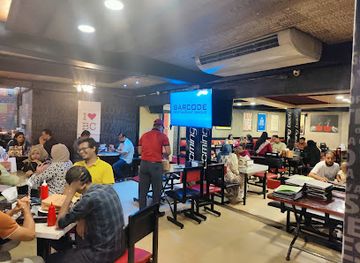
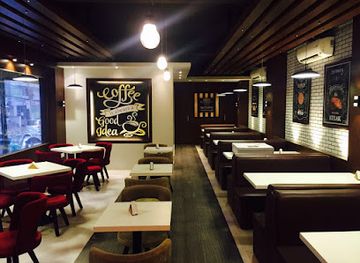
Barcode Cafe
Discover the vibrant flavors of Barcode Cafe in Chattogram, where local and international cuisines come together in a modern and inviting atmosphere.
-
Continental restaurant
Cafe Milano
Discover Café Milano in Chattogram: A vibrant dining destination blending Italian flavors with local charm in a cozy atmosphere.
-
Restaurant
Panorama Zoom Restaurant And Kayak Club
Discover the perfect blend of local cuisine and breathtaking views at Panorama Zoom Restaurant And Kayak Club in Rangamati.
-
Restaurant
Wind of Change - Rooftop Restaurant & Lounge
Experience exquisite dining at Wind of Change, a rooftop restaurant in Chattogram offering stunning views, live music, and a diverse menu.
Best nightclubs in Chittagong Hill Tracts
Nightlife in the Chittagong Hill Tracts is quiet and early compared with Bangladesh’s major cities. Rangamati, Khagrachhari and Bandarban town have modest restaurants, tea stalls and hotel-based evening dining, while village and trekking areas generally become still after dark. Traditional tea shops provide everyday social spaces, but alcohol is not central to public nightlife and availability is restricted by local law, religious practice and individual venue policies. Some hotels or urban restaurants may offer soft drinks and limited evening meals, while occasional cultural performances or community events depend on local arrangements rather than a fixed entertainment calendar. In remote Bandarban and Sajek areas, the evening experience is more likely to involve cool air, viewpoints, conversation and an early start than clubs or late-night venues. Keep noise low near homes, temples and guesthouses, and rely on accommodation staff for current information rather than assuming that a venue mentioned in an old guide remains open.
-
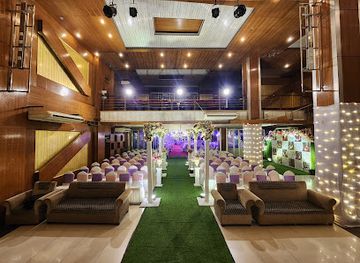
Social club
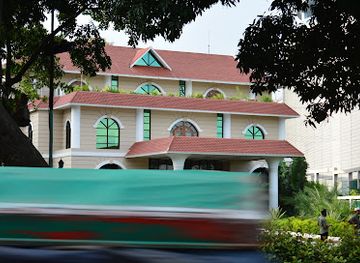
Chittagong Club Ltd
Discover Chittagong Club Ltd, a premier social hub in Chattogram offering exquisite dining, elegant ambiance, and a glimpse into local culture.
-
Social club
Chattogram Seniors' Club Limited
Discover the historical charm and vibrant social scene at Chattogram Seniors' Club Limited, a unique destination for relaxation and cultural immersion.
-
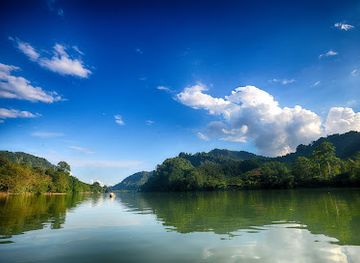
Boat club
Kaptai Kayak Club
Discover adventure and tranquility at Kaptai Kayak Club, a premier destination for kayaking and relaxation by the stunning Kaptai Lake.
-
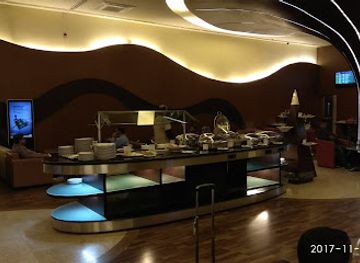
Lounge
EBL Sky Lounge
Experience comfort and tranquility at EBL Sky Lounge in Chattogram Airport, the perfect escape for travelers seeking relaxation.
Best shops in Chittagong Hill Tracts
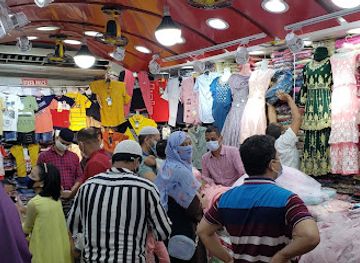
Shopping in the Chittagong Hill Tracts centres on practical markets, small town streets and locally made textiles and crafts rather than large retail centres. Rangamati, Khagrachhari and Bandarban have district markets where visitors may find handwoven cloth, shawls, bags, bamboo and cane work, baskets, carved items and hill-grown produce. Designs, techniques and materials vary between communities, so ask sellers about the maker and cultural origin rather than treating all products as interchangeable souvenirs. Indigenous textiles can be meaningful cultural objects, and fair payment and respectful bargaining are appropriate. Seasonal fruit, spices, dry foods and locally produced items may be available, though transport and customs rules should be considered before buying plants, wildlife products or protected materials. Rangamati is particularly associated with lake and hill-market shopping, while Bandarban’s markets are useful for supplies as well as crafts. Shops outside the district headquarters are limited, card payments are unreliable and many markets close early, so purchase essentials and cash before travelling to remote areas.
-
Shopping mall
Biponi Bitan (New Market)
Explore the vibrant Biponi Bitan New Market in Chattogram, a shopping paradise filled with local goods, unique souvenirs, and authentic Bangladeshi cuisine.
-
Shopping mall
Sanmar Ocean City
Explore the vibrant shopping scene at Sanmar Ocean City in Chattogram, featuring diverse stores, dining options, and entertainment for all ages.
-
Shopping mall
Finlay Square
Explore Finlay Square, a vibrant shopping mall in Chattogram, offering diverse stores, dining, and entertainment for an unforgettable experience.
-
Outlet mall
Akhtaruzzaman Center
Explore the Akhtaruzzaman Center in Chattogram for a unique shopping experience with diverse brands, dining options, and family-friendly entertainment.

Get your free copy of our complete guide to Chittagong Hill Tracts, delivered straight to you.
Everything on this page, from attractions and restaurants to essentials and local phrases, in one PDF you can read offline, print or share.
Already have an account? Sign in
Your Chittagong Hill Tracts guide is ready.
We'll send it to · Not you? Sign out

Getting your guide ready…
We are putting together a fresh copy of the Chittagong Hill Tracts guide. This can take up to a minute.
This can take a few moments. If your browser asks, choose Allow so the download can start. You'll find the guide in your Downloads folder.
Nothing happened? Download it again
Sorry, the guide is taking longer than usual. Please try again in a minute, or get it by email instead.
Chittagong Hill Tracts essentials
Currency and Payment
Safety
Emergency Situations
Do's and Don'ts
Local Tips
From Eve
Local phrases worth knowing
You don't need to get them perfect. A few words go a long way, and locals appreciate the effort.
Basics
| English | Local | Say it |
|---|---|---|
| Hello | হ্যালো | [Halo] |
| Goodbye | বিদায় | [Biday] |
| Yes | হ্যাঁ | [Hya] |
| No | না | [Na] |
| Please/You're welcome | অনুগ্রহ করে/স্বাগতম | [Onugroho kore/Swagotom] |
| Thank you | ধন্যবাদ | [Dhonnobad] |
| Excuse me/Sorry | মাফ করবেন/দুঃখিত | [Maf korben/Dukhito] |
| How are you? | আপনি কেমন আছেন? | [Apni kemon achen?] |
| Fine. And you? | ভাল। আপনি? | [Bhalo. Apni?] |
| Do you speak English? | আপনি কি ইংরেজি বলতে পারেন? | [Apni ki Ingreji bolte paren?] |
| I don't understand | আমি বুঝতে পারছি না | [Ami bujhte parchi na] |
Eating & Drinking
| English | Local | Say it |
|---|---|---|
| I'd like to see the menu, please | মেনু দেখতে চাই, দয়া করে | [Menu dekhte chai, doya kore] |
| I don't eat meat | আমি মাংস খাই না | [Ami mangsho khai na] |
| Cheers! | চিয়ার্স! | [Cheers!] |
| I would like to pay, please | আমি দিতে চাই, দয়া করে | [Ami dite chai, doya kore] |
Emergencies
| English | Local | Say it |
|---|---|---|
| Help! | সাহায্য করুন! | [Sahajjo korun!] |
| Go away! | দূরে যাও! | [Dure jao!] |
| Call the Police! | পুলিশ ডাকুন! | [Polish dakun!] |
| Call a doctor! | ডাক্তার ডাকুন! | [Daktar dakun!] |
| I'm lost | আমি হারিয়ে গেছি | [Ami hariye gechi] |
| I'm ill | আমি অসুস্থ | [Ami osustho] |
Shopping
| English | Local | Say it |
|---|---|---|
| I'd like to buy... | আমি কিনতে চাই... | [Ami kinte chai...] |
| I'm just looking | আমি শুধু দেখছি | [Ami shudhu dekhchi] |
| How much is it? | এটার দাম কত? | [Etar dam koto?] |
| That's too expensive | এটা খুব ব্যয়বহুল | [Eta khub byoybohul] |
| Can you lower the price? | আপনি কি দাম কমাতে পারেন? | [Apni ki dam komate paren?] |
Time & Numbers
| English | Local | Say it |
|---|---|---|
| What time is it? | এখন কতটা সময়? | [Ekhon koto shomoi?] |
| It's one o'clock | এখন একটায় | [Ekhon ektay] |
| Half past (10) | সাড়ে (১০) | [Sare (10)] |
| Morning | সকাল | [Shokal] |
| Afternoon | দুপু্র | [Dupur] |
| Evening | সন্ধ্যা | [Shondhya] |
| Yesterday | গতকাল | [Gatokaal] |
| Today | আজ | [Aj] |
| Tomorrow | আগামীকাল | [Agamikal] |
| 1 | ১ | [1] |
| 2 | ২ | [2] |
| 3 | ৩ | [3] |
| 4 | ৪ | [4] |
| 5 | ৫ | [5] |
| 6 | ৬ | [6] |
| 7 | ৭ | [7] |
| 8 | ৮ | [8] |
| 9 | ৯ | [9] |
| 10 | ১০ | [10] |
Transport & Directions
| English | Local | Say it |
|---|---|---|
| Where's a/the...? | একটা/দেয়ার কোথায়? | [Ekta/deyar kothay?] |
| What's the address? | ঠিকানা কি? | [Thikana ki?] |
| Can you show me (on the map)? | আপনি কি আমাকে দেখাতে পারেন (মানচিত্রে)? | [Apni ki amake dekhate paren (manchitre)?] |
| When's the next (bus)? | পরবর্তী (বাস) কখন? | [Poroborti (bas) kokhon?] |
| A ticket (to ....) | একটি টিকেট (এখানে) | [Ekti ticket (ekhane)] |
History of Chittagong Hill Tracts
Early hill societies and shifting cultivation
The hills of south-eastern Bangladesh have long been home to communities with distinct languages, social organisations and relationships with forest and farmland. Chakma, Marma, Tripura, Tanchangya, Mro, Bawm and other peoples developed varied forms of settlement and cultivation suited to steep terrain. Shifting cultivation, often called jum, became one element of hill agriculture, alongside paddy, fruit, bamboo and forest products. It should not be treated as a single, unchanging tradition: land use and community life have altered through population growth, administrative intervention, market connections and environmental change.
Arakanese and regional frontier influences
The hill tracts stood between the Bengal plains, the Arakan region and the wider uplands of present-day Myanmar, making them a zone of movement and political interaction rather than an isolated wilderness. Marma communities have historical connections with Arakanese culture, while Chakma political traditions developed across areas now divided by modern borders. Authority in the hills was often negotiated through local chiefs and communities rather than exercised in the same way as in the settled plains. These older connections continue to influence language, religion, dress and material culture.
Colonial administration and the 1900 regulation
Under British rule, the Chittagong Hill Tracts were administered as a frontier district with a system that recognised local chiefs and attempted to limit uncontrolled settlement and land transfer. The Chittagong Hill Tracts Regulation of 1900 formalised aspects of this special administration and remains important in discussions of land, identity and governance. British officials also mapped routes and resources, but colonial rule did not erase the authority of local communities. The period established administrative patterns whose consequences remain visible in modern debates.
Partition and incorporation into East Pakistan
The 1947 Partition placed the Chittagong Hill Tracts within Pakistan and, after 1971, within independent Bangladesh, despite the region’s religious and ethnic profile differing in important ways from much of the surrounding Bengali plains. National borders disrupted older connections with neighbouring areas, while state-building brought new administrative, military and economic pressures. The region’s political history after Partition therefore cannot be separated from questions of representation, land ownership, migration and the status of its Indigenous peoples.
The Kaptai Dam and the transformation of Rangamati
Construction of the Kaptai Dam on the Karnaphuli River in the 1960s created Kaptai Lake, now one of the defining physical features of Rangamati district. The reservoir generated hydroelectric power and altered transport and economic opportunities, but it also submerged settlements, agricultural land and places of cultural importance, displacing large numbers of residents. The lake’s scenic importance for visitors sits alongside this difficult social history. Boat travel across its waters reveals both the scale of the engineering project and the transformed geography of the old river valleys.
Bangladesh independence and hill politics
The 1971 Bangladesh Liberation War reshaped the political environment of the hill districts, but questions over constitutional recognition, land rights, autonomy and cultural identity remained unresolved after independence. Insurgency and militarisation affected many communities from the late 1970s, while Bengali settlement and competing claims to land intensified tensions. The effects were uneven across the three districts, and the history is remembered differently by different groups. Visitors should avoid treating the region’s politics as merely a backdrop to scenery.
The 1997 Chittagong Hill Tracts Peace Accord
The Chittagong Hill Tracts Peace Accord, signed in 1997 between the Government of Bangladesh and the Parbatya Chattagram Jana Sanghati Samiti, sought to end the armed conflict and establish regional institutions, greater local authority and a framework for rehabilitation. Implementation has remained contested, particularly over land disputes, security and the distribution of political power. Nevertheless, the accord is a central reference point for understanding contemporary governance. Travel arrangements, administrative permissions and local sensitivities are still influenced by this wider political history.
Chittagong Hill Tracts in Photos
Browse through our photo collection highlighting the charm and character of the destination.
Neighbouring regions of Chittagong Hill Tracts
The closest regions to Chittagong Hill Tracts, if you have time for more than one.
-

-

-

-

-


Swipe for more regions
Explore more

Explore more of Bangladesh
Discover Bangladesh: A land of rivers, rich culture, and breathtaking landscapes. Explore ancient sites, vibrant cities, and the unique flavors of this South Asian gem.
Explore Bangladesh