

Ratargul Swamp Forest, Bangladesh Travel Guide
Discover the tranquil beauty and diverse wildlife of Ratargul Swamp Forest, Bangladesh's unique submerged woodland and a haven for nature lovers and birdwatchers.
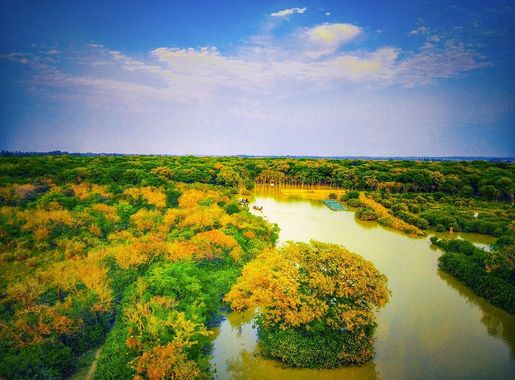
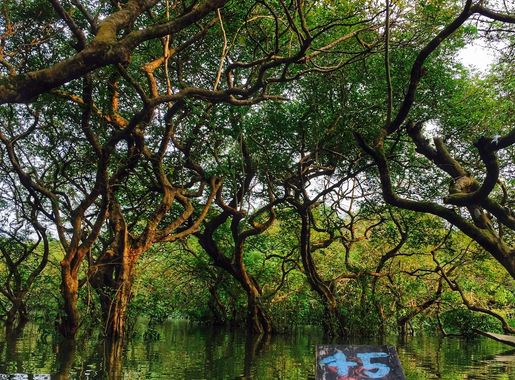
Nestled in Sylhet, Bangladesh, Ratargul Swamp Forest is a hidden gem enveloped in natural beauty. This enchanting wetland forest is one of the few swamp forests in the country and offers a unique and tranquil escape for nature enthusiasts. The forest is submerged under water for most of the year, creating a mesmerizing landscape of emerald green waters and towering trees. Visitors can explore the forest by boat, gliding through the serene water channels while soaking in the lush greenery and the chorus of wildlife. The best time to visit is during the monsoon season, from July to October, when the water levels are at their peak, enhancing the forest's mystical allure. Birdwatchers will be thrilled by the variety of avian species that call this forest home, making it a haven for bird photography. Ratargul Swamp Forest is not just a visual treat but also a sanctuary for a diverse range of flora and fauna. The experience of navigating through this natural labyrinth is both calming and exhilarating, offering a rare opportunity to witness nature in its purest form. Whether you are looking for quiet reflection or an adventure in the wild, Ratargul Swamp Forest promises an unforgettable experience.

Know before you go
Hi, I'm Eve. Here are a few practical things to know before exploring Ratargul Swamp Forest.
- Visit during the monsoon season (July to October) for the best water levels and lush scenery.
- Wear light, breathable clothing and bring insect repellent to stay comfortable.
- Hire a local guide for an informative and safe boat tour through the forest.
- Bring binoculars and a camera with a good zoom lens for birdwatching and photography.
- Check local weather conditions before planning your visit as heavy rains can affect accessibility.
Explore Ratargul Swamp Forest: Things to Do, Places to Eat, Hotels & More
Handpicked recommendations for top attractions, local dining, accommodations, and more

Best attractions in Ratargul Swamp Forest
Top-rated picks
Best Attractions

Bholaganj Sada Pathor - Sylhet
Discover Bholaganj Sada Pathor: Sylhet's stunning white stone paradise with crystal-clear waters and breathtaking views of the Meghalaya hills.

Bholagonj Sada Pathor Tourist Spot
Discover the serene beauty of Bholagonj Sada Pathor in Sylhet: a mesmerizing landscape of white stones, crystal-clear waters, and panoramic views of the Meghalaya hills.

Malnicherra Tea Estate
Discover Bangladesh's oldest tea garden near Sylhet, a serene escape into lush greenery and rich tea-producing history.

Ratargul
Discover the enchanting Ratargul Swamp Forest in Sylhet, Bangladesh: a unique freshwater ecosystem teeming with wildlife and natural beauty.

Best landmarks in Ratargul Swamp Forest
Top-rated picks
Best Landmarks

Tilagarh Eco Park
Explore the natural beauty of Tilagarh Eco Park, an ecological gem in Sylhet, perfect for family outings and nature lovers.

Ratargul Swamp Forest Boat Station
Explore the stunning Ratargul Swamp Forest Boat Station, a natural paradise in Bangladesh with serene boat rides and rich wildlife experiences.

আলিয়াছড়া (গুলবাহার) খাসিয়া পুঞ্জি
Discover the natural beauty and cultural richness of Alifachara (Gunabahar) Kasifa Pundj, a must-visit tourist attraction in Bangladesh.

Ali Amjad's Clock
Sylhet's oldest clock tower, a historic landmark on the Surma River, reflecting the city's colonial past and enduring spirit.

Best restaurants in Ratargul Swamp Forest
Top-rated picks
Best Restaurants

Panshi Restaurant
Experience authentic Bangladeshi flavors at Panshi Restaurant in Sylhet – where every meal tells a story.

Pach Bhai Restaurant
Discover the heart of Bangladeshi cuisine at Pach Bhai Restaurant - where every dish tells a story.

Ratargul Swamp Forest
Discover Ratargul Swamp Forest - Bangladesh's only swamp forest brimming with unique biodiversity and breathtaking natural beauty.

Woondaal King Kebab
Experience the authentic flavors of Sylhet at Woondaal King Kebab—where delicious kebabs meet warm hospitality.

Best bars in Ratargul Swamp Forest
Top-rated picks
Best Bars

Panshi Restaurant
Discover the essence of Bangladeshi cuisine at Panshi Restaurant, where traditional flavors meet a warm, inviting atmosphere in Sylhet.

Pach Bhai Restaurant
Discover the authentic flavors of Bangladesh at Pach Bhai Restaurant, a charming spot for breakfast and traditional cuisine in Sylhet.

Ratargul Swamp Forest
Discover the enchanting beauty of Ratargul Swamp Forest, a unique freshwater swamp forest in Bangladesh, teeming with vibrant wildlife and serene landscapes.

Kutum Bari Restaurant
Experience the authentic taste of Bangladeshi cuisine at Kutum Bari Restaurant in Sreemangal, where every meal is a cultural journey.

Best nightclubs in Ratargul Swamp Forest
Top-rated picks
Best Nightclubs

Ratargul Swamp Forest
Explore Ratargul Swamp Forest, a breathtaking national forest in Bangladesh, known for its lush landscapes, diverse wildlife, and serene waterways.

Sylhet Club Limited
Discover the vibrant nightlife and cultural richness at Sylhet Club Limited, a premier entertainment destination in Sylhet.

Ratargul Swamp Forest Boat Station
Experience the enchanting Ratargul Swamp Forest Boat Station, a serene haven of biodiversity and natural beauty ideal for nature lovers and adventurers.

Jalalabad Golf Club
Discover the exquisite Jalalabad Golf Club: a golfer's paradise amidst breathtaking landscapes and family-friendly playgrounds.

Best shops in Ratargul Swamp Forest
Top-rated picks
Best Shops

Panshi Restaurant
Discover the essence of Bangladeshi cuisine at Panshi Restaurant, where every meal is a flavorful journey in the heart of Sylhet.

Ratargul Swamp Forest
Discover the enchanting Ratargul Swamp Forest, a unique national forest in Bangladesh, teeming with wildlife and stunning landscapes.

Bholagonj Sada Pathor Tourist Spot
Experience the breathtaking beauty of Bholagonj Sada Pathor, a serene tourist attraction in Sylhet, Bangladesh, perfect for nature lovers and adventure seekers.

Bholaganj Sada Pathor - Sylhet
Experience the breathtaking beauty of Bholaganj Sada Pathor, a stunning natural attraction in Sylhet, Bangladesh, known for its enchanting white stones and serene river views.

Explore Ratargul Swamp Forest on the Map
A handpicked selection of must-see spots in Ratargul Swamp Forest, mapped for you.
Ratargul Swamp Forest Essentials
-
Ratargul Swamp Forest is located in the Sylhet division of Bangladesh. The closest major city is Sylhet, which has an airport, Osmani International Airport. From Dhaka, the capital city of Bangladesh, you can take a flight to Sylhet, which takes about 45 minutes. You can also travel by train or bus, which takes approximately 6-7 hours. From Sylhet, you can hire a taxi or take a local bus to Gowainghat Upazila, about 26 kilometers away. From Gowainghat, you will need to take a boat to enter the swamp forest.
-
Once in Sylhet, local transportation options include taxis, auto-rickshaws (CNGs), and buses. To reach Ratargul Swamp Forest, it is advisable to hire a taxi or auto-rickshaw for a more comfortable journey. Boats are the primary mode of transportation within the swamp forest, and you can hire them at the entry point in Gowainghat. Ensure you agree on the fare beforehand to avoid any misunderstandings.
-
The official currency of Bangladesh is the Bangladeshi Taka (BDT). While credit cards are accepted in some hotels and restaurants in Sylhet, it is recommended to carry cash, especially for smaller vendors and when traveling to rural areas like Ratargul. ATMs are available in Sylhet, but it is wise to withdraw sufficient cash before heading to the swamp forest.
-
Ratargul Swamp Forest is generally safe for tourists, but it is always best to take standard precautions. Avoid traveling alone at night and keep your belongings secure. While there are no specific high-crime areas targeting tourists in Ratargul, it is wise to stay vigilant and aware of your surroundings. Always use licensed and reputable transportation services.
-
In case of emergency, dial 999 for immediate assistance. Sylhet has hospitals and medical facilities where you can seek help. It is recommended to have travel insurance that covers medical emergencies. For minor health issues, there are pharmacies in Sylhet where you can purchase over-the-counter medications. Always carry a basic first-aid kit when venturing into the swamp forest.
-
Fashion: Do wear lightweight, breathable clothing suitable for humid conditions, and consider long sleeves and pants to protect against insects. Avoid overly revealing clothing. Religion: Do respect local customs and traditions. Bangladesh is predominantly Muslim, so modesty is appreciated. Public Transport: Do be respectful to other passengers and avoid loud conversations. Don’t eat or drink on public transport. Greetings: Do greet people with a friendly 'Salam Alaikum' (peace be upon you) or a simple 'hello.' Don't extend your hand to shake unless the other person initiates it. Eating & Drinking: Do try local delicacies and accept food offerings graciously. Don’t refuse hospitality, as it is considered impolite.
-
To experience Ratargul Swamp Forest like a local, consider visiting during the monsoon season (June to September) when the water levels are high, offering a unique perspective of the swamp. Engage with local boatmen who can share interesting stories and insights about the forest. Don’t miss out on trying local snacks and tea from small roadside stalls. Early morning or late afternoon visits are ideal for avoiding crowds and experiencing the serene beauty of the forest.
When is the best time to visit Ratargul Swamp Forest?
Useful Local Phrases for Ratargul Swamp Forest
You don't need to speak the language perfectly. Even learning a few simple words can make conversations warmer—and locals usually appreciate the effort.
— Eve

Here are the phrases I use most often in Ratargul Swamp Forest. Try a few—you'll be surprised how far they go! 😊
❤️
-
- Helloহ্যালো
[hyalo] - Goodbyeবিদায়
[bidae] - Yesহ্যাঁ
[hya] - Noনা
[na] - Please/You're welcomeঅনুগ্রহ করে
[onugroh kore] - Thank youধন্যবাদ
[dhonobad] - Excuse me/Sorryদুঃখিত
[dukhit] - How are you?তুমি কেমন আছো?
[tumi kemon asho?] - Fine. And you?ভাল আছি। আর তুমি?
[bhal ashi. ar tumi?] - Do you speak English?তুমি ইংরেজি কথা বলতে পারো?
[tumi ingreji kotha bolte paro?] - I don't understandআমি বুঝতে পারছি না
[ami bujhte parchi na]
- Helloহ্যালো
-
- I'd like to see the menu, pleaseদয়া করে মেনু দেখাবেন
[doya kore menu dekhaben] - I don't eat meatআমি মাংস খাই না
[ami mangsh khai na] - Cheers!চিয়ারস!
[cheers!] - I would like to pay, pleaseদয়া করে টাকা পরিশোধ করতে চাই
[doya kore taka porishodh korto chai]
- I'd like to see the menu, pleaseদয়া করে মেনু দেখাবেন
-
- Help!সাহায্য!
[sahayyo!] - Go away!চলে যাও!
[chole jao!] - Call the Police!পুলিশকে কল করুন!
[polishke kol korun!] - Call a doctor!ডাক্তারকে কল করুন!
[daktarke kol korun!] - I'm lostআমি হারানো গেছি
[ami harano geshi] - I'm illআমি অসুস্থ
[ami oshustho]
- Help!সাহায্য!
-
- I'd like to buy...আমি ... কিনতে চাই
[ami ... kinte chai] - I'm just lookingআমি একটু দেখতেছি
[ami ekto dekhtechi] - How much is it?এটার মূল্য কত?
[etar mulyo koto?] - That's too expensiveএটা খুব বেশি দাম
[eta khub beshi dam] - Can you lower the price?আপনি দাম কমাতে পারবেন?
[apni dam komate parben?]
- I'd like to buy...আমি ... কিনতে চাই
-
- What time is it?এখন কতটা বাজে?
[ekhon kotta baje?] - It's one o'clockএকটা বাজে
[ekta baje] - Half past (10)দশের অর্ধেক
[dasher ordhek] - Morningসকাল
[shokal] - Afternoonদুপুর
[dupur] - Eveningসন্ধ্যা
[shondhya] - Yesterdayগতকাল
[gatkal] - Todayআজ
[aj] - Tomorrowআগামীকাল
[agamikal] - 1এক
[ek] - 2দুই
[dui] - 3তিন
[tin] - 4চার
[char] - 5পাঁচ
[pach] - 6ছয়
[chhoy] - 7সাত
[shat] - 8আট
[at] - 9নয়
[noy] - 10দশ
[dosh]
- What time is it?এখন কতটা বাজে?
-
- Where's a/the...?... কোথায়?
[... kothay?] - What's the address?ঠিকানা কী?
[thikana ki?] - Can you show me (on the map)?আপনি আমাকে (ম্যাপে) দেখাতে পারবেন?
[apni amake (map-e) dekhate parben?] - When's the next (bus)?পরের (বাস) কবে?
[porer (bus) kobe?] - A ticket (to ....)একটি টিকিট (প্রতি ...)
[ekti ticket (proti ...)]
- Where's a/the...?... কোথায়?
History of Ratargul Swamp Forest
-
Ratargul Swamp Forest, located in the Sylhet Division of Bangladesh, is one of the few freshwater swamp forests in the country. This unique ecosystem is primarily composed of various species of freshwater flora and fauna. The forest spans approximately 3,325.61 acres, of which 504 acres are declared as a wildlife sanctuary.
-
The Ratargul Swamp Forest is fed by the Gowain River, which is connected to the larger Surma River. The forest remains submerged under water for most of the year, except during the dry season. The water levels rise significantly during the monsoon season, transforming the forest into a lush, verdant landscape teeming with aquatic life.
-
During the British Colonial period, the region surrounding Ratargul was subjected to extensive logging and agricultural activities. These activities led to a decline in the forest's biodiversity. Efforts to harvest timber and clear land for tea plantations significantly altered the landscape and reduced the forest's size.
-
Following Bangladesh's independence in 1971, there was a renewed interest in conserving the nation's natural resources. Ratargul Swamp Forest was identified as a critical area for biodiversity and environmental preservation. Several initiatives were undertaken to protect the forest from illegal logging and encroachment.
-
In 2015, the Bangladesh government officially declared 504 acres of Ratargul Swamp Forest as a wildlife sanctuary. This designation aimed to protect the forest's unique ecosystem and provide a safe habitat for its diverse species of plants, birds, fish, and reptiles. The declaration also helped to boost eco-tourism, attracting visitors from around the world.
-
Ratargul Swamp Forest holds cultural significance for the local communities. Traditional fishing techniques are still practiced by the indigenous people, who rely on the forest’s resources for their livelihoods. The forest is also the subject of various local myths and folklore, adding to its mystique and allure.
Neighbouring destination travel guides
Browse our curated selection of top destinations, scenic points, and must-visit spots in the area.




Your all‑in‑one travel companion app
Explore expert travel guides, compare and book tours, experiences, hotels, and more—all from the palm of your hand. Download now for seamless trip planning wherever your wanderlust takes you.


Explore More of Sylhet Division

Looking beyond Ratargul Swamp Forest? Discover Sylhet Division for broader travel guides, local hot-spots, and regional highlights.
Explore Sylhet DivisionExplore More of Bangladesh

Looking beyond Ratargul Swamp Forest? Discover Bangladesh for broader travel guides, local hot-spots, and regional highlights.
Explore BangladeshRatargul Swamp Forest in Photos
Browse through our photo collection highlighting the charm and character of the destination.




Ratargul Swamp Forest: The Enchanted Waterscape of Bangladesh
Nestled in Sylhet, Bangladesh, Ratargul Swamp Forest is a hidden gem enveloped in natural beauty. This enchanting wetland forest is one of the few swamp forests in the country and offers a unique and tranquil escape for nature enthusiasts. The forest is submerged under water for most of the year, creating a mesmerizing landscape of emerald green waters and towering trees. Visitors can explore the forest by boat, gliding through the serene water channels while soaking in the lush greenery and the chorus of wildlife. The best time to visit is during the monsoon season, from July to October, when the water levels are at their peak, enhancing the forest's mystical allure. Birdwatchers will be thrilled by the variety of avian species that call this forest home, making it a haven for bird photography. Ratargul Swamp Forest is not just a visual treat but also a sanctuary for a diverse range of flora and fauna. The experience of navigating through this natural labyrinth is both calming and exhilarating, offering a rare opportunity to witness nature in its purest form. Whether you are looking for quiet reflection or an adventure in the wild, Ratargul Swamp Forest promises an unforgettable experience.